Equipment failures, high maintenance costs, and limited material lifespans hinder industrial progress. Discover how technical ceramics overcome these persistent challenges.
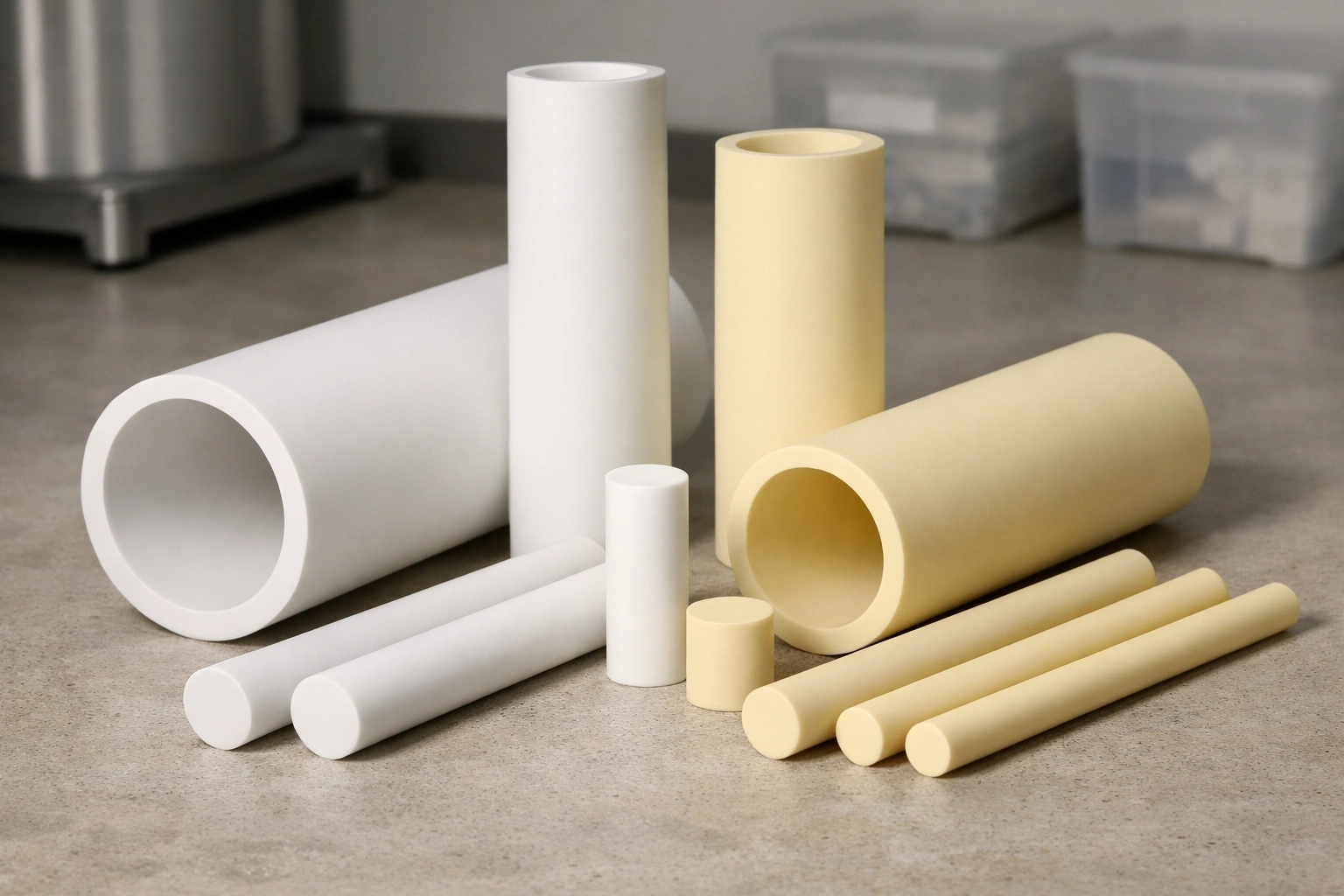
Technical ceramics are engineered materials with superior mechanical, thermal, and electrical properties, enabling reliable performance in demanding industrial applications.
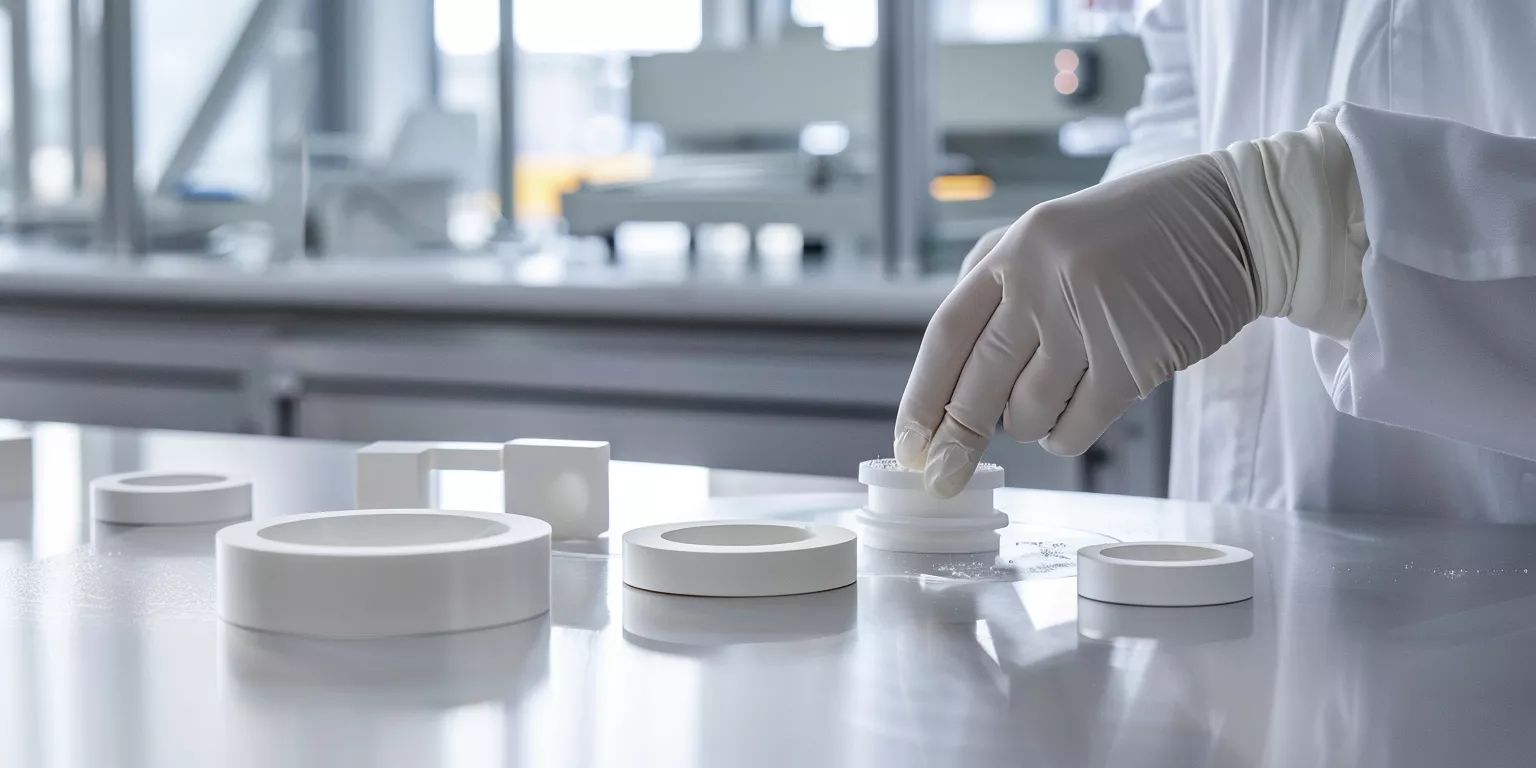
Technical ceramics are transforming industries by providing solutions where metals and polymers fall short. Read on to learn how these materials deliver unmatched value in advanced manufacturing.
How Do Technical Ceramics Differ From Standard Ceramics?
Traditional ceramics often fail in harsh environments due to low strength and inconsistent properties.
Technical ceramics differ from standard ceramics by offering higher purity, engineered compositions, and exceptional performance in extreme conditions.
Standard ceramics, such as clay bricks and porcelain, are made from natural raw materials and are primarily used in construction and household items. In contrast, technical ceramics are produced from high-purity synthetic powders, allowing precise control over composition and microstructure. This results in materials with high strength, low porosity, and tailored properties for industrial use. Their engineered microstructure enables applications in electronics, aerospace, and chemical processing where traditional ceramics cannot perform.
| Feature | Standard Ceramics | Technical Ceramics |
|---|---|---|
| Raw Material | Natural clays | Synthetic powders |
| Purity | Low–moderate | High (≥99%) |
| Mechanical Strength | Low | High |
| Typical Use | Construction, pottery | Industrial components |
Which Technical Ceramic Materials Dominate Industrial Applications?
Selecting the wrong ceramic material can lead to premature failure and increased costs.
Within these material categories, oxide ceramics play a foundational role due to their stability and compatibility with high-demand industrial systems.
What Advantages Do Oxide Ceramics Provide?
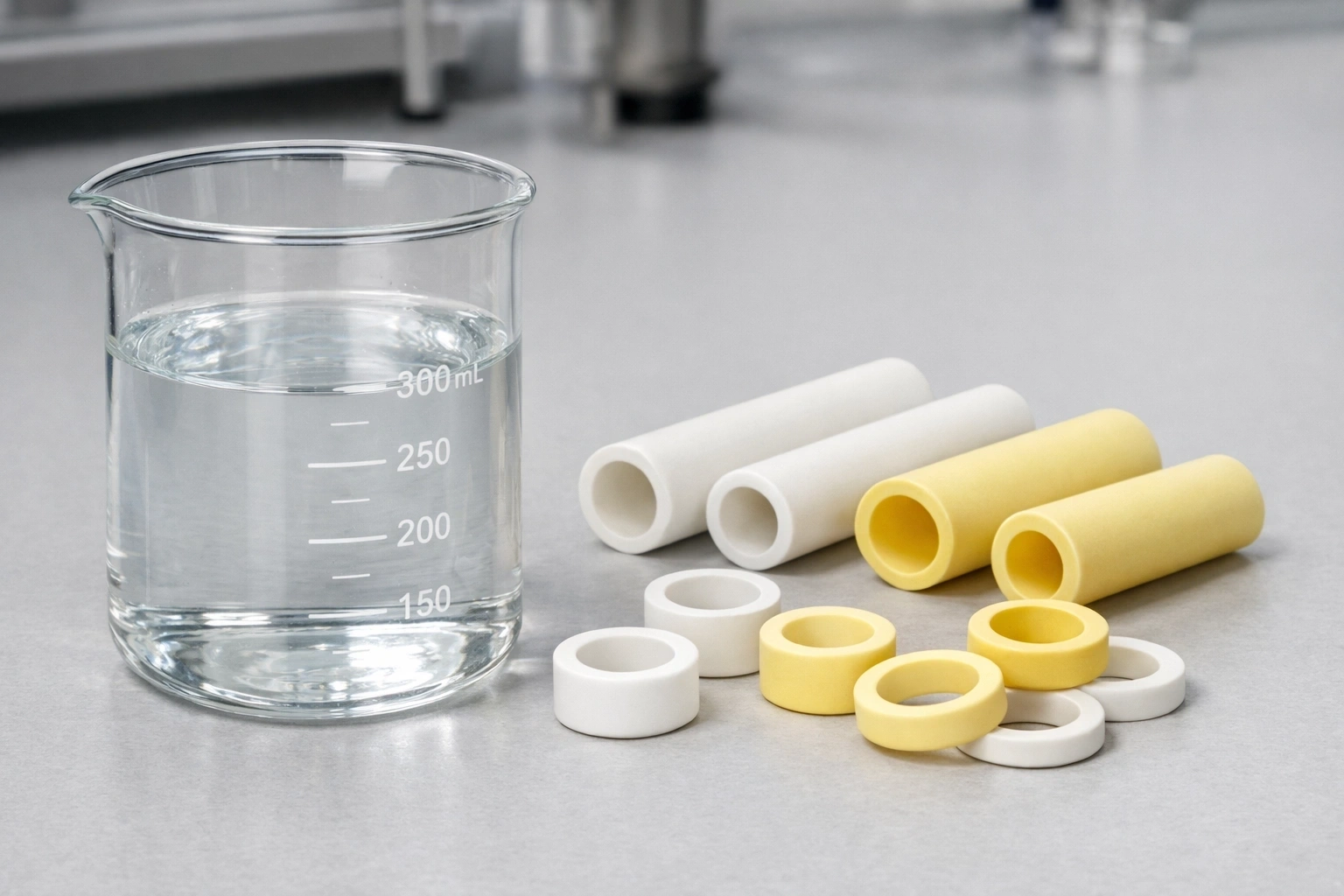
Oxide ceramics, such as alumina (Al₂O₃) and zirconia (ZrO₂), are valued for their chemical stability, electrical insulation, and wear resistance. Alumina is widely used in electrical insulators, pump components, and cutting tools, while zirconia excels in applications requiring toughness and thermal shock resistance.
| Oxide Ceramic | Key Properties | Typical Applications |
|---|---|---|
| Alumina | High hardness, insulator | Tubes, substrates, valves |
| Zirconia | Toughness, shock resistance | Bearings, dental implants |
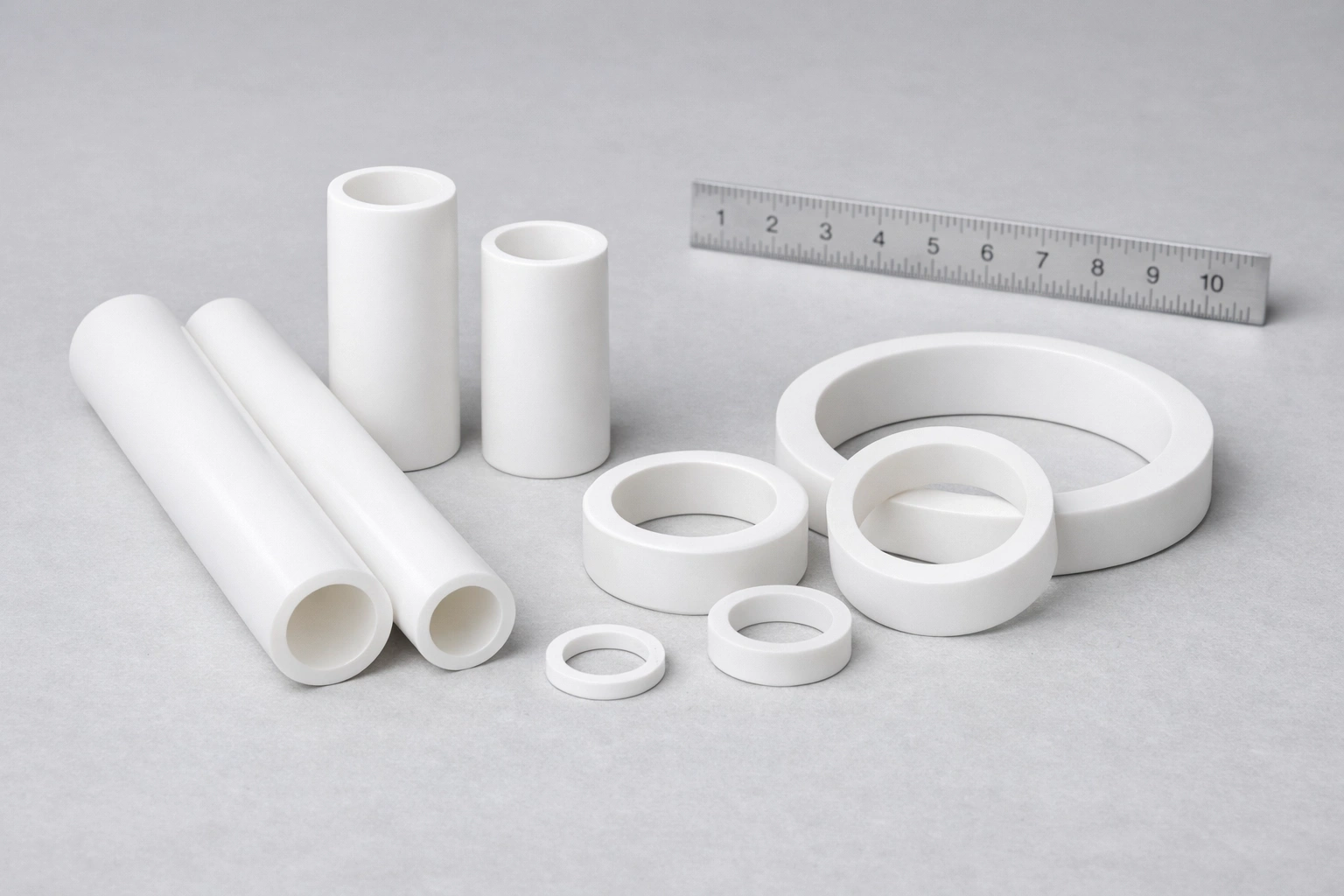
For instance, Alumina tubes are widely adopted as structural and insulating elements due to their high dielectric strength, thermal stability, and resistance to corrosive gases or molten media. Their engineered microstructure enables stable performance under continuous temperatures exceeding 1000 °C. These attributes make alumina tubes indispensable in furnace instrumentation, thermocouple protection, and high-voltage systems.
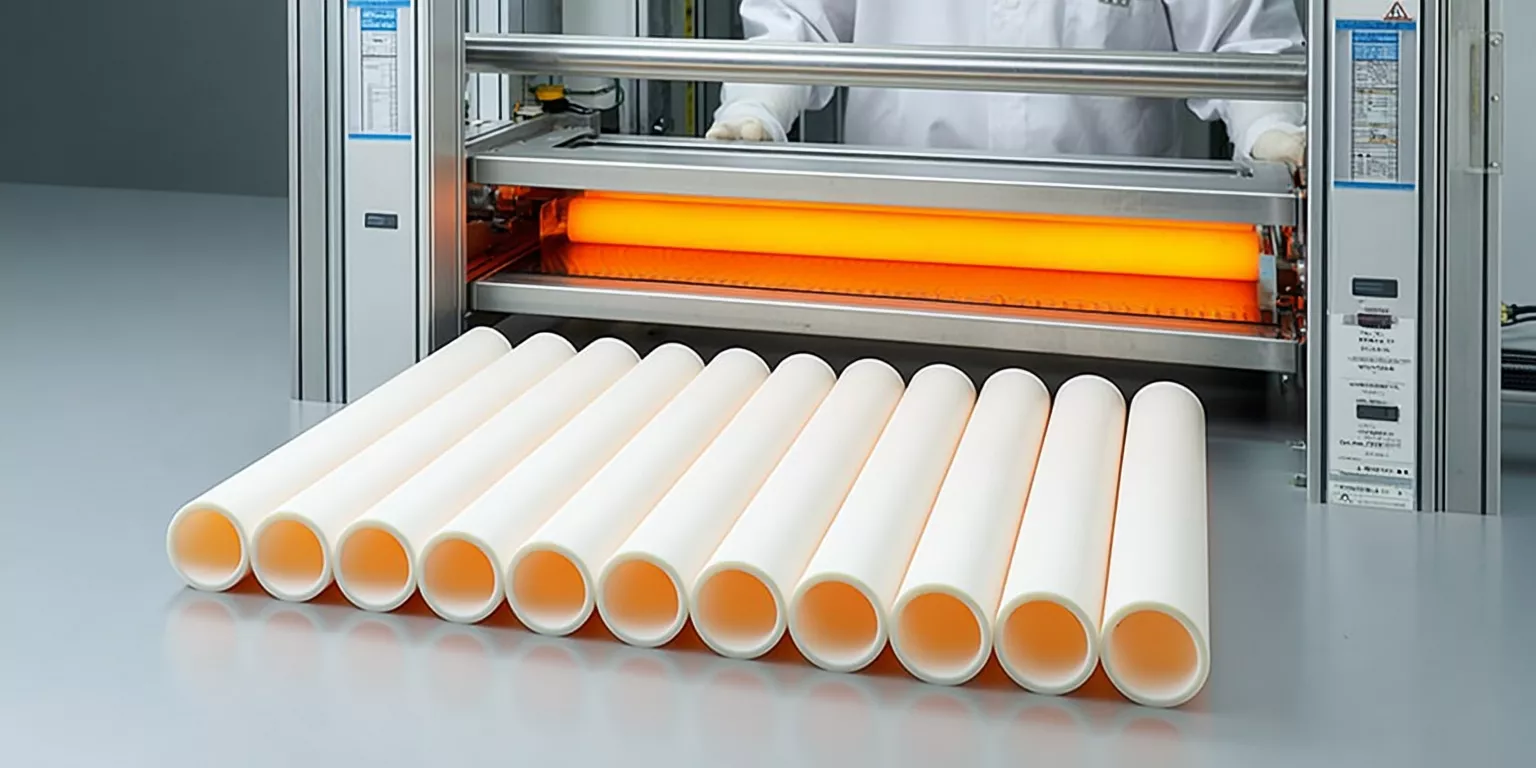
Beyond tubular components, alumina is also a critical material for high-temperature containment vessels used in demanding thermal processes.
How do non-oxide ceramics perform in extreme conditions?
Non-oxide ceramics, including silicon carbide (SiC) and silicon nitride (Si₃N₄), offer exceptional thermal and chemical resistance. These materials maintain strength at high temperatures and resist corrosion, making them ideal for furnace parts, engine components, and mechanical seals.
| Non-Oxide Ceramic | Max Temp (°C) | Key Benefit | Application |
|---|---|---|---|
| Silicon Carbide | 1600 | Thermal, chemical resistance | Kiln furniture, seals |
| Silicon Nitride | 1400 | High strength, low density | Bearings, turbines |
Which composite ceramics offer enhanced properties?
Composite ceramics combine oxides and non-oxides or incorporate reinforcements to achieve synergistic properties. For example, ZTA (zirconia toughened alumina) offers improved toughness, while CMCs (ceramic matrix composites) provide enhanced thermal shock resistance and fracture toughness for aerospace and energy applications.
| Composite Ceramic | Main Components | Enhanced Property | Application |
|---|---|---|---|
| ZTA | Alumina + Zirconia | Toughness | Cutting tools, valves |
| CMC | Ceramic + fibers | Thermal shock resistance | Aerospace, turbines |
What exceptional properties make technical ceramics valuable?
Conventional materials often fail under mechanical, thermal, or electrical stress, leading to costly downtime.
Technical ceramics are valuable for their superior mechanical strength, thermal stability, and electrical insulation, outperforming metals and polymers in critical applications.
How do mechanical properties compare to metals?
Technical ceramics exhibit higher hardness and wear resistance than most metals. Their high compressive strength and low density make them ideal for components exposed to abrasion and heavy loads.
| Property | Technical Ceramics | Metals |
|---|---|---|
| Hardness (Vickers) | 1200–2200 | 100–900 |
| Compressive Strength (MPa) | 2000–4000 | 250–2000 |
| Density (g/cm³) | 3–6 | 7–8 |
What thermal capabilities enable high-temperature applications?
Technical ceramics withstand extreme temperatures and rapid thermal cycling without degradation. Their thermal shock resistance is critical for furnace, engine, and heat exchanger components.
| Property | Technical Ceramics | Metals |
|---|---|---|
| Max Temp (°C) | 1400–2000 | 600–1200 |
| Thermal Expansion (10⁻⁶/K) | 4–8 | 10–20 |
| Thermal Conductivity (W/m·K) | 20–120 | 15–400 |
For example, Alumina crucibles deliver chemical inertness and thermal shock resistance that enable stable operation in metallurgical melting, powder calcination, and laboratory analysis. Their dense microstructure minimizes contamination and maintains dimensional integrity during rapid temperature gradients. These properties allow alumina crucibles to outperform glassy or metallic alternatives in precision thermal environments.
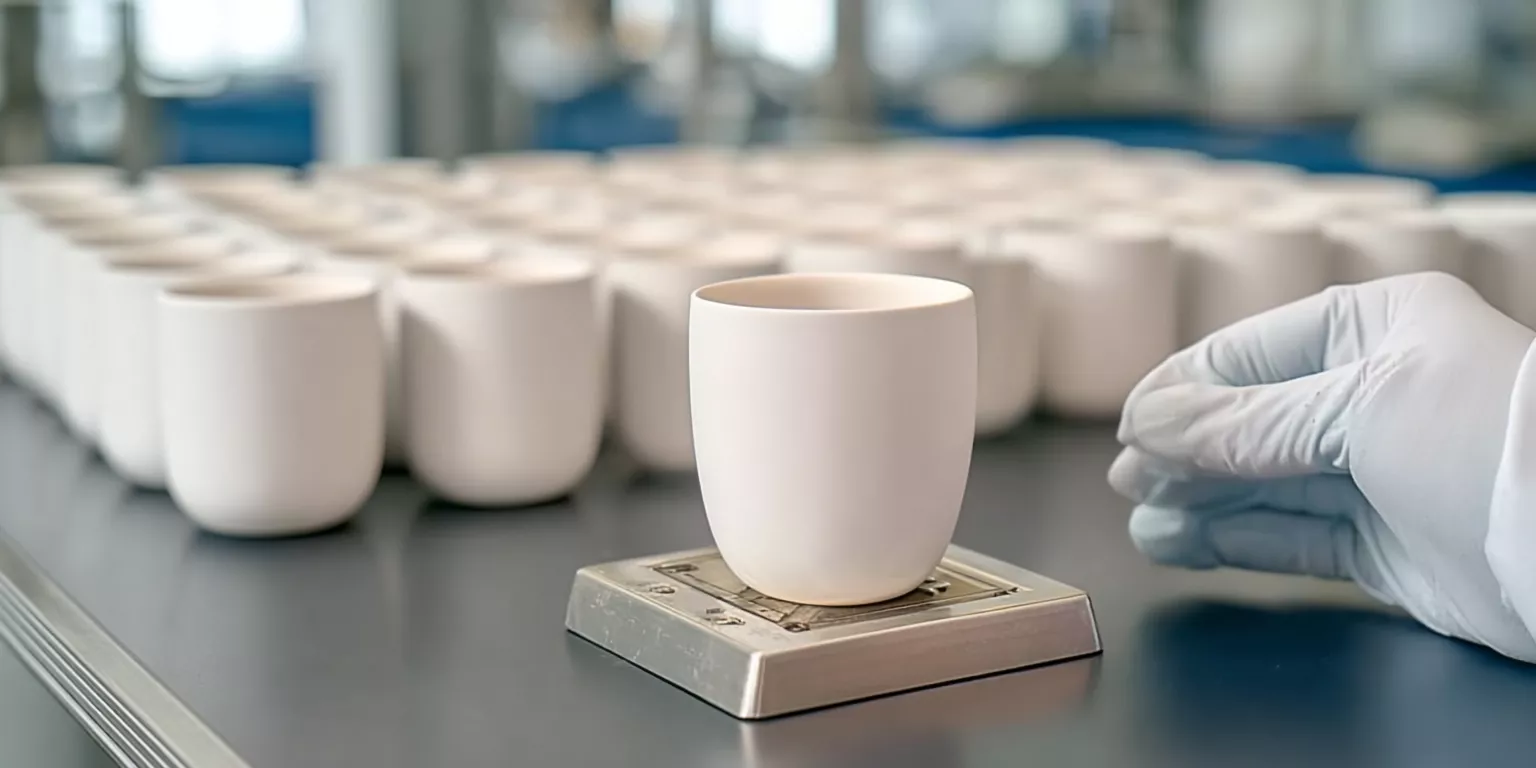
Beyond oxide ceramics, non-oxide ceramics extend performance into ultra-high-temperature and chemically aggressive conditions.
Which electrical properties suit precision electronic components?
Technical ceramics offer high dielectric strength and electrical resistivity, making them ideal for insulators, substrates, and electronic packages.
| Property | Technical Ceramics | Metals |
|---|---|---|
| Dielectric Strength (kV/mm) | 10–30 | N/A |
| Electrical Resistivity (Ω·cm) | 10¹⁴–10¹⁶ | 10⁻⁶–10⁻⁴ |
| Insulation Quality | Excellent | Poor |
How are technical ceramics manufactured for precision applications?
Traditional forming methods limit accuracy and consistency, resulting in variable product quality.
Technical ceramics are manufactured using advanced powder processing, isostatic pressing, and precision sintering, enabling tight tolerances and complex geometries.
Production begins with high-purity powders, which are shaped using methods such as cold isostatic pressing or injection molding. Sintering at high temperatures in controlled atmospheres densifies the material, while post-sintering machining with diamond tools achieves sub-millimeter tolerances. These precision manufacturing techniques ensure consistent quality for demanding applications.
| Process Step | Description | Benefit |
|---|---|---|
| Powder Preparation | High-purity, fine powders | Uniform properties |
| Forming | Pressing, molding | Complex shapes |
| Sintering | High-temp, controlled atmosphere | High density, low porosity |
| Machining | Diamond tools, grinding | Tight tolerances |
Which industries rely most heavily on technical ceramics?
Industries using conventional materials often face frequent failures and high maintenance costs.
Electronics, chemical processing, energy, aerospace, and medical industries rely heavily on technical ceramics for critical components.
Electronics manufacturers use ceramics for substrates and insulators, while chemical plants depend on corrosion-resistant linings and valves. The energy sector utilizes ceramics in turbines and fuel cells, and aerospace companies require lightweight, heat-resistant parts. Medical device manufacturers value ceramics for their biocompatibility and wear resistance. The broad industrial adoption of technical ceramics is driven by their unique ability to meet stringent performance requirements.
| Industry | Key Ceramic Application | Benefit |
|---|---|---|
| Electronics | Substrates, insulators | High insulation, precision |
| Chemical Processing | Linings, valves | Corrosion resistance |
| Energy | Turbines, fuel cells | High-temp stability |
| Aerospace | Heat shields, bearings | Lightweight, durable |
| Medical | Implants, prosthetics | Biocompatibility |
What performance advantages justify technical ceramics costs?
Higher initial costs can deter investment, but performance gains often outweigh expenses.
Technical ceramics justify their cost through longer service life, reduced maintenance, and superior reliability in harsh environments.
While technical ceramics require greater investment in materials and processing, their durability and resistance to wear, corrosion, and heat result in lower total cost of ownership. Fewer replacements, less downtime, and improved product quality make them a cost-effective choice for critical applications. The lifecycle value of technical ceramics often surpasses that of metals and polymers.
| Cost Factor | Technical Ceramics | Metals/Polymers |
|---|---|---|
| Initial Cost | High | Low–moderate |
| Service Life | Long | Short–moderate |
| Maintenance | Minimal | Frequent |
| Total Cost of Ownership | Low | High |
How should engineers select optimal technical ceramics materials?
Choosing the wrong material can compromise equipment performance and increase costs.
Engineers should evaluate application requirements—such as temperature, chemical exposure, and mechanical stress—to select the optimal technical ceramic.
A systematic approach involves assessing operating conditions, required properties, and cost constraints. Consulting with material specialists and referencing industry standards ensures the best match for performance and reliability. Custom solutions may be necessary for unique challenges, leveraging the full potential of technical ceramics.
| Selection Criteria | Consideration | Example Material |
|---|---|---|
| High Temperature | Max operating temp | Silicon carbide |
| Chemical Resistance | Acid/alkali exposure | Alumina, zirconia |
| Mechanical Strength | Load, wear, impact | Silicon nitride, ZTA |
| Electrical Insulation | Dielectric strength | Alumina |
Conclusion
Technical ceramics deliver unmatched performance, reliability, and value across advanced industrial applications.
Upgrade your equipment and processes with technical ceramics for superior results. For expert guidance and custom solutions, contact ADCERAX today.
FAQs about Technical Ceramics
-
What defines technical ceramics in modern industry?
Technical ceramics are high-purity engineered materials designed for superior mechanical, thermal, and electrical performance. They outperform metals and polymers in demanding industrial environments. -
How are technical ceramics different from traditional ceramics?
Unlike traditional ceramics made from natural clays, technical ceramics use synthetic powders with ≥99% purity, enabling precise control of properties and improved strength, wear resistance, and chemical stability. -
Which technical ceramic materials are most common in manufacturing?
Alumina (Al₂O₃), zirconia (ZrO₂), silicon carbide (SiC), and silicon nitride (Si₃N₄) are widely used due to their balance of toughness, heat resistance, and electrical insulation. -
Why are oxide ceramics important for industrial components?
Oxide ceramics such as alumina and zirconia offer strong chemical stability, high hardness, and excellent insulation, making them ideal for tubes, valves, and precision substrates. -
What makes non-oxide ceramics suitable for extreme environments?
Non-oxide ceramics like SiC and Si₃N₄ maintain high strength up to 1600 °C, resist corrosion, and perform reliably under rapid thermal cycling in turbines and furnaces. -
How do composite ceramics improve overall material performance?
Composite ceramics combine oxides and non-oxides to achieve synergy—ZTA improves fracture toughness, while CMCs resist thermal shock in aerospace and energy systems.