Material failures, inconsistent quality, and limited performance often result from choosing the wrong ceramic type. Learn how to avoid costly mistakes.
Traditional ceramics are limited by lower purity and performance, while advanced ceramics offer superior mechanical, thermal, and electrical properties for demanding industrial applications.
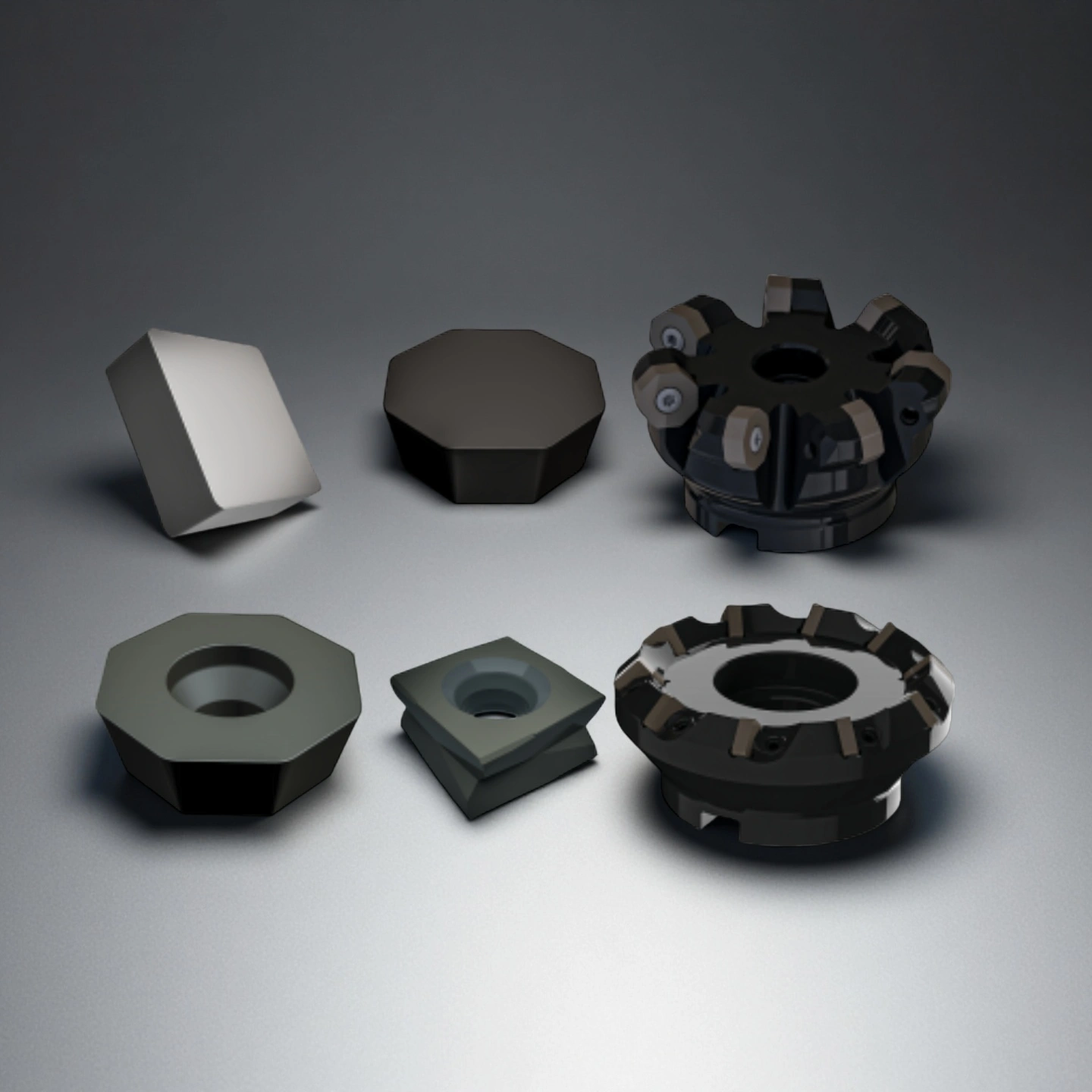
Selecting the right ceramic material is crucial for optimizing equipment reliability, cost, and performance. Explore the essential distinctions to make informed decisions.
What limitations restrict traditional ceramic industrial use?
Cracking, porosity, and inconsistent properties often cause traditional ceramics to fail in harsh environments.
Traditional ceramics are restricted by low mechanical strength, high porosity, and limited chemical resistance, making them unsuitable for advanced industrial needs.
Traditional ceramics—such as clay bricks, tiles, and porcelain—are typically made from natural raw materials with variable composition. Their high porosity leads to water absorption and reduced mechanical integrity. These materials are prone to thermal shock, wear, and chemical attack, which limits their use in high-stress or corrosive applications. As a result, traditional ceramics are mainly used in construction, pottery, and low-demand industrial settings.
| Limitation | Impact on Use | Typical Application |
|---|---|---|
| High Porosity | Weakness, water absorption | Bricks, tiles |
| Low Strength | Cracking, breakage | Pottery, tableware |
| Poor Chemical Resistance | Rapid degradation | Low-demand linings |
Which superior properties make advanced ceramics essential?
Traditional ceramics cannot meet the demands of high-tech industries. Performance gaps lead to equipment failure and costly downtime.
Advanced ceramics are essential due to their high purity, exceptional strength, thermal stability, and chemical inertness, enabling reliable operation in extreme environments.
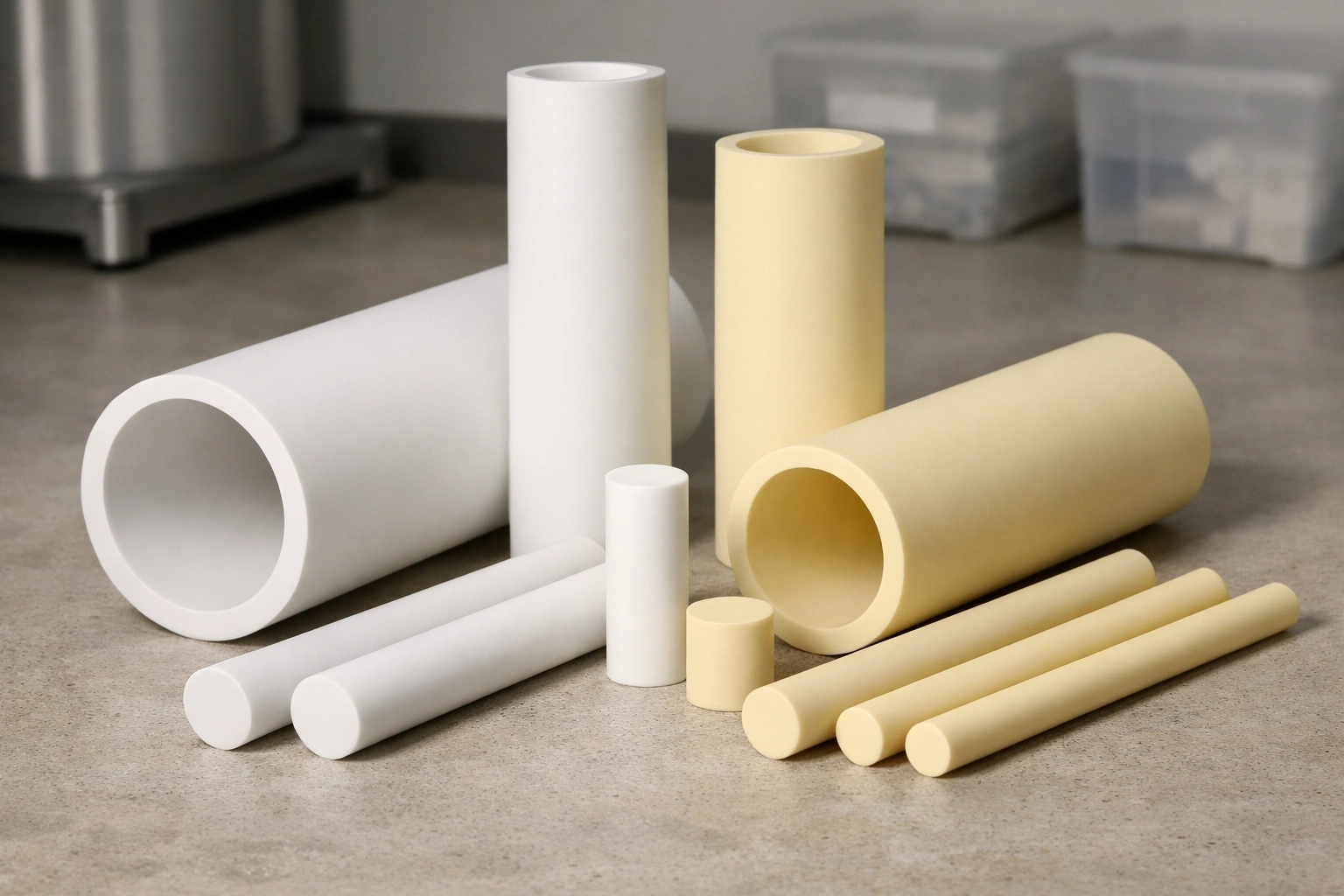
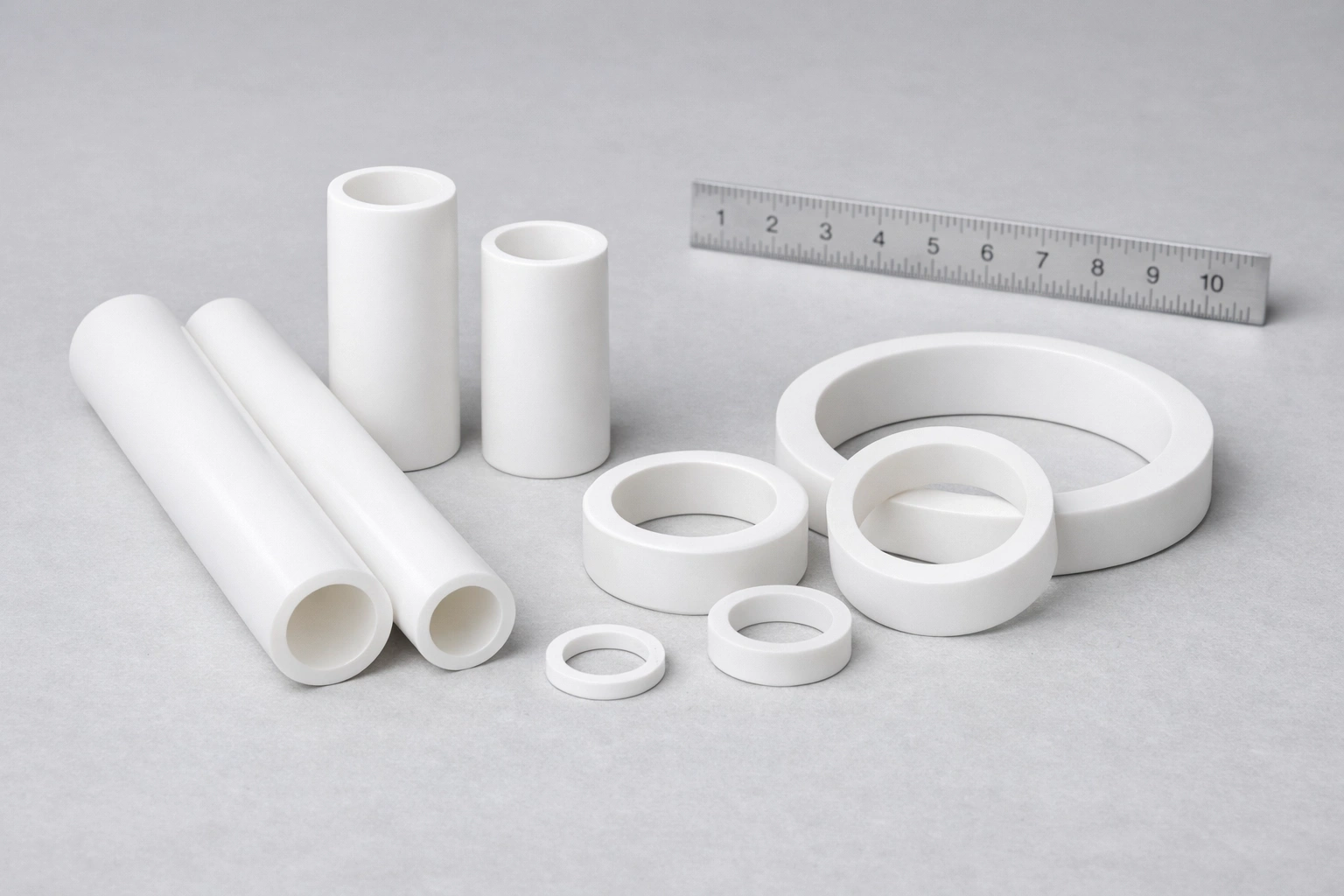
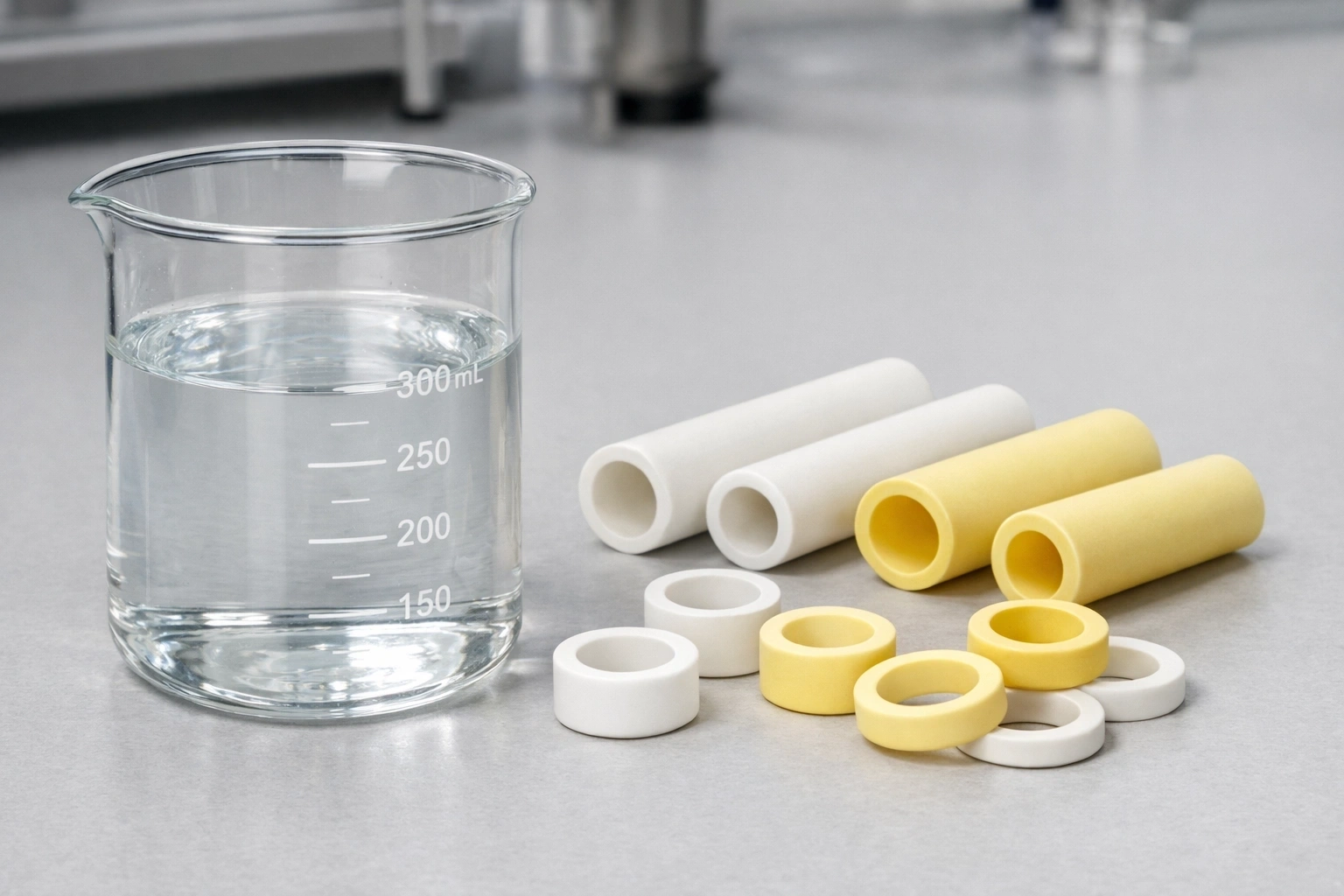
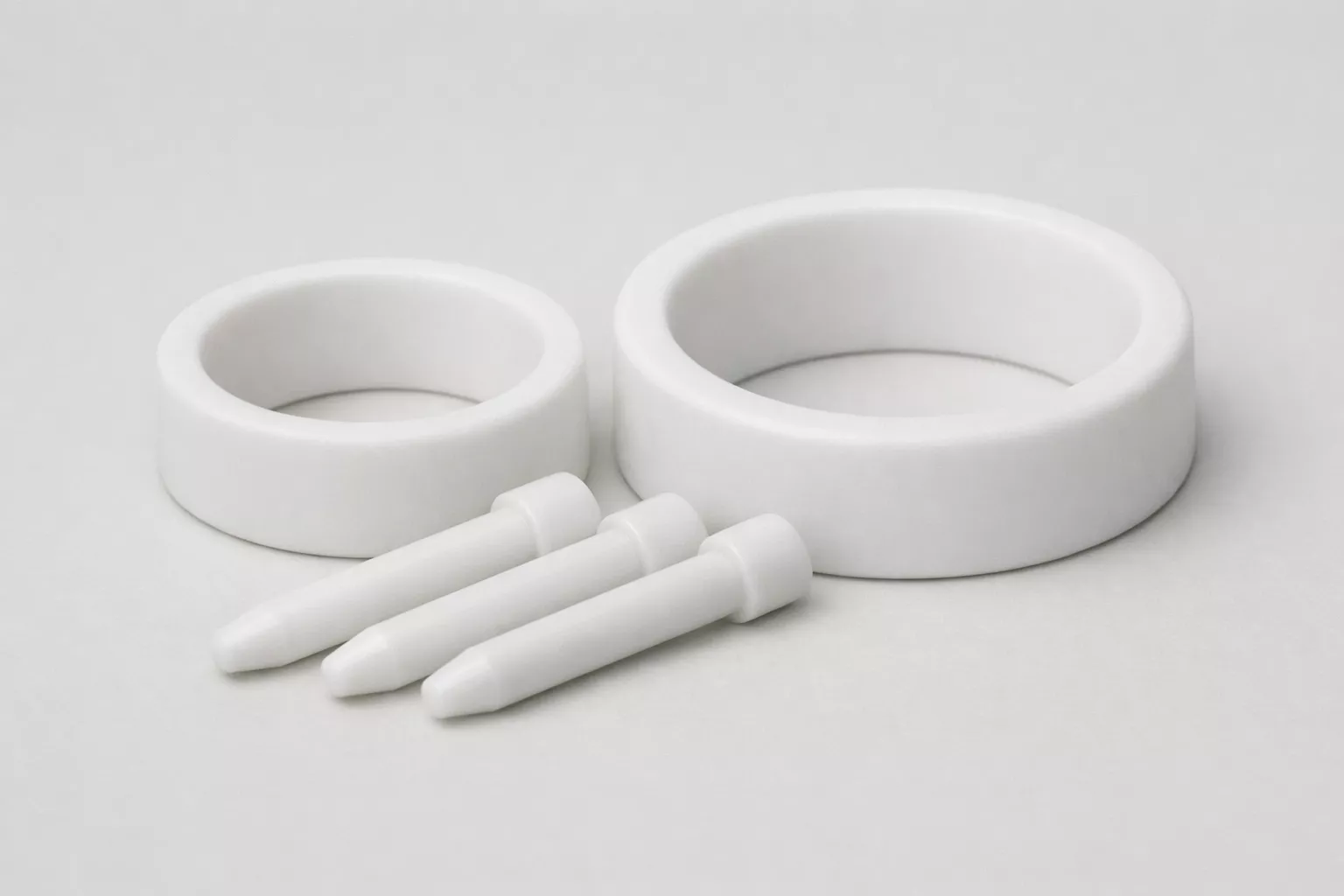
Engineered from refined powders, advanced ceramics like alumina, zirconia, and silicon carbide exhibit superior mechanical properties, low porosity, and precise dimensional control. Their resistance to wear, corrosion, and high temperatures makes them indispensable in electronics, aerospace, chemical processing, and medical devices. These properties ensure long service life, minimal maintenance, and consistent performance where traditional ceramics fall short.
| Property | Advanced Ceramics | Traditional Ceramics |
|---|---|---|
| Purity | ≥99% | 70–90% |
| Flexural Strength (MPa) | 300–1000 | 20–80 |
| Max Temp (°C) | 1400–2000 | 800–1200 |
How do material compositions differ between ceramic types?
Material composition directly affects performance, durability, and application suitability.
Traditional ceramics use natural clays and minerals, while advanced ceramics are formulated from high-purity synthetic compounds for targeted properties.
Traditional ceramics are primarily composed of clay, quartz, and feldspar, resulting in variable properties and higher impurity levels. In contrast, advanced ceramics are synthesized from engineered oxides, carbides, and nitrides, such as alumina (Al₂O₃), zirconia (ZrO₂), silicon carbide (SiC), and silicon nitride (Si₃N₄). This controlled composition enables precise tailoring of mechanical, thermal, and electrical characteristics for specific industrial requirements.
| Ceramic Type | Main Components | Purity Level |
|---|---|---|
| Traditional | Clay, quartz, feldspar | 70–90% |
| Advanced | Alumina, zirconia, SiC, Si₃N₄ | ≥99% |
What manufacturing processes create precision advanced ceramics?
Traditional forming methods limit accuracy and consistency, leading to variable product quality.
Advanced ceramics are manufactured using powder processing, isostatic pressing, and precision sintering, enabling tight tolerances and complex geometries.
Unlike traditional ceramics, which rely on slip casting or extrusion, advanced ceramics use advanced powder metallurgy techniques. These include spray drying, cold isostatic pressing, and hot pressing, followed by high-temperature sintering in controlled atmospheres. Post-sintering machining with diamond tools achieves sub-millimeter tolerances and intricate shapes, making advanced ceramics suitable for high-precision applications in electronics, medical, and aerospace industries.
| Process Step | Traditional Ceramics | Advanced Ceramics |
|---|---|---|
| Forming | Extrusion, slip casting | Isostatic pressing |
| Sintering | Atmospheric, low control | Controlled, high-temp |
| Machining | Minimal, coarse | Precision, diamond tools |
How do performance characteristics compare between ceramic types?
Traditional ceramics often fail under mechanical, thermal, or electrical stress, limiting their industrial use.
Advanced ceramics outperform traditional ceramics in mechanical strength, thermal resistance, and electrical insulation, making them ideal for demanding applications.
Which mechanical properties show the greatest differences?
Advanced ceramics exhibit much higher flexural strength, hardness, and fracture toughness. Their grain structure and purity contribute to superior wear and impact resistance, reducing breakage and extending service life.
| Property | Advanced Ceramics | Traditional Ceramics |
|---|---|---|
| Flexural Strength (MPa) | 300–1000 | 20–80 |
| Hardness (Vickers) | 1200–2200 | 400–800 |
| Fracture Toughness (MPa·m½) | 3–10 | 1–2 |
How do thermal resistance capabilities compare?
Advanced ceramics withstand much higher temperatures and rapid thermal cycling without cracking. Their thermal shock resistance is critical for furnace, kiln, and engine applications.
| Property | Advanced Ceramics | Traditional Ceramics |
|---|---|---|
| Max Temp (°C) | 1400–2000 | 800–1200 |
| Thermal Expansion (10⁻⁶/K) | 4–8 | 6–10 |
| Thermal Shock Resistance | Excellent | Poor |
What electrical properties distinguish advanced ceramics?
Advanced ceramics offer superior dielectric strength and insulation, essential for electronic substrates, insulators, and high-voltage components.
| Property | Advanced Ceramics | Traditional Ceramics |
|---|---|---|
| Dielectric Strength (kV/mm) | 10–30 | 2–5 |
| Electrical Resistivity (Ω·cm) | 10¹⁴–10¹⁶ | 10⁸–10¹⁰ |
| Insulation Quality | Excellent | Moderate |
Which applications favor traditional versus advanced ceramics?
Using the wrong ceramic type can result in premature failure or unnecessary costs.
Traditional ceramics suit construction and low-stress uses, while advanced ceramics are preferred for high-performance, precision, and harsh environment applications.
Traditional ceramics are ideal for bricks, tiles, and pottery, where cost and ease of manufacture are priorities. Advanced ceramics are chosen for demanding roles in electronics, chemical processing, medical devices, and aerospace, where reliability and performance are critical. The application environment determines the optimal ceramic type.
| Application Area | Preferred Ceramic Type | Reason |
|---|---|---|
| Construction | Traditional | Cost-effective, adequate |
| Electronics | Advanced | High insulation, precision |
| Chemical Processing | Advanced | Corrosion resistance |
| Tableware | Traditional | Low cost, aesthetics |
What cost factors influence ceramic material selection?
Budget constraints and performance requirements often conflict in material selection.
Traditional ceramics are less expensive due to simpler materials and processes, while advanced ceramics justify higher costs with superior performance and longevity.
The cost of advanced ceramics reflects high-purity raw materials, precision manufacturing, and post-processing. However, their longer service life, reduced maintenance, and improved reliability often offset the initial investment. For critical applications, the total cost of ownership favors advanced ceramics despite higher upfront prices.
| Factor | Traditional Ceramics | Advanced Ceramics |
|---|---|---|
| Raw Material Cost | Low | High |
| Processing Cost | Low | High |
| Service Life | Short | Long |
| Maintenance | Frequent | Minimal |
How should engineers choose between ceramic options?
Selecting the wrong ceramic can compromise equipment performance and increase costs.
Engineers should assess application requirements—such as temperature, chemical exposure, and precision—to determine if advanced ceramic properties are necessary.
A systematic evaluation of mechanical, thermal, and electrical demands helps identify when traditional ceramics suffice or when advanced ceramics are justified. For high-stress, high-precision, or corrosive environments, advanced ceramics are the optimal choice. Consulting with material specialists and reviewing application-specific standards ensures the best fit for long-term reliability and cost-effectiveness.
| Selection Criteria | Traditional Ceramics | Advanced Ceramics |
|---|---|---|
| Low Cost Priority | ✓ | |
| High Performance Need | ✓ | |
| Precision Requirement | ✓ | |
| Harsh Environment | ✓ |
Conclusion
Understanding the differences between ceramic types enables smarter material choices and better industrial outcomes.
Choose advanced ceramics for demanding applications where performance, reliability, and long-term value matter most. For expert guidance and custom solutions, contact ADCERAX today.