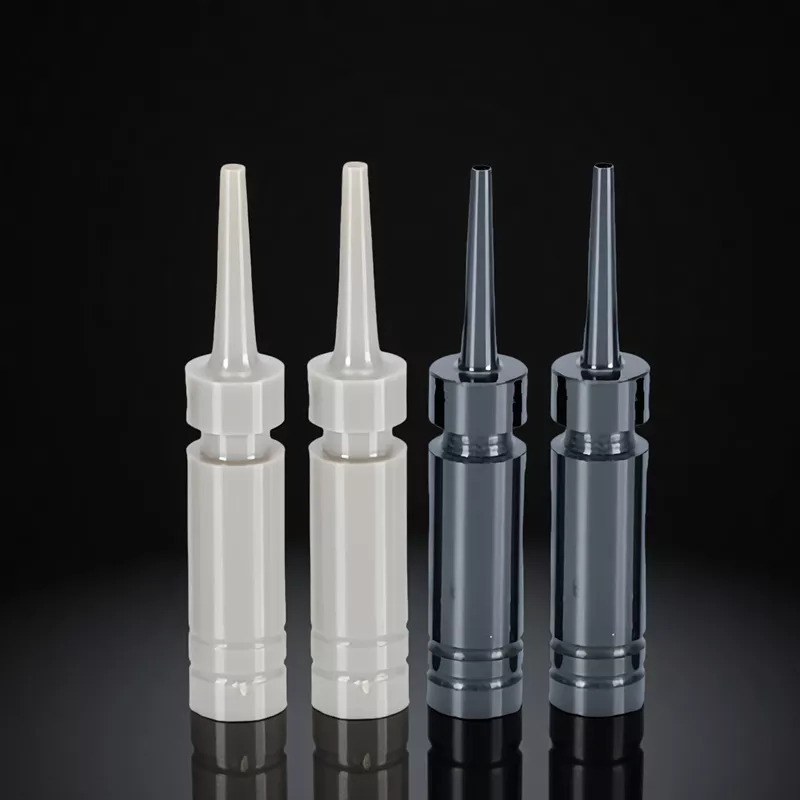
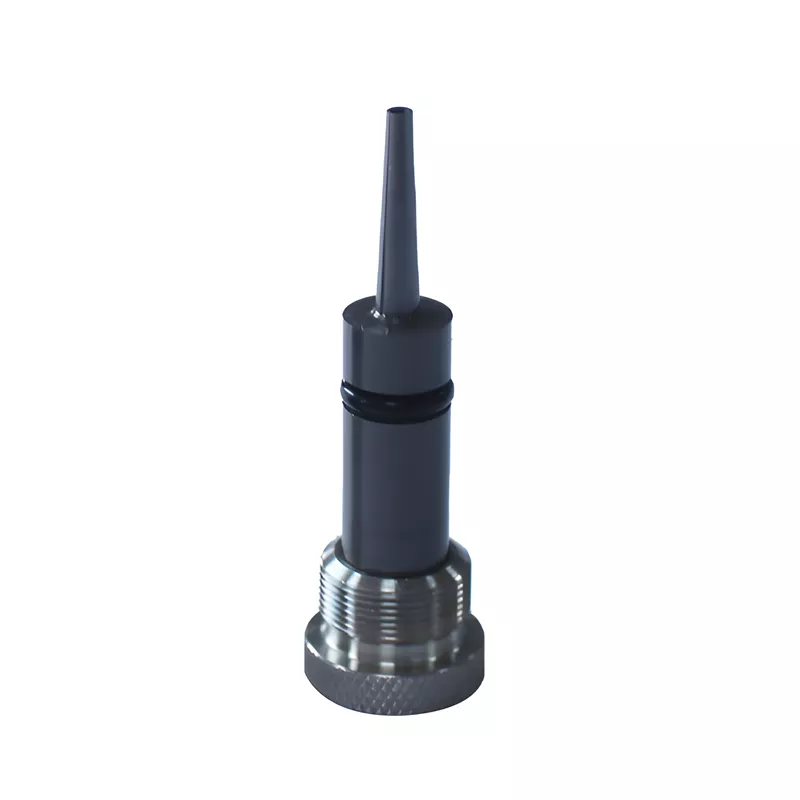
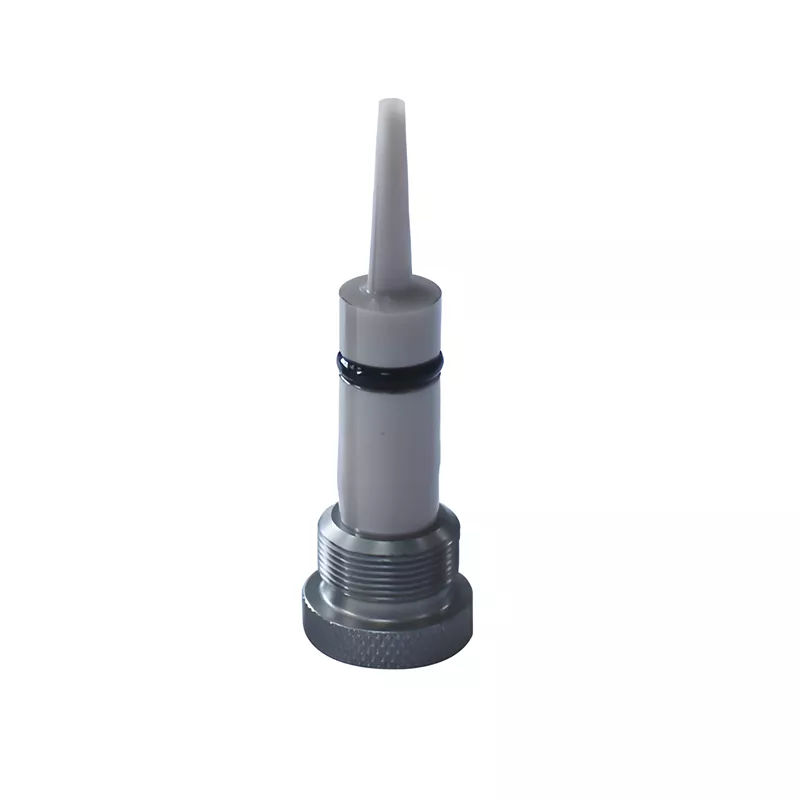
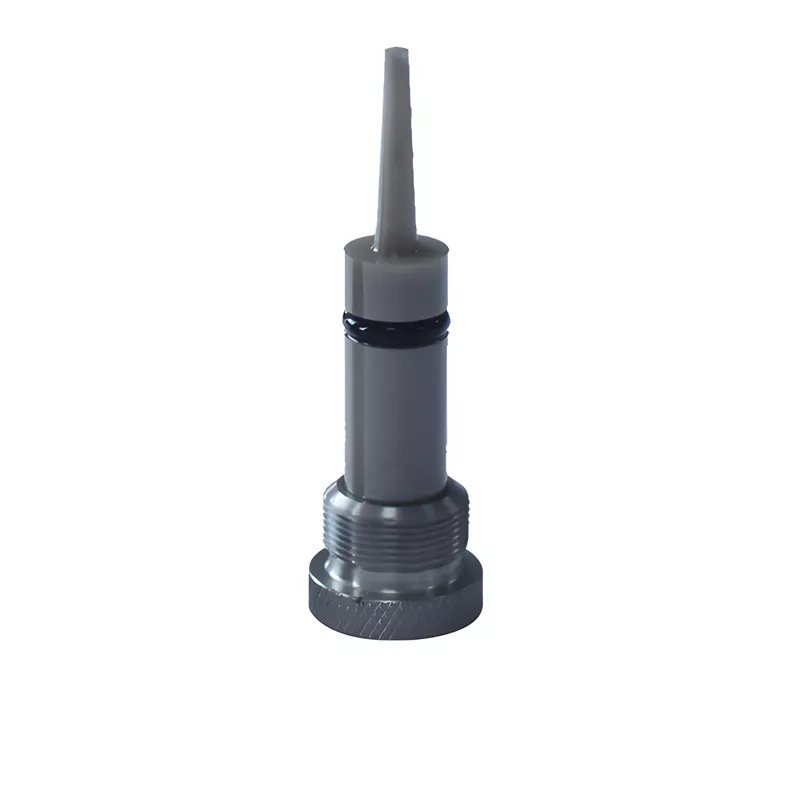
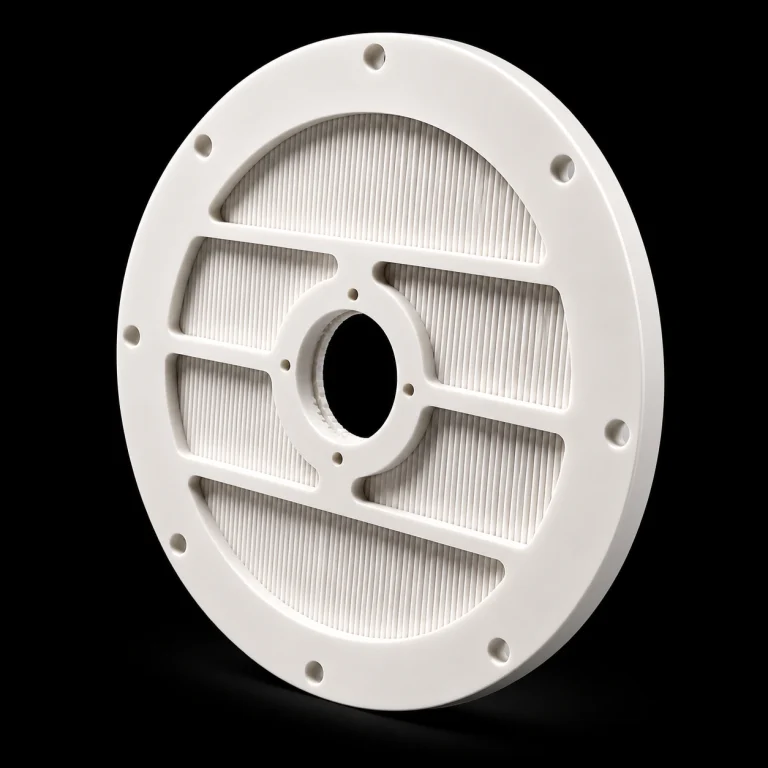
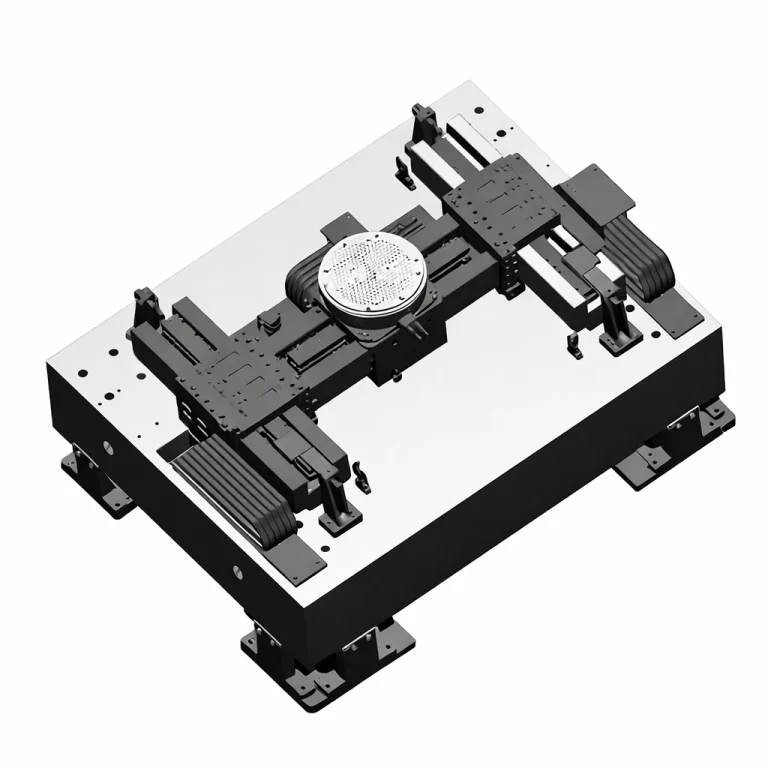
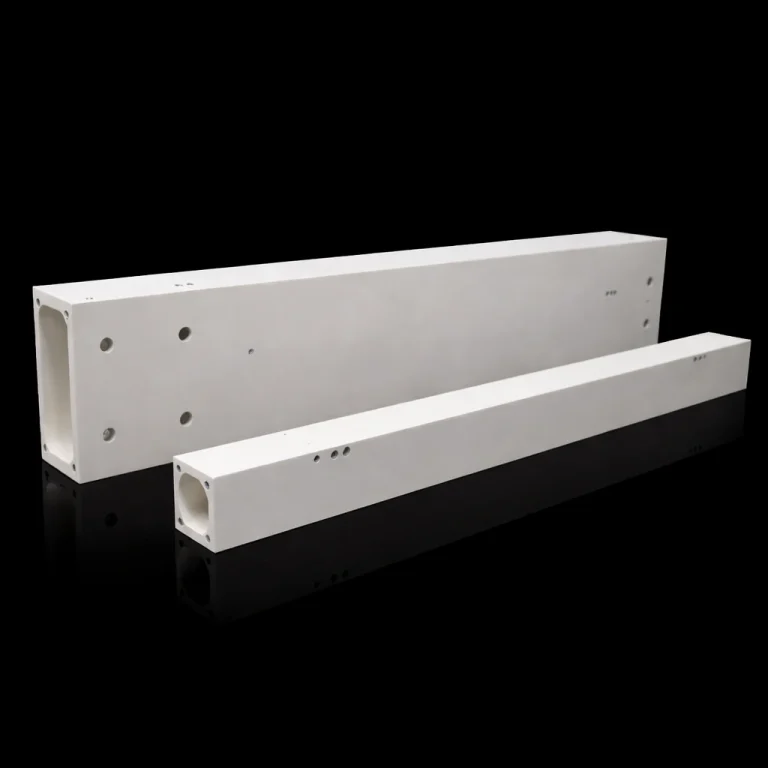
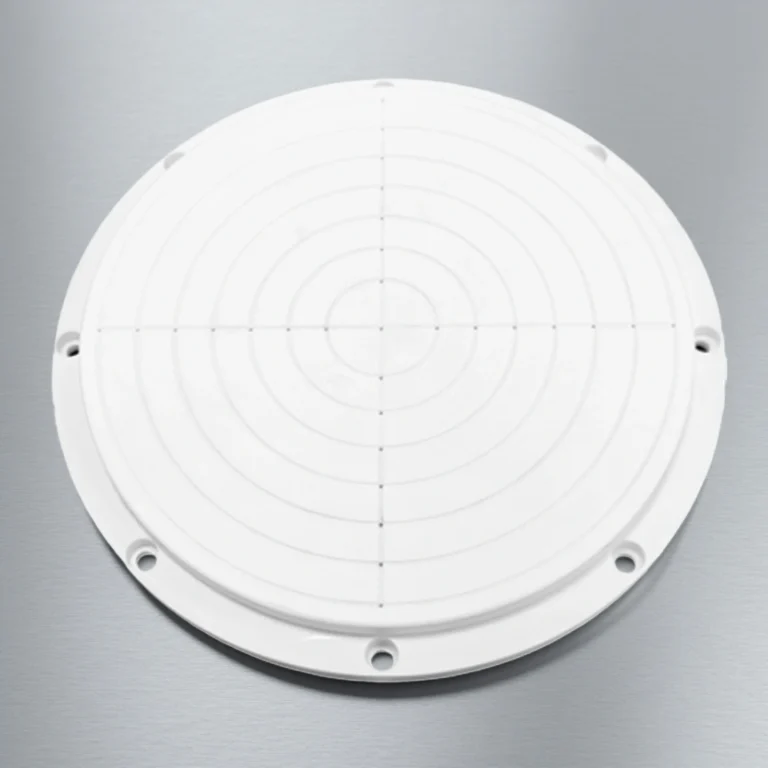
ADCERAX® Zirconia Ceramic Spray Nozzle is designed for liquid atomization in coating systems, combustion burners, and internal combustion engines, where precise and consistent droplet formation is required. Its zirconia-based structure provides high hardness, strong wear resistance, and stability under elevated temperatures and chemically aggressive media, allowing it to operate reliably in demanding industrial environments. This durability supports longer service intervals and stable spray performance, helping maintain process efficiency and reduce operational interruptions.
Performance Features of Zirconia Ceramic Spray Nozzle
-
The nozzle exhibits a Vickers hardness of 13–14 GPa, outperforming traditional metal nozzles in wear-intensive environments. This high hardness prevents surface degradation under abrasive particle flow.
-
Fracture toughness ranges from 8–17 MPa·m^½, enabling resistance to crack propagation during high-pressure operation. These values reduce sudden failure risks in impact-prone systems.
-
Flexural strength is measured above 1000 MPa, maintaining structural integrity under bending loads in dynamic spray assemblies.
- Zirconia Ceramic Spray Nozzle remains stable up to 2000 °C when using Mg-PSZ, supporting molten metal spray and gas-phase atomization. This thermal tolerance prevents softening or deformation.
- The material's thermal expansion coefficient is 10.5 × 10⁻⁶/K, allowing it to match ceramic housing tolerances and resist thermal shock cycling.
- Its resistance to rapid temperature gradients ensures consistent spray performance in processes like fuel combustion and metal powder formation.
- The nozzle structure maintains performance after >500 hours of continuous use in abrasive spray environments, as tested in industrial coating simulations.
- With <0.5% porosity, the dense microstructure limits erosion and surface pitting in slurry or chemical mist systems.
- Chemical inertness under acid/base exposure exceeds 1000 hours in HCl and NaOH mist exposure tests, supporting use in corrosive chemical reactors.
Technical Properties of Zirconia Ceramic Spray Nozzle
The Zirconia Ceramic Spray Nozzle is engineered for high-demand industrial spraying and atomization environments, combining mechanical strength, thermal endurance, and chemical inertness to ensure consistent performance under aggressive operational conditions.
| Property |
Specification |
| Material Composition |
> 99% ZrO₂ (YSZ or Mg-PSZ) |
| Maximum Service Temperature |
Up to 2000 °C (Mg-PSZ) |
| Vickers Hardness |
13–14 GPa |
| Flexural Strength |
> 1000 MPa |
| Fracture Toughness |
8–17 MPa·m^½ |
| Young’s Modulus |
Approx. 200 GPa |
| Thermal Expansion Coefficient |
10.5 × 10⁻⁶ /K |
| Apparent Porosity |
< 0.5% |
| Surface Finish (Ra) |
≤ 0.1 µm |
| Chemical Resistance (acid/alkali) |
Stable in HCl, NaOH environments |
| Density |
5.9–6.05 g/cm³ |
| Electrical Resistivity (25 °C) |
> 10¹² Ω·cm |
Specifications of Zirconia Ceramic Spray Nozzle
|
Zirconia Ceramic Spray Nozzle |
|
Item No. |
Diameter(mm) |
Height (mm) |
|
AT-YHG-PZ1001 |
Customize |
Packaging of Zirconia Ceramic Spray Nozzle
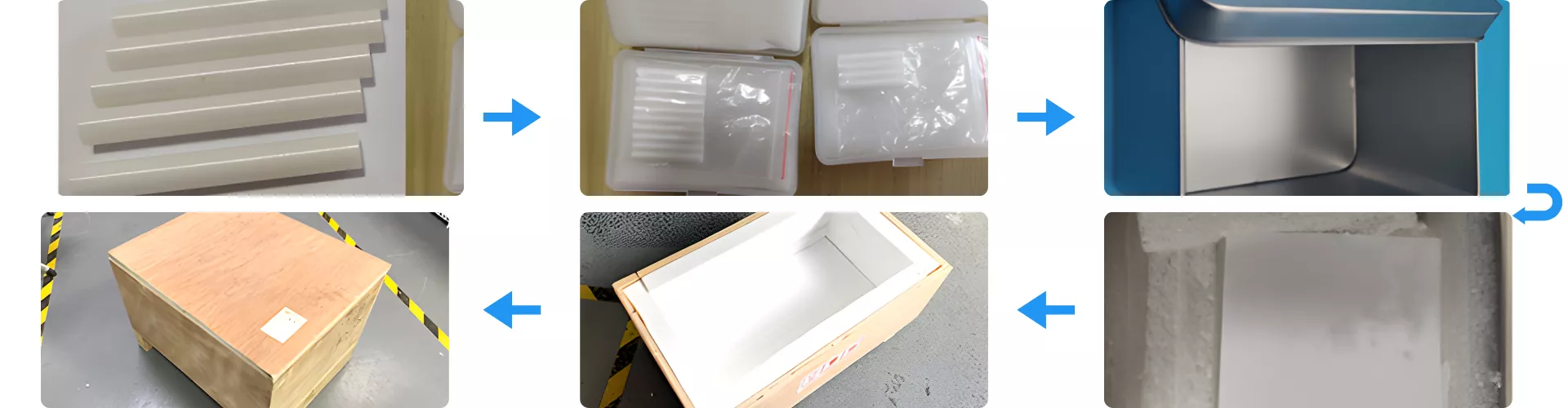
Zirconia Ceramic Spray Nozzle is first individually slotted in precision-cut foam trays and sealed in anti-static bags. These trays are then secured in high-density inner boxes and cushioned with expanded foam lining. Final packaging uses moisture-resistant plywood crates to ensure safe delivery during international transit.
ADCERAX® Zirconia Ceramic Spray Nozzle Solves Precision Atomization Challenges Across Critical Industrial Applications
The Zirconia Ceramic Spray Nozzle developed by ADCERAX® is specifically designed to tackle persistent issues in industrial spray systems where fluid atomization uniformity, extreme operating conditions, and nozzle longevity are key to process efficiency. From reducing particle aggregation in powder metallurgy to ensuring stable atomization in fuel combustion and optimizing surface finish in robotic paint applications, this nozzle addresses the most demanding scenarios with engineering precision.
-
High-Temperature Metal Powder Atomization with Zirconia Ceramic Spray Nozzle
✅Key Advantages
1. Thermal Shape Retention up to 2000 °C
The stabilized zirconia microstructure prevents deformation during molten alloy exposure at temperatures commonly exceeding 1600–1850 °C in gas atomization. This ensures the spray cone angle and orifice diameter remain consistent for continuous 24/7 atomization cycles.
2. Erosion Resistance Against High-Velocity Particle Streams
The nozzle maintains internal surface integrity after exposure to alloy droplet velocities exceeding 120 m/s, reducing internal wall wear and preventing geometry drift. This directly improves powder particle size uniformity during extended production runs.
3. Non-Wetting Behavior Reduces Alloy Adhesion
Zirconia’s low chemical affinity to molten metals such as Ni- and Fe-based alloys reduces buildup and clogging within the atomizing bore. This minimizes cleaning interruptions and stabilizes powder yield rates over long batch durations.
✅ ️Problem Solved
A European powder metallurgy plant producing gas-atomized stainless steel powder for additive manufacturing experienced 10–14% batch yield loss due to nozzle deformation and intermittent clogging when using tungsten carbide nozzles. After switching to ADCERAX® Zirconia Ceramic Spray Nozzle, the atomization orifice remained stable over 240 hours of continuous operation, reducing particle size variability to within ±3%, lowering cleaning downtime by 38%, and improving usable powder yield by 12% per production cycle.
-
Fuel Injection in Internal Combustion Test Systems with Zirconia Ceramic Spray Nozzle
✅Key Advantages
1. Long-Cycle Orifice Stability Over 500,000+ Injection Cycles
Zirconia maintains diameter precision where metallic nozzles show measurable wear past 200,000 cycles. This stability supports consistent fuel mass flow rates throughout endurance testing programs.
2. Reduced Surface Pitting Under Variable Fuel Chemistry
The ceramic surface resists chemical pitting and micro-corrosion caused by ethanol blends and synthetic test fuels. This prevents spray angle deviation and preserves baseline combustion mapping results.
3. Repeatable Droplet Size Distribution for Test Validity
The nozzle maintains droplet SMD (Sauter Mean Diameter) variation within 2–3%, supporting accurate ignition and flame propagation comparisons between test iterations. This reduces the need to recalibrate flow measurement rigs.
✅ ️Problem Solved
An automotive powertrain R&D facility conducting multi-week endurance combustion studies reported frequent dataset invalidation due to nozzle-induced spray drift when using hardened steel components. After adopting ADCERAX® Zirconia Ceramic Spray Nozzle, the test team recorded <2% deviation in spray pattern across 600,000 continuous cycles, eliminating repeat test runs and reducing test bench downtime by 27%, while improving data repeatability across different fuel grades.
-
Robotic Precision Coating Lines in Electronics Enclosures with Zirconia Ceramic Spray Nozzle
✅Key Advantages
1. Low Surface Roughness (≤0.1 µm) for Stable Spray Geometry
The ultra-fine internal finish ensures uniform droplet dispersion at high actuator speeds. This keeps coating boundary lines sharp on enclosure edges without requiring spray arc compensation adjustments.
2. Minimal Overspray Through Anti-Buildup Surface Chemistry
Zirconia’s naturally low surface energy reduces paint and polymer residue accumulation by >40% compared to carbide nozzles. This enables longer continuous robotic operation with fewer cleaning interruptions.
3. Consistent Pattern Performance Across Multi-Shift Production
The nozzle maintains spray arc deviation below 2% even after multiple production shifts. This supports stable coating thickness and reduces QA rework or scrap rates.
✅ ️Problem Solved
A South Korean electronics enclosure manufacturer experienced coating pattern drift and overspray waste up to 15% due to residue accumulation on conventional nozzles. After integrating ADCERAX® Zirconia Ceramic Spray Nozzle into their robotic coating lines, overspray loss dropped to below 3%, cleaning frequency decreased by 40%, and coating thickness variation stabilized to under ±5 µm, significantly increasing first-pass yield on finished parts.
Operating ADCERAX® Zirconia Ceramic Spray Nozzle Safely and Effectively in Demanding Systems
To ensure optimal atomization performance and extend service life, proper handling and usage of Zirconia Ceramic Spray Nozzle are essential throughout its operational cycle.
-
Installation Guidelines for Stable Atomization Output
1. Nozzle Orientation Check
Ensure axial alignment with the spray target to prevent uneven cone angles and turbulence.
2. Seal Compatibility Confirmation
Verify O-rings or gaskets are chemically compatible and temperature-rated for your process.
3. Torque Control During Mounting
Use calibrated torque tools to prevent over-tightening and micro-cracking at the nozzle base.
-
Operational Recommendations in Continuous Use Systems
1. Start-Up Flow Stabilization
Allow preheating of liquid and gas lines to avoid cold-shock impact on the nozzle.
2. Pressure Range Monitoring
Maintain pressure within specified limits to avoid deformation or cavitation erosion.
3. Spray Cycle Synchronization
Coordinate pulse timing with system controls to ensure atomization repeatability.
-
Cleaning and Maintenance Intervals
1. Non-Abrasive Cleaning Tools
Use soft nylon brushes or ultrasonic cleaners instead of metallic picks.
2. Residue Removal Frequency
Inspect and clean after each 8-hour cycle in paint or fuel atomization scenarios.
3. Visual Wear Tracking
Document surface pitting or orifice distortion and replace proactively.
-
Storage and Handling Precautions
1. Foam-Protected Storage Units
Keep nozzles in shock-absorbent trays with labeled compartments.
2. Humidity-Controlled Environment
Maintain <50% relative humidity to avoid thermal cycling moisture intrusion.
3. Direct Contact Minimization
Use nitrile gloves and avoid dropping or stacking bare nozzles.