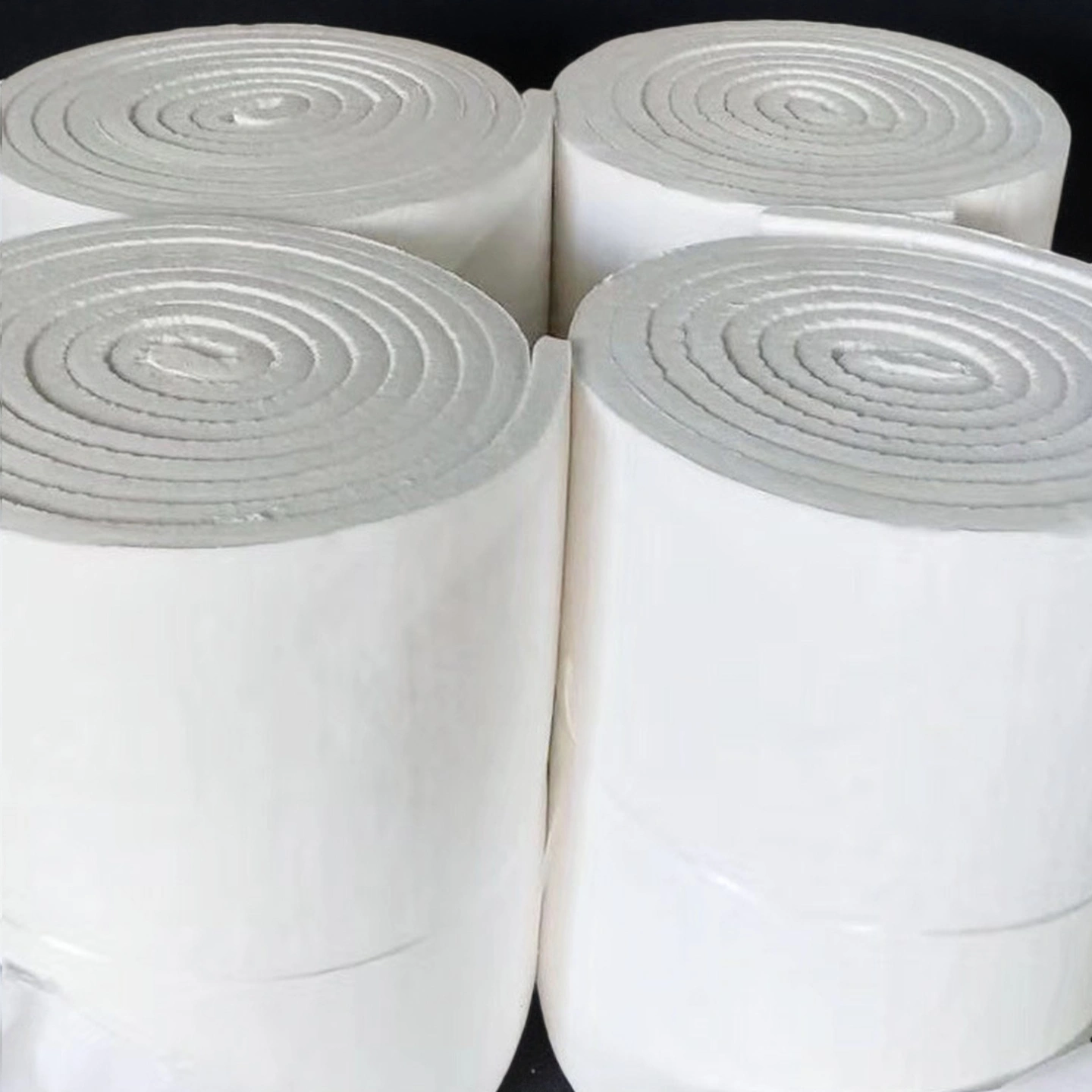
Aluminum Silicate Fiber Blanket for Furnace Lining – High-Temperature Industrial Insulation Rolls

ADCERAX supplies aluminum silicate fiber blanket in standard rolls from 610 to 1220 mm width and 10–50 mm thickness, with densities from 64 to 160 kg/m³, and can custom-cut aluminum silicate fiber blanket sheets, strips and pre-shaped pads according to your drawings or cut lists.

Catalogue No. AT-GSL-T1001
Material Al2O3+SiO₂
Classification temperature  1100–1430°C
Bulk density 64–160 kg/m³
Thermal conductivity at 800°C (128 kg/m³) Approx. 0.16–0.18 W/m·K
24H Standard Dispatch
Small Batch Support OEM
Factory Direct
Expert Engineering Support

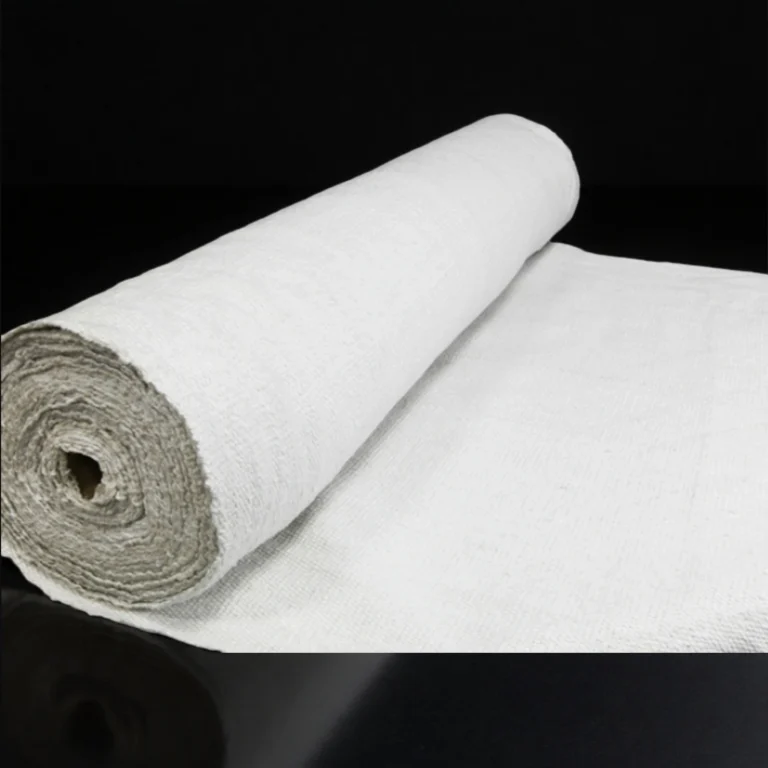
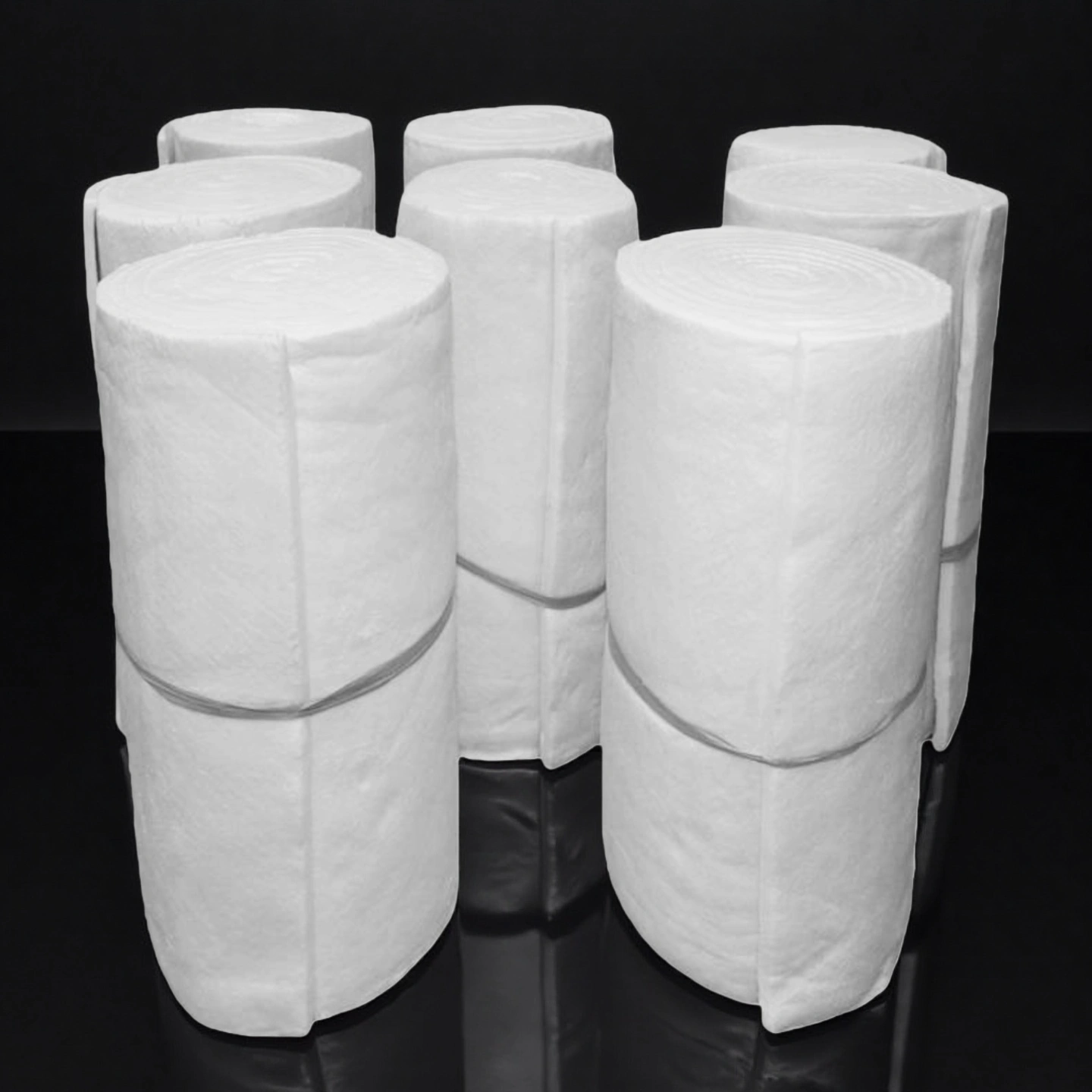
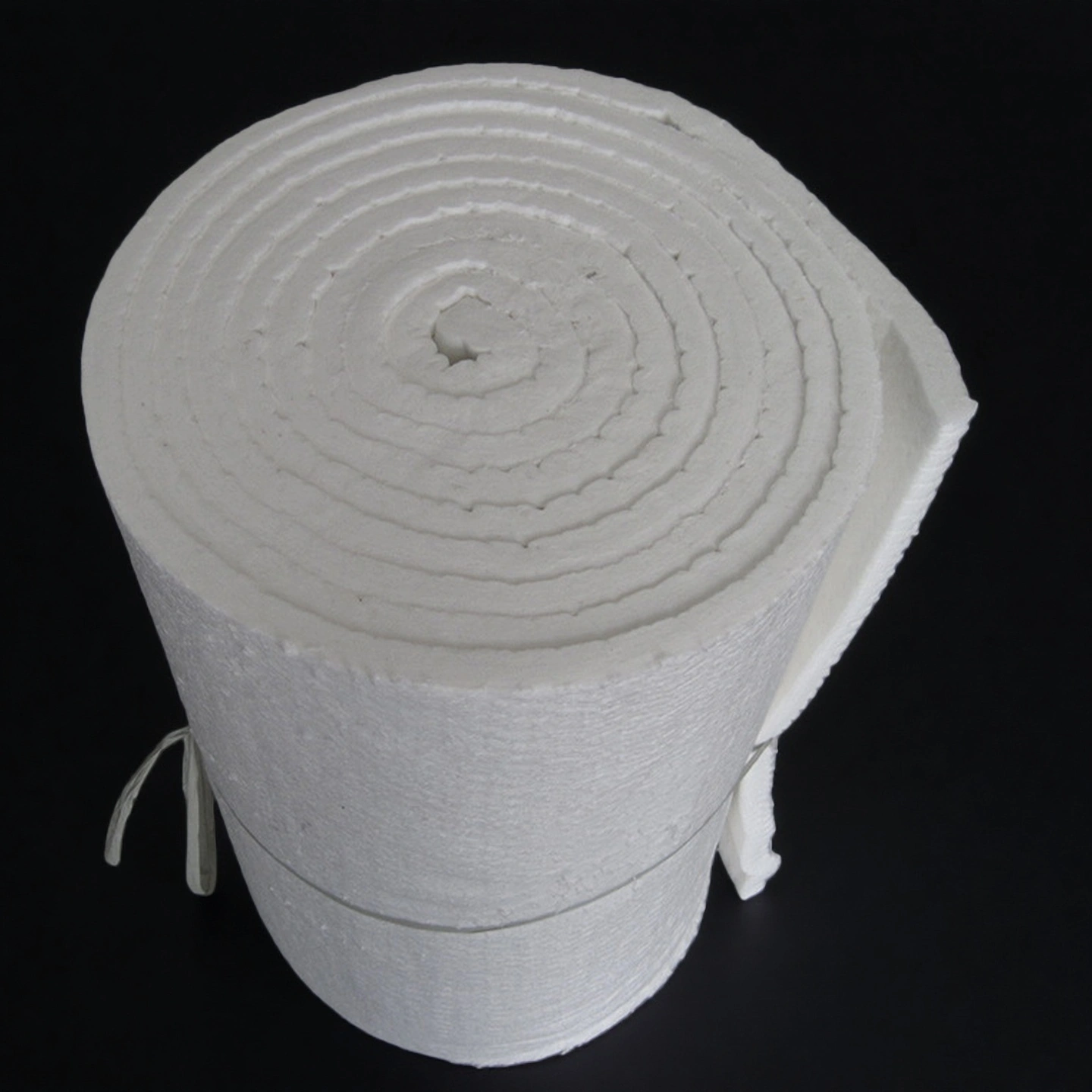
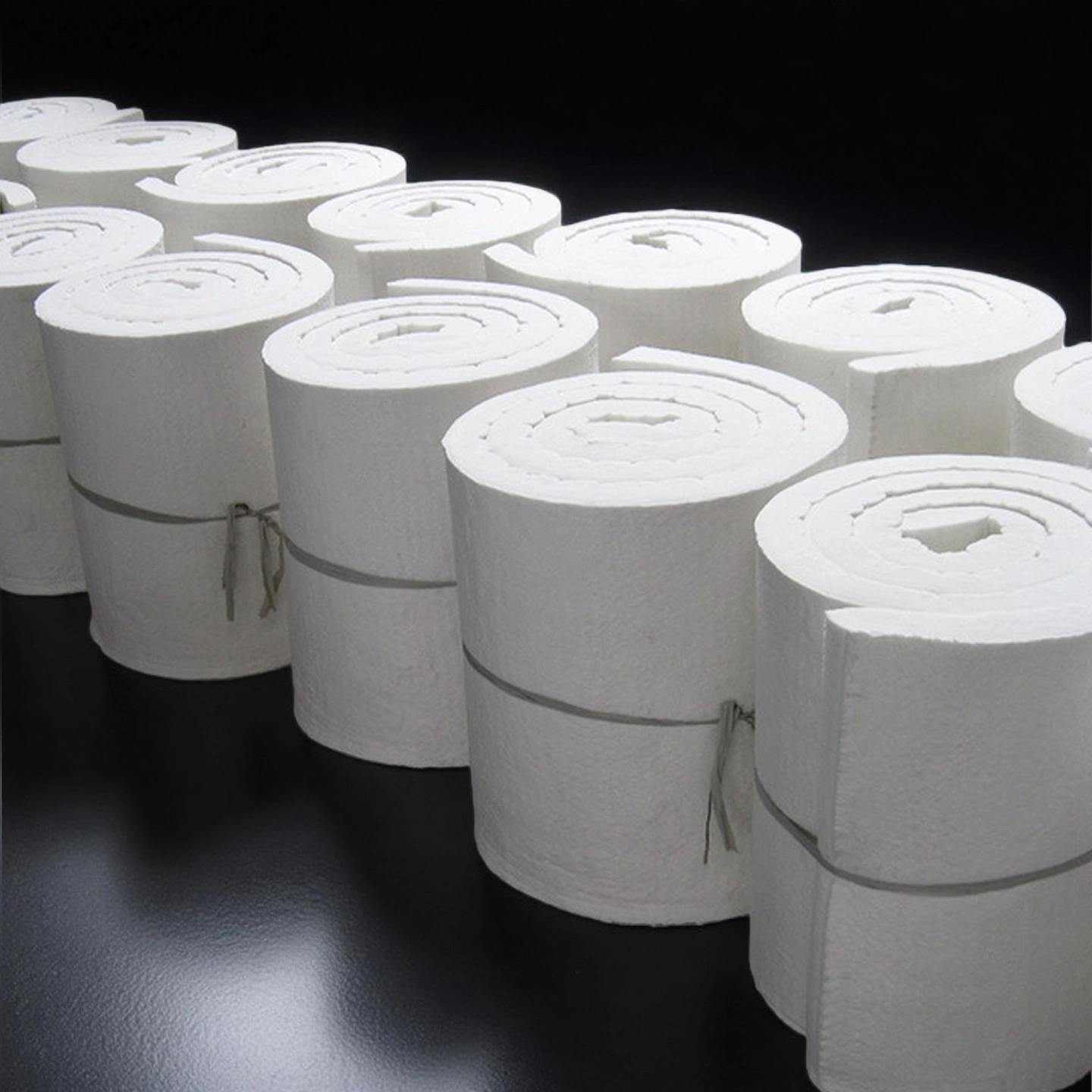
Aluminum silicate fiber blanket is a flexible high-temperature insulation material made from alumina–silica fibers and formed into lightweight, needle-punched rolls. It is designed for continuous service around 1000–1200°C, depending on grade, and is widely used as furnace, kiln and boiler lining to reduce heat loss, lower shell temperature and improve energy efficiency in industrial processes.


Aluminum Silicate Fiber Blanket Benefits

  • Stable density profile – Needled aluminum silicate fiber blanket with controlled bulk density (64–160 kg/m³) along the roll length to keep heat loss calculations close to design values.

  • Low thermal conductivity at high temperature – At 800°C a 128 kg/m³ aluminum silicate fiber blanket typically shows thermal conductivity around 0.16–0.18 W/m·K, supporting lower shell temperatures in continuous furnaces.

  • Low permanent linear shrinkage – Standard grades show permanent linear shrinkage generally ≤3–4% after 24 hours at the rated temperature, helping maintain lining integrity over multiple campaigns.

  • Mechanical strength from double-sided needling – Needle-punched aluminum silicate fiber blanket provides good tear strength and resistance to handling damage during installation and maintenance.

  • Binder-free construction – Most aluminum silicate fiber blanket grades are supplied without organic binders, so there is no smoke generation during first firing and no binder-related shrinkage.


Aluminum Silicate Fiber Blanket Properties

Item General Grade Standard Grade High Purity Grade High Alumina Grade Zirconia-Containing Grade
Classification Temperature (°C) 1100 1260 1260 1360 1430
Service Temperature (°C) <1000 1050 1100 1200 1350
Color White Off-white Off-white Off-white Off-white
Bulk Density (kg/m³) 260–320 260–320 260–320 260–320 260–320
Permanent Linear Shrinkage (%) (24 h holding; based on 128 kg/m³) <2.5 (1000°C) <2.5 (1050°C) <2.5 (1100°C) <2.5 (1100°C) <2.5 (1350°C)
Thermal Conductivity (W/m·K) (bulk density 128 kg/m³) 0.085 (400°C) 0.085 (400°C) 0.085 (400°C) 0.085 (400°C) 0.085 (400°C)
0.132 ( 800°C) 0.132 ( 800°C) 0.132 ( 800°C) 0.132 ( 800°C) 0.132 ( 800°C)
0.180 (1000°C) 0.180 (1000°C) 0.180 (1000°C) 0.180 (1000°C)
Tensile Strength (MPa) (bulk density 128 kg/m³) 0.5 0.5 0.5 0.5 0.5
Chemical Composition (wt%)
Al₂O₃ 44 46 47–49 52–55 39–40
Al₂O₃ + SiO₂ 96 97 99 99
Al₂O₃ + SiO₂ + ZrO₂ 99
ZrO₂ 15–17
Fe₂O₃ <1.2 <1.0 0.2 0.2 0.2
Na₂O + K₂O ≤0.5 ≤0.5 0.2 0.2 0.2


Aluminum Silicate Ceramic Fiber Blanket Specifications
aluminum silicate fiber blanket from ADCERAX

Item Temperature Level Density (kg/m3) Length(mm) Width(mm) Thickness(mm)
AT-GSL-T1001 1260°c 96  128  160  7200 610 6
AT-GSL-T1002 96  128  160  15000 610 10
AT-GSL-T1003 96  128  160  7200 610 20
AT-GSL-T1004 96  128  160  7200 610 25
AT-GSL-T1005 96  128  160  5000 610 30
AT-GSL-T1006 96  128  160  3600 610 50
AT-GSL-T1007 1400°c 96  128  160  7200 610 6
AT-GSL-T1008 96  128  160  15000 610 10
AT-GSL-T1009 96  128  160  7200 610 20
AT-GSL-T1010 96  128  160  7200 610 25
AT-GSL-T1011 96  128  160  5000 610 30
AT-GSL-T1012 96  128  160  3600 610 50


Aluminum Silicate Fiber Blanket Packaging

  • Each aluminum silicate fiber blanket roll is wrapped in a PE bag or shrink film to keep fibers clean and dry during transport and storage.
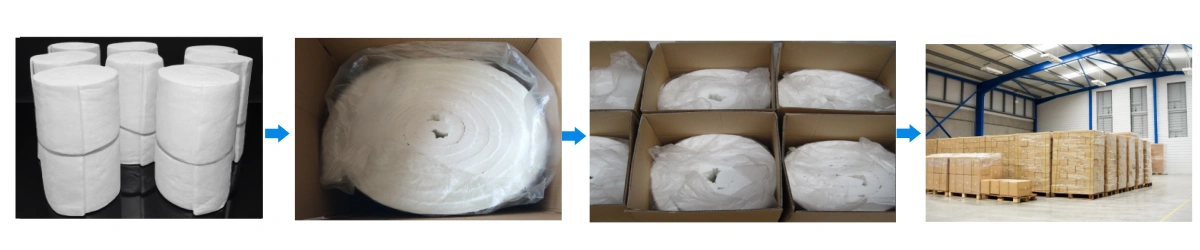

Aluminum Silicate Fiber Blanket Packaging

Aluminum Silicate Fiber Blanket Application Scenarios

  • Steel and non-ferrous reheating furnaces – aluminum silicate fiber blanket

    ✅Key Advantages

    1. Back-up insulation for reheating and heat treatment furnaces – Aluminum silicate fiber blanket behind dense refractory reduces shell temperature by 60–120°C compared with traditional brick-only linings in comparable conditions.

    2. Lower fuel consumption per ton – By reducing heat loss through the casing, aluminum silicate fiber blanket can support fuel savings in the range of 10–20% on older furnace designs upgraded from heavy refractories.

    3. Faster heat-up after maintenance – Lightweight aluminum silicate fiber blanket lining reduces thermal mass so restart times after shutdown are shorter than brick or castable linings of similar thickness.

    ✅ Problem Solved

    In a typical steel bar reheating furnace operating around 1150–1200°C, upgrading the sidewalls and roof from a full brick and castable lining to a design with 50 mm aluminum silicate fiber blanket back-up can reduce casing temperatures by 80–100°C and cut daily fuel consumption by 10–15%, based on industry case data for comparable furnaces. At a gas cost of 500,000 USD per year, this corresponds to savings of approximately 50,000–75,000 USD annually. At the same time, the lower thermal mass of the aluminum silicate fiber blanket layers shortens heat-up after maintenance by several hours, which reduces non-productive downtime and simplifies inspection work in future shutdowns.

  • Industrial furnaces and kilns – aluminum silicate fiber blanket

    ✅Key Advantages

    1. Lightweight hot-face lining for batch kilns – Using 25–50 mm aluminum silicate fiber blanket as hot-face or composite lining lowers structural load and allows lighter steel support frames in many industrial kilns.

    2. Improved temperature uniformity – The low thermal conductivity of aluminum silicate fiber blanket at 800–1000°C reduces heat loss through local bridges, helping to keep internal temperature variations within typical ranges of ±5–10°C depending on furnace design.

    3. Easy lining repair – Damaged zones in aluminum silicate fiber blanket linings can often be cut out and replaced over manageable areas without full relining, saving both material and time during maintenance shifts.

    ✅ Problem Solved

    In ceramic firing and heat treatment kilns with frequent cycles, solid brick linings can create high thermal mass, leading to long heating and cooling times and wider product temperature gradients. Replacing part of the wall and roof structure with aluminum silicate fiber blanket modules and back-up layers significantly reduces lining weight and stored heat. Operators typically see shorter cycles and more stable internal temperature profiles, which supports better product quality and lower energy use over each firing cycle while still keeping the steel shell temperature within the design range.

  • Waste incineration and power boiler systems – aluminum silicate fiber blanket

    ✅  Key Advantages

    1. Back-up insulation behind castable or brick – Aluminum silicate fiber blanket behind refractory castable in boiler walls and incinerator linings prevents heat from reaching outer steel plates and reduces risk of deformation.

    2. Removable insulation for ducts and expansion joints – Flexible aluminum silicate fiber blanket wraps and pads allow maintenance access while providing continuous insulation on flue gas ducts and expansion joints.

    3. Low chloride and sulfur content – Appropriate aluminum silicate fiber blanket grades support corrosion control in areas exposed to flue gas condensation when used with suitable outer protection layers.

    ✅  Problem Solved

    In waste-to-energy plants and biomass boilers, operators aim to keep outer steel temperatures below typical limits such as 60–80°C for safety and structural reasons. By combining a castable or brick hot-face with a 25–50 mm aluminum silicate fiber blanket back-up, many installations achieve shell temperatures within this range while controlling heat losses through boiler walls. At the same time, aluminum silicate fiber blanket used as removable jackets on flue gas ducts and expansion joints allows maintenance teams to remove and reinstall insulation during inspection, rather than breaking and replacing rigid insulation each time.


Aluminum Silicate Ceramic Fiber Blanket Usage Guide

  • Installation

    1. Check that the steel shell, anchors and any hot-face refractory are clean, dry and structurally sound before installing aluminum silicate fiber blanket.
    2. Install aluminum silicate fiber blanket with joints staggered between layers, keeping fiber direction oriented consistently along the heat flow where possible.
    3. Compress joints by 5–10% to eliminate gaps and secure the aluminum silicate fiber blanket with pins, washers or adhesives appropriate to the temperature zone.
    4. Avoid excessive compression that would significantly increase thermal conductivity or damage the needled structure.

  • Operation

    1. For first heating after installation, heat up the furnace or boiler gradually, following the recommended ramp profile for the hot-face refractory system and allowing the aluminum silicate fiber blanket to stabilize.
    2. Monitor shell temperatures during initial campaigns to verify that aluminum silicate fiber blanket performance matches design calculations.
    3. Avoid mechanical impact, abrasion or direct flame impingement on the exposed aluminum silicate fiber blanket surface unless the grade is selected for such conditions.

  • Storage

    1. Store aluminum silicate fiber blanket rolls in dry, covered areas away from rain and standing water.
    2. Keep rolls on pallets and avoid long-term stacking height that may deform the lower rolls.
    3. Protect aluminum silicate fiber blanket from contamination by oils, solvents or corrosive chemicals prior to installation.

  • Cleaning

    1. Remove loose dust from aluminium silicate fiber blanket surfaces with low-pressure vacuum cleaning; avoid high-pressure air blowing that may release unnecessary fibers into the work area.
    2. If aluminum silicate fiber blanket becomes contaminated by oil or process residues, cut out and replace the affected sections rather than attempting to wash the insulation.

  • Common misuse and fixes

    1. Issue: Gaps between aluminum silicate fiber blanket layers
    Effect: Local hot spots and elevated shell temperatures.
    Fix: During shutdown, remove the cover plates, cut additional strips of aluminum silicate fiber blanket and tightly fill the gaps with 5–10% compression, then re-secure the lining.

    2. Issue: Using low-temperature aluminum silicate fiber blanket grade near the burner zone
    Effect: Excessive shrinkage and recession in high heat flux regions.
    Fix: Replace the hot-face area with higher classification temperature aluminum silicate fiber blanket or alternative hot-face refractory, and use the existing grade as back-up only.

    3. Issue: Over-tightening mechanical fasteners
    Effect: Local crushing of aluminum silicate fiber blanket, increased thermal conductivity and potential anchor pull-through.
    Fix: Re-install with appropriate washer size and torque, keeping the aluminum silicate fiber blanket compressed only enough to hold firmly without visible crushing.

Aluminum Silicate Ceramic Fiber Blanket FAQ

  1. Q: What is the typical maximum service temperature of aluminum silicate fiber blanket?
    A: For standard aluminum silicate fiber blanket, classification temperatures are in the range of 1100–1430°C, while typical continuous use temperatures are about 1000–1200°C depending on grade and design safety margins.
  2. Q: How do I select the right density of aluminum silicate fiber blanket for my furnace?
    A: Lower densities such as 64 or 96 kg/m³ are suitable as back-up insulation where mechanical stress is low, while 128 or 160 kg/m³ aluminum silicate fiber blanket is recommended in areas requiring higher compressive strength, greater handling resistance and lower thermal conductivity at a given thickness.
  3. Q: What thickness of aluminum silicate fiber blanket should I choose?
    A: For back-up insulation on furnace walls, 25–50 mm aluminum silicate fiber blanket is common, often in one or two layers; for doors, joints or expansion bellows, thinner 10–25 mm layers are frequently used, with final thickness based on heat-loss calculations and structural limits.
  4. Q: Is aluminum silicate fiber blanket resistant to chemical attack?
    A: Aluminum silicate fiber blanket is generally resistant to most industrial atmospheres but can be attacked by strong alkalis and some phosphoric or hydrofluoric environments, so material selection should consider local gas composition and contact with deposits.
  5. Q: How does aluminum silicate fiber blanket compare with rock wool or calcium silicate?
    A: Aluminum silicate fiber blanket offers higher temperature capability and lower thermal mass than rock wool or calcium silicate, making it more suitable for furnaces and kilns operating above about 700–800°C, while rock wool and calcium silicate are often used for lower temperature piping and equipment insulation.
  6. Q: Can aluminum silicate fiber blanket be used as the hot-face lining?
    A: Yes, aluminum silicate fiber blanket can be used as hot-face lining in many furnaces and kilns when properly anchored and selected for the classification temperature, although in abrasive or very high heat flux zones it is often combined with modules, boards or bricks as a composite system.

Aluminum Silicate Fiber Blanket Customer Reviews

  • ⭐️⭐️⭐️⭐️⭐️
    We switched the soaking pit back-up insulation to aluminum silicate fiber blanket supplied by ADCERAX. Shell temperatures dropped by about 80°C and our gas consumption on that furnace has gone down noticeably during the first year of operation.
    -- Mark Jensen – Maintenance Manager, NorthRiver Steel Plant
  • ⭐️⭐️⭐️⭐️⭐️
    For a series of new heat treatment furnaces we specified 128 kg/m³ aluminum silicate fiber blanket with custom widths. ADCERAX delivered the blanket cut exactly to our layout, which shortened lining installation and reduced waste on site.
    -- Laura Kim – Project Engineer, ThermoKiln Systems Ltd.
  • ⭐️⭐️⭐️⭐️⭐️
    We use aluminum silicate fiber blanket from ADCERAX for boiler repairs and flue gas duct insulation. The product handles well, has consistent density and thickness, and fits our service work where we need predictable performance and stable supply.”
    -- Enrico Rossi – Owner, Rossi Refractory Services
  • ⭐️⭐️⭐️⭐️⭐️
    Our glass annealing line uses aluminum silicate fiber blanket as part of the roof insulation. After changing to a higher temperature grade from ADCERAX, we have seen fewer hot spots and more stable glass quality across the width of the line.
    -- Sofia Martinez – Technical Buyer, IberGlass Components
customize size

Custom Aluminum Silicate Fiber Blanket

ADCERAX offers customized aluminum silicate fiber blanket configurations so that OEMs and plant engineers can match thickness, density and roll geometry to each furnace, kiln or boiler design without excessive on-site cutting.

• Roll Width Options
– 300–1220 mm standard range for aluminum silicate fiber blanket
– Narrow strips for joints, doors and expansion areas
– Extra-wide formats for continuous wall and roof sections

• Roll Length per Roll
– Typically 3–14 m depending on thickness and density
– Longer rolls available for automated installation lines

• Thickness Choices
– Standard steps: 10, 13, 20, 25, 38, 50 mm
– Tolerance adjustment based on design (tight control available for multi-layer lining)

• Density Grades
– 64 / 96 / 128 / 160 kg/m³ aluminum silicate fiber blanket
– Intermediate densities possible for specific thermal resistance or compression needs

• Temperature Grades
– 1100°C, 1260°C, 1360°C or 1430°C classification temperature
– Selection based on hot-face temperature, heat flux and service atmosphere

• Facing & Reinforcement Options
– Plain aluminum silicate fiber blanket (unfaced)
– Aluminum foil facing for radiant heat shielding
– Glass cloth facing for mechanical protection
– Stainless-steel wire mesh reinforcement for fastening and high-stress areas

• Cutting Formats
– Full rolls for furnace wall and roof areas
– Cut-to-width strips for door seals, expansion joints and burner blocks
– Pre-cut segments sized for modules or layered back-up insulation
– Shaped pads for hatches, ports and localized high-temperature zones

• Edge & Surface Treatments
– Straight-cut edges for overlap installation
– Bevel-cut edges for tighter joints and reduced heat leakage
– Pre-marked cutting lines to assist on-site modification

Related Products

ADCERAX - Your Trusted Advanced Ceramics Manufacturing Partner

Direct factory manufacturing with comprehensive ceramic materials expertise and global supply capabilities

Direct Factory Manufacturing

China-based ceramic materials production facility with state-of-the-art equipment

Engineering Team

Experienced professionals in advanced ceramics applications and custom design

Quality Control

Strict quality control standards for technical ceramics manufacturing and quality management

Global Supply Chain

Serving customers worldwide with technical ceramics and rapid response

24/7 Technical Support

Round-the-clock support for ceramic components inquiries and technical assistance

500+ Satisfied Customers

Trusted by global customers for advanced ceramic materials and precision components

Get in touch with us

Our team will be happy to respond to you in less than 24 hours.

Adcerax's factory

Quick Quotation

*Our team will answer your inquiries within 24 hours.

*Your information will be kept strictly confidential.

Ready to Solve Your Engineering Challenge?

Partner with ADCERAX for reliable, high-performance advanced ceramic solutions. Our engineers are ready to discuss your project.

E-mail

info@adcerax.com

Phone

+(86) 0731-74427743 | WhatsApp: +(86) 19311583352

Response Time

Within 24 hours

Quick Quote

The more details you provide, the faster we can quote.

*We respond within 24 hours. All inquiries are confidential.

Download Catalog

Get Your Custom Sulution

The more details you provide, the faster we can respond.

customize size

*We respond within 24 hours. All inquiries are confidential.

Download Catalog