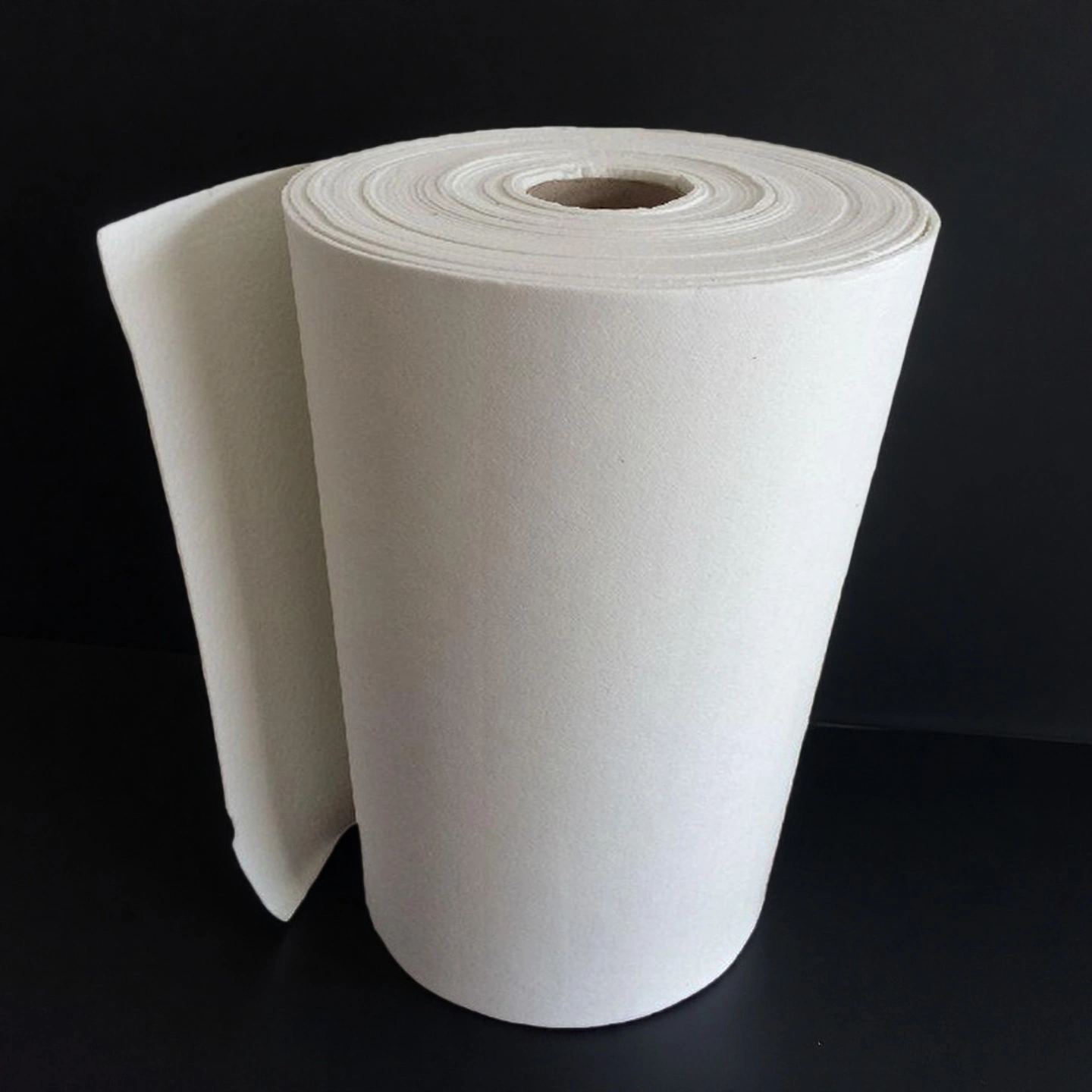
Flexible Aluminum Silicate Ceramic Fiber Paper for Heat Treatment Equipment

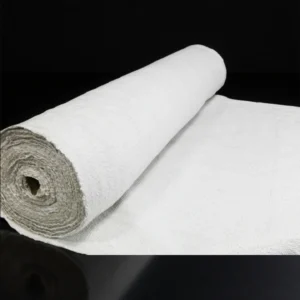
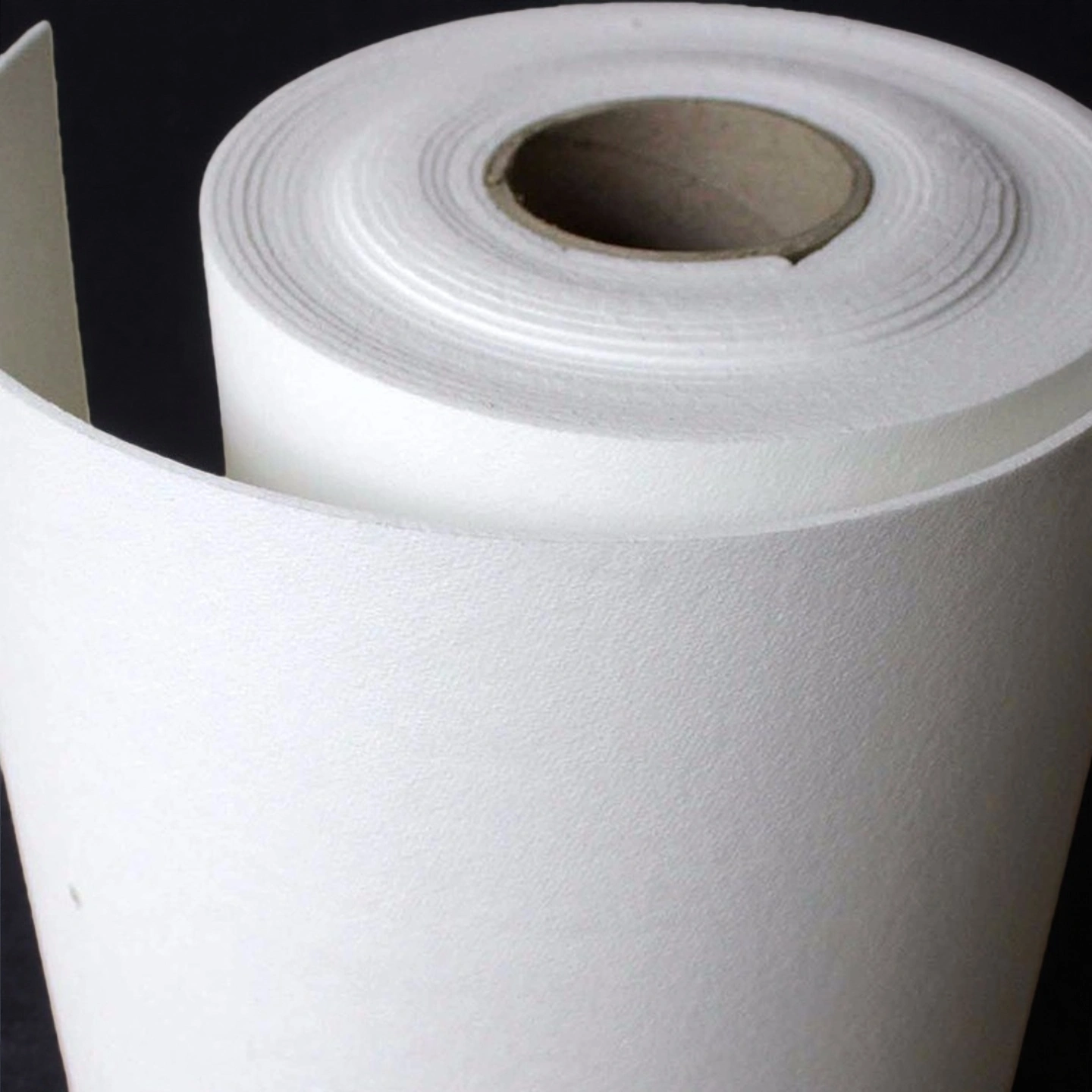
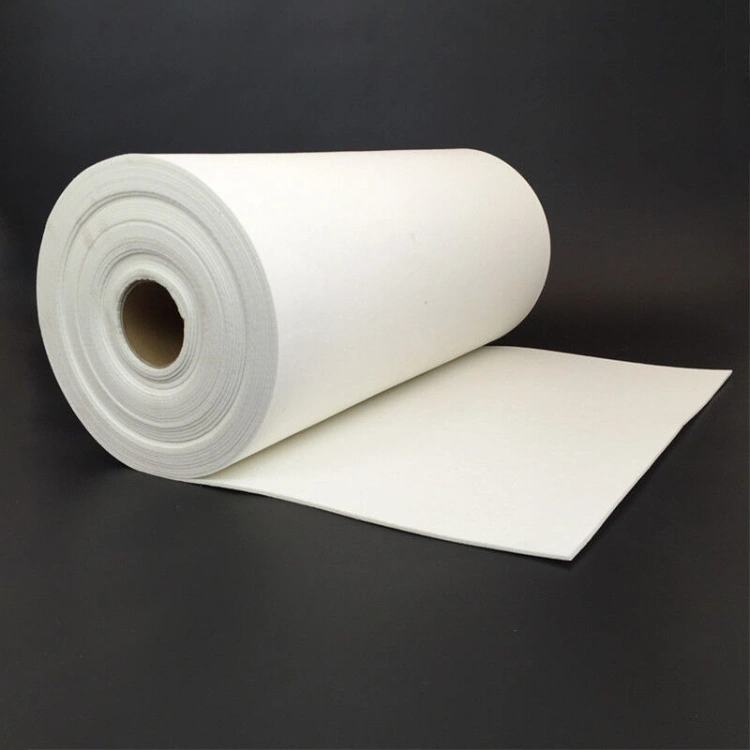
Aluminum silicate fiber paper is a thin, flexible alumina–silica insulation sheet supplied in 0.5–10 mm thickness and standard widths such as 610 mm or 1000 mm. It can be easily cut, die-cut or laminated into furnace door seals, expansion joint fillers and high-temperature gaskets where low thermal conductivity and clean burnout of binder are required.

Catalogue No. AT-GSL-Z1001
Material Al2O3+SiO₂
Classification Temperature 1260 °C (2300 °F)
Bulk Density 160–220 kg/m³
Thermal Conductivity 0.08–0.13 W/m·K at 400–800 °C
24H Standard Dispatch
Small Batch Support OEM
Factory Direct
Expert Engineering Support

Aluminum silicate fiber paper is a thin, flexible high-temperature insulation sheet made from alumina–silica ceramic fibers with a small amount of organic binder, formed into uniform rolls or sheets. It is designed for continuous use at elevated temperatures (typically up to around 1260 °C, depending on grade) and is used as a lightweight thermal barrier and sealing material in industrial furnaces, kilns, heaters and non-ferrous metal systems.

Aluminum Silicate Ceramic Fiber Paper Benefits

  • Thin yet efficient insulation
    Achieves significant heat loss reduction in thicknesses from 1–5 mm, ideal as a backup or interface layer in dense refractory linings.

  • Clean-burning binder and low shot content
    Fiber-washing and controlled binder levels help minimize unfiberized shot and smoke during first heat-up, reducing contamination risk in metal and glass processes.

  • Dimensional uniformity for precise sealing
    Tight control of thickness and density across the roll ensures consistent compression and sealing performance along furnace doors and access ports.

  • Good chemical resistance in industrial atmospheres
    Resists most common furnace atmospheres and many process chemicals, making it suitable for petrochemical heaters, non-ferrous casting and thermal oxidizers.

  • Easy processing into gaskets and strips
    Can be die-cut, water-jet cut, or slit into narrow strips without fraying, simplifying installation and replacement work.


Aluminum Silicate Ceramic Fiber Paper Properties

Item General Grade Standard Grade High Purity Grade High Alumina Grade Zirconia-Containing Grade
Classification Temperature (°C) 1100 1260 1260 1360 1430
Service Temperature (°C) <1000 1050 1100 1200 1350
Color White Off-white Off-white Off-white Off-white
Bulk Density (kg/m³) 260–320 260–320 260–320 260–320 260–320
Permanent Linear Shrinkage (%) (24 h holding; based on 128 kg/m³) <2.5 (1000°C) <2.5 (1050°C) <2.5 (1100°C) <2.5 (1100°C) <2.5 (1350°C)
Thermal Conductivity (W/m·K) (bulk density 128 kg/m³) 0.085 (400°C) 0.085 (400°C) 0.085 (400°C) 0.085 (400°C) 0.085 (400°C)
0.132 ( 800°C) 0.132 ( 800°C) 0.132 ( 800°C) 0.132 ( 800°C) 0.132 ( 800°C)
0.180 (1000°C) 0.180 (1000°C) 0.180 (1000°C) 0.180 (1000°C)
Tensile Strength (MPa) (bulk density 128 kg/m³) 0.5 0.5 0.5 0.5 0.5
Chemical Composition (wt%)
Al₂O₃ 44 46 47–49 52–55 39–40
Al₂O₃ + SiO₂ 96 97 99 99
Al₂O₃ + SiO₂ + ZrO₂ 99
ZrO₂ 15–17
Fe₂O₃ <1.2 <1.0 0.2 0.2 0.2
Na₂O + K₂O ≤0.5 ≤0.5 0.2 0.2 0.2


Aluminum Silicate Fiber Paper Specifications

Item Thickness(mm) Length*Width(m) Classification Temperature(℃)
AT-GSL-Z1001 2 1*0.61 1260
AT-GSL-Z1002 3 1*0.61 1260
AT-GSL-Z1003 4 1*0.61 1260
AT-GSL-Z1004 5 1*0.61 1260
AT-GSL-Z1005 6 1*0.61 1260
AT-GSL-Z1006 8 1*0.61 1260
AT-GSL-Z1007 10 1*0.61 1260
AT-GSL-Z1008 0.5 6*0.61 1260
AT-GSL-Z1009 1 60*0.61 1260
AT-GSL-Z1010 2 30*0.61 1260
AT-GSL-Z1011 3 20*0.61 1260
AT-GSL-Z1012 4 15*0.61 1260
AT-GSL-Z1013 5 12*0.61 1260
AT-GSL-Z1014 6 10*0.61 1260
AT-GSL-Z1015 8 7.5*0.61 1260
AT-GSL-Z1016 10 6*0.61 1260
AT-GSL-Z1017 0.5 6*0.22 1260
AT-GSL-Z1018 1 60*1.22 1260
AT-GSL-Z1019 2 30*1.22 1260
AT-GSL-Z1020 3 20*1.22 1260
AT-GSL-Z1021 4 15*1.22 1260
AT-GSL-Z1022 5 12*1.22 1260
AT-GSL-Z1023 6 10*1.22 1260
AT-GSL-Z1024 8 7.5*1.22 1260
AT-GSL-Z1025 10 6*1.22 1260


Aluminum Silicate Fiber Paper Packaging

Aluminum Silicate Fiber Paper Packaging

Aluminum Silicate Fiber Paper Applications

  • Aluminum Silicate Fiber Paper in Industrial Furnaces & Heat Treatment

    ✅Key Advantages

    1. Precise sealing of furnace doors and access ports
    Provides a compressible sealing layer between metal doors and refractory linings, reducing heat loss and air infiltration at temperatures up to 1260 °C.

    2. Thin back-up insulation behind dense refractories
    Adds a low-thickness thermal break behind refractory bricks or castables, improving shell temperature control without major redesign.

    3. Stable performance during thermal cycling
    Resists thermal shock and mechanical vibration in repeated heat-up and cool-down cycles typical of batch furnaces and heat treatment lines.

    ✅ Problem Solved

    A heat treatment plant operating several batch furnaces at 900–950 °C used rigid brick linings and loose ceramic fiber strips at the door interface. In practice, door leakage caused uneven temperature near the charge and increased gas consumption. After replacing the loose strips with 3 mm aluminum silicate fiber paper gaskets, door leakage was reduced, temperature uniformity improved by about 10–15 °C across the working zone, and fuel consumption decreased by approximately 3–5% based on their own metering. Maintenance intervals for door seals extended from monthly checks to quarterly inspections.

  • Aluminum Silicate Fiber Paper in Non-Ferrous Metal Casting & Launder Systems

    ✅Key Advantages

    1. Clean separation and gasketing around launder covers
    Forms a stable sealing layer between launder lids, trough sections and filter boxes, helping control heat loss and metal temperature.

    2. Low wetting by molten aluminum
    Proper alumina–silica paper grades show low reactivity with molten aluminum alloys, which helps maintain clean metal and reduces build-up on sealing surfaces.

    3. Fast replacement during maintenance stops
    Paper gaskets and strips can be quickly removed and replaced, shortening casting line downtime during scheduled stops.

    ✅ Problem Solved

    An aluminum casting line running at metal temperatures around 700–730 °C experienced frequent leakage of metal fumes near launder covers, making local working conditions difficult and forcing unplanned shutdowns. Switching from rigid fiberboard seals to 2–3 mm aluminum silicate fiber paper gaskets cut on-site to size allowed the maintenance team to achieve more uniform compression and tighter seals. Over the following six months, unplanned stops related to launder sealing were reduced by more than 50%, and operators reported visibly lower fume escape around the covers.

  • Aluminum Silicate Fiber Paper in Glass & Ceramic Kilns

    ✅  Key Advantages

    1. Interface layer for protecting product surfaces
    Acts as a soft contact layer between kiln furniture and delicate glass or ceramic ware, helping reduce surface marks and chipping.

    2. Thermal break at kiln doors and observation ports
    Provides thin thermal insulation around doors, peep holes and burner blocks without adding much thickness to the design.

    3. Support for controlled cooling and temperature gradients
    In multi-zone kilns, strips of aluminum silicate fiber paper can be used to fine-tune heat flow and reduce hot spots or cold areas along the ware path.

    ✅  Problem Solved

    A glass bending kiln for architectural glass had persistent complaints about minor surface impressions where glass contacted kiln furniture. By adding a 1–2 mm layer of aluminum silicate fiber paper between the refractory supports and the glass, visible impressions were reduced in more than 80% of panels. Scrap due to surface marking dropped from roughly 5% of production to below 1%, with no major change to cycle time.


Usage Guide – Aluminum Silicate Fiber Paper

  • Installation

    1. Cut aluminum silicate fiber paper using a sharp knife, scissors or die to the required size, keeping edges clean and square.
    2. Install the paper on clean, dry metal or refractory surfaces; remove loose dust, scale or old gasket residues before installation.
    3. For vertical or overhead applications, temporary mechanical fixing (clips, pins or light adhesive dots outside the hot face) helps positioning before compression.

  • Use

    1. Ensure the paper is compressed evenly when used as a sealing layer; excessive local compression can reduce service life.
    2. During first heat-up, increase temperature gradually so the organic binder can burn off without causing blistering. Follow your furnace commissioning curve.
    3. For frequent door operations, check seal condition regularly; replace sections that show cracking, severe compression set or mechanical damage.

  • Storage

    1. Store rolls and sheets in their original packaging, in a dry, ventilated area away from direct sunlight or water.
    2. Keep material off the floor on pallets or racks to avoid moisture uptake and mechanical damage.
    3. Avoid stacking heavy items on top of paper cartons to prevent distortion of thin grades.

  • Cleaning and Maintenance

    1. For light dust, gently brush or blow with dry compressed air before installation.
    2. Do not wash the paper with water or solvents; moisture may change its structure and drying may not be uniform.
    3. Remove and discard heavily contaminated or chemically attacked pieces instead of reusing them.

  • Common Misuse and Practical Solutions

    1. Misuse: Over-tightening doors or flanges until the paper is fully crushed
    Result: Loss of elasticity and sealing performance after a few cycles.
    Solution: Adjust closing mechanisms to compress the gasket within a recommended percentage of its original thickness rather than to a fixed mechanical stop.

    2. Misuse: Rapid heat-up on first use with thick layers of paper
    Result: Sudden binder burnout causing local swelling, smoke and surface defects.
    Solution: Use a staged heat-up program for new linings and gaskets, allowing organic binder to burn off in a controlled way.

    3. Misuse: Using low-temperature grade paper above its classification temperature
    Result: Excessive shrinkage, embrittlement and premature failure.
    Solution: Match aluminum silicate fiber paper grade to the maximum operating temperature and atmosphere; use high-temperature grades when continuous exposure is near 1260 °C or higher.

Aluminum Silicate Ceramic Fiber Paper FAQ

  1. Q: What is aluminum silicate fiber paper used for in industrial furnaces?
    A: Aluminum silicate fiber paper is used as a thin high-temperature insulation and sealing layer in industrial furnaces, including furnace door gaskets, peep-hole seals, burner block interfaces and back-up insulation behind refractory bricks.
  2. Q: What is the maximum service temperature of aluminum silicate fiber paper?
    A: Standard aluminum silicate fiber paper is typically classified for continuous service up to around 1260 °C, with special grades available for higher temperatures when required by the process.
  3. Q: Can aluminum silicate fiber paper be die-cut into complex gasket shapes?
    A: Yes, aluminum silicate fiber paper can be die-cut or water-jet cut into rings, flanges and complex gaskets, which makes it suitable for access doors, inspection covers and expansion joints.
  4. Q: Is aluminum silicate fiber paper suitable for contact with molten aluminum?
    A: Properly selected aluminum silicate fiber paper shows low wetting by molten aluminum and is often used as a separation and sealing material around launder covers and distribution boxes in casting lines.
  5. Q: How does aluminum silicate fiber paper compare with ceramic fiber blanket?
    A: Aluminum silicate fiber paper is much thinner and denser than ceramic fiber blanket, giving a smoother surface and better sealing capability in narrow gaps, while blanket is preferred where thicker insulation layers are needed.
  6. Q: Does aluminum silicate fiber paper contain asbestos?
    A: No, modern aluminum silicate fiber paper is asbestos-free and manufactured from alumina–silica fibers with carefully controlled shot content and organic binder.

Aluminum Silicate Ceramic Fiber Paper Reviews

  • ⭐️⭐️⭐️⭐️⭐️
    During our furnace refurbishment project we needed thin insulation layers that could be installed without modifying the steelwork. The aluminum silicate fiber paper supplied by ADCERAX provided the exact thickness and density we specified. It bonded smoothly behind our refractory tiles and allowed us to achieve the shell temperature drop required by the engineering team.
    -- Emma Rodriguez, Furnace Rebuild Coordinator, NorthBridge Thermal Solutions
  • ⭐️⭐️⭐️⭐️⭐️
    Our casting line requires frequent replacement of sealing materials around the filter box. The aluminum silicate fiber paper from ADCERAX has been stable in shrinkage and is easier to cut into precise strips compared with the previous supplier. This consistency helped cut our maintenance time by nearly half during scheduled stops.
    -- David Chen, Senior Process Engineer, Pacific Alloy Components
  • ⭐️⭐️⭐️⭐️⭐️
    We use aluminum silicate fiber paper as an interface layer around electric heating elements. What stood out was its uniform thickness, which allowed us to maintain tight tolerances in our assembly. The dielectric stability at elevated operating temperatures has been reliable across multiple production batches.
    -- Sofia Müller, Quality & Reliability Specialist, ThermoKraft Industrial Heating
  • ⭐️⭐️⭐️⭐️⭐️
    We were looking for a compressible gasket material that could tolerate the constant opening and closing of furnace doors. ADCERAX recommended a suitable grade of aluminum silicate fiber paper, and after months of use we noticed better heat retention and fewer temperature alarms during production. The material holds its shape well even after repeated cycles.
    -- Robert Hayes, Operations Manager, SteelCore Heat Treatment Centre
customize size

Aluminum Silicate Fiber Paper Customized

We supply aluminum silicate fiber paper in standard rolls and as fully customized, die-cut parts according to your drawings or samples. Custom pieces are optimized for your operating temperature, sealing width and installation method.

1. Dimensions & Tolerances

  • Roll width: 50–1000 mm (custom slit widths available)
  • Roll length: 5–50 m typical, longer lengths on request
  • Sheet size: custom cut panels for easier handling
  • Thickness range: 0.5–10 mm, with thickness tolerance as low as ±0.3 mm depending on grade

2. Material Grade & Temperature Rating

  • Standard 1260 °C alumina–silica fiber paper for general furnace applications
  • Higher temperature grades based on PCW or high-alumina formulations for up to ~1400–1450 °C service
  • Options with organic binder, reduced-binder or fully de-bound versions for sensitive atmospheres

3. Gasket and Strip Geometry

  • Inside and outside diameters for ring gaskets
  • Straight strips with defined width and length for expansion joints
  • Complex profiles with slots, tabs, notches and alignment holes

4. Edge and Surface Details

  • Straight cut, chamfered or rounded corners for easier installation
  • Single-layer or laminated multi-layer constructions
  • Optional reinforcement layers (e.g. ceramic cloth, foil laminate) on one side

Related Products

ADCERAX - Your Trusted Advanced Ceramics Manufacturing Partner

Direct factory manufacturing with comprehensive ceramic materials expertise and global supply capabilities

Direct Factory Manufacturing

China-based ceramic materials production facility with state-of-the-art equipment

Engineering Team

Experienced professionals in advanced ceramics applications and custom design

Quality Control

Strict quality control standards for technical ceramics manufacturing and quality management

Global Supply Chain

Serving customers worldwide with technical ceramics and rapid response

24/7 Technical Support

Round-the-clock support for ceramic components inquiries and technical assistance

500+ Satisfied Customers

Trusted by global customers for advanced ceramic materials and precision components

Get in touch with us

Our team will be happy to respond to you in less than 24 hours.

Adcerax's factory

Quick Quotation

*Our team will answer your inquiries within 24 hours.

*Your information will be kept strictly confidential.

Ready to Solve Your Engineering Challenge?

Partner with ADCERAX for reliable, high-performance advanced ceramic solutions. Our engineers are ready to discuss your project.

E-mail

info@adcerax.com

Phone

+(86) 0731-74427743 | WhatsApp: +(86) 19311583352

Response Time

Within 24 hours

Quick Quote

The more details you provide, the faster we can quote.

*We respond within 24 hours. All inquiries are confidential.

Download Catalog

Get Your Custom Sulution

The more details you provide, the faster we can respond.

customize size

*We respond within 24 hours. All inquiries are confidential.

Download Catalog