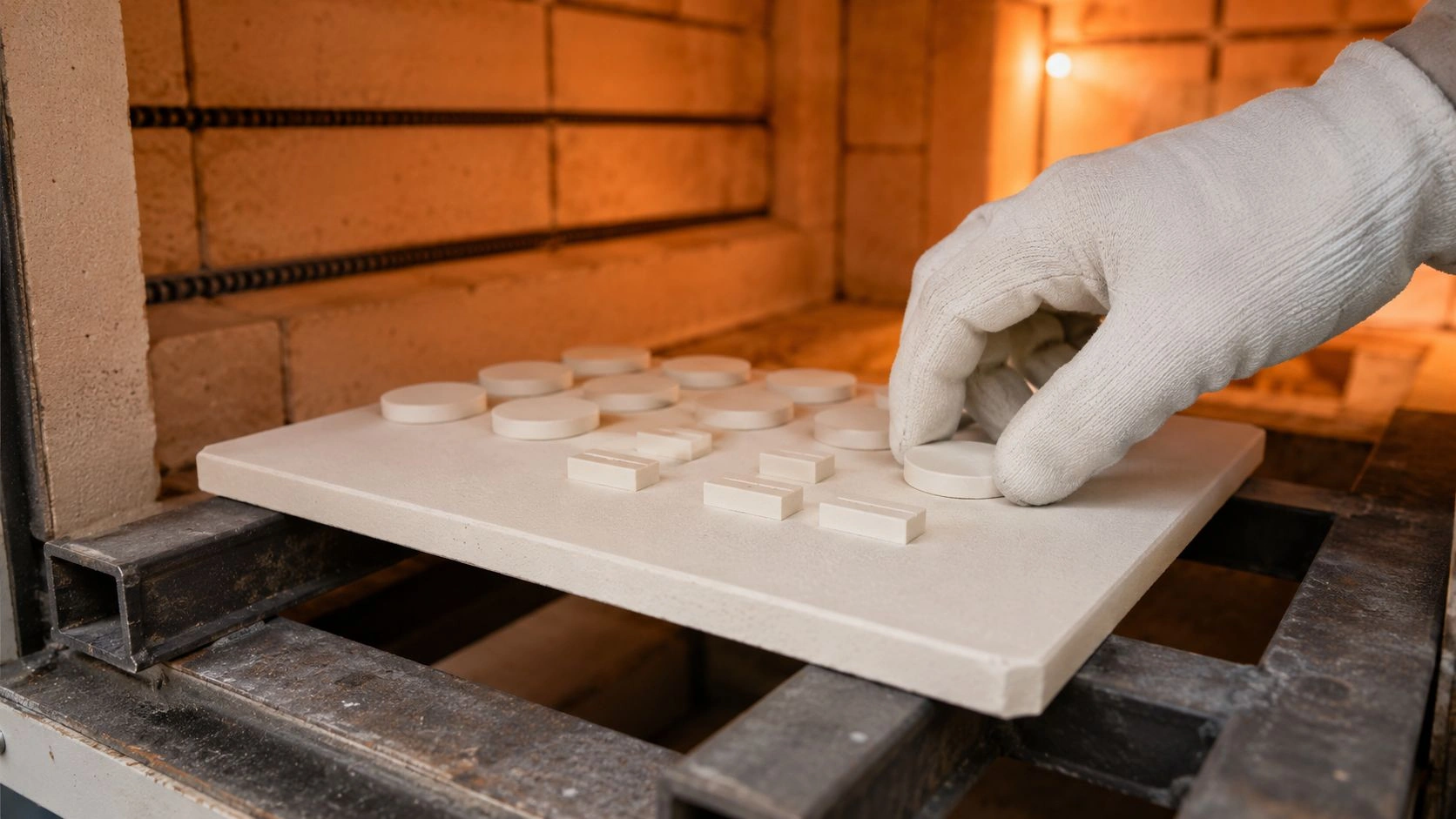
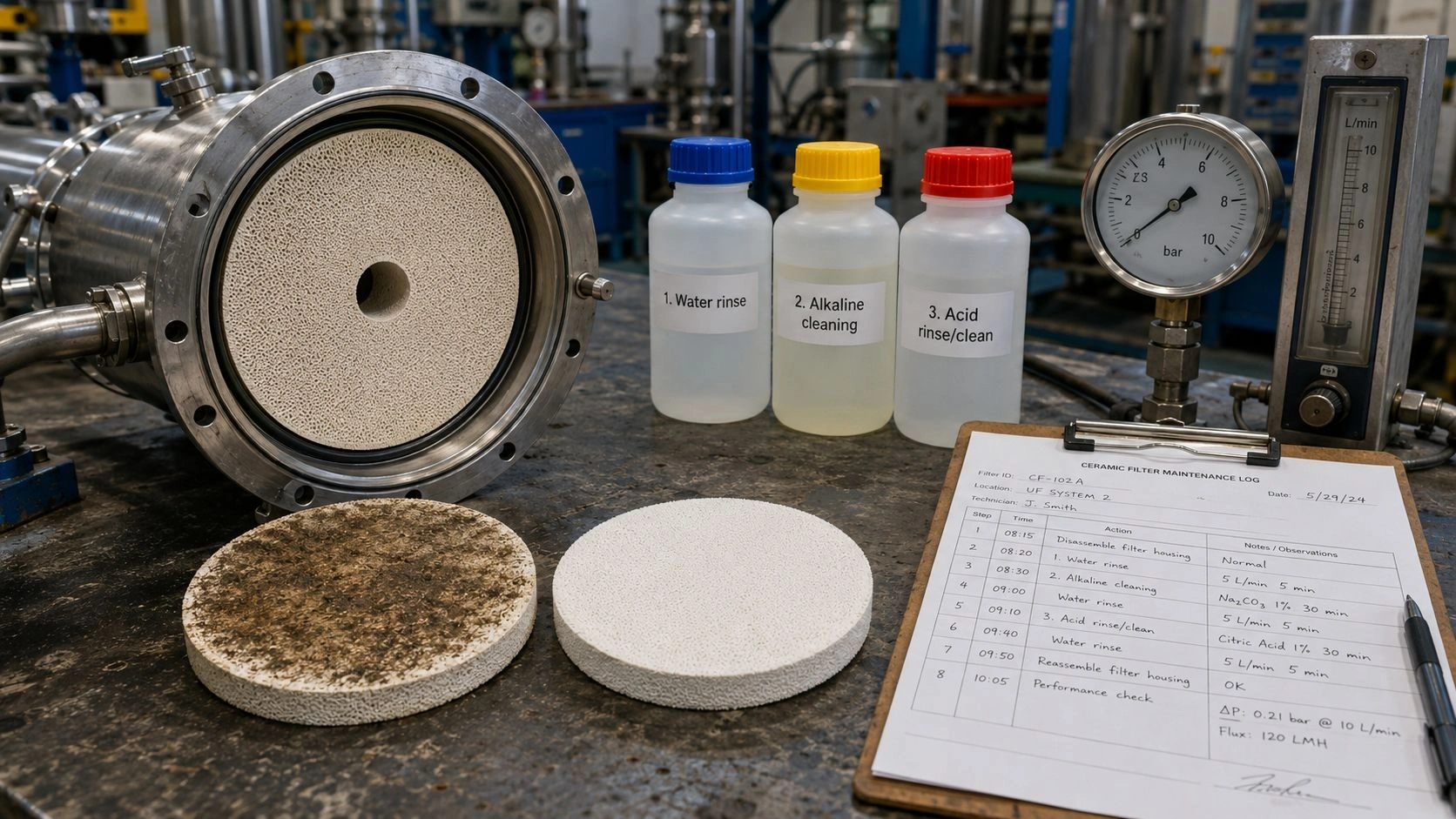
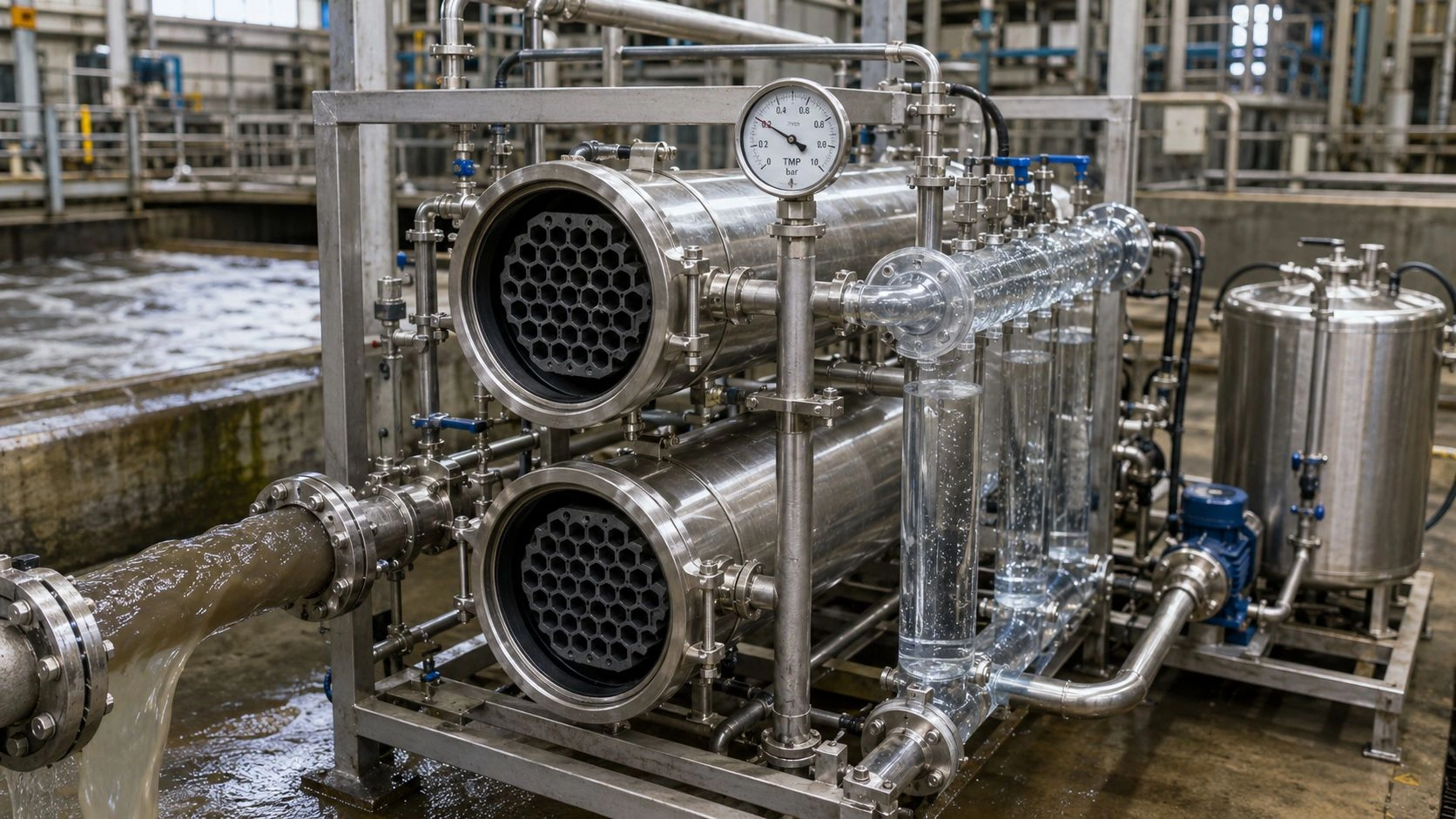
Alumina Ceramic Parts often fail quietly; meanwhile, thermal gradients, voltage stress, and corrosive vapors accumulate until downtime becomes unavoidable. Consequently, engineers need parts that stay stable, insulating, and inert.
Alumina Ceramic Parts enable reliable protection in heaters, igniters, sensor housings, and insulating fixtures. Moreover, when geometry, purity, and finishing align with the duty cycle, service life becomes predictable across harsh thermal and electrical environments.
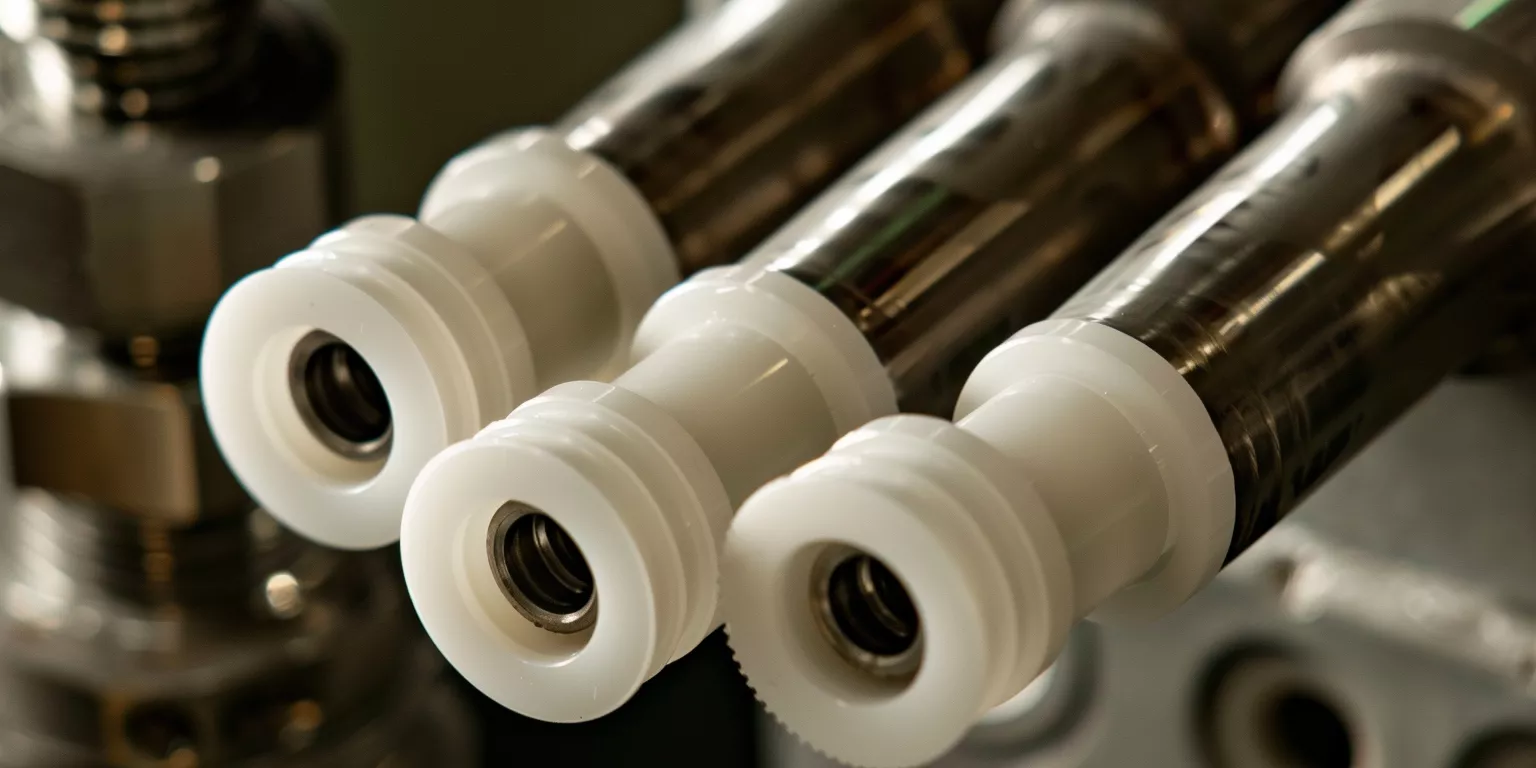
Thermal Exposure as the Primary Constraint in Alumina Ceramic Parts
Thermal, Electrical & Protective Components are chosen because temperature is the first constraint; however, temperature acts through time, gradients, and cycling rather than a single peak value. Consequently, Alumina Ceramic Parts must be evaluated as thermal structures that store heat, conduct heat, and resist stress.
Continuous High Temperature Stability in Alumina Components
In many thermal protection assemblies, continuous exposure is more destructive than short peaks.
A practical way to frame stability is to separate material softening from structural creep1. High-alumina bodies with ≥99.5% Al₂O₃ typically retain shape better than lower-purity grades because glassy phases are reduced; accordingly, grain-boundary sliding slows. In continuous furnaces, engineers frequently observe that holding within 1200–1500 °C for long dwell periods is where the part either stays flat or begins to warp. As an illustration, a flange-like insulator ring that passes a short 10-minute heat soak can still fail after 50 cycles of 2-hour dwells due to accumulated creep strain.
Therefore, specify temperature with duration and loading together, not as a single number. Otherwise, suppliers will quote a “max temperature” that does not reflect your duty cycle reality.
Thermal Cycling and Microcrack Accumulation
Thermal cycling is a crack-growth problem disguised as a temperature problem. In particular, Alumina Ceramic Parts experience repeated tensile stress at edges, holes, and fillets when heat-up and cool-down rates are inconsistent across the section.
There was a production line ramp a heater assembly at 8–10 °C/min because throughput was tight; however, the alumina insulator cracked near a fastener pocket after roughly 120–180 cycles. The root cause was not low strength, but rather microcrack accumulation from cyclic stress near a sharp internal corner. To demonstrate the effect, slowing the ramp to 3–5 °C/min and adding a 0.8–1.2 mm internal radius shifted failures beyond 400 cycles under the same load.
Additionally, cycling severity depends on ΔT and constraint. A free-standing alumina tube can tolerate larger ΔT than a clamped ceramic plate; consequently, the same material behaves differently in different fixtures. Provided that you cannot slow the ramp, redesigning constraints and adding compliant interfaces can reduce crack driving force.
Localized Overheating and Gradient Stress
Localized overheating is the most common reason “good alumina” fails unexpectedly. Indeed, a part can see an average temperature of 950 °C while a hotspot reaches 1150–1200 °C at a contact point; hence, the gradient, not the average, sets stress.
In heaters and igniters, hotspots often originate from contact resistance changes2, partial delamination, or uneven radiative view factors3. The ceramic then cracked along the edge nearest the radiant source because the thermal gradient4 imposed bending stress. Moreover, sharp edges and thin sections amplify these gradients; therefore, thickness transitions should be gradual and edges should be treated.
Consequently, when you specify Alumina Ceramic Parts for thermal protection, ask for hotspot maps or at least design for gradients with conservative geometry. Otherwise, a nominally safe temperature window can still produce rapid fracture.
Key Thermal Constraint Metrics for Alumina Ceramic Parts
| Thermal driver | What to specify | Typical engineering range (unit) | Why it matters |
|---|---|---|---|
| Continuous dwell | Hold temperature and duration | 200–1000 (hours) | Creep and warpage accumulate with time |
| Ramp rate | Heating and cooling rate | 1–10 (°C/min) | Controls cyclic stress intensity |
| Cycle count | Planned thermal cycles | 50–1000 (cycles) | Predicts microcrack accumulation risk |
| Gradient severity | Max ΔT across part | 20–200 (°C) | Drives bending stress and edge cracking |
| Section transitions | Thickness change length scale | 2–10 (mm) | Reduces stress concentration at steps |
Furthermore, once temperature limits are framed correctly, insulation performance becomes the next decisive boundary. Therefore, Alumina Ceramic Parts must retain electrical integrity while exposed to heat, gradients, and long dwell periods rather than under ambient laboratory conditions.
Electrical Insulation Integrity Under Combined Thermal Load
Electrical insulation in thermal equipment is rarely stressed by voltage alone. Instead, voltage acts simultaneously with temperature, atmosphere, and mechanical constraint. Consequently, Alumina Ceramic Parts used for insulation should be evaluated as electro-thermal structures rather than static dielectric blocks.
Dielectric Strength Retention at Elevated Temperature
Dielectric strength in alumina decreases gradually as temperature rises; however, the rate of degradation depends strongly on purity and porosity. In practice, dense alumina with ≥99.5% Al₂O₃ maintains stable insulation behavior up to 800–1000 °C, whereas lower-purity grades often show accelerated leakage above 600–700 °C.
During a heater retrofit project, it was observed that an alumina insulator passing room-temperature hipot tests began leaking current after 72 hours at 850 °C, despite no visible damage. Subsequent testing revealed that bulk resistivity had dropped by nearly one order of magnitude, enough to trigger sensor noise. By contrast, a higher-density replacement retained resistivity within acceptable limits for over 300 hours at the same temperature.
Therefore, electrical insulation must be specified as a function of temperature and time, not just initial dielectric strength.
Creepage and Clearance Behavior in Ceramic Structures
Creepage and clearance distances behave differently on ceramic surfaces than in polymers or air gaps. Specifically, alumina’s surface resistivity remains high, yet contaminants and condensates can form conductive paths at elevated temperature.
In high-voltage sensor housings, creepage distances below 6–8 mm have repeatedly resulted in surface tracking once vapor or dust deposits accumulated. There was a case where increasing creepage to 12 mm and smoothing surface roughness from Ra 1.2 μm to 0.6 μm eliminated intermittent arcing events over 1000 operating hours. Additionally, hole geometry and thread placement can unintentionally shorten effective creepage paths, especially near mounting flanges.
Accordingly, electrical design rules should be embedded directly into ceramic geometry rather than assumed from electrical schematics alone.
Failure Modes in High Voltage Alumina Insulators
High-voltage failure in Alumina Ceramic Parts rarely occurs as a single catastrophic breakdown. Instead, it often progresses through partial discharge, localized heating, and eventual flashover.
In long-term testing above 5–10 kV, partial discharge inception commonly appears near sharp edges, pores, or metal interfaces. These discharges generate localized heating that further lowers resistivity, forming a feedback loop. In one oxygen sensor housing, partial discharge marks were visible after 200 hours at elevated voltage, even though the part met all initial specifications. After redesigning edge radii and increasing wall thickness by 15–20%, discharge activity dropped below detection limits.
Thus, understanding electrical failure as a progressive process enables preventive design changes before field failures occur.
Electrical Integrity Metrics for Alumina Ceramic Parts
| Electrical factor | Typical engineering value | Temperature dependence | Risk if ignored |
|---|---|---|---|
| Volume resistivity (Ω·cm) | ≥10¹²–10¹⁴ | Decreases above 700 °C | Leakage and signal drift |
| Dielectric strength (kV/mm) | 8–15 | Gradual reduction | Early breakdown |
| Creepage distance (mm) | 8–20 | Surface-condition sensitive | Tracking and flashover |
| Partial discharge onset (kV) | Application-specific | Strongly geometry-driven | Progressive insulation loss |
| Edge radius (mm) | ≥0.5–1.0 | Stress and field control | Discharge initiation |
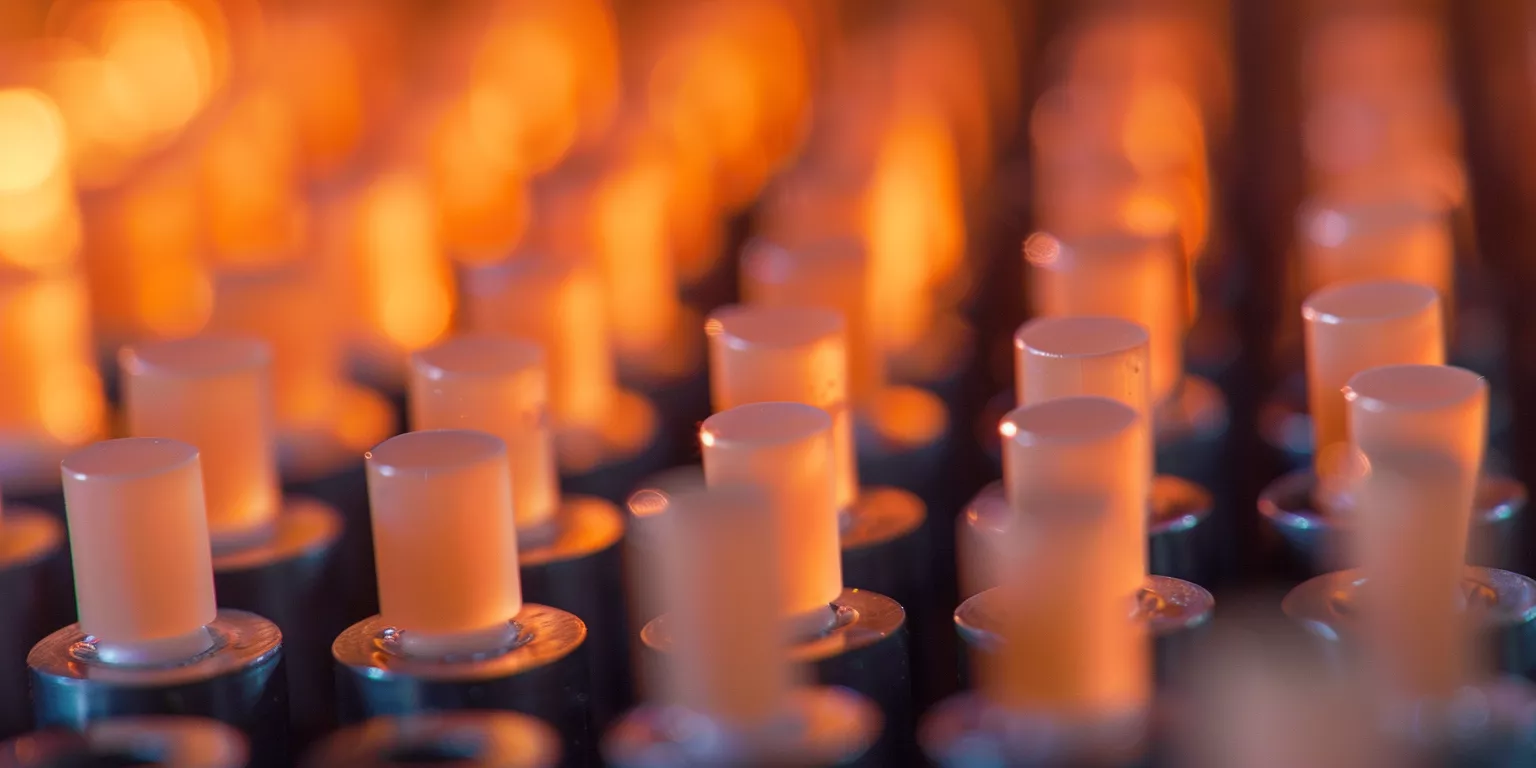
Additionally, once thermal and electrical limits are established, environmental exposure becomes the next decisive variable. Therefore, Alumina Ceramic Parts must be assessed for chemical and atmospheric compatibility under simultaneous heat, voltage, and mechanical constraint.
Chemical and Atmospheric Resistance in Harsh Environments
Moreover, chemical exposure rarely acts alone in thermal equipment. Instead, corrosive vapors, reactive gases, and particulate-laden atmospheres interact with heat and stress, accelerating degradation pathways that are invisible in short-term tests. Consequently, Alumina Ceramic Parts should be evaluated under representative atmospheres rather than nominal material datasheets.
Oxidizing and Reducing Atmosphere Compatibility
Alumina remains thermodynamically stable in oxidizing environments across a wide temperature range. Specifically, in air or oxygen-rich atmospheres, dense alumina maintains structural integrity up to 1500–1700 °C, provided that grain-boundary phases are minimized.
However, reducing atmospheres introduce different risks. In hydrogen- or carbon-rich environments, impurities at grain boundaries can react, locally weakening the microstructure. During one furnace retrofit, alumina fixtures exposed to alternating oxidizing and mildly reducing cycles developed surface roughening after 200–300 hours, even though bulk strength remained unchanged. After switching to higher-purity alumina and smoothing surface finish, degradation slowed markedly over 800 hours.
Therefore, atmosphere switching frequency should be treated as a design parameter rather than an operational detail.
Acidic and Alkaline Vapor Interaction
Acidic and alkaline vapors attack ceramics through surface chemistry rather than bulk dissolution. Alumina exhibits strong resistance to many acids; nevertheless, hot alkali vapors can gradually leach grain-boundary phases, increasing surface porosity.
In chemical processing heaters, it was observed that exposure to sodium-containing vapors at 700–900 °C produced measurable surface roughening within 100–150 hours, even though no visible cracking occurred. Roughness increase from Ra 0.6 μm to 1.5 μm was sufficient to promote dust adhesion and local overheating. Conversely, parts shielded from direct vapor flow retained surface integrity for over 500 hours.
Accordingly, vapor flow direction and shielding geometry should be considered alongside material selection.
Contamination Control and Material Inertness
For many thermal protection applications, contamination control is as critical as structural survival. Alumina Ceramic Parts are valued because they release minimal ions and particulates at elevated temperature when properly processed.
In sensor housings and optical components, ion release above 1–2 ppm can distort signals or degrade coatings. During an optical heater assembly review, replacing a mixed-purity ceramic support with high-purity alumina reduced detectable sodium and silicon contamination by over 70% during a 400-hour burn-in. Moreover, smoother surfaces reduced particle shedding under thermal cycling.
Thus, material inertness must be evaluated through purity, density, and surface finish as an integrated system.
Environmental Resistance Summary for Alumina Ceramic Parts
| Environmental factor | Typical exposure condition | Observed response range | Mitigation approach |
|---|---|---|---|
| Oxidizing atmosphere | Air, O₂ at high temperature | Stable up to 1700 °C | High purity, dense body |
| Reducing atmosphere | H₂, CO cycling | Surface weakening after 200–300 h | Purity control, surface finish |
| Alkaline vapor | Na/K compounds at 700–900 °C | Roughening within 100–150 h | Flow shielding, geometry |
| Acidic vapor | Sulfur, halogen species | Low bulk attack, surface effects | Surface zoning |
| Contamination release | Sensitive optical/sensor use | <1–2 ppm preferred | Purity ≥99.5% |
Furthermore, after confirming material compatibility, structural geometry becomes the decisive factor controlling whether Alumina Ceramic Parts survive real thermal and electrical loading. Therefore, geometry must be treated as an active protective mechanism rather than a passive carrier of material properties.
Structural Geometry for Thermal and Electrical Protection
Moreover, many field failures occur even when alumina grade and purity are correct. Instead, failure originates from how geometry channels heat flow, electric fields, and mechanical constraint. Consequently, structural decisions often outweigh marginal material upgrades in thermal–electrical protection.
Wall Thickness and Thermal Stress Distribution
Wall thickness directly governs thermal gradients and internal stress. Thin sections heat and cool faster, whereas thick sections store heat and resist change; however, abrupt transitions between them concentrate stress.
In heater carriers and insulator plates, thickness ratios exceeding 1:2 across short distances frequently generate tensile stress above the ceramic’s tolerance during ramps. It was found that the plates crack repeatedly at a shoulder where thickness dropped from 12 mm to 5 mm over less than 3 mm length. After redesigning the transition to 10 mm taper length, the same part endured >500 thermal cycles without cracking.
Therefore, uniform thickness or gradual tapering is one of the most effective crack-suppression tools available to designers.
Hole Design Threads and Assembly Interfaces
Holes and threads act as combined thermal and electrical stress concentrators. Specifically, drilled or threaded features disrupt heat flow and intensify electric fields near edges.
In high-voltage housings, threaded holes with sharp run-outs have triggered partial discharge at voltages as low as 6–8 kV under elevated temperature. During one redesign, adding thread relief and increasing local wall thickness by 20% shifted discharge inception above 12 kV, while also reducing thermal cracking incidents. Additionally, blind holes trap heat more than through-holes, raising local temperature by 30–60 °C in some assemblies.
Accordingly, hole geometry should be reviewed for both thermal diffusion and electrical field shaping.
Edge Treatment and Crack Suppression
Edges are the most failure-prone regions in Alumina Ceramic Parts under combined stress. Sharp edges amplify thermal stress and electric field intensity, accelerating crack initiation.
In igniter supports and sensor housings, edge radii below 0.3 mm have repeatedly produced microcracks after 100–200 cycles, even when bulk material remained intact. Increasing edge radius to 0.8–1.2 mm reduced crack incidence by over 60% in comparable duty cycles. Moreover, rounded edges reduce surface tracking risk by lowering local field strength.
Thus, edge treatment should be specified explicitly rather than left to default machining practice.
Geometry Control Metrics for Thermal Electrical Protection
| Geometry element | Recommended range | Coupled risk controlled | Practical outcome |
|---|---|---|---|
| Thickness transition length (mm) | ≥5–10 | Thermal stress | Crack suppression |
| Thickness ratio | ≤1:2 | Gradient amplification | Warpage reduction |
| Edge radius (mm) | ≥0.8 | Stress and field peaks | Longer cycle life |
| Hole wall thickness (%) | +15–25 | Heat and voltage concentration | Higher breakdown margin |
| Thread relief length (mm) | ≥1.0 | Partial discharge | Electrical stability |
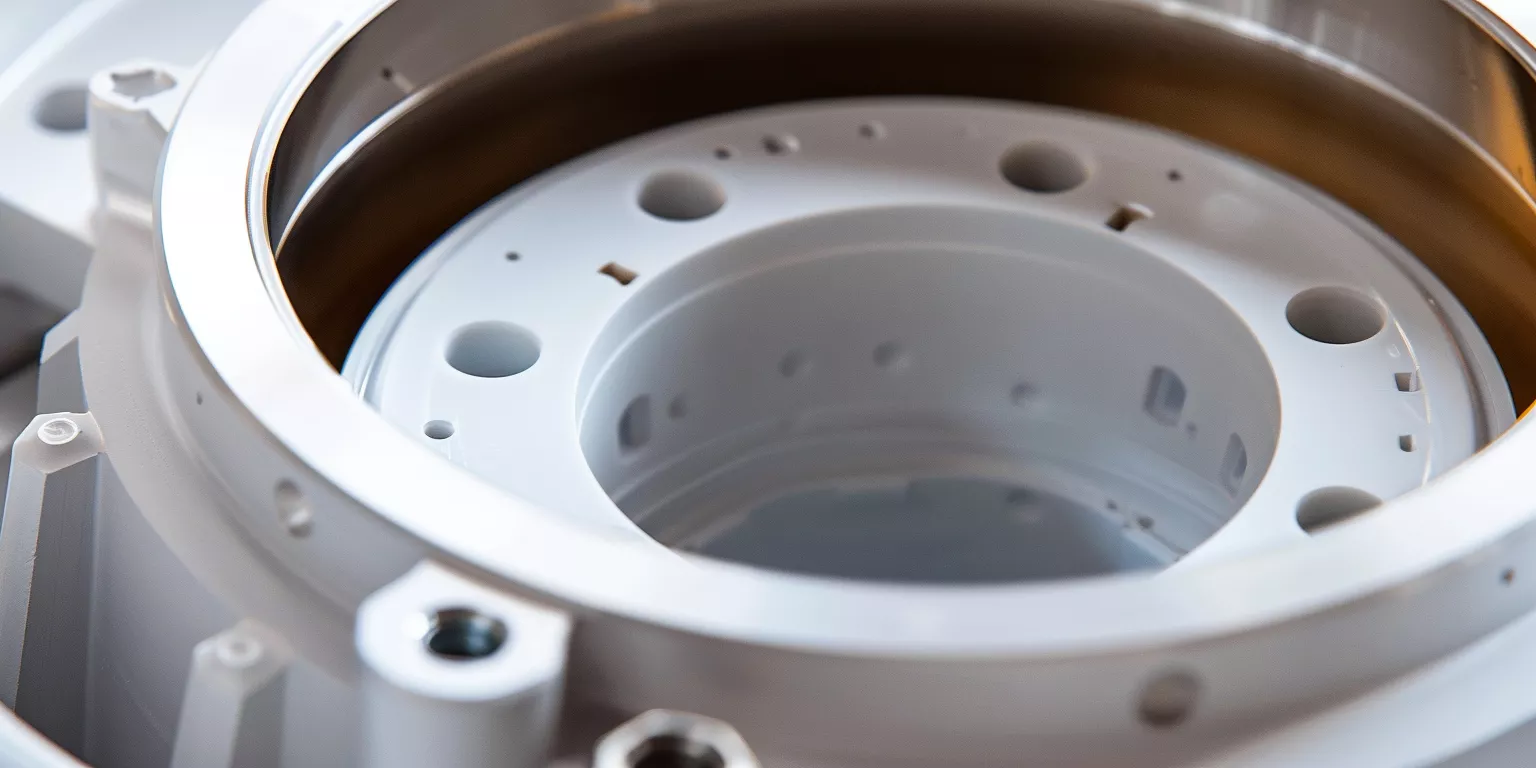
Moreover, once geometry principles are established, engineers naturally evaluate how specific Alumina Ceramic Parts embody these rules in real equipment. Therefore, reviewing typical thermal, electrical, and protective components clarifies why certain designs succeed while others fail prematurely.
Typical Thermal Electrical Protective Alumina Ceramic Parts
Additionally, this component category spans multiple industries, yet all parts share exposure to elevated temperature, electric fields, or chemically aggressive environments. Consequently, functional form follows protection logic rather than purely mechanical fit.
Heater Carriers and Heating Supports
Heater carriers serve as structural and electrical isolation layers between resistance elements and metallic frames. In continuous operation above 800–1200 °C, alumina carriers must balance thermal insulation with dimensional stability.
In industrial furnaces, carriers with insufficient thickness often warp by 0.3–0.6 mm per 100 mm length, disrupting heater alignment. It was observed that increasing carrier thickness by 25%, while introducing symmetrical ribbing, reduced distortion by more than 40% across identical thermal profiles. Furthermore, surface finish below Ra 1.6 µm significantly improves heater contact uniformity, reducing localized overheating.
As a result, heater carriers function as thermal regulators rather than passive supports.
Igniters and High-Temperature Electrical Starters
Alumina ceramic igniters operate under extreme gradients, frequently exceeding 1000 °C at the tip while the base remains near ambient temperature. Therefore, axial thermal stress becomes the dominant failure mode.
In gas ignition systems, straight cylindrical igniters cracked after 300–500 starts due to constrained expansion at mounting interfaces. After introducing stepped diameters and compliant ceramic-to-metal joints, service life extended beyond 2000 cycles without fracture. Moreover, alumina purity above 99.5% reduced conductive contamination, stabilizing spark behavior.
Hence, igniter reliability depends more on gradient accommodation than raw temperature rating.
Electrical Insulators and Protective Housings
Insulator parts and relay housings must simultaneously resist voltage, heat, and environmental contamination. Surface geometry directly influences tracking and flashover behavior.
In humid environments, flat alumina insulators experienced surface tracking at 7–9 kV, whereas ribbed designs with identical material delayed tracking beyond 12 kV. Field testing also showed that creepage length increases of 30–50% dramatically improved insulation stability without material change.
Accordingly, electrical protection is achieved through geometry amplification rather than material substitution.
Sensor and Optical Component Protection
Oxygen sensor housings, laser reflectors, and optical protection frames rely on alumina for both thermal stability and electrical neutrality. Here, thermal shock resistance and surface integrity dominate performance.
During exhaust gas monitoring, housings exposed to ΔT >400 °C within seconds frequently failed at mounting shoulders. Adding chamfered transitions and increasing wall thickness locally by 20% reduced breakage rates from 15% to under 3% in field deployments. In laser systems, polished alumina reflectors maintained dimensional stability within ±0.02 mm after repeated heating cycles.
Therefore, precision protection remains feasible even under harsh thermal flux.
Summary of Thermal Electrical Protective Components
| Component type | Typical temperature (°C) | Primary stress | Design priority |
|---|---|---|---|
| Heater carrier | 800–1200 | Thermal distortion | Thickness symmetry |
| Ceramic igniter | >1000 tip | Axial gradient | Stepped geometry |
| Electrical insulator | Ambient–300 | Electric field | Creepage length |
| Sensor housing | Cyclic ΔT >400 | Thermal shock | Transition control |
| Optical reflector | 200–600 | Dimensional drift | Surface integrity |
Furthermore, understanding component forms alone is insufficient without recognizing how and why failures initiate in service. Therefore, examining dominant failure mechanisms reveals how thermal, electrical, and protective stresses accumulate within Alumina Ceramic Parts.
Failure Mechanisms in Thermal Electrical Alumina Ceramic Parts
Moreover, failures rarely stem from exceeding a single material limit. Instead, they emerge from coupled thermal gradients, electric fields, and mechanical constraints acting simultaneously over time.
Thermal Shock and Gradient-Induced Cracking
Thermal shock cracking occurs when rapid temperature changes generate stress beyond alumina’s fracture tolerance. Although alumina tolerates high absolute temperatures, it remains sensitive to ΔT rates exceeding 200–300 °C per minute.
In furnace fixtures, parts quenched from 900 °C to below 200 °C developed radial cracks within 10–20 cycles. After modifying process ramps to limit cooling rates below 150 °C per minute, crack initiation was delayed beyond 300 cycles. Additionally, components with asymmetric geometry exhibited crack density nearly 2× higher than symmetric counterparts.
Consequently, thermal shock resistance depends more on gradient control than peak temperature.
Dielectric Breakdown and Partial Discharge
Electrical failure often begins invisibly through partial discharge rather than catastrophic breakdown. Local field intensification at edges, pores, or contaminants initiates micro-discharges at voltages well below nominal ratings.
In relay housings operating at 8–10 kV, alumina parts with surface roughness above Ra 3.2 µm showed discharge inception 20–25% earlier than polished surfaces. After improving finish and increasing creepage length by 35%, discharge activity became undetectable under the same voltage. Notably, internal porosity above 1.5% correlated strongly with premature dielectric failure.
Thus, electrical reliability relies on surface and microstructural discipline.
Chemical Attack and Protective Degradation
In chemical and combustion environments, alumina ceramics face gradual degradation rather than immediate failure. Alkali vapors, flux residues, and reactive gases attack grain boundaries preferentially.
In high-temperature burners, alumina shields exposed to sodium-rich vapors lost 5–8% mass after 1000 hours, while higher-purity grades limited loss to under 2%. Field inspections revealed surface roughening that accelerated electrical tracking under humid conditions. Applying protective geometry, such as sacrificial thickness zones, extended functional life by 40–60%.
Therefore, protection strategies must account for chemical exposure over time.
Mechanical Constraint and Assembly-Induced Stress
Assembly conditions frequently introduce hidden stresses that manifest only during heating. Rigid mounting of alumina parts prevents natural thermal expansion, producing tensile stress.
In sensor housings clamped directly into steel fixtures, cracking appeared after 50–80 thermal cycles. Introducing compliant interlayers reduced stress transmission, extending service life beyond 500 cycles. Measurements showed that even 0.05 mm radial interference could raise local stress above 60% of alumina’s flexural strength at operating temperature.
Accordingly, assembly design is inseparable from ceramic reliability.
Failure Mode Overview in Thermal Electrical Protection
| Failure mechanism | Trigger condition | Typical onset | Mitigation focus |
|---|---|---|---|
| Thermal shock cracking | ΔT >300 °C/min | 10–100 cycles | Ramp control |
| Partial discharge | Local field peaks | Immediate to gradual | Surface finish |
| Dielectric breakdown | Porosity >1.5% | Long-term | Density control |
| Chemical erosion | Alkali exposure | 500–1000 h | Purity selection |
| Assembly stress | Rigid constraint | <100 cycles | Compliant mounting |
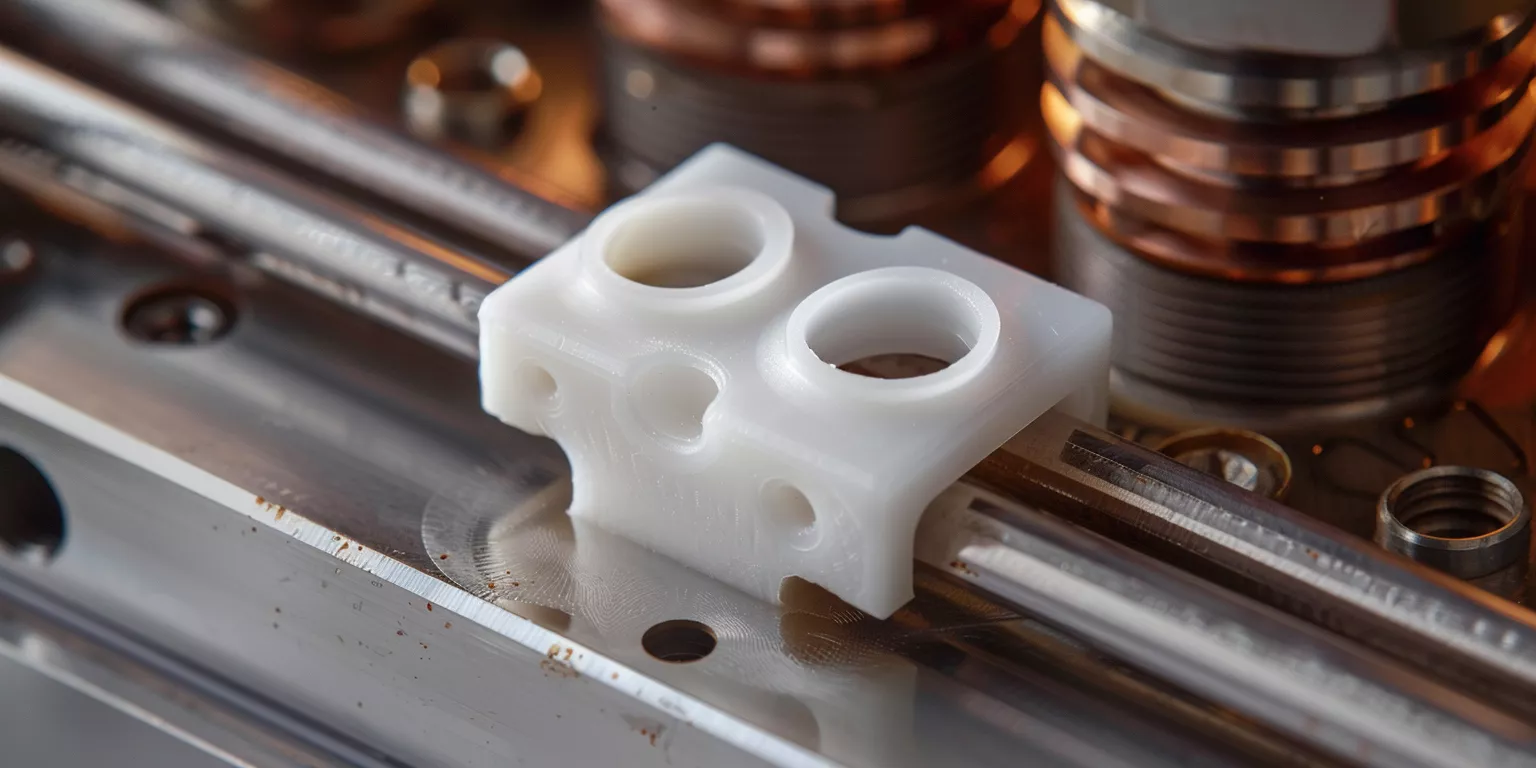
Moreover, once failure mechanisms are understood, engineers can deliberately align material grade, geometry, and operating envelope to suppress those risks. Therefore, a structured selection strategy becomes the most reliable path to long-term performance in thermal and electrical protection.
Design and Material Selection Strategy for Thermal Electrical Protection
Additionally, selection decisions must be made as a system rather than as isolated parameters. Alumina purity, density, geometry, and assembly conditions interact continuously under heat and voltage, consequently shaping real service life.
Purity and Microstructure Alignment
Alumina purity directly affects dielectric strength, chemical resistance, and high-temperature stability. Grades below 99.0% Al₂O₃ often contain glassy phases that soften above 900–1000 °C, weakening both insulation and mechanical integrity.
In heater supports operating near 1100 °C, switching from 96% to 99.6% alumina reduced creep deformation by over 50% during a 1000-hour test. Moreover, finer and more uniform grain size, typically 3–6 µm, improved breakdown voltage consistency across batches. Engineers frequently overlook that density above 3.85 g/cm³ correlates strongly with stable dielectric behavior.
Thus, purity selection must reflect combined thermal and electrical demand, not just temperature rating.
Matching Geometry to Operating Envelope
Geometry must be tuned to the most severe condition rather than nominal operation. Components that survive steady temperature may fail during startup or shutdown.
In electrical housings cycling between ambient and 600 °C, thick sections accumulated thermal lag of >120 seconds, creating internal gradients exceeding 250 °C. Reducing section thickness by 15% while extending transition lengths lowered gradients to under 150 °C, eliminating cracks over 400 cycles. Similarly, increasing creepage distance by 40% improved voltage endurance without enlarging overall footprint.
Accordingly, geometry optimization often yields higher returns than material upgrades.
Surface Condition and Electrical Safety
Surface integrity governs electrical reliability more than bulk strength. Micro-asperities concentrate electric fields, while contamination initiates tracking.
In high-voltage insulators, reducing surface roughness from Ra 2.5 µm to Ra 0.8 µm increased discharge inception voltage by approximately 18–22%. Field experience also showed that glazed or sealed surfaces maintained insulation performance longer in humid environments, although unglazed polished alumina remained preferable above 800 °C.
Therefore, surface specification should be included explicitly in drawings rather than assumed.
Assembly and Interface Compatibility
Thermal expansion mismatch between alumina and metals introduces hidden stress. Alumina’s coefficient of thermal expansion, typically 7–8 ×10⁻⁶ /°C, differs substantially from steels and nickel alloys.
In sensor assemblies rigidly clamped to stainless steel, stress analysis predicted tensile loads exceeding 70 MPa during heating to 500 °C. Introducing compliant spacers reduced calculated stress below 30 MPa, which aligned with observed elimination of cracking in service. Even small allowances, such as 0.1 mm radial clearance, significantly improved durability.
Hence, interface design is a critical extension of material selection.
Integrated Selection Checklist
| Selection factor | Recommended range | Primary benefit | Risk reduced |
|---|---|---|---|
| Alumina purity (%) | ≥99.5 | Stable insulation | Softening |
| Bulk density (g/cm³) | ≥3.85 | Dielectric consistency | Breakdown |
| Grain size (µm) | 3–6 | Crack resistance | Thermal shock |
| Surface roughness (µm) | ≤1.0 | Higher inception voltage | Tracking |
| Thermal clearance (mm) | ≥0.1 | Stress relief | Assembly cracking |
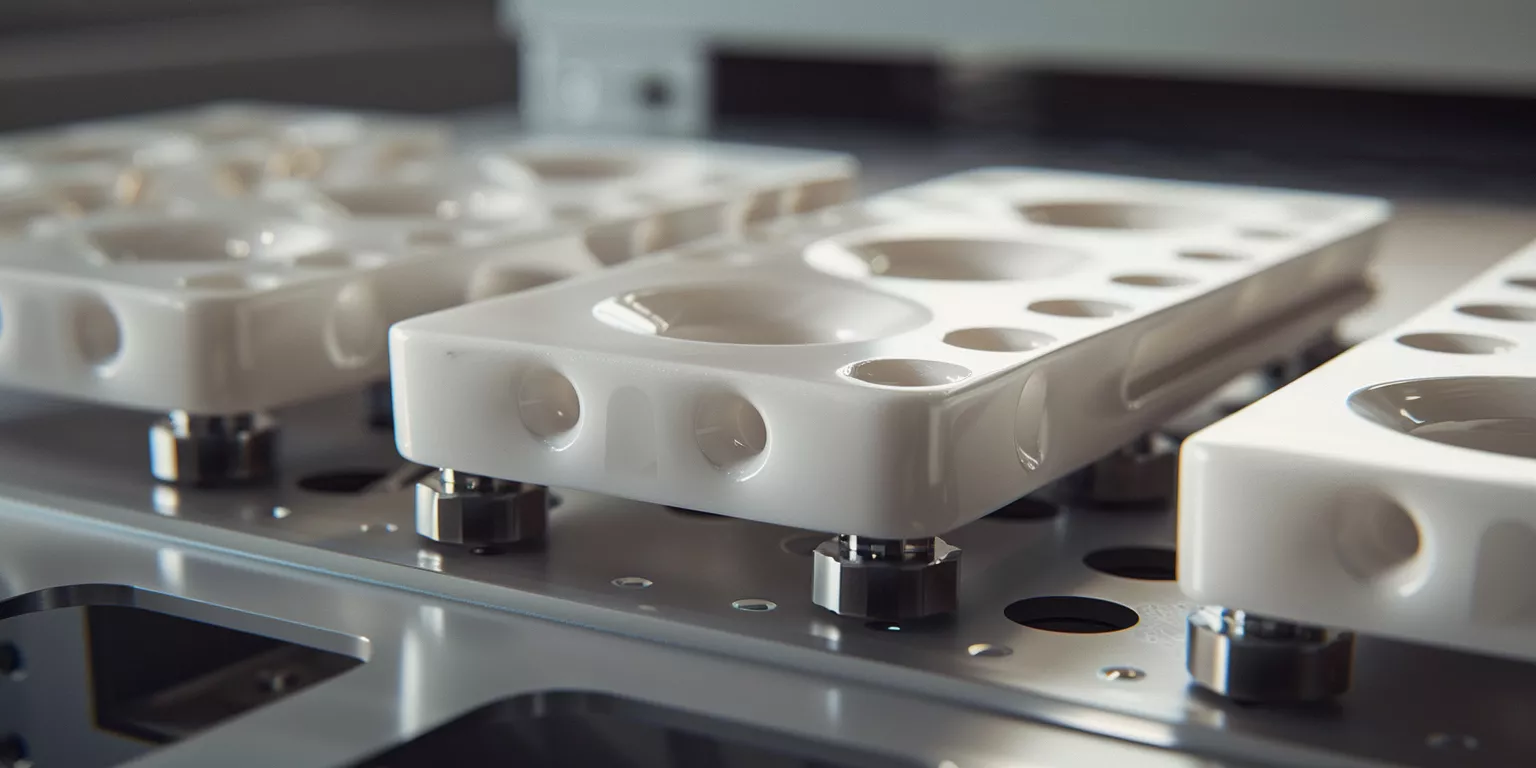
Moreover, after aligning material and design principles, execution quality determines whether protective intent is fully realized. Therefore, customization capability becomes essential when Alumina Ceramic Parts operate inside chemical reactors, furnaces, and high-temperature process equipment.
ADCERAX Customization for Chemical and High-Temperature Equipment
Additionally, standardized alumina components rarely match the combined demands of thermal load, electrical insulation, and chemical exposure. Consequently, ADCERAX structures customization as an engineering workflow rather than a catalog selection.
Application-Oriented Requirement Translation
ADCERAX begins by translating operating conditions into ceramic-relevant constraints. Instead of relying solely on nominal temperatures, engineers evaluate maximum ΔT, voltage exposure, chemical species, and cycle frequency.
In chemical heater assemblies, customers often specify only a 900 °C operating temperature. However, project reviews frequently reveal startup ramps exceeding 250 °C per minute and localized alkali exposure. After incorporating these factors, wall thickness and transition geometry are adjusted, reducing crack risk by over 50% in comparable field deployments.
Thus, requirement translation prevents under-designed protection.
Material and Geometry Co-Optimization
Customization integrates material grade and geometry simultaneously. ADCERAX typically recommends ≥99.5% alumina for electrically active components and adjusts grain structure to balance insulation and shock resistance.
In one furnace liner project, increasing purity from 99.0% to 99.7%, while introducing gradual thickness transitions, extended component life from 600 hours to over 1400 hours. Moreover, creepage paths were extended internally without enlarging external dimensions, preserving equipment compatibility.
Accordingly, co-optimization avoids the trade-off between protection and fit.
Precision Machining and Surface Control
High-temperature and electrical protection often fail at surfaces rather than in bulk. Therefore, ADCERAX places emphasis on controlled machining and finishing.
For relay housings, surface roughness is routinely controlled below Ra 1.0 µm, improving discharge resistance by approximately 20% compared with standard finishes. In chemically aggressive environments, optional surface sealing further slows grain-boundary attack, especially under humid conditions.
As a result, surface control directly enhances long-term stability.
Assembly Interface Engineering Support
ADCERAX supports customers beyond the ceramic itself by reviewing mounting and interface design. Thermal expansion mismatch is addressed early through clearance recommendations and compliant features.
In exhaust sensor housings, adding 0.15 mm radial clearance and chamfered interfaces reduced assembly-induced cracking from 12% to under 2% during pilot runs. This adjustment required no material change, only interface refinement.
Therefore, assembly guidance is treated as part of the ceramic solution.
One-Stop Customization Capability Summary
| Customization stage | Engineering focus | Quantified improvement |
|---|---|---|
| Requirement translation | ΔT and chemical mapping | −50% crack risk |
| Material optimization | Purity and grain control | +2× service life |
| Geometry refinement | Transition and creepage | +30–40% stability |
| Surface finishing | Roughness ≤1.0 µm | +20% breakdown margin |
| Assembly guidance | Thermal clearance | −80% assembly failures |
Conclusion
Ultimately, Alumina Ceramic Parts for thermal, electrical, and protective functions succeed only when material purity, geometry, surface integrity, and assembly conditions are engineered as a unified system.
If your equipment operates under high temperature, high voltage, or aggressive chemical exposure, ADCERAX provides tailored Alumina Ceramic Parts engineered for long-term stability. Contact our engineering team to review your operating envelope and component design.
FAQ
How do Alumina Ceramic Parts behave under rapid temperature cycling?
Alumina Ceramic Parts tolerate high absolute temperatures, yet rapid temperature change creates internal stress. When ΔT exceeds 200–300 °C per minute, cracking risk increases sharply. Controlled ramps and symmetric geometry significantly extend cycle life.
What alumina purity is recommended for electrical insulation applications?
For electrical insulation above 5 kV or continuous exposure above 800 °C, alumina purity of ≥99.5% Al₂O₃ is recommended. Lower-purity grades may soften or exhibit unstable dielectric behavior over time.
Can surface finish influence dielectric performance?
Yes. Surface roughness above Ra 2.5 µm concentrates electric fields and promotes partial discharge. Polished or sealed surfaces below Ra 1.0 µm typically increase discharge inception voltage by 15–25%.
Why do alumina parts crack after installation but not during testing?
Assembly-induced stress is a frequent cause. Rigid mounting, insufficient clearance, or thermal expansion mismatch can introduce tensile stress exceeding safe limits during heating. Interface optimization often resolves this issue without changing material.
References:
-
Learn how structural creep impacts the long-term performance and shape retention of ceramic components in high-temperature applications. ↩
-
Understanding contact resistance changes is crucial for improving heater efficiency and preventing failures. ↩
-
Understanding radiative view factors helps optimize heater and igniter design by minimizing hotspots and improving thermal efficiency. ↩
-
Exploring the impact of thermal gradients can help in designing more durable and efficient heating systems. ↩