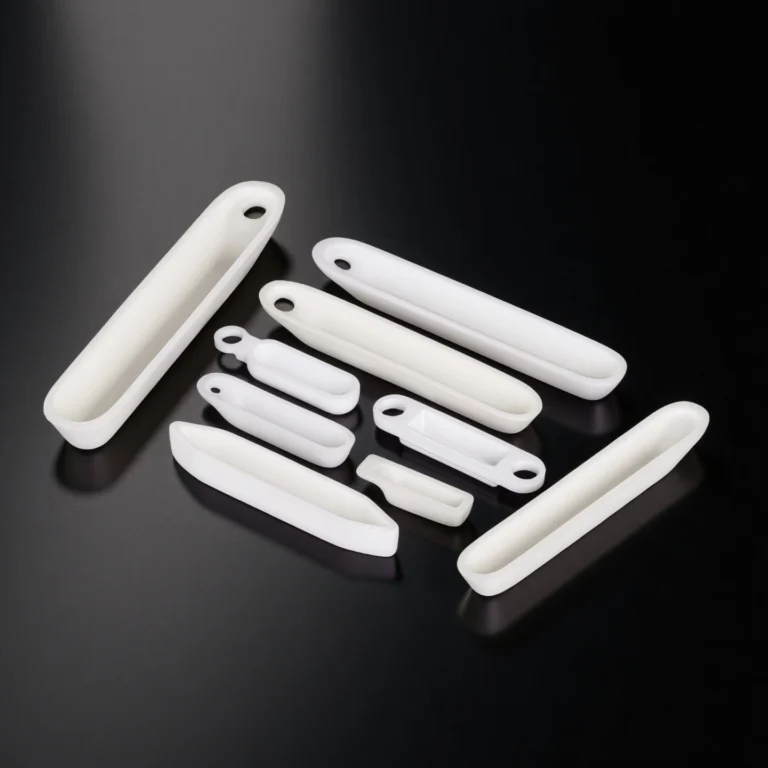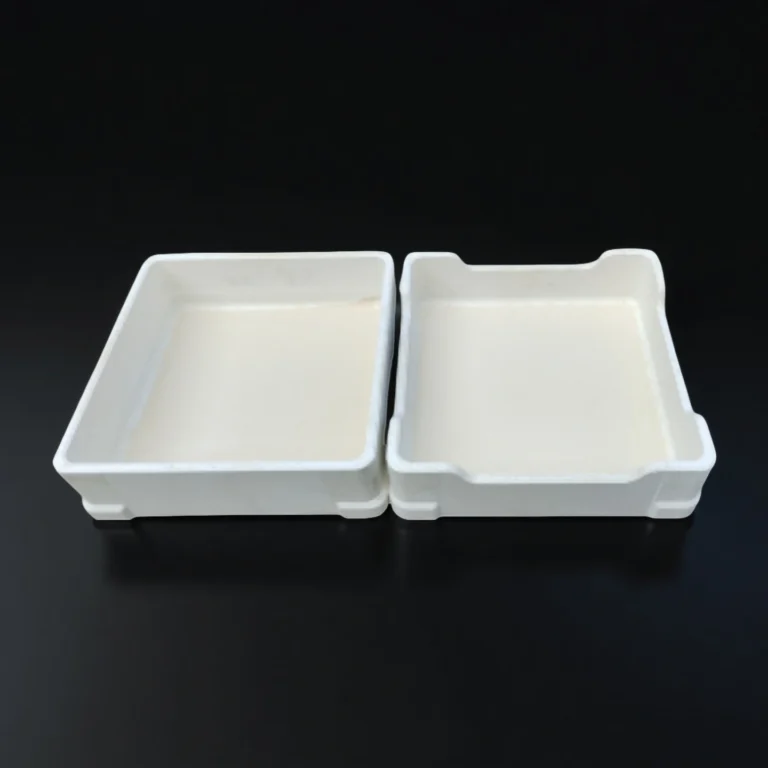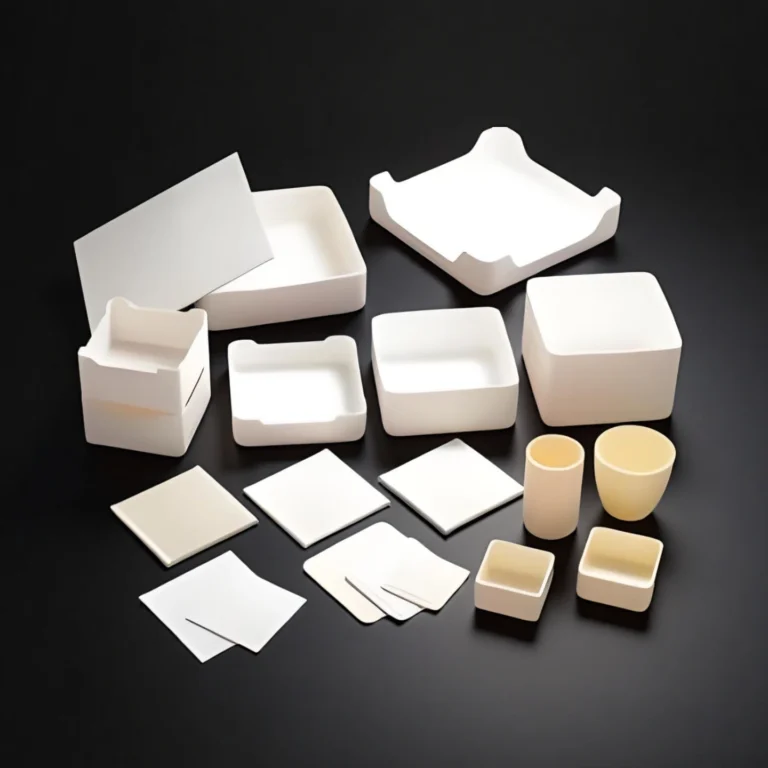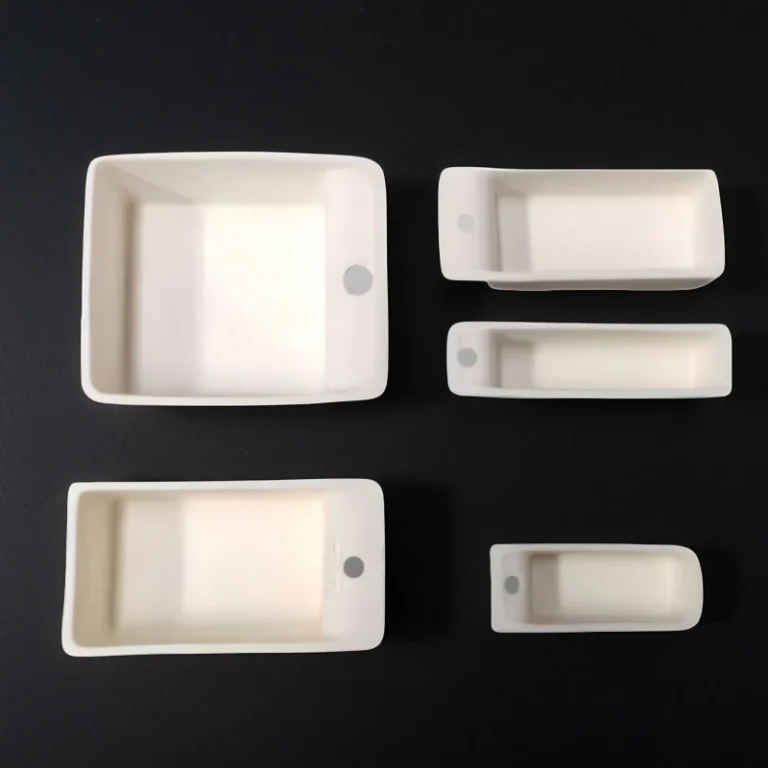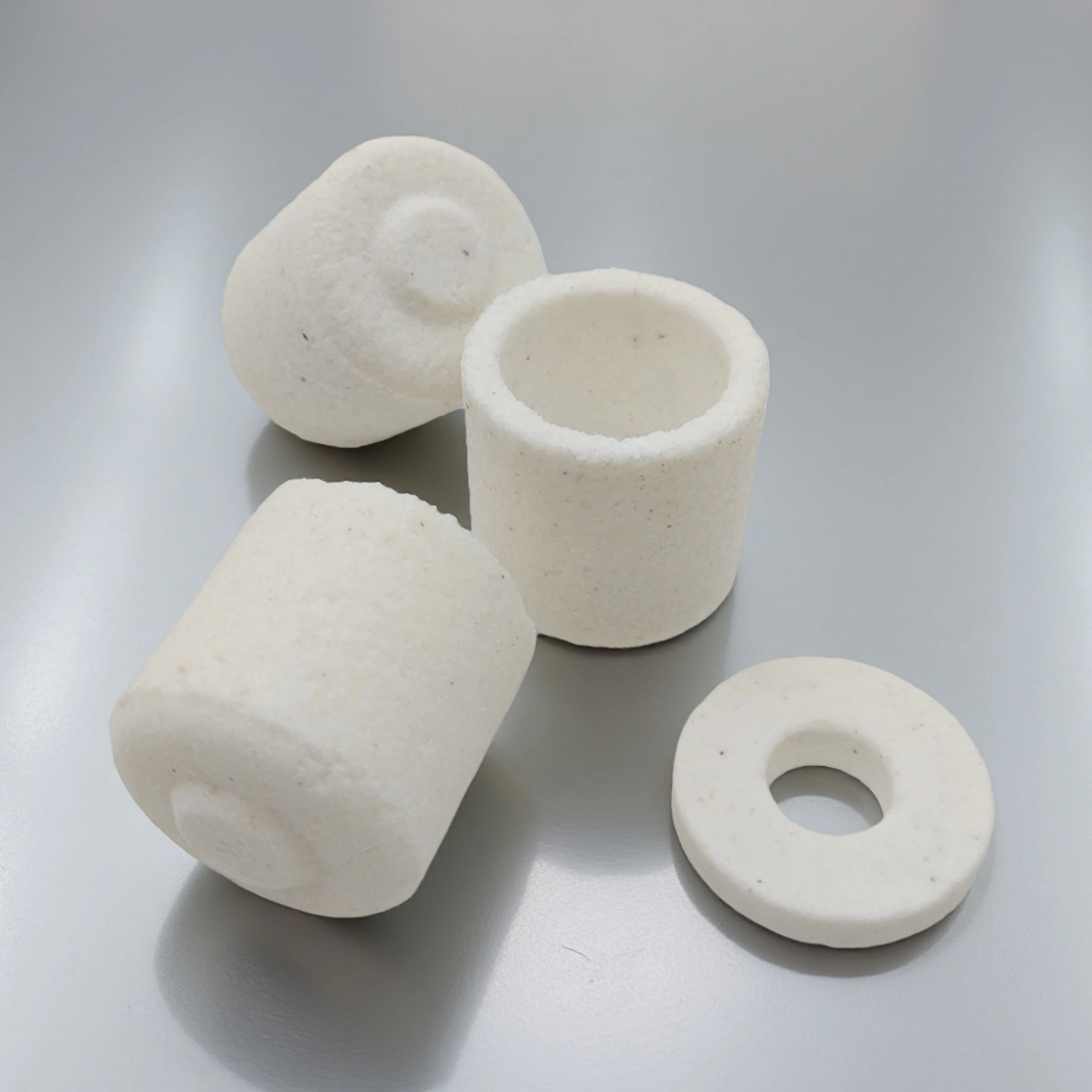
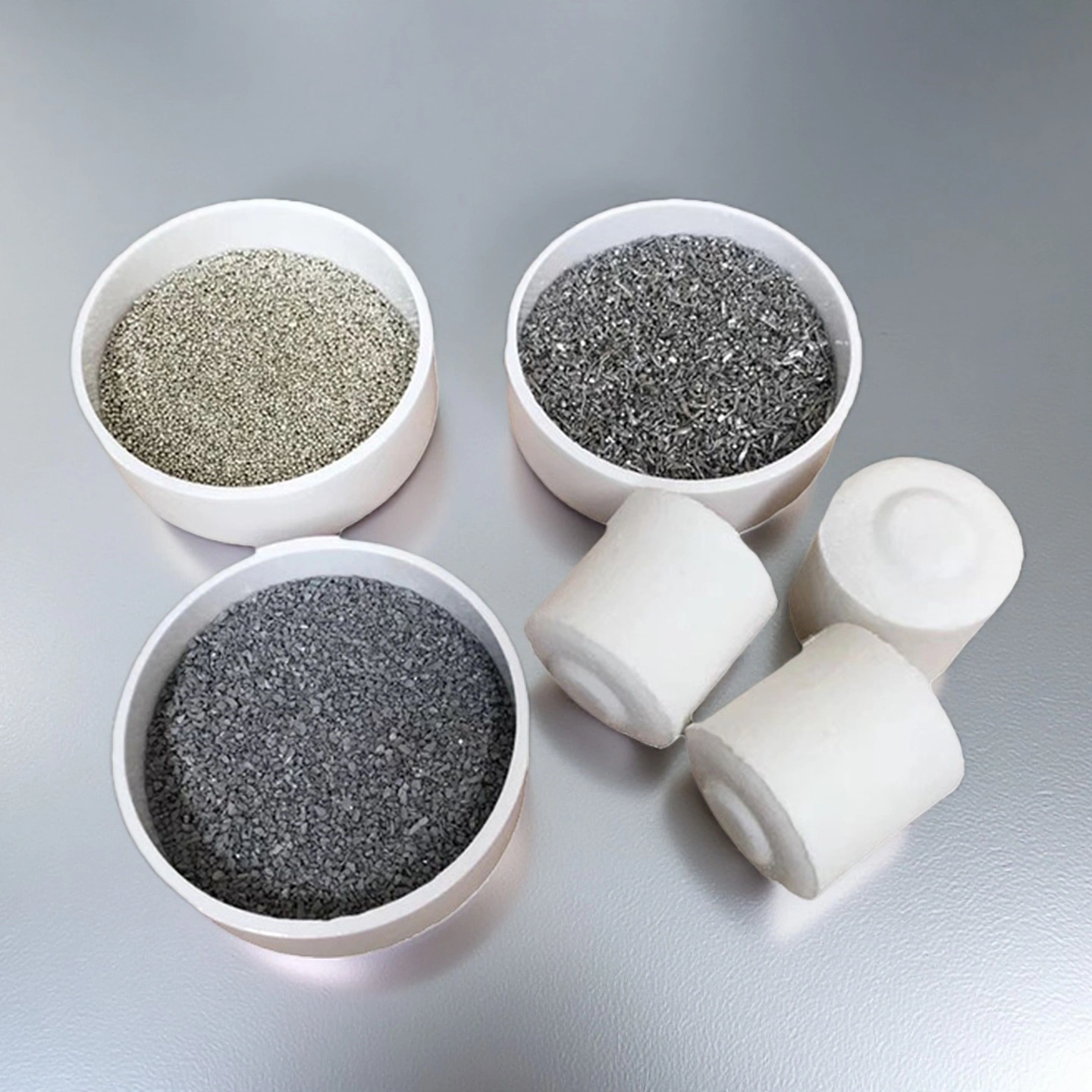
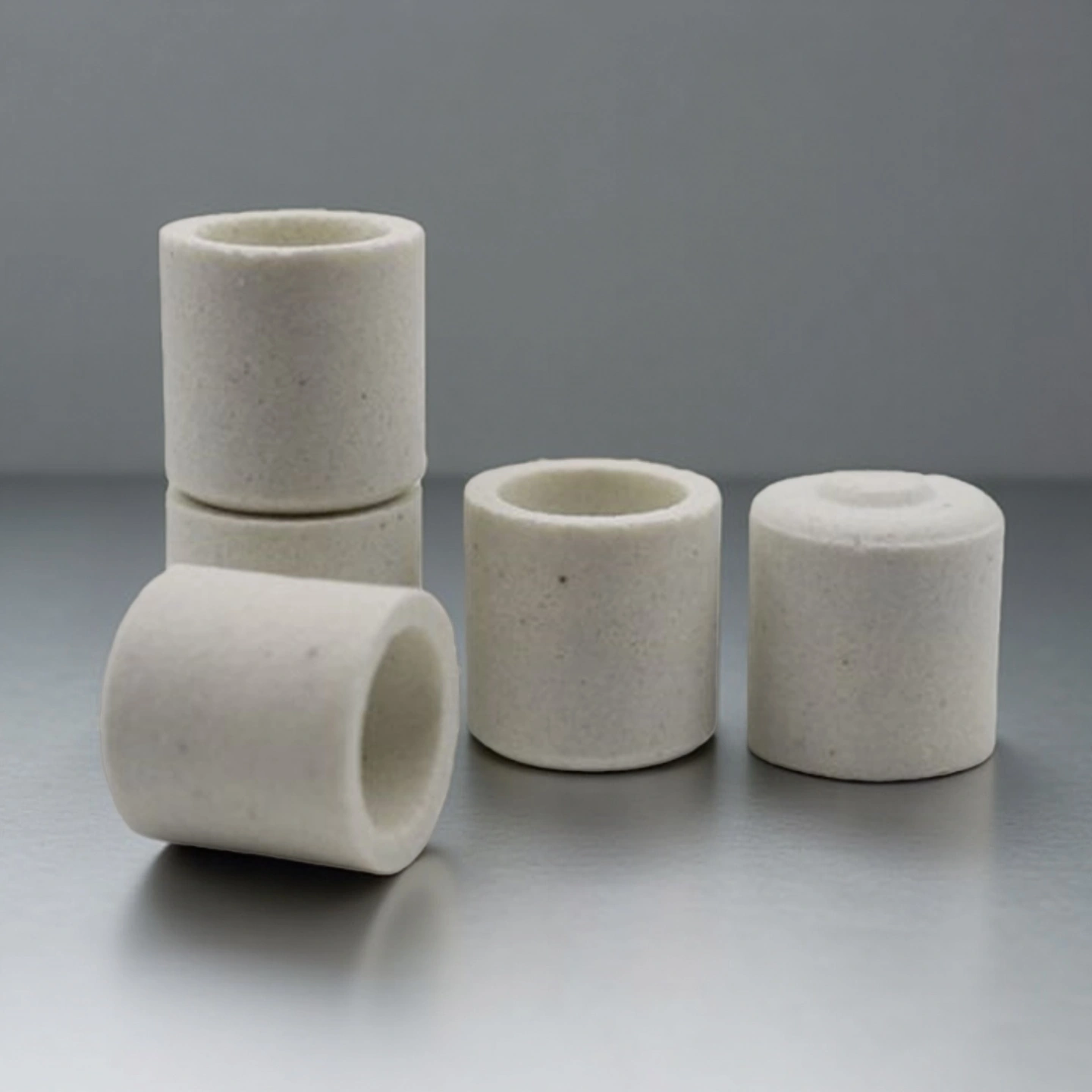
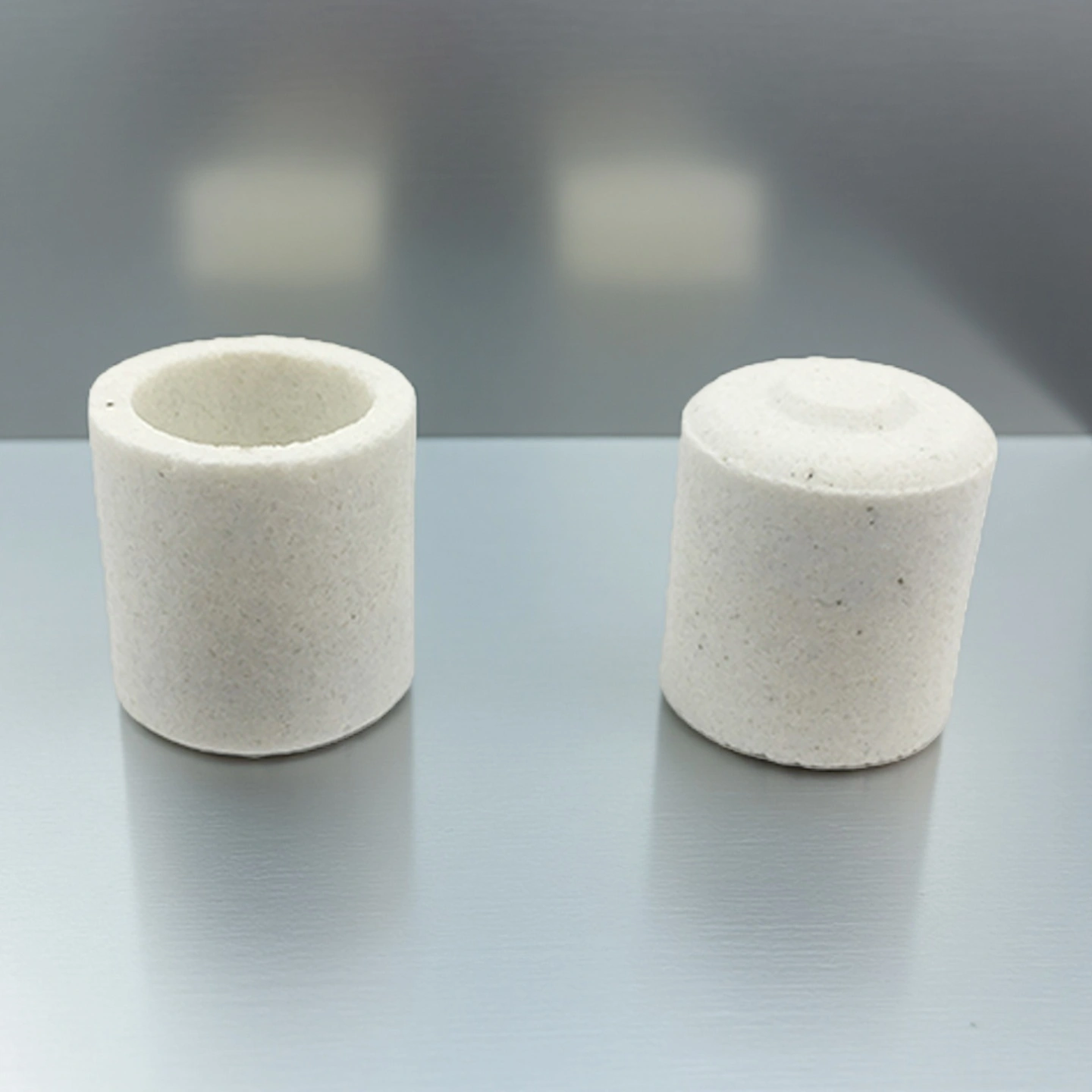
Carbon Sulfur Ceramic Crucible with Matching Crucible Lids for C/S Analysis

ADCERAX supplies carbon sulfur ceramic crucible options in analyzer-matched standard sizes and supports drawing-based customization for geometry, lid fit, and handling features required by your specific C/S workflow.

Catalogue No. ATOEM-01-1
Material Al₂O₃+Sio2
Low-Blank Target (C/S)  9Market-referenced low blank: C < 3 ppm, S < 2 ppm
Preheat Workflow Compatibility Workflow reference: ~1100°C for ~10 min preheat stage
Dimensional Repeatability  Standard sizes + controlled-tooling options
24H Standard Dispatch
Small Batch Support OEM
Factory Direct
Expert Engineering Support

Carbon sulfur ceramic crucible is a high-temperature ceramic consumable used in carbon & sulfur (C/S) analyzers (typically combustion + infrared detection). It holds the sample (often steel, iron, alloys, ores, cement, or carbon materials) during combustion so the instrument can measure carbon and sulfur content reliably.


Carbon sulfur ceramic crucible Benefits

  • Low-blank grade control (C/S background): Low-blank targets such as C < 3 ppm and S < 2 ppm help reduce baseline contribution, improving repeatability for ppm-level reporting and lowering the need for confirmation burns.

  • Dimensional repeatability for autosampler seating: Stable OD/height/rim geometry supports consistent pickup, transfer, and seating in analyzer crucible trays, reducing mis-seating and intermittent run stops during long queues.

  • Preheat-ready consistency: Designed to stay consistent through workflows that use a preheat step around 1100°C for ~10 minutes, helping maintain predictable burn initiation and reducing variation between early and late runs.

  • Lid-fit consistency (cover + vent options): Controlled lid seating and optional hole configurations help standardize combustion conditions when covers are used, improving method-to-method comparability and limiting run-to-run drift.

  • Lot-to-lot repeatability for faster qualification: Consistent batch behavior supports second-source approval with fewer internal checks, making it easier to lock one consumable baseline across routine testing cycles.

Carbon Sulfur Ceramic Crucible Properties & Specifications

  • Dimension: 23mm × 23mm,24mm × 24mm,26mm×26mm
  • Main Material: Fused Quartz/Al2o3+Sio2
  • Blank Value of Carbon & Sulfur: C < 5 ppm, S < 5 ppm
  • Max. Working Temperature: 1400°C
  • Max. Temperature of Rapid Changes: Up to 350°C
  • Max. Physical Pressure: 45,000 psi
  • Product Quantity: 1000 PCS / CTN
  • Product Sample Service: Free Offer

Carbon Sulfur Ceramic Crucible Packaging

  • Sealed clean packaging to limit dust transfer during storage and bench handling
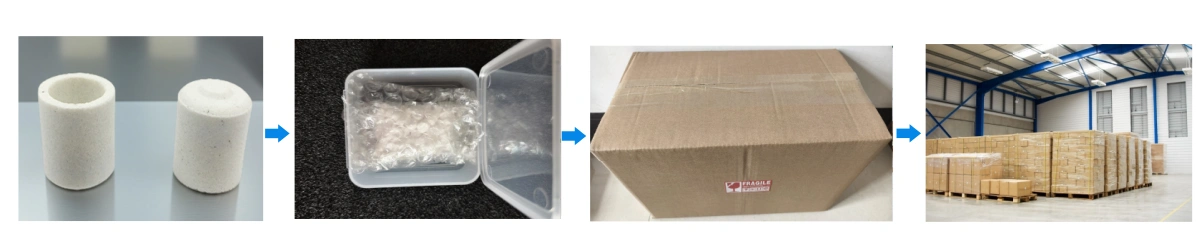
Carbon Sulfur Ceramic Crucible Packaging

Application Scenarios — Carbon Sulfur Ceramic Crucible

  • Steel & Metallurgical QC Laboratories

    ✅Key Advantages

    1. Low-blank targets (e.g., C < 3 ppm / S < 2 ppm) reduce baseline-driven re-tests in ppm reporting.

    2. Seating repeatability supports stable autosampler runs across long daily test batches.

    3. Preheat-stage consistency supports workflows that preheat around 1100°C for ~10 min before combustion.

    ✅ Problem Solved

    A steel plant lab may run continuous C/S checks for furnace control and release decisions, where repeat testing slows reporting and increases queue time. When baseline contributions drift, labs often add re-tests to confirm ppm-level results, so low-blank targets such as C < 3 ppm and S < 2 ppm become a practical acceptance criterion for incoming crucible lots. If your analyzer uses a preheat step around 1100°C for about 10 minutes, crucible consistency through preheat reduces unexpected cracking or handling variability. This reduces “stop-and-restart” interruptions across multi-hour test sequences and helps keep release timing predictable.

  • Third-Party Materials Testing Laboratories (Multi-Client Reporting)

    ✅Key Advantages

    1. Controlled blank targets support comparable reporting across diverse client sample matrices.

    2. Lot traceability supports audit-friendly documentation for repeat jobs and re-tests.

    3. Dimensional consistency reduces operator variability across different shifts and test queues.

    ✅ Problem Solved

    Third-party labs balance turnaround time and repeatability across many client projects, often running different sample types on the same analyzer platform. When consumables shift background or fit behavior, the lab may need additional controls, repeats, or troubleshooting that delays reporting. Industry downtime estimates often cite figures around US$125,000 per hour for unplanned manufacturing downtime, which is why labs and service partners treat core consumables as “no-stop items” and qualify second sources with clear acceptance criteria. A stable carbon sulfur ceramic crucible helps labs keep reporting schedules stable and reduces unplanned instrument idle time due to consumable variability.

  • Mining, Smelting & Process Control Analysis Centres

    ✅Key Advantages

    1. Low-blank grade supports trace reporting when matrices vary between ore lots and recycled streams.

    2. Preheat-ready consistency supports workflows referencing ~1100°C for ~10 min preheat steps.

    3. Stable seating reduces run interruptions during unattended or overnight queues.

    ✅ Problem Solved

    Mining and smelting labs often face variable matrices, which increases the need for consistent consumables to keep SOPs stable and comparable across shifts. If the workflow includes preheating (commonly described around 1100°C for about 10 minutes), inconsistency can show up as cracking, unstable burn initiation, or handling issues. Low-blank targets such as C < 3 ppm and S < 2 ppm provide a measurable benchmark to qualify consumables for trace work and reduce baseline uncertainty. This shortens the time needed to approve routine purchasing and helps maintain throughput during high-volume sampling periods.

User Guide — Carbon Sulfur Ceramic Crucible

  • Installation / Setup

    1. Confirm analyzer model and the crucible reference (or match with a physical sample).
    2. Use clean tweezers or clean gloves to avoid transferring oils or dust to the crucible interior.
    3. If lids are used in your method, keep lid type consistent during validation runs.

  • Use

    1. Follow your method for sample mass, accelerator type, and loading order.
    2. If your workflow includes preheating, align with the analyzer procedure (commonly referenced around 1100°C for ~10 minutes).
    3. Use one lot during qualification to avoid mixing background behaviors.

  • Storage

    1. Keep packs sealed until use to limit dust and moisture pickup.
    2. Store away from powders, lubricants, and sulfur-bearing materials in the same cabinet.
    3. Separate new crucibles from used crucibles and residues.

  • Cleaning

    1. Do not wash or reuse used crucibles unless your SOP explicitly allows it.
    2. Avoid solvent exposure for new crucibles unless your SOP controls residue and drying time.

  • Use Notes

    1. Avoid overloading sample mass, which can cause spatter and deposits in the combustion area.
    2. Do not mix lid types in one batch if you are comparing results across runs.
    3. Avoid placing crucibles on contaminated benches during loading.

  • Common “Misuse” Points + Fix

    1. Blank suddenly increases → Switch to a freshly opened sealed pack, review handling cleanliness, and verify accelerator storage conditions.
    2. Crucible cracks during preheat/combustion → Review ramp/preheat settings, confirm sample mass limits, and avoid moisture pickup from unsealed storage.
    3. Autosampler mis-seats or jams → Confirm OD/height and rim seating features, and avoid mixing lots during trial validation.

FAQ — Carbon Sulfur Ceramic Crucible

  1. Q: How do I choose the right size of carbon sulfur ceramic crucible for my analyzer?
    A: Match the crucible to your analyzer model and existing part code, then confirm outer diameter, height and rim profile so the carbon sulfur ceramic crucible seats correctly in the tray or autosampler.
  2. Q: Will a carbon sulfur ceramic crucible change my C/S blank value?
    A: Any crucible contributes some background, so low-blank carbon sulfur ceramic crucible grades are selected to keep the C and S baseline as low and as stable as your method requires.
  3. Q: Can carbon sulfur ceramic crucibles be used with crucible lids and accelerators?
    A: Yes, carbon sulfur ceramic crucibles are commonly used with matching lids and specified accelerators; lid fit and hole design should follow the combustion method recommended for your analyzer.
  4. Q: Are carbon sulfur ceramic crucibles suitable for autosampler operation?
    A: They are suitable when dimensional tolerances are tight enough for your autosampler; consistent OD, height and rim design help the autosampler pick up and place each crucible reliably.
  5. Q: What information should I provide when requesting a quotation for carbon sulfur ceramic crucicles?
    A: Send the analyzer brand and model, current crucible part code or drawing, typical annual consumption, and whether you use lids or special packaging so the offer matches your actual C/S workflow.

Carbon Sulfur Ceramic Crucible Reviews

  • ⭐️⭐️⭐️⭐️⭐️
    We approved the carbon sulfur ceramic crucible after a short trial because the seating was consistent in our autosampler and baseline checks stayed within our internal limits.
    -- Michael Turner | QC Lab Manager | Midwest Steel Works
  • ⭐️⭐️⭐️⭐️⭐️
    Our team reports low-ppm C/S for multiple clients, so low background matters. The lot labeling and repeatable fit helped simplify incoming verification.
    -- Dr. Lena Hoffmann | Analytical Chemist | Euro Materials Testing Group
  • ⭐️⭐️⭐️⭐️⭐️
    We source consumables for several customer sites. ADCERAX factory support on compatibility mapping reduced trial iterations and supported repeat purchase planning.
    -- Daniel Kim | Procurement Manager | Instrument Service & Supply Co.
  • ⭐️⭐️⭐️⭐️⭐️
    The price level made sense for recurring orders, and the packaging reduced handling contamination and breakage in transit. Customers asked for lid options, which were easy to standardize.
    -- Sofia Alvarez | Operations Lead | Industrial Lab Supplies Distributor
customize size

Custom Carbon Sulfur Ceramic Crucible

ADCERAX provides carbon sulfur ceramic crucible customization focused on analyzer compatibility and method-specific handling details, including lid geometry and seating features.

  • Outer/inner diameter/height – target dimensions, rim width and base diameter, with tolerance levels agreed per size.

  • Wall thickness & base style – thin / standard / reinforced wall, flat or radiused bottom to suit preheat and combustion cycles.

  • Crucible lid type – flat, domed or vented lids, with a defined fit between lid and crucible rim.

  • Lid hole configuration – hole diameter range, number of holes and hole position (centre/offset) to match gas flow in your method.

  • Edge and corner details – chamfer, deburr radius and anti-chip edges to lower handling damage in autosampler trays.

  • Seating features – rim geometry, ledge depth and seating contact width for stable positioning on holders and trays.

  • Surface condition – as-fired surface or refined contact zones on the rim, base or inner wall for easier residue control.

  • Blank level target – expected carbon and sulfur background range and the allowed variation between lots.

  • Cleanliness level & handling controls – clean-pack options, double bagging, pack size and tray layout to reduce dust transfer.

Related Products

ADCERAX - Your Trusted Advanced Ceramics Manufacturing Partner

Direct factory manufacturing with comprehensive ceramic materials expertise and global supply capabilities

Direct Factory Manufacturing

China-based ceramic materials production facility with state-of-the-art equipment

Engineering Team

Experienced professionals in advanced ceramics applications and custom design

Quality Control

Strict quality control standards for technical ceramics manufacturing and quality management

Global Supply Chain

Serving customers worldwide with technical ceramics and rapid response

24/7 Technical Support

Round-the-clock support for ceramic components inquiries and technical assistance

500+ Satisfied Customers

Trusted by global customers for advanced ceramic materials and precision components

Get in touch with us

Our team will be happy to respond to you in less than 24 hours.

Adcerax's factory

Quick Quotation

*Our team will answer your inquiries within 24 hours.

*Your information will be kept strictly confidential.

Ready to Solve Your Engineering Challenge?

Partner with ADCERAX for reliable, high-performance advanced ceramic solutions. Our engineers are ready to discuss your project.

E-mail

info@adcerax.com

Phone

+(86) 0731-74427743 | WhatsApp: +(86) 19311583352

Response Time

Within 24 hours

Quick Quote

The more details you provide, the faster we can quote.

*We respond within 24 hours. All inquiries are confidential.

Download Catalog

Get Your Custom Sulution

The more details you provide, the faster we can respond.

customize size

*We respond within 24 hours. All inquiries are confidential.

Download Catalog