
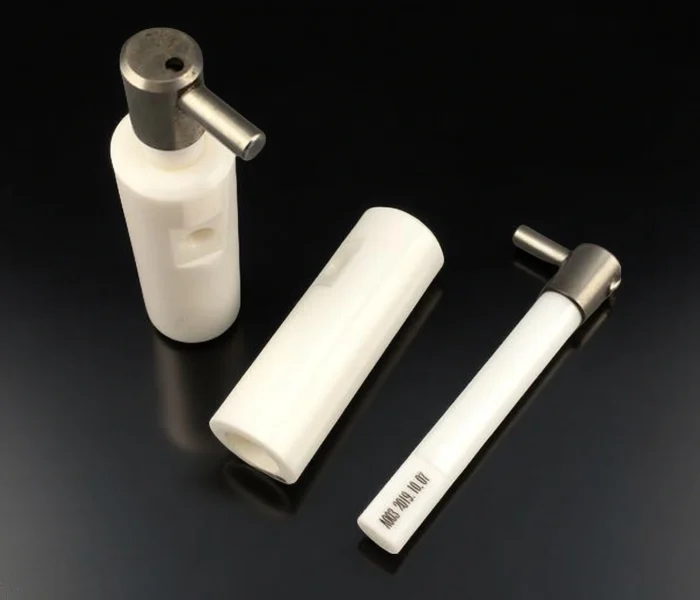
Custom Ceramic Pump Wet-End Parts for Dosing, Metering & Filling Equipment
Ceramic Pumps for Precision Dosing, Metering & Filling — custom ceramic wet-end parts. ADCERAX makes the ceramic wet-end parts inside metering, dosing, plunger and filling pumps — plungers, sleeves, pistons, valve seats and seal rings in alumina, zirconia and silicon carbide. We supply these wear parts to your drawing or old-part sample; we do not build the electric-control pump or complete pump system, and whole-machine enquiries are scoped separately.
What Is a Ceramic Pump?
A ceramic pump is a non-metallic ceramic pump design that uses advanced ceramic materials in the fluid-contact (“wet-end”) parts—such as the plunger/piston, sleeve/cylinder, valve seat, or pump head—to handle liquids more reliably in harsh service.
Compared with metal or plastic wet ends, ceramic wet-end parts deliver more consistent flow, better corrosion resistance, lower leakage risk, and longer service life under harsh chemical service.
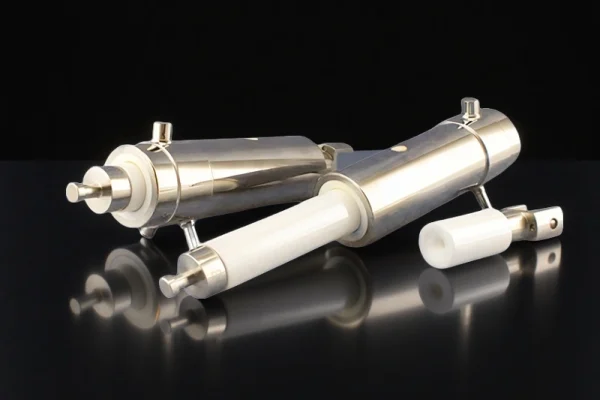
High-precision Ceramic Pump Properties
Compare alumina, zirconia and silicon carbide for ceramic pump wet-end parts such as plungers, sleeves, valve seats, pump heads and flow-path wear components. Final material selection should be reviewed against your fluid, pressure, duty cycle, fit surface and drawing details.
Alumina Ceramic Pump
Alumina ceramic pump parts provide delivers stable flow, repeatable dosing, and strong wear resistance for reliable industrial fluid handling.
| Property | Unit | 96% Al₂O₃ | 99% Al₂O₃ | 99.5% Al₂O₃ | 99.6% Al₂O₃ | 99.7% Al₂O₃ | 99.8% Al₂O₃ | 99.9% Al₂O₃ | 99.99% Al₂O₃ |
|---|---|---|---|---|---|---|---|---|---|
| Alumina content | % | 96 | 99 | 99.5 | 99.6 | 99.7 | 99.8 | 99.9 | 99.99 |
| Density | g/cm³ | 3.75 | 3.88 | 3.89 | 3.91 | 3.92 | 3.93 | 3.95 | 3.98 |
| Flexural strength | MPa | 330 | 360 | 379 | 312 | 313 | 314 | 315 | 320 |
| Hardness | GPa | 11.5 | 13.5 | 14.1 | 23 | 24 | 25 | 26 | 30 |
| Thermal conductivity | W/m·K | 20–25 | 30–35 | 35 | 32–37 | 33–38 | 34–39 | 35–40 | 36–42 |
| Thermal shock resistance (ΔT) | °C | 150 | 200 | — | 222 | 223 | 224 | 225 | 228 |
| Maximum use temperature (no load) | °C | ≤1600 | ≤1700 | ≤1750 | 1755 | 1760 | 1765 | 1770 | 1800 |
| Dielectric strength | kV/mm | 8–10 | 10–12 | 11–13 | 12–14 | 12–15 | 13–16 | 14–17 | 15–18 |
| Volume resistivity (25°C) | Ω·cm | ≥1×10¹³ | ≥1×10¹⁴ | ≥3×10¹⁴ | ≥5×10¹⁴ | ≥1×10¹⁵ | ≥3×10¹⁵ | ≥5×10¹⁵ | ≥1×10¹⁶ |
- Values are typical ranges; they vary with Al2O3 content, firing profile, and final density.
Zirconia Ceramic Pump
Zirconia pump supports stable dosing with higher toughness for demanding wet-end duty, helping reduce chipping risk and maintain reliable output.
| Property | Unit | Typical Range | Why Buyers Specify It |
|---|---|---|---|
| Density | g/cm³ | 6.0 | Indicates densification and batch consistency |
| Flexural Strength | MPa | 700 – 1,200 | Impacts handling breakage risk and safety margin |
| Fracture Toughness | MPa·√m | 6 – 10 | Key ZTA advantage for edge-chipping and crack resistance |
| Hardness (Vickers) | GPa | 14 – 17 | Affects wear/scratch resistance and machinability |
| Thermal Conductivity | W/m·K | 18 – 30 | Drives heat spreading performance (typically below AlN) |
| CTE (20–300°C) | ×10⁻⁶ /K | 8.0 – 9.5 | Influences thermal-cycling stress and material matching |
| Dielectric Strength | kV/mm | 10 – 15 | Determines insulation margin (depends on thickness/surface) |
| Volume Resistivity (25°C) | Ω·cm | 10¹² – 10¹⁴ | Indicates insulation stability and leakage risk |
- Values are typical ranges; they vary with ZrO₂ content, firing profile, and final density.
Silicon Carbide Pump
SiC ceramic pump delivers excellent wear and chemical resistance for harsh wet-end service, helping keep output stable and maintenance low.
| Property | Specification |
|---|---|
| Material System | RBSiC (80% SiC, 20% free Si) / SSiC (≥99% SiC) |
| Maximum Operating Temperature | ≤1380°C (RBSiC) / ≤1600°C (SSiC) |
| Bulk Density | 3.02 g/cm³ (RBSiC) / 3.10 g/cm³ (SSiC) |
| Open Porosity | <0.1% |
| Flexural Strength (20°C) | 250 MPa (RBSiC) / 380 MPa (SSiC) |
| Flexural Strength (1200°C) | 280 MPa (RBSiC) / 400 MPa (SSiC) |
| Compressive Strength | 1000–2200 MPa |
| Elastic Modulus | 330 GPa (RBSiC) / 420 GPa (SSiC) |
| Thermal Conductivity | 45 W/m·K (RBSiC) / 74 W/m·K (SSiC) |
| Thermal Expansion Coefficient | 4.1–4.5 ×10⁻⁶/K |
| Hardness | 2600–2800 kg/mm² |
| Chemical Stability Range | pH 0-14 |
| Oxidation Stability | <1% microstructural oxidation after 50 cycles (1000°C → RT) |
- Values are typical ranges; they vary with SiC content, firing profile, and final density.
Ceramic Pump Material Selection for Wet-End Parts
Choosing the right ceramic for a pump wet end depends on fluid chemistry, wear mode (abrasion vs sliding), temperature, and impact/chipping risk. Use the quick guide below to shortlist the material, then confirm with your duty cycle and interfaces.
Alumina (Al₂O₃) — Balanced, Cost-Effective Wear Duty
- Best for: stable flow and repeatable dosing in general industrial liquids, where wear resistance and value matter.
- Why buyers choose it: reliable wear performance, consistent manufacturing, strong corrosion resistance for many media.
- Typical fits: ceramic metering pump wet ends, dosing pump parts, sleeves, valve seats for standard duty.
Zirconia (ZrO₂) — Tougher for Higher Impact Risk
- Best for: applications with higher chipping/impact risk, frequent handling, or vibration where toughness matters.
- Why buyers choose it: improved toughness and crack resistance helps protect critical fits and sealing surfaces.
- Typical fits: ceramic piston/plunger interfaces, tight-fit parts, wet-end components exposed to handling stress.
Silicon Carbide (SiC) — Harsh Wear + Chemical Duty
- Best for: harsh wet-end service where abrasion and corrosion occur together, or where chemical resistance is a priority.
- Why buyers choose it: excellent wear stability and strong chemical resistance helps keep output stable and maintenance low.
- Typical fits: high-wear sleeves/liners, valve seats, flow-path parts in aggressive or abrasive media.
Precision Ceramic Pump Products
Ceramic pump wet-end parts we make: plungers and pistons; cylinder sleeves; valve cores, balls and seats; and seal rings — in alumina, zirconia or silicon carbide. Plunger and sleeve are lapped as a matched pair to a micron-level clearance
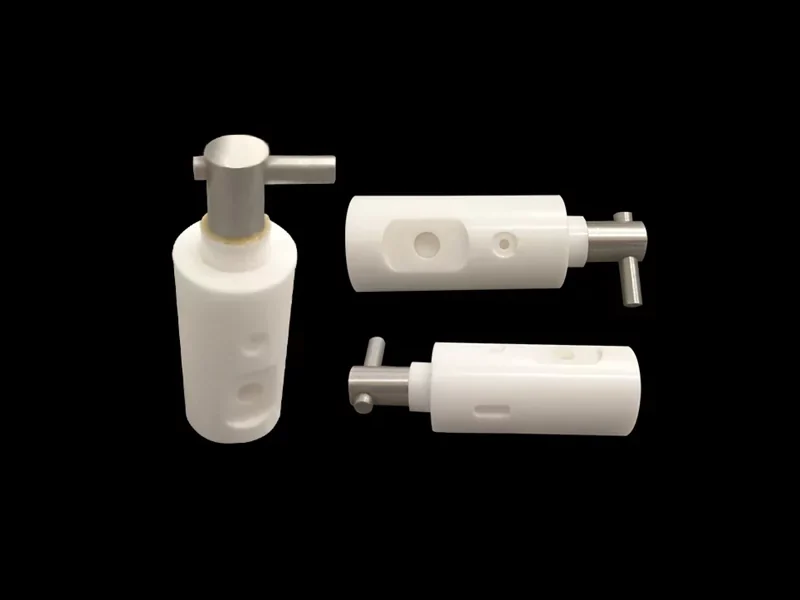
alumina pump
Alumina pump solutions fit many wear and corrosion scenarios where cost-control and stable ceramic performance are needed.
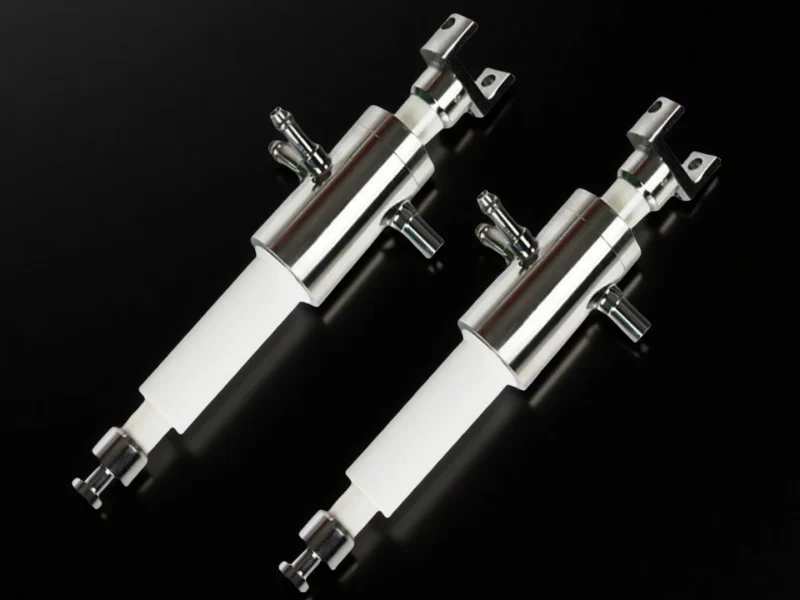
zirconia pump
Zirconia ceramic pump parts are commonly chosen when higher toughness and impact tolerance are required in the wet end.
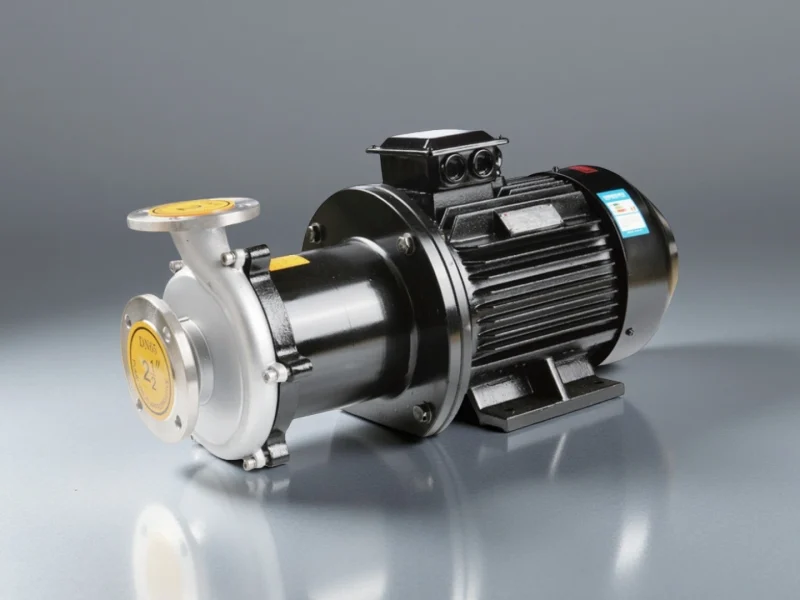
silicon carbide pump
Silicon carbide ceramic pump parts are ideal for corrosive, high-wear service, especially where abrasion and corrosion occur together.
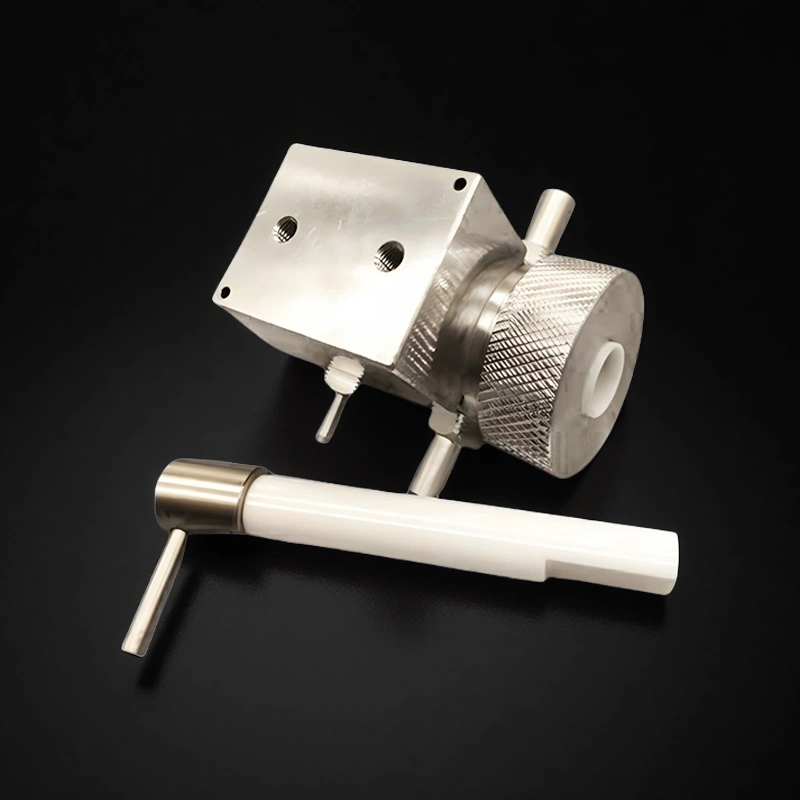
ceramic metering pump
Delivers accurate, repeatable dosing under changing backpressure for stable control.
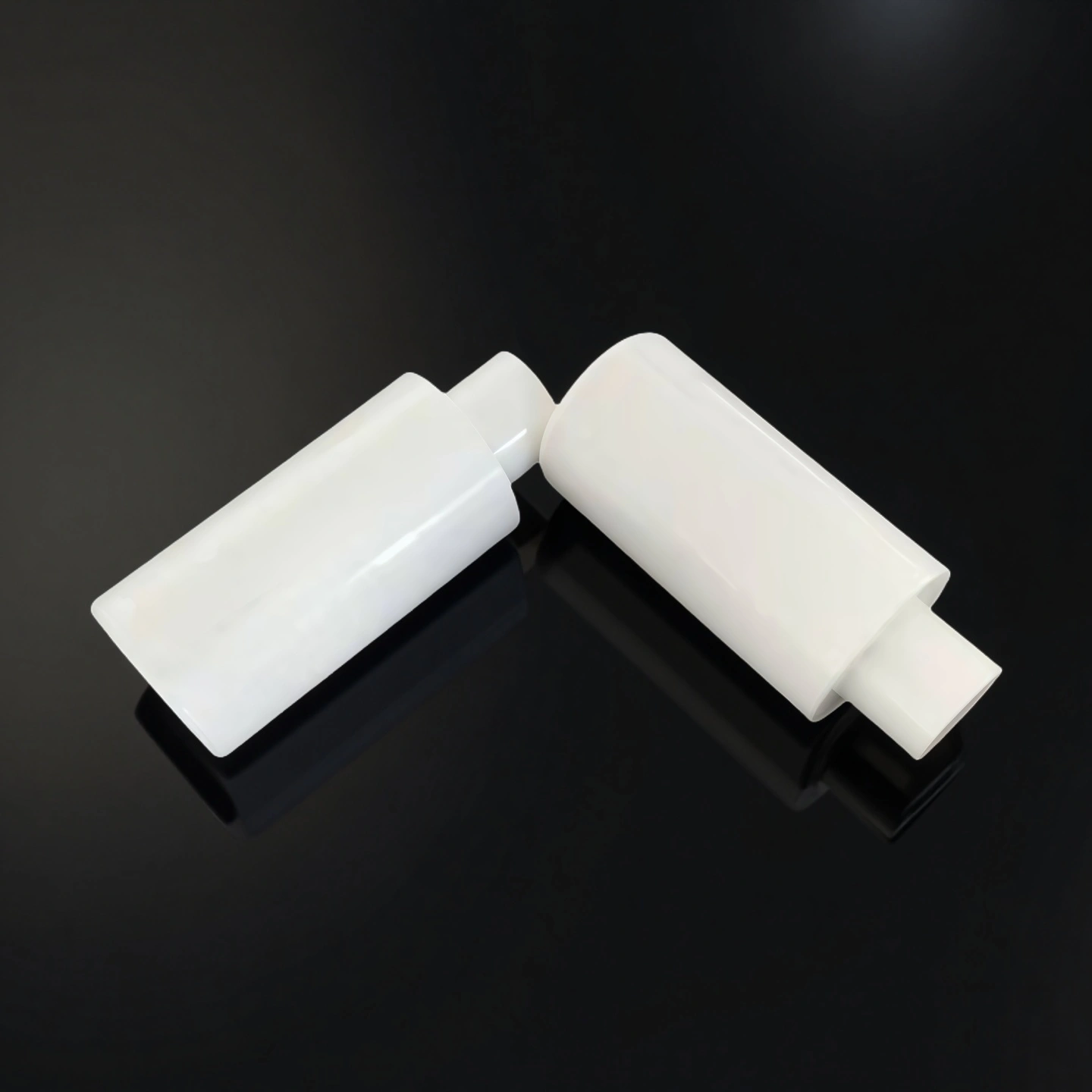
ceramic plunger pump
Handles high-pressure, high-cycle duty with wear-resistant wet-end parts for longer service life.
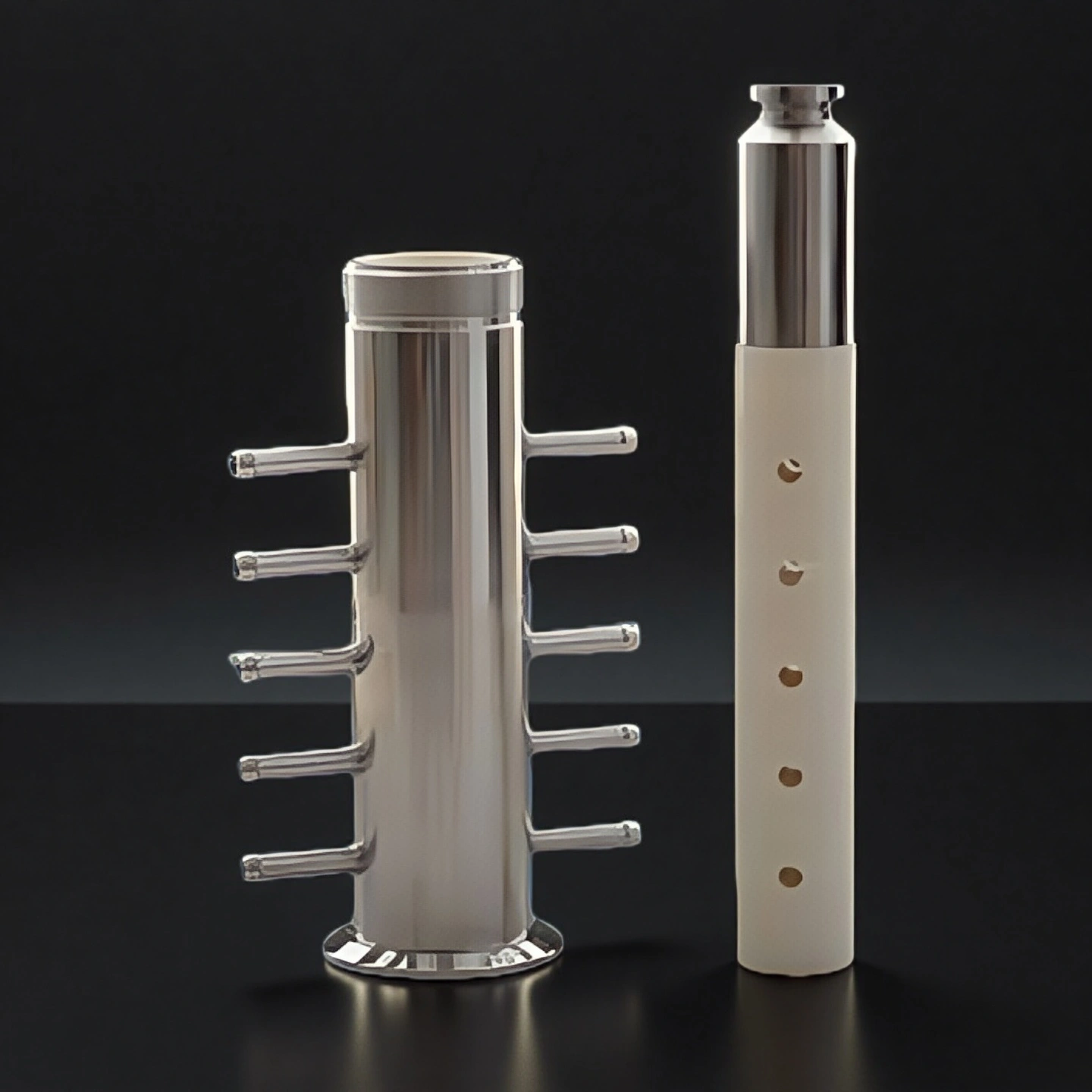
ceramic filling pump
Supports consistent volumetric filling in production lines, reducing drift and downtime.
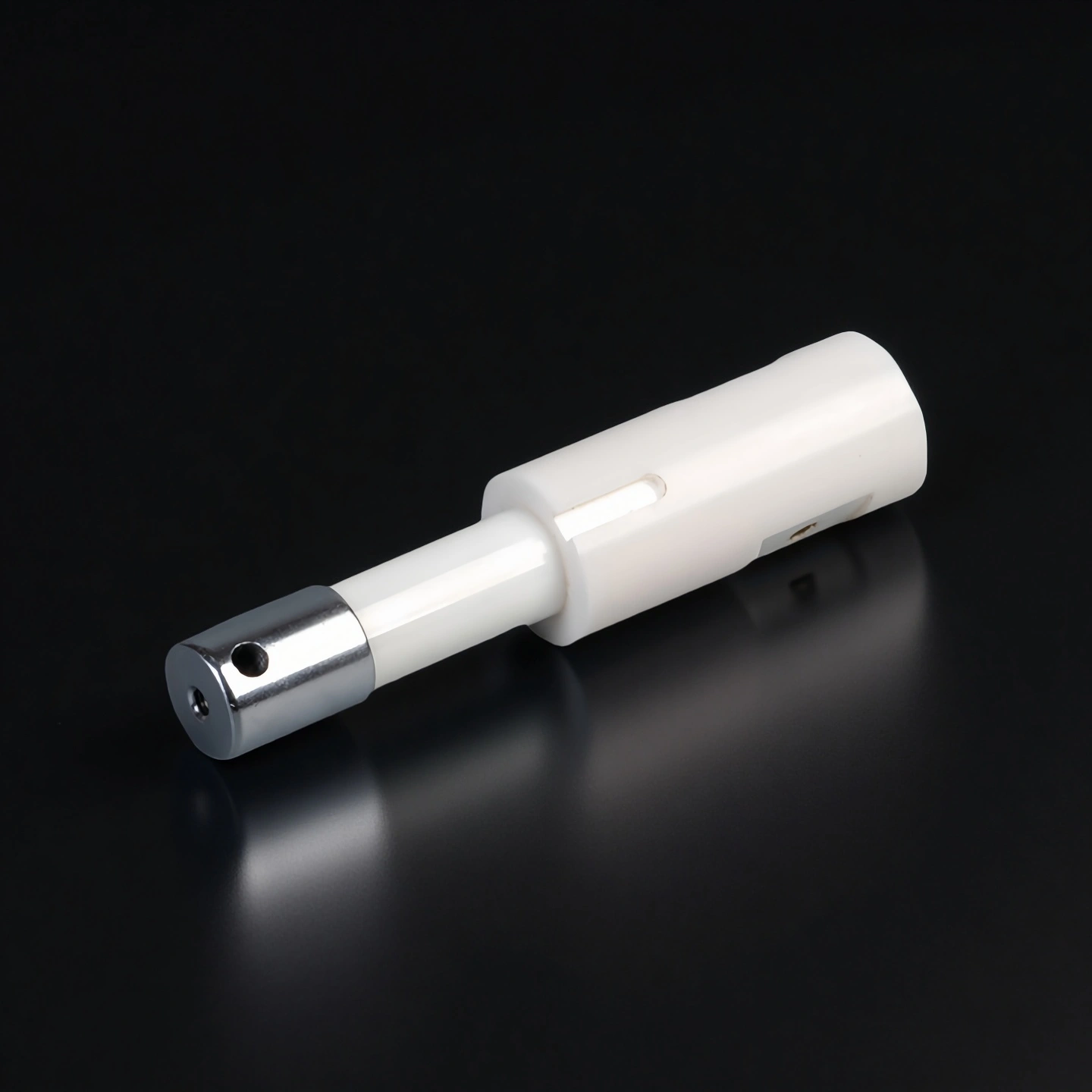
ceramic piston pump
Provides stable displacement with reliable piston/sleeve fit for corrosive or wear-prone fluids.
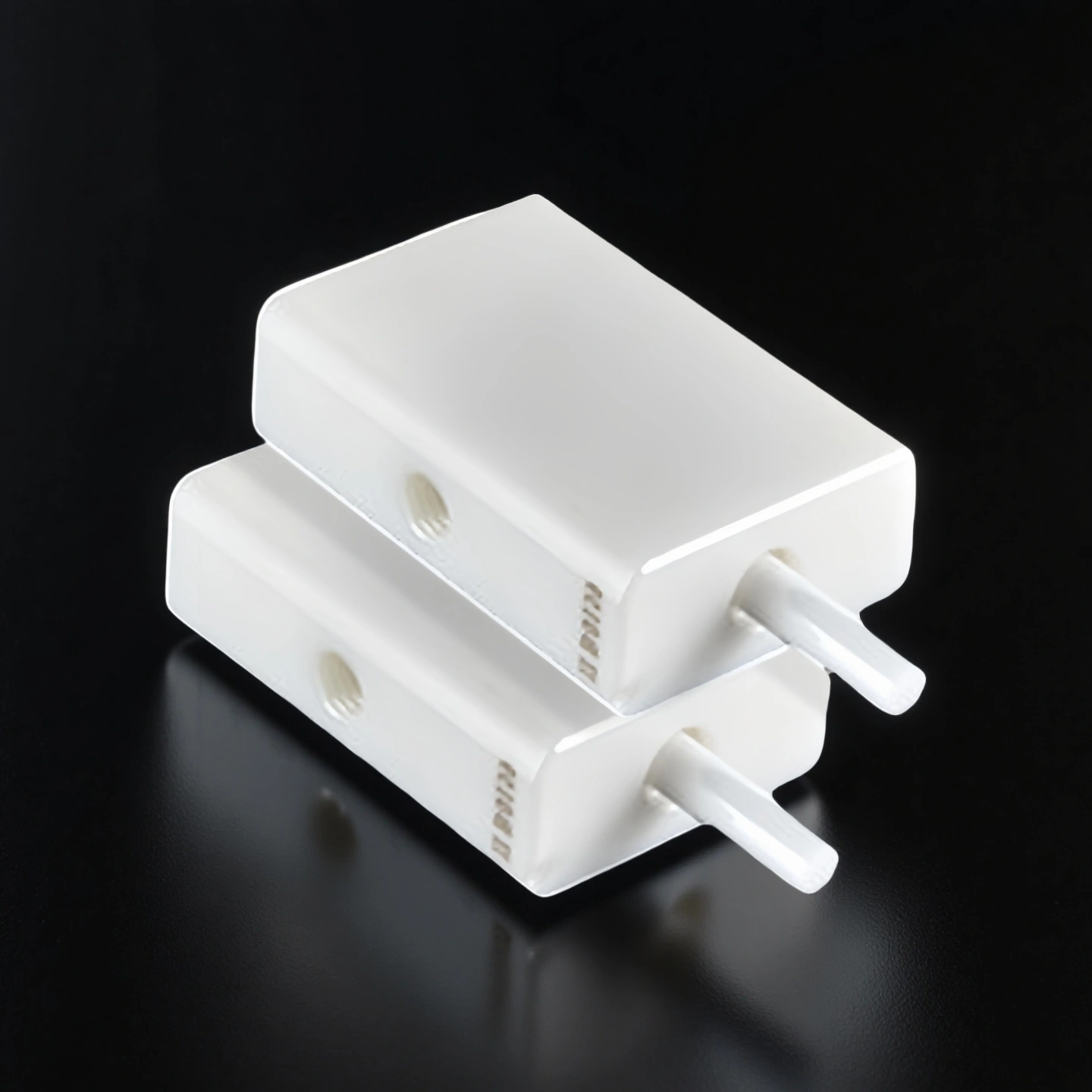
ceramic dosing pump
Delivers stable flow and repeatable dosing with a wear- and corrosion-resistant ceramic wet end for chemical injection and pH control.
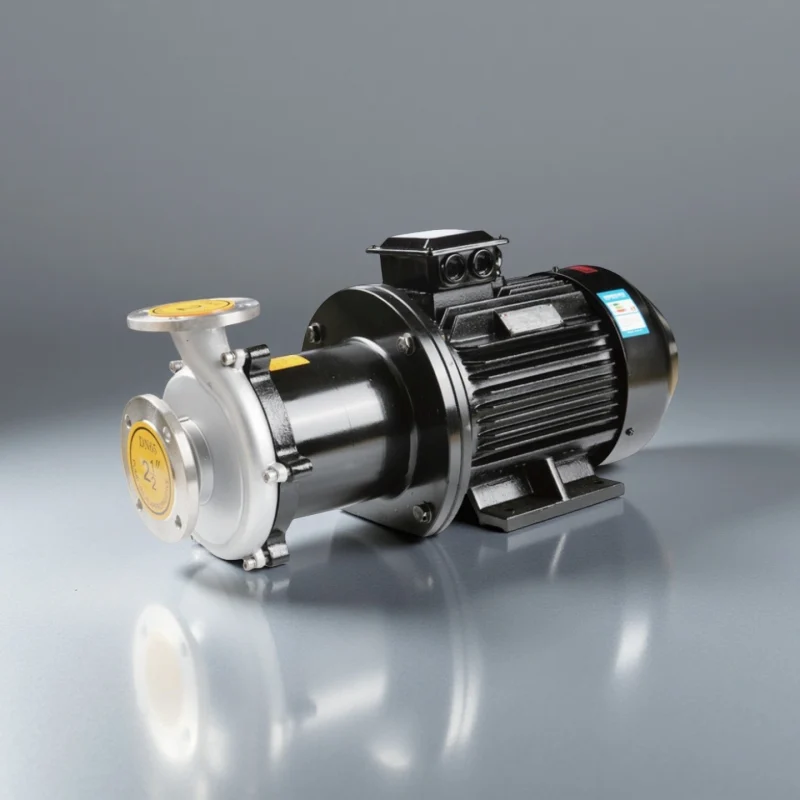
CQ Magnetic Drive Pump
Sealless magnetic drive reduces leakage risk and helps handle corrosive liquids with stable flow over long runs.
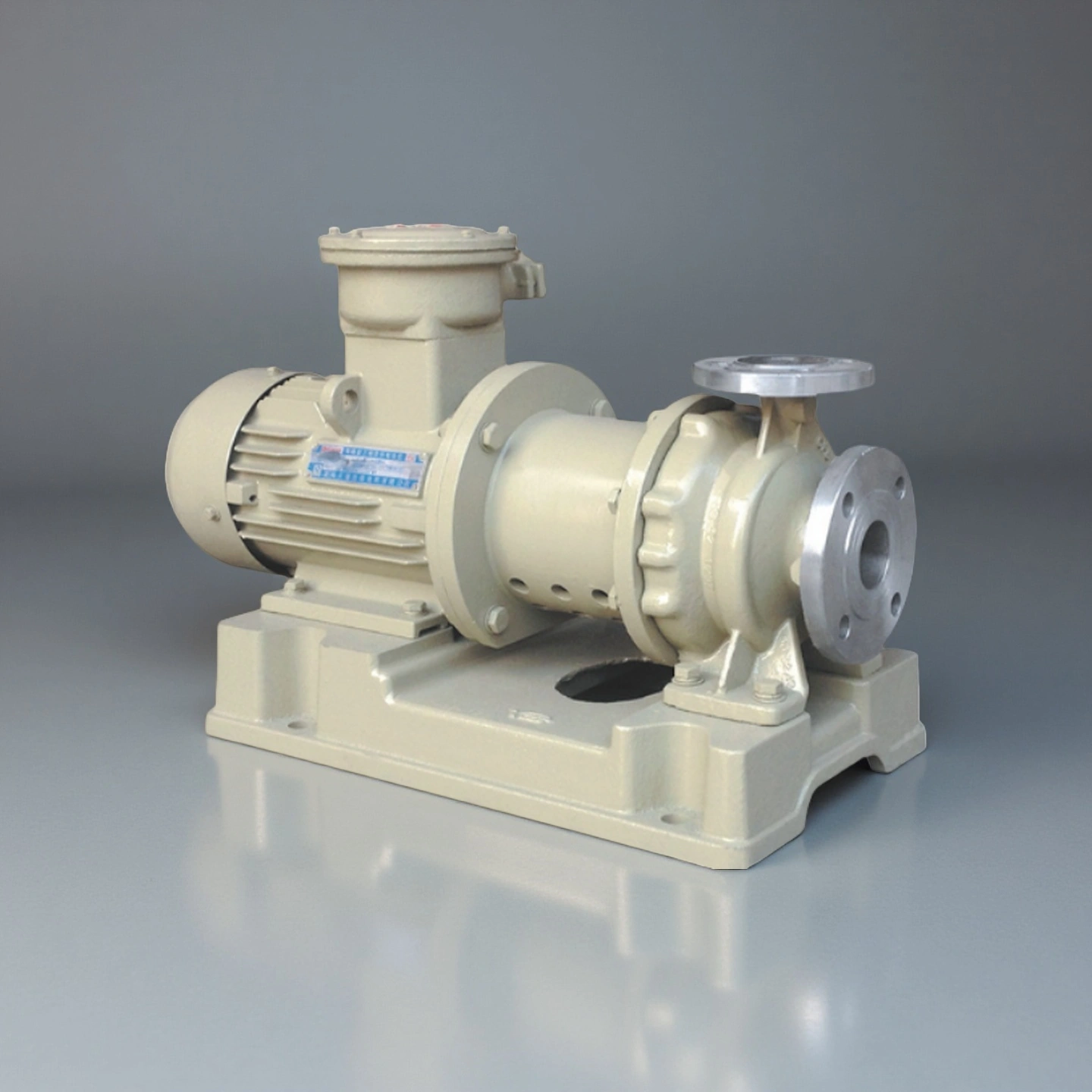
CQB Magnetic Drive Pump
Built for continuous chemical transfer with sealless drive to minimize leakage and maintenance.
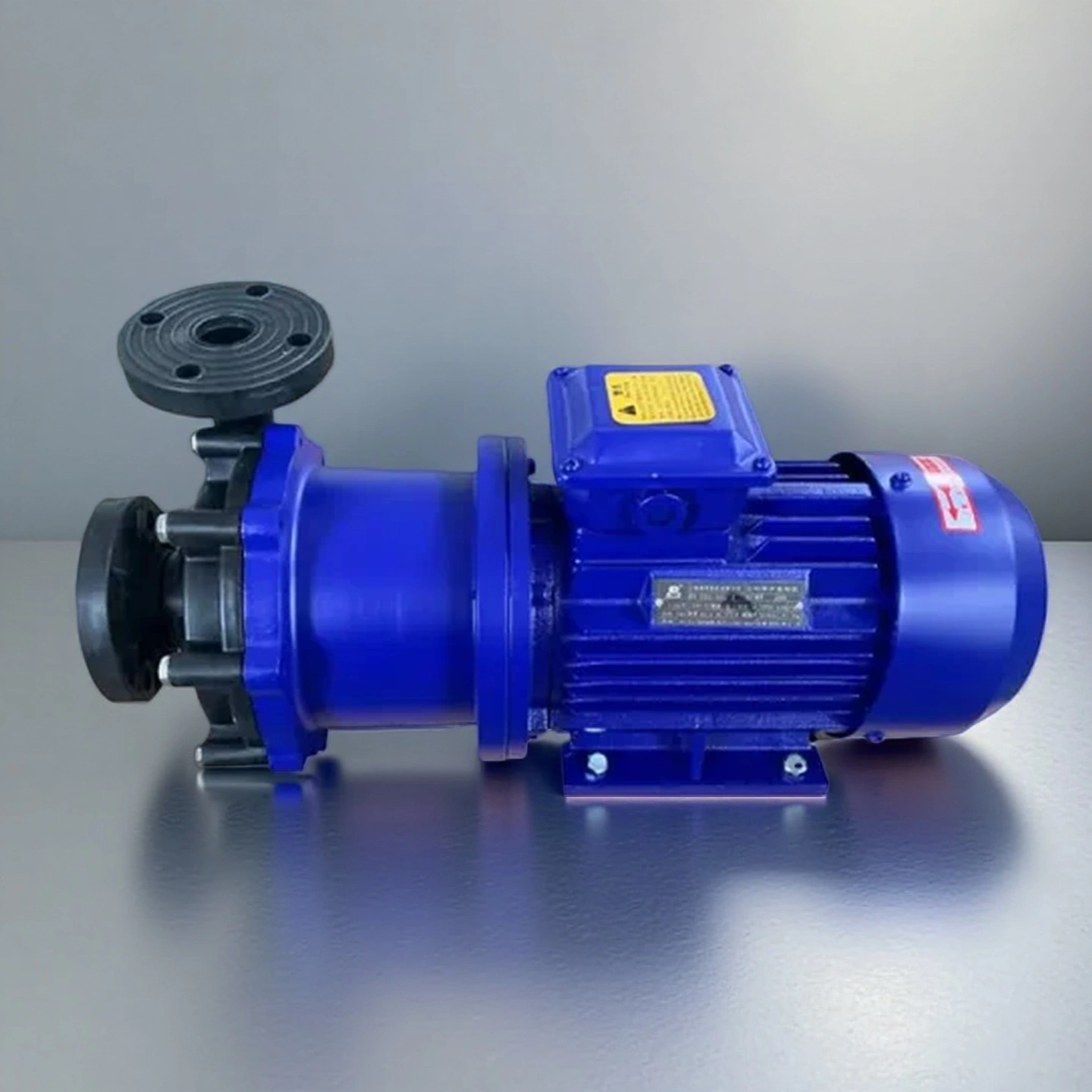
CQB-F Magnetic Drive Pump
Flange-connected sealless magnetic drive supports reliable chemical transfer and quick line integration.
Need a Ceramic Pump Wet-End That Matches Your Equipment?
Send your drawing, old sample, failed-part photo, or pump model. ADCERAX will review the material, fit surfaces, fluid, pressure, and duty conditions before quotation.
Ceramic Pump Wet-End Applications
Ceramic pump wet-end parts are used where corrosion, abrasion, dosing drift or sealing-surface wear can shorten the service life of metal or polymer pump components. ADCERAX focuses on custom ceramic plungers, sleeves, valve seats, pump heads and flow-path wear parts, not complete pump systems.
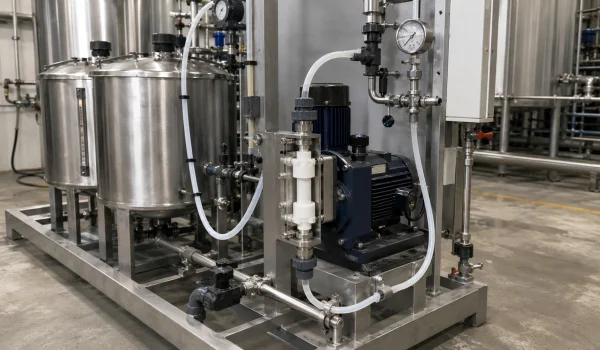
Chemical Injection & pH Control
- Where it fits:chemical injection lines, pH adjustment, additive feed loops.
- Problem solved: helps reduce wet-end wear, corrosion damage and dosing drift caused by aggressive media or changing backpressure.
- Common ceramic parts: dosing pump plungers, sleeves, valve seats and pump-head flow-path parts.
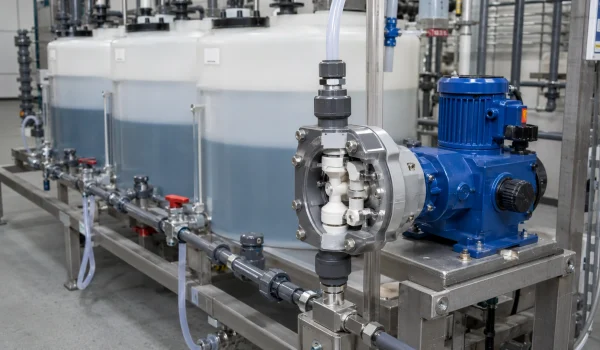
Surface Finishing & Plating Chemical Feed
- Where it fits: plating, cleaning, etching and chemical-feed systems.
- Problem solved: supports pump wet-end parts exposed to corrosive liquids, oxidizers or particle-containing media.
- Common ceramic parts: SiC or alumina valve seats, flow-path wear parts and ceramic pump heads.
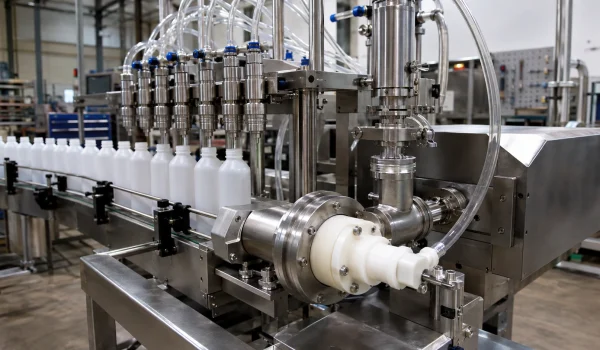
Industrial Liquid Filling Equipment
- Where it fits: liquid filling machines using piston, plunger or metering pump modules.
- Problem solved: helps maintain more stable fit surfaces when wear or corrosion affects fill-volume repeatability.
- Common ceramic parts: ceramic pistons, plungers, sleeves and valve-seat components.
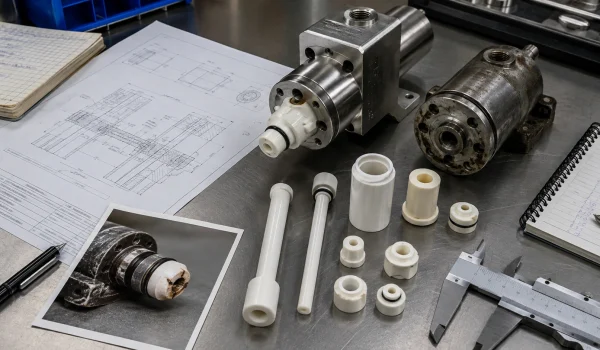
Pump Spare Parts & Replacement Wet Ends
- Where it fits: replacement programs for metering, dosing, filling or plunger pump assemblies.
- Problem solved: allows review from old samples, failed-part photos or drawings when original wet-end parts are hard to source.
- Common ceramic parts: replacement plungers, sleeves, pump heads, valve cores and valve seats.
Custom Ceramic Pump — Options & Process
ADCERAX custom ceramic pump wet-end parts are made to match your drawing or sample, including plungers, pistons, sleeves, valve seats, flow paths, and interface details for proper fit and performance.
Customization Options
Define the pump function first—dosing, metering, plunger/piston, or filling—then confirm your duty conditions such as fluid chemistry, pressure/backpressure, cycle rate, and temperature. This prevents over-design and avoids early wear or output drift.
Share your drawing or sample for the wet-end interfaces: plunger/piston OD, sleeve/cylinder ID, stroke length, sealing length, and alignment features. Controlled fit is the key to stable flow, repeatable dosing, and low leakage risk.
Select the valve style and flow path based on your media behavior—corrosive, crystallizing, abrasive, or high-viscosity. Options typically include check valve/valve seat geometry, anti-backflow design, and flow-channel details to reduce clogging and performance drop.
Choose alumina / zirconia / silicon carbide according to corrosion and wear severity, then specify surface finish requirements on sliding and sealing areas. Proper material + finish improves wear stability, reduces scoring, and helps maintain performance over long runs.
Customization Process
Send pump type fluid details, pressure/backpressure, target output, and your drawing or sample. Add quantity and lead time.
We confirm critical wet-end interfaces (plunger/piston, sleeve, valve seat, ports), material choice, and key tolerances. You receive a clear spec summary.
We machine ceramic wet-end parts to spec and inspect critical dimensions per batch for consistent fit. Inspection records are available on request.
Parts are protected, labeled, and packed for transit to prevent chipping. Export-ready shipment is arranged with standard documents and clear carton marking.
Manufacturing Support for Ceramic Pump Wet-End Parts
ADCERAX supports custom ceramic pump wet-end parts from drawing or sample review to forming, sintering, precision grinding, finishing, inspection and protective packing. For plungers, pistons, sleeves, valve seats and pump heads, our focus is not selling complete pump systems, but helping buyers control fit surfaces, sealing areas and repeatable replacement quality.
We review pump function, fluid chemistry, pressure/backpressure, duty cycle, temperature, drawing dimensions and critical interfaces before recommending alumina, zirconia or silicon carbide.
Why it matters: reduces material mismatch, fit errors and early sample failure.
We focus on OD/ID fits, straightness, roundness, sealing faces, chamfers and sliding surfaces for ceramic plungers, sleeves, valve seats and pump-head parts.
Why it matters: helps control leakage drivers, scoring, dosing drift and assembly risk.
ADCERAX can support prototype review, replacement wet-end parts, small-batch production and repeat orders based on drawings, old samples or failed-part photos.
Why it matters: useful when original pump parts are hard to source or local replacement cost is high.
Critical dimensions and fit surfaces are checked before packing. Parts are cleaned and protected to reduce edge damage, surface contamination and handling risk.
Why it matters: protects sealing and sliding interfaces before assembly.

End-to-End Manufacturing for Ceramic Pump Wet Ends
ADCERAX provides an end-to-end manufacturing workflow for ceramic pump wet ends and parts, from drawing review to forming, sintering, precision machining, finishing, and inspection. The goal is simple: hold critical fits, control sealing surfaces, and keep repeatable performance consistent across repeat orders—for dosing, metering, plunger/piston, and filling applications.
We confirm pump type, fluid chemistry, pressure/backpressure, duty cycle, and key interfaces. This reduces mismatch risk and speeds sampling.
We control OD/ID fits, straightness, roundness, and alignment for plungers/pistons, sleeves/cylinders, and valve seats. Stable fit reduces drift, leakage risk, and scoring.
Parts are cleaned and protected to prevent mix-ups, edge damage, and surface contamination—critical for sealing and sliding interfaces.
We produce dense ceramic blanks with controlled firing to support stable microstructure and consistent dimensions before machining for wet-end service.
We set surface finish on sliding and sealing zones to improve wear stability and support consistent sealing under backpressure changes over long run times.
We inspect critical dimensions per batch and can provide inspection records to support incoming QC and repeat orders with consistent fit targets.
FAQs About Ceramic Pump
No. ADCERAX focuses on custom ceramic pump wet-end parts and pump components, such as plungers, pistons, sleeves, valve seats, valve cores, pump heads and flow-path wear parts. We review these parts based on drawings, samples, failed-part photos and operating conditions.
ADCERAX can review alumina, zirconia and silicon carbide ceramic parts for pump wet-end applications. Alumina is often used for balanced wear and cost control, zirconia for fit-sensitive or tougher plunger and sleeve parts, and silicon carbide for abrasive or corrosive flow-path service. Final selection depends on fluid, pressure, temperature, wear mode and geometry.
Yes. Old samples, failed-part photos and existing drawings are useful for replacement review. Please provide key dimensions such as plunger OD, sleeve ID, sealing length, valve-seat geometry, ports, surface finish and quantity.
Please provide pump function, fluid chemistry, pressure or backpressure, flow or filling volume, cycle rate, temperature, dimensions, tolerance, required surface finish, quantity, and drawings or samples. This helps us review material choice and manufacturability before quotation.
Ceramic wet-end parts can help when dosing drift is caused by wear, corrosion, swelling or unstable sliding and sealing surfaces. Final dosing accuracy still depends on the complete pump design, drive system, valve geometry, fluid, backpressure and assembly conditions.
No fixed pump accuracy should be promised from the ceramic part alone. Accuracy depends on the full pump assembly and test conditions. ADCERAX can help review ceramic component dimensions, surface finish and fit surfaces that may affect repeatability.
No. Ceramic parts can reduce some leakage drivers by resisting wear and corrosion, but leakage also depends on seal design, valve-seat geometry, surface finish, assembly alignment and operating pressure.
They can be suitable when filling equipment uses ceramic piston, plunger, sleeve or valve-seat parts and the buyer needs better wear or corrosion resistance. Please provide fill volume, viscosity, cleaning method, pressure/backpressure and old part dimensions for review.
Ceramic Pump Wet-End RFQ Checklist
Include these with your drawing, old sample, or failed-part photo for a faster engineering review:
- Pump use: dosing, metering, filling, plunger/piston, or valve-pump wet end
- Part type: plunger, piston, sleeve, cylinder, valve seat, pump head, or seal part
- Material: alumina, zirconia, silicon carbide, or request material review
- Media: acid, alkali, solvent, slurry, viscous liquid, or particle-containing fluid
- Key dimensions: OD, ID, length, clearance, sealing length, ports, fit interface
- Surface needs: Ra, sealing face, polishing area, chamfer, edge condition
- Reference info: drawing, old sample, failed-part photo, assembly photo, pump model
- Failure issue: wear, scoring, leakage, drift, corrosion, chipping, swelling, unstable output
- Quantity/stage: prototype, sample batch, replacement, trial batch, repeat order
Send a drawing, old sample, failed-part photo, or pump model. ADCERAX reviews the material, wet-end geometry, fit surfaces, and duty conditions before quotation.
*Our team will answer your inquiries within 24 hours.
*Your information will be kept strictly confidential.
info@adcerax.com
Tel:+86-0731-84428843
WhatsApp:+86 19311583352
Within 24 hours
