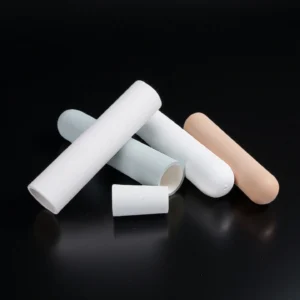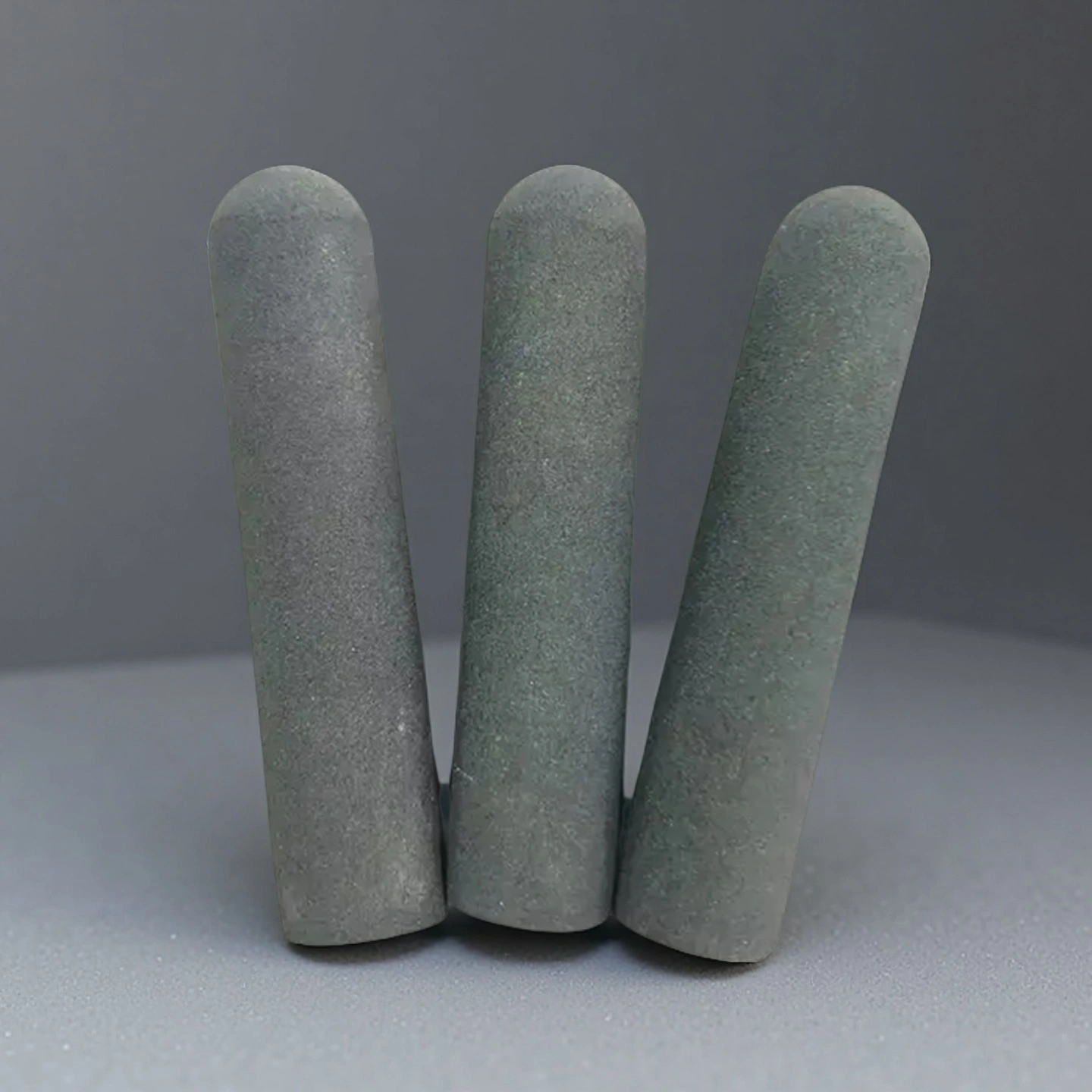
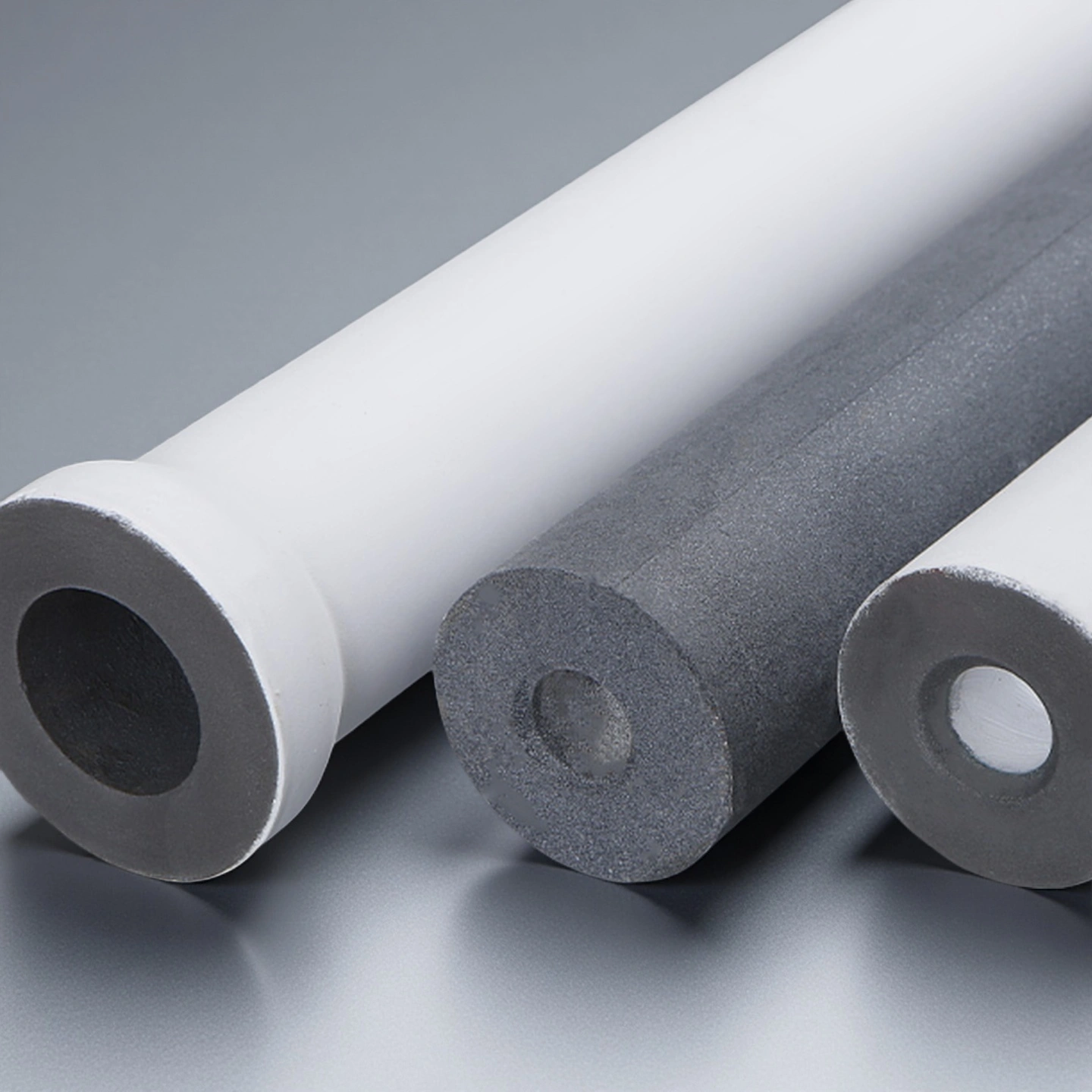
Silicon Carbide Membrane Tube for Industrial Filtration Systems

The Silicon Carbide Membrane Tube delivers high-efficiency filtration performance driven by its recrystallized SiC microstructure, enabling stable separation across corrosive, high-pressure, and high-temperature operating conditions. Its filtration behavior, cleaning resilience, and long service life are supported by quantifiable material properties that allow the membrane to maintain clarity, flux stability, and mechanical integrity in continuous industrial operation.

Catalogue No. AT-THG-MG001
Material Recrystallized Silicon Carbide (SiC ≥98.5%)
Filtration Rating 0.1 μm precision, >95% efficiency
Operating Temperature Up to 900 °C continuous service
Maximum Working Pressure Up to 16 MPa hydraulic load
24H Standard Dispatch
Small Batch Support OEM
Factory Direct
Expert Engineering Support

ADCERAX® Silicon Carbide Membrane Tube is engineered through high-temperature recrystallization, forming a uniform micro-porous network that enables precise clarification, separation, concentration, and purification of complex industrial fluids. Its structure allows clarified permeate to pass efficiently through a dense filtration layer while suspended solids, colloids, and large organic molecules are retained within interconnected microchannels, ensuring stable flux under demanding operating conditions. The membrane’s inherent mechanical strength, abrasion resistance, thermal endurance, and chemical inertness support long service life and reliable regeneration, making it suitable for continuous gas and liquid filtration across wastewater, chemical, food, and bioprocess applications.

Advanced Performance Characteristics of Silicon Carbide Membrane Tube

  • Pore Size Accuracy
    The membrane achieves consistent clarification through a controlled pore structure with a nominal rating of 0.1 μm, ensuring reliable retention of suspended solids and colloidal matter under cross-flow and dead-end configurations. Its stable pore distribution maintains separation quality even when exposed to variable feed compositions.

  • Filtration Performance
    A typical filtration efficiency above 95% allows the system to support high-clarity output across wastewater, chemical, and food applications. This throughput stability reduces downstream processing demands, improving overall system productivity.

  • Corrosion Immunity
    The membrane withstands full-range chemical exposure from pH 0–14, including strong acids such as sulfuric and hydrochloric acids and strong bases like sodium hydroxide. This resistance preserves structural integrity where polymer and alumina membranes typically degrade.

  • High-Temperature Endurance
    Operational reliability is maintained at temperatures up to 900 °C, enabling the membrane to process hot gases and high-temperature liquids without thermal deformation. This capability supports steam sterilization and high-temperature cleaning without performance loss.

  • Durable Operating Lifespan
    Service life typically exceeds 5 years, depending on the feed composition and cleaning protocol. The membrane’s non-reactive material prevents surface degradation, extending replacement intervals and reducing total cost of ownership.

  • Cleaning and Regeneration Capacity
    The structure accommodates aggressive chemical cleaning and extended backwash cycles while preserving permeability. After regeneration, permeability recovery is consistently above 95%, reducing operational interruptions and stabilizing long-term process efficiency.

Technical Specifications of Silicon Carbide Membrane Tube

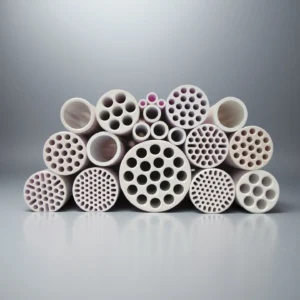
The Silicon Carbide Membrane Tube is engineered with a recrystallized SiC microstructure that delivers stable filtration efficiency, mechanical reliability, and corrosion resistance across a wide range of industrial operating environments. Its thermal endurance, hydraulic strength, chemical robustness, and micro-porous architecture reflect the inherent properties of silicon carbide ceramics designed for long-term separation performance.

Property Specification
Material Recrystallized SiC (SiC ≥ 98.5%)
Open Porosity 35–45% interconnected microstructure
Pore Size Rating 0.1–0.5 μm membrane layer
Density 1.4–2.55 g/cm³ bulk range
Flexural Strength 10–18 MPa
Compressive Strength 25–45 MPa
Maximum Operating Pressure Up to 16 MPa
Maximum Operating Temperature Up to 900 °C
Thermal Shock Resistance ΔT > 500 °C tolerance
Chemical Resistance Range pH 0–14, including strong acids/alkalis
Oxidation Resistance Stable under NaClO / H₂O₂ exposure
Permeability Recovery After Cleaning 95%
Microstructure Type Recrystallized, self-bonded SiC grains
Filtration Efficiency 95% clarification efficiency

Dimensions of Silicon Carbide Membrane Tube

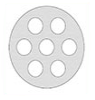
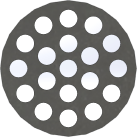
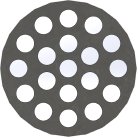
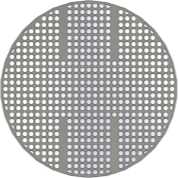
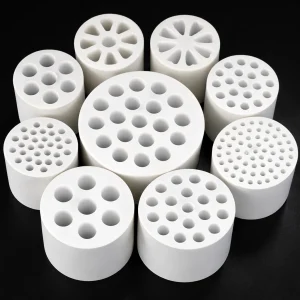
Type 1-Silicon Carbide Tubular Filtration Tube with Multiple Bore
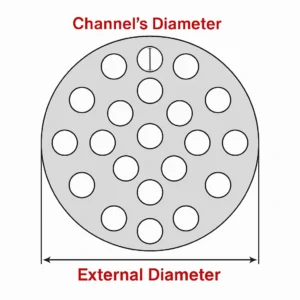
size

Item External Diameter(mm) Numbers of channels(pcs) Channel's Diameter(mm) Membrane Areas(M2) Filteration Accuracy(μm) Toal Length(mm) Picture
AT-THG-MG001 30 7 6 0.13 40/100/500/1000 100-1200
AT-THG-MG002 30 19 4 0.24 40/100/500/1000 100-1200
AT-THG-MG003 40 19 6 0.43 40/100/500/1000 100-1200
AT-THG-MG004 40 37 4 0.56 40/100/500/1000 100-1200
AT-THG-MG005 46 61 4 0.92 40/100/500/1000 1230
AT-THG-MG006 46 81 / 1.27 40/100/500/1000 1230
AT-THG-MG007 46 127 2.7 32.00  40/100/500/1000 1230
AT-THG-MG008 146 524 4.3 7.8 40/100/500/1000 1100

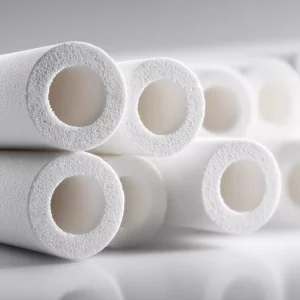
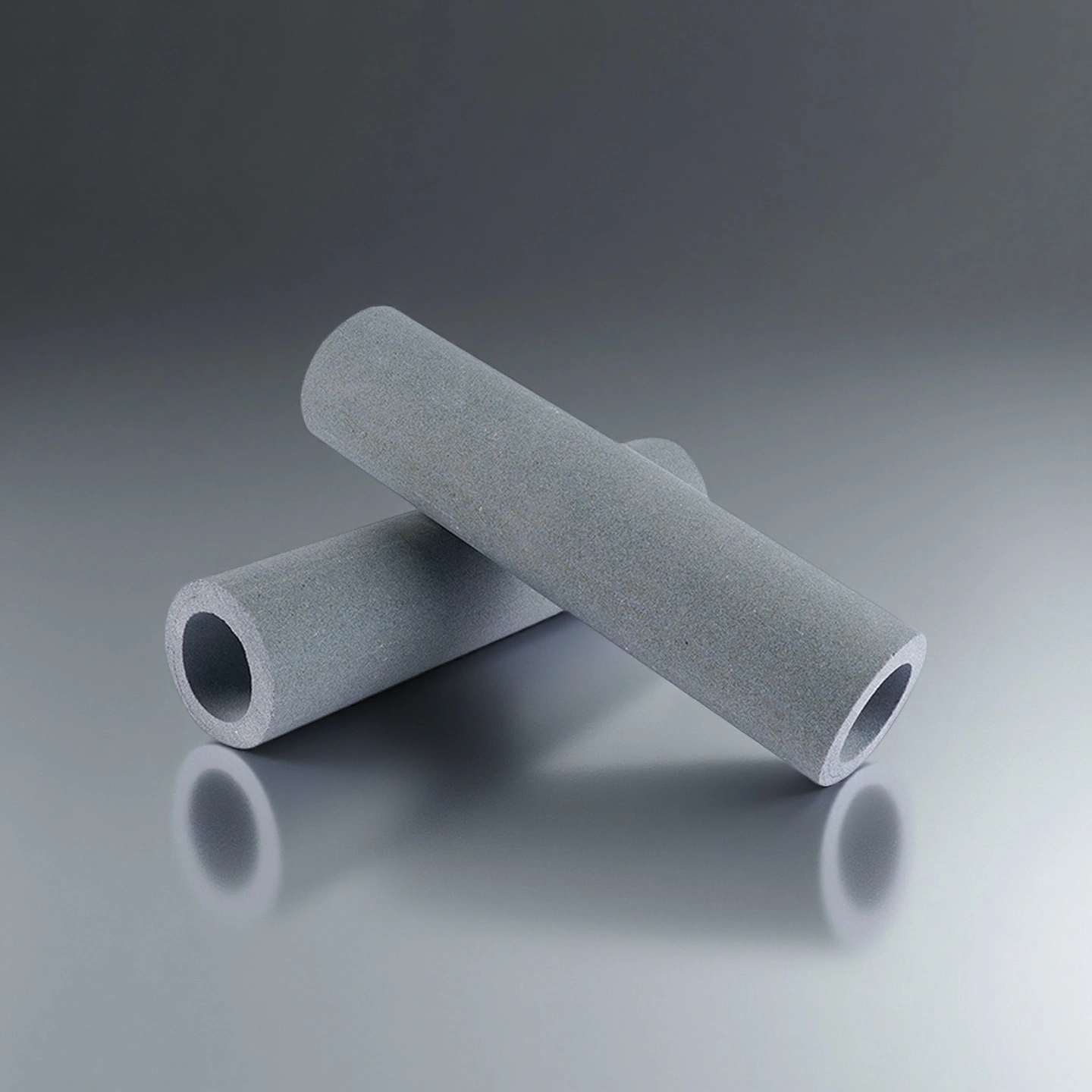
Type 2-Porous Silicon Carbide Membrane Tube with Both Ends Open
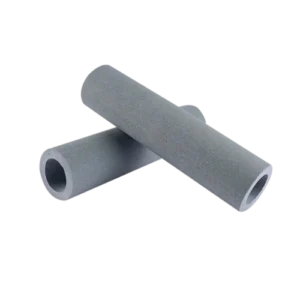
Type 2-Porous Silicon Carbide Membrane Tube with Both Ends Open

Item External Diameter(mm) Inner Diameter(mm) Length(mm) Filteration Accuracy (μm)
AT-THG-MG009 30 20 1000 0.1-20
AT-THG-MG010 35 20 1000 0.1-20
AT-THG-MG011 40 20 1000 0.1-20
AT-THG-MG012 50 30 1000 0.1-20
AT-THG-MG013 60 40 1000 0.1-20
AT-THG-MG014 70 40-50 1000 0.1-20
AT-THG-MG015 80 50 1000 0.1-20
AT-THG-MG016 100 60-70 1000 0.1-20
AT-THG-MG017 150 90-100 1000 0.1-20
AT-THG-MG018 180 120 1000 0.1-20
AT-THG-MG019 200 140 1000 0.1-20
AT-THG-MG020 260 200 1000 0.1-20
AT-THG-MG021 300 230 1000 0.1-20

Type 3-Silicon Carbide Membrane Tube Porous One End Closed

Type 3-Silicon Carbide Membrane Tube Porous One End Closed

Item External Diameter(mm) Inner Diameter(mm) Length(mm) Filteration Accuracy (μm)
AT-THG-MG022 60 40 200 0.1-20
AT-THG-MG023 60 40 1500 0.1-20

Type 4-Porous Silicon Carbide Membrane Tube  One End Closed Flanged

Type 4-Porous Silicon Carbide Membrane Tube  One End Closed Flanged

Item External Diameter(mm) Inner Diameter(mm) Length(mm) Diameter of Flange (mm) Filteration Accuracy (μm)
AT-THG-MG024 60 40 1000 75 0.1-20
AT-THG-MG025 60 40 1500 75 0.1-20
AT-THG-MG026 70 44 1000 84 0.1-20

Packaging of Silicon Carbide Membrane Tube

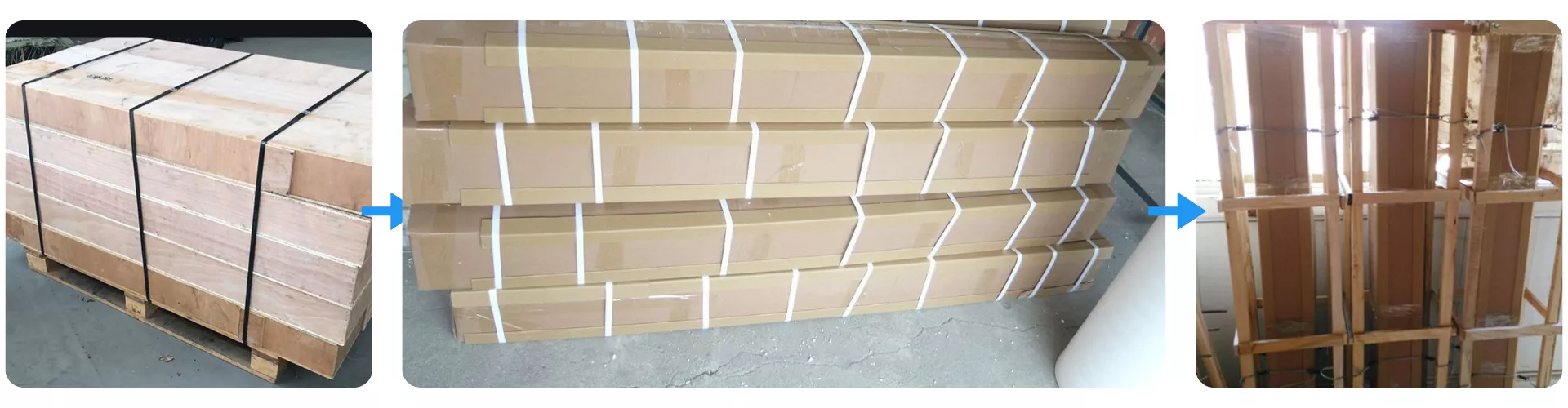
Silicon Carbide Membrane Tube is secured in reinforced carton casings with protective internal padding to prevent vibration or point-impact damage during transit. Each unit is then consolidated into strapped multi-layer export cartons to maintain stability throughout long-distance handling. For overseas shipments, all cartons are finally fixed inside strengthened wooden frames to ensure structural protection under stacking, loading, and container transport conditions.

ADCERAX® Packaging of Silicon Carbide Membrane

ADCERAX® Silicon Carbide Membrane Tube for High-Demand Industrial Separation Challenges

The Silicon Carbide Membrane Tube provides a high-stability filtration structure essential for industries that handle corrosive liquids, high-temperature streams, and particulate-rich mixtures. By combining chemical robustness, thermal endurance, and a uniform micro-porous architecture, it supports complex separation tasks where polymer and alumina membranes show rapid degradation.

ADCERAX® applies these characteristics to industrial scenarios that require reliable clarification, concentration, solvent recovery, and high-temperature fluid purification under continuous operation.

  • Silicon Carbide Membrane Tube in High-Salinity Brine Purification for Chlor-Alkali Processing

    ✅Key Advantages

    1. Stable Flux Under Extreme Salinity
    Content: In chlor-alkali brine circuits, ADCERAX® Silicon Carbide Membrane Tube maintains stable performance in high ionic strength media with total dissolved solids above typical chlor-alkali levels. Field data show flux decline below 10% over extended runs when operated with appropriate cross-flow velocity and periodic cleaning.

    2. Full-Range pH and Oxidant Resistance
    Content: The recrystallized SiC structure remains dimensionally stable across pH 0–14 and under continuous exposure to oxidants used in brine conditioning. Tests confirm no measurable loss of mechanical strength or pore-size integrity after repeated exposure to oxidizing cleaning agents and concentrated brine streams.

    3. High-Clarity Brine for Downstream Electrolysis
    Content: The membrane delivers brine clarification efficiencies above 95% for suspended solids and colloids that interfere with electrolysis cell performance. This level of solids removal supports more stable current efficiency and reduces the frequency of downstream equipment maintenance.

    ✅ ️Problem Solved

    Chlor-alkali plants frequently report unstable brine quality, membrane corrosion, and repeated filtration shutdowns due to fouling in high-salinity and oxidizing environments. In one large-scale brine purification line, polymeric elements required frequent replacement and cleaning intervals shorter than one month, with significant loss of flux after each cycle. After adopting ADCERAX® Silicon Carbide Membrane Tube, the same line operated with flux recovery consistently above 95% after chemical cleaning and extended replacement intervals beyond five years of service. Process engineers reported a marked reduction in unplanned stops and more predictable operation of downstream electrolysis cells due to stable, clarified brine feed.

  • Silicon Carbide Membrane Tube in High-Temperature Flue Gas Condensate Recovery for Coal-Chemical Plants

    ✅Key Advantages

    1. Thermal-Shock Resilience in Condensate Duty
    Content: ADCERAX® Silicon Carbide Membrane Tube tolerates rapid temperature swings typical of flue gas condensate streams without cracking or loss of integrity. Laboratory simulations show the membrane structure remaining intact after repeated thermal cycles with temperature steps exceeding several hundred degrees Celsius.

    2. Organic-Fouling Resistance and Easy Regeneration
    Content: The SiC surface exhibits low affinity for tars and phenolic compounds, enabling fouling layers to be removed effectively by alkaline and oxidizing cleaning sequences. Plants using SiC elements report permeability recovery above 90–95% after regeneration, even when processing condensates rich in viscous organics.

    3. Mechanical Stability Under Variable Hydraulic Load
    Content: The high-strength support matrix maintains structural stability under fluctuating pressure differentials generated by variable condensate flow and gas load. Tests indicate reliable operation up to 16 MPa without structural deformation, supporting continuous recovery in demanding coal-chemical environments.

    ✅ ️Problem Solved

    Coal-chemical operators often experience a combination of rapid fouling, membrane cracking, and unstable throughput when conventional elements are exposed to hot, organic-laden condensates. In a flue gas recovery unit handling condensate with significant tar and phenolic content, conventional ceramic modules showed crack failure rates above 10–15% after repeated thermal cycles, and flux recovery after cleaning remained below 70%. After replacement with ADCERAX® Silicon Carbide Membrane Tube modules, crack-related failures dropped to below 1%, and permeability recovery after standardized cleaning procedures remained in the 90–95% range. This improvement allowed the plant to extend operating campaigns between major maintenance events and stabilize condensate recovery performance.

  • Silicon Carbide Membrane Tube in Fermentation-Broth Clarification for Bio-Processing Concentration Systems

    ✅Key Advantages

    1. Consistent Biomass and Macromolecule Retention
    Content: The controlled pore rating of 0.1–0.5 μm in ADCERAX® Silicon Carbide Membrane Tube supports reliable retention of microbial cells and large macromolecules while allowing clarified permeate to pass. Trials in fermentation clarification show suspended solids removal efficiencies exceeding 95%, with stable cut-off behavior across multiple batches.

    2. Steam-Sterilization Compatibility Over Repeated Cycles
    Content: The SiC membrane structure tolerates repeated steam-in-place sterilization cycles in the 121–135 °C range without pore-collapse or matrix degradation. Long-term endurance tests demonstrate stable flux and retention characteristics after more than 200 sterilization and cleaning cycles.

    3. High-Flux Operation in Viscous Broths
    Content: The open microchannel architecture supports cross-flow operation in broths with viscosities significantly higher than water without excessive pressure build-up. In pilot systems handling fermentation media with elevated solids and viscosity, flux recovery after cleaning remains above 90–95%, enabling extended production runs with fewer membrane changeouts.

    ✅ ️Problem Solved

    Bio-processing plants frequently struggle with rapid flux decline, irreversible fouling, and instability during sterilization when clarifying dense fermentation broths. In one fermentation-based production line, polymeric membranes showed significant loss of capacity after fewer than 50 steam-sterilization cycles, and flux recovery after cleaning remained below 70%, forcing frequent membrane replacement. After installing ADCERAX® Silicon Carbide Membrane Tubes, the same line sustained clarification performance over more than 200 operating and sterilization cycles with flux recovery above 90–95%. This change reduced membrane-associated interruptions and stabilized upstream clarification feeding downstream concentration and purification steps.

ADCERAX® Silicon Carbide Membrane Tube User Guide for Stable, Safe, and Efficient Operation

This section provides practical guidance for ensuring consistent performance and long-term reliability when operating Silicon Carbide Membrane Tube systems across industrial filtration lines. The recommendations below help users maintain stable flux, protect membrane integrity, and achieve predictable clarification results under demanding chemical, thermal, and mechanical conditions.

  • Installation Requirements for System Integration

    1. Proper Inlet Conditioning
    Feed streams should be screened to remove oversized particulates that may cause uneven loading at the membrane entrance. Stable inlet pressure must be maintained to avoid hydraulic shocks that can affect early-stage permeation consistency. Uniform flow distribution improves cross-flow efficiency and minimizes localized fouling.
    2. Controlled Mechanical Support
    Secure mounting structures should be used to prevent vibration and bending stress during operation. Support fixtures must avoid point contact that could create concentrated mechanical loads over extended run time. Ensuring balanced alignment enhances flow uniformity within all membrane channels.
    3. Safe Connection Practices
    Sealing interfaces should be fitted using compatible gasket or clamp materials resistant to process chemistry. Over-tightening should be avoided to prevent structural stress at the tube ends during long-term cycling. Flow direction indicators and assembly orientation should be checked prior to commissioning for predictable operation.

  • Operating Conditions for Stable Clarification

    1. Controlled Pressure Operation
    Operating pressure should remain within validated limits to maintain stable flux performance and prevent unnecessary membrane fatigue. Pressure fluctuations in high-salinity or viscous media can accelerate fouling, requiring additional adjustment or process buffering. Gradual ramp-up improves system stability during startup.
    2. Temperature Management
    Feed temperature must be kept within thermal stability allowances to avoid rapid expansion stresses and performance drift. High-temperature applications should ensure a controlled gradient to protect the membrane’s micro-porous network. Consistent temperature helps maintain predictable permeate behavior.
    3. Chemical Compatibility Handling
    Incoming fluid chemistry must fall within recommended acid, alkali, or oxidizing ranges to ensure long service life of the filtration layer. Sudden pH shifts or oxidant surges may require buffer zones or automated dosing adjustments. Maintaining chemical stability extends runtime between cleaning cycles.

  • Cleaning and Regeneration Protocols

    1. Periodic Backwashing Strategy
    Backwash cycles should be scheduled according to feed characteristics to remove accumulated solids from the inner channels. Controlled flow reversal prevents excessive impact force while helping restore permeate recovery. Regular intervals improve long-term operational consistency.
    2. Chemical Cleaning Recommendations
    Cleaning agents must be matched to the foulant category—organic, inorganic, or biological—to prevent surface damage. Temperature-controlled cleaning solutions improve solubility of deposits without compromising structural strength. Proper neutralization should follow before returning the system to production.
    3. Thermal Sterilization Guidelines
    High-temperature sanitation should be introduced gradually to avoid thermal shock. Steam cycles must stay within the allowable heat range to preserve membrane geometry and pore distribution. Alternating between heating and cooling phases should follow recommended timing to protect microstructural integrity.

  • Storage, Handling, and Transportation Care

    1. Safe Storage Environment
    Membrane tubes should be stored in clean, dry conditions to avoid moisture absorption that can cause unexpected thermal behavior during later operation. Storage racks must prevent bending or torsional stress over prolonged periods. Protective coverings help reduce exposure to airborne contaminants.
    2. Careful Handling Procedures
    Handling should follow two-point support to avoid concentrated stress at the tube ends. Impact or rolling should be strictly avoided as micro-cracks may propagate under high-pressure use. Team lifting is advised for multi-unit assemblies to ensure structural safety.
    3. Optimized Transport Protection
    For long-distance shipment, units should be packed using rigid crates, foam-lined cartons, or reinforced frames to maintain impact resistance throughout transit. Vibration control materials reduce transportation fatigue during overseas movement. All packaging must be clearly labeled for upright orientation and fragile handling.

Technical FAQs on ADCERAX® Silicon Carbide Membrane Tube for Industrial Separation Challenges

  1. Q1: How does a Silicon Carbide Membrane Tube maintain stable flux in high-salinity brine or chemically aggressive streams?

    A Silicon Carbide Membrane Tube resists chemical degradation from strong acids, alkalis, and oxidants due to its intrinsically inert SiC lattice. This stability prevents pore collapse or dissolution during long-term circulation. Its dense micro-porous structure preserves consistent flux under fluctuating ionic strength, reducing shutdown frequency. This ensures predictable clarification performance even in harsh chlor-alkali environments.

  2. Q2: What enables a Silicon Carbide Membrane Tube to withstand high operating pressures without structural fatigue?

    The recrystallized SiC body maintains mechanical strength exceeding typical ceramic membranes, allowing safe use under elevated trans-membrane pressure. Its rigid framework distributes stress uniformly across all channels, reducing localized deformation. This robustness helps maintain long-term operational predictability in industrial filtration loops handling viscous or particle-laden feeds.

  3. Q3: Why does a Silicon Carbide Membrane Tube show superior resistance to fouling compared to polymer membranes?

    The hydrophilic SiC surface reduces organic adhesion, preventing thick deposit layers from forming on the filtration interface. This minimizes irreversible pore blockage and maintains high permeability over extended duty cycles. Fouling that does occur can be efficiently removed through backwashing and chemical cleaning without damaging the membrane.

  4. Q4: How does a Silicon Carbide Membrane Tube tolerate rapid temperature fluctuations in thermal cycling processes?

    SiC exhibits exceptional thermal-shock resistance, enabling the membrane to endure sudden transitions between hot and cold feed streams. Its low thermal expansion minimizes stress accumulation within the micro-porous matrix. This ensures pore geometry remains stable during repeated heating, cooling, or steam-sterilization cycles.

  5. Q5: What advantages does the Silicon Carbide Membrane Tube offer for ultra-fine clarification of suspended solids and colloids?

    The membrane’s uniform pore distribution ensures precise retention of sub-micron particles, delivering consistently high clarification efficiency. Its rigid micro-channels resist distortion even during high-pressure filtration. This makes it suitable for removing colloids, pigments, and macromolecules in complex industrial liquids.

Engineering Team Evaluations of ADCERAX® Silicon Carbide Membrane Tube in Real-World Industrial Operations

  • ⭐️⭐️⭐️⭐️⭐️

    Our process engineering group integrated the Silicon Carbide Membrane Tube into a continuous brine-purification loop and observed remarkably stable flux under extreme chloride load. The membrane maintained structural consistency even during pressure cycling and high-alkalinity operation. Its low fouling tendency during long-run sequences significantly reduced unplanned shutdown intervals.
    — M. Turner, Process Engineering Division, Norvatek Materials GmbH

  • ⭐️⭐️⭐️⭐️⭐️

    In our flue-gas condensate recovery line, the tubes demonstrated excellent thermal resilience during rapid temperature transitions. The filtration layer showed no warping or cracking despite repeated exposure to hot condensate streams containing tar aerosols. We also recorded highly predictable permeate behavior across multi-shift operation, improving downstream stability.
    — L. Schneider, Senior Mechanical Engineer, Vortex Energy Systems AG

  • ⭐️⭐️⭐️⭐️⭐️

    During fermentation-broth clarification, the components delivered consistent separation of dense biological solids without irreversible fouling. Even after repeated steam-sterilization cycles, pore integrity remained intact, and the tubes regained their initial permeability. Their strong regeneration performance has strengthened our overall bioprocess throughput.
    — A. Williams, Bio-Processing Engineering Unit, Helix Biologics Inc.

  • ⭐️⭐️⭐️⭐️⭐️

    Our wastewater treatment team deployed these modules in a mixed-organics clarification system and noted exceptional chemical stability across harsh pH fluctuations. The tube architecture handled abrasive particulates with minimal abrasion marks over extended runtime. This long-duration operational reliability has improved maintenance predictability across multiple treatment lines.
    — R. Morgan, Technical Operations Department, Arcton Industrial Water Solutions Ltd.

customize size

Customization Services for SiC Membrane Tube

A wide range of configuration choices for Silicon Carbide Membrane Tube can be supported by ADCERAX® to meet diverse industrial separation requirements under varying chemical, mechanical, and thermal conditions.

Channel Geometry Customization

Adaptation of internal flow architecture is enabled to optimize hydraulic stability.

  • Multi-Channel Layout
    Supports efficient distribution in complex separation processes.

  • Hydraulic Flow Path
    Enhances turbulence for controlled anti-fouling behavior.

  • Cross-Section Design
    Improves fluid uniformity throughout full-length filtration.

Surface and Filtration Layer Configuration

Adjustment of membrane surface characteristics is permitted for targeted filtration behavior.

  • Pore Surface Tuning
    Enhances selective retention of fine suspended solids.

  • Layer Density Control
    Enables consistent permeation under variable operating loads.

  • Surface Texture Optimization
    Reduces adhesion tendencies in organic-rich feed streams.

Related Products

ADCERAX - Your Trusted Advanced Ceramics Manufacturing Partner

Direct factory manufacturing with comprehensive ceramic materials expertise and global supply capabilities

Direct Factory Manufacturing

China-based ceramic materials production facility with state-of-the-art equipment

Engineering Team

Experienced professionals in advanced ceramics applications and custom design

Quality Control

Strict quality control standards for technical ceramics manufacturing and quality management

Global Supply Chain

Serving customers worldwide with technical ceramics and rapid response

24/7 Technical Support

Round-the-clock support for ceramic components inquiries and technical assistance

500+ Satisfied Customers

Trusted by global customers for advanced ceramic materials and precision components

Get in touch with us

Our team will be happy to respond to you in less than 24 hours.

Adcerax's factory

Quick Quotation

*Our team will answer your inquiries within 24 hours.

*Your information will be kept strictly confidential.

Ready to Solve Your Engineering Challenge?

Partner with ADCERAX for reliable, high-performance advanced ceramic solutions. Our engineers are ready to discuss your project.

E-mail

info@adcerax.com

Phone

+(86) 0731-74427743 | WhatsApp: +(86) 19311583352

Response Time

Within 24 hours

Quick Quote

The more details you provide, the faster we can quote.

*We respond within 24 hours. All inquiries are confidential.

Download Catalog

Get Your Custom Sulution

The more details you provide, the faster we can respond.

customize size

*We respond within 24 hours. All inquiries are confidential.

Download Catalog