Boron Carbide Rings Abrasive Blasting and High-Pressure Sealing – Custom Dimensions Available

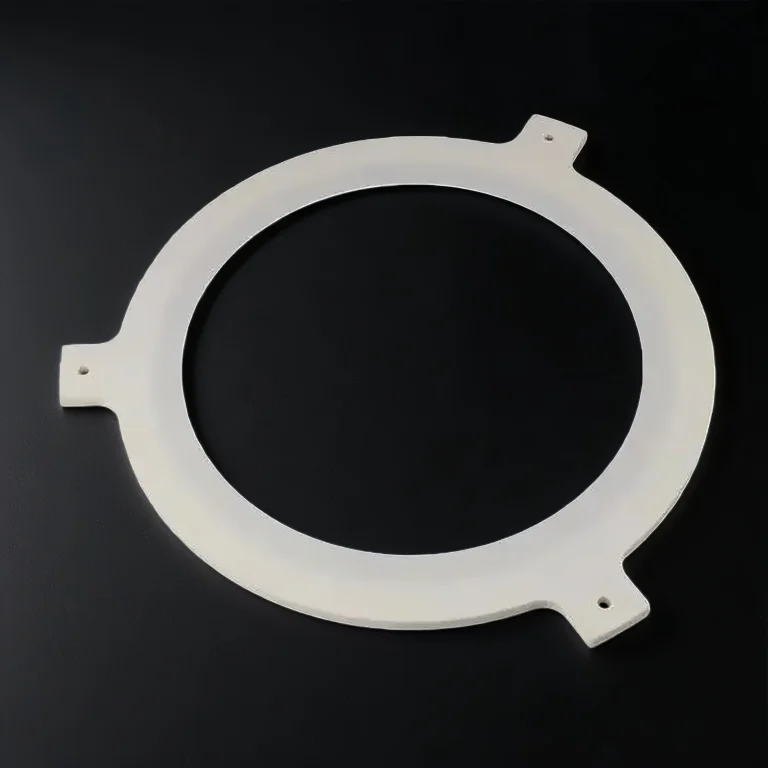
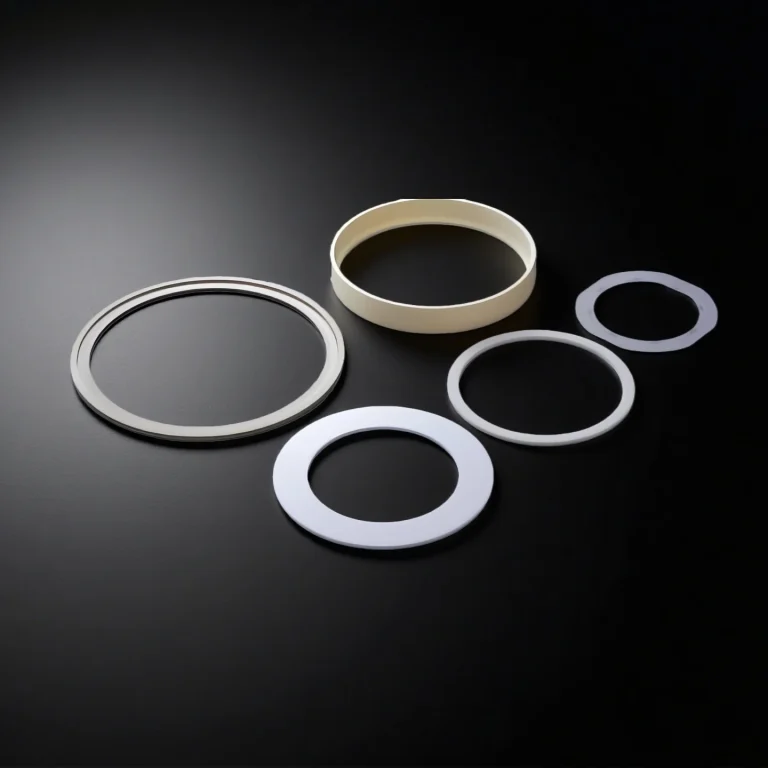
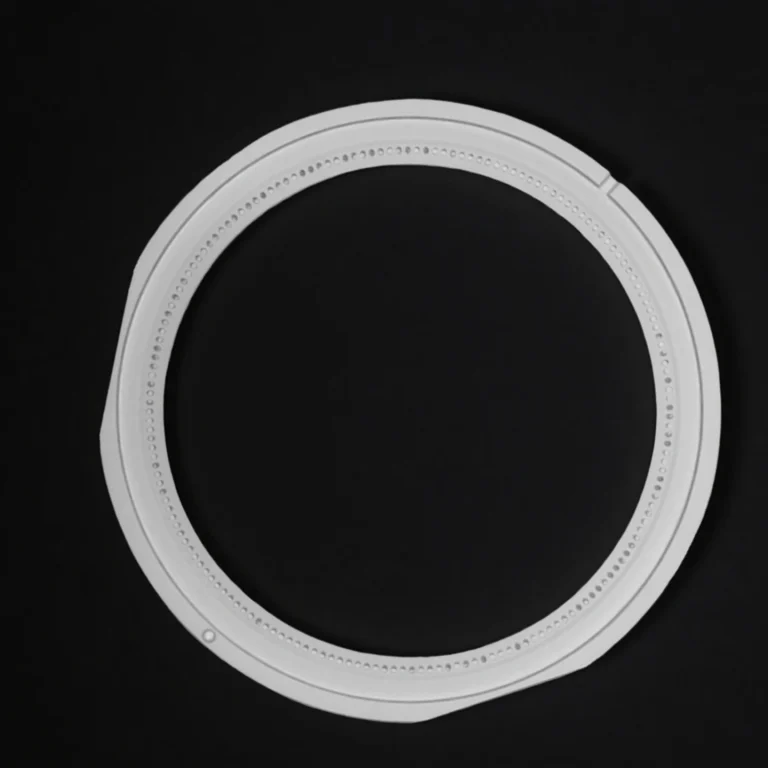
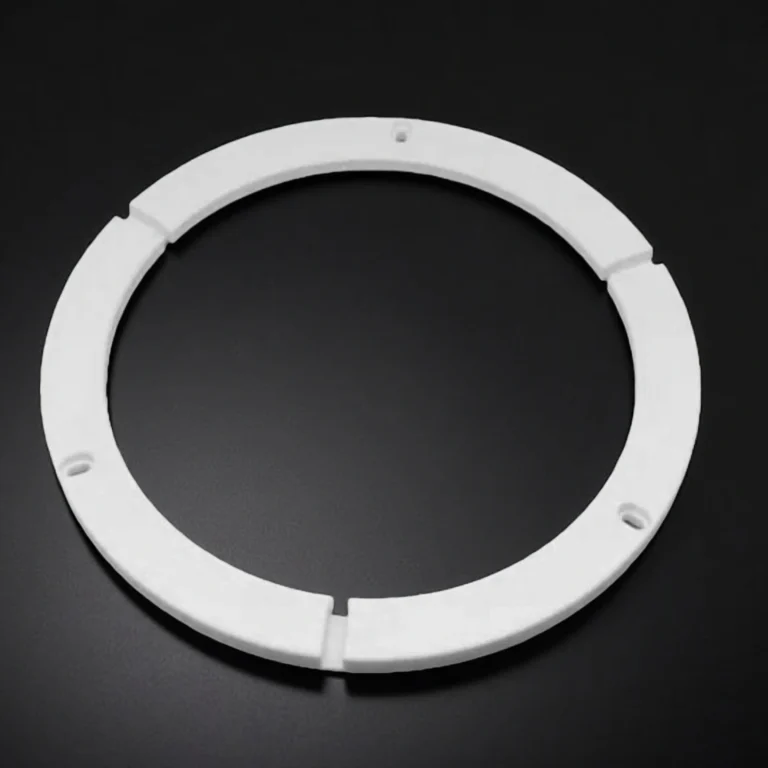
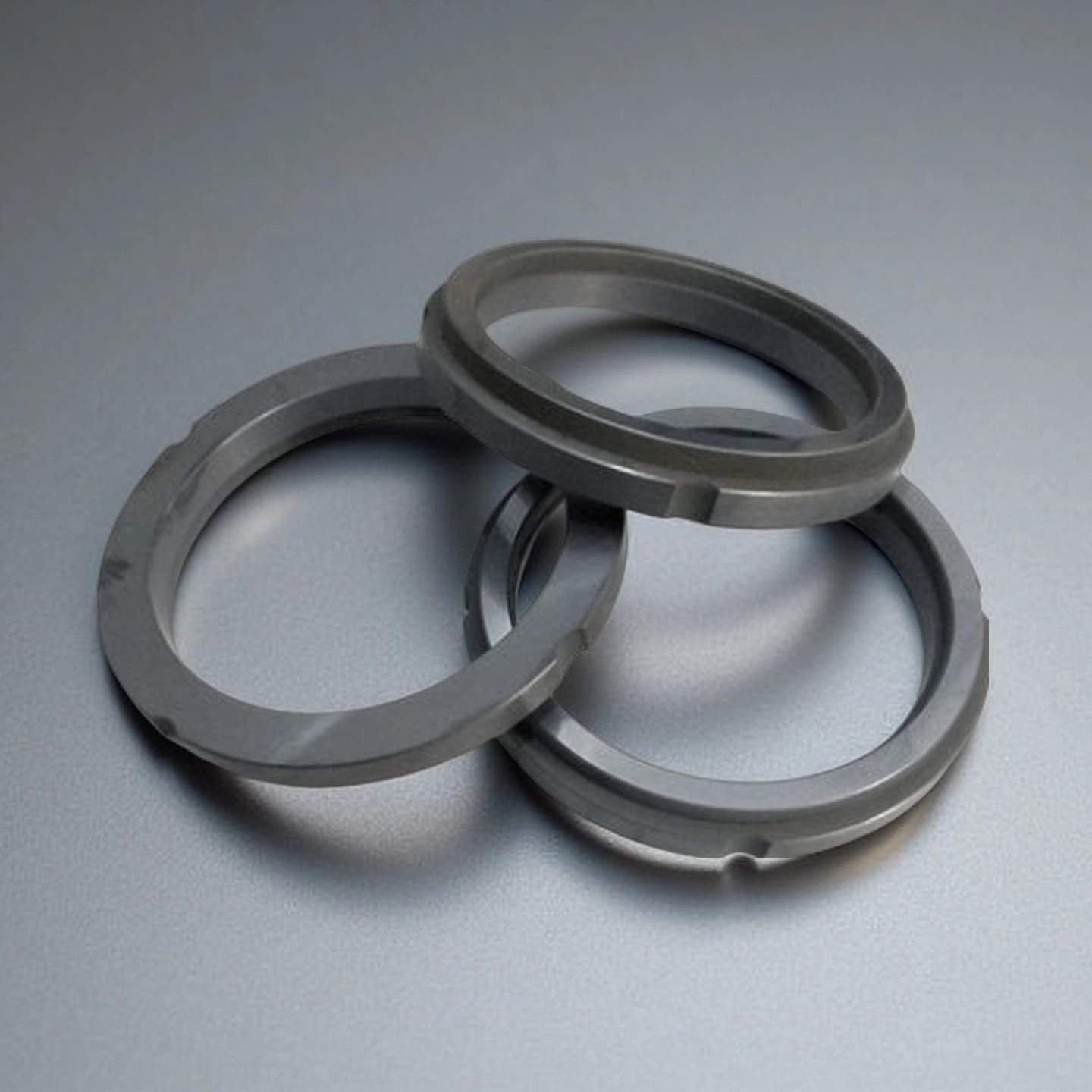
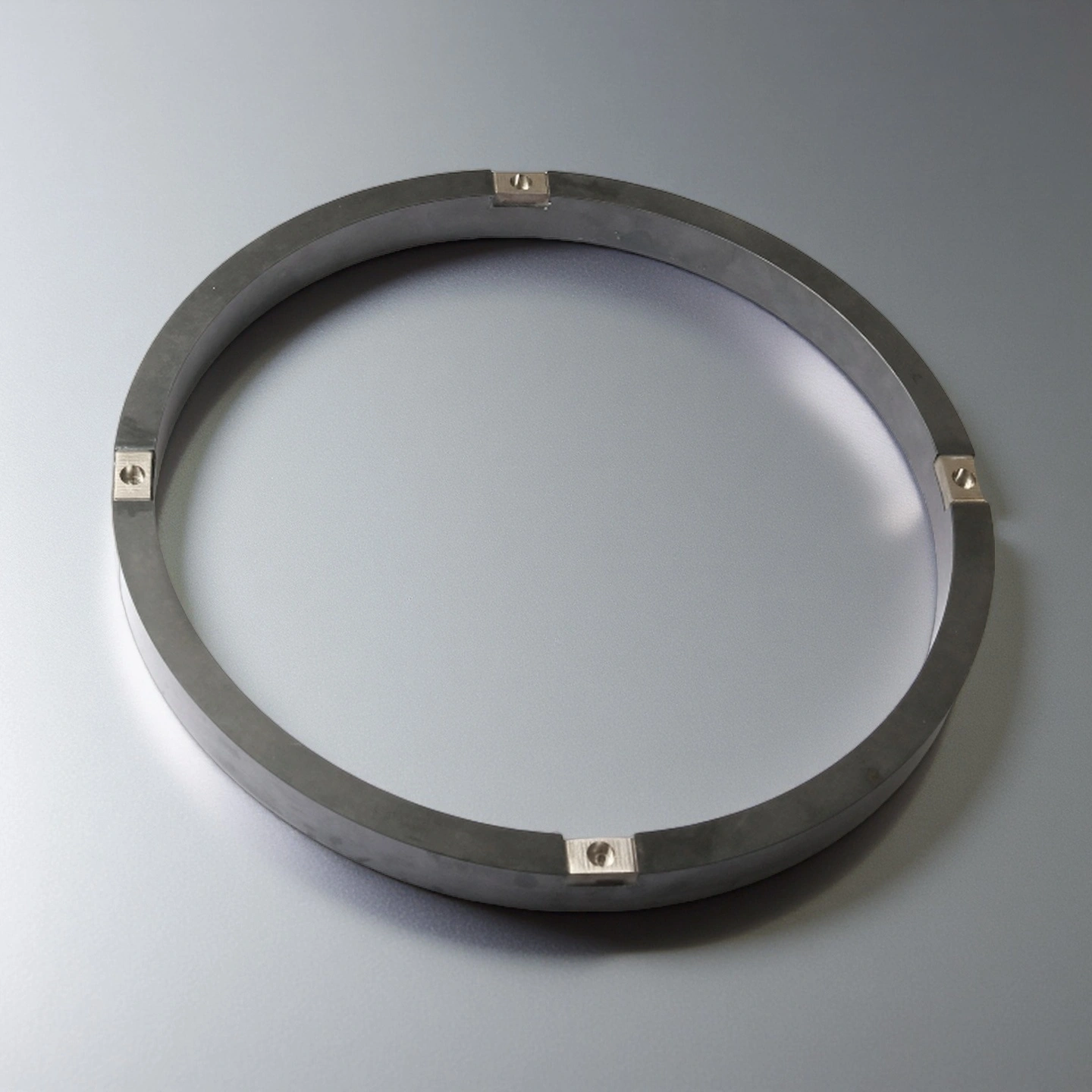
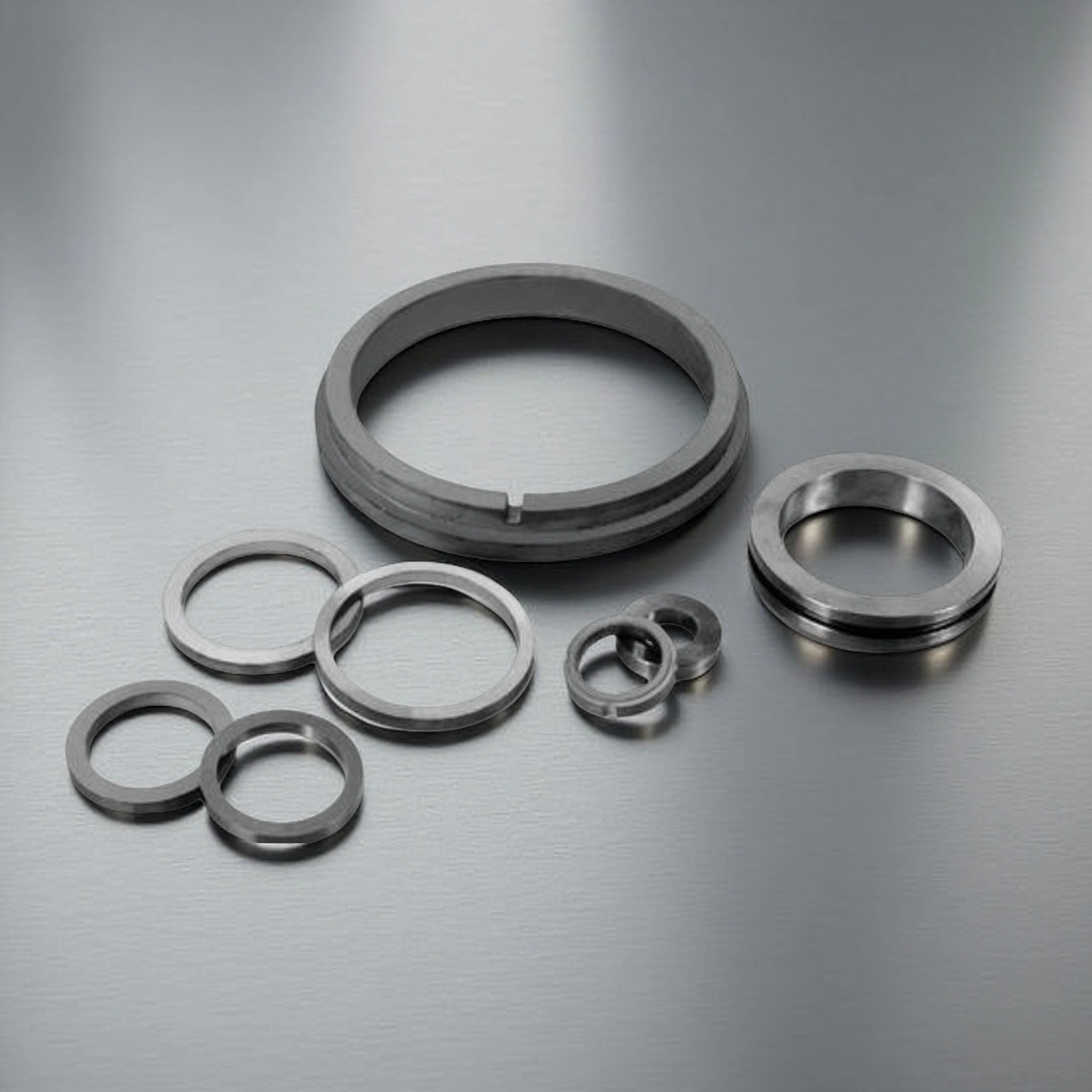
The boron carbide ring is an abrasion-resistant, low-density ceramic ring engineered for seal faces, wear seats, and locator functions where particles and sliding contact drive failure. Custom and stock boron carbide rings for mechanical seals, wear seats, and guides; ID 6–80 mm typical, larger on request; surface finish options for pairing with SiC/WC/alumina.

Catalog No. AT-BC-H1001
Material Boron Carbide
Density 2.45 ± 0.05 g/cm³
Tolerance Range (ID/OD) ±0.05 mm
Dimensions/Sizes Download PDF
24H Standard Dispatch
Small Batch Support OEM
Factory Direct
Expert Engineering Support

Boron carbide ring is a hot-pressed ceramic ring made from B₄C, used as a seal face, wear ring, seat ring, or locator ring in abrasive or particle-laden environments (e.g., slurry/chemical pumps, sandblasting guns, jigs & fixtures). It’s chosen when you need very high wear resistance at low mass, with controlled dimensions and end-face polish for stable operation against counterpart materials such as SiC, WC, or alumina.

Benefits of Boron Carbide Rings

  • High wear resistance in particle-laden flow and blasting seats, reducing face wear and dimensional drift.
  • Low mass eases dynamic balancing in rotating assemblies and reduces inertia in fixtures.
  • Surface-finish control (end-face and bore) enables predictable run-in with SiC/WC counterparts.
  • Tight form tolerances (roundness/concentricity) for sealing stability and jet alignment.
  • Edge-geometry options (chamfer/R/countersink) to reduce edge chipping in installation.

Boron Carbide Ring Properties

B₄C Propertites
Hot Pressed Sintered B4C
Purity of B₄C ≥90
Flexture strength (MPa) 480
Elastic Modulus (GPa) 450
Poisson's ratio 0.21
Compressive strength (MPa) 2500
Hardness (GPa) ≥24
Fracture toughness (MPa*m1/2) 4
Maximum working temperature (℃) 1600
Thermal conductivity (W/m*K) 150
Thermal expansion coefficient (/℃) 4.4*10-6
Thermal shock resistance (ΔT ℃) 400

Specifications of Boron Carbide Rings

Boron Carbide Rings
Item NO. Size Purity
AT-BC-H1001 Customize


Boron Carbide Ring Packaging

  • Unit protection: each ring in a clean pouch, seated in a full-depth foam cavity preventing edge contact.
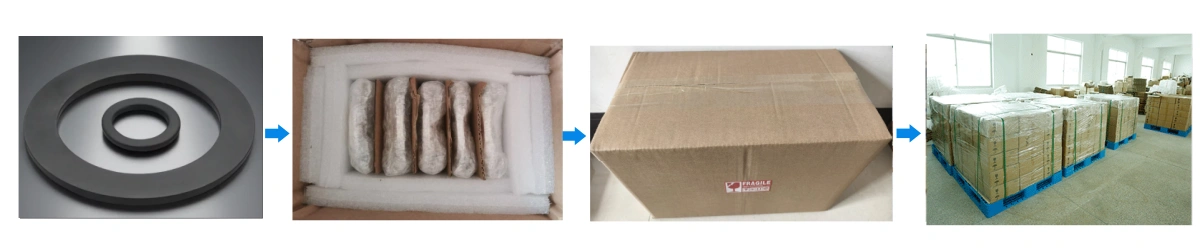
Boron Carbide Ring Packaging


Boron Carbide Rings Applications

  • Mechanical Seals & Chemical/Slurry Pumps

    ✅Key Advantages

    1. Stable end-face: controlled flatness and Ra reduce early leakage and run-in time.
    2. Erosion resistance: maintains ID/OD after solids exposure, extending MTBF.
    3. Dimensional control: tight roundness/concentricity improves sealing stability.

    ✅ Problem Solved

    A slurry pump OEM replaced alumina seats with boron carbide rings on a 24/7 line. With end-face Ra 0.4–0.6 µm and improved concentricity, the seal inspection interval moved from 8 to 11 weeks and emergency interventions dropped in the following quarter. The change was adopted into the OEM service kit with a drawing-controlled spec.

  • Sandblasting Guns/Nozzle Seats & Guides

    ✅Key Advantages

    1. Wear seat retention: B₄C ring resists jet erosion at the seat, keeping alignment.
    2. Lightweight: reduces stress on gun assemblies and improves handling.
    3. Edge integrity: chamfered entrances limit chipping during frequent nozzle swaps.

    ✅ Problem Solved

    A blasting system integrator specified a B₄C seat ring with C0.3 chamfer and controlled bore Ra for rapid nozzle replacement. Seat wear decreased over a multi-shift cycle; jet alignment remained within the tool’s tolerance window across the maintenance period.

  • Jigs & Fixtures for Repetitive Positioning (Automotive/Reman)

    ✅Key Advantages

    1. Low wear in sliding contact: preserves fixture accuracy over repeated cycles.
    2. Consistent bore quality: predictable insertion forces with controlled surface state.
    3. Custom edge details: reduced burr or edge damage during frequent insertions.

    ✅ Problem Solved

    A remanufacturing cell adopted boron carbide locator rings with R0.2 edges. Over a three-month run the fixture’s positional variation tightened versus the prior insert material, and scheduled rework of bores was deferred to the next maintenance window.

Boron Carbide Ring Usage Instructions

  • Installation

    1. Check specifications before assembly: Verify ID/OD/thickness, tolerance, and edge geometry (chamfer/R) before handling. Use powder-free gloves to avoid contamination and fingerprints on sealing surfaces.
    2. Mounting tools: Always use soft jaws, nylon clamps, or alignment sleeves when pressing onto the seat. Apply even pressure across the face; never twist or impact.
    3. Surface pairing: Confirm counterpart material (SiC / WC / Al₂O₃) and ensure both sides meet the target Ra value (0.2–0.8 µm) and flatness tolerance.
    4. Thermal fitting (if required): For interference assemblies, pre-heat the metal housing to avoid local stress; never force-fit B₄C rings cold.

  • Operation

    1. Mechanical seals: Follow defined run-in procedures; monitor leakage, vibration, and face temperature. Stable sealing is achieved after the first 2–3 hours of operation.
    2. Blasting assemblies: Seat the nozzle coaxially to prevent jet deviation. After installation, perform a low-pressure test run to confirm stable alignment.
    3. Fixture or locator use: Check bore clearance and ensure the ring sits fully supported to maintain repeatable positioning.
    4. Prevent shock and contamination: Avoid dropping or striking the ring. Keep sealing or contact faces free from grit, dust, or metallic particles to prevent third-body abrasion.

  • Storage

    1. Primary protection: Keep every ring sealed in its clean pouch, fully seated in the foam cavity to prevent micro-chipping.
    2. Positioning: Store flat on stable surfaces; separate by size, ID/OD group, or project lot to avoid confusion during reassembly.
    3. Environment: Maintain ambient humidity < 60%, free from dust and corrosive vapors. Avoid direct sunlight or temperature gradients.
    4. Stacking: Do not stack loose rings; if multi-layer storage is necessary, insert soft non-woven interleaves between layers.

  • Cleaning & Maintenance

    1. Routine cleaning: Use non-abrasive cloths and mild solvents (e.g., isopropyl alcohol, deionized water).
    2. Avoid contamination: Never use abrasives, compressed air with oil mist, or metallic scrapers near sealing faces or precision bores.
    3. Inspection: After cleaning, check end-face polish visually and with feeler gauge; reject parts with visible chips, cracks, or surface haze.
    4. Reconditioning: Light re-polishing is acceptable if material removal < 0.01 mm; beyond that, replace to maintain tolerances.

  • Common User Mistakes & Remedies

    1. Edge chipping from hard tooling → Use soft jaws and chamfered guides during assembly; avoid local point pressure or hammering.
    2. Premature wear from rough counterpart → Refinish the mating component to the target Ra ≤ 0.8 µm and check end-face flatness before installation.
    3. Misalignment in blasting seats → Verify nozzle bore coaxiality and seat depth; inspect foam cradle after shipping to ensure no deformation.
    4. Thermal cracking after assembly → Avoid sudden heating/cooling; allow gradual temperature ramp-up within 3–5 °C/min during system start-up.
    5. Surface haze from aggressive cleaning → Replace metallic brushes with lint-free pads; use approved solvents only.

Boron Carbide Ring FAQ

  1. Q: Can boron carbide rings be used as seal faces in high-pressure pumps?
    A: Yes. When properly lapped and paired with SiC or WC counterfaces, B₄C rings handle working pressures above 2 MPa and maintain low leakage rates. Their dimensional stability ensures consistent sealing performance over long duty cycles.
  2. Q: What surface finish and flatness are required for sealing applications?
    A: Typical sealing pairs require Ra 0.2–0.8 µm surface finish and flatness within ≤0.02 mm on the end face. ADCERAX provides lapped and mirror-polished B₄C rings verified by interferometric inspection to achieve reliable startup sealing.
  3. Q: How does ADCERAX ensure the concentricity and roundness of boron carbide rings?
    A: Rings are CNC-finished and CMM-inspected, ensuring roundness/concentricity ≤0.03 mm for standard sizes. This level of control guarantees vibration-free operation in pumps and precise jet alignment in blasting systems.
  4. Q: Are custom geometries and edge designs available for boron carbide rings?
    A: Yes. Clients can specify chamfer (C0.1–C0.5), R-edge (R0.1–R0.5), or countersunk edges to minimize chipping and ease assembly. Drawings or CAD files are reviewed by our DFM team before production to ensure manufacturability.
  5. Q: Can boron carbide rings include functional grooves or slots?
    A: Yes. Grooves or pressure-balancing slots can be machined for fluid management, heat relief, or pressure equalization. The exact design depends on your flow pattern and sealing direction — our engineers can assist with DFM validation.
  6. Q: What is the main advantage of using a boron carbide ring instead of silicon carbide or alumina rings?
    A: Boron carbide (B₄C) rings stand out for their extremely high hardness, low density, and excellent abrasion resistance, making them ideal for high-erosion, particle-laden, or weight-sensitive applications such as mechanical seals and blasting systems. The following table compares the three main ceramic materials used for industrial seal and wear rings:
    Property / Feature Boron Carbide (B₄C) Silicon Carbide (SiC) Alumina (Al₂O₃)
    Density (g/cm³) 2.45–2.52 (very light) 3.10–3.20 (medium) 3.80–3.95 (heavier)
    Vickers Hardness (HV) ≥ 2500 (highest) 2200–2400 (high) 1600–1800 (moderate)
    Wear Resistance (abrasive media) ★★★★★ ★★★★☆ ★★★☆☆
    Thermal Conductivity (W/m·K) 25–35 100–120 20–25
    Thermal Expansion (×10⁻⁶/K) 4.0–5.0 4.5–5.0 8.0
    Corrosion Resistance Excellent in acids and alkalis Excellent Good (affected by strong alkalis)
    Weight Reduction Advantage Up to 30–40% lighter than SiC
    Machinability Difficult (requires diamond tools) Difficult Easier (grindable)
    Cost Level (relative) ★★★★☆ (high, but offset by lifespan) ★★★☆ ★★☆
    Typical Lifespan in abrasive service 1.5–3× longer than SiC/Al₂O₃ Baseline Shorter under abrasion
    Typical Applications Slurry & chemical pumps, blasting nozzles, lightweight sealing pairs General mechanical seals, high-temp valves Lab seals, non-abrasive chemical pumps

Boron Carbide (B₄C) Ring Reviews

  • ⭐️⭐️⭐️⭐️⭐️
    Swapping to boron carbide rings cut early face wear on our slurry units. Drawings matched on the first lot, and concentricity held across batches.
    Mark Jensen, Maintenance Lead, Riverseal Pumps (USA)
  • ⭐️⭐️⭐️⭐️⭐️
    We source B₄C seat rings for nozzle assemblies from ADCERAX. Pricing was clear and the edge finish reduced install damage during frequent changes.
    Elena Rossi, Procurement Manager, NordBlast Systems (Italy)
  • ⭐️⭐️⭐️⭐️⭐️
    Custom locator boron carbide rings with R-edges kept fixture variation tight over repeated cycles; we standardized the spec after pilot runs.
    Kenji Sato, Process Engineer, Kuroda Reman (Japan)
  • ⭐️⭐️⭐️⭐️⭐️
    ADCERAX supported our DFM for a new seal face. The boron carbide ring finish aligned with our SiC counterpart and helped stabilize leakage at start-up.
    Lucas Meyer, Sourcing Director, Valvex Group (Germany)
customize size

 Customize Boron Carbide Rings

Drawings or samples are welcome — ADCERAX engineers support full DFM evaluation to adapt dimensions, finish, edge geometry, and counterpart pairing for your operating conditions. What You Can Specify:

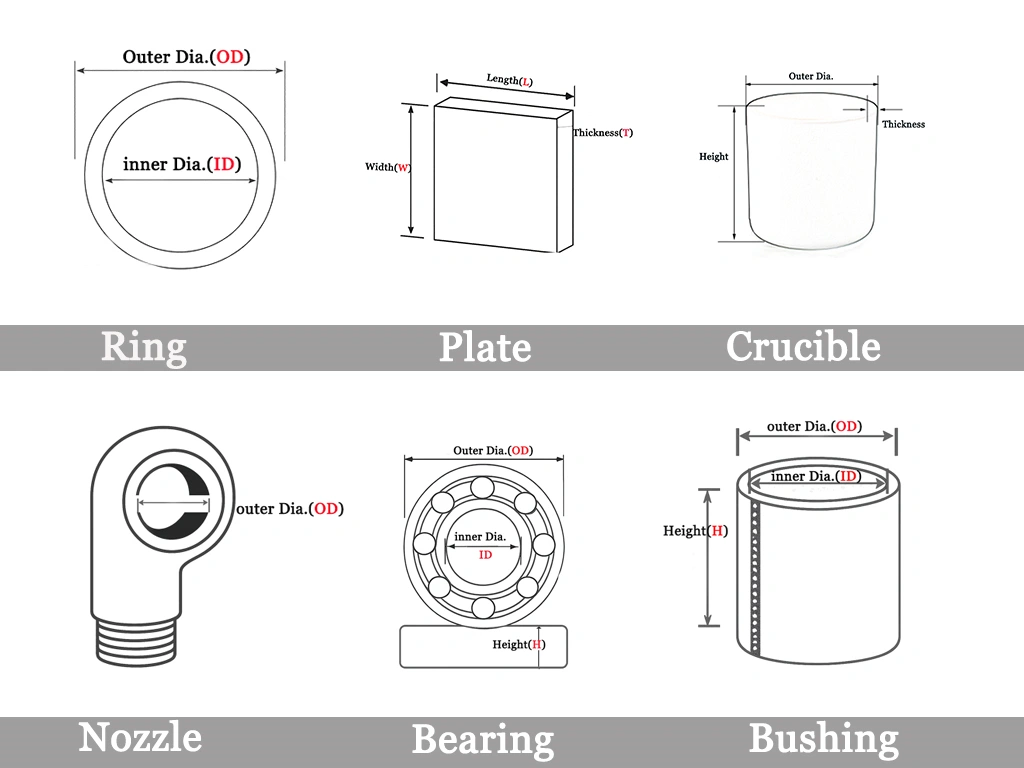
  • Dimensions & Tolerance: Define ID/OD/thickness according to your assembly. Typical tolerance ranges ±0.02–±0.10 mm depending on size and ring geometry.
  • Form & Accuracy: Specify roundness, concentricity, and end-face flatness to ensure sealing stability or nozzle alignment. Flatness and circularity can be verified on CMM or optical systems.
  • Edge Configuration: Options include chamfer (C0.1–C0.5 mm), R-edge (R0.1–R0.5 mm), or countersink for precise seating. Proper edge design minimizes chipping during press-fit or assembly.
  • Surface Finish: Choose between as-pressed, fine-lapped, or mirror-polished finishes. End-face Ra 0.2–0.8 µm is typical for sealing pairs; bore roughness can be tailored to sliding or static fit.
  • Counterpart Material Pairing: Select from SiC, Al₂O₃, or WC counterparts. Our engineers advise on friction coefficients, thermal compatibility, and expected wear rates for each combination.
  • Functional Details: Optional grooves or slots can be integrated for fluid passage, pressure balancing, or heat relief zones. These features are machined according to your flow or sealing design.

Related Products

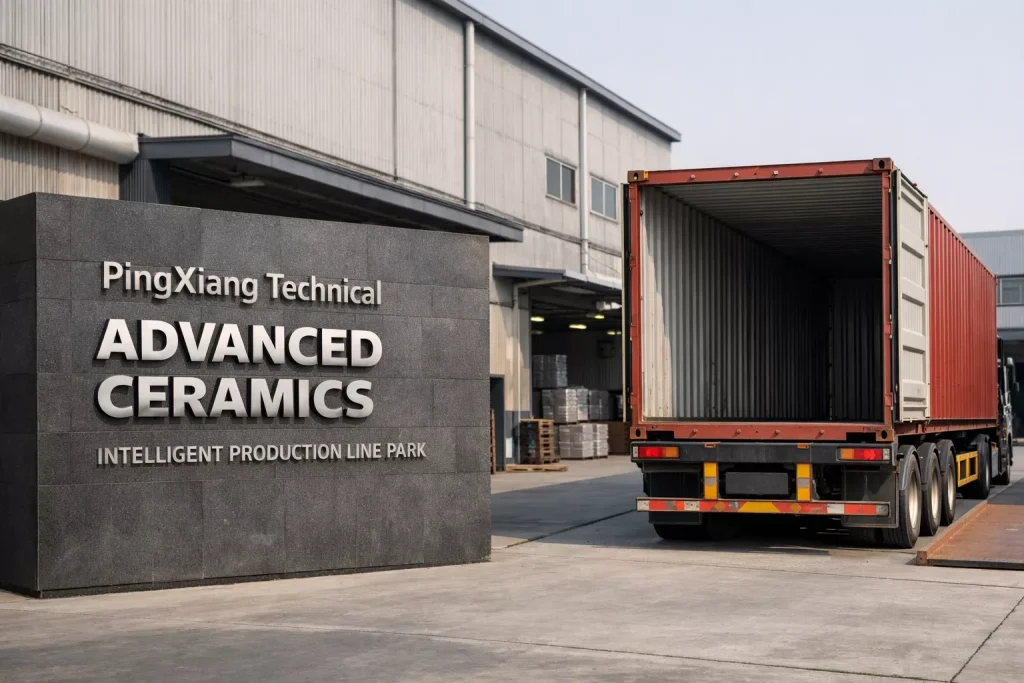
ADCERAX - Your Trusted Advanced Ceramics Manufacturing Partner

Direct factory manufacturing with comprehensive ceramic materials expertise and global supply capabilities

Direct Factory Manufacturing

China-based ceramic materials production facility with state-of-the-art equipment

Engineering Team

Experienced professionals in advanced ceramics applications and custom design

Quality Control

Strict quality control standards for technical ceramics manufacturing and quality management

Global Supply Chain

Serving customers worldwide with technical ceramics and rapid response

24/7 Technical Support

Round-the-clock support for ceramic components inquiries and technical assistance

500+ Satisfied Customers

Trusted by global customers for advanced ceramic materials and precision components

Get in touch with us

Our team will be happy to respond to you in less than 24 hours.

Adcerax's factory

Quick Quotation

*Our team will answer your inquiries within 24 hours.

*Your information will be kept strictly confidential.

Ready to Solve Your Engineering Challenge?

Partner with ADCERAX for reliable, high-performance advanced ceramic solutions. Our engineers are ready to discuss your project.

E-mail

info@adcerax.com

Phone

+(86) 0731-74427743 | WhatsApp: +(86) 19311583352

Response Time

Within 24 hours

Quick Quote

The more details you provide, the faster we can quote.

*We respond within 24 hours. All inquiries are confidential.

Download Catalog

Get Your Custom Sulution

The more details you provide, the faster we can respond.

customize size

*We respond within 24 hours. All inquiries are confidential.

Download Catalog