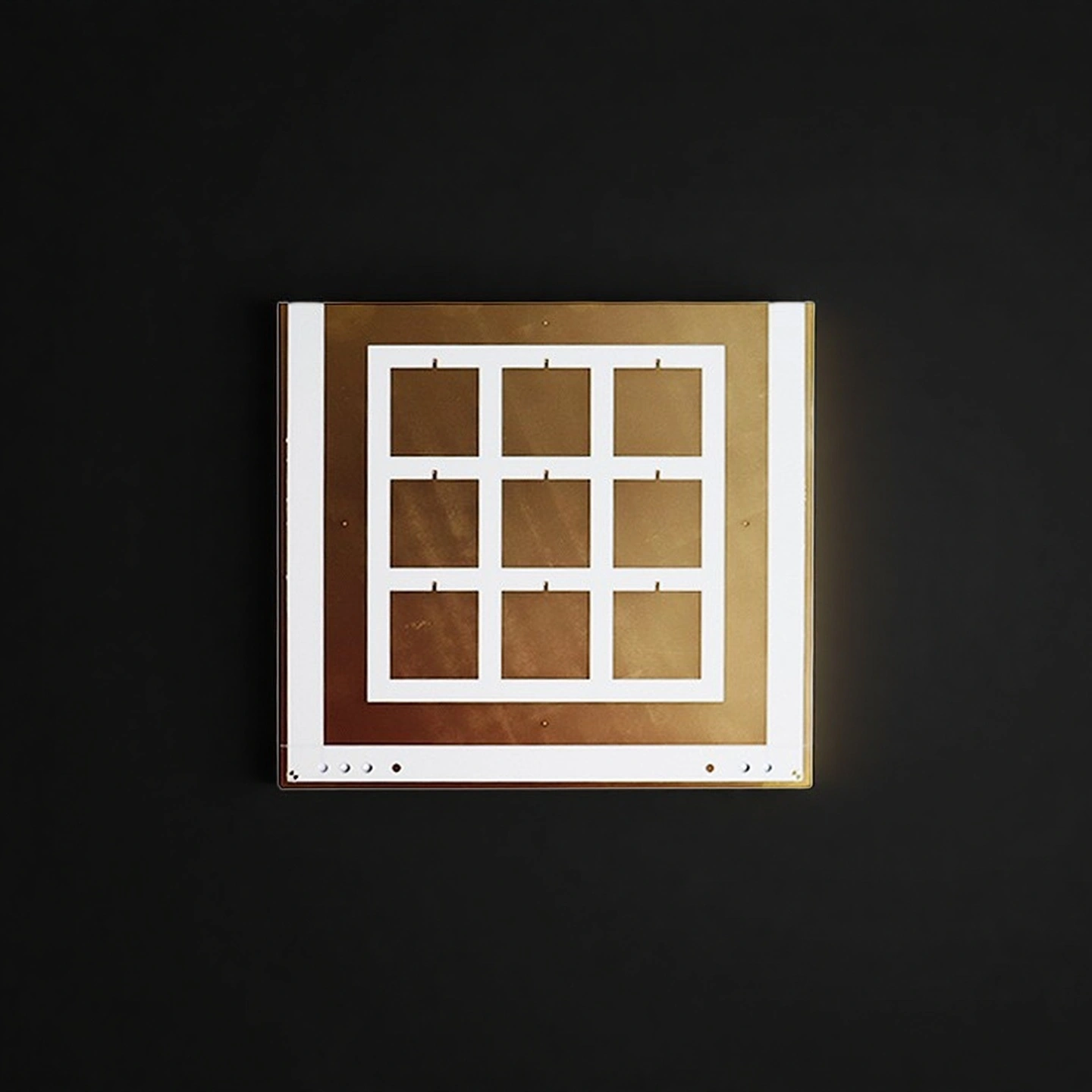
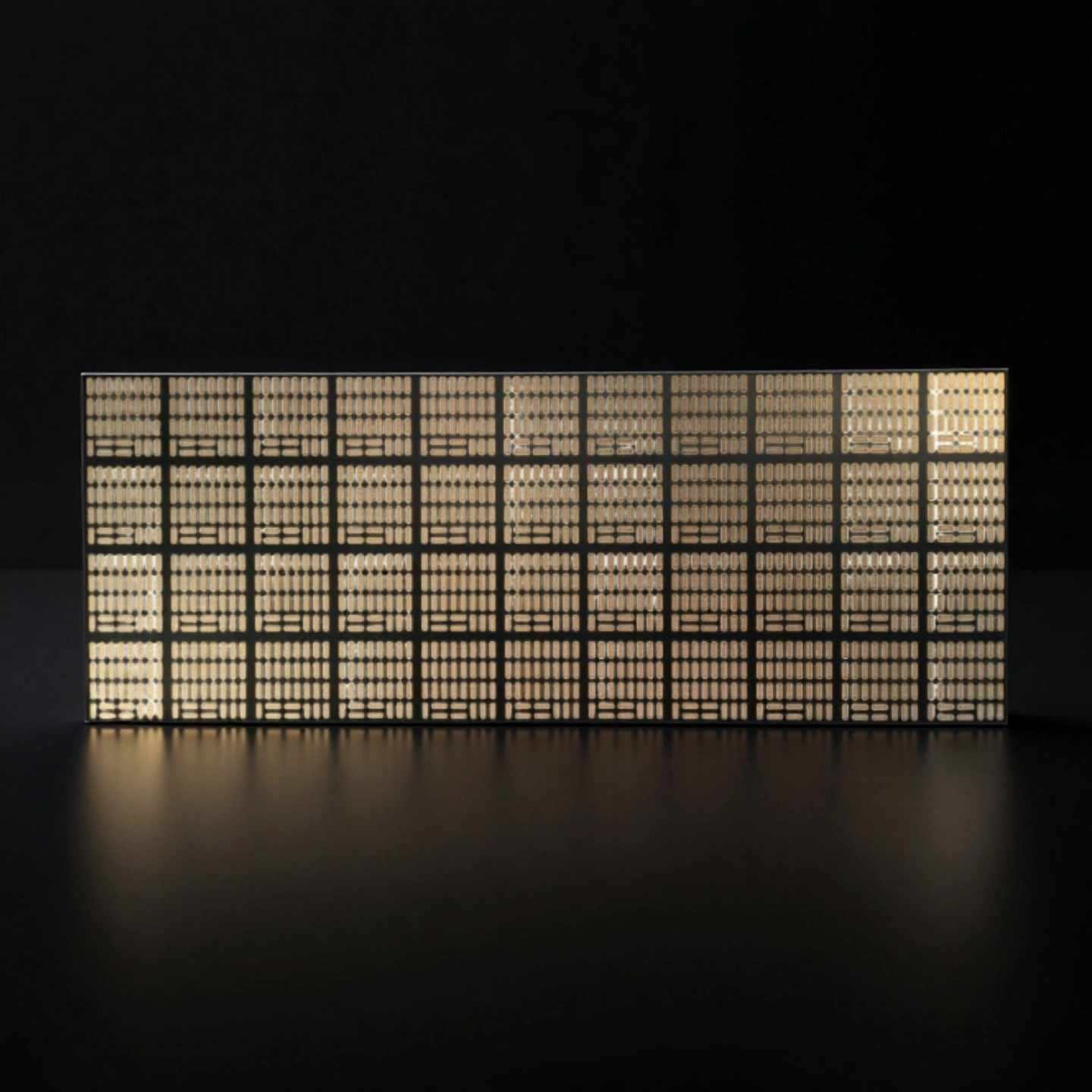
Alumina Metalized Ceramic Substrate for Power Electronics and RF Applications

Our alumina metalized ceramic substrates provide superior thermal management and electrical isolation for high-reliability electronics. Available with 96% or 99.6% Al₂O₃, these substrates are engineered for power modules, RF circuits, and automotive sensors. We offer full customization of metallization patterns (DPC, DBC, Thick Film) to your exact design specifications.

Catalog No. AT-DBC-C001
Material ≥ 96% Al2O3
Dielectric Strength ≥20 kV/mm
Flatness Tolerance ±0.1 mm
Dimensions/Sizes Download PDF
24H Standard Dispatch
Small Batch Support OEM
Factory Direct
Expert Engineering Support

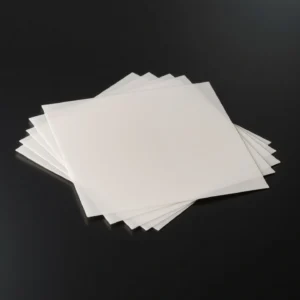
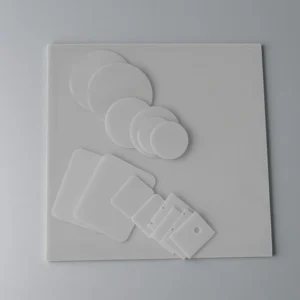
Metalized alumina substrate is a high-performance component used in electronics, as a small, flat tile made of alumina ceramic—a very hard, white material that is an excellent electrical insulator but also conducts heat well—onto which a thin layer of metal, usually copper, is bonded in a specific pattern, similar to the printed wires on a traditional circuit board.

Alumina Metalized Ceramic Substrate Benefits

  • Exceptional Thermal Dissipation: Constructed from 96% or 99.6% purity alumina (Al₂O₃), our substrates conduct heat away from critical components like IGBTs and LEDs, preventing thermal failure and extending device lifespan.
  • Stable Electrical Performance: The high dielectric strength and low dielectric loss of alumina ensure reliable electrical isolation at high voltages and maintain signal integrity in high-frequency RF applications.
  • Strong Metallization Adhesion: Utilizing advanced metallization processes (DBC, DPC, Thick Film), the copper and refractory metal layers form a permanent bond with the ceramic, withstanding severe thermal cycling and mechanical stress without delamination.
  • Precision Patterning: Laser processing and photolithography enable circuit trace and space resolution down to 30μm, facilitating the design of dense and complex electronic modules


Metalized Alumina Substrate Properties

Property Unit 99.7% Al₂O₃ 99.5% Al₂O₃ 99% Al₂O₃ 96% Al₂O₃
Color   Ivory White Ivory White Ivory White Ivory White
Density g/cm³ 3.94 3.9 3.83 3.6-3.75
Water Absorption % 0 0 0 0
Hardness Mohs Hardness 9.1 9 9 8.8
Flexural Strength (20°C) Mpa 330 320 300 260
Compressive Strength (20°C) Mpa 2300 2300 2210 1910
Maximum Operating Temperature °C 1730 1700 1680 1450
Thermal Expansion Coefficient(25°C to 800°C) 10⁻⁶/°C 7.6 7.6 7.6 7.6
Thermal Conductivity (25°C) W/(m·K) 29 27 24 22
Dielectric Strength (5mm thickness) AC-kv/mm 22 21 19 15
Dielectric Loss at 25°C@1MHz --- < 0.0001 < 0.0001 0.0003 0.0004
Dielectric Constant at 25°C@1MHz --- 9.8 9.7 9.5 9.2
Volume Resistivity (20°C) Ω·cm³ >10¹⁴ >10¹⁴ >10¹⁴ >10¹⁴
Volume Resistivity (300°C) Ω·cm³ 2*10¹² 2*10¹² 4*10¹¹ 2*10¹¹


Al2O3 Metalized Ceramic Substrate Specifications

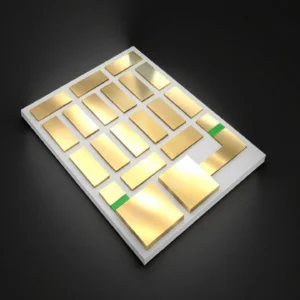
Type 1: Rectangle Alumina Metalized Ceramic Substrate

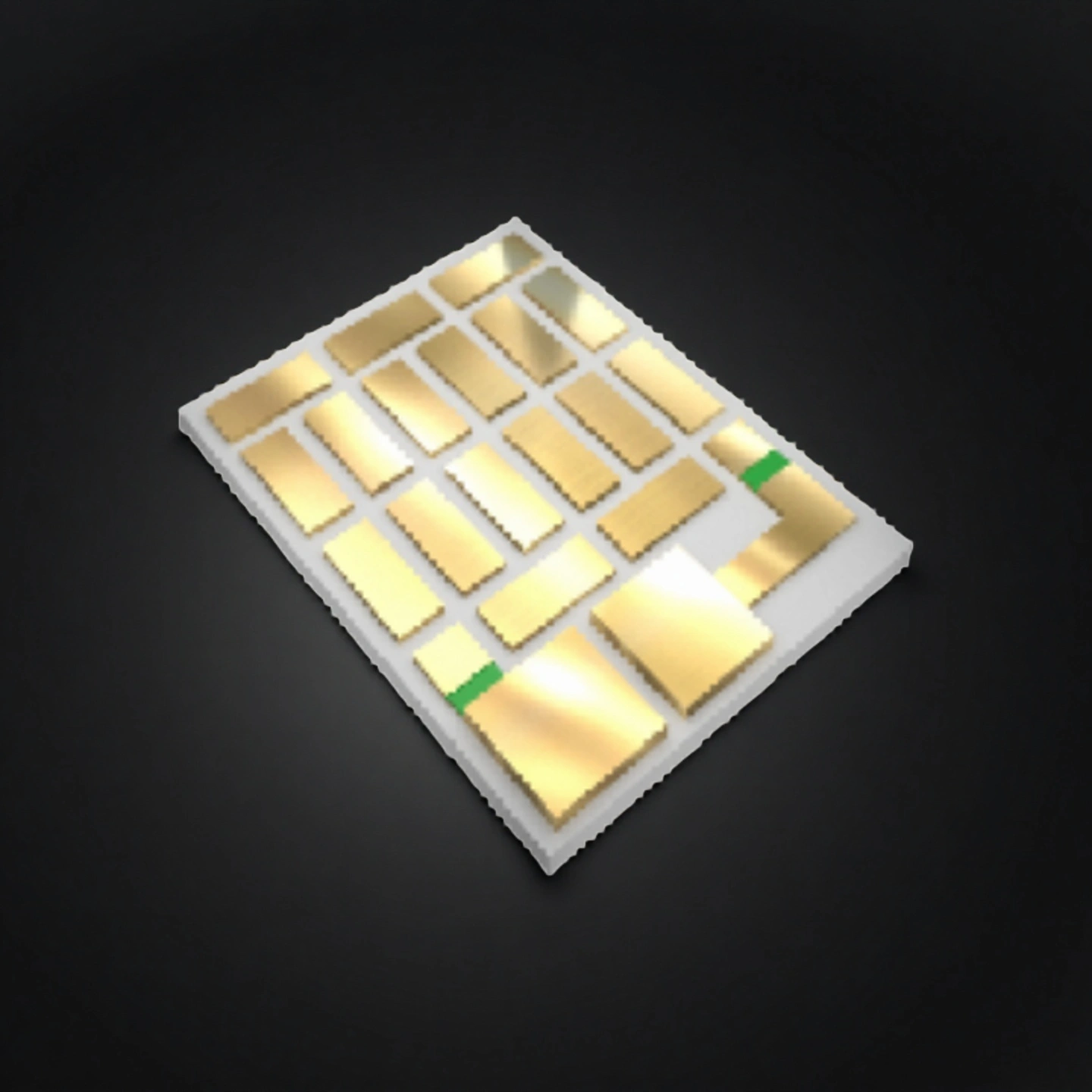
Top View of Alumina Metalized Ceramic Substrate

Rectangle Alumina Metalized Ceramic Substrate
Item No. Length(mm) Width(mm) Thickness(mm) Copper foil thickness (mm) Copper clad thickness(mm) Purity(%)
AT-DBC-C001 10 5 0.25 0.1-0.6 0.075-0.1 96-99.7
AT-DBC-C002 18 11 0.25 0.1-0.6 0.075-0.1 96-99.7
AT-DBC-C003 20 15 0.38 0.1-0.6 0.075-0.1 96-99.7
AT-DBC-C004 28 9 0.635 0.1-0.6 0.075-0.1 96-99.7
AT-DBC-C005 32 24 0.55 0.1-0.6 0.075-0.1 96-99.7
AT-DBC-C006 55 30 6 0.1-0.6 0.035 96
AT-DBC-C007 70 52 0.76 0.1-0.6 0.075-0.1 96-99.7
AT-DBC-C008 84 35 1 0.1-0.6 0.075-0.1 96-99.7
AT-DBC-C009 103 90 0.635 0.1-0.6 0.075-0.1 96-99.7
AT-DBC-C010 127 105 2 0.1-0.6 0.075-0.1 96-99.7
AT-DBC-C011 156 84 3 0.1-0.6 0.075-0.1 96-99.7
AT-DBC-C012 178 138 5 0.1-0.6 0.075-0.1 96-99.7
AT-DBC-C013 188 138 4.6 0.1-0.6 0.075-0.1 96-99.7


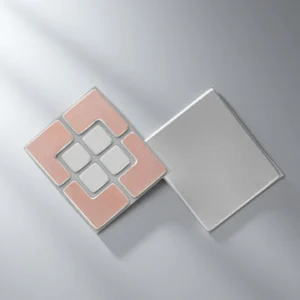
Type 2: Square Alumina Metalized Ceramic Substrate
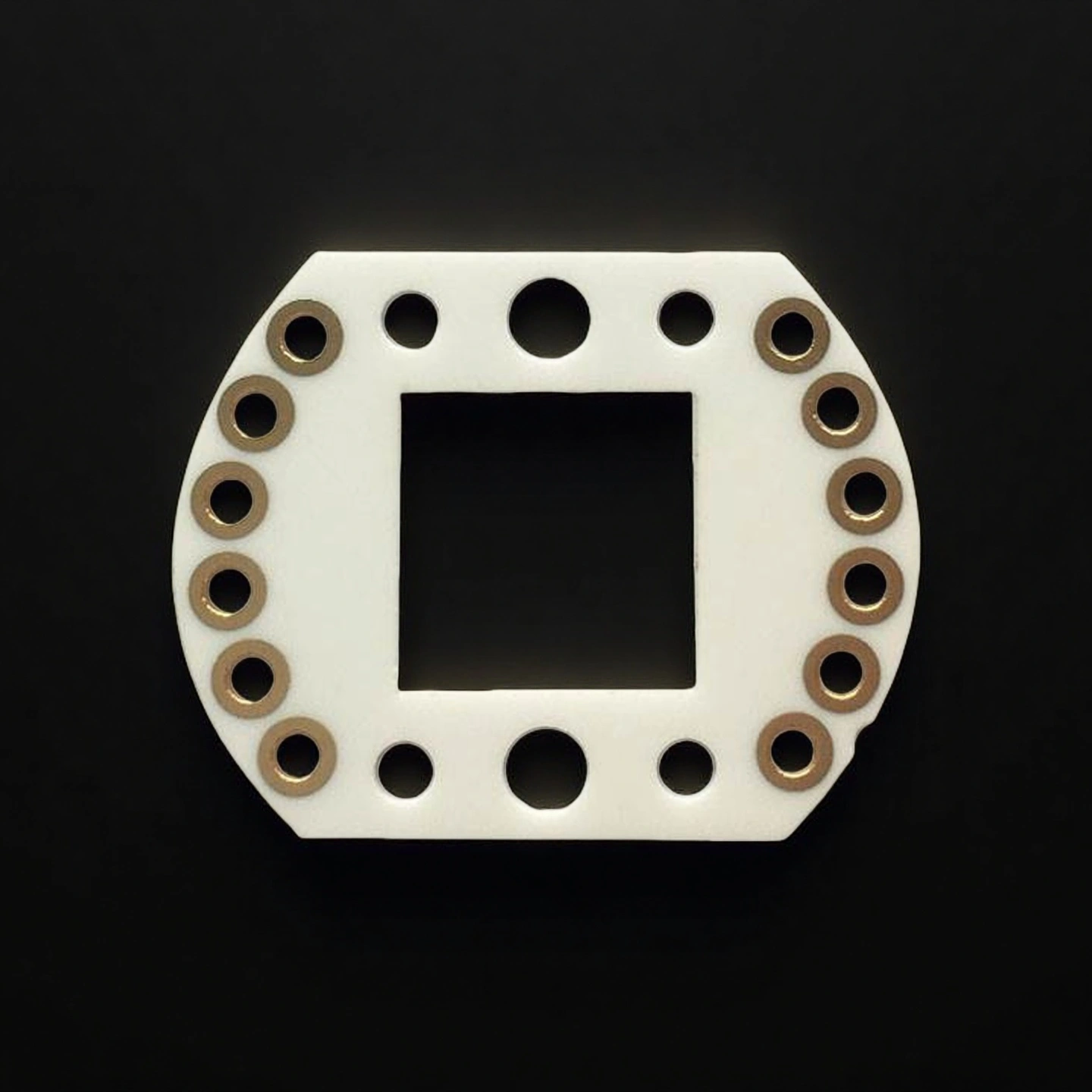
Detailed MoMn Coating on Ceramic Disk

Square Alumina Metalized Ceramic Substrate
Item No. Length(mm) Width(mm) Thickness(mm) Copper foil thickness (mm) Copper clad thickness(mm) Purity(%)
AT-DBC-Z001 10 10 0.25 0.1-0.6 0.075-0.1 96-99.7
AT-DBC-Z002 15 15 0.25 0.1-0.6 0.075-0.1 96-99.7
AT-DBC-Z003 18 18 0.25 0.1-0.6 0.075-0.1 96-99.7
AT-DBC-Z004 25 25 0.38 0.1-0.6 0.075-0.1 96-99.7
AT-DBC-Z005 31.5 31.5 0.635 0.1-0.6 0.075-0.1 96-99.7
AT-DBC-Z006 33 33 0.76 0.1-0.6 0.075-0.1 96-99.7
AT-DBC-Z007 40 40 0.76 0.1-0.6 0.075-0.1 96-99.7
AT-DBC-Z008 60 60 1 0.1-0.6 0.075-0.1 96-99.7
AT-DBC-Z009 72 72 1 0.1-0.6 0.075-0.1 96-99.7
AT-DBC-Z010 100 100 3 0.1-0.6 0.075-0.1 96-99.7
AT-DBC-Z011 127 127 1 0.1-0.6 0.035 99.7
AT-DBC-Z012 138 138 5 0.1-0.6 0.075-0.1 96-99.7


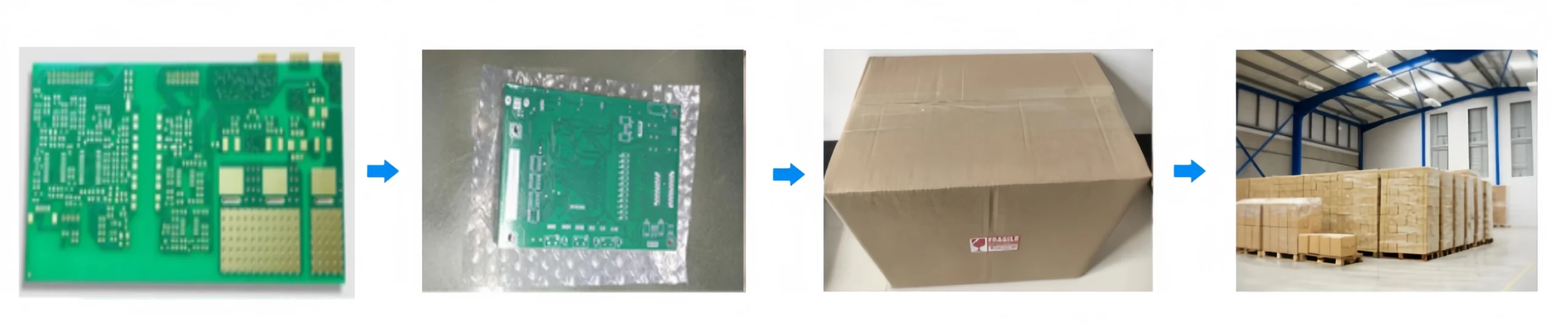
Metalized Alumina Substrate Packaging

  • Each metalized ceramic part is sealed, packed, and placed in anti-static trays with moisture-proof bags. Shock-resistant outer cartons ensure integrity during transport.

Metalized Alumina Substrate Packaging


Al2O3 Metalized Ceramic Substrate Applications

  • Power Electronics: Enhancing Reliability in EV Inverters & Power Supplies

    ✅ Key Advantages

    1. Superior Thermal Cycling Reliability: Withstands over 3,000 thermal cycles (-40°C to 150°C) due to a strong Mo/Mn metallization bond strength exceeding 80 MPa.
    2. High Voltage Isolation: The substrate's dielectric strength of >20 kV/mm prevents electrical arcing in modules operating at voltages up to 1700V.
    3. Optimized Heat Dissipation: A thermal conductivity of >20 W/m·K effectively transfers heat from the semiconductor junction to the heat sink, lowering operating temperatures.

    ✅ Problem Solved

    An automotive Tier 1 supplier faced a 3% field failure rate in their EV traction inverters due to substrate delamination after approximately 2,500 power cycles. By switching to our 96% alumina DBC substrate with a certified bond strength of >100 MPa, they eliminated this failure mode. This change increased the inverter's projected service life by 40% and reduced warranty claim costs significantly, validating the substrate's performance in demanding automotive environments.

  • RF & Microwave: Ensuring Signal Integrity in Amplifiers & Transceivers

    ✅ Key Advantages

    1. Low Signal Loss at High Frequencies: A low dielectric loss tangent (tanδ) of <0.0005 at 10 GHz minimizes signal attenuation in RF circuits.
    2. Precise Circuit Patterning: Photolithography enables DPC trace width and spacing tolerances down to ±15μm, ensuring accurate impedance control for 50Ω lines.
    3. Stable Dielectric Constant: The stable dielectric constant (εr ≈ 9.8) across a wide temperature range prevents frequency drift in oscillators and filters.

    ✅ Problem Solved

    A 5G equipment manufacturer experienced inconsistent performance in their power amplifiers, traced to impedance variations in their previous substrates. By adopting our 99.6% alumina DPC substrates with a polished surface (Ra < 0.1μm) and verified ±15μm trace tolerance, they achieved a 99.8% pass rate in final testing. This precision eliminated the need for manual tuning, reducing production time per unit by 15 minutes and improving overall signal quality.

  • High-Power LEDs: Maximizing Light Output & Lifespan in Industrial Lighting

    ✅ Key Advantages

    1. Efficient Chip-Level Heat Spreading: The substrate's thermal conductivity directly pulls heat from the LED die, reducing junction temperature by up to 20°C compared to MCPCBs.
    2. High Reflectivity for Increased Output: A specialized white mask or silver (Ag) plating can achieve >95% reflectivity, increasing the module's lumen output by 5-8%.
    3. Resistance to UV Degradation: The inherent chemical stability of alumina prevents the yellowing and degradation that occurs in organic substrates under intense UV-C exposure.

    ✅ Problem Solved

    A manufacturer of UV-C water purification systems found their MCPCB-based LED modules lost 30% of their germicidal effectiveness after 5,000 hours due to substrate degradation. They transitioned to our 96% alumina substrates with a quartz lid. The new design maintained 95% of its initial UV output after 10,000 hours. This doubled the system's effective service interval and provided a more reliable sterilization performance for their clients in the municipal water treatment sector.

Metalized Alumina Substrate Usage Instructions

  • Receiving and Storage

    1. Initial Inspection: Upon receipt, inspect the vacuum-sealed packaging for any breaches. A compromised seal could expose substrates to humidity and contaminants.
    2. Environment: Store substrates in their original, unopened anti-static packaging within a controlled environment. The ideal conditions are a temperature of 20-25°C (68-77°F) and a relative humidity of less than 60%.
    3. Avoid Contaminants: Keep the storage area free from dust, sulfur compounds, and other airborne contaminants that can degrade the solderability of the metal surface, especially for silver (Ag) and copper (Cu) finishes.
    4. Shelf Life: For optimal solderability, it is recommended to use substrates with Ni/Au plating within 12 months and those with Ag or bare Cu finishes within 6 months of the manufacturing date.

  • Handling and Preparation

    1. Use Personal Protective Equipment (PPE): Always handle substrates by their edges using powder-free nitrile gloves or finger cots. Bare hands can transfer oils, salts, and moisture, which will interfere with soldering and wire bonding, creating weak points in the assembly.
    2. Mechanical Stress: Alumina is a brittle material. Never flex, bend, or drop the substrates. Use padded trays for transportation within the facility. Avoid placing tools or other objects on top of the substrates.
    3. Pre-Assembly Cleaning (If Necessary): If you suspect surface contamination, a pre-assembly cleaning step can be performed. Use high-purity (>99.5%) Isopropyl Alcohol (IPA) and a lint-free wipe. For high-reliability applications like RF or medical, a brief bake-out (e.g., 125°C for 1-2 hours) can be performed to drive off any absorbed moisture before assembly.

  • Assembly and Soldering

    1. Solder Paste Application: Use a stencil designed for ceramic substrates. The stencil aperture may need to be adjusted slightly compared to FR-4 boards to account for the different surface tension properties. Ensure uniform paste deposition.
    2. Component Placement: Use automated pick-and-place equipment with appropriate force settings to avoid micro-cracking the ceramic substrate. The fiducial marks on the substrate will aid in precise alignment.
    3. Reflow Soldering Profile: This is the most critical step.Ramp Rate: Use a controlled pre-heat ramp rate, typically 1-2°C per second. A rapid temperature change can induce thermal shock and crack the ceramic.
    a. Soak/Pre-heat: A proper soak period is essential to activate the solder flux and ensure the entire assembly, including the thermally conductive substrate, reaches a uniform temperature before reflow.
    b. Peak Temperature: Adhere to the solder paste manufacturer's recommended peak temperature.
    c. Cool-Down: The cool-down rate should also be controlled (typically < 3°C per second) to minimize stress from the Coefficient of Thermal Expansion (CTE) mismatch between the ceramic, metal layers, and components.

  • Post-Assembly Cleaning and Inspection

    1. Flux Removal: If using a flux that requires cleaning, use a manufacturer-approved solvent and process. Be cautious with aggressive ultrasonic cleaning methods, as the high-frequency vibrations can potentially propagate micro-cracks in the ceramic or weaken the metallization-to-ceramic bond. A spray-under-immersion or directed spray is often a safer alternative.

    2. Inspection: Use automated optical inspection (AOI) or microscopy to check for proper solder fillet formation, component alignment, and any signs of damage to the substrate. Pay close attention to the edges and corners for any chipping that may have occurred during handling.

Metalized Alumina Substrate FAQ

  1. Q: Can I request a ceramic substrate with partial plating only?
    A: Yes, we support partial Mo/Mn or Ni plating based on your design, e.g., sidewall or top-surface only.
  2. Q: What is the standard plating thickness for metallization?
    A: Mo/Mn layer thickness ranges from 5–10μm, followed by 5–7μm Ni or Ag, depending on soldering requirement.
  3. Q: What’s the difference between a ceramic ring and a ceramic disk metalized?
    A: Disks are flat with plating options on either Face; rings offer an internal hollow space for electrode combinations.
  4. Q: Does the substrate resist thermal cycling between 25°C and 250°C?
    A: Yes, the alumina base + metallization is engineered for thermal resistivity and stable expansion rates.

  5. Q: What is the difference between DBC, DPC, and Thick Film metallization?
    A: DBC (Direct Bonded Copper) involves bonding thick copper foil directly to the alumina at high temperature, offering the best thermal performance. DPC (Direct Plated: Copper) uses sputtering and plating to create thinner, more precise traces for high-frequency applications. Thick Film involves screen-printing a metal paste (like Mo/Mn) and firing it, a cost-effective process for complex circuits.
  6. Q: What is the maximum operating temperature for an alumina metalized substrate?
    A: The alumina ceramic itself can withstand over 1000°C. However, the operational temperature is limited by the metallization and the components attached. For copper-metallized substrates, continuous operation is typically rated up to 250-300°C, considering the CTE mismatch between copper and ceramic.
  7. What causes delamination on a metallized substrate?
    A: Delamination is the separation of the metal layer from the ceramic. It is often caused by poor process control during manufacturing, contaminants on the ceramic surface, or extreme thermal shock that exceeds the bond strength of the interface.

What Our Clients Say about Metalized Alumina Substrate

  • ⭐️⭐️⭐️⭐️⭐️
    The thermal resistance was 15% lower than our previous solution, and we have seen zero bond failures after 12 months of rigorous field testing in our EV charging modules. The DBC alumina substrates were a game-changer for our thermal management and reliability issues.
    -- Dr Markus Wagner (Lead Hardware Engineer, A-Power Systems GmbH)
  • ⭐️⭐️⭐️⭐️⭐️
    The lot-to-lot consistency of the DPC alumina substrates is exceptional. The tight dimensional control (±15μm) allowed us to move from prototype to mass production for our 28 GHz transceivers without redesigning our matching networks, saving us at least six weeks on our project timeline.
    -- Sarah Chen (RF Engineering Manager, Commsys Inc.)
  • ⭐️⭐️⭐️⭐️⭐️
    Using these metallized alumina substrates provided a direct thermal path that reduced our LED junction temperatures by an average of 18°C compared to the high-end MCPCBs we were using. This allowed us to confidently offer a 5-year, 24/7 operation warranty for our industrial fixtures.
    -- David Miller (Head of Product Development, Lumina Industrial Solutions)
  • ⭐️⭐️⭐️⭐️⭐️
    We required a substrate for our industrial gas sensors that could operate reliably in a corrosive, high-temperature environment. The chemical inertness and hermetic seal provided by the metallized alumina substrate have been critical. Our sensor drift has been reduced by 25% over 5,000 hours of operation.
    -- Kenji Tanaka (Senior Sensor Designer, H-Sensortechnik)
customize size

Customize Alumina Metalized Substrates

We manufacture alumina metalized substrates based on your specific engineering drawings and requirements. Our process control allows for precise customization of every critical parameter. What You Can Specify:
  • Material: Alumina (Al₂O₃) purity of 96% – 99.7%.
  • Dimensions: Custom shapes and sizes with dimensional tolerances as tight as ±0.05mm.
  • Thickness: Substrate thickness from 0.25mm to 2.0mm.
  • Metallization Process: Direct Bonded Copper (DBC), Direct Plated Copper (DPC), Thick Film Printing (Mo/Mn, W).
  • Metallization Layers: Copper (Cu) thickness from 18µm to 300µm. Surface plating options include Nickel (Ni), Gold (Au), or Silver (Ag).
  • Features: Laser-drilled vias (through-holes), castellations (edge plating), scored break lines, and laser-etched part numbers.
  • Surface Finish: As-fired, lapped, or polished surfaces to meet specific roughness (Ra) requirements.

Related Products

ADCERAX - Your Trusted Advanced Ceramics Manufacturing Partner

Direct factory manufacturing with comprehensive ceramic materials expertise and global supply capabilities

Direct Factory Manufacturing

China-based ceramic materials production facility with state-of-the-art equipment

Engineering Team

Experienced professionals in advanced ceramics applications and custom design

Quality Control

Strict quality control standards for technical ceramics manufacturing and quality management

Global Supply Chain

Serving customers worldwide with technical ceramics and rapid response

24/7 Technical Support

Round-the-clock support for ceramic components inquiries and technical assistance

500+ Satisfied Customers

Trusted by global customers for advanced ceramic materials and precision components

Get in touch with us

Our team will be happy to respond to you in less than 24 hours.

Adcerax's factory

Quick Quotation

*Our team will answer your inquiries within 24 hours.

*Your information will be kept strictly confidential.

Ready to Solve Your Engineering Challenge?

Partner with ADCERAX for reliable, high-performance advanced ceramic solutions. Our engineers are ready to discuss your project.

E-mail

info@adcerax.com

Phone

+(86) 0731-74427743 | WhatsApp: +(86) 19311583352

Response Time

Within 24 hours

Quick Quote

The more details you provide, the faster we can quote.

*We respond within 24 hours. All inquiries are confidential.

Download Catalog

Get Your Custom Sulution

The more details you provide, the faster we can respond.

customize size

*We respond within 24 hours. All inquiries are confidential.

Download Catalog