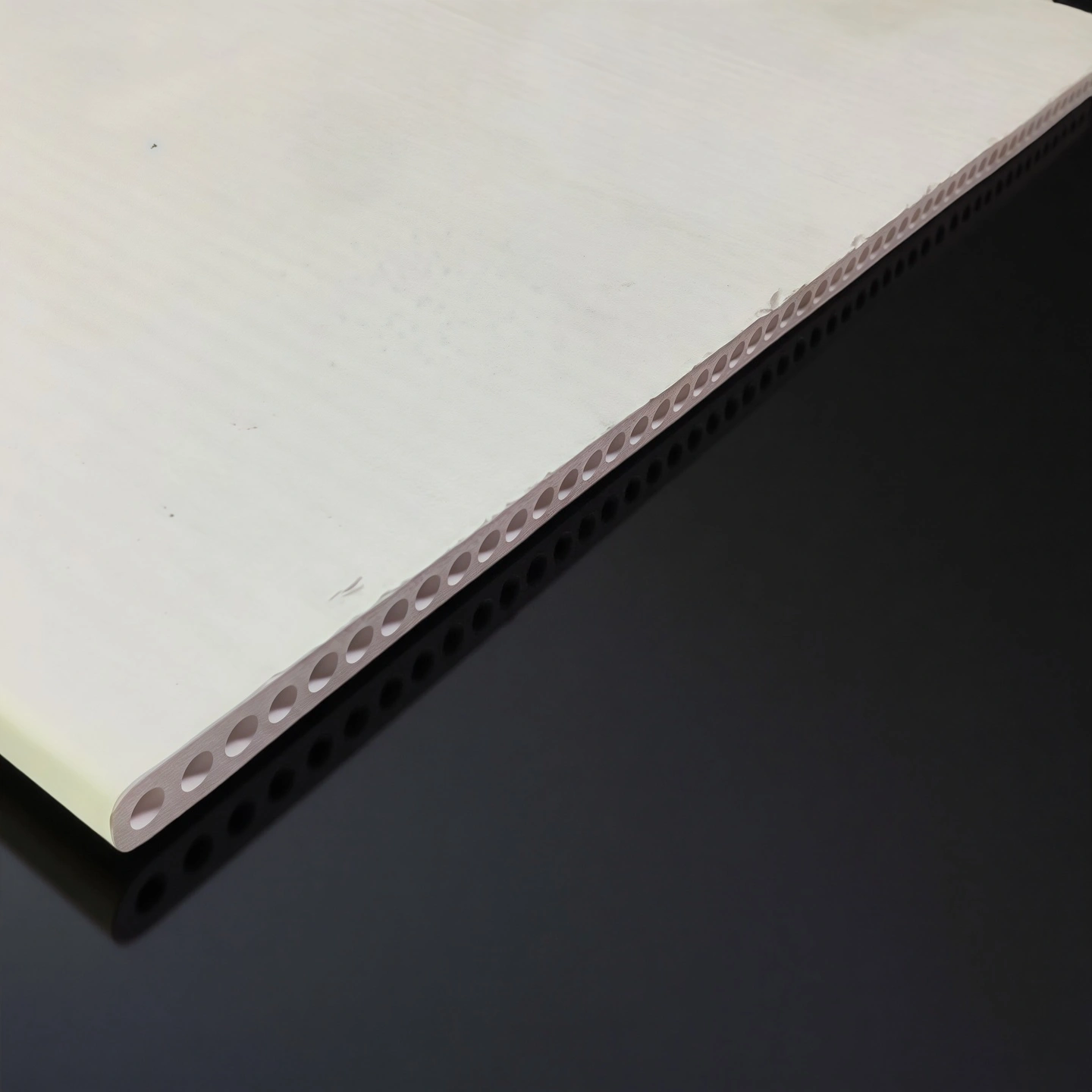
Alumina Ceramic Filtration Module for Industrial & Process Water Treatment

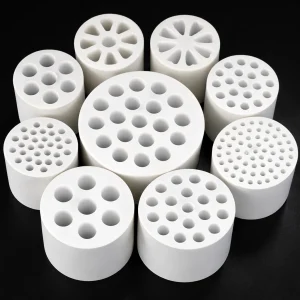
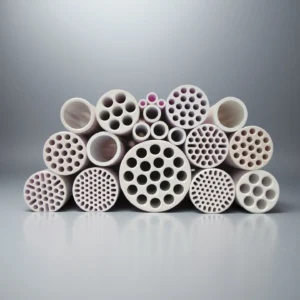
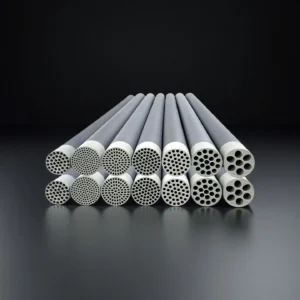
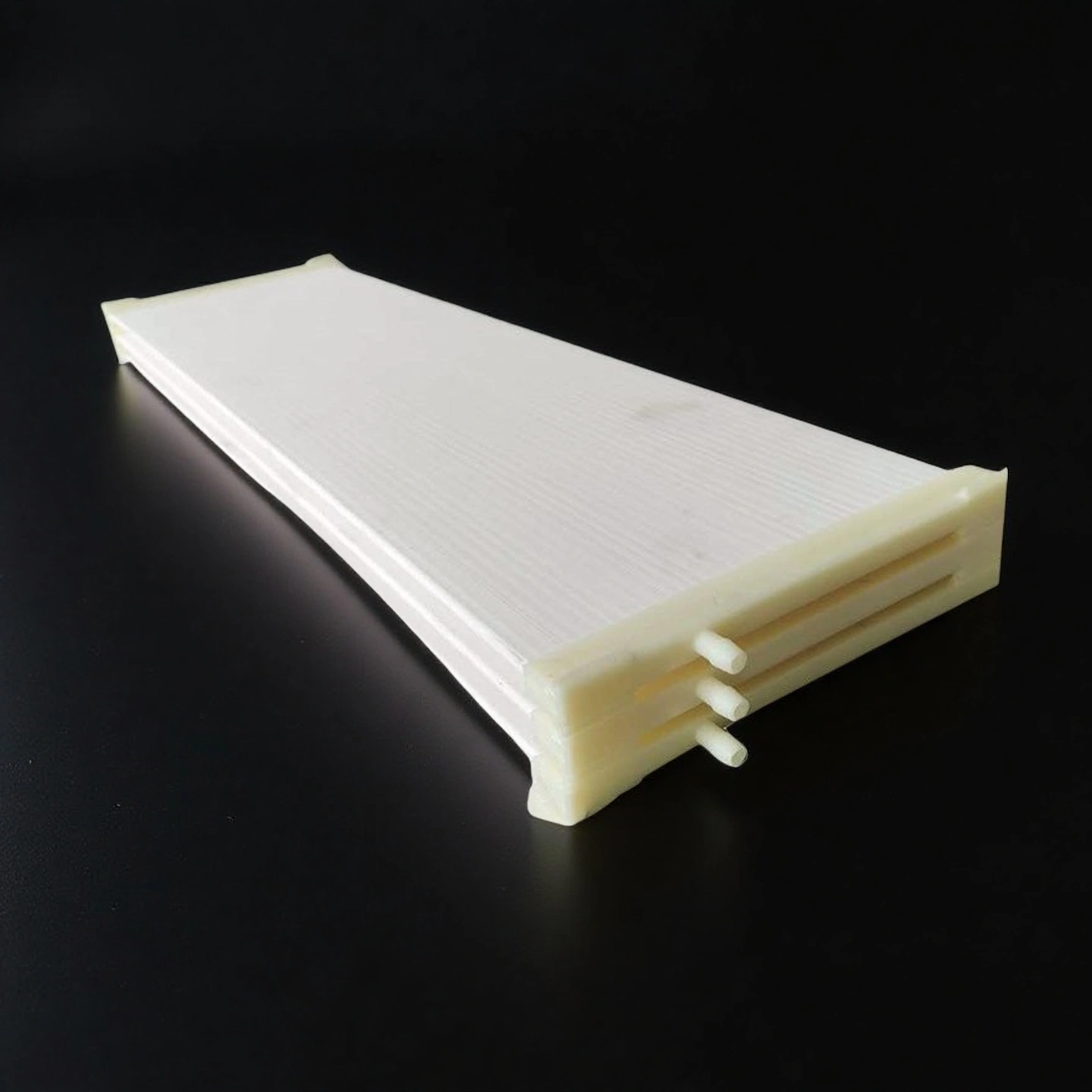
An Alumina Ceramic Filtration Module is a multichannel tubular membrane element made from high-purity alumina, designed for crossflow microfiltration and ultrafiltration of industrial, municipal and process liquids. Modules are available in several outer diameters, lengths up to typical industrial standards, and multiple channel configurations, and can be customized to match existing housings and skid layouts.

Catalog No. AT-YHL-GL001
Material ≥ 96% Al2O3
Pore Size Options 20nm – 200nm
Operating Temperature  ≤1200°C
Operating pH range pH 2–12 (short-term cleaning pH 0–14)
24H Standard Dispatch
Small Batch Support OEM
Factory Direct
Expert Engineering Support

An Alumina Ceramic Filtration Module is a multichannel tubular membrane made from high-purity alumina for microfiltration or ultrafiltration. It filters liquids by allowing permeate through the porous membrane while retaining solids or oil. Its strength and tolerance to wide pH and high-temperature cleaning make it suitable for demanding industrial and municipal filtration.

Alumina Ceramic Filtration Module Benefits

  • Multichannel tubular design
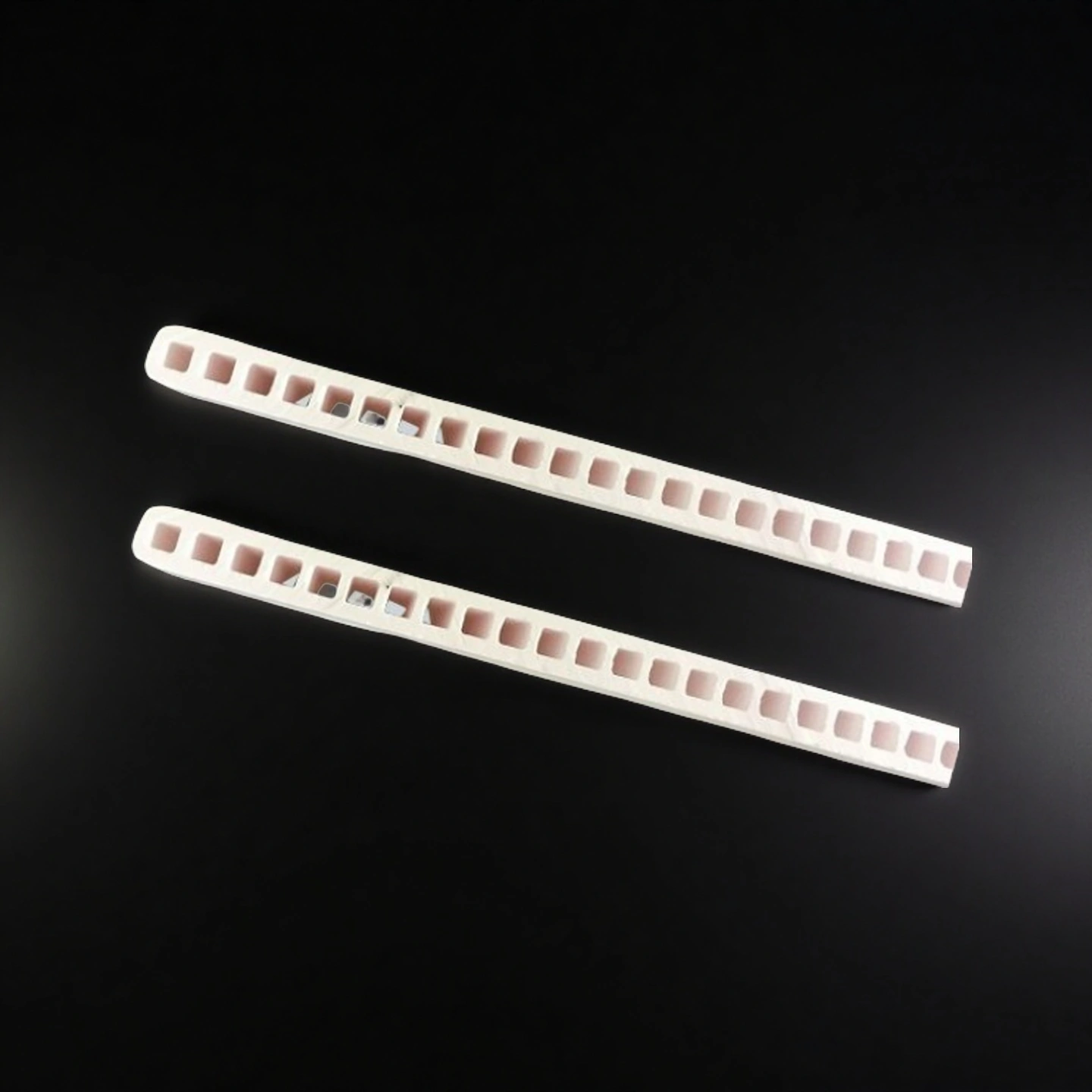
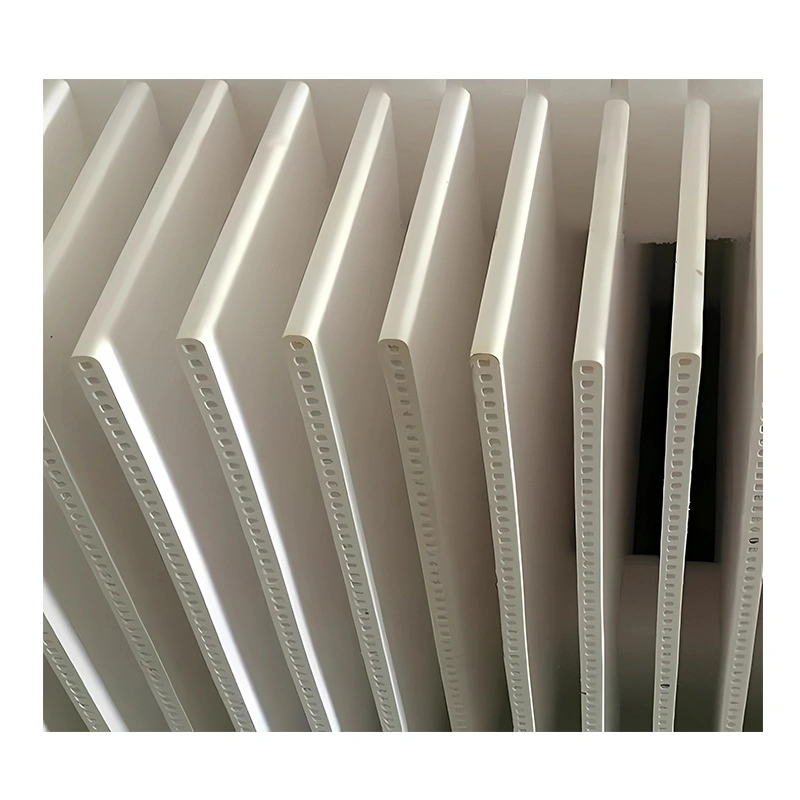
    The module uses a multichannel alumina ceramic support to deliver a highly effective membrane area in a compact footprint, allowing higher system capacity per housing and per skid.

  • High mechanical strength under pressure and temperature cycling
    The dense alumina body tolerates repeated start–stop cycles, high crossflow velocities and frequent CIP without deformation, reducing the risk of element breakage in demanding plants.

  • Stable permeate performance in high-fouling feeds
    The ceramic membrane structure maintains stable flux in feeds containing suspended solids, oil droplets or colloids, with good flux recovery after chemical or backflush cleaning.

  • Compatibility with aggressive cleaning regimes
    The alumina membrane tolerates oxidizing agents and wide pH cleaning sequences, enabling more intensive cleaning programs and extended operating life compared with many polymeric membranes.

  • Interface-ready module ends
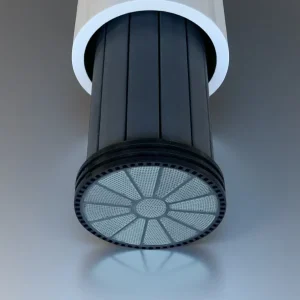
    End designs can be supplied to match standard clamp, flange or potting arrangements, simplifying drop-in replacement of existing membrane elements in OEM or retrofit systems.


Alumina Ceramic Filtration Module Properties

Property Unit 99.5% Al₂O₃ 99.6% Al₂O₃ 99.7% Al₂O₃ 99.8% Al₂O₃ 99.9% Al₂O₃ 99.99% Al₂O₃
Alumina content % 99.5 99.6 99.7 99.8 99.9 99.99
Density g/cm³ 3.89 3.91 3.92 3.93 3.94 3.98
Open porosity % 0
Color Ivory Ivory Ivory Ivory Ivory Ivory
Water absorption % 0 0 0 0 0
Young’s modulus (Elastic modulus) GPa 375 356 357 358 359 362
Shear modulus GPa 152
Bulk modulus GPa 228
Poisson’s ratio 0.22
Compressive strength MPa 2600 2552 2554 2556 2558 2570
Flexural strength MPa 379 312 313 314 315 320
Fracture toughness MPa·m¹ᐟ² 4
Hardness GPa 14.1 (≈1440 kg/mm²) 23 24 25 26 30
Thermal conductivity W/m·K 35 32–37 33–38 34–39 35–40 36–42
Thermal shock resistance ΔT °C 222 223 224 225 228
Maximum use temperature (no load) °C ≤1750 1755 1760 1765 1770 1800
Coefficient of thermal expansion 10⁻⁶/°C 8.4
Specific heat J/kg·K 880
Volume resistivity Ω·cm >1×10¹⁴ >1×10¹⁴ >1×10¹⁴ >1×10¹⁴ >1×10¹⁴ >1×10¹⁴
Dielectric constant (relative permittivity) 9.8 9.83 9.84 9.85 9.86 9.92
Dielectric strength kV/mm 16.9 23.2 23.4 23.6 23.8 24
Dissipation factor (loss factor @ 1 kHz) 0.0002


Aluminium Oxide Ceramic Filtration Module Specifications

Alumina Ceramic Filter
Item No. Length*Width*Height(mm) Quantities(pcs) Membrane area(㎡) Water production(m3/d) Weight(kg)
AT-YHL-GL001 300*320*1200 10 2.5 2-5 15
AT-YHL-GL002 720*570*450 34 6 7-14 32
AT-YHL-GL003 720*570*600 68 12 8-10 64
AT-YHL-GL004 920*320*1800 50 25 15-35 200
AT-YHL-GL005 1720*320*1800 100 50 3-70 310
AT-YHL-GL006 1720*720*1800 200 100 60-140 630
AT-YHL-GL007 1720*720*3250 400 200 120-280 1185


Al2O3 Ceramic Filtration Module Packaging

  • Each Alumina Ceramic Filtration Module is wrapped in soft protective material to prevent abrasion, then fixed in a robust inner box to control movement during transport.
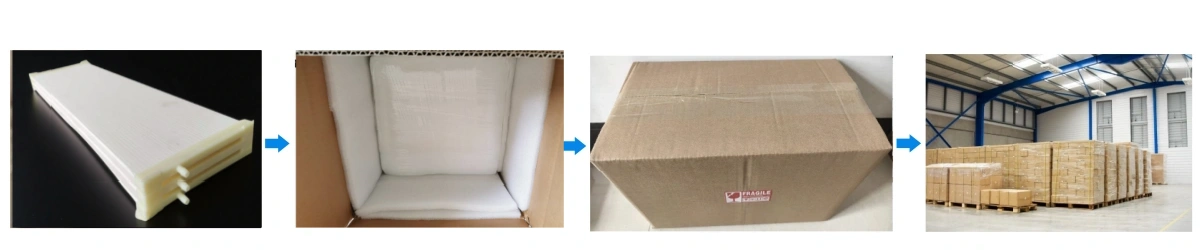

Al2O3 Ceramic Filtration Module Packaging

Alumina Ceramic Filtration Module Applications

  • Industrial & Municipal Wastewater Reuse

    ✅Key Advantages

    1. High-flux clarification in compact footprints – Multichannel alumina ceramic membrane modules can achieve high design flux in secondary effluent polishing, allowing smaller racks compared with conventional sand filters or low-flux systems.

    2. Stable performance on high-fouling feeds – The module structure takes frequent backwashes and chemical cleanings, keeping transmembrane pressure rise under control in biologically active or high-solid streams.

    3. Support for advanced reuse schemes – As a robust pre-treatment before RO or evaporation, the alumina ceramic module helps stabilize downstream operations and protect high-value equipment.

    ✅ Problem Solved

    A wastewater reuse plant treating industrial park effluent upgraded from a conventional media filter to Alumina Ceramic Filtration Modules in a crossflow configuration. The change allowed higher filtrate flux at comparable or smaller footprint, while maintaining stable permeate quality suitable for downstream polishing. Cleaning intervals were extended and backwash and CIP sequences restored flux effectively, reducing maintenance interventions over the operating year.

  • Chemical & Battery Materials Production

    ✅Key Advantages

    1. Efficient solid–liquid separation in abrasive slurries – Alumina ceramic membrane modules withstand fine abrasive particles in pigments, fillers and battery material suspensions better than many organic membrane elements.

    2. Tolerance to aggressive pH and oxidizing cleaning – Modules can be cleaned with high-pH and oxidizing agents used in chemical plants, maintaining membrane performance over repeated CIP cycles.

    3. Reduced unplanned downtime in high-value production – Mechanical strength and cleaning tolerance help reduce unexpected element failures that might interrupt material lines or slurry processing.

    ✅ Problem Solved

    In a plant producing battery materials, a polymeric membrane system was replaced by Alumina Ceramic Filtration Modules in the slurry clarification step. The line had experienced frequent membrane damage and flux decline due to abrasive particles and difficult cleaning. With ceramic modules, the plant maintained a more stable permeate flow and used stronger alkaline and oxidizing CIP recipes. Unplanned stoppages significantly decreased, supporting higher annual throughput without expanding building space for extra filtration trains.

  • Food & Beverage Clarification and Filtration

    ✅Key Advantages

    1. Consistent clarification quality under frequent CIP – Alumina ceramic modules tolerate frequent hot alkaline and oxidizing CIP cycles used in juice, beer or beverage lines while maintaining stable filtrate clarity.

    2. Reduced filter aid consumption – In some applications, modules allow partial or full replacement of disposable filter aids, supporting a more controlled and repeatable clarification process.

    3. Compact hygiene-oriented design – Tubular crossflow modules can be integrated into hygienic stainless-steel housings and skid layouts compatible with food industry sanitary standards.

    ✅ Problem Solved

    A beverage producer using disposable depth filters for clarification introduced Alumina Ceramic Filtration Modules upstream of the final polishing step. The ceramic module reduced suspended solids load and variation entering the disposable stage, which in turn extended the life of replaceable filters and reduced change-out frequency. By integrating ceramic elements with CIP, the plant reduced filter aid and consumable costs and simplified the clarification sequence while meeting internal quality specifications.


Alumina Ceramic Filtration Module Usage Instructions

  • Installation

    1. Inspect each Alumina Ceramic Filtration Module for visible damage before installation; handle only by the ends, not by the channels.
    2. Use clean gloves when carrying and loading modules to avoid oil or particle contamination on sealing surfaces.
    3. Ensure housing and gaskets match the specified end geometry and compression; do not force misaligned end faces into housings.
    4. Tighten clamps or flanges evenly and crosswise to avoid point loading on the ceramic body.

  • Operation

    1. Start circulation at low feed flow and zero or very low transmembrane pressure, then ramp up slowly to the design crossflow velocity and operating pressure.
    2. Monitor permeate flow, feed pressure and differential pressure to confirm stable operation; use these as baseline for tracking fouling.
    3. Avoid sudden valve closures or pump trips that cause sharp pressure surges; where possible, use soft-start pumps and controlled shutdown sequences.

  • Cleaning & Maintenance

    1. Use the recommended backwash frequency and duration based on your feed and design; short, regular backwashes often maintain flux more efficiently than infrequent long cleanings.
    2. Follow a structured CIP program: typically alkaline cleaning for organic fouling, acidic cleaning for inorganic scaling, and oxidizing rinses where compatible with downstream materials.
    3. Rinse thoroughly with permeate or clean water after each CIP step to remove residual chemicals from the Alumina Ceramic Filtration Module.
    4. Periodically verify flux after standardized cleaning (e.g. water flux test) to track long-term performance.

  • Storage

    1. For short-term storage, keep modules in their original packaging or a clean, dry housing, protected from impact and freezing conditions.
    2. For long-term shutdown, drain and, if required by your site protocols, preserve modules according to a documented procedure, avoiding accumulation of stagnant contaminated water.

  • Points to Watch & Typical Misuse

    1. Problem: Over-tightened housing clamps are cracking the module ends
    Symptom: Hairline cracks or chips appear near the end faces.
    Solution: Use a calibrated torque range for clamps or bolts, follow cross-tightening sequences and check gasket design so that axial compression, not lateral stress, provides the seal.

    2. Problem: Sudden pressure spikes during start-up damage channels
    Symptom: Unexpected loss of permeate or internal blockage after pump start.
    Solution: Implement soft-start or ramp-up control on feed pumps and open valves gradually; consider adding dampeners in systems prone to hydraulic shock.

    3. Problem: Incomplete cleaning leading to progressive flux decline
    Symptom: Each CIP restores less flux than expected, and transmembrane pressure rises faster.
    Solution: Review CIP concentration, temperature, duration and sequence; add diagnostic tests (e.g. separate acid and alkaline steps, test with different oxidants) to ensure fouling is fully addressed for the Alumina Ceramic Filtration Module.

Alumina Filtration Module FAQ

  1. Q: What is an Alumina Ceramic Filtration Module used for?
    A: An Alumina Ceramic Filtration Module is used for crossflow microfiltration and ultrafiltration of industrial wastewater, municipal effluent, chemical process liquids and food or beverage streams where robust performance and frequent cleaning are required.
  2. Q: How does an Alumina Ceramic Filtration Module differ from a polymeric membrane element?
    A: Compared with many polymeric elements, an Alumina Ceramic Filtration Module offers higher mechanical strength, tolerance to a broader pH cleaning range and better resistance to abrasion, which often results in longer service life under severe operating conditions.
  3. Q: Which pore sizes are available for Alumina Ceramic Filtration Modules?
    A: Typical Alumina Ceramic Filtration Modules are offered with nominal pore sizes from about 0.05 µm to 0.5 µm in the microfiltration and ultrafiltration range, with other grades available for specific clarification or separation tasks.
  4. Q: Can Alumina Ceramic Filtration Modules handle high-temperature cleaning?
    A: Yes, the alumina ceramic structure allows Alumina Ceramic Filtration Modules to withstand elevated cleaning temperatures when system gaskets and housings are compatible, making them suitable for hot alkaline and oxidizing CIP programs.
  5. Q: Are Alumina Ceramic Filtration Modules suitable for oily wastewater or produced water?
    A: Alumina Ceramic Filtration Modules are often selected for oily wastewater and produced water applications because the ceramic surface tolerates fouling and aggressive cleaning better than many organic membranes in these feeds.
  6. Q: Can Alumina Ceramic Filtration Modules be installed in existing housings?
    A: Many projects use custom end-face designs so that the Alumina Ceramic Filtration Module can fit into existing stainless-steel or FRP housings, allowing stepwise retrofit from polymeric to ceramic technology without redesigning the entire skid.

Customer Reviews – Alumina Ceramic Filtration Module

  • ⭐️⭐️⭐️⭐️⭐️
    We run multiple projects in the Middle East and needed a flexible ceramic membrane supplier. ADCERAX supported drawing-based customization and small-batch trials of alumina ceramic filtration modules before we committed to larger orders, which gave our engineering team confidence.
    -- Ahmed Al Mansoori, Project Manager, Gulf Water Engineering Co., UAE
  • ⭐️⭐️⭐️⭐️⭐️
    For a chemical plant upgrade we compared several options and chose alumina ceramic filtration modules. The initial unit price was higher than polymeric elements, but operating stability and cleaning tolerance have been strong, which is important for our long-term cost calculations.
    -- Kenji Sato, Utility Manager, Kanto Chemical Works, Japan
  • ⭐️⭐️⭐️⭐️⭐️
    As a filtration skid OEM, we needed a supplier who could tailor Alumina Ceramic Filtration Modules to our housing and channel layout. ADCERAX worked from our drawings and supplied modules that dropped into our existing design, which simplified our transition to ceramic technology.
    -- Mia Robinson, Technical Director, ClearFlow Process Equipment Ltd., UK
  • ⭐️⭐️⭐️⭐️⭐️
    We integrated Alumina Ceramic Filtration Modules from ADCERAX into a compact reuse line handling variable industrial effluent. Flux stability and cleaning recovery have been consistent, which helped us maintain our discharge targets without adding extra filtration trains.
    -- Thomas Keller, Process Engineer, AquaTreat Systems GmbH, Germany
customize size

Custom Manufacturing Capabilities for Alumina Ceramic Filtration Module

We supply Alumina Ceramic Filtration Modules in standard dimensions and as drawing-based custom elements so that OEMs and end users can align membrane geometry, hydraulics and connections with their existing or new systems.

1. Geometry & Dimensions

  • Outer diameter options suited for compact skids or high-area housings
  • Custom overall lengths for horizontal and vertical filtration racks
  • Multiple channel counts (7/19/37/61+) to match hydraulic design
  • Channel diameter selection to optimize shear rate and pressure drop
  • Wall thickness and support-body density are adjustable for strength or flow performance

2. Membrane & Performance Parameters

  • Nominal pore size or MF/UF cut-off tailored to solids, oil, or colloid removal
  • Target design flux range based on feed viscosity and expected fouling load
  • Crossflow velocity window aligned with your pump curve and piping layout
  • Optional surface modification for enhanced hydrophilicity or fouling resistance
  • Calibration of membrane area per module to reach a specific skid throughput

3. End Connections & Sealing

  • End-face machining compatible with standard stainless or FRP housings
  • Custom gasket groove, O-ring dimensions, and compression depth
  • End configurations: flat, spigot, socket, stepped, or custom flange profiles
  • Optional protective end caps or reinforced ferrules for high-pressure duties
  • Orientation marks to ensure correct flow direction during installation

4. Surface & Structural Options

  • Support finishes: as-fired, ground, polished, or low-roughness interface
  • Reinforced structural design for high-pressure or high-velocity crossflow
  • Identification features such as coding, laser marking, or traceability labels
  • Optional permeate-side polishing to improve sealing and assembly alignment
  • Material tuning (grain size, density profile) to balance permeability and strength

Related Products

ADCERAX - Your Trusted Advanced Ceramics Manufacturing Partner

Direct factory manufacturing with comprehensive ceramic materials expertise and global supply capabilities

Direct Factory Manufacturing

China-based ceramic materials production facility with state-of-the-art equipment

Engineering Team

Experienced professionals in advanced ceramics applications and custom design

Quality Control

Strict quality control standards for technical ceramics manufacturing and quality management

Global Supply Chain

Serving customers worldwide with technical ceramics and rapid response

24/7 Technical Support

Round-the-clock support for ceramic components inquiries and technical assistance

500+ Satisfied Customers

Trusted by global customers for advanced ceramic materials and precision components

Get in touch with us

Our team will be happy to respond to you in less than 24 hours.

Adcerax's factory

Quick Quotation

*Our team will answer your inquiries within 24 hours.

*Your information will be kept strictly confidential.

Ready to Solve Your Engineering Challenge?

Partner with ADCERAX for reliable, high-performance advanced ceramic solutions. Our engineers are ready to discuss your project.

E-mail

info@adcerax.com

Phone

+(86) 0731-74427743 | WhatsApp: +(86) 19311583352

Response Time

Within 24 hours

Quick Quote

The more details you provide, the faster we can quote.

*We respond within 24 hours. All inquiries are confidential.

Download Catalog

Get Your Custom Sulution

The more details you provide, the faster we can respond.

customize size

*We respond within 24 hours. All inquiries are confidential.

Download Catalog