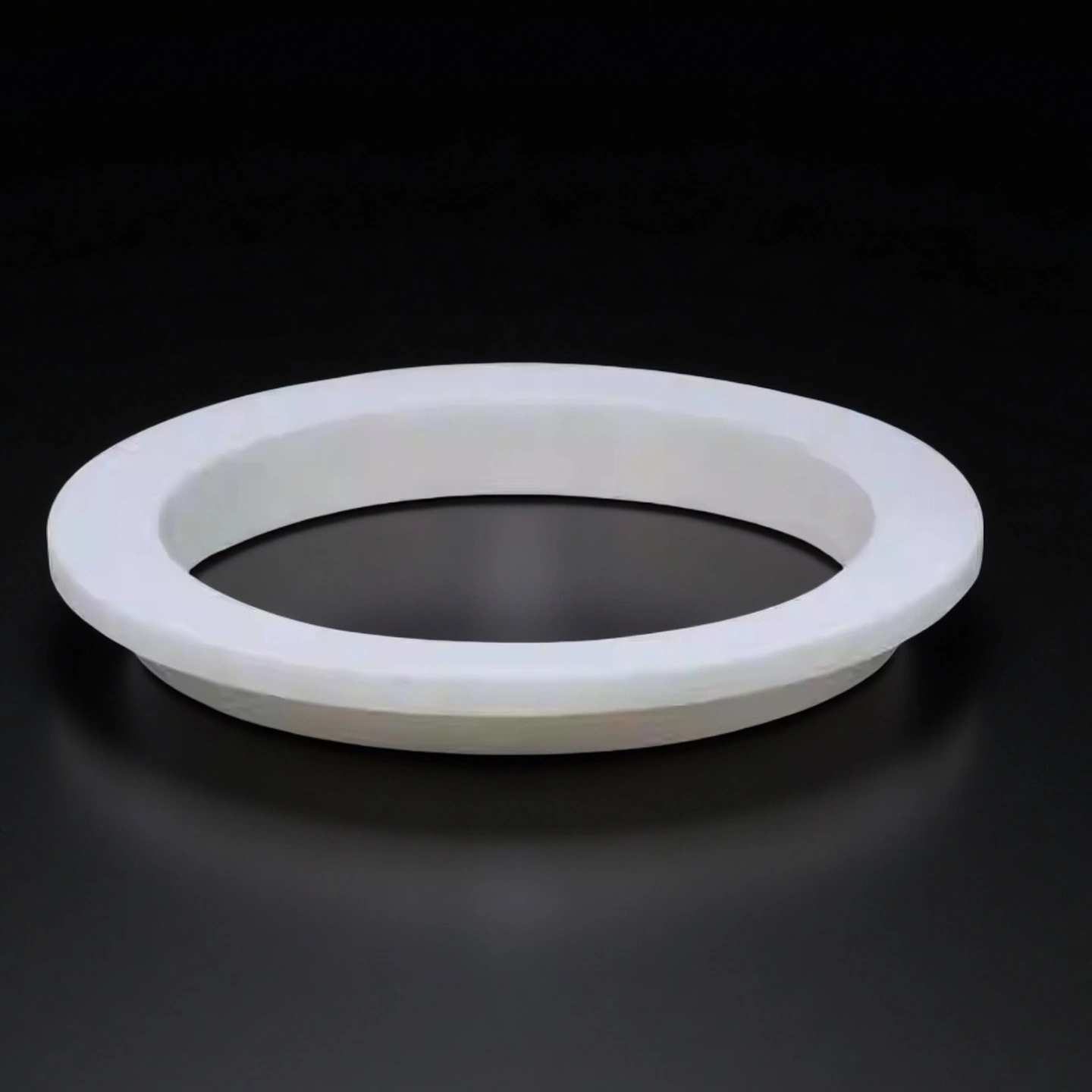
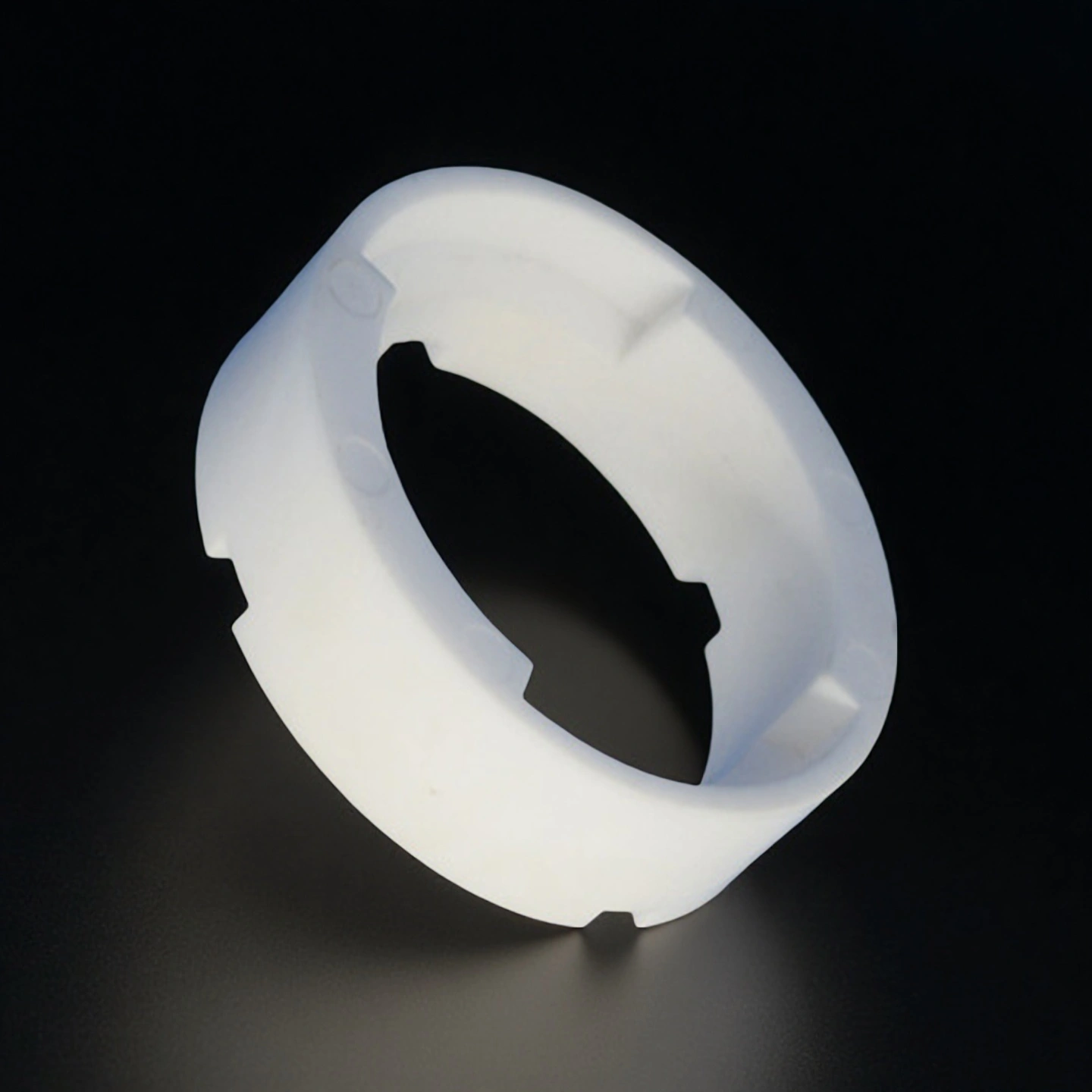
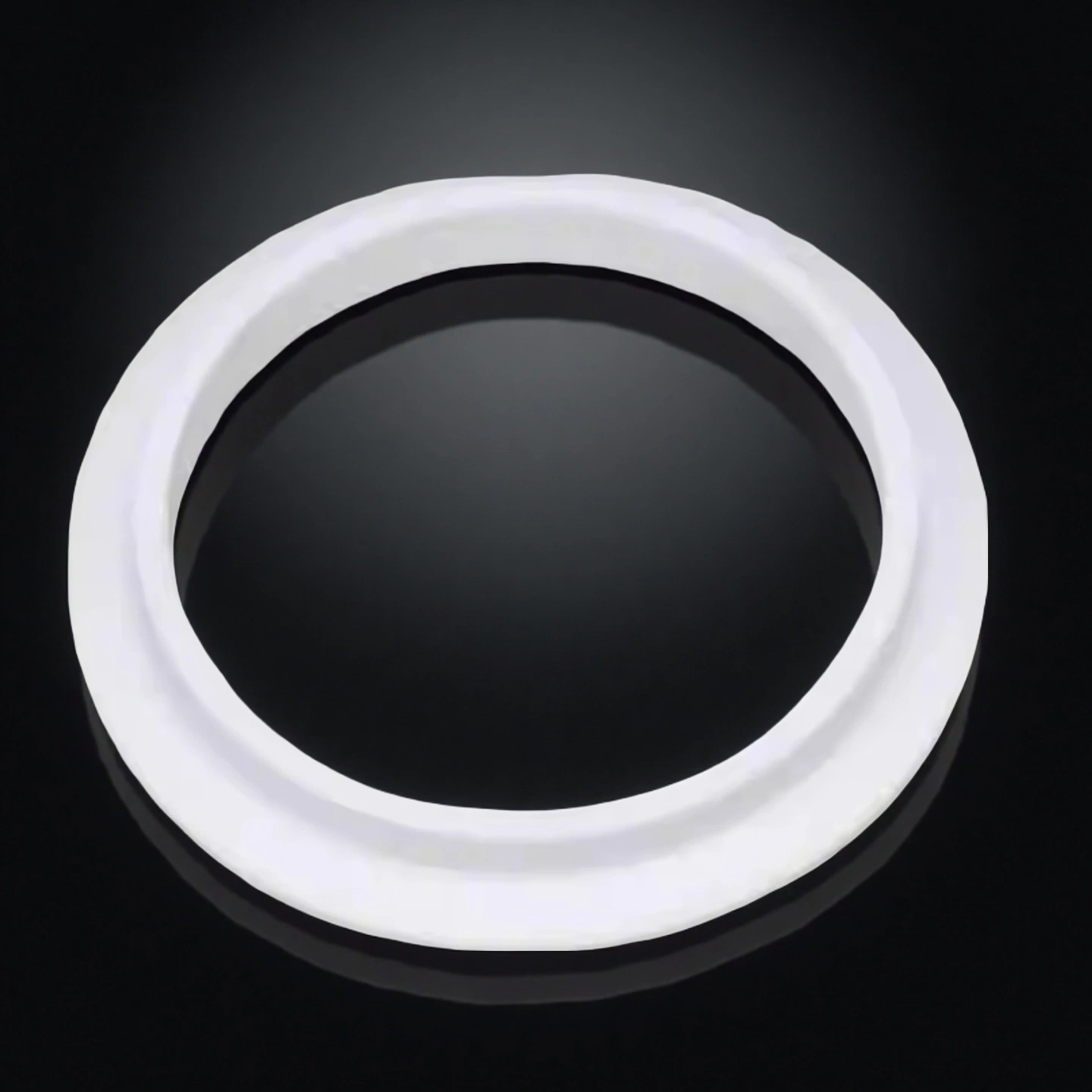
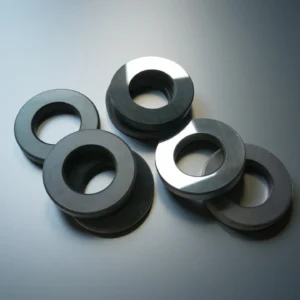
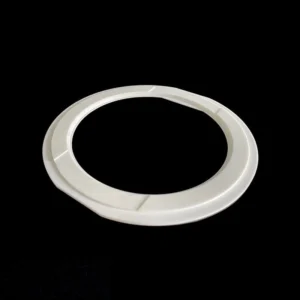
ZTA Ceramic Seal Ring for Pumps, Valves and Metering Systems
ADCERAX supplies custom ZTA ceramic seal rings for pumps, valves, metering units and mechanical seal assemblies where alumina may chip or SiC may be too brittle. ZTA offers wear resistance, improved toughness and stable performance in abrasive slurry, chemical cleaning and intermittent pressure conditions.
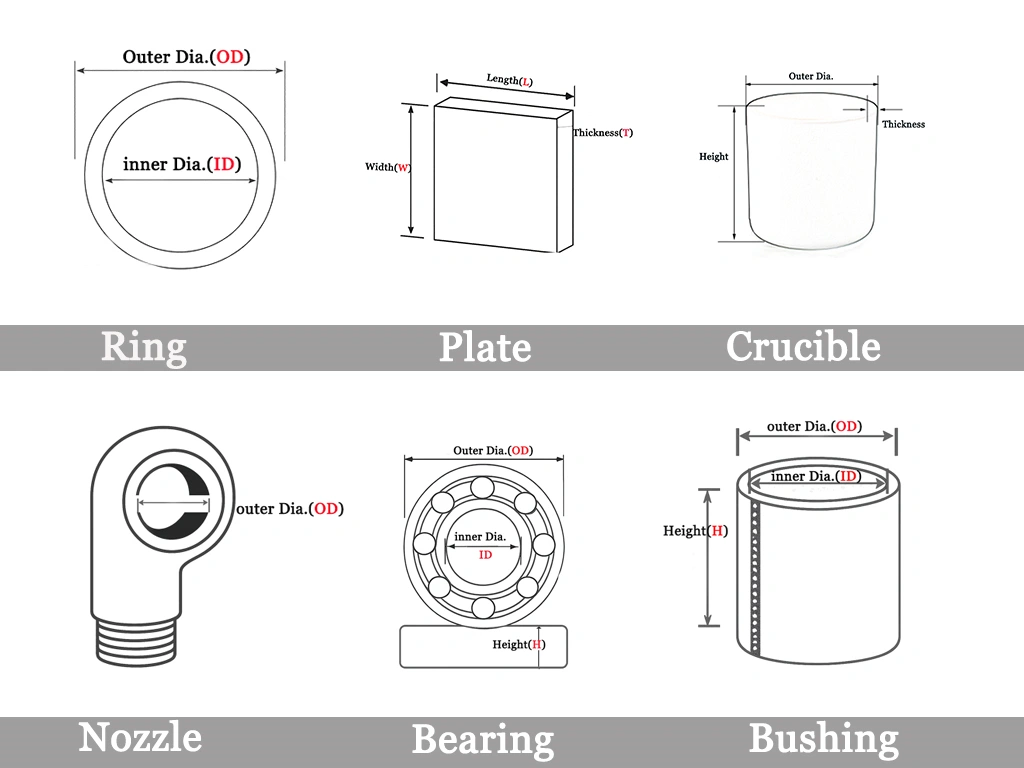
Each seal ring can be reviewed by drawing geometry, ID, OD, height, sealing face finish, groove design, chamfer, counter-face material, O-ring material, medium, pressure and temperature before quotation.
Catalog No.
AT-ZTA-ZZ001
Material
Al2O3 +ZrO2
Surface finish
Ra 0.2–0.4 μm lapped/polished
Dimensional tolerance (ID/OD/Height)
±0.05–0.10 mm common sizes; consult for micro rings
ZTA ceramic seal rings are precision sealing components made from zirconia toughened alumina, a composite ceramic that combines alumina hardness with improved fracture toughness from dispersed zirconia. In pump, valve and metering assemblies, ZTA is often selected when the seal ring must resist wear, edge chipping, slurry contact, chemical cleaning and repeated start-stop operation.
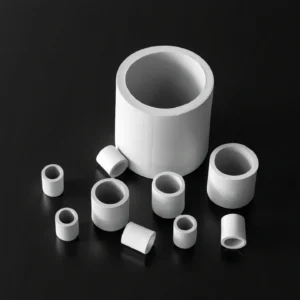
Unlike general ceramic rings used only as spacers or insulation parts, ZTA seal rings are usually reviewed according to sealing face quality, flatness, surface roughness, coaxiality, groove design and counter-face compatibility. This makes the part more dependent on drawing control and application review than on material selection alone.
Why Choose ZTA for Mechanical Seal Rings?
ZTA is selected when a seal ring needs both wear resistance and better crack tolerance. Pure alumina is cost-effective and hard, but it may chip under impact or misalignment. Zirconia offers higher toughness, but its thermal behavior may not suit every sealing assembly. Silicon carbide provides excellent hardness and corrosion resistance, but it can be sensitive to impact and edge damage in start-stop equipment. ZTA sits between these materials and is useful when the seal design needs a balanced combination of hardness, toughness, thermal compatibility and machinability.
Zirconia Toughened Alumina Ceramic Seal Ring Properties
Property
Unit
Alumina (99%)
ZTA (Zirconia Toughened Alumina)
Y-TZP Zirconia
Fracture Toughness (KIC)
MPa·m¹⁄²
5
7 – 9
6 – 10
Vickers Hardness
HV10
1600-1800
1400-1600
1100-1300
Flexural Strength
MPa
400
650 – 800
800 – 1200
Density
g/cm³
3.9
4.0 – 4.3
6.0
Relative Wear Rate
—
1.0
0.45 – 0.55
0.2
Thermal Expansion Coefficient (RT – 800 °C)
×10⁻⁶ /K
8.0
8.5 – 9.0
10 – 11
Thermal Conductivity (RT)
W/m·K
25
22 – 24
2 – 3
Maximum Working Temperature
°C
1600
1450 – 1500
1000 – 1200
Dielectric Strength
kV/mm
12
11 – 13
9 – 11
Surface Roughness (Ground face)
µm Ra
0.4 – 1.2
0.3 – 0.8
0.2 – 0.6
Flatness (after grinding)
mm/300 mm
≤ 0.4
≤ 0.3
≤ 0.2
ZTA Ceramic Seal Ring Specifications
ZTA Ceramic Seal Ring
Item No.
Length(mm)
Width(mm)
AT-ZTA-ZZ001
Customize
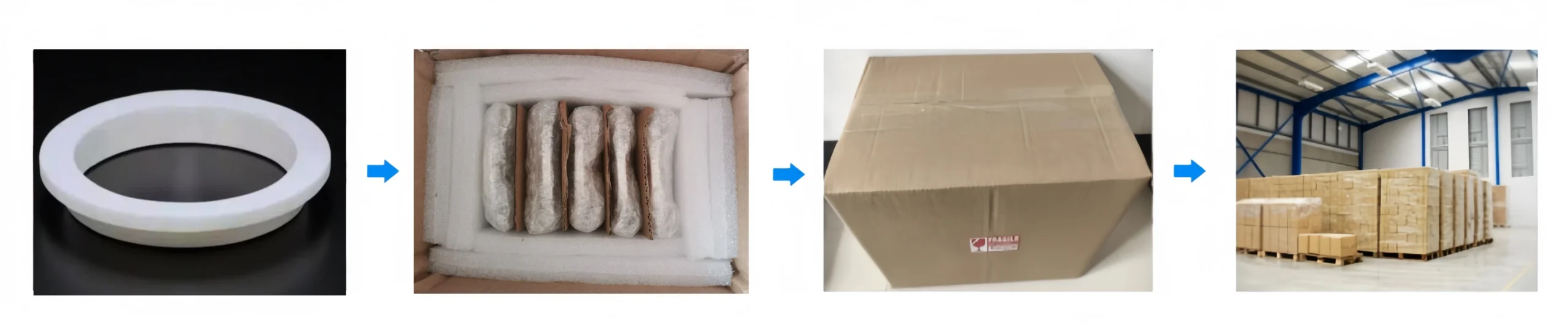
Zirconia Toughened Alumina Seal Ring Packaging
Each seal ring is individually packed in dust-proof polyester bags, with foam protection layers.
Zirconia Toughened Alumina Ceramic Seal Rings Applications
ZTA ceramic seal rings are used where sealing surfaces must resist wear, chipping and dimensional drift under abrasive, corrosive or cyclic operating conditions. ADCERAX reviews each application according to medium, pressure, temperature, counter-face material, O-ring type, lubrication condition and replacement history before recommending ZTA, alumina, zirconia or silicon carbide.
Pump Mechanical Seal Assemblies
ZTA seal rings can be used in selected centrifugal pumps, magnetic drive pumps, metering pumps and slurry pumps where the sealing face is exposed to abrasive particles, intermittent pressure or chemical cleaning. Compared with alumina, ZTA offers better crack tolerance at edges and mounting transitions. Compared with SiC, it may be easier to use in selected retrofit assemblies where impact, vibration or metal-housing compatibility is a concern.
Recommended RFQ details: pump type, shaft size, medium, solids content, pressure, temperature, counter-face material and old seal failure mode.
Valve and Flow-Control Systems
In valve seats, rotary sealing positions and flow-control modules, ZTA ceramic seal rings can help maintain wear resistance and dimensional stability when metal or polymer parts deform, corrode or lose sealing accuracy. Grooves, steps and anti-rotation features can be machined according to drawing requirements.
For dosing pumps, fluid-control systems and small metering assemblies, ZTA seal rings are useful when stable ID / OD control, polished faces and chip-resistant edges are important. The material is suitable for selected chemical dosing, analytical fluid handling and precision pump modules when the complete assembly design supports ceramic seal use.
Recommended RFQ details: fluid type, viscosity, flow accuracy target, mating material, seal face finish and replacement sample.
Abrasive Slurry and Powder Processing Equipment
ZTA seal rings may be selected for slurry, powder grinding, milling and mixing systems where alumina may chip under impact and polymer seals may wear quickly. The final material choice should still consider particle size, solids loading, lubrication and cleaning method.
1. Inspect the sealing face, housing seat, O-ring groove and counter-face before installation.
2. Confirm ID, OD, height, flatness, chamfer and key locating features against the drawing.
3. Keep the lapped or polished sealing face clean, dry and free from scratches during handling.
4. Tighten the housing evenly to avoid skew, localized stress or face misalignment.
5. Confirm the rotary and stationary ring position before final assembly.
Use
1. Follow the equipment or seal manufacturer’s recommended break-in procedure.
2. Confirm that the counter-face material, O-ring material and process medium are compatible.
3. Monitor leakage, temperature rise, noise and vibration during the first operating cycle.
4. If abrasive slurry or corrosive media are used, inspect the seal face at regular intervals.
5. Avoid dry running unless the complete seal system is designed for dry or purge-supported operation.
Store
1. Keep ZTA seal rings in clean, dry and separated packaging before use.
2. Avoid ceramic-to-ceramic contact, metal impact or direct stacking.
3. Keep each ring protected with foam, PE sleeves or individual compartments.
4. Maintain the part label, drawing number and inspection record for traceability.
Clean
1. Use deionized water, neutral detergent or a compatible solvent according to the process medium.
2. Do not use abrasive pads, wire brushes or hard tools on the sealing face.
3. Dry the ring with lint-free material after cleaning.
4. Inspect the surface for scratches, chips, residue or abnormal wear before reuse.
5. Repack the ring if it is not installed immediately after cleaning.
Cautions and Common Misuse
1. Do not drop, impact or pry the ceramic ring during assembly.
2. Do not exceed the approved thermal ramp rate for the complete seal system.
3. Do not mix ZTA, alumina, zirconia or SiC seal parts in one assembly unless compatibility is confirmed.
4. Do not reuse damaged O-rings, deformed gaskets or contaminated mounting seats.
5. Do not continue operation if abnormal leakage, heating or vibration appears after installation.
Zirconia Toughened Alumina Ceramic Seal Rings FAQ
What is a ZTA ceramic seal ring used for? A ZTA ceramic seal ring is used in pump, valve, metering and mechanical seal assemblies where the sealing face must resist wear, chipping, chemical cleaning and repeated start-stop operation. It is often selected when alumina is too brittle at the edge or when SiC is not ideal for impact-prone retrofit designs.
Is ZTA better than alumina for mechanical seal rings? ZTA is usually tougher than alumina because zirconia particles improve crack resistance in the alumina matrix. Alumina is still suitable for many cost-sensitive and stable sealing conditions, but ZTA is preferred when impact, vibration, edge chipping or pressure cycling creates a higher failure risk.
When should I choose ZTA instead of silicon carbide? Silicon carbide is preferred for very high hardness, excellent wear resistance and severe chemical conditions. ZTA may be a better option when the seal ring needs better impact tolerance, improved edge durability or closer thermal compatibility with a metal housing. Final selection should be reviewed according to medium, speed, pressure, lubrication and counter-face material.
Can ADCERAX make ZTA seal rings from my old sample or drawing? Yes. ADCERAX can review a drawing, 3D model, old sample photo or existing part dimensions. Important details include ID, OD, height, sealing face width, groove design, chamfer, flatness, surface roughness, counter-face material and operating condition.
What surface finish is recommended for ZTA seal rings?
A lapped or polished sealing face is commonly used when leakage control and stable contact pressure are important. Ra 0.2–0.4 μm is a typical review range, while lower roughness may be discussed for selected assemblies. The final finish should match the counter-face material and lubrication condition.
What causes leakage after installing a ceramic seal ring?
Common causes include face misalignment, uneven tightening, damaged O-rings, contaminated counter-faces, incorrect material pairing, surface scratches or particles trapped under the sealing face. Before replacement, the housing seat, counter-face, O-ring groove and contact pattern should be inspected.
We provide drawing collaboration for dimensioning, face finish selection, and counter-face pairing to meet leakage and life targets. What You Can Specify:
1. Outer / Inner Diameters & Height
ID range 6–120 mm, OD up to 160 mm, height per drawing.
Supports multi-step or locator fits for rotary/stationary assemblies.
2. Tolerances
ID/OD/height: ± 0.05–0.10 mm typical.
Coaxiality: ≤ 0.03–0.05 mm; flatness: ≤ 0.02–0.04 mm after lapping.
Squareness/runout per drawing for stable seal alignment.
3. Edge Design
C- or R-chamfer (0.2–1.0 mm) with controlled deburring.
Break-edge finishing minimizes micro-cracks and chipping risk.
4. Sealing Faces
Surface options: as-ground / lapped / polished.
Ra 0.2–0.4 µm standard, ≤ 0.1 µm optional.
Cross-lapped pattern available for lubricated seals.