What Is a ZTA Ceramic Disc?
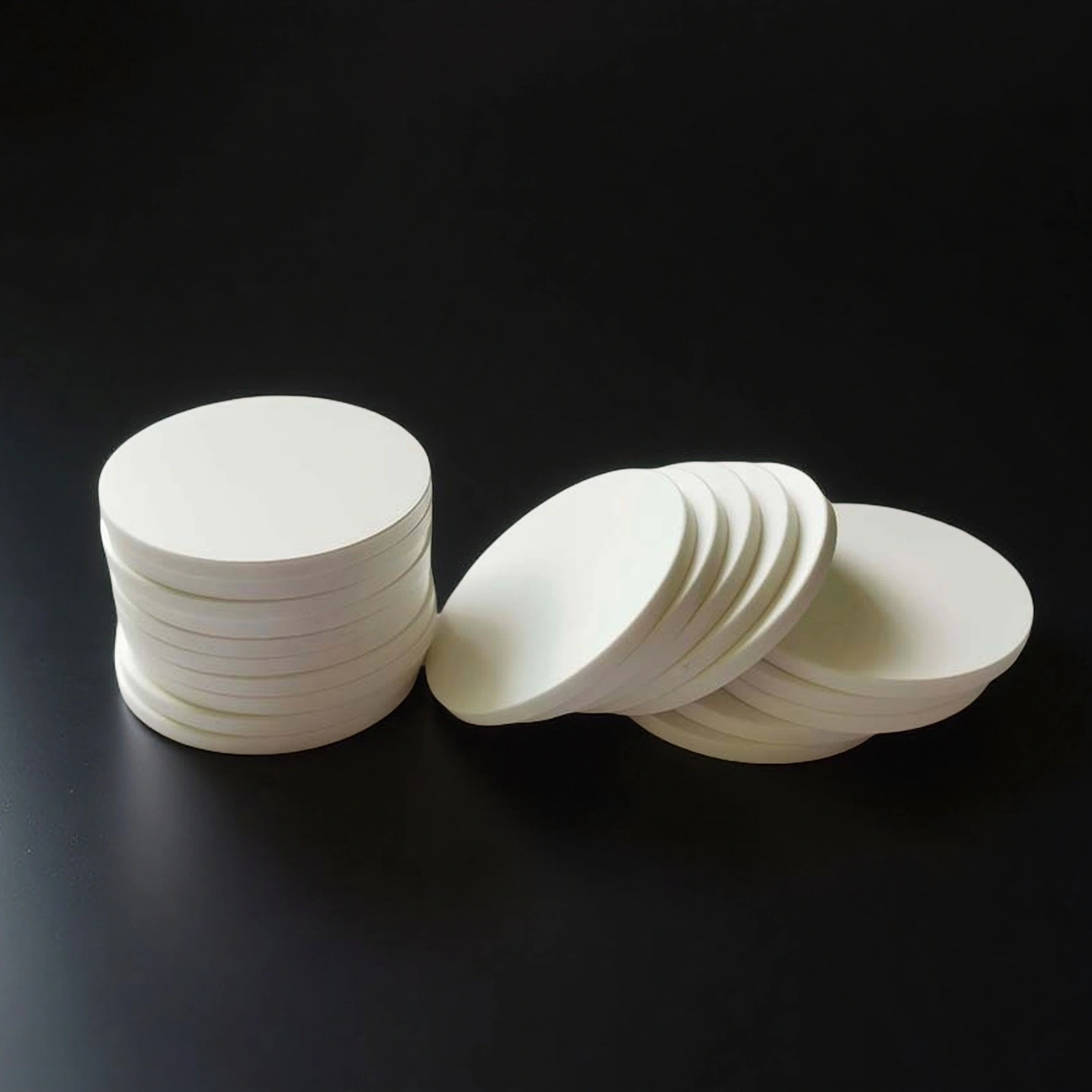
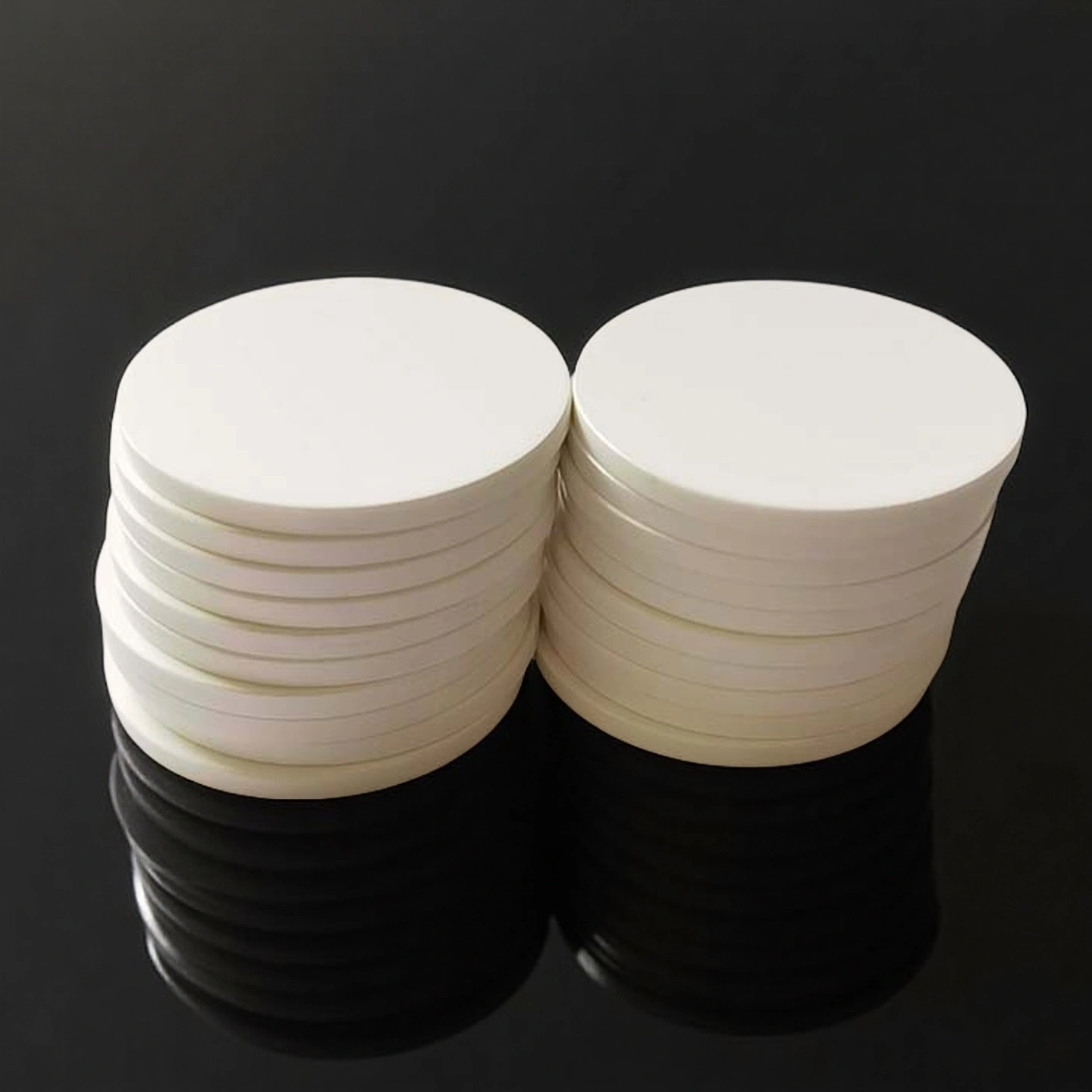
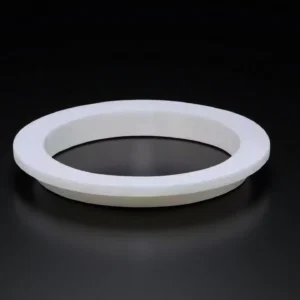
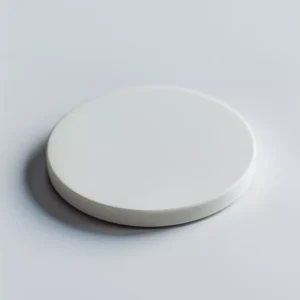
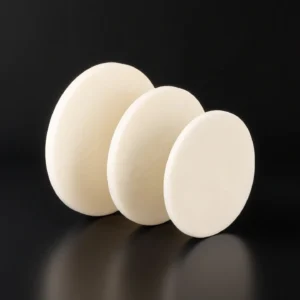
A ZTA ceramic disc is a flat zirconia toughened alumina component used where sealing, sliding or wear-contact surfaces need higher toughness than standard alumina. The alumina matrix provides hardness and wear resistance, while zirconia reinforcement improves fracture toughness and helps reduce edge chipping under vibration, pressure cycling or repeated assembly.
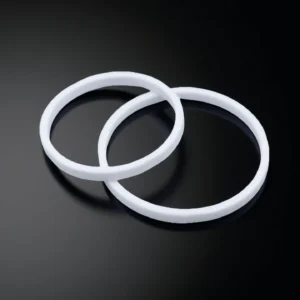
For industrial equipment, ZTA discs are commonly selected for mechanical seal faces, valve seats, wear plates, support discs and custom ceramic inserts where dimensional stability, corrosion resistance and controlled surface finish are important.
Why Choose ZTA Instead of Standard Alumina?
ZTA is usually selected when standard alumina provides enough hardness but not enough toughness for the working condition. In mechanical seals, valves and wear assemblies, edge chipping, local impact, dry start-up, vibration and repeated maintenance can shorten alumina service life. ZTA helps improve fracture resistance while keeping good wear resistance and corrosion stability.
Compared with metal discs, ZTA provides a hard non-metallic contact surface that helps reduce galling, abrasive wear and corrosion-related dimensional loss. Compared with silicon carbide, ZTA may be considered when the design needs improved toughness, easier replacement matching or a more balanced cost-performance option. Final selection should still be checked according to pressure, medium, counterface material and thermal condition.
ZTA Ceramic Disc Material Properties
|
Property |
Unit |
ZTA |
|
Bulk Density |
g/cm³ |
4.0-4.3 |
|
Flexural Strength |
MPa |
700 |
|
Fracture Toughness |
MPa·m1/2 |
7 |
|
Dielectric Constant (20°C, 1MHz) |
εr |
9.2 |
|
Hardness |
HRA |
90 |
|
Volume Resistivity (20°C) |
Ω·cm |
1014 |
|
Young's Modulus |
GPa |
330 |
|
Coefficient of Thermal Expansion |
x10-6/K |
7.5-11.2 |
|
Compressive Strength |
MPa |
2300 |
|
Wear Rate |
g/cm² |
0.1 |
|
Thermal Conductivity (20°C) |
W/m·K |
1.3-2.7 |
|
Poisson's Ratio |
|
0.25 |
|
Dielectric Strength |
kV/mm |
20 |
|
Maximum Temperature |
°C |
1700 |
Zirconia Toughened Alumina Disc Specifications
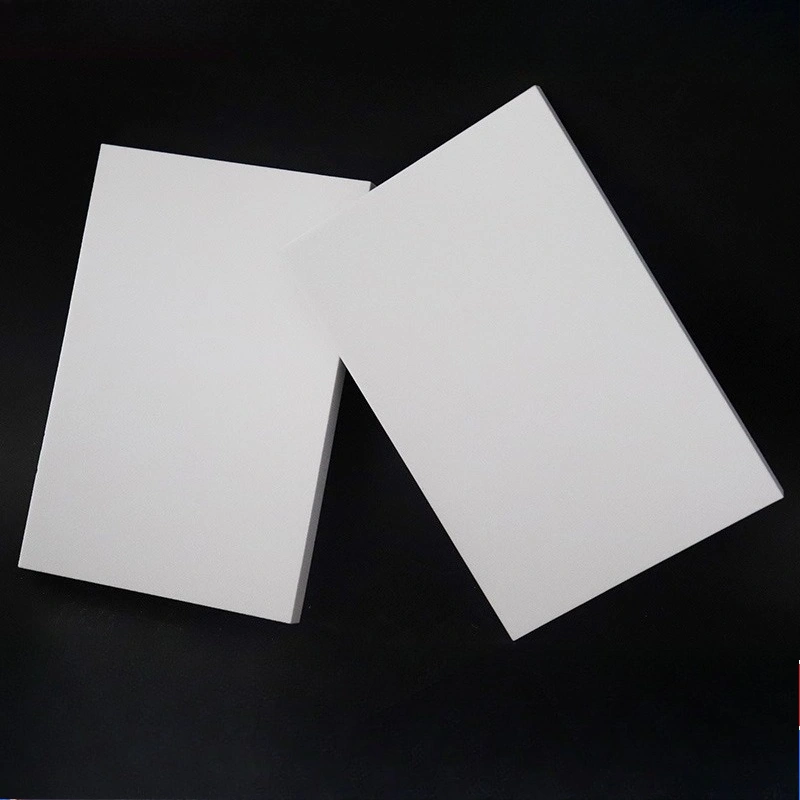
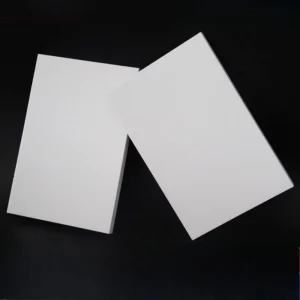
Type 1: Square ZTA Disc
|
Square ZTA Disc |
|
Item No. |
Length *Width(mm) |
Thickness(mm) |
|
AT-ZTA-P1001 |
150*100 |
5 |
|
AT-ZTA-P1002 |
250*100 |
10 |
|
AT-ZTA-P1003 |
300*200 |
10 |
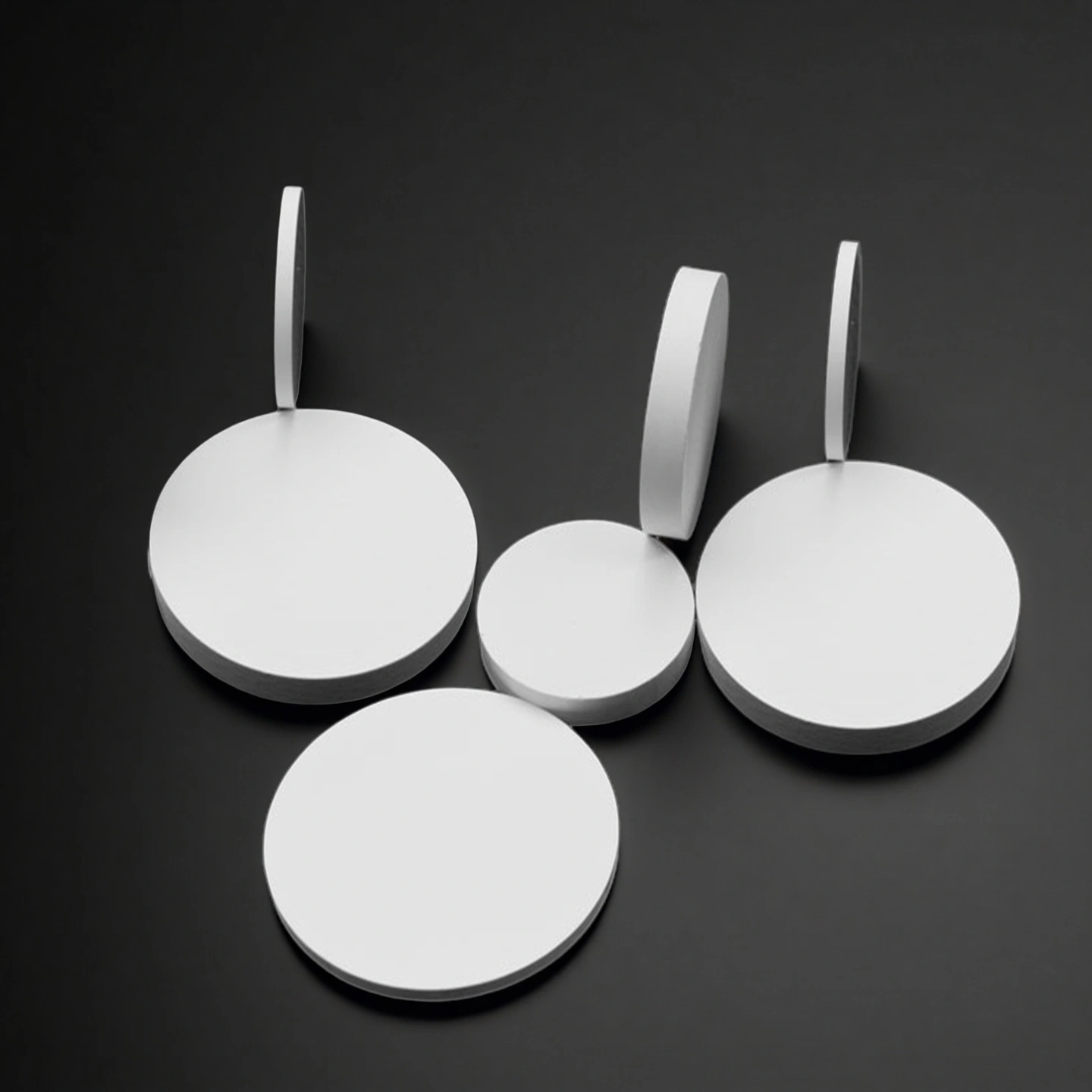
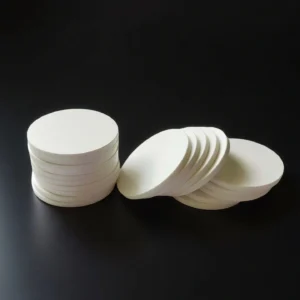
Type 2: Round ZTA Disc
|
Round ZTA Disc |
|
Item No. |
Diameter(mm) |
Thickness(mm) |
|
AT-ZTA-P2001 |
50 |
5 |
|
AT-ZTA-P2002 |
50 |
8 |
|
AT-ZTA-P2003 |
100 |
5 |
|
AT-ZTA-P2004 |
100 |
10 |
|
AT-ZTA-P2005 |
150 |
10 |
ZTA Disc Packaging
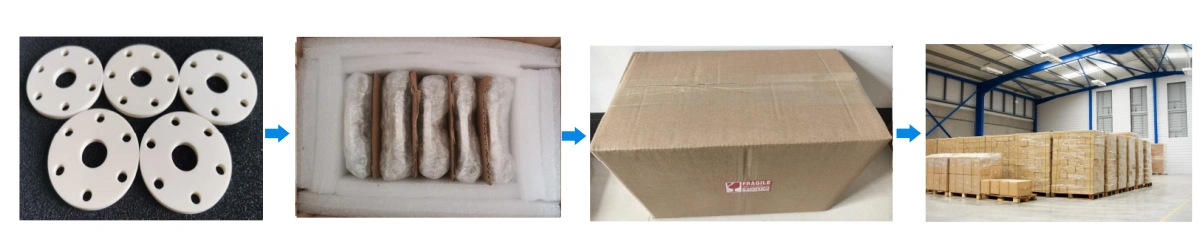
- Each ZTA disc is separated in plastic cavity trays or foam-lined partitions so that sealing faces do not contact each other.
Applications of ZTA Ceramic Discs
ZTA ceramic discs are used in industrial assemblies where flat ceramic contact surfaces must resist wear, corrosion, chipping and dimensional loss. The most suitable application should be reviewed according to load direction, medium, counterface material, surface finish and installation method.
-
Mechanical Seal Faces for Pumps and Mixers
ZTA discs can be used as stationary or rotating seal faces in pumps, mixers, agitators and selected compressor seal assemblies. They are suitable when standard alumina faces may chip during start-stop operation or when metallic faces suffer from corrosion, galling or abrasive wear.
Key review points include seal type, shaft speed, pressure, medium, solids content, lubrication condition, face flatness, surface roughness and counterface material.
-
Valve Seats and Flow-Control Discs
In industrial valves, ZTA ceramic discs can be used as valve seats, throttling plates or wear-resistant sealing inserts. Their hardness and toughness help maintain the sealing line when the valve handles abrasive slurry, particle-loaded liquid or corrosive process media.
Key review points include valve type, pressure rating, opening frequency, flow velocity, cavitation risk, sealing diameter, mounting groove and thermal cycling condition.
-
Wear Pads and Sliding Contact Discs
ZTA discs can serve as wear pads, guide discs and support plates in process equipment, textile machinery, dosing systems and motion-control assemblies. They are useful when repeated sliding contact, vibration or misalignment may damage standard ceramic or metallic parts.
Key review points include contact speed, load direction, mating material, lubrication, impact risk, surface finish and allowable wear tolerance.
-
Custom Ceramic Inserts for Drawing-Based Assemblies
For OEM equipment, ZTA ceramic discs can be machined with holes, slots, grooves, recesses, chamfers or stepped profiles according to the drawing. This allows the disc to fit existing housings, replacement assemblies or new mechanical designs without changing the complete equipment structure.
Key review points include drawing geometry, tolerance stack-up, datum faces, mounting method, inspection method and packaging protection for lapped surfaces.
ZTA Ceramic Disc Usage Instructions
Correct installation, handling and cleaning help ZTA ceramic discs maintain stable sealing or wear performance. Because ceramic discs are hard and brittle compared with metals, the assembly should avoid point loading, edge impact and uncontrolled tightening.
-
Installation
1. Check the ceramic disc for chips, cracks, surface scratches or edge damage before assembly.
2. Confirm that the mating housing, gasket, O-ring or backing ring is clean and free from burrs.
3. Apply mounting force evenly and avoid direct point contact between the ceramic edge and metal seat.
-
Operation
1. Avoid dry running unless the seal or valve design has been reviewed for that condition.
2. Monitor leakage, vibration, torque or temperature during the first operating cycle after installation.
3. For abrasive slurry or particle-loaded media, confirm flushing and filtration conditions to reduce face scratching.
-
Cleaning
1. Use soft lint-free cloth, neutral detergent or a compatible solvent based on the working medium.
2. Do not clean lapped faces with steel brushes, hard abrasives or uncontrolled blasting.
3. If deposits remain, soak the disc in a suitable cleaning solution before wiping the surface.
-
Storage
1. Store ZTA discs in cavity trays, foam partitions or individual bags to prevent ceramic-to-ceramic contact.
2. Keep lapped faces separated and protected from dust, moisture and hard particles.
3. Maintain drawing number, batch number and material grade labels for repeat orders and replacement control.
-
Common Misuse Points and Practical Fixes
1. Over-tightening against a rigid seat
Issue: Excessive preload on a flat ZTA disc against a rigid metallic seat can cause micro-cracks at the edge.
Fix: Use specified torque values, introduce compliant gaskets or backing rings, and check surface flatness before assembly.
2. Thermal shock from rapid quenching
Issue: Moving a hot ZTA disc assembly directly into cold liquid can induce thermal stress and lead to cracking.
Fix: Follow controlled cooldown procedures; avoid sudden temperature changes beyond recommended rates stated in equipment instructions.
3. Contamination trapped between sealing faces
Issue: Hard particles trapped on the ZTA disc face can scratch the surface and accelerate wear.
Fix: Flush systems thoroughly during start-up and after maintenance; keep assemblies covered and clean before installation.