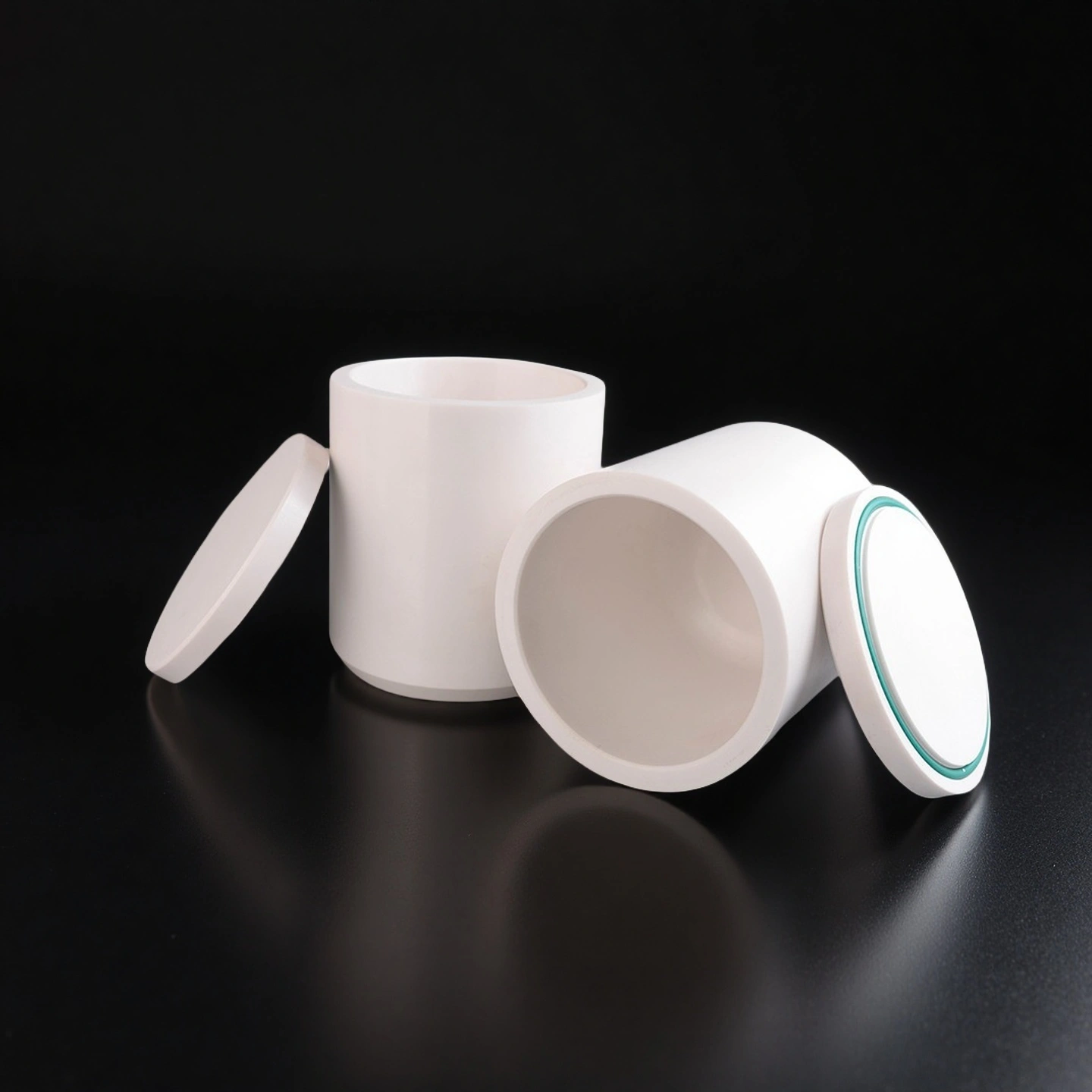
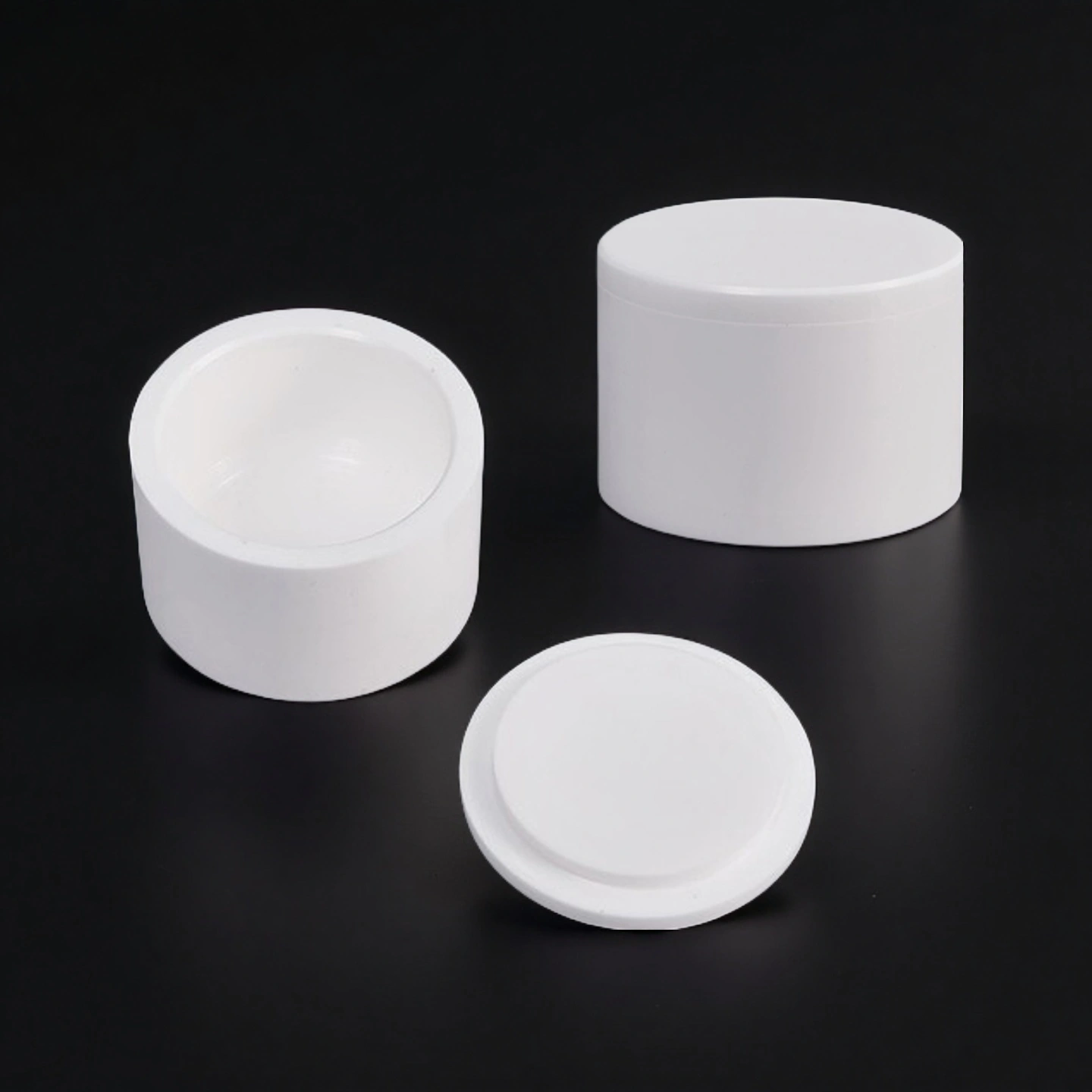
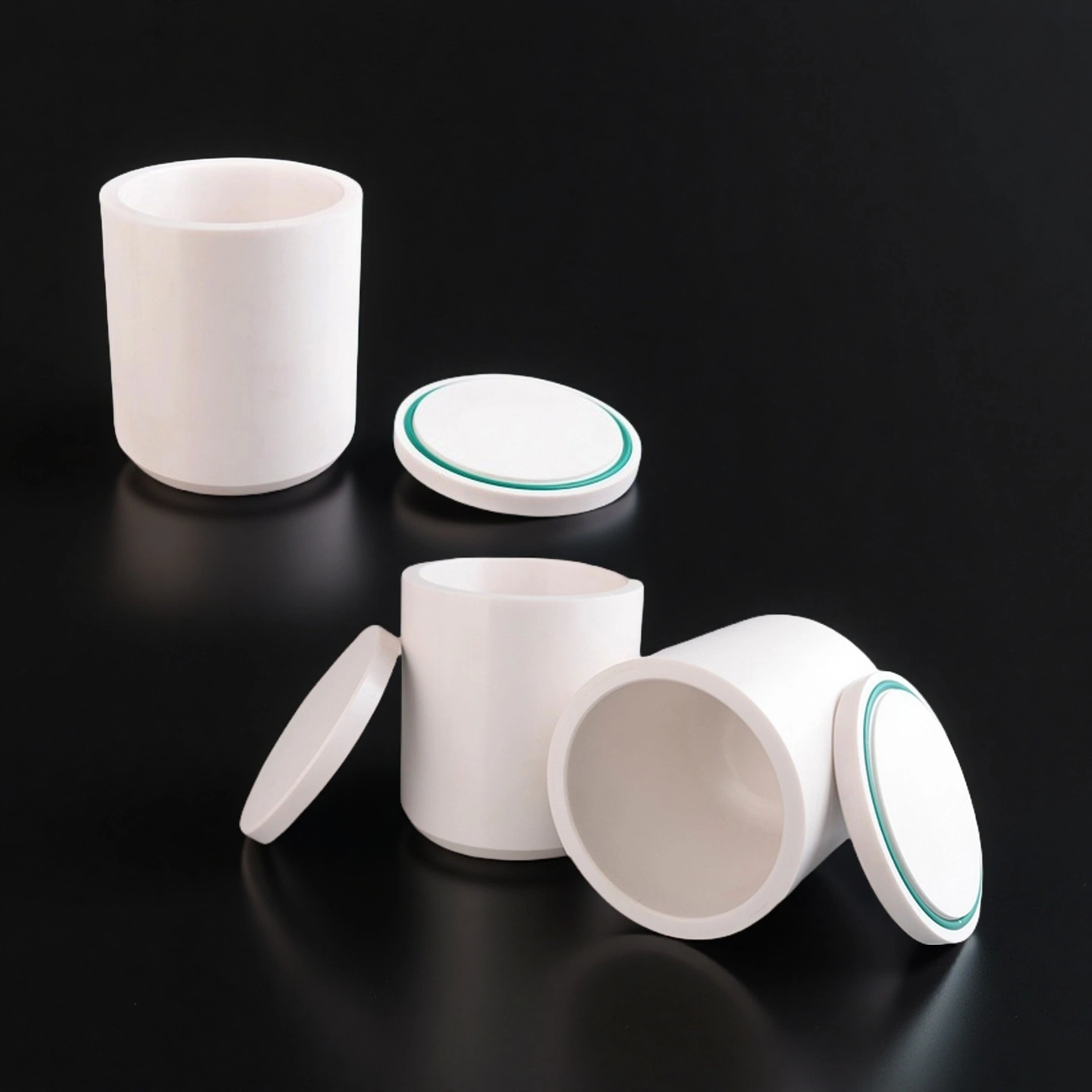
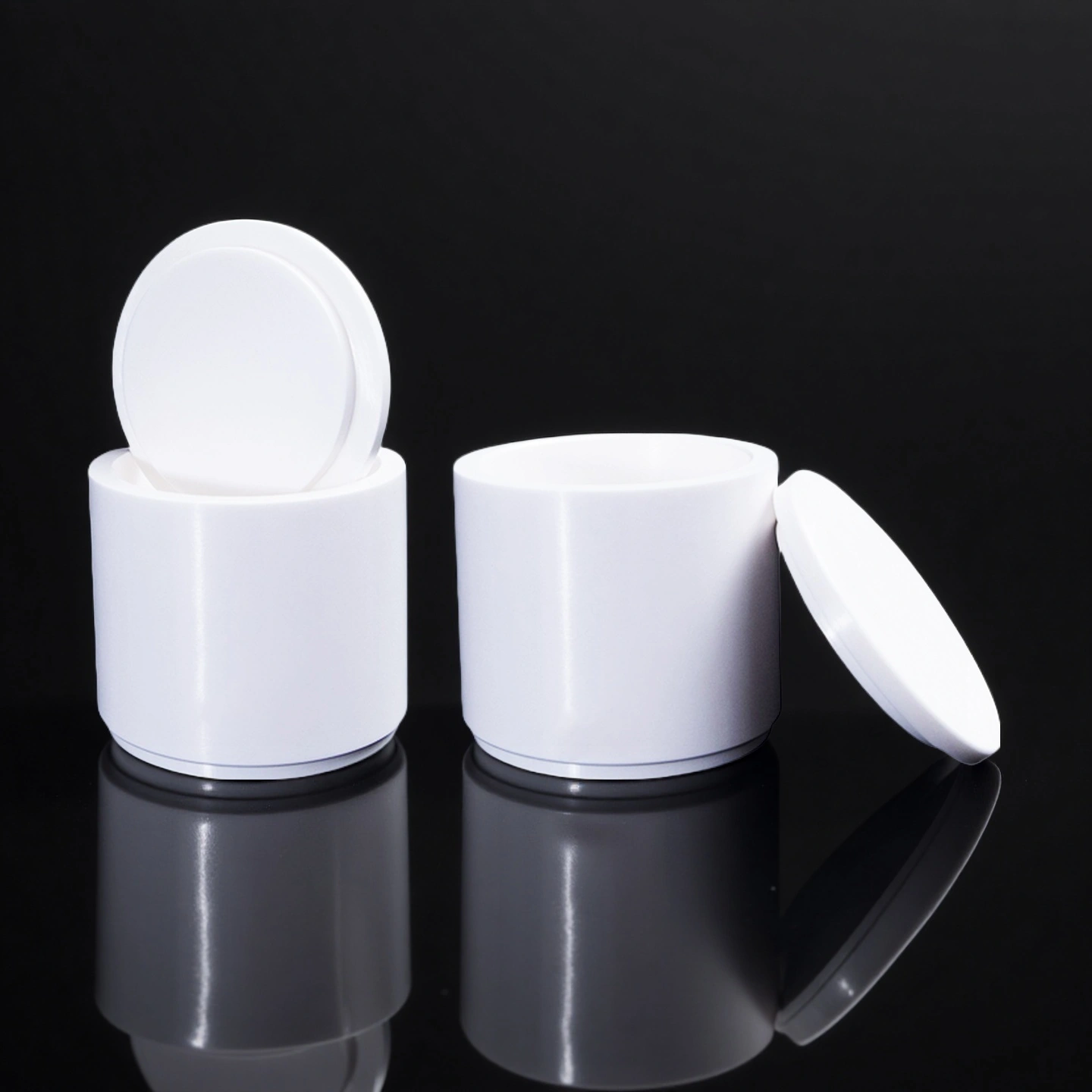
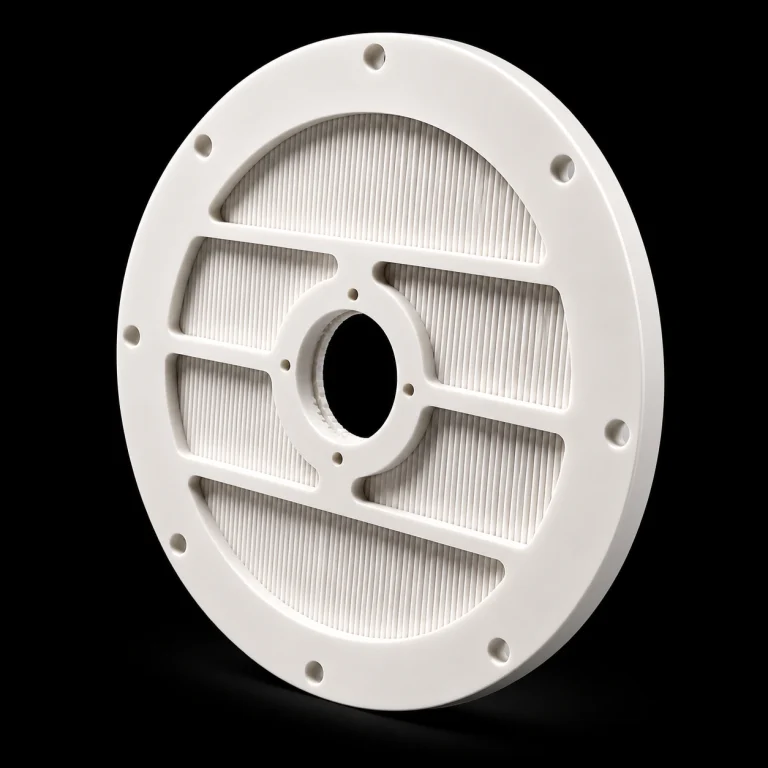
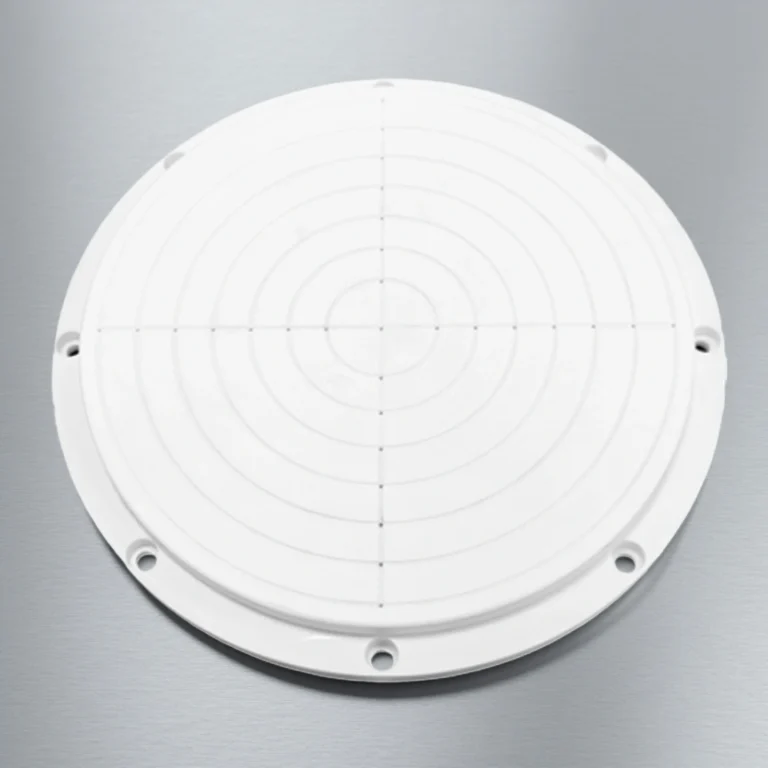
ADCERAX® Zirconia Grinding Jar is engineered for high-intensity material milling in planetary ball mill systems where purity, durability, and chemical resistance are critical. Its yttria-stabilized zirconia construction ensures contamination-free grinding of sensitive powders, including battery materials, pharmaceuticals, and food additives. Designed for consistent performance under extreme mechanical stress, the Zirconia Grinding Jar maintains structural integrity during long-duration, high-speed operation. It is widely used in research institutions, production labs, and material development facilities requiring stable and clean grinding environments.
Performance-Driven Features of the Zirconia Grinding Jar
- Superior Vickers hardness ≥ 1200 HV10 provides outstanding resistance to abrasion during long-hour milling with hard ceramics and minerals. This ensures dimensional stability and avoids structural fatigue.
- Fracture toughness rated ≥ 8 MPa·m¹ᐟ² offers effective resistance against impact-induced microcracks in batch-to-batch runs under variable loading.
- Usage lifespan exceeding 200 hours under 500–600 rpm operation reduces replacement frequency in continuous test protocols.
- Corrosion tolerance in full pH range (pH 1 to pH 13) ensures compatibility with acids, alkalis, and organic solvents used in pigment, pharmaceutical, and metallurgical milling.
- Zero detectable leaching of metallic ions into active powders, confirmed through ICP-MS analysis after 6-hour wet milling cycles.
- High thermal shock resistance (ΔT ≥ 200 °C) allows the jar to undergo rapid material transitions between ambient and heated processing without cracking.
- Internal surface roughness ≤ 0.2 μm Ra, achieved by diamond polishing, prevents particle adhesion and agglomeration, enhancing output consistency.
- Grain purity ≥ 99.8% stabilized zirconia ensures no contribution of secondary phases or discoloration during extended ball milling of sensitive compounds.
- Contamination level below 0.01 ppm after prolonged abrasion tests with pharmaceutical-grade lactose confirms compliance for trace-sensitive formulations.
Technical Properties of Zirconia Grinding Jar
The Zirconia Grinding Jar is made from high-density yttria-stabilized zirconia ceramic designed for intensive grinding applications. Its structure delivers mechanical strength, thermal stability, and chemical inertness required in critical powder preparation processes across material science, pharmaceutical, and analytical industries.
| Property |
Specification |
| Material Type |
Yttria-Stabilized Zirconia (YSZ) |
| Zirconia Content |
≥ 94.5% ZrO₂ |
| Yttria Stabilizer Content |
3–5 mol% Y₂O₃ |
| Bulk Density |
≥ 6.0 g/cm³ |
| Vickers Hardness |
≥ 1200 HV10 |
| Fracture Toughness |
≥ 8 MPa·m¹ᐟ² |
| Flexural Strength |
≥ 900 MPa |
| Thermal Expansion Coefficient |
9.6 × 10⁻⁶ /K |
| Working Temperature |
≤ 800 °C (non-vacuum use) |
| Acid/Base Stability |
pH 1–13 resistant |
| Thermal Shock Resistance |
ΔT ≥ 200 °C |
| Surface Finish (Inner) |
Ra ≤ 0.2 μm |
| Contamination Level |
< 0.01 ppm (post-milling ICP-MS) |
Specifications of Zirconia Grinding Jar
Packaging of Zirconia Grinding Jar
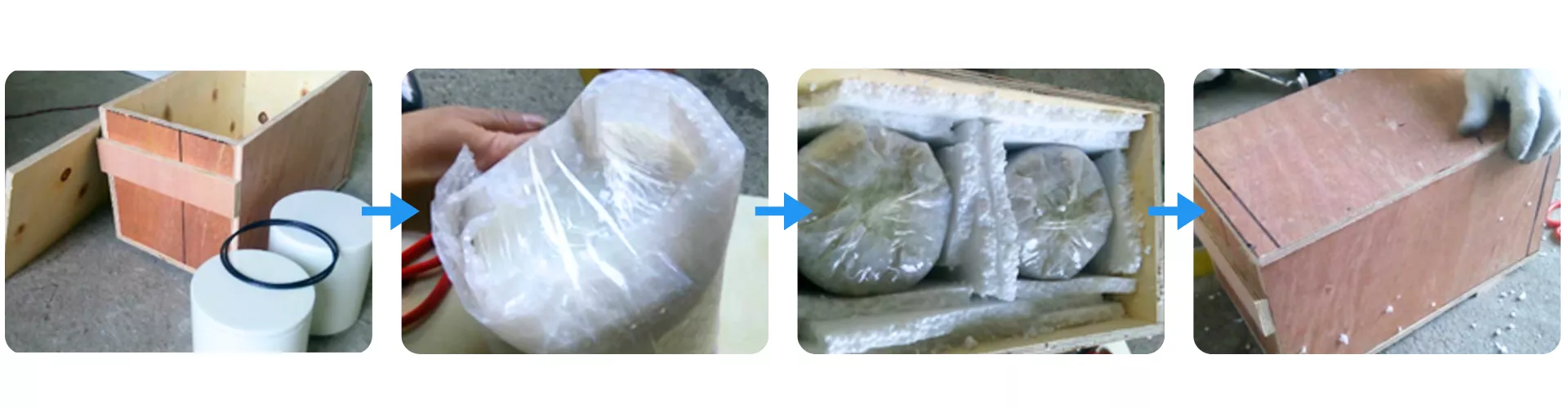
Zirconia Grinding Jar is securely protected using bubble wrap and placed into high-density foam compartments. Each unit is housed in a reinforced plywood crate to prevent damage during international transit. The packaging is optimized for moisture resistance and shock absorption during long-distance handling.
How ADCERAX® Zirconia Grinding Jar Resolves Critical Challenges in Precision Powder Processing
ADCERAX® Zirconia Grinding Jar is purpose-built for industries where powder purity, process stability, and material compatibility are non-negotiable. From formulation labs to production-scale material development, it addresses contamination control, aggressive media compatibility, and cleaning cycle reduction in high-stakes applications. Below are three specific usage environments that illustrate how its design meets real-world demands.
-
Fine Powder Processing in Pharmaceutical R&D
✅Key Advantages
1. Ultra-Low Contamination Level
ICP-MS analysis after 6-hour continuous milling of paracetamol confirmed < 0.01 ppm trace metal presence. This purity level prevents catalytic degradation of active compounds and meets USP <232> elemental impurity thresholds.
2. High Surface Integrity
The inner surface roughness of ≤ 0.2 µm Ra minimizes powder adherence, reducing cleaning cycles by up to 40% and increasing usable yield in fine-powder formulations.
3. Stable Milling Under Prolonged Load
Tested at 600 rpm for 200 hours, the jar maintained dimensional and chemical stability, avoiding micro-fractures that compromise batch uniformity.
✅ ️Problem Solved
A European pharmaceutical lab reported assay deviation due to 0.05 ppm Fe contamination from stainless-steel jars during micronization of antibiotic precursors. After switching to ADCERAX® Zirconia Grinding Jar, contamination dropped below detectable levels, and yield reproducibility improved by 18% across ten validation batches. Cleaning time per batch was reduced by 45 minutes, ensuring consistent compliance with GMP documentation cycles.
-
Inert Gas Grinding of Oxidation-Sensitive Materials
✅Key Advantages
1. Vacuum-Sealable Structure
Equipped with a precision valve sustaining ≤ 0.1 MPa vacuum, the jar maintains an inert argon or nitrogen atmosphere throughout the milling cycle, reducing oxidation risk in Li-based powders.
2. High Thermal Stability
With a thermal expansion coefficient of 9.6 × 10⁻⁶ /K, the jar resists microcracking from temperature rises exceeding 100 °C during high-energy rotation, protecting phase stability in sensitive materials.
3. Chemical Neutrality at Extreme pH
Stable from pH 1 to 13, the jar’s inner lining avoids reaction with electrolyte precursors, preserving elemental ratios during slurry preparation.
✅ ️Problem Solved
A Japanese cathode-material producer faced 12% capacity loss in LiNi₀.₈Co₀.₁Mn₀.₁O₂ due to oxidation during open-air milling. Implementation of ADCERAX® Zirconia Grinding Jar with argon backfill maintained oxygen levels below 0.3%, verified by in-line gas analysis. Resulting cathode powders retained full stoichiometry, and electrochemical discharge capacity improved from 162 mAh/g to 179 mAh/g, confirming structural preservation after extended milling cycles.
-
Flavor-Safe Grinding for Functional Food Ingredients
✅Key Advantages
1. Taste-Neutral Ceramic Surface
The inert zirconia matrix prevents metallic ion transfer or odor formation, verified by GC–MS analysis showing zero volatile metal compounds after milling matcha extract.
2. Reduced Product Retention
Smooth interior finish of ≤ 0.2 µm Ra lowers residue buildup by 35%, minimizing flavor carryover and enabling quick transition between different ingredients.
3. Extended Mechanical Endurance
The jar endures over 150 hours of repeated wet grinding without surface discoloration or mass loss beyond 0.03 g, ensuring hygiene and long-term food safety.
✅ ️Problem Solved
A nutraceutical manufacturer observed flavor alteration and iron traces (0.02 ppm) in herbal protein blends processed in stainless jars. Transitioning to ADCERAX® Zirconia Grinding Jar eliminated detectable metal content and maintained stable chlorophyll spectra after milling. Sensory evaluation confirmed full flavor retention, and batch throughput increased by 22% due to faster cleaning turnaround between flavor lines.
User Guide for Proper Handling and Operation of Zirconia Grinding Jar
To ensure safe, consistent, and contamination-free performance, the Zirconia Grinding Jar must be handled with care and operated under appropriate conditions. This section offers guidance on safe usage, preparation, cleaning, and maintenance practices commonly expected by laboratory operators and equipment managers.
-
Setup and Mounting Guidelines
1. Ensure secure fixture in the planetary mill holder. Use only compatible mounting plates designed for the specified jar dimensions and avoid forced fitting. Loose or misaligned mounting may cause unbalanced rotation and structural stress.
2. Avoid direct contact between zirconia and steel frame elements. Use appropriate rubber pads or interface buffers to minimize mechanical vibration transfer. Repeated high-impact cycles can shorten service life.
3. Check sealing ring integrity before each run. Replace worn O-rings immediately to avoid loss of vacuum or sample leakage during high-speed rotation. Jar pressure stability depends on an uncompromised seal.
-
Powder Loading and Volume Control
1. Maintain a powder loading ratio of 1:3 to 1:2 (volume). Overfilling reduces grinding efficiency and may result in poor particle size distribution. Insufficient material leads to excessive media wear and energy waste.
2. Use only dry or uniformly dispersed wet powders. Slurries with high viscosity or inconsistent moisture cause media clumping and reduce effective grinding force. Pre-mixing or ultrasonic dispersion is recommended when needed.
3. Avoid mixing incompatible materials in a single cycle. For sensitive applications like pharmaceutical or catalytic powders, cross-contamination must be prevented by segregated processing and dedicated jars.
-
Cleaning and Storage Recommendations
1. Clean immediately after use with neutral pH cleaning agents. Delayed cleaning increases adhesion risk and reduces service life. Avoid alkaline or acidic detergents above pH 13 or below pH 1.
2. Use soft non-metallic tools for scrubbing. Hard brushes or abrasives will scratch the inner surface (Ra ≤ 0.2 μm), increasing contamination risk in subsequent batches. Cleaning efficiency also declines over time with surface roughness.
3. Store in a dry, dust-free environment between 15–30°C. Avoid stacking jars or storing them with metallic tools that could cause surface abrasion during handling.
-
Operational Safety and Lifetime Monitoring
1. Operate below maximum rotational speed limits. For most models, stable milling is maintained up to 600 rpm, but exceeding rated speed accelerates fatigue and risks seal damage. Follow the planetary mill manufacturer's guidance.
2. Inspect the inner lining after every 100 hours of operation. Look for surface microcracks or edge chipping, especially after wet grinding corrosive compounds. Replacement is advised if degradation is observed.
3. Log usage hours for each grinding jar in multi-user environments. Usage tracking ensures proactive maintenance and avoids process deviation in critical R&D or regulated workflows.