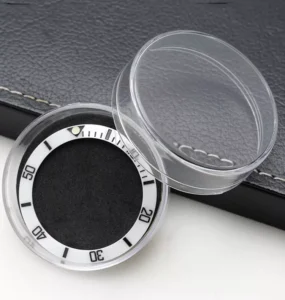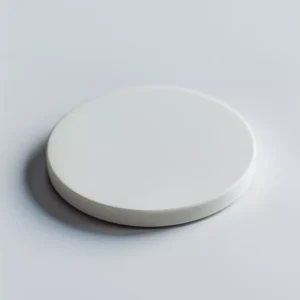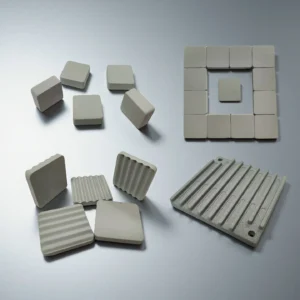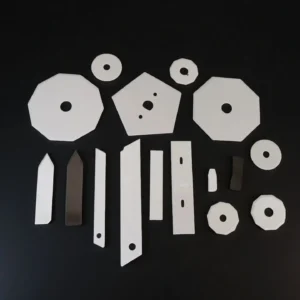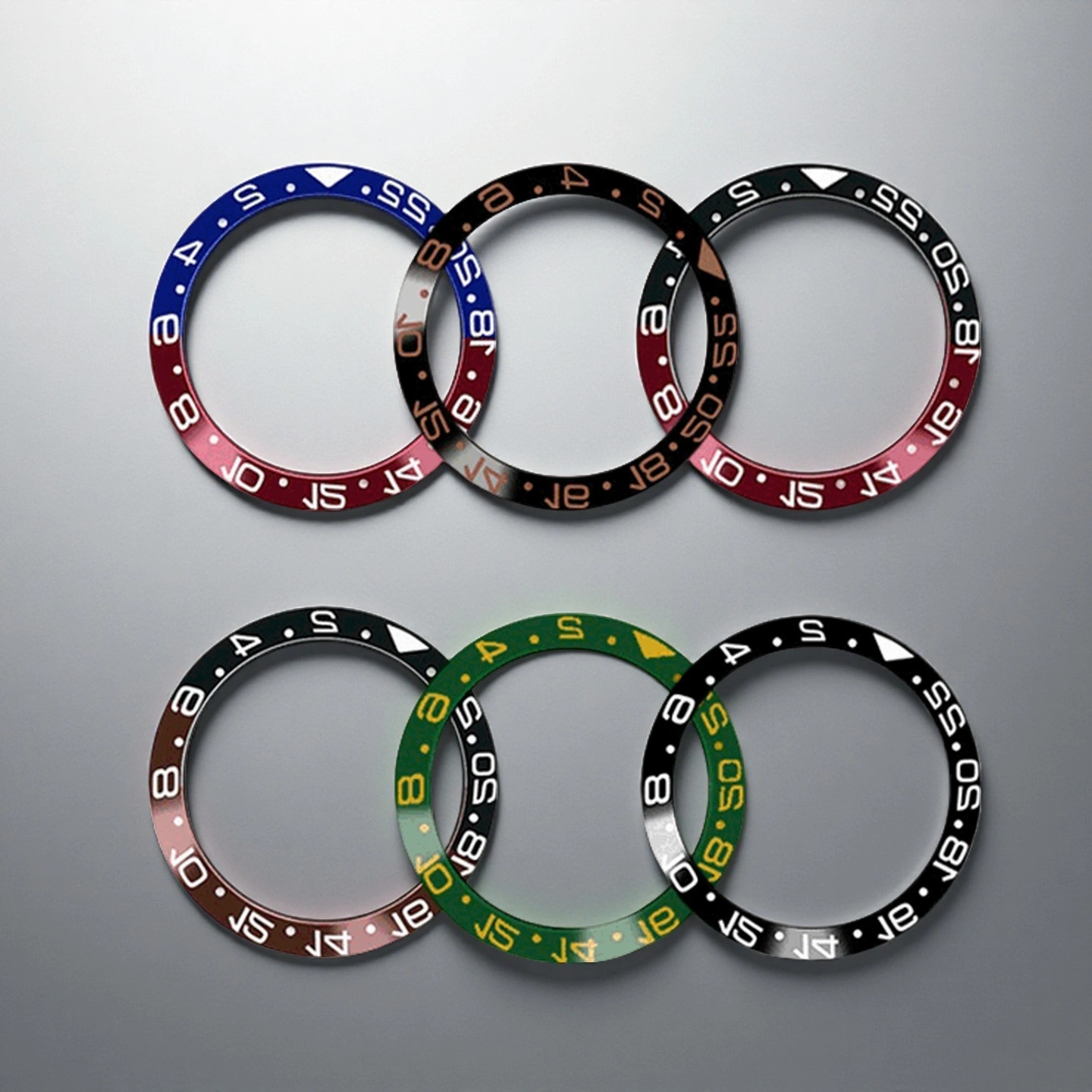
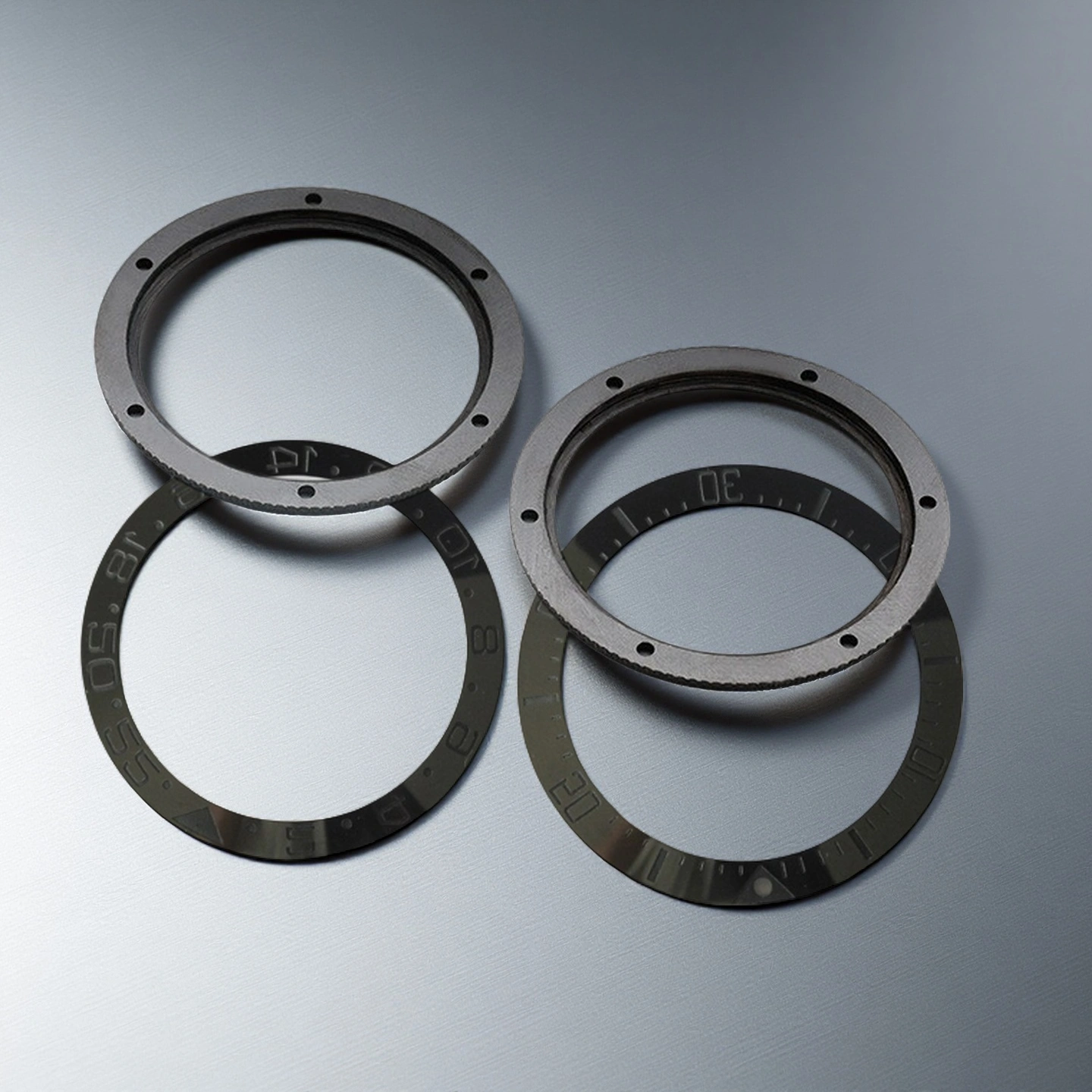
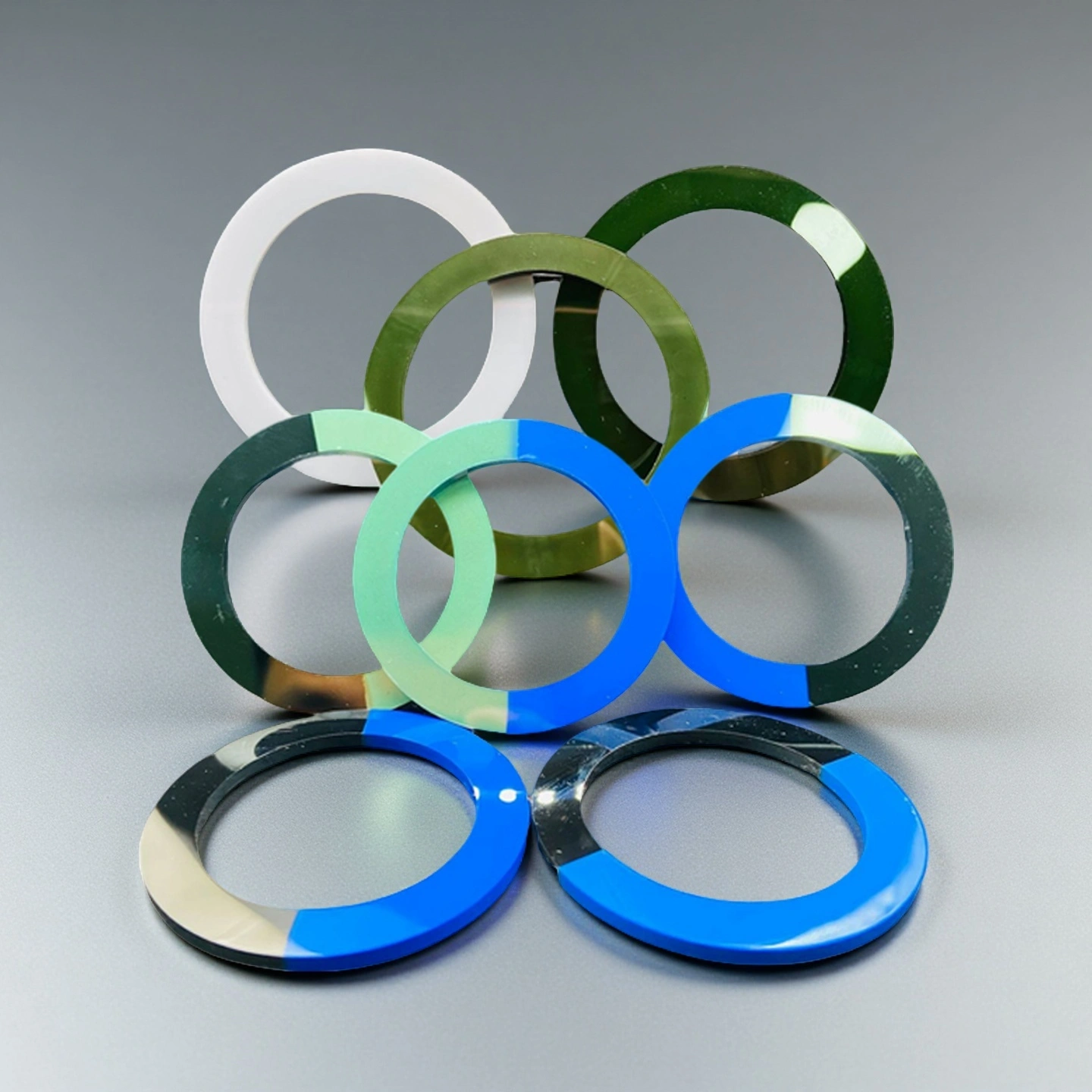
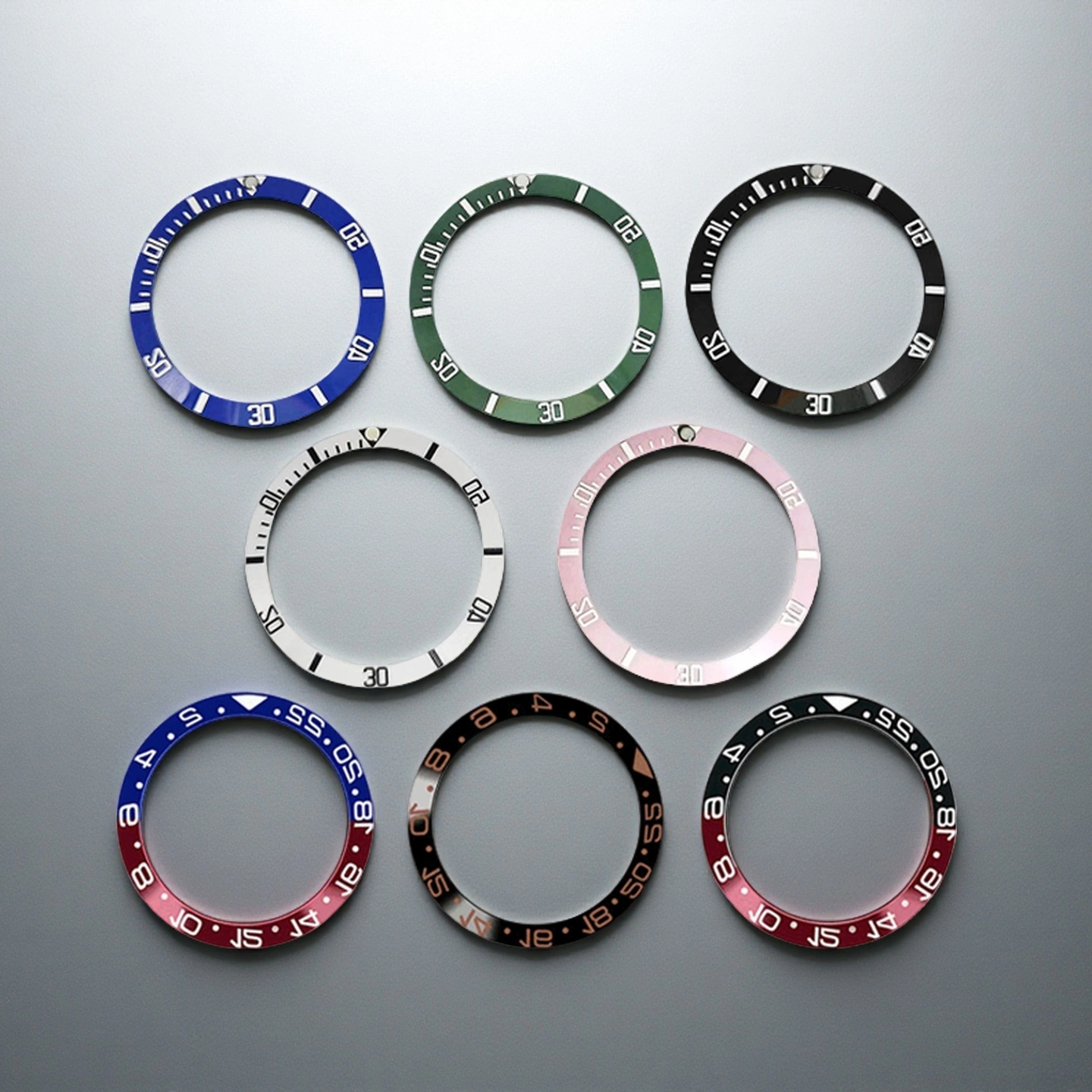
ADCERAX Zirconia Ceramic Watch Bezel is widely used in high-end, diver, and chronograph timepieces requiring long-term durability and color consistency. Manufactured from fine-grained stabilized zirconia, it offers excellent resistance to wear, corrosion, and ultraviolet degradation. The surface is polished to a mirror finish, delivering superior aesthetics and scratch resistance. Zirconia Ceramic Watch Bezel enables luxury watch brands to enhance both performance and visual integrity in demanding environments.
Why Zirconia Ceramic Works Well for Watch Bezels
1. Dense and Scratch-Resistant Surface
Zirconia ceramic provides a hard and dense surface that helps reduce visible scratches caused by daily wear, contact with metal accessories and repeated handling during assembly. This makes it suitable for watch bezels that must maintain a clean appearance after long-term use.
2. Stable Appearance for Premium Watch Designs
The ceramic body is not a plated surface, so it can provide more stable visual quality than many coated or anodized metal parts. This is especially useful for black, white or selected custom color designs where the bezel is part of the brand’s visual identity.
3. Suitable for Fine Marking and Engraving
Zirconia ceramic can be reviewed for laser engraving, filled markings, logo details and index scales. The final result depends on ceramic color, surface finish, marking depth, line width and post-processing method.
4. Better Resistance to Moisture and Sweat Than Many Decorative Metals
For diver watches, sport watches and wearable devices, the bezel may be exposed to sweat, seawater, cleaning agents and outdoor conditions. Zirconia ceramic helps reduce cosmetic corrosion risk compared with many plated or coated metal alternatives.
5. Premium Touch Feel and Surface Finish
Polished or matte zirconia ceramic can provide a smooth, high-end touch feel. This helps watch brands improve the perceived quality of the outer case assembly without relying only on metal finishing.
Technical Properties of Zirconia Ceramic Watch Bezel
Zirconia Ceramic Watch Bezel is engineered from high-purity stabilized zirconium dioxide, featuring dense microstructure, excellent mechanical strength, and consistent optical performance under thermal and environmental stress. Its structural reliability and surface uniformity make it suitable for long-term use in luxury and professional timekeeping devices.
| Property | Typical Reference Value | Why It Matters for Watch Bezels |
|---|---|---|
| Material Composition | ≥ 99.8% ZrO₂ + Y₂O₃ (3–5 mol%) | A high-purity stabilized zirconia composition supports strong mechanical performance, stable color and reliable surface finishing for precision watch bezel components. |
| Bulk Density | 6.05 g/cm³ | High density gives the bezel a solid ceramic feel and helps maintain a dense, low-porosity surface for premium watch designs. |
| Flexural Strength | > 1000 MPa | High bending strength helps reduce the risk of cracking during handling, assembly and long-term use. |
| Compressive Strength | > 2000 MPa | Good compressive strength helps the bezel withstand controlled assembly pressure when the case interface is properly designed. |
| Vickers Hardness | 1250–1350 HV10 | High hardness helps reduce visible scratches caused by daily wear, metal contact and repeated handling. |
| Fracture Toughness (KIC) | 8–10 MPa·m1/2 | Improved toughness helps reduce edge chipping risk compared with more brittle ceramic materials. |
| Elastic Modulus | 210 GPa | A stable modulus helps the bezel maintain shape accuracy and dimensional stability after precision machining and polishing. |
| Coefficient of Thermal Expansion | 10.5 × 10⁻⁶/K (20–400°C) | Thermal expansion should be reviewed with the metal case, adhesive layer and assembly method to reduce fitting stress. |
| Thermal Conductivity | 2.2 W/m·K | Low thermal conductivity gives zirconia a warmer and more comfortable touch feel compared with many metal bezel materials. |
| UV Color Stability | ΔE < 0.3 after 1000h xenon exposure | Good UV color stability helps maintain consistent appearance for watches exposed to sunlight and outdoor use. |
| Surface Roughness | ≤ 0.02 μm (mirror polished) | A fine polished surface improves gloss, touch feel and premium visual quality on luxury watch bezels. |
| Corrosion Resistance | Stable in pH 4–9, ISO 10545-13 compliant | Chemical stability helps reduce surface change from sweat, moisture, seawater and routine cleaning conditions. |
| Microstructure Grain Size | ≤ 0.4 μm after sintering | Fine grain structure supports smooth polishing, sharp engraving and stable cosmetic surface quality. |
| Visual Reflectivity Uniformity | ΔGloss ≤ 5% across surface | Uniform gloss helps prevent visible reflection difference across the bezel surface. |
| Water Absorption | < 0.01% (closed pore) | Very low water absorption helps maintain surface stability in humid, sweat-contact or outdoor watch applications. |
Reference Sizes for Custom Zirconia Ceramic Watch Bezel
The following dimensions are reference examples for zirconia ceramic watch bezels. Final size, groove design, edge profile, marking layout and surface finish should be confirmed according to the drawing, sample or watch case assembly requirement.
| Zirconia Ceramic Watch Bezel | |||
| Item No. | Outer Diameter(mm) | Inner Diameter(mm) | Thickness(mm) |
| AT-YHG-BQ001 | 31 | 25.0 | 1.2 |
| AT-YHG-BQ002 | 36 | 29 | 1.2 |
| AT-YHG-BQ003 | 38 | 30.7 | 1.2 |
| AT-YHG-BQ004 | 38 | 31.6 | 1.0 |
| AT-YHG-BQ005 | 38 | 31.8 | 1.2 |
| AT-YHG-BQ006 | 38 | 30.7 | 1.6 |
| AT-YHG-BQ007 | 38.5 | 30.5 | 3.0 |
| AT-YHG-BQ008 | 39.2 | 31.4 | 1.2 |
| AT-YHG-BQ009 | 40 | 31.7 | 1.65 |
| AT-YHG-BQ010 | 42.5 | 33.0 | 2.3 |
Packaging of Zirconia Ceramic Watch Bezel
Each zirconia ceramic watch bezel is individually protected to reduce scratches, surface contact and edge impact during shipment. Packaging can be arranged with foam trays, sleeves or protective cases according to quantity, finish and inspection requirements.