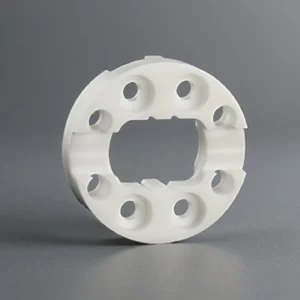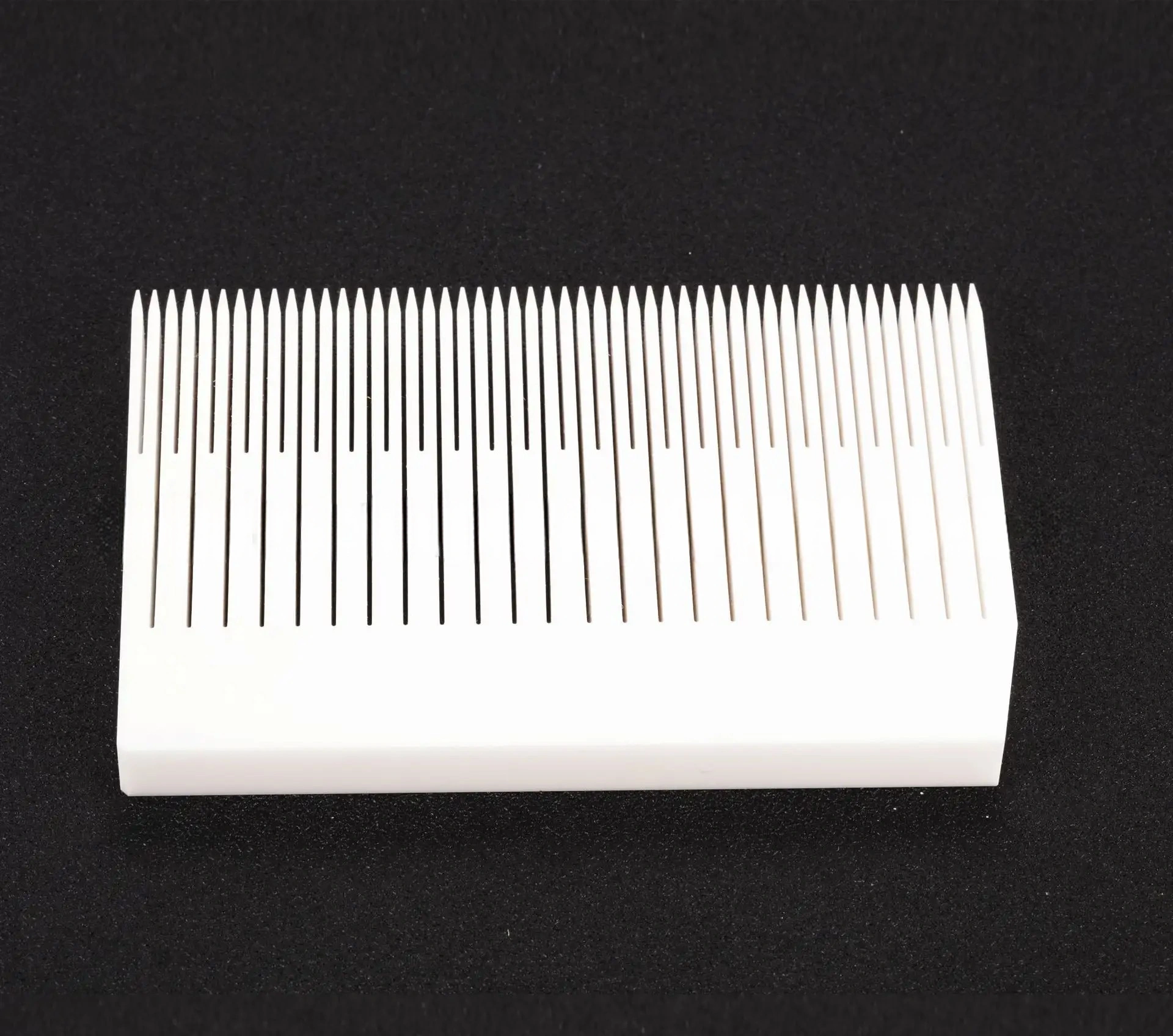
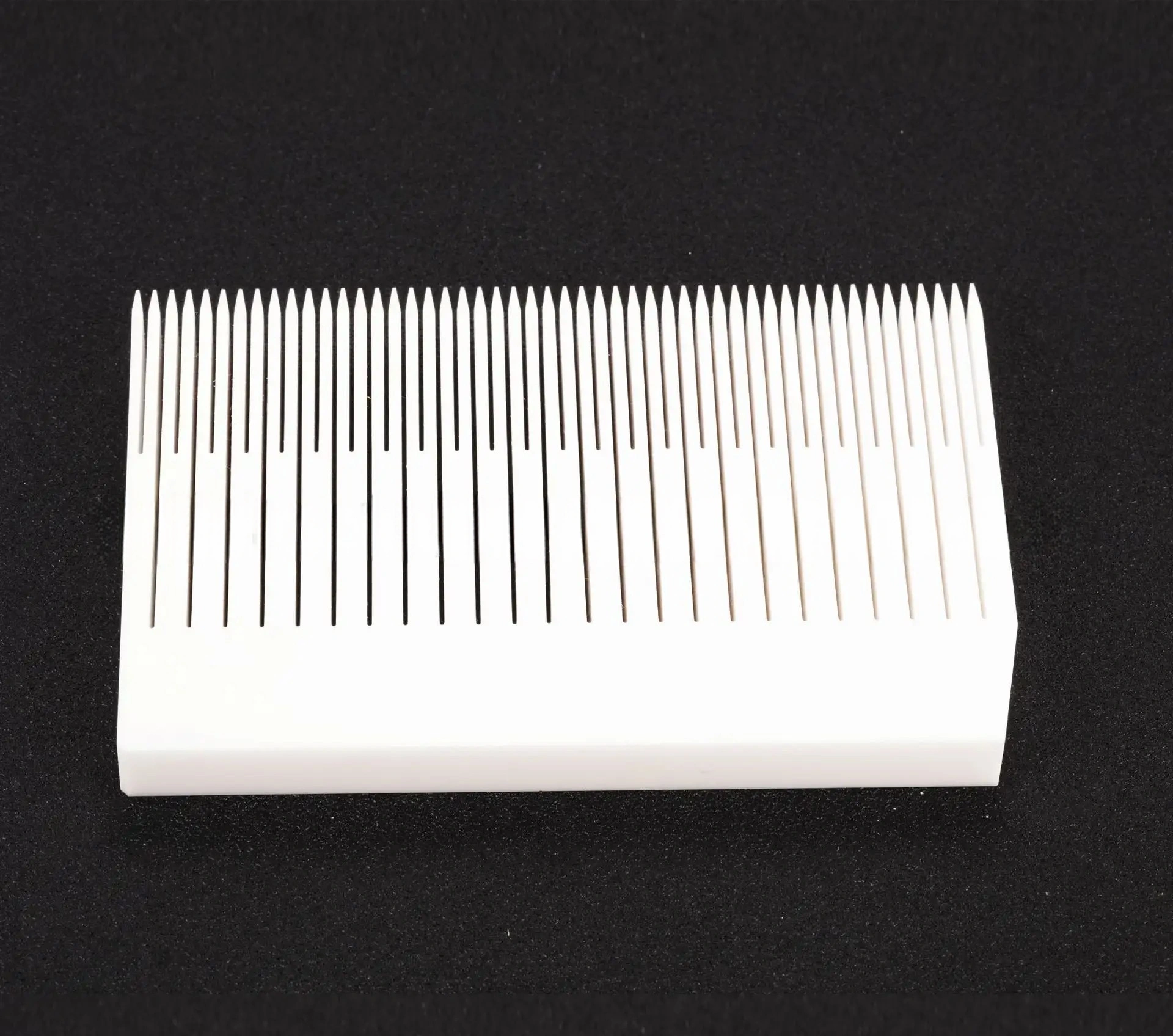
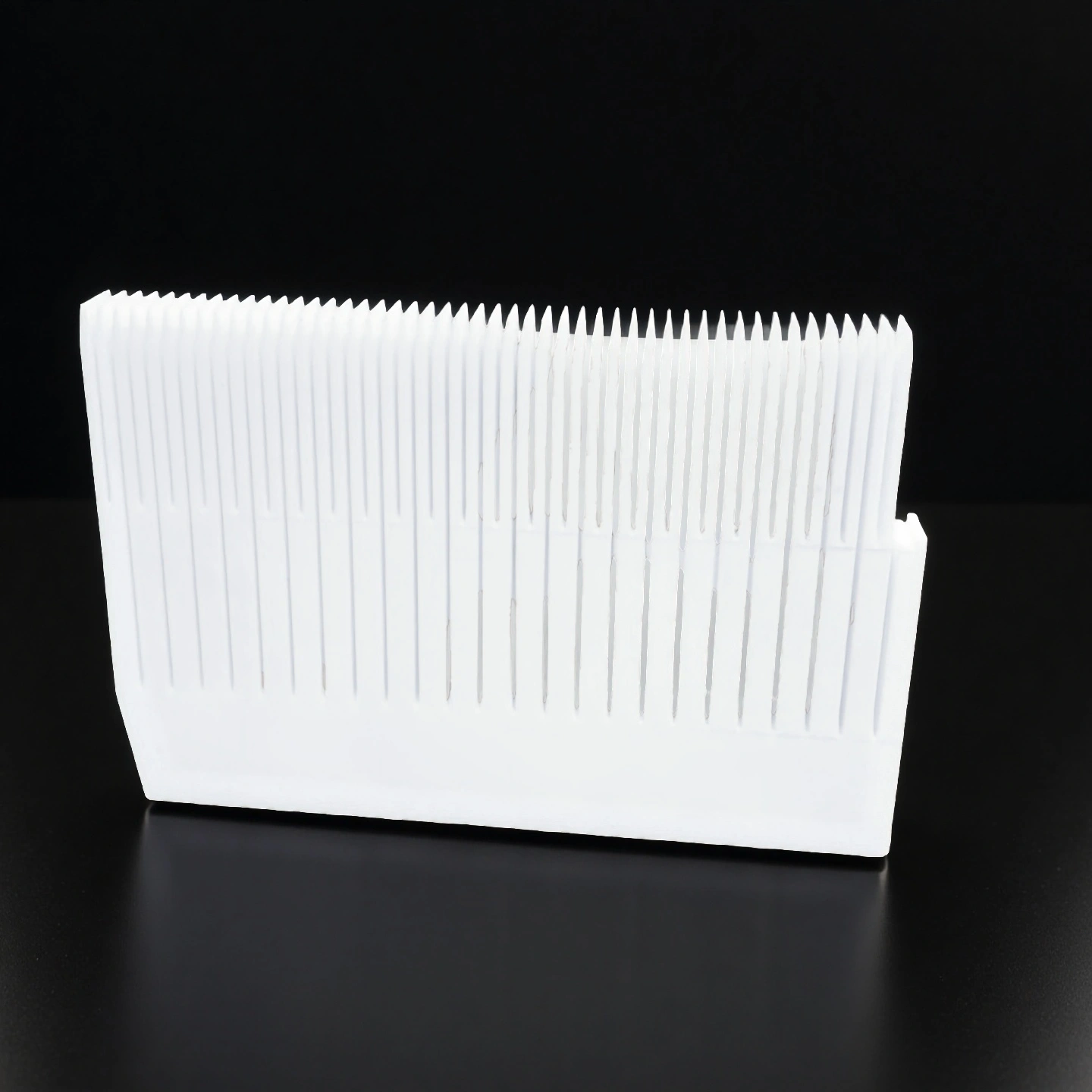
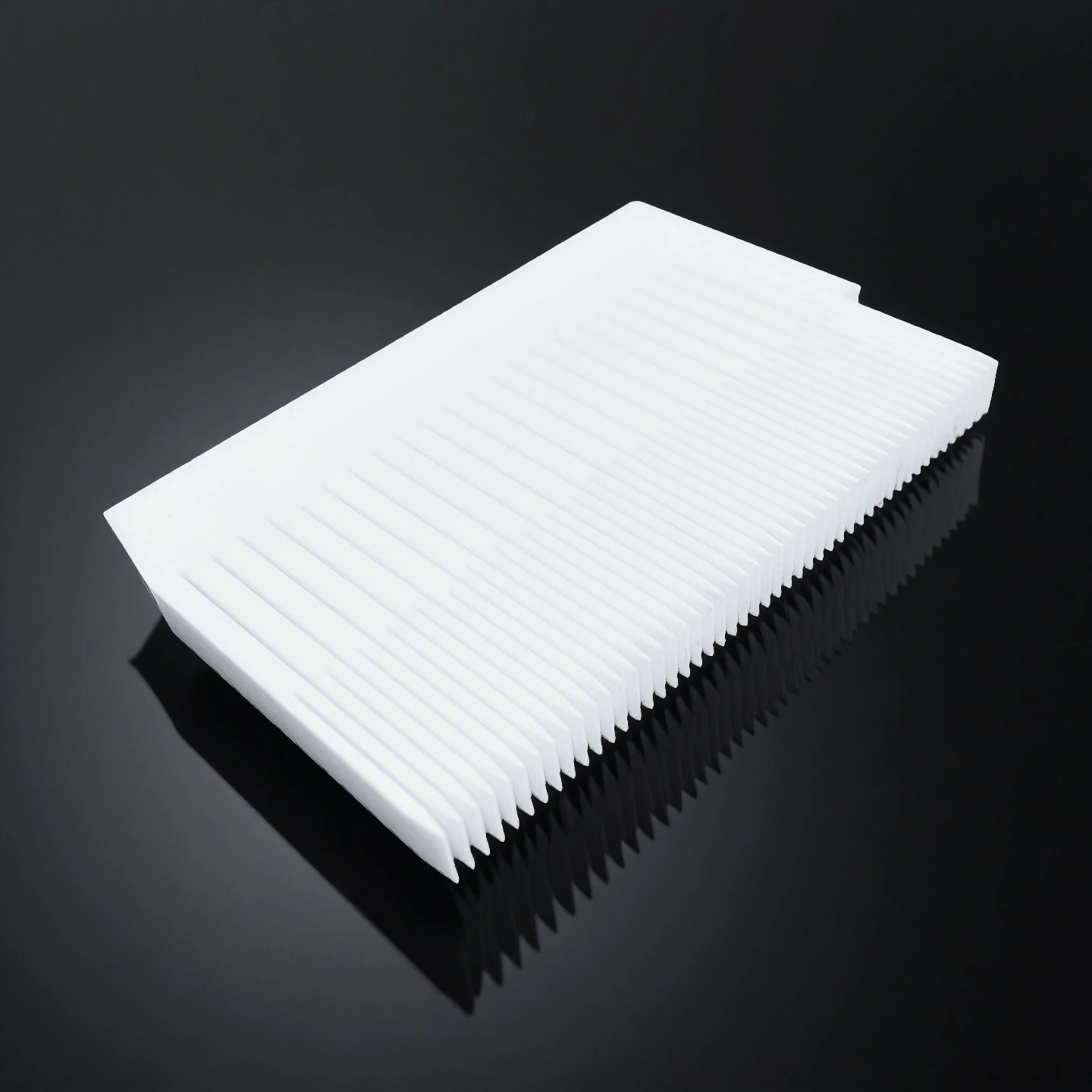
Zirconia ceramic combs are used in PV wafer inserters, buffer stations and transfer modules where wafer spacing, contact smoothness and tooth geometry need to remain stable during repeated automation cycles. ADCERAX reviews each drawing according to wafer size, slot pitch, tooth profile, mounting structure, surface finish and inspection requirements before quotation.
Where Zirconia Ceramic Combs Are Used
Zirconia ceramic combs are commonly used in PV automation equipment where wafers need to be separated, guided, transferred or temporarily positioned without unstable friction or frequent part wear. The final design should match the wafer format, equipment interface, contact direction and cleaning environment.
Wafer Inserter and Loading Units
In wafer inserter modules, the ceramic comb helps maintain consistent separation between wafers during loading and unloading. Slot pitch, tooth height and surface finish should be reviewed together because small geometry errors may lead to wafer edge stress, stacking faults or unstable transfer.
Buffer and Sorting Stations
In buffer or sorting stations, zirconia can be selected when the comb must resist repeated sliding contact, cleaning exposure and small alignment impacts. Dense zirconia helps reduce wear on working edges and supports stable geometry during repeated automation cycles.
Solar Cell Transfer and Fixture Positioning
For transfer fixtures or positioning modules, the comb geometry should match the robotic path, wafer thickness and mounting structure. ADCERAX can review drawings or samples to confirm whether zirconia, alumina or another ceramic material is more suitable for the actual contact condition.
Technical Properties of Zirconia Ceramic Comb
The Zirconia Ceramic Comb is built for high-load, high-precision, and chemically stable operation in photovoltaic wafer handling systems, delivering a reliable balance of strength, insulation, thermal resistance, and surface control for long-term industrial use.
| Property | Specification | Description |
|---|---|---|
| Material Type | Yttria-Stabilized Zirconia (3Y-TZP) | This material provides high toughness, wear resistance and dimensional stability for precision ceramic comb structures. |
| Density | 6.05 g/cm³ | High density helps improve mechanical strength and surface integrity during repeated wafer handling cycles. |
| Flexural Strength | Up to 1200 MPa | Strong bending resistance helps reduce the risk of tooth fracture under controlled mechanical load. |
| Compressive Strength | Approx. 2000 MPa | High compressive strength supports stable contact in fixture, guide and positioning applications. |
| Fracture Toughness | 6–10 MPa·m¹/² | Better toughness than many technical ceramics helps improve resistance to cracking and edge damage. |
| Vickers Hardness | 1200–1300 HV | High hardness supports wear resistance when the comb contacts wafers or moving equipment parts. |
| Surface Roughness (Ra) | < 0.2 μm | A fine surface finish can help reduce friction, particle risk and unstable wafer contact. |
| Thermal Conductivity | 2.5 W/m·K | Low thermal conductivity helps limit heat transfer in applications where thermal isolation is useful. |
| Maximum Operating Temperature | ≤ 1000°C continuous use | Suitable for many industrial and automation environments, depending on load, atmosphere and geometry. |
| Thermal Expansion Coefficient | 10.3 × 10⁻⁶ /K | This value helps engineers evaluate dimensional change under temperature variation. |
| Electrical Resistivity | ≥ 10¹² Ω·cm | High resistivity makes zirconia suitable for applications requiring electrical insulation. |
| Wear Rate | < 1 × 10⁻⁶ mm³/N·m | Low wear behavior helps maintain slot geometry and contact stability over repeated operation. |
| Microstructure Grain Size | < 0.5 μm | Fine grain structure supports smoother machining, better edge quality and stable finished surfaces. |
| Cleanroom Suitability | Project-dependent | Cleanroom suitability should be confirmed according to cleaning method, packaging and inspection requirements. |
| Magnetic Property | Non-magnetic | Non-magnetic behavior is useful in equipment where magnetic interference or metal contamination should be avoided. |
Specifications of Zirconia Ceramic Comb
| Zirconia Ceramic Comb | ||
| Item No. | Diameter(mm) | Height (mm) |
| AT-YHG-DC1001 | Customize | |
Key Design Factors for Zirconia Ceramic Comb
Slot Pitch
Slot pitch directly affects wafer spacing, alignment stability and transfer consistency. For PV wafer handling equipment, the pitch should be reviewed together with wafer size, wafer thickness, line speed and positioning tolerance to reduce unstable contact during repeated movement.
Tooth Geometry
Tooth geometry influences how the ceramic comb contacts the wafer edge or supporting area. Tooth height, tip radius, angle, chamfer and transition shape should be confirmed carefully to reduce local stress, edge interference and handling instability.
Surface Finish
Surface finish affects friction, particle risk and wafer contact behavior. Polished, finely ground or application-specific surfaces can be reviewed according to the wafer contact area, cleaning method and equipment operating condition.
Mounting Structure
The mounting structure determines whether the ceramic comb can fit the existing equipment interface. Hole position, base thickness, slot orientation, datum reference and installation direction should be checked before production.
Material Grade
Material grade affects toughness, wear resistance and machining feasibility. ADCERAX can review 3Y-TZP, YSZ zirconia or other zirconia grades according to the comb geometry, working condition and expected service environment.
Inspection Method
Inspection helps reduce mismatch before shipment. Key points may include slot pitch, tooth condition, mounting hole position, flatness, surface finish and visual condition. CMM, visual inspection or key-dimension reports can be discussed when required.
When to Choose Zirconia Ceramic Comb
Choose zirconia ceramic combs when the application requires stable slot geometry, wear-resistant teeth and smooth ceramic contact during repeated wafer handling cycles. If the part mainly needs low-cost static support, alumina or engineered polymer may also be reviewed. ADCERAX can compare the working condition, drawing geometry and contact requirement before confirming the suitable material.
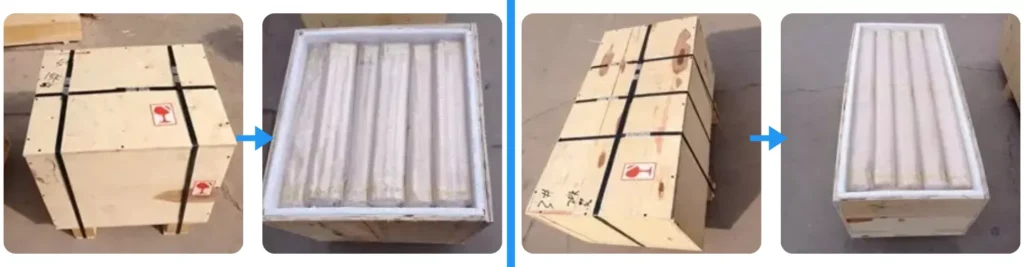
Packaging of Zirconia Ceramic Comb
Each zirconia ceramic comb is individually separated and protected to prevent tooth impact during transport. Thin teeth, sharp slots and polished surfaces can be packed with foam positioning, edge protection and reinforced outer packaging.