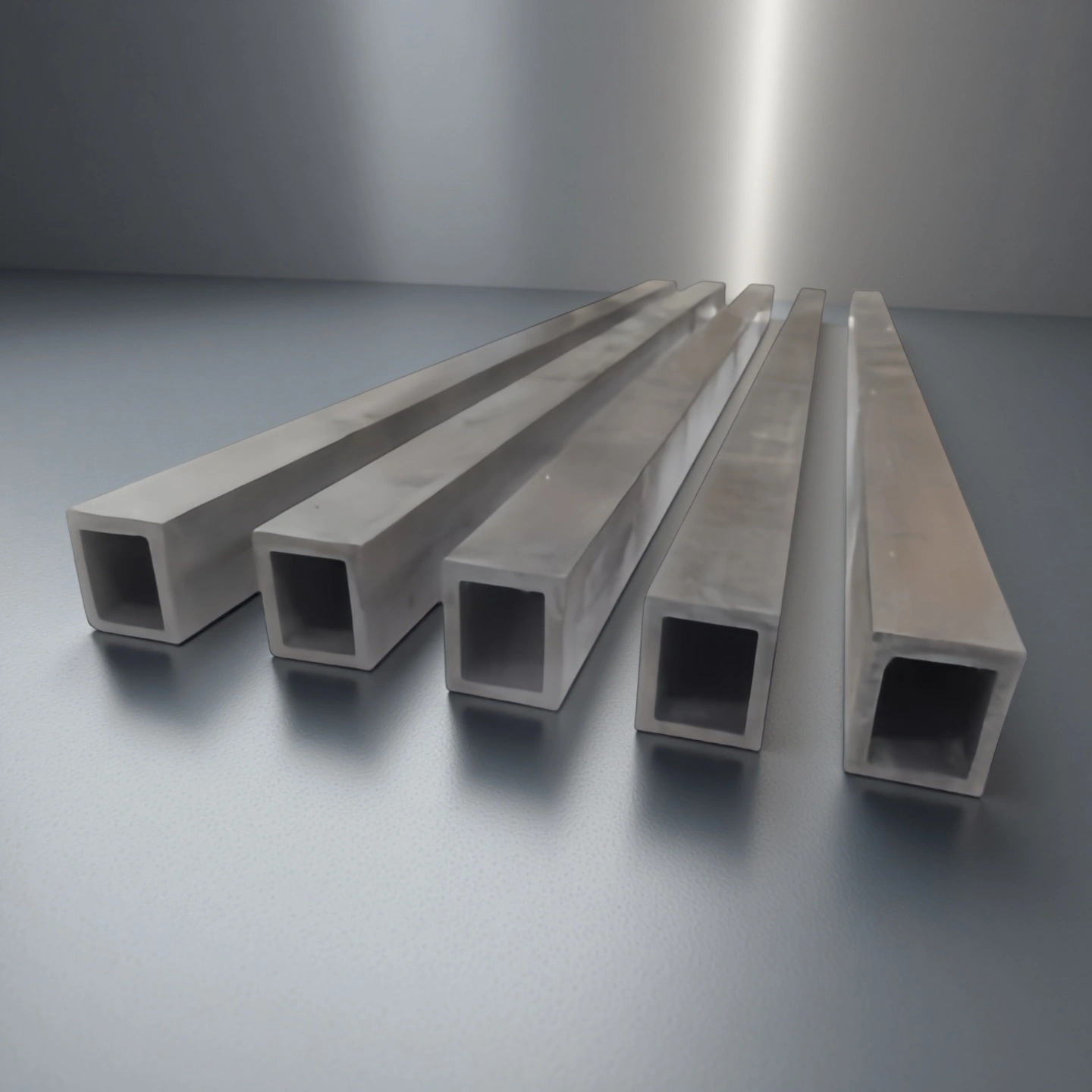
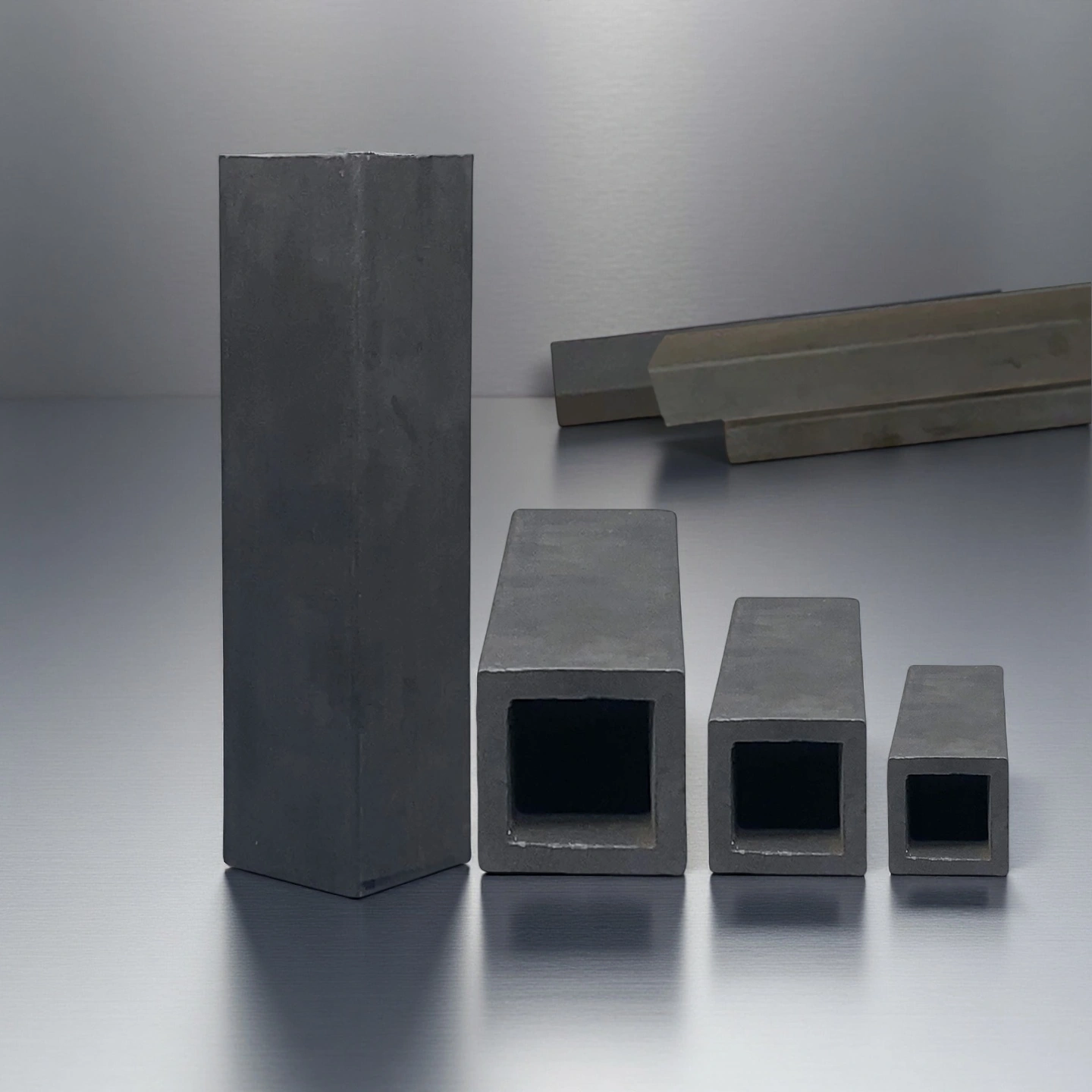
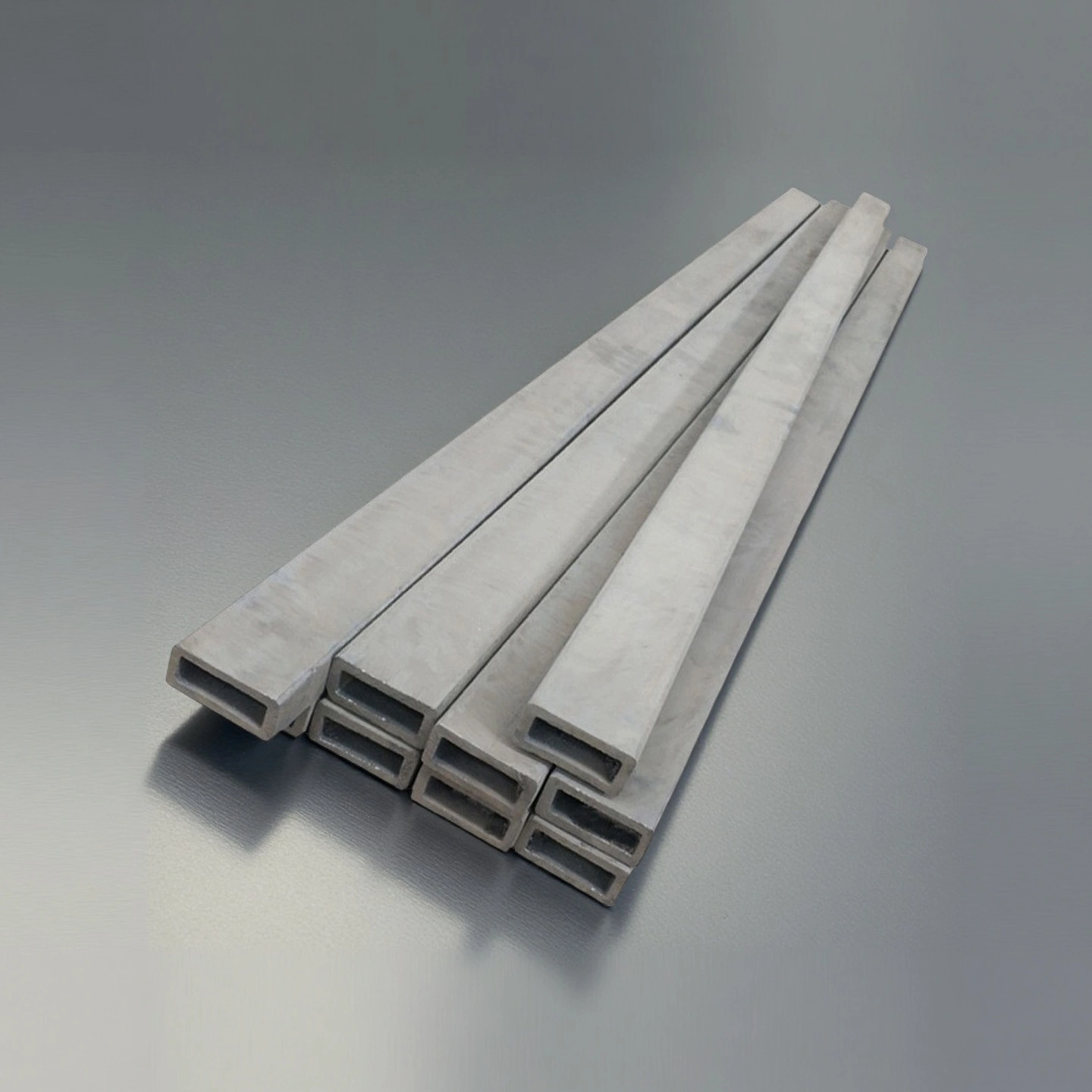
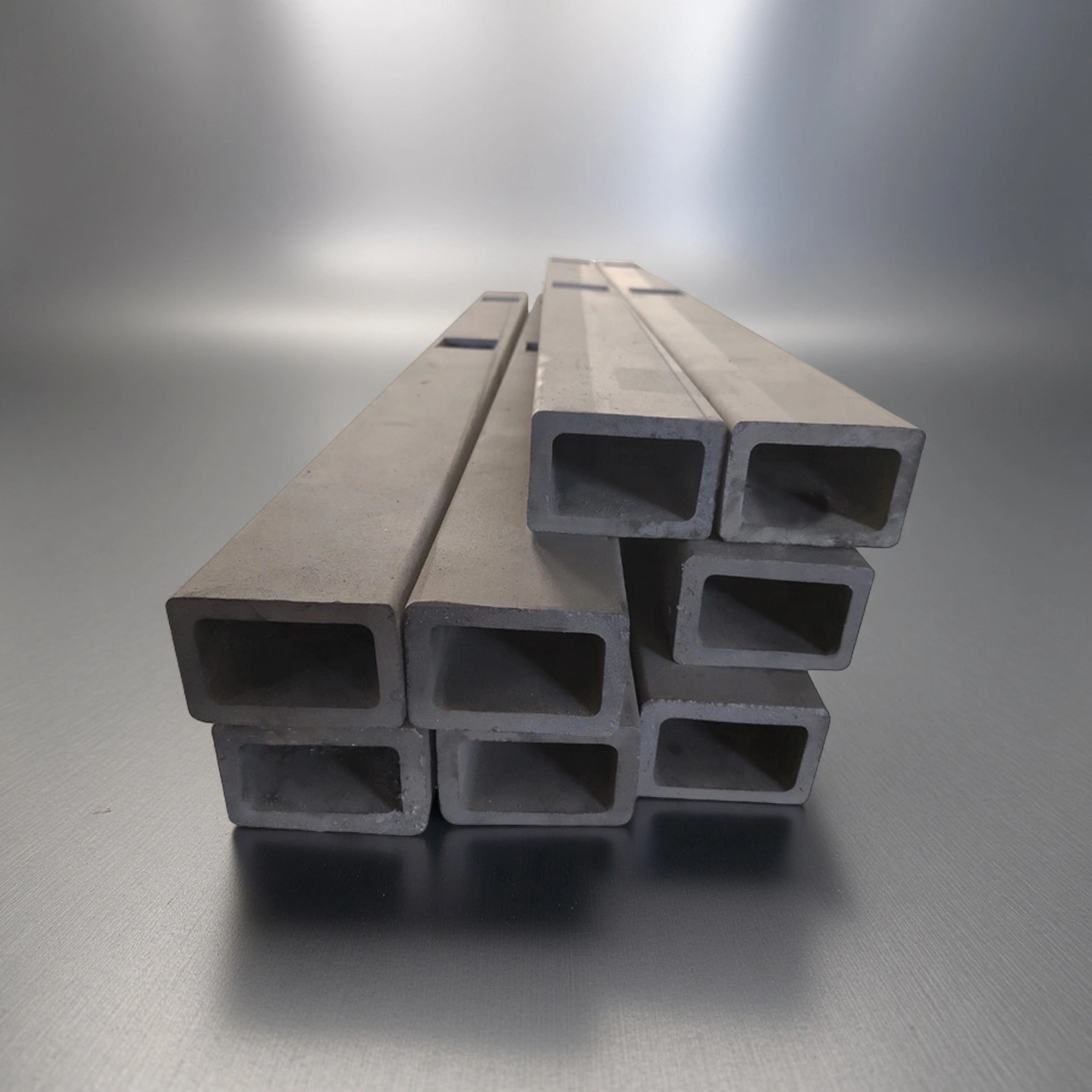
Energy-Focused Silicon Carbide SiC Square Beam for Thermal Manufacturing Lines

SiC Square Beam delivers a combination of mechanical strength, thermal balance, and oxidation stability that supports consistent kiln performance across long firing cycles, enabling predictable load-bearing behavior and improved process efficiency in demanding ceramic production lines.

Catalogue No. AT-THG-FL001
Material RBSC / SiSiC
Maximum Operating Temperature 1380 °C continuous operation
Flexural Strength 45–55 MPa at 1300–1380 °C
Thermal Conductivity 25–35 W/m·K
24H Standard Dispatch
Small Batch Support OEM
Factory Direct
Expert Engineering Support

ADCERAX® SiC Square Beam is an advanced structural component designed for high-temperature kiln applications, particularly in tunnel, shuttle, and roller kilns. This product offers superior mechanical strength, thermal shock resistance, and oxidation stability, ensuring long-lasting performance even under the most demanding conditions. Ideal for industries such as sanitaryware and electrical porcelain, the SiC Square Beam contributes to energy efficiency and reduced downtime, making it an essential solution for high-performance kiln operations.

Core Functional Advantages of the ADCERAX® SiC Square Beam in Kiln Operations

  • High-Temperature Mechanical Strength

    • SiC Square Beam maintains exceptional load-bearing stability under continuous furnace temperatures, supported by a high-temperature flexural strength exceeding 45–55 MPa at 1300–1380°C. This enables stable support for heavy sanitaryware and electrical porcelain products during long firing cycles.
    • Its structural integrity remains consistent throughout extended thermal exposure, with strength degradation rates typically below 5–8% after 100 firing cycles. This ensures predictable mechanical performance and minimizes the risk of mid-cycle deformation.
    • Longitudinal bending resistance is significantly improved by the RBSC/SiSiC matrix, which provides a room-temperature flexural strength of 240–300 MPa. This characteristic supports reliable kiln car configurations in demanding industrial environments.

  • Thermal Shock Resistance
    • SiC Square Beam delivers strong resistance to rapid temperature changes, achieving thermal shock performance that withstands ΔT > 250°C without structural cracking. This behavior is critical for shuttle kilns and intermittent firing systems.
    • The material's low thermal expansion coefficient, typically 4.5 × 10⁻⁶ /K, minimizes internal stress and prevents dimensional distortion during fast heating or cooling transitions. This stabilizes the overall kiln structure under fluctuating thermal conditions.
    • High thermal conductivity values within the range of 25–35 W/m·K allow rapid heat dissipation, effectively reducing localized thermal gradients and improving firing uniformity for sensitive ceramic bodies.

  • Structural Stability Under Heavy Load
    • SiC Square Beam offers extremely high load capacity, with compressive strength typically reaching 1800–2000 MPa at room temperature, enabling safe support of dense ceramic loads in multi-layer kiln car configurations.
    • Deflection under load is minimal—measured bending displacement often remains below 1–2 mm after repeated firing cycles—ensuring precise alignment of kiln furniture and reducing mechanical stress on product layers.
    • Static and dynamic load tests indicate that long-span beam sections retain more than 85–90% of their original stiffness after repeated heating cycles, positioning the design as a stable backbone of modern kiln cars.

Technical Specifications of SiC Square Beam

ADCERAX® SiC Square Beam exhibits a stable Si–SiC composite microstructure with high thermal conductivity, low expansion behavior, and long-term strength retention under continuous firing conditions, making it suitable for demanding kiln environments across sanitaryware, electrical porcelain, and advanced ceramic production.

Property Specification
Material System RBSC / SiSiC
Density 2.60–2.70 g/cm³
Open Porosity < 15%
Max Working Temperature 1380 °C (continuous)
Flexural Strength (RT) > 220 MPa
Flexural Strength (1300 °C) 45–55 MPa
Thermal Conductivity 25–35 W/m·K
Thermal Expansion (25–1000 °C) 4.0–4.5 ×10⁻⁶ /K
Hardness Mohs 9–9.5
Oxidation Weight Gain < 0.2% after 100 h at 1200 °C
Elastic Modulus > 250 GPa
Acid / Alkali Resistance Stable in most oxidizing and neutral atmospheres
Microstructure Fine SiC skeleton with Si infiltration
Surface Finish As-fired, dense, low-defect

Dimensions of Silicon SiC Square Beam

Beam Bearing Capacity Table
Size of Section
(mm)
Wall Thickness
(mm)
Concentrated Loading
(Kg)
Uniformly Distributed Loading
(Kg)
B side H side B side H side B side H side
30 30 5 74 74 147 147
30 40 5 117 95 235 190
40 40 5 149 149 298 298
50 50 6 283 283 567 567
50 60 6 374 331 748 662
50 70 6 473 379 946 757
60 60 7 481 481 962 962
80 80 7 935 935 1869 1869
100 100 8 1708 1708 3416 3416
110 110 10 2498 2498 4997 4997

SIZE

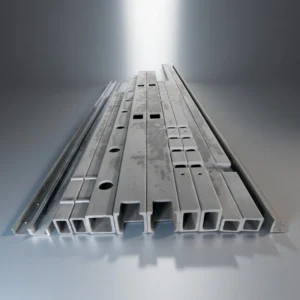
Silicon Carbide Square Beam
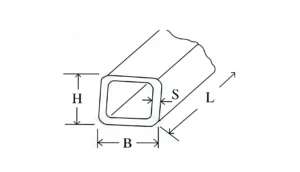
Item No. H (mm) B (mm) S (mm) L(mm)
AT-THG-FL001 20 20 4 50-4500mm
AT-THG-FL002 20 20 5 50-4500mm
AT-THG-FL003 20 30 4 50-4500mm
AT-THG-FL004 20 30 5 50-4500mm
AT-THG-FL005 20 40 5 50-4500mm
AT-THG-FL006 25 30 5 50-4500mm
AT-THG-FL007 30 30 4 50-4500mm
AT-THG-FL008 30 30 5 50-4500mm
AT-THG-FL009 30 40 4 50-4500mm
AT-THG-FL010 30 40 5 50-4500mm
AT-THG-FL011 30 40 6 50-4500mm
AT-THG-FL012 30 50 4 50-4500mm
AT-THG-FL013 30 50 5 50-4500mm
AT-THG-FL014 30 50 6 50-4500mm
AT-THG-FL015 30 60 5 50-4500mm
AT-THG-FL016 30 60 6 50-4500mm
AT-THG-FL017 45 50 4 50-4500mm
AT-THG-FL018 45 50 5 50-4500mm
AT-THG-FL019 45 50 6 50-4500mm
AT-THG-FL020 40 40 5 50-4500mm
AT-THG-FL021 40 40 6 50-4500mm
AT-THG-FL022 40 40 7 50-4500mm
AT-THG-FL023 40 50 6 50-4500mm
AT-THG-FL024 40 50 7 50-4500mm
AT-THG-FL025 40 60 5 50-4500mm
AT-THG-FL026 40 60 6 50-4500mm
AT-THG-FL027 40 60 7 50-4500mm
AT-THG-FL028 45 45 5 50-4500mm
AT-THG-FL029 45 45 6 50-4500mm
AT-THG-FL030 45 45 7 50-4500mm
AT-THG-FL031 50 50 5 50-4500mm
AT-THG-FL032 50 50 6 50-4500mm
AT-THG-FL033 50 50 7 50-4500mm
AT-THG-FL034 50 60 6 50-4500mm
AT-THG-FL035 50 60 7 50-4500mm
AT-THG-FL036 50 60 8 50-4500mm
AT-THG-FL037 50 70 6 50-4500mm
AT-THG-FL038 50 70 7 50-4500mm
AT-THG-FL039 50 70 8 50-4500mm
AT-THG-FL040 60 60 6 50-4500mm
AT-THG-FL041 60 60 7 50-4500mm
AT-THG-FL042 60 60 8 50-4500mm
AT-THG-FL043 60 60 9 50-4500mm
AT-THG-FL044 60 70 7 50-4500mm
AT-THG-FL045 60 70 8 50-4500mm
AT-THG-FL046 60 70 9 50-4500mm
AT-THG-FL047 60 80 7 50-4500mm
AT-THG-FL048 60 80 8 50-4500mm
AT-THG-FL049 60 80 9 50-4500mm
AT-THG-FL050 60 90 7 50-4500mm
AT-THG-FL051 60 90 8 50-4500mm
AT-THG-FL052 60 90 9 50-4500mm
AT-THG-FL053 70 70 7 50-4500mm
AT-THG-FL054 70 70 8 50-4500mm
AT-THG-FL055 70 70 9 50-4500mm

SIZE

Silicon Carbide Square Beam with Closed One End
Item No. H (mm) B (mm) S (mm) L(mm)
AT-THG-FL056 50 20 5 50-4500mm
AT-THG-FL057 50 20 6 50-4500mm
AT-THG-FL058 50 20 7 50-4500mm
AT-THG-FL059 50 20 8 50-4500mm
AT-THG-FL060 60 25 6 50-4500mm
AT-THG-FL061 60 25 7 50-4500mm
AT-THG-FL062 60 25 8 50-4500mm
AT-THG-FL063 60 25 9 50-4500mm
AT-THG-FL064 70 30 7 50-4500mm
AT-THG-FL065 70 30 8 50-4500mm
AT-THG-FL066 70 30 9 50-4500mm

Packaging Overview for SiC Square Beam

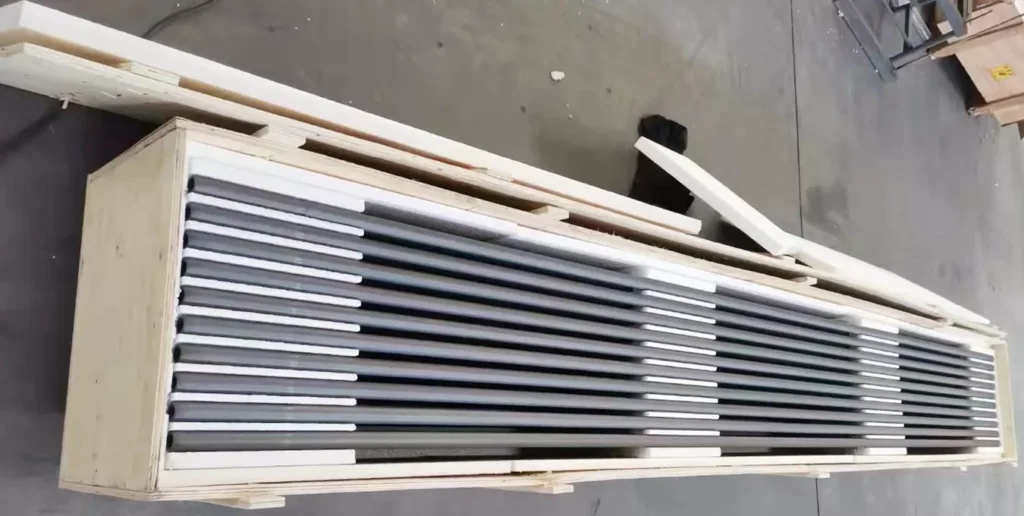
SiC Square Beam is packaged in reinforced wooden crates with layered internal cushioning to prevent impact and vibration during transport. Each beam is separated with protective padding to avoid surface friction and ensure stable alignment throughout handling. The crate structure is optimized for long-distance export shipping, maintaining product integrity from factory dispatch to kiln installation.

Packaging for Silicon Carbide Protection Tube

Overcoming Industry-Specific Challenges with ADCERAX® SiC Square Beam

ADCERAX® SiC Square Beam is the ideal solution for industrial applications requiring high temperature, strength, and stability. With its superior mechanical and thermal properties, SiC Square Beam effectively solves performance issues across industries such as sanitaryware, electrical porcelain, and specialty ceramics. Designed to support demanding kiln environments, ADCERAX® delivers enhanced operational reliability, energy savings, and longer service life, addressing common challenges in high-temperature kiln operations.

  • Enhancing Kiln Efficiency in Sanitaryware Production

    ✅Key Advantages

    1. Reduced Temperature Gradient Across Kiln Load
    In sanitaryware tunnel kilns using ADCERAX® SiC Square Beam, typical temperature variation across the car can be reduced from about ±15–25 °C down to ±5–8 °C. This tighter control directly lowers warpage risk on large pieces and improves dimensional consistency across full car loads.

    2. Lower Fuel Consumption per Fired Piece
    Thanks to thermal conductivity in the range of 25–35 W/m·K, SiC Square Beam improves heat transfer and shortens soak times in the 1200–1280 °C range. Field data from comparable sanitaryware lines indicate fuel usage per piece can be cut by 10–18%, with no loss of firing quality.

    3. Reduced Scrap Rate on Large Sanitary Units
    By limiting beam deformation and maintaining a stable support plane, SiC Square Beam reduces differential shrinkage between supports and loaded products. In practice, reject rates for large toilets and tanks can fall from 8–10% to around 3–5%, especially on lines previously constrained by temperature imbalance and unstable supports.

    ✅ ️Problem Solved

    A sanitaryware plant operating a 120 m tunnel kiln at 1220–1250 °C struggled with temperature gradients of ±20 °C, leading to an average scrap rate of 9% on large-format toilets and tanks. After replacing traditional refractory beams with ADCERAX® SiC Square Beam on all kiln cars, measured gradients decreased to approximately ±7 °C across the working width. Within three months of stable operation, the reject rate on heavy sanitary units dropped to 4%, and specific fuel consumption per fired piece improved by about 12%. The combined effect allowed the plant to recover the beam investment in less than 12 months, while simultaneously improving capacity stability and glaze quality.

  • Improving Stability in Electrical Porcelain Kilns

    ✅Key Advantages

    1. High-Load Support Without Long-Term Creep
    Electrical porcelain insulators can impose concentrated loads exceeding 150–250 kg per setting on kiln cars during firing at 1250–1350 °C. ADCERAX® SiC Square Beam maintains high-temperature flexural strength in the 45–55 MPa range, limiting long-span deflection to only 1–2 mm after repeated cycles and preventing misalignment of tall insulator bodies.

    2. Oxidation-Stable Support in Oxygen-Rich Atmospheres
    In oxy-rich firing conditions, low-grade beams tend to powder and weaken after a few hundred hours of exposure. SiC Square Beam shows oxidation weight gain typically below 0.3–0.5% after 500 h at 1200 °C, retaining >90% of its initial strength and preserving the flatness needed for precision electrical porcelain firing.

    3. Extended Service Life Under Heavy-Duty Firing Schedules
    Electrical porcelain kilns often run 300–330 days per year, with limited shutdown windows for maintenance. Under these conditions, SiC Square Beam can deliver a service life 2–3× longer than traditional refractory beams, significantly reducing unplanned replacements and associated kiln downtime.

    ✅ ️Problem Solved

    An electrical porcelain manufacturer firing high-voltage post insulators at 1280–1300 °C experienced progressive beam creep, with conventional beams sagging by 4–6 mm over 18 months. This deformation forced extra grinding operations and contributed to a 6% failure rate at final dimensional inspection. After upgrading the kiln car support system to ADCERAX® SiC Square Beam, measured sag over comparable spans remained within 1–2 mm after a full year of operation. Dimensional rejection on finished insulators fell to about 2–3%, and beam replacement intervals were extended from roughly 18 months to more than 4 years, cutting maintenance-related downtime by over 40% on that line.

  • Supporting High-Demand Specialty Ceramic Kilns

    ✅Key Advantages

    1. Reliable Performance Under Fast Heating Profiles
    Specialty ceramic kilns for microcrystalline glass and engineered oxides often run ramp rates of 5–8 °C/min, which severely stress conventional supports. ADCERAX® SiC Square Beam, with a thermal expansion coefficient around 4.0–4.5 ×10⁻⁶ /K, tolerates repeated rapid ramps without cracking, maintaining structural integrity through hundreds of fast-fire cycles.

    2. Stable Support for Dense and Large-Format Loads
    Refractory bodies and large oxide ceramic plates can reach bulk densities of 2.8–3.0 g/cm³ and impose high distributed loads during sintering. With room-temperature flexural strength above 220 MPa and high stiffness, SiC Square Beam provides a rigid platform that minimizes bending under these dense loads, helping preserve flatness and microstructural consistency.

    3. Improved Yield in Wide-Chamber Kilns
    In wide-chamber specialty kilns, temperature gradients of 20–30 °C across the span can cause uneven microstructure and localized cracking. By enhancing lateral heat transfer and reducing hot–cold zones, SiC Square Beam helps narrow effective temperature spread to around ±8–10 °C, which can raise first-pass yield on critical products by 5–10 percentage points.

    ✅ ️Problem Solved

    A producer of microcrystalline glass panels operated a wide-chamber kiln with aggressive firing curves, experiencing frequent beam cracking and panel warpage near the chamber edges. Temperature mapping showed lateral gradients close to 25–28 °C, and overall first-pass yield on large panels remained stuck at about 82%. After retrofitting the key load-bearing rows with ADCERAX® SiC Square Beam, the operator recorded a reduced gradient near 10–12 °C under identical firing profiles. Within several production campaigns, first-pass yield on large panels climbed to 90–92%, and beam breakage incidents dropped to near zero, stabilizing throughput while preserving the fast-cycle process window required by the specialty ceramics line.

Comprehensive User Guide for ADCERAX® SiC Square Beam

To ensure stable kiln performance and extend operational lifespan, the SiC Square Beam requires proper installation, loading control, and environmental management throughout firing cycles. This guide outlines essential procedures and precautions that help users maintain consistent support integrity, reduce deformation risks, and achieve predictable thermal behavior in long-cycle industrial kilns.

  • Installation and Alignment Requirements for SiC Square Beam

    1. Ensure Level Support Points
    Proper installation begins with verifying that all kiln car contact surfaces are uniform within ±1 mm across the span. This minimizes concentrated stress and prevents bending during firing. Maintaining level load distribution ensures predictable deformation control over repeated cycles.
    2. Maintain Controlled Thermal Expansion Gaps
    A thermal allowance gap should be preserved between beams and posts to accommodate expansion at 1200–1380 °C. Without this buffer, compression forces may accumulate and induce micro-cracks at the beam ends. Consistent thermal spacing protects the beam’s structural stability during long firing periods.
    3. Confirm Secure but Non-Restrictive Positioning
    Beam seating must be firm enough to avoid vibration yet loose enough to avoid clamping under thermal growth. Excessively tight seating may generate edge stress as temperatures rise. A balanced interface ensures smooth thermal response throughout each firing cycle.

  • Loading and Weight Distribution Practices

    1. Distribute Weight Evenly Across the Kiln Car
    Heavy sanitaryware or electrical porcelain should be arranged so that no single point exceeds 40–60% of the beam’s rated load zone. Uneven distribution accelerates creep and reduces lifespan. Balanced loading directly supports product dimensional accuracy.
    2. Avoid Point-Load Contact on Beam Surfaces
    Use setters, supports, or flat plates to spread contact pressure across a broader area, limiting localized forces that may exceed critical bending thresholds. Point loads introduce sharp stress gradients that compromise long-term rigidity. Proper load spreading preserves mechanical integrity.
    3. Monitor Load Profiles During Batch Changes
    Switching between lighter and heavier product types may alter the load center, affecting beam deflection behavior. Periodic checks can identify deviations early before they propagate into structural distortion. Stable load profiles reduce kiln cycle variability and firing defects.

  • Kiln Atmosphere and Thermal Management Guidelines

    1. Maintain Stable Oxygen Levels Under High Temperatures
    Exposure to fluctuating oxygen content at >1100 °C may influence oxidation patterns on conventional supports, but SiC beams remain stable under controlled atmospheres. Continuous monitoring reduces surface reactions that could affect overall kiln balance. Stable atmospheres enhance predictable heat transfer.
    2. Adopt Controlled Heating and Cooling Curves
    Rapid changes exceeding 5–8 °C/min may introduce thermal shock, stressing both the beam and supported ware. Smooth gradient control preserves beam microstructure and reduces crack initiation. Consistent ramp profiles support uniform sintering quality.
    3. Minimize Temperature Gradients in Wide Kiln Chambers
    Horizontal differences of >20–25 °C can impose asymmetric expansion forces along the beam length. Reducing these gradients contributes to better flatness retention during the firing cycle. Uniform temperature fields support higher product yield.

  • Maintenance, Inspection, and Handling Instructions

    1. Inspect Beam Straightness on a Regular Cycle
    Periodic checks every 4–6 weeks help detect early deviation trends, especially in high-load kilns. Identifying minor changes allows corrective action before significant warpage occurs. Routine straightness control maintains consistent support geometry.
    2. Clean Residues and Debris After Firing
    Accumulated glaze droplets or refractory dust can create thermal hot spots during subsequent cycles. Removing foreign material avoids localized overheating that stresses the beam surface. Clean contact zones improve thermal uniformity.
    3. Handle and Store Beams With Protective Spacing
    During off-kiln storage, leave fully cushioned gaps between beams to prevent friction marks or edge impacts. SiC beams are rigid but should be protected from sharp mechanical shocks. Proper storage contributes directly to long service life.

Technical FAQs for ADCERAX® SiC Square Beam in High-Demand Kiln Operations

  1. Q1: How does the SiC Square Beam maintain structural stability during long firing cycles?
    The SiC Square Beam retains stability because its RBSC/SiSiC microstructure provides high flexural strength at 1300–1380 °C, preventing creep or bending. This stability directly reduces deformation in sanitaryware and electrical porcelain firing. Its low porosity supports uniform thermal response under sustained loading. As a result, firing cycles remain predictable even with heavy product loads.

  2. Q2: Why does the SiC Square Beam improve temperature uniformity in tunnel kilns?
    Its high thermal conductivity of 25–35 W/m·K enables rapid thermal equalization across wide kiln chambers. This property minimizes ±20–25 °C gradients that typically cause warpage or glaze defects. A more uniform temperature field improves sintering behavior for heavy ceramic items. In practice, this reduces reject rates and stabilizes cycle quality.

  3. Q3: How does the SiC Square Beam resist thermal shock in rapid-fire kilns?
    The beam’s thermal expansion coefficient of 4.0–4.5×10⁻⁶/K supports resistance to sudden heating and cooling curves. This mitigates micro-crack formation when kilns exceed ramp rates of 5–8 °C/min. Specialty ceramics benefit from this resilience during steep temperature transitions. Operational consistency improves as fewer beams fail under repeated cycling.

  4. Q4: What gives the SiC Square Beam its long service life compared to cordierite beams?
    Its dense Si–SiC skeleton maintains mechanical strength retention of 45–55 MPa at 1300 °C, far superior to cordierite. This allows extended use across thousands of firing hours without measurable deflection. Low oxidation weight gain further delays surface degradation. Plants typically observe service life 2–5× longer than traditional materials.

  5. Q5: How does the SiC Square Beam perform under concentrated loads from large sanitaryware pieces?
    The beam resists load-induced deformation due to elastic modulus greater than 250 GPa. This rigidity minimizes platform sag during firing of toilets, tanks, and heavy supports. Stable alignment reduces dimensional drift and glaze discontinuities. Heavy-load zones remain reliable across extended campaigns.

Engineering Feedback on ADCERAX® SiC Square Beam Performance

  • ⭐️⭐️⭐️⭐️⭐️

    The SiC Square Beam demonstrated exceptional stability during long firing cycles, even when our sanitaryware line operated at full load. Temperature variation across the kiln dropped noticeably, improving glaze consistency on large-format pieces. Its predictable behavior reduced our cycle-to-cycle adjustments and improved throughput reliability.
    A. Morrison, Thermal Systems Division, EuroCeram Industries

  • ⭐️⭐️⭐️⭐️⭐️

    After replacing our legacy refractory beams with the SiC Square Beam, we observed significant improvement in high-temperature flexural performance, especially under concentrated loads from electrical insulator bodies. The beam maintained straightness after multiple cycles at 1300 °C, eliminating the misalignment issues we faced for years. This upgrade reduced corrective maintenance and increased kiln uptime.
    D. Hartwell, Senior Process Engineer, NorthGrid Electrical Materials

  • ⭐️⭐️⭐️⭐️⭐️

    Our specialty ceramics furnace benefited from the SiC Square Beam’s consistent thermal transfer and low expansion behavior, which stabilized heating curves during dense refractory firing. The reduced thermal lag improved product uniformity across wide kiln chambers. This consistency allowed us to tighten our internal dimensional control limits without increasing rejection rates.
    L. Verhoeven, Technical Manager, Alpine Advanced Ceramics

  • ⭐️⭐️⭐️⭐️⭐️

    In a recent kiln modernization project, the SiC Square Beam provided reliable structural support with minimal oxidation impact, even in extended oxidizing campaigns exceeding 1200 °C. We recorded fewer downtime events, and replacement intervals stretched far beyond our previous refractory support system. The operational gains justified the transition within the first year.
    M. Kessler, Operations Engineering Team, Helios Materials Group

customize size

Customization Services for SiC Square Beam

To support diverse kiln configurations and load-bearing requirements, ADCERAX® SiC Square Beam can be customized to align with structural, thermal, and operational specifications across multiple industrial firing systems.

Beam Geometry and Structural Configuration Options

A broad range of geometric adaptations is enabled to accommodate varying kiln layouts and load paths.

  • Section Profile
    Adapted to match specific structural framing
    Ensures alignment across kiln car systems

  • Hollow or Solid Form
    Selected based on weight-to-strength objectives
    Applied to improve thermal or structural balance

  • End-Connection Style
    Configured for interface with support posts
    Supports stable seating during firing cycles

Interface Compatibility and Assembly Integration

Enhanced compatibility across kiln cars and support assemblies is facilitated through targeted structural adjustments.

  • Support-Seat Design
    Shaped for accurate beam placement
    Ensures consistent contact under thermal load

  • Mounting Interaction
    Refined for reliable mechanical engagement
    Prevents stress concentration during expansion

  • System Coordination
    Adapted for use with posts and plates
    Maintains uniform load distribution patterns

Related Products

ADCERAX - Your Trusted Advanced Ceramics Manufacturing Partner

Direct factory manufacturing with comprehensive ceramic materials expertise and global supply capabilities

Direct Factory Manufacturing

China-based ceramic materials production facility with state-of-the-art equipment

Engineering Team

Experienced professionals in advanced ceramics applications and custom design

Quality Control

Strict quality control standards for technical ceramics manufacturing and quality management

Global Supply Chain

Serving customers worldwide with technical ceramics and rapid response

24/7 Technical Support

Round-the-clock support for ceramic components inquiries and technical assistance

500+ Satisfied Customers

Trusted by global customers for advanced ceramic materials and precision components

Get in touch with us

Our team will be happy to respond to you in less than 24 hours.

Adcerax's factory

Quick Quotation

*Our team will answer your inquiries within 24 hours.

*Your information will be kept strictly confidential.

Ready to Solve Your Engineering Challenge?

Partner with ADCERAX for reliable, high-performance advanced ceramic solutions. Our engineers are ready to discuss your project.

E-mail

info@adcerax.com

Phone

+(86) 0731-74427743 | WhatsApp: +(86) 19311583352

Response Time

Within 24 hours

Quick Quote

The more details you provide, the faster we can quote.

*We respond within 24 hours. All inquiries are confidential.

Download Catalog

Get Your Custom Sulution

The more details you provide, the faster we can respond.

customize size

*We respond within 24 hours. All inquiries are confidential.

Download Catalog