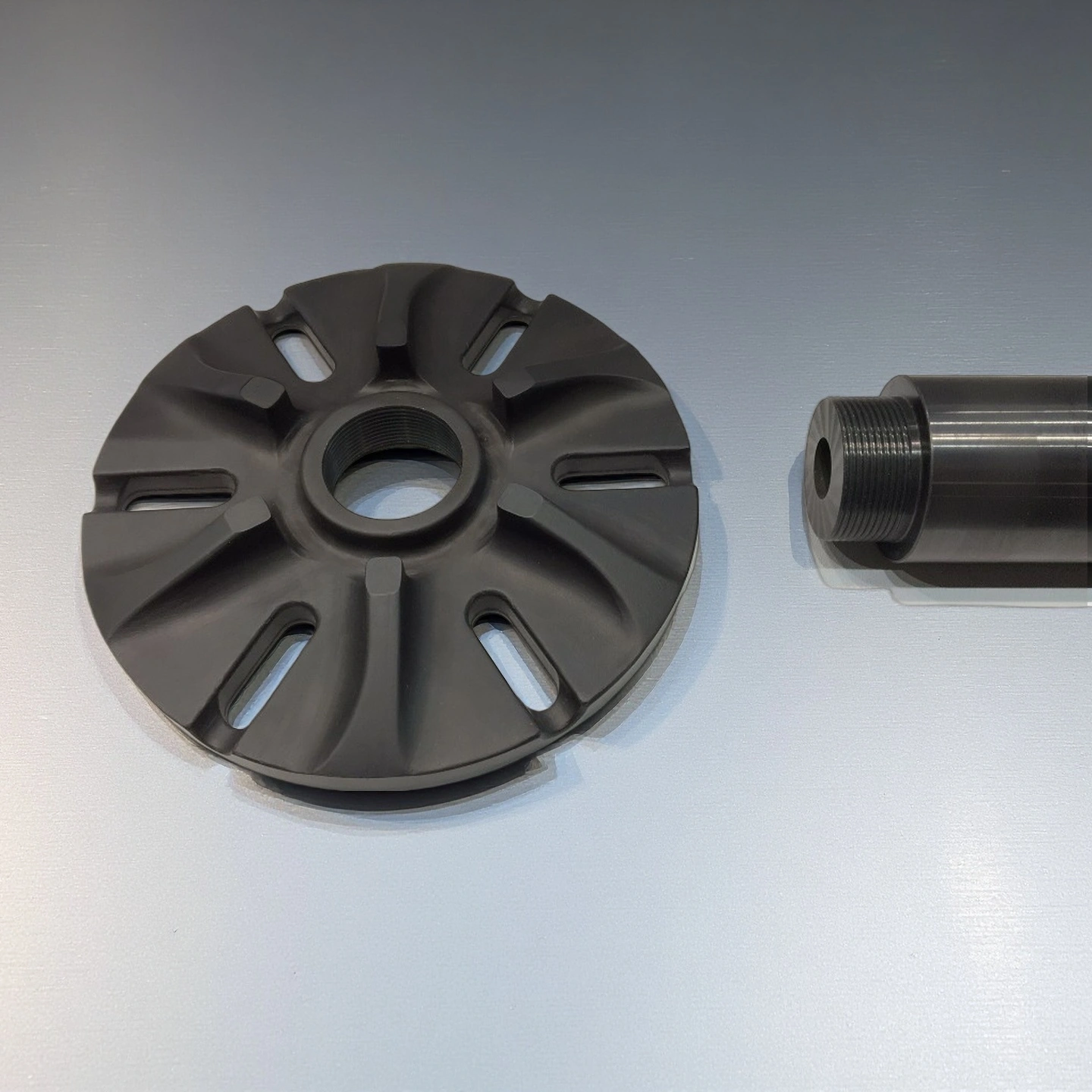
What Is a Silicon Nitride Degassing Rotor?
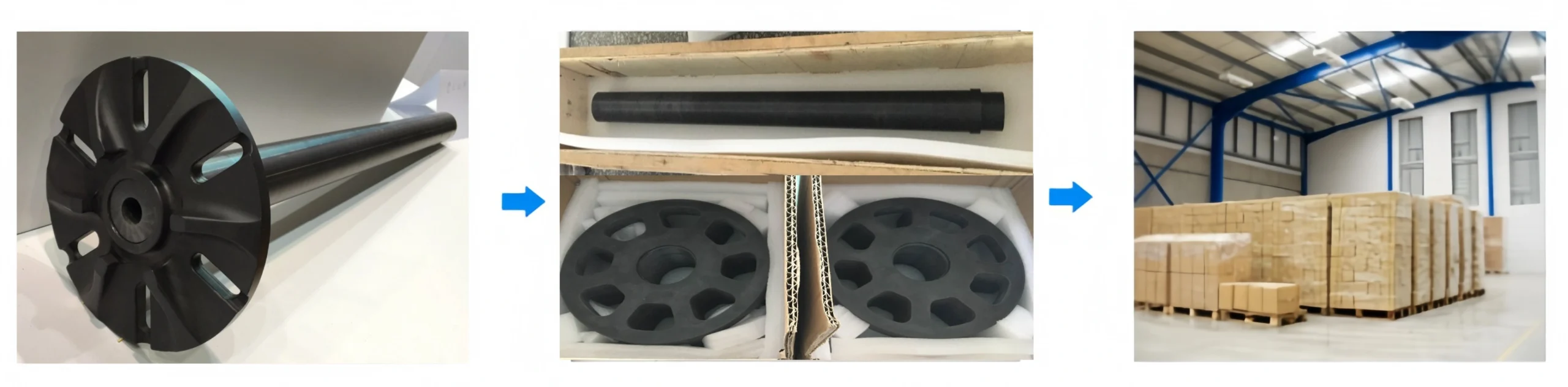
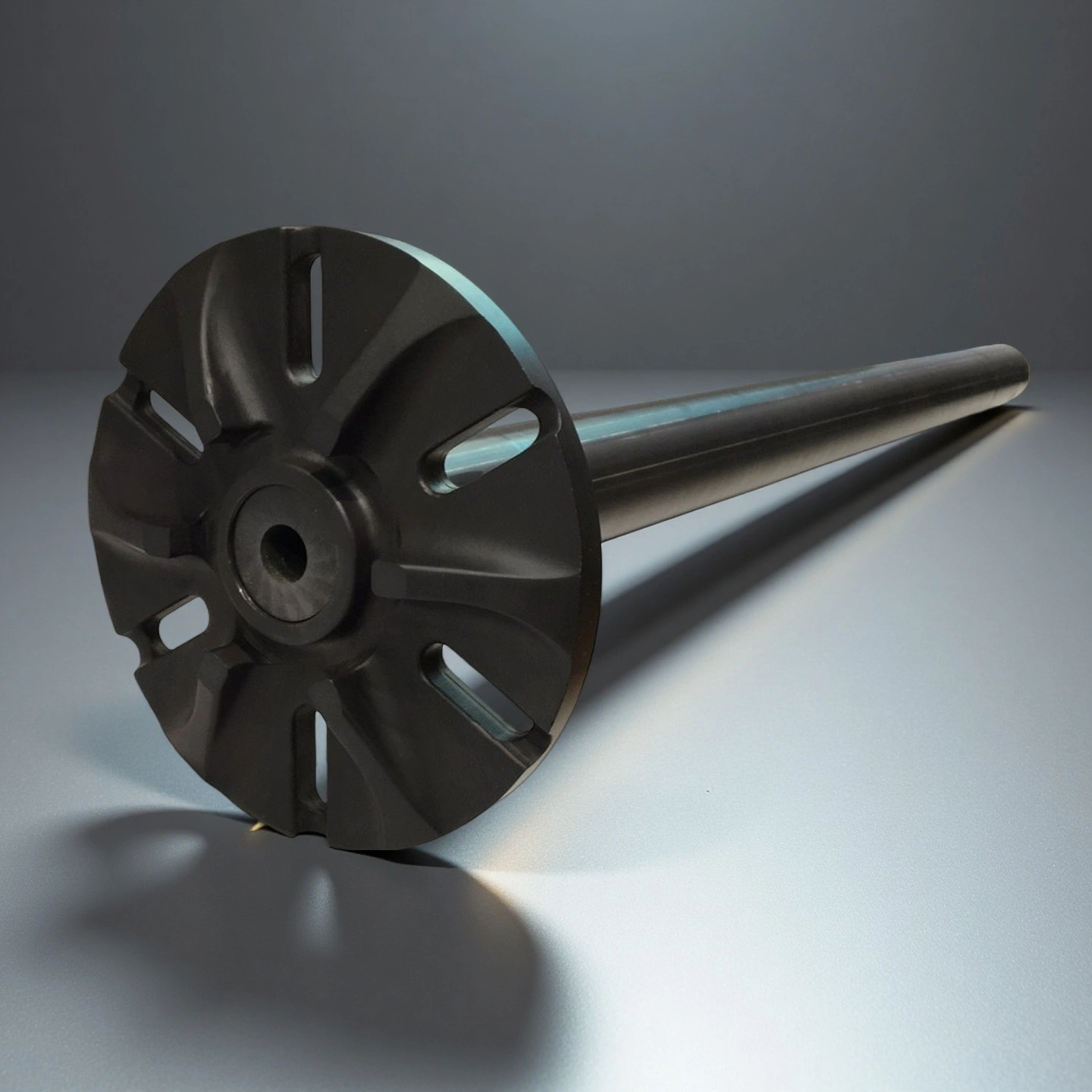
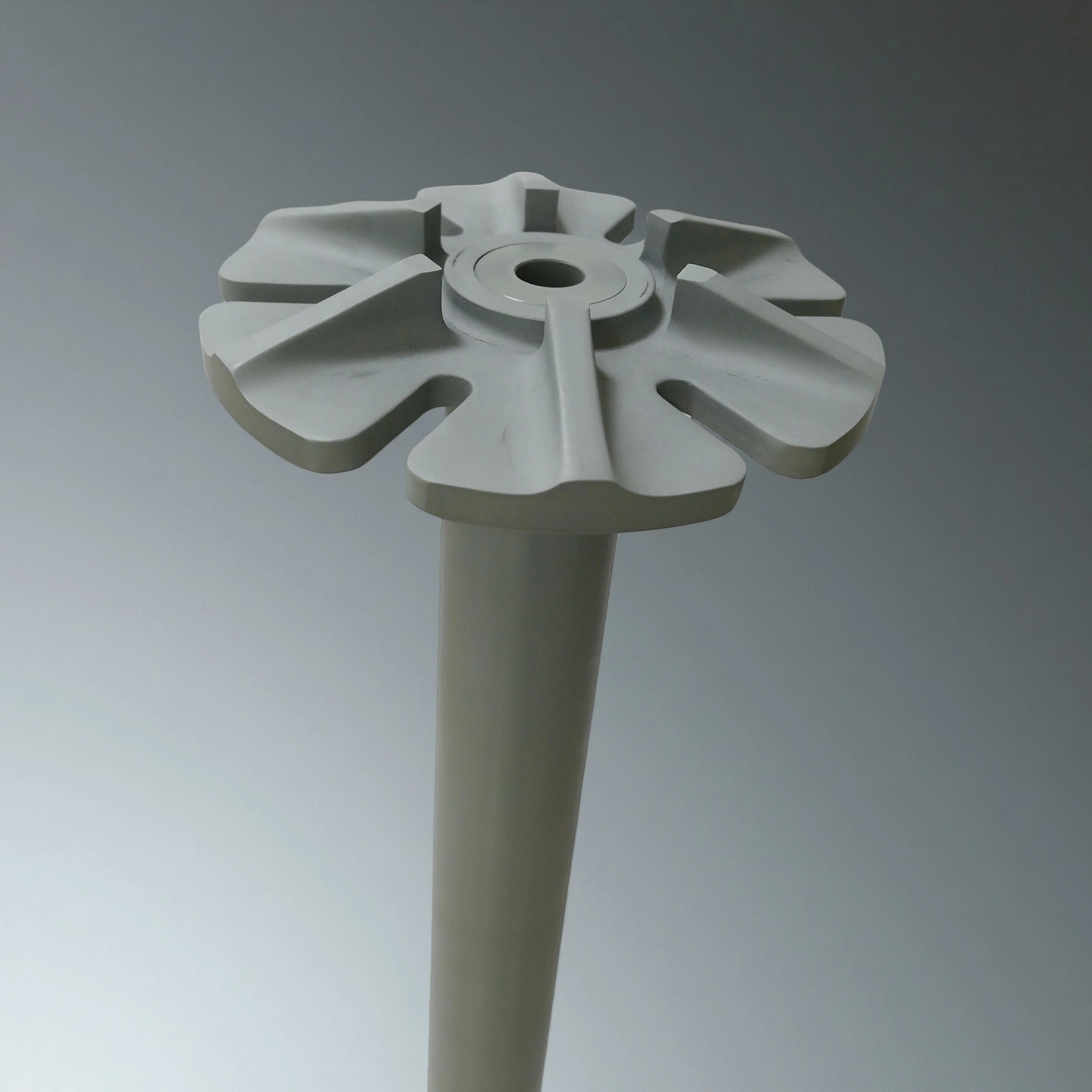
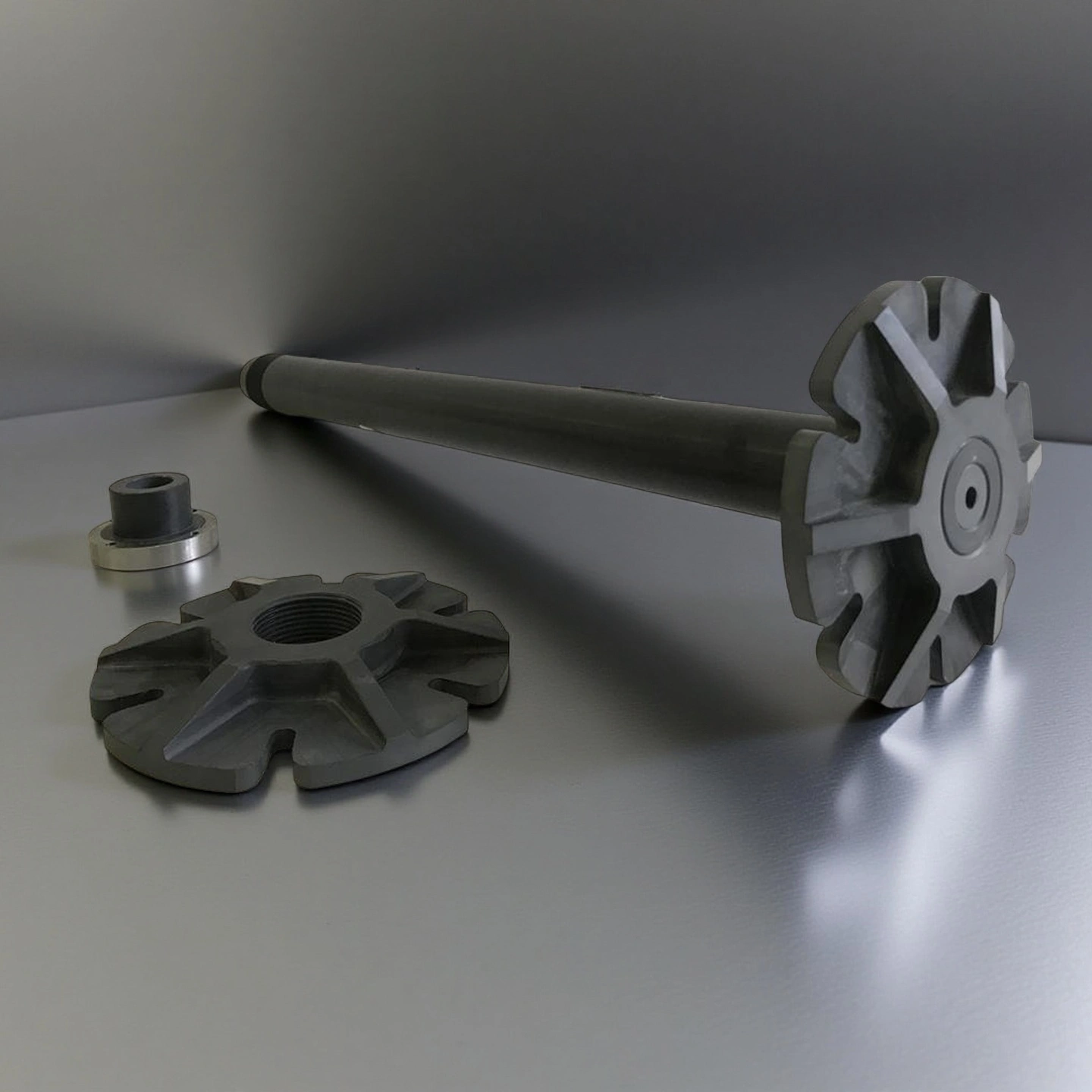
A silicon nitride degassing rotor is a Si₃N₄ ceramic impeller and shaft assembly used in aluminum melt treatment. During operation, nitrogen or argon flows through the shaft and exits through the rotor head, where rotation breaks the gas into fine bubbles. These bubbles help dissolved hydrogen escape from the melt and support oxide flotation before casting.
Silicon Nitride Ceramic Degassing Rotor Properties
| Si3N4 Type | Gas pressure sintering Si3N4 | Hot pressing sintering Si3N4 | High thermal conductivity Si3N4 |
| Density (g/cm3) | 3.2 | 3.3 | 3.25 |
| Flexural Strength (MPa) | 700 | 900 | 600~800 |
| Young Modulus (GPa) | 300 | 300 | 300~320 |
| Poisson's ratio | 0.25 | 0.28 | 0.25 |
| Compressive strength (MPa) | 2500 | 3000 | 2500 |
| Hardness (GPa) | 15 | 16 | 15 |
| Fracture toughness (MPa*m1/2) | 5~7 | 6~8 | 6~7 |
| Maximum working temperature (℃) | 1100 | 1300 | 1100 |
| Thermal conductivity (W/m*K) | 20 | 25 | 80~100 |
| Thermal expansion coefficient (/℃) | 3*10-6 | 3.1*10-6 | 3*10-6 |
| Thermal shock resistance (ΔT ℃) | 550 | 800 | / |
Why Use Si₃N₄ Instead of Graphite?
Silicon nitride is selected when a foundry needs a more dimensionally stable and low-wetting rotor material than graphite. Its ceramic structure helps resist aluminum adhesion, oxidation during preheating, abrasive wear from dross, and geometry change during repeated treatment cycles. This makes Si₃N₄ suitable for aluminum foundries that require stable gas dispersion, predictable rotor balance, and reduced cleaning interruption.
Silicon Nitride Degassing Rotor Benefits
-
Stable Gas Dispersion
The rotor head and vane geometry can be designed to match bath depth, gas flow, and melt volume. Stable gas dispersion helps improve gas–metal contact while reducing excessive surface turbulence. -
Low-Wetting Ceramic Surface
Si₃N₄ has low wettability against molten aluminum, which helps reduce aluminum adhesion and dross build-up on the rotor surface. This supports cleaner gas outlets and more predictable operation. -
Improved Oxidation Resistance Compared with Graphite
Silicon nitride is more resistant to oxidation during air preheating and standby conditions than graphite. This helps reduce dimensional loss before the rotor enters the melt. -
Wear Resistance in Dross-Containing Melts
The hard ceramic structure helps resist abrasive wear from oxide particles, dross, and mechanical cleaning. This is useful in secondary aluminum melting and remelt operations. -
Drawing-Based Machine Fit
Rotor head diameter, shaft length, gas inlet size, thread, taper, coupling interface, and vane slot layout can be customized according to existing degassing equipment.
Si₃N₄ vs Graphite Degassing Rotor
| Comparison Item | Silicon Nitride Rotor | Graphite Rotor |
|---|---|---|
| Aluminum wetting | Low wetting helps reduce metal adhesion. | More likely to build up dross and metal residue. |
| Oxidation during preheating | Better oxidation resistance in air. | Oxidizes faster during repeated heating. |
| Dimensional stability | Holds rotor geometry more consistently. | Geometry may change as the rotor wears. |
| Cleaning frequency | Usually easier to keep gas outlets clear. | More frequent cleaning may be required. |
| Initial cost | Higher initial cost. | Lower initial cost. |
| Best fit | Stable production, repeated use, custom equipment fit. | Shorter campaigns, lower-cost replacement needs. |
Si3N4 Degassing Rotor Specifications
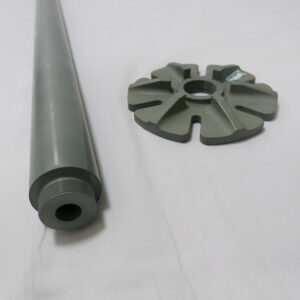
Type 1: Silicon Nitride Degassing Shaft
| Silicon Nitride Degassing Shaft | ||||
| Item No. | Outer Diameter (mm) | Inner Diameter (mm) | Length (mm) |
 |
| AT-DHG-G3001 | 50 | 30 | 400-1500 | |
| AT-DHG-G3002 | 68.5 | 38 | 400-1500 | |
| AT-DHG-G3003 | 75 | 55 | 400-1500 | |
| AT-DHG-G3004 | 85 | 64.5 | 400-1500 | |
| AT-DHG-G3005 | 105 | 84 | 400-1500 | |
| AT-DHG-G3006 | 135 | 110 | 400-1500 | |
| AT-DHG-G3007 | 150 | 136 | 400-1500 | |
| AT-DHG-G3008 | 200 | 174 | 400-1500 | |
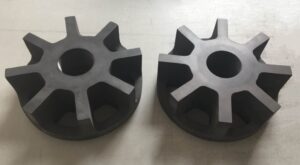
Type 2: Silicon Nitride Degassing Rotor Disc
| Silicon Nitride Degassing Rotor Disc | |||
| Item No. | Outer Diameter (mm) | Inner Diameter (mm) |
 |
| AT-DHG-G3009 | 180 | 35 | |
| AT-DHG-G3010 | 200 | 40 | |
| AT-DHG-G3011 | 210 | 40 | |
| AT-DHG-G3012 | 220 | 40 | |
Si3N4 Degassing Rotor Packaging
- Each rotor is individually packed in foam-padded wooden boxes to prevent damage during transit.