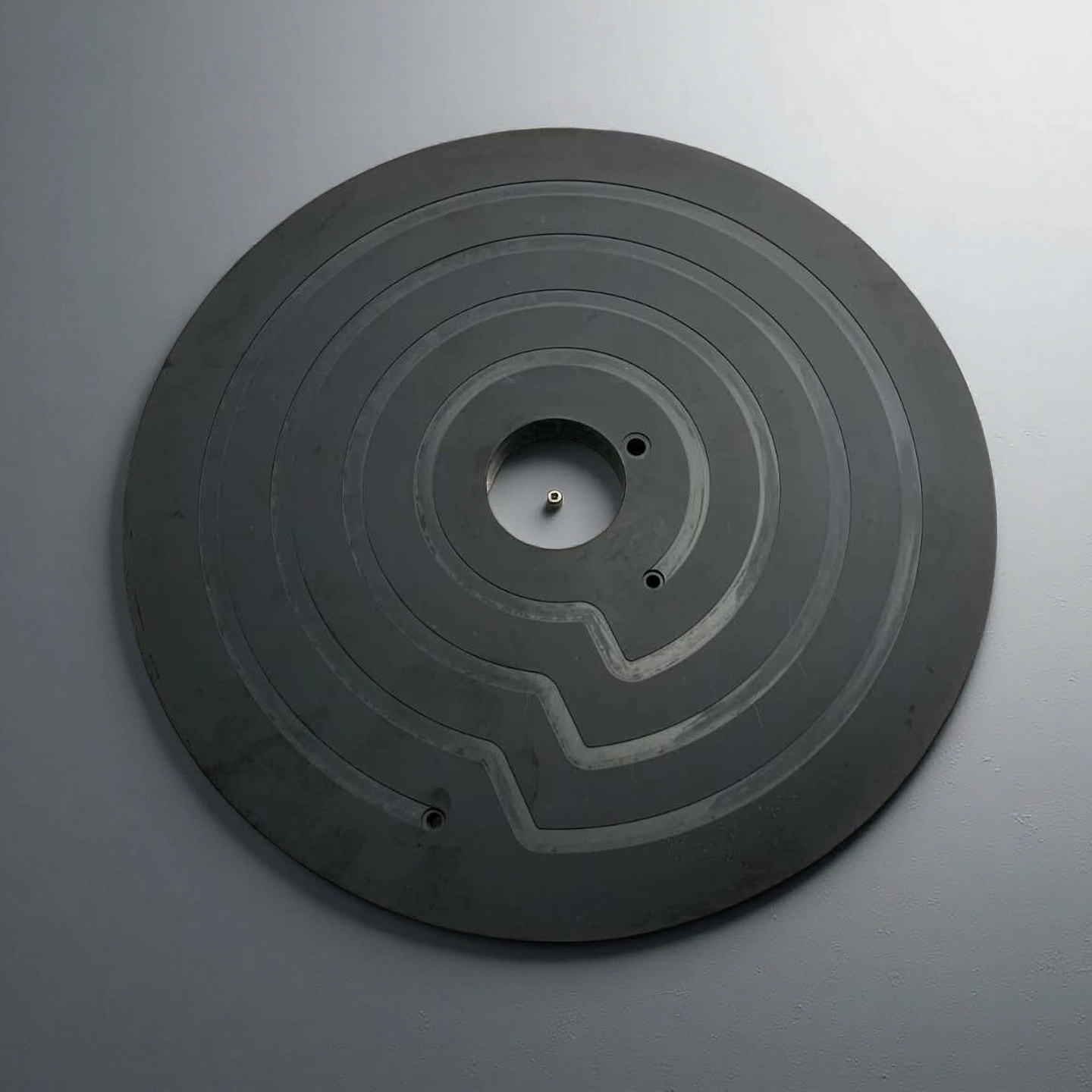
Electrically Insulated Aluminum Nitride Heating Plate for High-Voltage Systems

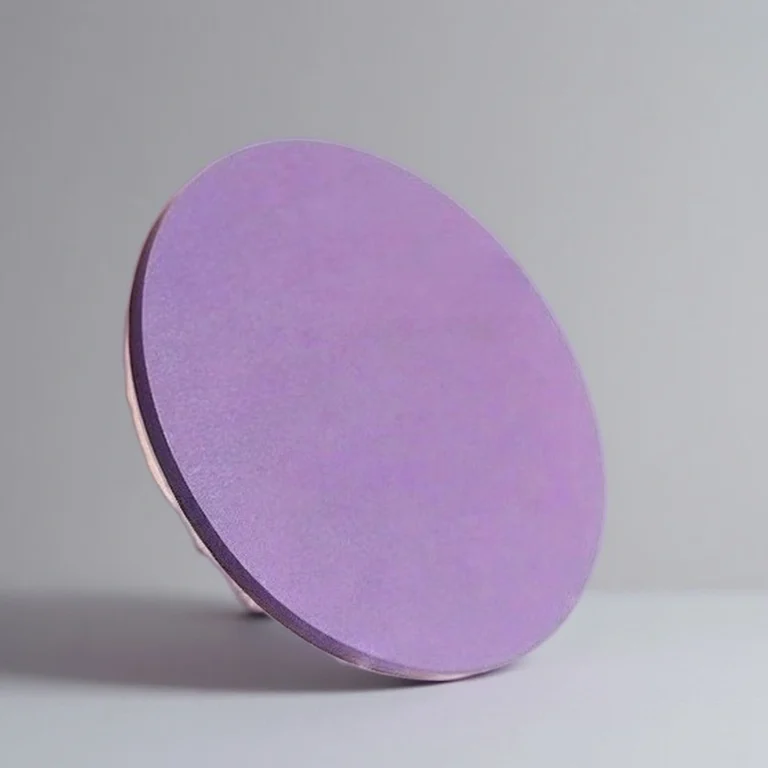
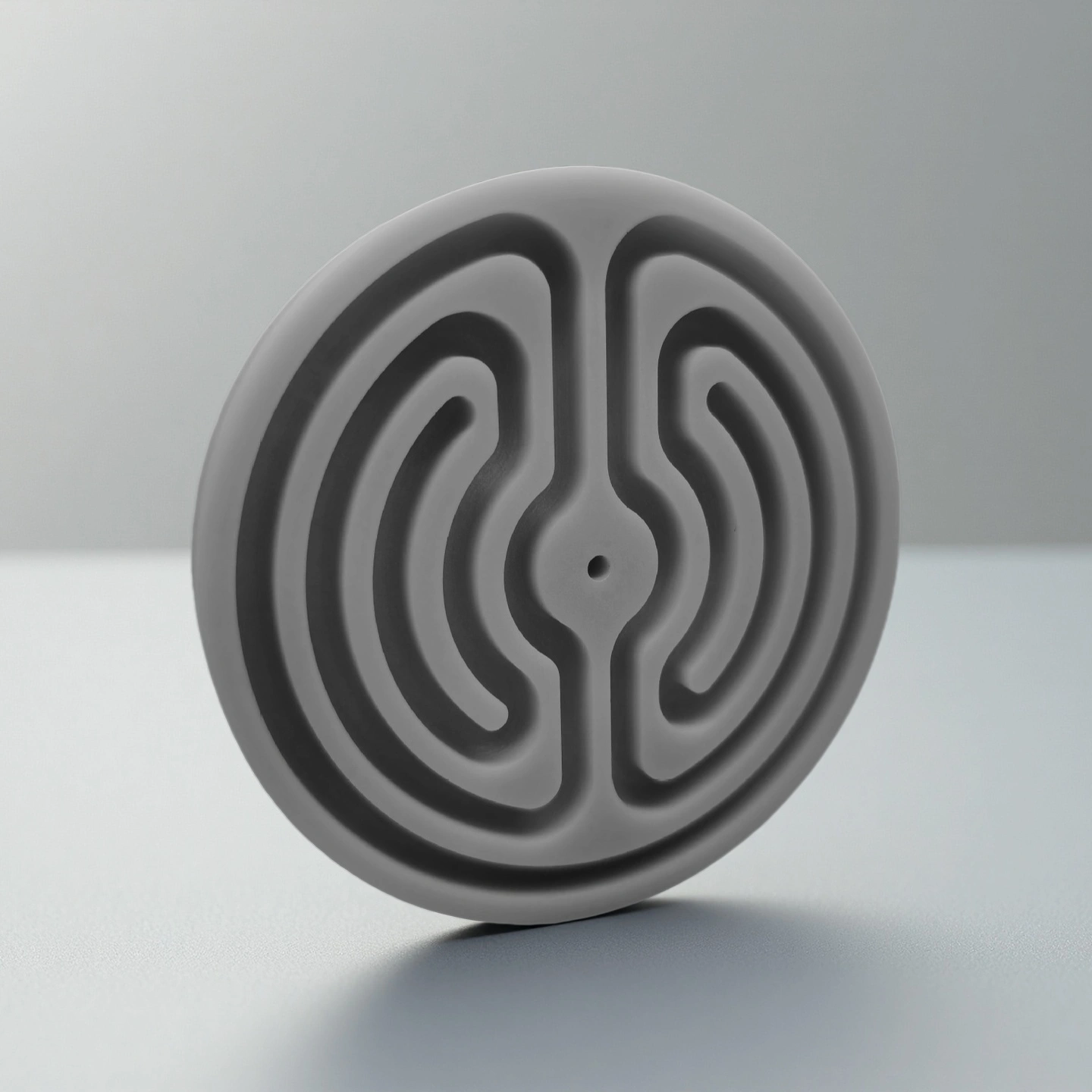
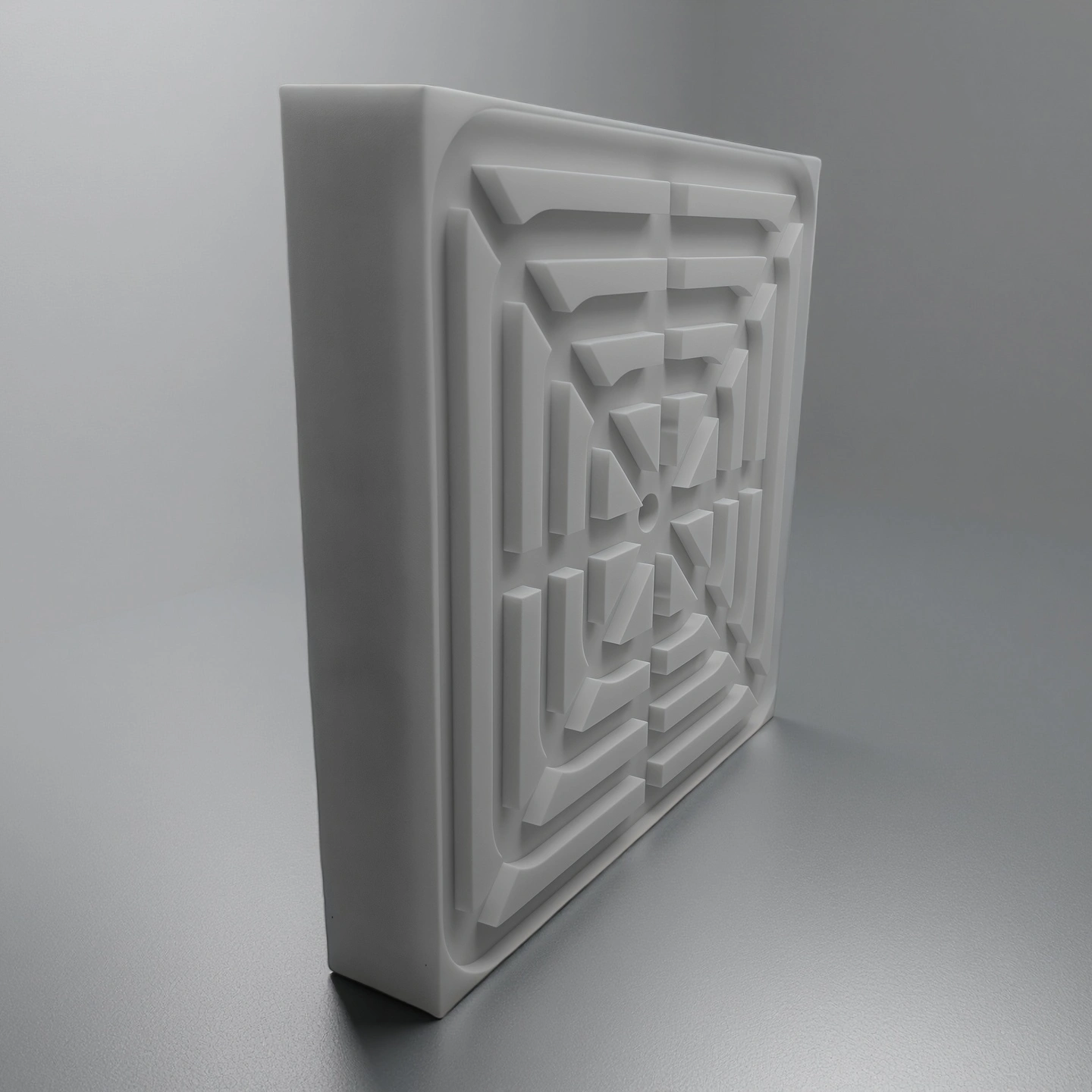
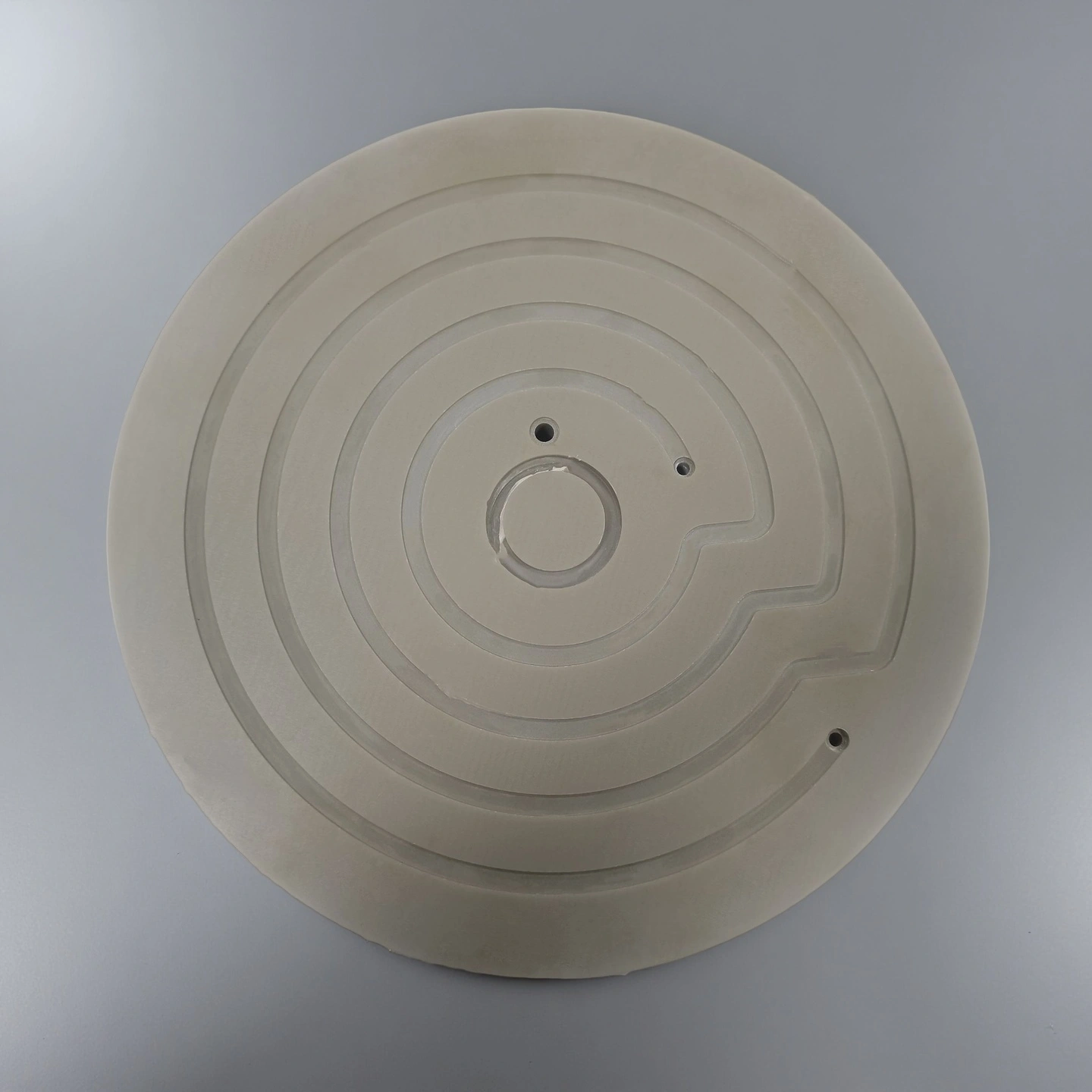
The aluminum nitride heating plate is a high thermal conductivity AlN ceramic heater plate available in round and rectangular formats from roughly 30–200 mm in size and 1–6 mm thickness, with fully customizable heater patterns, power ratings and terminal layouts to match OEM equipment requirements.

Catalogue No. AT-AIN-JR1001
Material  Aluminum Nitride
Thermal Conductivity ≥170 W/m·K
Volume Resistivity  ≥ 10¹² Ω·cm
Thermal Conductivity ≈ 170–200 W/m·K
24H Standard Dispatch
Small Batch Support OEM
Factory Direct
Expert Engineering Support

An aluminum nitride heating plate is a ceramic heater plate made from aluminum nitride (AlN) that integrates a resistive heater circuit into or onto an AlN substrate to provide fast, uniform, electrically insulated surface heating.


Aluminum Nitride Heating Plate Benefits

  • High heat flux with uniform surface temperature
    The aluminum nitride heating plate supports power densities in the order of a few watts per square centimetre while maintaining a small in-plane temperature variation, which is important for wafer heating and precision process zones.

  • Integrated electrical insulation and compact design
    The dense AlN ceramic body combines the heater function and insulation in one component, allowing compact system layouts without additional mica or glass insulation layers.

  • Stable performance in vacuum and controlled atmospheres
    The heating plate can operate in air, nitrogen or inert gas, and the low-outgassing AlN ceramic is suitable for many vacuum and clean process environments when mounted correctly.

  • Dimensional precision for repeatable integration
    Typical manufacturing capability supports tight tolerances on thickness and key dimensions, enabling consistent clamping conditions and reproducible thermal contact across multiple builds.

  • Compatible with various sensor and control schemes
    The heater plate can be designed with defined areas for thermocouple, RTD or other temperature sensor attachment, which simplifies closed-loop temperature control in OEM equipment.


Aluminium Nitride Heating Plate Properties

Property Content Unit Unit ALN-170 ALN-200 ALN-230
Basic Properties Color gray light yellow light yellow
Density g/cm³ 3.2-3.3 3.2-3.3 3.2-3.3
Surface Roughness μm 0.2-0.75 0.2-0.75 0.2-0.8
Camber length ‰ ≤3‰ ≤3‰ ≤3‰
Hardness HV 1100 1100 1100
Thermal Properties Max Operating Temperature °C 1100 1100 1100
Thermal Conductivity W/m·K 170-190 190-220 220-230
Coefficient of Thermal Expansion 10⁻⁶/K(20-400°c) 4-5 4-5 4-5
Coefficient of Thermal Expansion 10⁻⁶/K(400-800°c) 5-6 5-6 5-6
Mechanical Properties Flexural Strength MPa 300-400 350-450 400-500
Tensile Strength MPa 200-300 250-350 280-380
Compressive Strength MPa 2000-3000 2200-3200 2500-3500
Electrical properties Dielectric Constant at 1MHz 8-9 8-9 8-9
Dielectric strength KV/mm ≥15 ≥15 ≥15
Volume resistivity 20℃ Ω.cm ≥1014 ≥1014 ≥1014


AlN Heating Plate Specifications

Item No. Diameter (mm) Thickness (mm) Purity
AT-AIN-JR1001 Customize


AlN Heating Plate Packaging

  • Critical surfaces and terminal areas are covered with protective film or clean wrapping to avoid contamination during transport and storage.
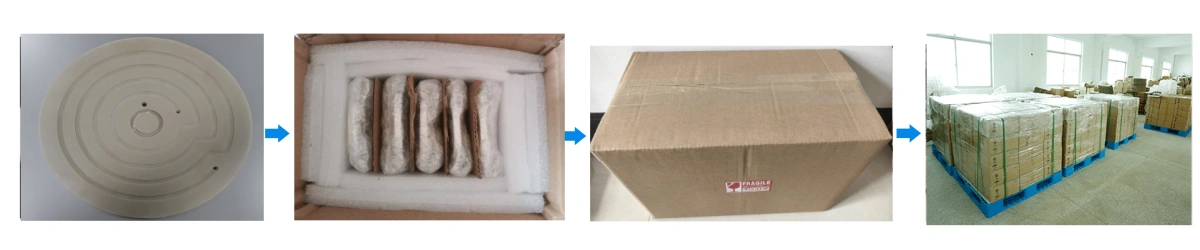
AlN Heating Plate Packaging

Applications of Aluminum Nitride Heating Plate

  • Semiconductor Wafer Processing Equipment

    ✅Key Advantages

    1. Tight temperature uniformity across the wafer
    The aluminum nitride heating plate can support in-plane temperature uniformity within a few degrees Celsius over typical wafer diameters when configured with an appropriate heater pattern and control scheme.
    2. Heat transfer matched to silicon substrates
    The thermal conductivity of AlN combined with a thermal expansion close to silicon helps to reduce mechanical stress and improves thermal coupling to wafer chucks or carriers.
    3. Compact, electrically insulated heater integration
    The ceramic heater plate allows high power density in limited space with built-in insulation, which simplifies stack-up design inside CVD, PVD or etch modules.

    ✅ Problem Solved

    A mid-size wafer process tool builder replaced a metal hot plate with an aluminum nitride heating plate in a 150 mm wafer pre-heating station. Under similar electrical power input, the time to reach 400 °C was reduced by roughly 20–30%, and the measured temperature variation across the wafer was lowered from about ±6–7 °C to around ±2–3 °C at the process setpoint. This improvement reduced warm-up related tuning time for each lot and decreased temperature-related scrap events reported by the end user over several months of production.

  • Power Electronics and Industrial Heating Lines

    ✅Key Advantages

    1. High power density on a small footprint
    The aluminum nitride heating plate can deliver several watts per square centimeter at operating temperatures in the mid-hundreds of degrees Celsius, which allows compact heating stations in battery, power module and coating lines.
    2. Stable electrical insulation at elevated temperature
    The ceramic body maintains high resistivity and dielectric strength at typical operating temperatures, which is important for safety and control in high-voltage equipment.
    3. Repeatable thermal cycles for process quality
    The combination of high thermal conductivity and rigid ceramic support helps to maintain consistent heat-up and cool-down profiles over many operating cycles.

    ✅ Problem Solved

    An equipment integrator in the battery materials sector adopted an aluminum nitride heating plate in a compact IR-assisted drying station. By moving from a metal heater block to the AlN plate, the line achieved a similar target temperature profile with a shorter heating zone, enabling a footprint reduction of roughly 15–20%. At the same time, process data showed a narrower temperature band on the product surface and a reduction in rework due to incomplete drying, contributing to more stable overall throughput on multi-shift operation.

  • Laboratory and Materials Research Systems

    ✅Key Advantages

    1. Fast temperature response for small samples
    The aluminum nitride heating plate can change temperature quickly due to its high thermal conductivity and relatively low thermal mass in thin plate designs, which benefits dynamic experiments.
    2. Stable platform for repeated thermal cycling
    The rigid ceramic heater plate provides a stable surface for sample holders, with temperature profiles that can be reproduced over many thermal cycles in research and test setups.
    3. Flexible size and sensor placement
    Custom plate dimensions and reserved areas for sensors allow integration into microscopes, stages and small reactors where space and accessibility are limited.

    ✅ Problem Solved

    A research group developing thermal analysis methods integrated an aluminum nitride heating plate into a custom microscope stage. By using a thin AlN heater plate with defined sensor positions, the team achieved a heating rate in the order of several tens of degrees Celsius per minute up to a few hundred degrees Celsius, while maintaining a stable observation area. This configuration reduced experiment turnaround time and enabled more controlled comparison between runs without frequent stage reconfiguration.

AlN Heating Plate Usage Instructions

  • Installation

    1. Verify that the mounting surface is clean, flat and free of debris. Any particle trapped between the aluminum nitride heating plate and the support can create local stress points.
    2. Use the specified mounting holes, slots or clamping areas indicated in the drawing and avoid clamping directly on the active heating zone.
    3. If a thermal interface layer is required, apply a thin and uniform layer of the recommended thermal pad or paste, and remove any excess from the edges.
    4. Route electrical leads and sensor wires so that they are mechanically supported and not exposed to excessive bending or rubbing during operation.

  • Operation

    1. Ramp the temperature according to the recommended maximum heating and cooling rates for the aluminum nitride heating plate to avoid unnecessary thermal stress.
    2. Use closed-loop temperature control with a suitably placed thermocouple or RTD attached near the working area, not only at the edge of the plate.
    3. Ensure that the power supply, control hardware and safety interlocks match the voltage and current rating defined for the heater plate.
    4. Avoid exposing the plate to liquids, fluxes or process media that are not compatible with AlN ceramic or the heater metallization.

  • Storage

    1. Store the aluminum nitride heating plate in its original packaging or a similar protective tray, in a dry location with moderate temperature and low dust.
    2. Do not stack loose plates directly on top of each other; use separators or individual slots to prevent edge contact.
    3. Keep away from sources of vibration or impact to avoid small edge chips that may propagate under thermal cycling.

  •  Cleaning

    1. If cleaning is necessary, use a soft, lint-free cloth or swab with a suitable solvent that does not attack the ceramic or metal traces.
    2. Avoid abrasive pads or strong mechanical scrubbing, especially on the heater pattern and contact areas.
    3. Let the plate dry completely before re-installation, and do not power the heater if any liquid remains in holes or recesses.

  • Common Misuse Points and Handling

    1. Over-tightening of clamps or screws
    Problem: Excessive mechanical force at a few points can introduce stress and lead to micro-cracks during heating.
    Handling: Use torque-limited tools where appropriate and distribute clamping through recommended locations or spring elements.

    2. Exceeding rated voltage or temperature
    Problem: Applying higher voltage or operating the aluminum nitride heating plate well beyond the specified temperature window can damage the heater circuit and reduce life.
    Handling: Confirm controller settings during commissioning and apply hardware limits in the power system to prevent overdrive.

    3. Inadequate temperature sensing position
    Problem: A single sensor at the edge of the plate may not represent the real working area temperature, causing local overheating or underheating.
    Handling: Position the primary sensor close to the main load zone and, if possible, validate the temperature distribution during setup with additional measurement tools.

Aluminum Nitride Ceramic Heating Plate

  1. Q: What is an aluminum nitride heating plate and how is it different from a simple AlN plate?
    A: An aluminum nitride heating plate is an AlN ceramic plate that integrates a designed heater circuit, so it provides both structural support and controlled surface heating, whereas a simple AlN plate is only a passive substrate without an active heating function.
  2. Q: How uniform is the temperature across an AlN heating plate?
    A: Temperature uniformity on an AlN heating plate depends on heater layout and control, but with a suitable pattern it can achieve a relatively small temperature variation across the active area in typical wafer-scale or sample-scale applications.
  3. Q: Can the aluminum nitride heating plate be used in vacuum chambers?
    A: Yes, the aluminum nitride ceramic and heater construction can be configured for use in vacuum chambers, provided that the mounting, connections and sensor integration also follow vacuum-compatible practices.
  4. Q: What thickness and size ranges are available for custom AlN heating plates?
    A: Custom aluminum nitride heating plates can be produced in a range of diameters or rectangular formats and thicknesses from around 1 mm upward, within limits defined by the forming and machining process.
  5. Q: How should I choose between an aluminum nitride heating plate and a metal hot plate?
    A: An aluminum nitride heating plate is typically preferred when a combination of electrical insulation, higher in-plane thermal conductivity and a compact heater structure is required, while a metal hot plate may be sufficient for less demanding conditions.

Customer Reviews About Aluminum Nitride Heating Plate

  • ⭐️⭐️⭐️⭐️⭐️
    We integrated an aluminum nitride heating plate from ADCERAX into a compact wafer pre-heat module. The plate delivered the expected temperature uniformity and allowed us to reduce the overall heater height in the tool, which helped keep our system layout within the original footprint.
    -- David K., Process Engineer, NovaTherm Systems GmbH
  • ⭐️⭐️⭐️⭐️⭐️
    For a custom hot stage, we needed a thin AlN heating plate with specific sensor locations and openings. The custom aluminum nitride heating plate design matched our drawing closely, and the thermal response has been consistent across repeated experiments.
    -- Maria L., R&D Manager, Insight Materials Lab Inc.
  • ⭐️⭐️⭐️⭐️⭐️
    ADCERAX supplied a series of aluminum nitride heating plates for our small vacuum furnaces. The combination of clear drawings, reasonable pricing and the ability to handle a range of sizes made it easier for us to standardize on a single supplier for this component.
    -- Kenji S., Purchasing Supervisor, Precision Furnace Co.
  • ⭐️⭐️⭐️⭐️⭐️
    The AlN ceramic heating plate we use in our UV curing module maintains a stable surface temperature over many on-off cycles. Working with a factory that understands how to adapt the heater pattern to our optical layout has reduced the number of design iterations on our side.
    -- Elena R., Product Engineer, OptiCure Technologies Ltd.
customize size

Customize Aluminum Nitride Heating Plate

We provide custom aluminum nitride heating plate designs so that the mechanical size, heater layout and electrical rating align with the equipment designer’s envelope and process targets.

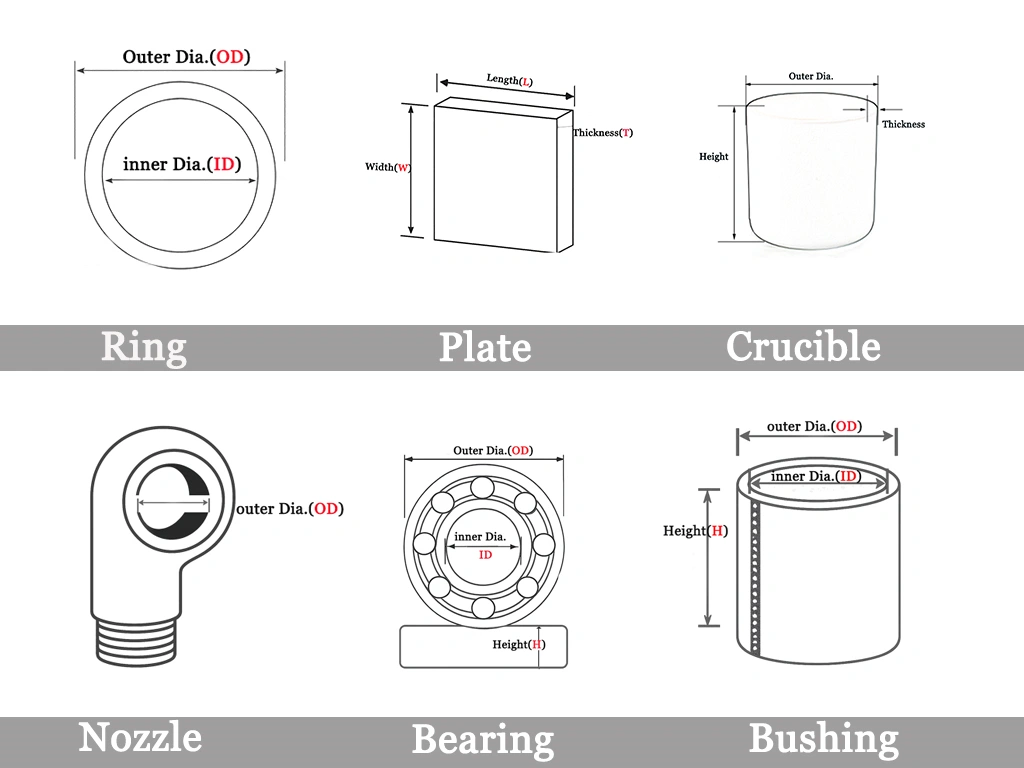
1. Outer dimensions:

  • Round plates (e.g. 30–200 mm diameter)
  • Rectangular plates (e.g. 20 × 20 mm up to around 200 × 200 mm)

2. Thickness and flatness:

  • Typical thickness range 1–6 mm
  • Thickness tolerance down to ±0.1 mm depending on size
  • Flatness targets specified for the active heating area

3. Heater circuit design:

  • Target voltage and resistance
  • Power density and total wattage
  • Single-zone or multi-zone layout
  • Track width, spacing and connection pads

4. Terminal configuration:

  • Lead pads for soldering, welding or spring contacts
  • Through-holes or side pads for screw terminals
  • Orientation of contacts relative to mounting holes

5. Mounting and openings:

  • Location and size of mounting holes or slots
  • Central openings or windows if required by optics or gas flow
  • Edge chamfers or corner radii for easier assembly

6. Surface and interface details:

  • Defined areas for bonding temperature sensors
  • Local recesses or raised features for component seating
  • Surface roughness level for contact to mating parts

Related Products

ADCERAX - Your Trusted Advanced Ceramics Manufacturing Partner

Direct factory manufacturing with comprehensive ceramic materials expertise and global supply capabilities

Direct Factory Manufacturing

China-based ceramic materials production facility with state-of-the-art equipment

Engineering Team

Experienced professionals in advanced ceramics applications and custom design

Quality Control

Strict quality control standards for technical ceramics manufacturing and quality management

Global Supply Chain

Serving customers worldwide with technical ceramics and rapid response

24/7 Technical Support

Round-the-clock support for ceramic components inquiries and technical assistance

500+ Satisfied Customers

Trusted by global customers for advanced ceramic materials and precision components

Get in touch with us

Our team will be happy to respond to you in less than 24 hours.

Adcerax's factory

Quick Quotation

*Our team will answer your inquiries within 24 hours.

*Your information will be kept strictly confidential.

Ready to Solve Your Engineering Challenge?

Partner with ADCERAX for reliable, high-performance advanced ceramic solutions. Our engineers are ready to discuss your project.

E-mail

info@adcerax.com

Phone

+(86) 0731-74427743 | WhatsApp: +(86) 19311583352

Response Time

Within 24 hours

Quick Quote

The more details you provide, the faster we can quote.

*We respond within 24 hours. All inquiries are confidential.

Download Catalog

Get Your Custom Sulution

The more details you provide, the faster we can respond.

customize size

*We respond within 24 hours. All inquiries are confidential.

Download Catalog