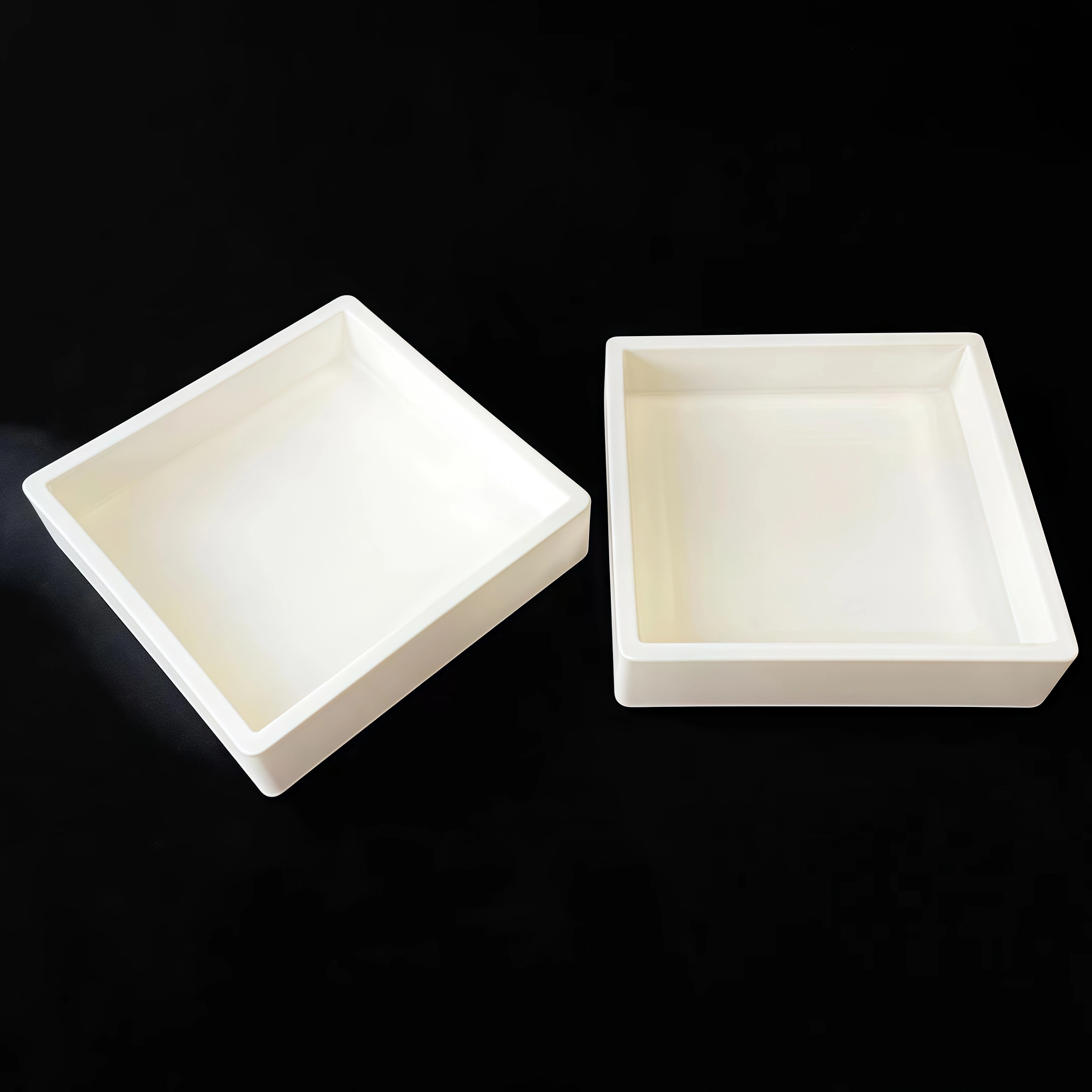
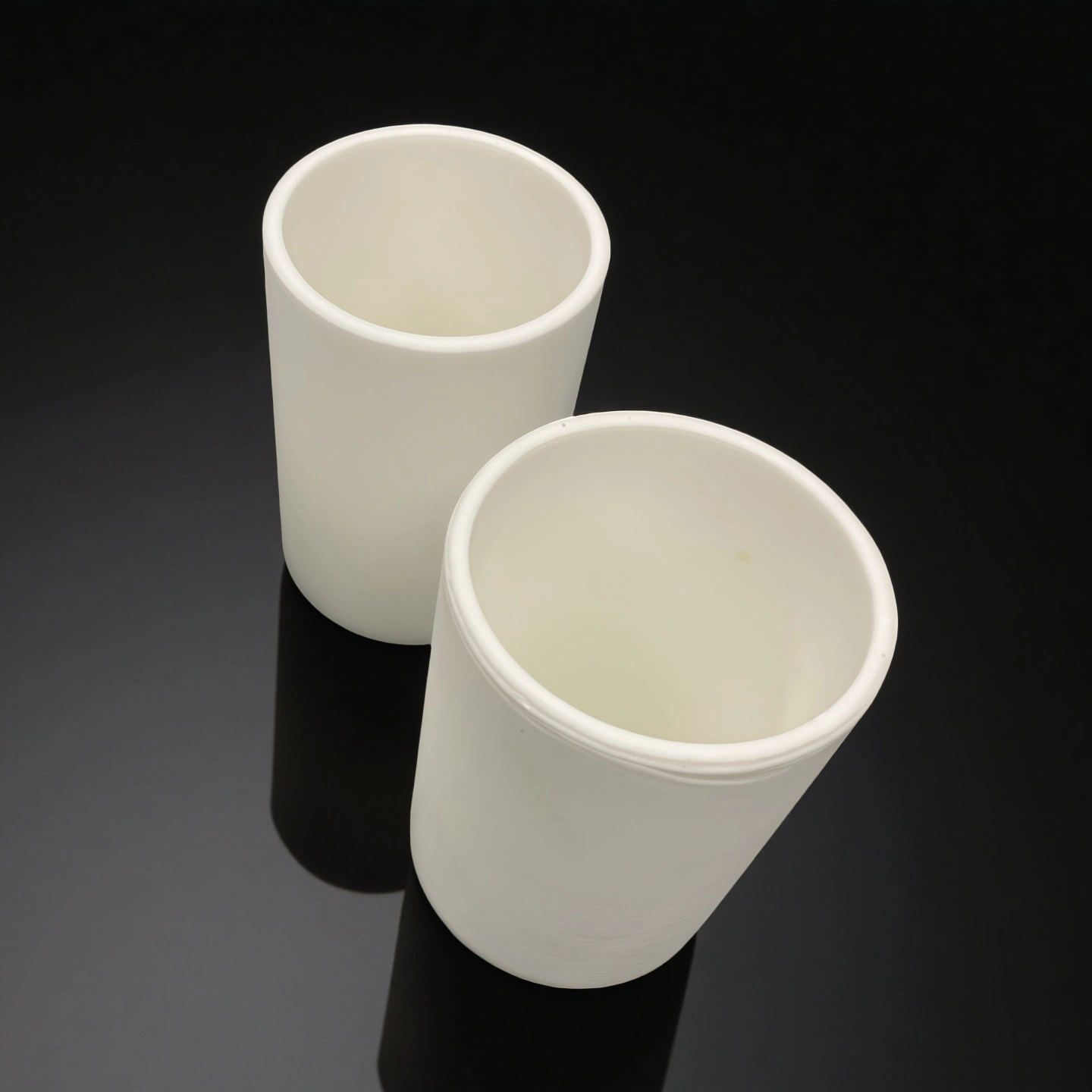
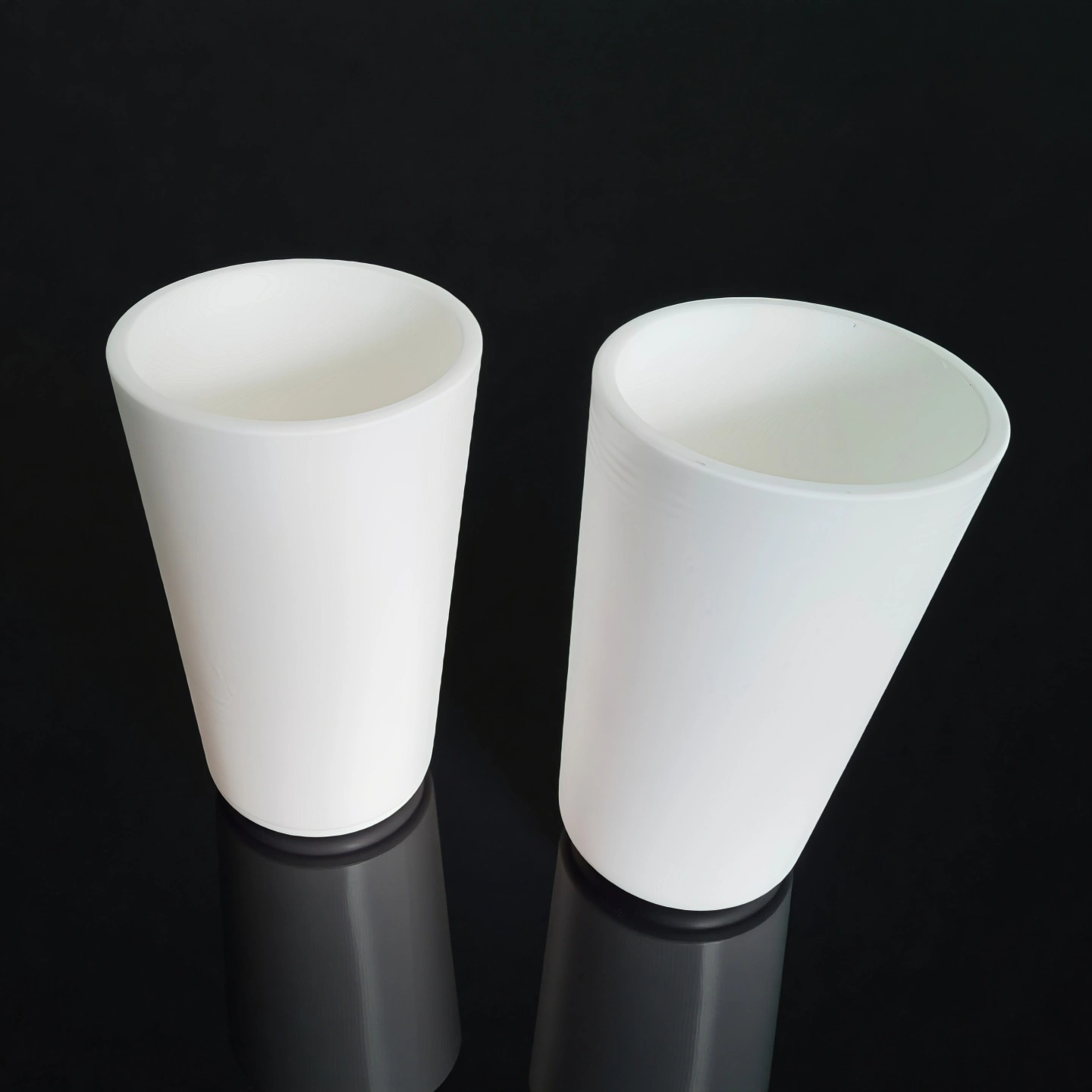
Yttrium Oxide Crucible for Titanium Alloy Vacuum Melting – High-purity Y₂O₃ for reactive metals

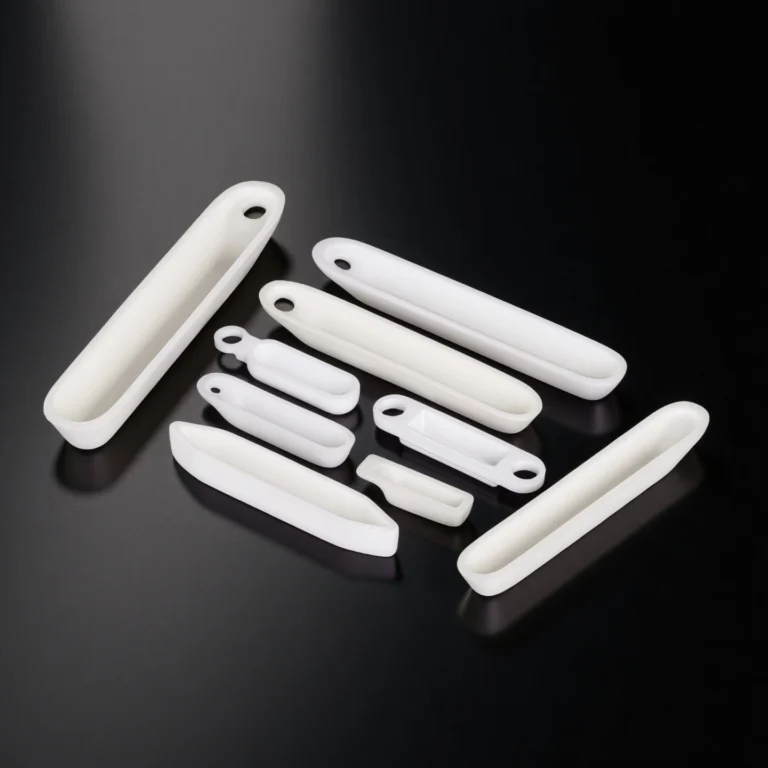
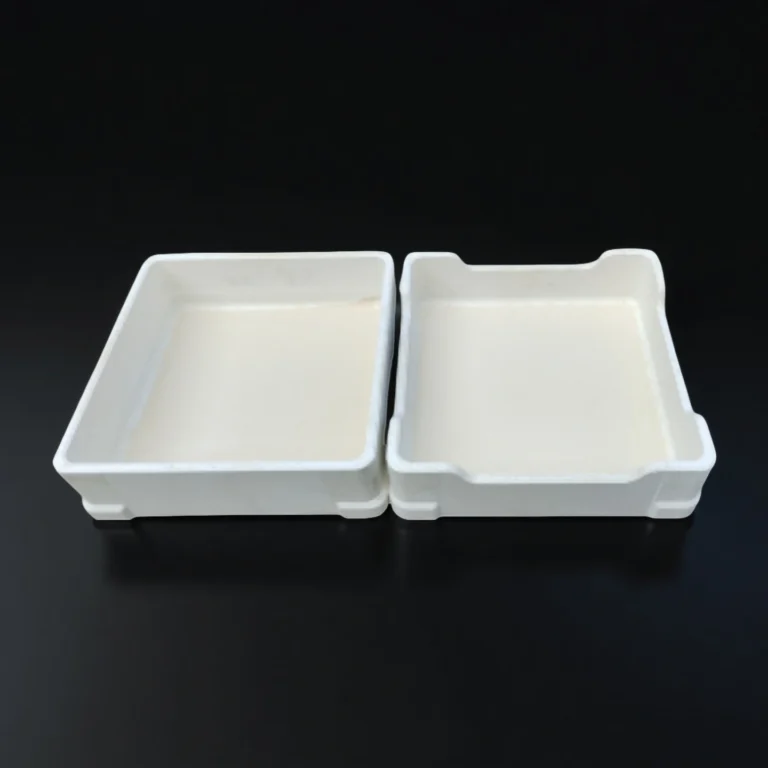
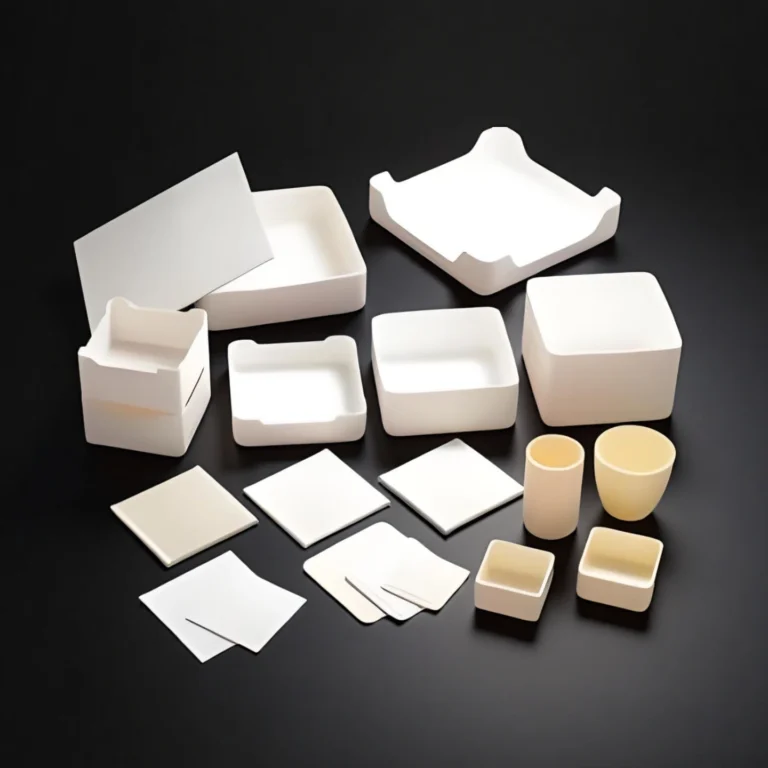
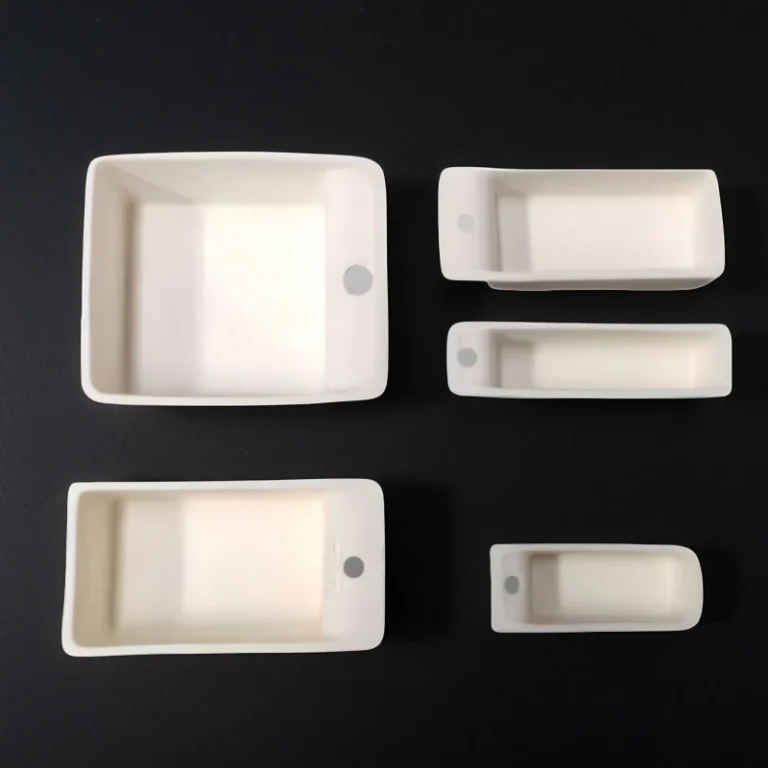
ADCERAX supplies Yttrium Oxide Crucibles in standard cylindrical sizes as well as drawing-based custom Y₂O₃ crucibles, including cylindrical, curved, and square profiles, allowing you to specify inner diameter, height, and wall thickness for vacuum induction melting or crystal growth equipment.

Catalogue No. AT-YOC-Y0001
Material ≥99.5% Y2O3
Maximum Working Temperature 2200°C
Dimensional Tolerance ±0.1mm (ID/OD)
Bulk density Approx. 3.5 g/cm³
24H Standard Dispatch
Small Batch Support OEM
Factory Direct
Expert Engineering Support

Yttrium Oxide Crucible is a high-temperature Y₂O₃ ceramic crucible used mainly for melting titanium alloys and other oxygen-sensitive metals at about 2000–2100 °C in vacuum or inert atmospheres, where it helps reduce container-to-melt reactions and improve melt purity.

Yttrium Oxide Crucible Benefits

  • Low reactivity with titanium and active metals
    Yttria crucibles show low chemical reactivity with Ti, TiAl and other active alloys at temperatures above 1600 °C, helping to limit oxygen pick-up and unwanted reactions compared with conventional oxide crucibles.

  • High working temperature window
    With a base material melting point above 2400 °C, the Yttrium Oxide Crucible can support furnace set-points up to around 2100 °C in vacuum or inert gas, providing headroom for demanding alloy and materials processing.

  • Dense microstructure for erosion resistance
    Sintered Y₂O₃ crucibles with a bulk density of around 3.5 g/cm³ provide a relatively dense structure, improving resistance against slag and melt erosion in repeated high-temperature cycles.

  • Stable thermal and dielectric behaviour
    Yttrium oxide ceramics combine low thermal conductivity among oxide-based engineering ceramics with stable dielectric behaviour, which is useful in high-frequency induction environments.

  • Geometry adaptable to furnace design
    Y₂O₃ crucibles can be produced as straight-wall cylinders, deep types or optimized shapes to match existing coils and support structures, enabling gradual upgrades from alumina or zirconia crucibles without redesigning the furnace.


Yttrium Oxide Ceramic Crucible Properties

Category Property Value
Chemical & Physical Main Composition 99% Y₂O₃
Color White
Density 4.9 g/cm³
Hardness (Mohs) 6
Mechanical Flexural Strength 130 MPa
Compressive Strength 508 MPa
Thermal Thermal Expansion Coefficient (25°C → 400°C) 7.2 × 10⁻⁶ /°C
Long-Term Service Temperature 800°C
Thermal Conductivity (25°C) 1.71 W/m·K
Electrical Dielectric Strength (5 mm) 10 kV/mm
Volume Resistivity > 10¹³ Ω·cm
Dielectric Loss (25°C @ MHz) Not specified
Dielectric Constant (25°C @ MHz) Not specified


Y2O3 Crucible Specifications

Type 1: Cylinder Y2O3 Crucible
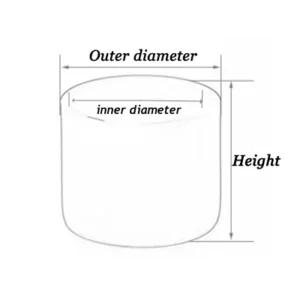
Size for Cylindrical Y2O3 crucibles

Item No. Capacity(ml) Outer Diameter(mm) Inner Diameter(mm) Height(mm) Purity(%)
AT-YOC-Y0001 18 23 20 60 99.5
AT-YOC-Y0002 52 40 30 80 99.5
AT-YOC-Y0003 80 50 40 70 99.5
AT-YOC-Y0004 507 85 75 120 99.5
AT-YOC-Y0005 480 93 81 100 99.5
AT-YOC-Y0006 700 100 80 150 99.5
AT-YOC-Y0007 1100 120 100 160 99.5
AT-YOC-Y0008 2900 160 140 200 99.5


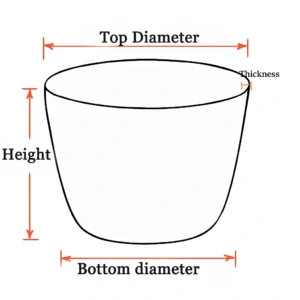
Type 2: Arc-shaped Y2O3 Crucible

Size for Arc-shaped Y2O3 crucibles


Item No. Capacity(ml) Top Diameter(mm) Bottom Diameter(mm) Height(mm) Thickness (mm) Purity(%)
AT-YOC-H0001 10 28 20 32 2 99.5
AT-YOC-H0002 15 32 21 35 2 99.5
AT-YOC-H0003 25 39 24 35 2.5 99.5
AT-YOC-H0004 40 46 30 40 3 99.5
AT-YOC-H0005 50 48 30 52 3 99.5
AT-YOC-H0006 100 58 35 68 3.5 99.5
AT-YOC-H0007 150 67 42 78 3.5 99.5
AT-YOC-H0008 200 73 48 86 4 99.5
AT-YOC-H0009 300 83 52 106 4 99.5
AT-YOC-H0010 350 87 54 102 4 99.5
AT-YOC-H0011 500 100 60 118 5 99.5
AT-YOC-H0012 750 112 70 132 5.5 99.5
AT-YOC-H0013 100 125 80 146 5.5 99.5
AT-YOC-H0014 1300 130 90 152 5.5 99.5


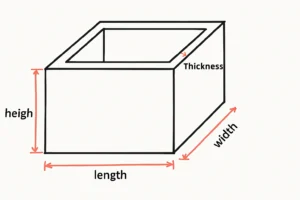
Type 3: Rectangular Y2O3 Crucible

Size for Rectangular Y2O3 Crucibles


Item No. Capacity(ml) Length(mm) Width(mm) Height(mm) Purity(%)
AT-YOC-F0001 50 50 50 25 99.5
AT-YOC-F0002 34 55 40 20 99.5
AT-YOC-F0003 18 60 30 15 99.5
AT-YOC-F0004 78 65 65 25 99.5
AT-YOC-F0005 100 65 65 35 99.5
AT-YOC-F0006 150 70 70 30 99.5
AT-YOC-F0007 44 70 30 30 99.5
AT-YOC-F0008 18 70 30 15 99.5
AT-YOC-F0009 180 80 80 40 99.5
AT-YOC-F0010 65 85 30 37 99.5
AT-YOC-F0011 220 85 85 40 99.5
AT-YOC-F0012 180 90 90 30 99.5
AT-YOC-F0013 280 90 90 45 99.5
AT-YOC-F0014 173 90 60 40 99.5
AT-YOC-F0015 197 90 60 45 99.5
AT-YOC-F0016 28 100 20 20 99.5
AT-YOC-F0017 44 100 30 20 99.5
AT-YOC-F0018 70 100 30 30 99.5
AT-YOC-F0019 61 100 40 20 99.5
AT-YOC-F0020 284 115 65 45 99.5
AT-YOC-F0021 255 115 90 30 99.5
AT-YOC-F0022 350 115 115 35 99.5
AT-YOC-F0023 38 120 30 15 99.5
AT-YOC-F0024 233 120 60 40 99.5
AT-YOC-F0025 450 120 110 50 99.5
AT-YOC-F0026 1273 120 120 100 99.5
AT-YOC-F0027 550 140 140 37 99.5
AT-YOC-F0028 758 140 140 45 99.5
AT-YOC-F0029 300 200 90 25 99.5
AT-YOC-F0030 700 200 100 50 99.5
AT-YOC-F0031 1500 200 200 50 99.5
AT-YOC-F0032 3300 200 200 100 99.5
AT-YOC-F0033 2400 220 220 70 99.5
AT-YOC-F0034 3200 220 220 80 99.5
AT-YOC-F0035 7465 330 330 80 99.5
AT-YOC-F0036 15760 330 330 160 99.5
AT-YOC-F0037 2000 400 80 80 99.5


Y2O3 Crucible Packaging

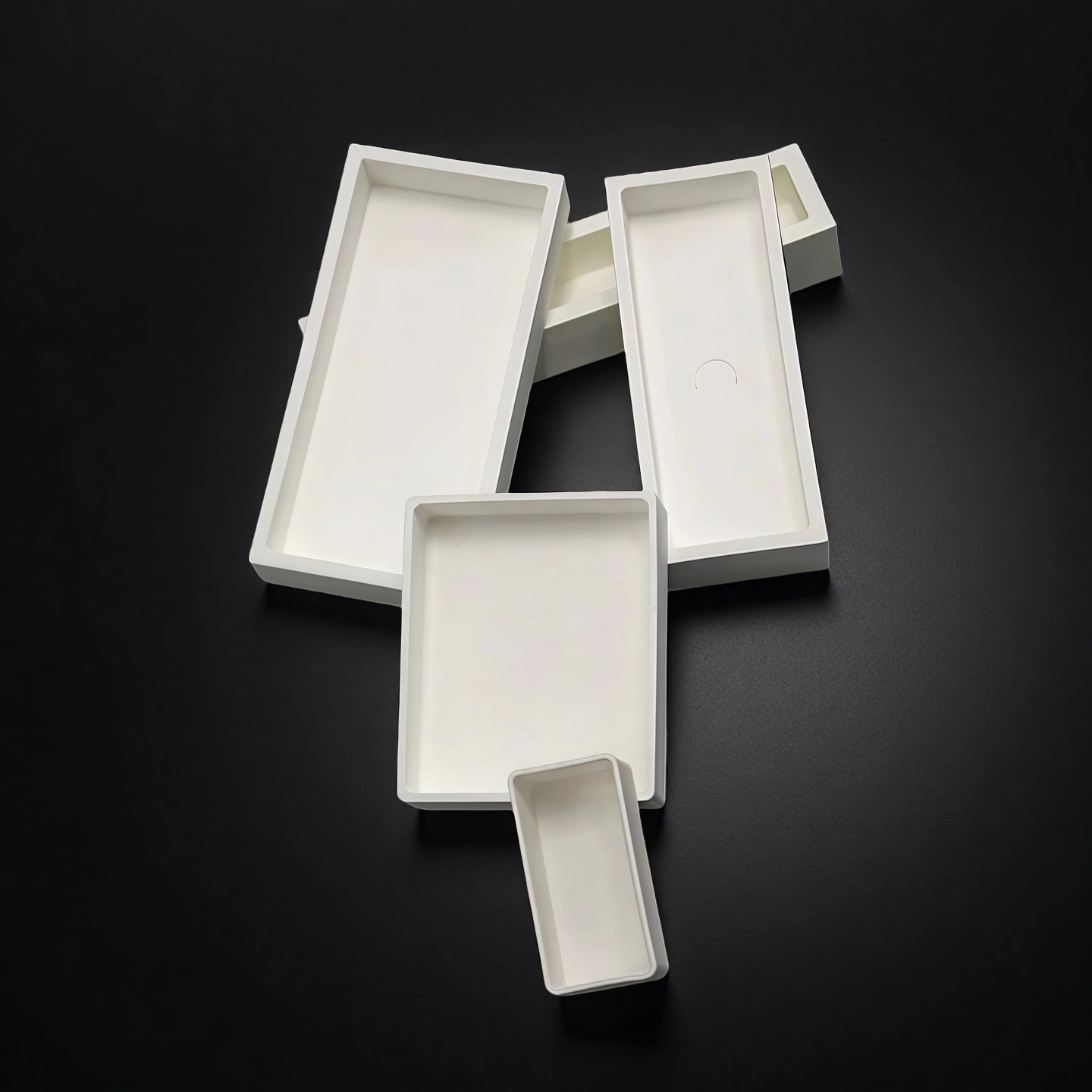
  • Sealed in anti-static bags, foam-protected, and packed in export-grade cartons
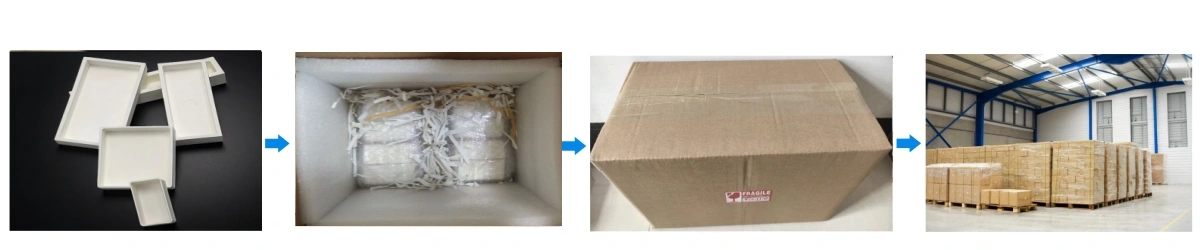
Y2O3 Crucible Packing

Yttrium Oxide Crucible Applications

  • Yttrium Oxide Crucible for Vacuum Induction Melting of Titanium Alloys

    ✅Key Advantages

    1. Low reactivity with Ti melt: Y₂O₃ crucibles reduce reactions between liquid titanium or TiAl alloy and the crucible wall at temperatures above 1600 °C, compared with many conventional oxides.

    2. High thermal stability: With Y₂O₃ melting point above about 2400 °C, the crucible supports furnace set-points up to around 2100 °C for alloy development and production melts.

    3. Geometry adapted to coil and skull design: Cylindrical and deep-type Y₂O₃ crucibles can be matched to existing induction coil geometries to maintain metal mass-to-area ratios used in titanium melting practice.

    ✅ Problem Solved

    In vacuum induction melting of titanium alloys, contamination from crucible materials can raise oxygen content, increase hardness and reduce ductility. Studies on Ti-46Al and other alloys show that optimized yttria crucibles result in measurably lower oxygen concentration and hardness compared with conventional crucibles, while still enabling multiple melting cycles. For a melting shop, this means fewer downgraded heats, more predictable melt chemistry and a lower risk of scrap on precision airfoil or structural parts. Over a year of production, even a small percentage reduction in reject rates can translate into significant savings in alloy material and furnace time.

  • Yttrium Oxide Crucible for High-Temperature Alloy and Intermetallic R&D

    ✅Key Advantages

    1. Wide usable temperature window: Y₂O₃ ceramics maintain stability close to 2000 °C, so alloy developers can explore higher superheat and process windows than with many alumina crucibles.

    2. Support for reactive chemistries: Yttria crucibles are suitable for alloys containing elements such as Ti and rare earths that would react strongly with some conventional refractories.

    3. Dimensional control for test rigs: Custom wall thickness, height and diameter help R&D teams fit Y₂O₃ crucibles into bench-scale furnaces and test rigs without redesigning their heating assemblies.

    ✅ Problem Solved

    In alloy and intermetallic research, each test heat is expensive due to small batch sizes, special raw materials and long sample preparation times. Using Yttrium Oxide Crucible reduces interactions between melt and container, which simplifies interpretation of phase diagrams and microstructures. A single optimized Y₂O₃ crucible geometry can be used across multiple project series, allowing the same laboratory to run repeated test heats at elevated temperatures without switching to different refractory systems. This consistency reduces re-qualification work and shortens time from concept alloy to pilot-scale trial.

  • Yttrium Oxide Crucible for Crystal Growth and Optical Materials

    ✅  Key Advantages

    1. High melting point and chemical stability: Y₂O₃ itself has a melting point above 2400 °C and is used as a host material or coating in optical and laser applications.

    2. Clean interface to melt: Yttria crucibles and coatings can help limit impurities from the container wall during the growth of certain oxide crystals and functional materials.

    3. Compatibility with transparent ceramic concepts: As a rare-earth oxide used in transparent ceramics, Y₂O₃ crucibles fit into process chains where optical transparency and controlled microstructure are important.

    ✅  Problem Solved

    Crystal growth and optical material producers often work at temperatures and chemistries where platinum-group metal crucibles or complex composite containers were traditionally required. By using Yttrium Oxide Crucible or Y₂O₃ coatings in specific process windows, some producers can reduce metal crucible consumption and experiment with new growth chemistries. The stable Y₂O₃ surface helps maintain a consistent growth interface, which supports more uniform crystal properties and fewer inclusion-related defects across multiple runs.


Yttrium Oxide Ceramic Crucible Usage Instructions

  • Installation

    1. Place the Yttrium Oxide Crucible on a flat, well-supported refractory base that matches the crucible bottom profile.
    2. Avoid direct metal-to-ceramic point contacts on lip or base; use compatible support rings or cushions where necessary.
    3. Align the crucible carefully with the induction coil or heating zone so that wall thickness and heating are as uniform as possible.

  • Heating and operation

    1. Use a controlled heat-up program with a moderate ramp rate; a conservative guideline is ≤5 °C/min, with slower heating in sensitive ranges such as 100–300 °C and 1100–1250 °C to reduce thermal shock risk, consistent with guidance for high-temperature oxide ceramics.
    2. Pre-dry the crucible to remove residual moisture before charging metal, particularly if the crucible has been stored in a humid environment.
    3. Charge clean metal and slag materials; avoid sharp heavy charges dropped directly onto the crucible bottom.
    4. Keep thermal gradients under control by avoiding sudden power changes or asymmetric heating from misaligned coils.

  • Cooling

    1. After completing the melt or cycle, reduce power gradually and allow the crucible to cool down with the furnace; avoid forced cooling on one side.
    2. Do not open the furnace or expose the hot Y₂O₃ crucible to cold air until temperature has dropped to a safe range defined by your process.

  • Storage

    1. Store Yttrium Oxide Crucible in a dry area, preferably in its original packaging or on padded shelves.
    2. Keep crucibles away from direct impact, vibration or stacking that loads rims and thin walls.

  • Cleaning

    1. Remove remaining metal gently after solidification, using methods approved for your alloy system that do not chip or gouge the Y₂O₃ wall.
    2. Avoid aggressive mechanical tools on the inner surface; light abrasion may be used only if agreed with your process engineering team.

  • Typical user questions and misoperation points

    1. Uneven cracking after a few cycles

    Possible causes: heating too fast, uneven coil coupling, or sudden power changes.
    Suggested action: adjust ramp rate, check coil alignment, and use a more gradual power profile.

    2. Unexpected contamination in the melt

    Possible causes: slag composition incompatible with Y₂O₃, residual contamination from previous alloys, or excessive superheat.
    Suggested action: review slag chemistry, use dedicated crucibles for critical alloys, and validate superheat level.

    3. Chipping on crucible lip during handling

    Possible causes: lifting tools contacting the lip edge, inadequate padding during movement.
    Suggested action: use lifting tools designed for the crucible geometry and keep protection on lip surfaces during installation and removal.

FAQ – Yttrium Oxide Crucible

  1. Q: When should I use yttrium oxide crucible instead of alumina or zirconia?
    A: Yttrium Oxide Crucible is a high-purity Y₂O₃ ceramic crucible used for metals and alloys that are sensitive to oxygen and container reactions, such as titanium alloys and certain high-temperature alloys; it is selected when alumina or zirconia crucibles introduce unacceptable contamination or cannot meet the required temperature window.
  2. Q: What is the maximum working temperature for a Y₂O₃ crucible?
    A: The base material melting point of Y₂O₃ is above about 2400 °C, but in practice, Yttrium Oxide Crucible is generally used up to around 2000–2100 °C in vacuum or inert gas to balance safety margin and service life.
  3. Q: Which alloys benefit most from a yttria crucible?
    A: Y₂O₃ crucibles are particularly relevant for Ti and TiAl alloys, some high-temperature alloys containing active elements, and selected optical or functional materials where low container reactivity is important.
  4. Q: How does Yttrium Oxide Crucible compare to alumina crucibles in terms of contamination?
    A: Studies on TiAl and related systems indicate that optimized yttria crucibles can reduce oxygen pick-up and hardness increase in the alloy compared with conventional oxide crucibles, which is why Y₂O₃ crucible is often chosen for reactive metals.
  5. Q: Can Yttrium Oxide Crucible be reused?
    A: Yes, Yttrium Oxide Crucible can be reused as long as there is no critical cracking, severe erosion or contamination carry-over; actual life depends on alloy, superheat, thermal cycling and mechanical handling practices.
  6. Q: What heating rate should I follow when using a Y₂O₃ crucible?
    A: As a guideline, many users keep ramp rates at or below around 5 °C/min and slow down further through sensitive temperature ranges to reduce thermal shock risk; your exact schedule should be validated in your own furnace and process window.

Yttrium Oxide Crucible Reviews

  • ⭐️⭐️⭐️⭐️⭐️
    We switched one of our TiAl lines to Yttrium Oxide Crucibles and saw more stable oxygen levels across several heats; ADCERAX worked with our drawings to match the existing coil geometry.
    -- Dr. Mark Ellis, Process Engineer, TitanAlloy Foundry Inc.
  • ⭐️⭐️⭐️⭐️⭐️
    For high-temperature alloy trials we needed a low-reactivity Y₂O₃ crucible; the custom Yttrium Oxide Crucible from ADCERAX allowed us to run multiple melts in the same test rig without changing the furnace layout.
    -- Lisa Carter, R&D Manager, Advanced Materials Lab Ltd.
  • ⭐️⭐️⭐️⭐️⭐️
    The Y₂O₃ crucibles helped us stabilize melt chemistry on a small titanium casting line; pricing was reasonable compared with other yttria suppliers and the dimensions met our tolerance expectations.
    -- Marco Rossi, Production Director, AeroCast Metals Group
  • ⭐️⭐️⭐️⭐️⭐️
    We use Yttrium Oxide Crucibles in selected crystal growth experiments; the yttria crucible surface is consistent from batch to batch, and ADCERAX provided clear drawings and inspection data with the shipment.
    -- Kenji Sato, Crystal Growth Engineer, OptoCeramic Devices Co.Ayoub (Purchasing Manager)
customize size

Custom Yttrium Oxide Crucible

We offer drawing-based customization for Yttrium Oxide Crucibles to ensure a precise fit with your vacuum induction melting systems and crystal growth furnaces.

  • Inner & outer dimensions – Inner diameter, outer diameter, and total height with defined tolerances for critical interfaces

  • Wall thickness design – Uniform or stepped thickness for thermal gradient control and mechanical stability

  • Bottom structure – Flat base, domed base, thickened bottom, or integrated pedestal for coil alignment

  • Mouth & rim geometry – Straight edge, chamfered rim, or reinforced lip for safe handling and pouring

  • Support and locating features – Grooves, shoulders, or notches matched to existing furnace supports

  • Surface condition – As-sintered, ground, or polished surfaces on selected functional areas

  • Matching covers/lids – Y₂O₃ lids in corresponding diameters for melt protection under controlled atmosphere

Related Products

ADCERAX - Your Trusted Advanced Ceramics Manufacturing Partner

Direct factory manufacturing with comprehensive ceramic materials expertise and global supply capabilities

Direct Factory Manufacturing

China-based ceramic materials production facility with state-of-the-art equipment

Engineering Team

Experienced professionals in advanced ceramics applications and custom design

Quality Control

Strict quality control standards for technical ceramics manufacturing and quality management

Global Supply Chain

Serving customers worldwide with technical ceramics and rapid response

24/7 Technical Support

Round-the-clock support for ceramic components inquiries and technical assistance

500+ Satisfied Customers

Trusted by global customers for advanced ceramic materials and precision components

Get in touch with us

Our team will be happy to respond to you in less than 24 hours.

Adcerax's factory

Quick Quotation

*Our team will answer your inquiries within 24 hours.

*Your information will be kept strictly confidential.

Ready to Solve Your Engineering Challenge?

Partner with ADCERAX for reliable, high-performance advanced ceramic solutions. Our engineers are ready to discuss your project.

E-mail

info@adcerax.com

Phone

+(86) 0731-74427743 | WhatsApp: +(86) 19311583352

Response Time

Within 24 hours

Quick Quote

The more details you provide, the faster we can quote.

*We respond within 24 hours. All inquiries are confidential.

Download Catalog

Get Your Custom Sulution

The more details you provide, the faster we can respond.

customize size

*We respond within 24 hours. All inquiries are confidential.

Download Catalog