Engineering Problems Solved by Alumina Seal Rings
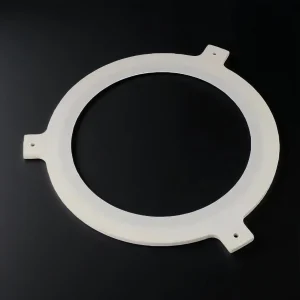
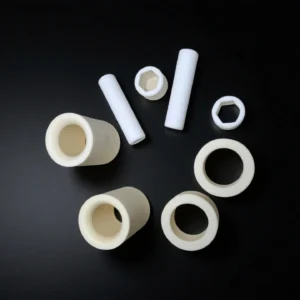
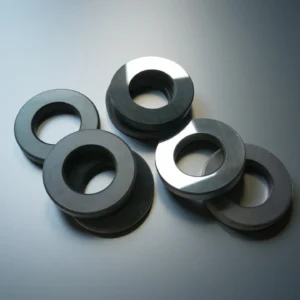
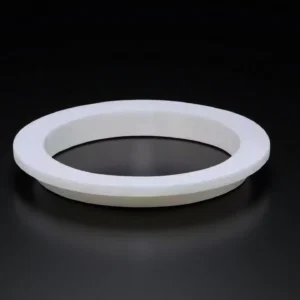
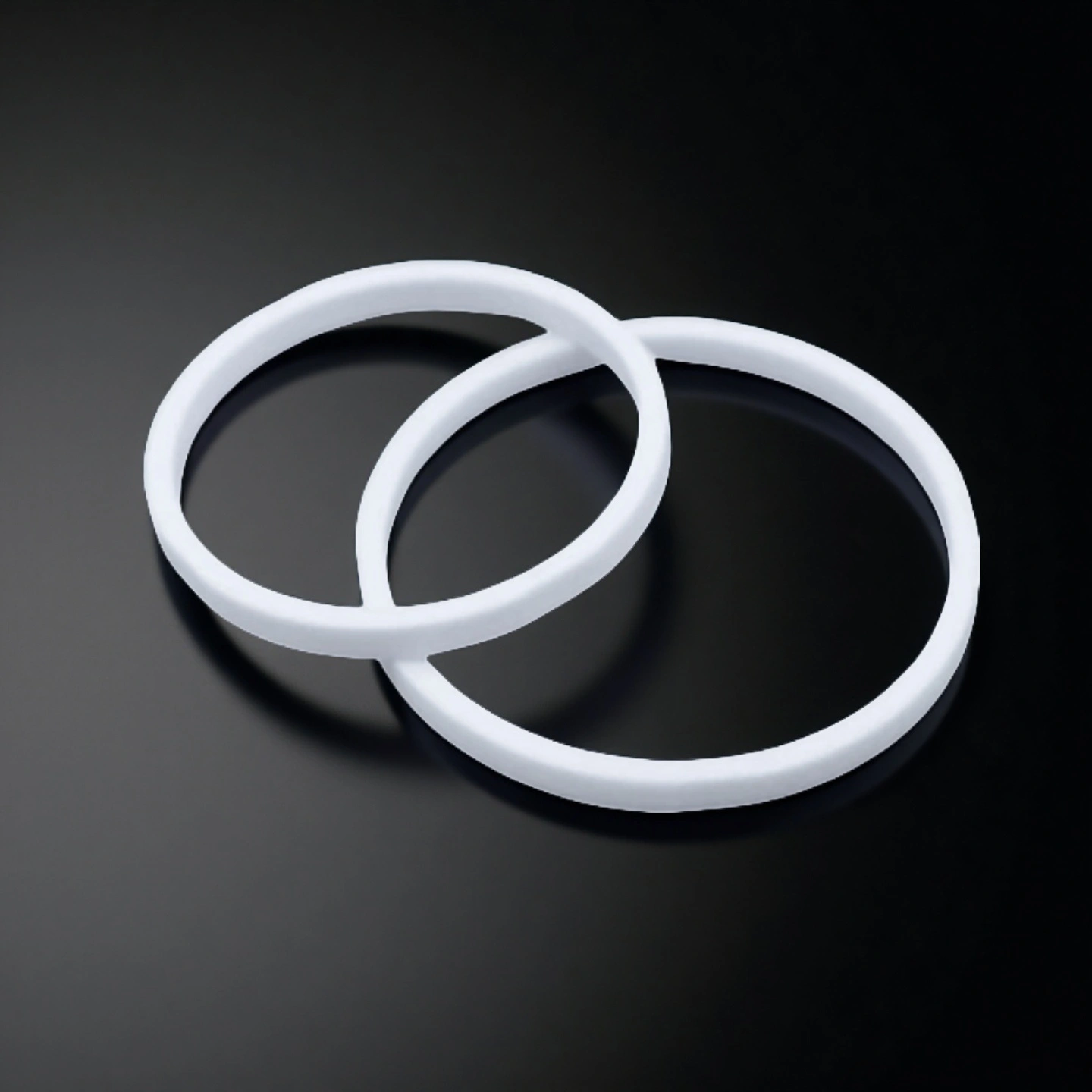
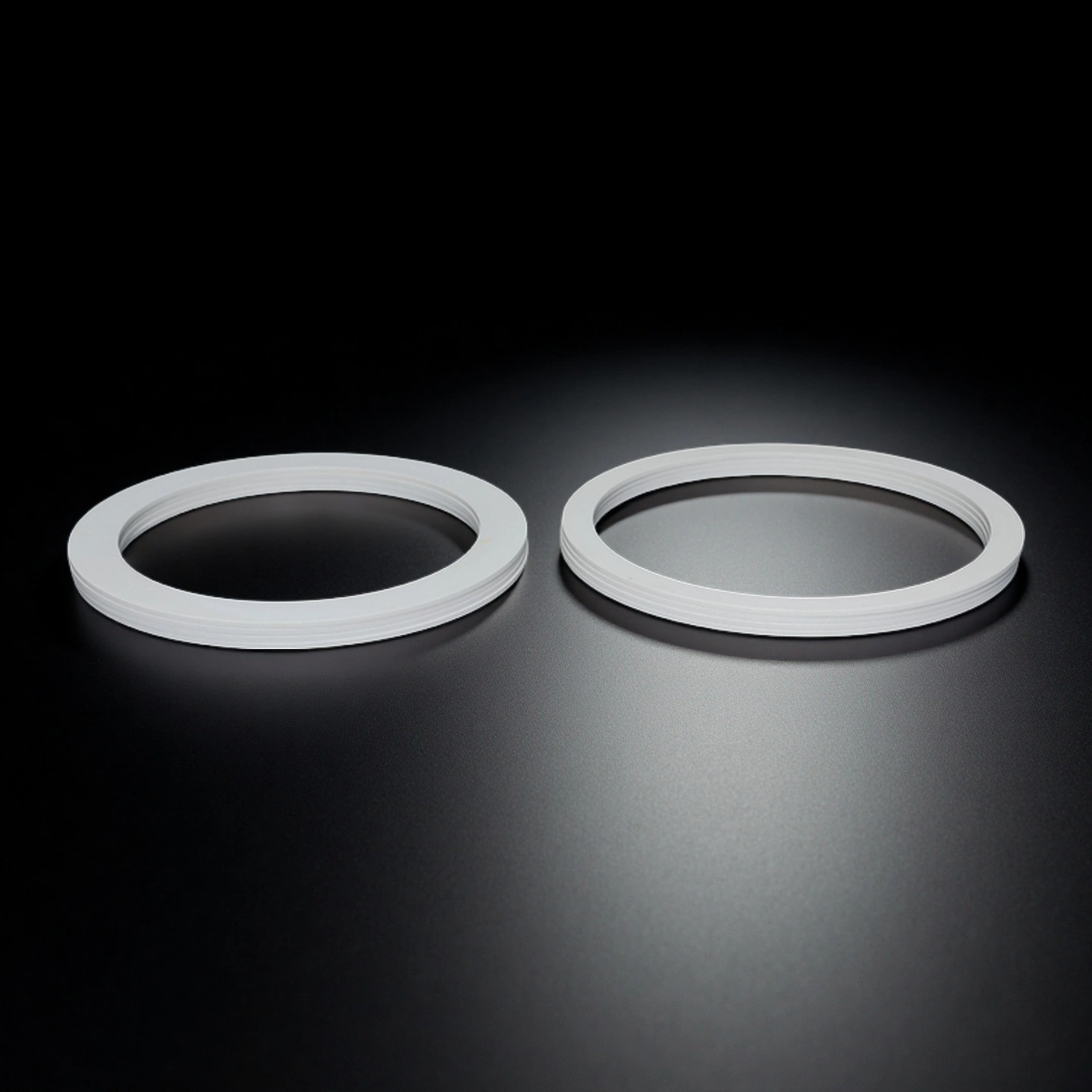
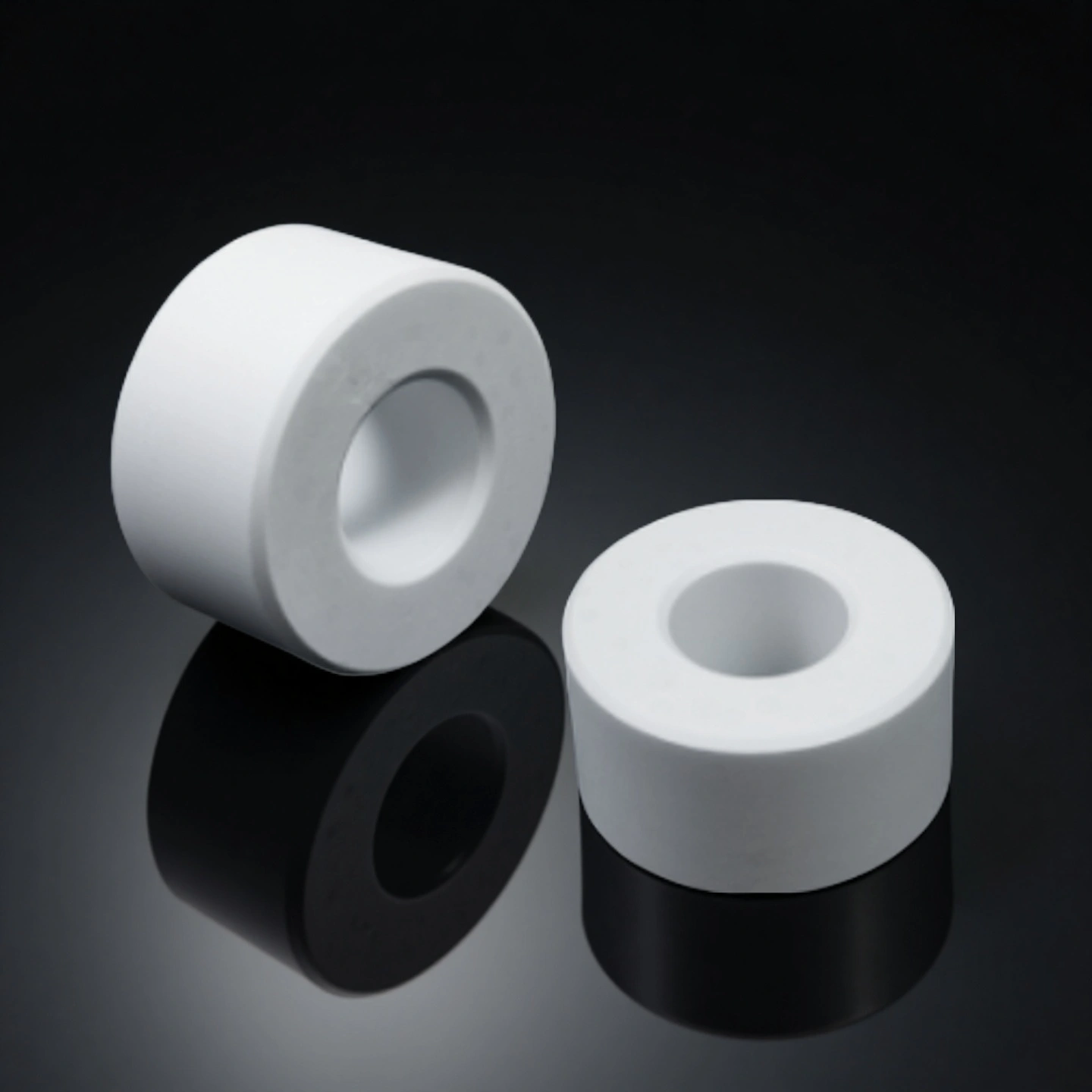
Alumina ceramic seal rings are used when metal, polymer or lower-grade ceramic rings cannot maintain stable sealing performance under wear, chemical exposure, heat or electrical insulation requirements. Dense Al₂O₃ ceramic offers high hardness, low water absorption, corrosion resistance and good dimensional stability, making it suitable for selected mechanical seal and insulation assemblies.
For drawing-based projects, ADCERAX reviews the sealing face, installation fit, mating material and working medium before recommending alumina purity, surface finish and machining route.
Why Choose Alumina for Seal Ring Applications
Alumina ceramic is selected for seal rings when the design needs a balance of wear resistance, insulation, chemical stability and cost control. It is not the hardest ceramic option, but it offers a practical solution for many pumps, valves, mixers and industrial equipment assemblies where silicon carbide or zirconia may not be necessary.
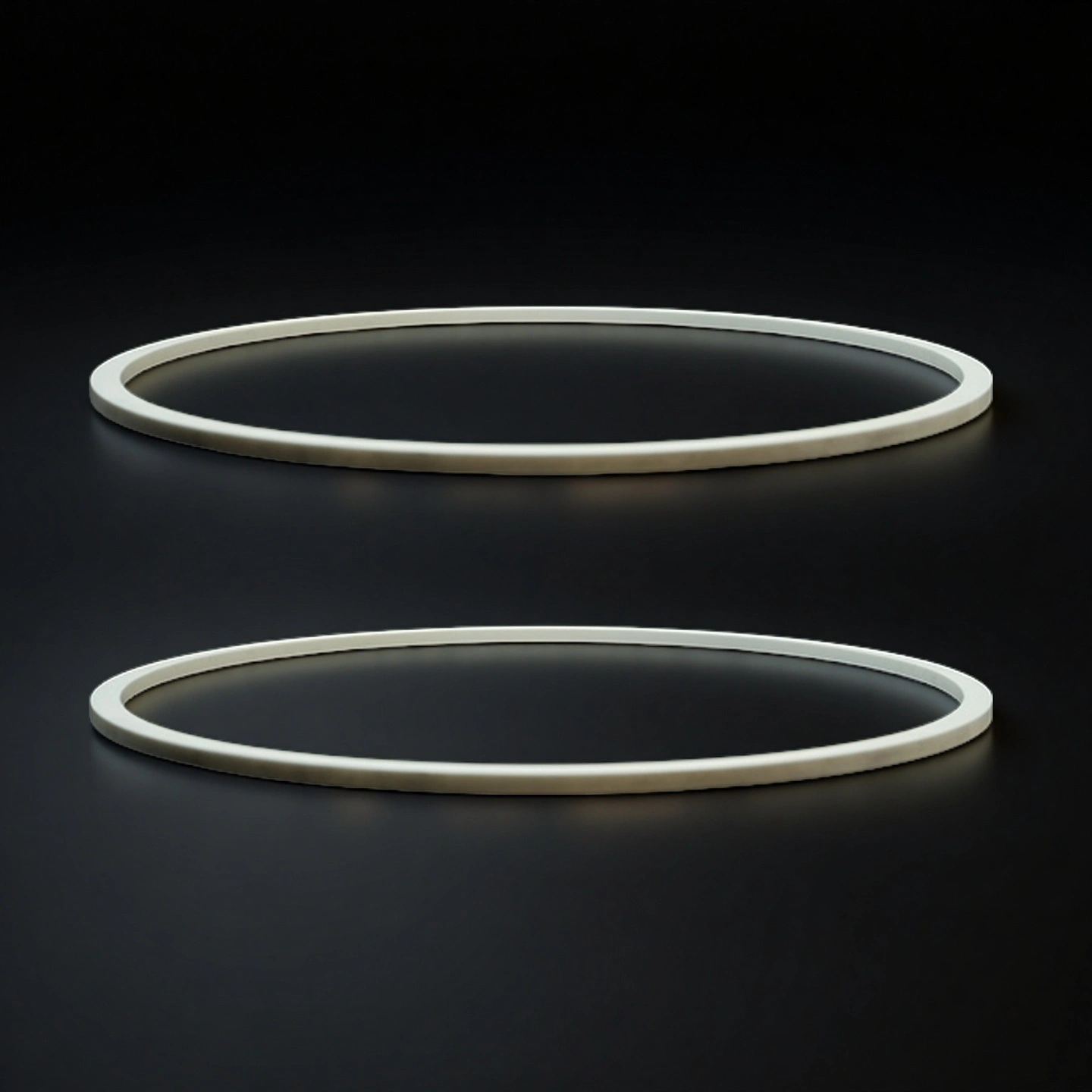
For sealing faces, the most important design factors are flatness, surface roughness, parallelism, edge protection and mating material compatibility. ADCERAX can review these details before production to reduce the risk of leakage, edge chipping or premature surface wear.
Alumina Seal Ring Material Options
| Alumina Grade | Recommended Use | Engineering Notes |
|---|---|---|
| 96% Al₂O₃ | General industrial seal rings and cost-sensitive assemblies | Suitable when wear resistance and insulation are needed, but extreme purity is not required. |
| 99% Al₂O₃ | Chemical, thermal and electrical insulation applications | Offers improved purity and stability compared with standard alumina grades. |
| 99.5% Al₂O₃ | Precision seal rings, lapped faces and demanding equipment parts | Recommended when surface finish, dimensional control and batch consistency are important. |
| 99.7%+ Al₂O₃ | Vacuum, high-purity or stricter insulation assemblies | Use only when the operating condition justifies higher material purity. |
Alumina Seal Ring Specifications

| Alumina Seal Ring | ||||
| Item No. | Outer Diameter (mm) | Inner Diameter (mm) | Thickness (mm) | Purity(%) |
| AT-HH-01 | 25 | 15 | 15 | 96-99 |
| AT-HH-02 | 26 | 12 | 4 | 96-99 |
| AT-HH-03 | 31.60 | 20.49 | 11.11 | 96-99 |
| AT-HH-04 | 34.77 | 23.66 | 11.11 | 96-99 |
| AT-HH-05 | 37.95 | 26.95 | 12.70 | 96-99 |
| AT-HH-06 | 41.12 | 29.92 | 12.70 | 96-99 |
| AT-HH-07 | 47.47 | 33.30 | 12.70 | 96-99 |
| AT-HH-08 | 50.65 | 36.40 | 12.70 | 96-99 |
| AT-HH-09 | 53.82 | 39.57 | 12.70 | 96-99 |
| AT-HH-10 | 57.00 | 42.66 | 12.70 | 96-99 |
| AT-HH-11 | 60.17 | 46.03 | 12.70 | 96-99 |
| AT-HH-12 | 63.35 | 49.20 | 12.70 | 96-99 |
| AT-HH-13 | 66.52 | 52.38 | 12.70 | 96-99 |
| AT-HH-14 | 69.70 | 55.86 | 14.90 | 96-99 |
| AT-HH-15 | 72.87 | 59.03 | 14.90 | 96-99 |
| AT-HH-16 | 76.05 | 62.21 | 14.90 | 96-99 |
| AT-HH-17 | 79.22 | 65.38 | 15.88 | 96-99 |
| AT-HH-18 | 82.40 | 68.63 | 15.88 | 96-99 |
| AT-HH-19 | 85.57 | 71.81 | 15.88 | 96-99 |
| AT-HH-20 | 88.75 | 74.98 | 15.88 | 96-99 |
| AT-HH-21 | 91.92 | 78.16 | 15.88 | 96-99 |
| AT-HH-22 | 95.10 | 81.30 | 15.88 | 96-99 |
| AT-HH-23 | 98.27 | 84.51 | 15.88 | 96-99 |
| AT-HH-24 | 101.45 | 87.68 | 15.88 | 96-99 |
| AT-HH-25 | 104.62 | 90.86 | 17.46 | 96-99 |
| AT-HH-26 | 107.80 | 94.16 | 17.46 | 96-99 |
| AT-HH-27 | 114.15 | 97.33 | 17.46 | 96-99 |
| AT-HH-28 | 117.32 | 100.21 | 17.46 | 96-99 |
| AT-HH-29 | 120.20 | 103.68 | 17.46 | 96-99 |
| AT-HH-30 | 3-150 | 1-140 | 4-100 | 96-99 |
Alumina Seal Ring Packaging
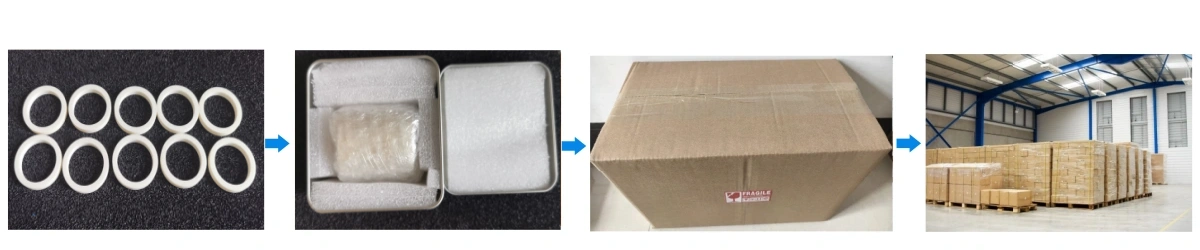
- Each alumina ceramic seal ring should be separated and protected to avoid ceramic-to-ceramic contact during transport. Lapped faces, polished surfaces and thin edges require foam positioning, face protection and reinforced outer packaging.
- Before shipment, ADCERAX can review visible surface condition, key dimensions, sealing face quality and packaging stability according to the order requirement.