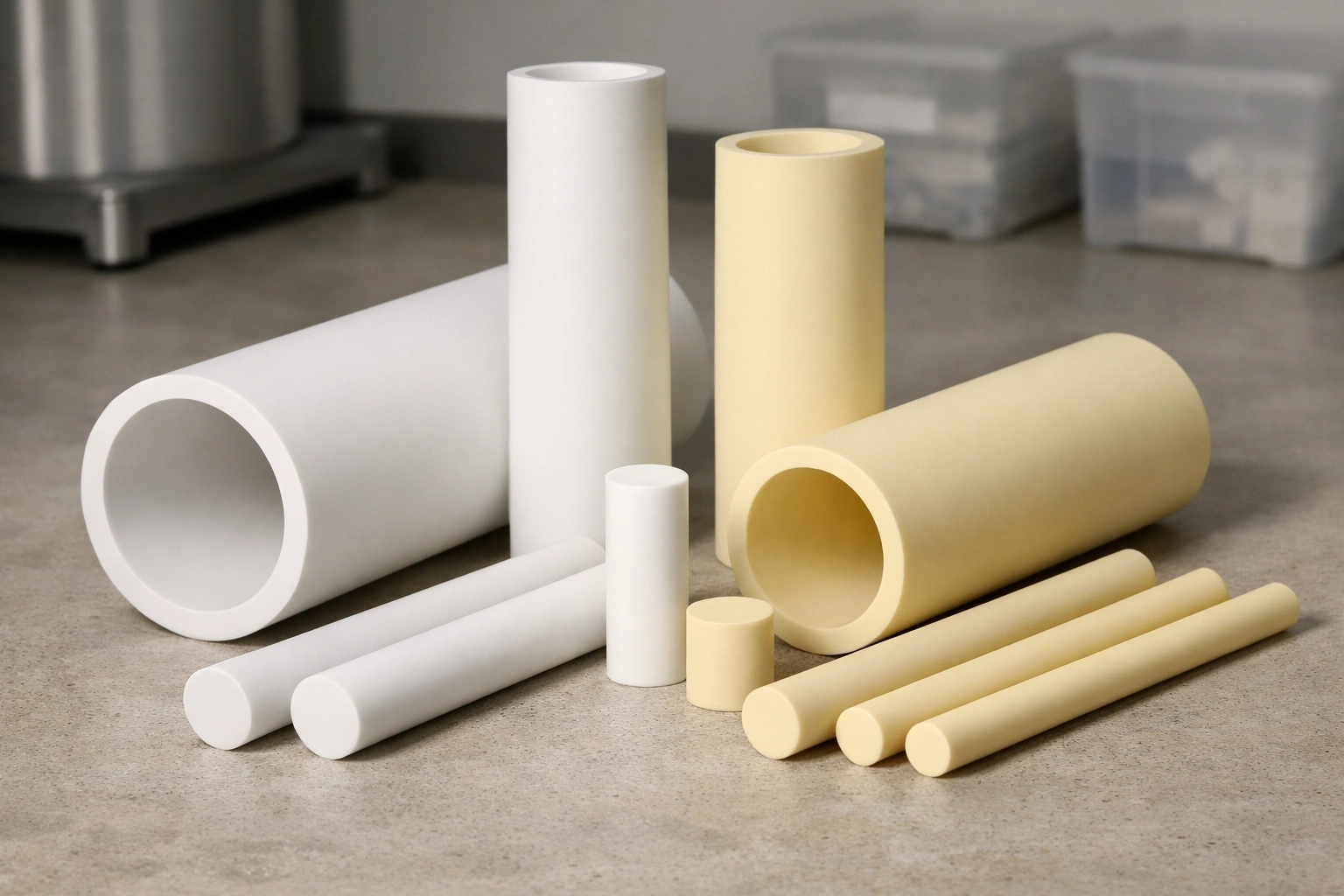
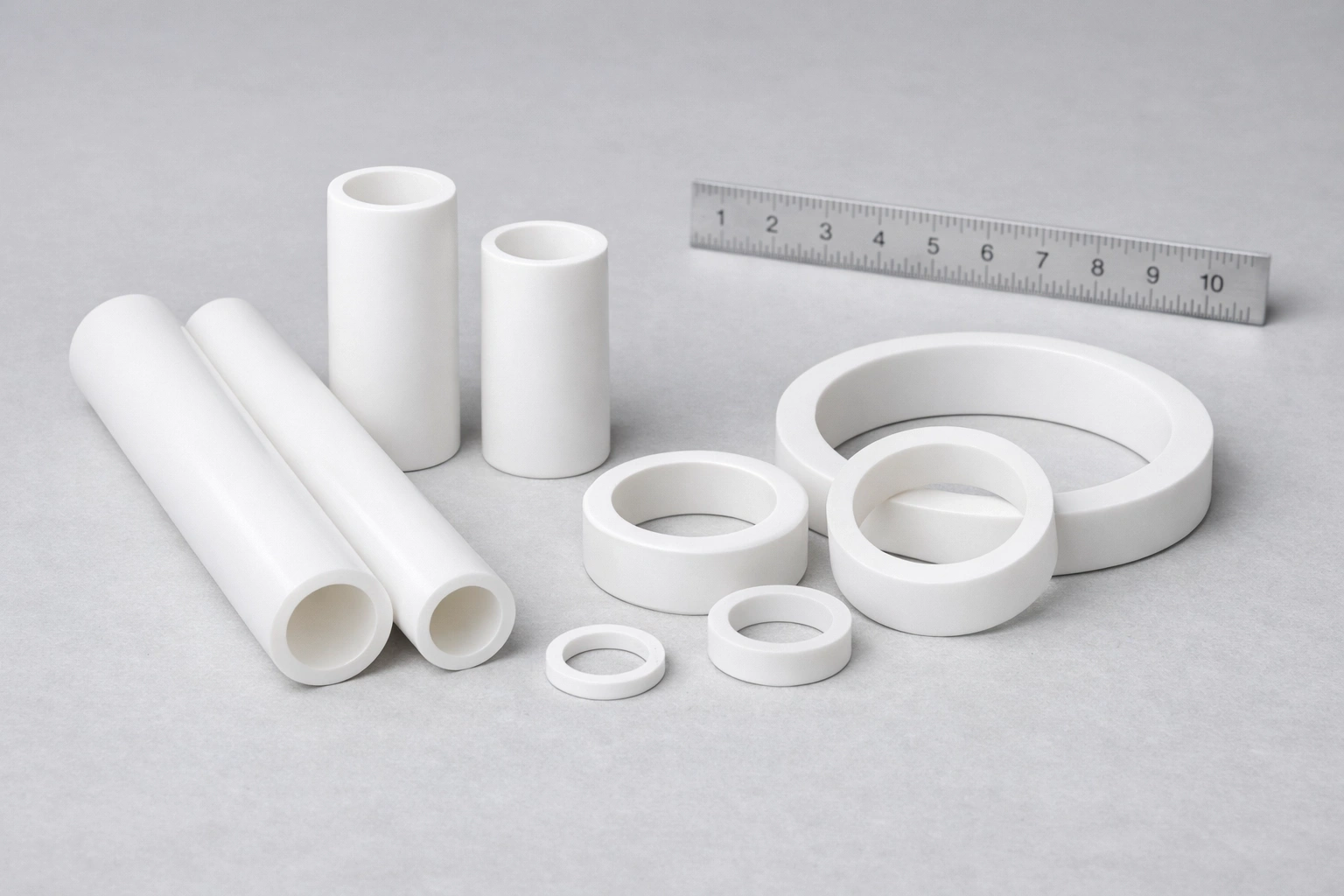
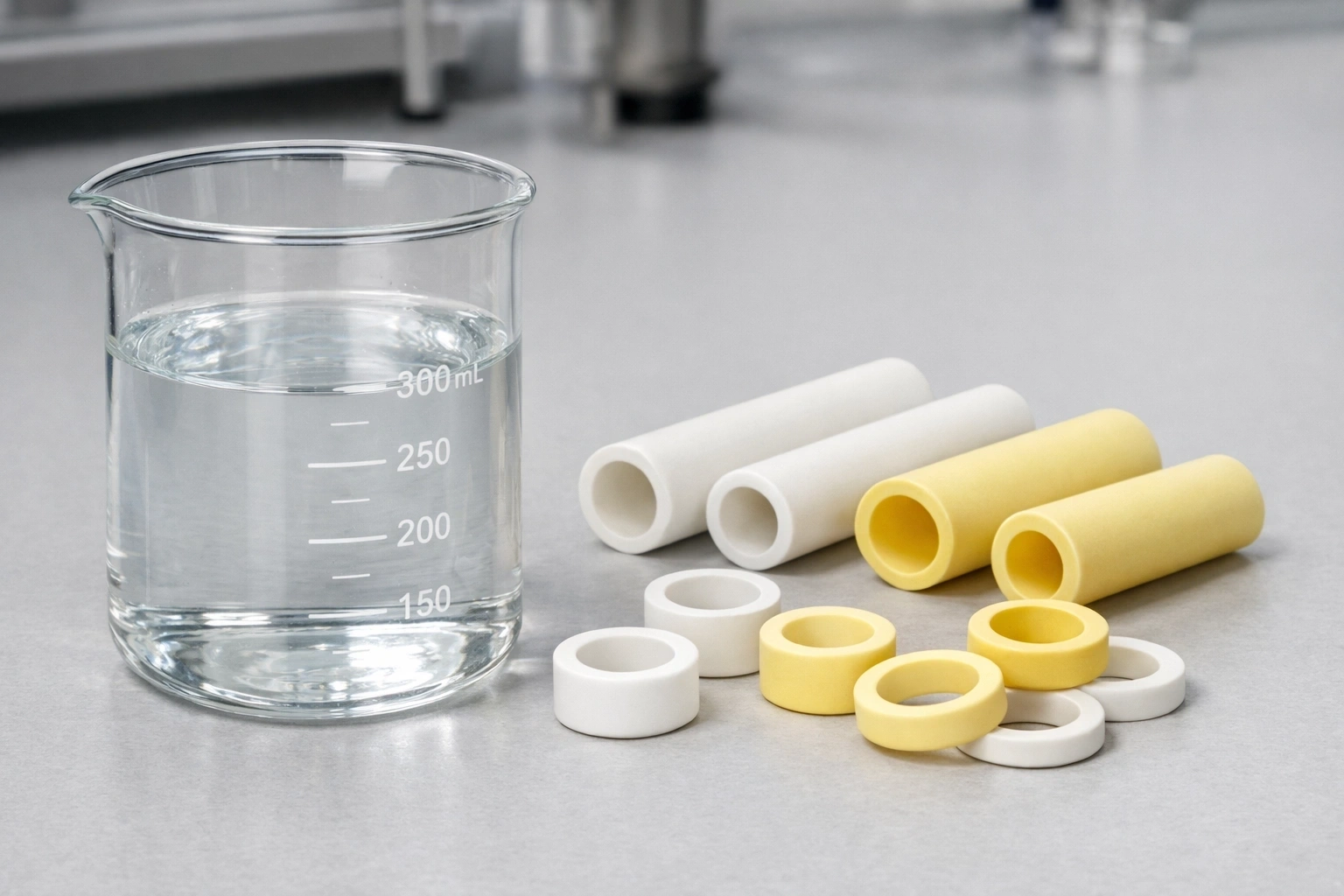
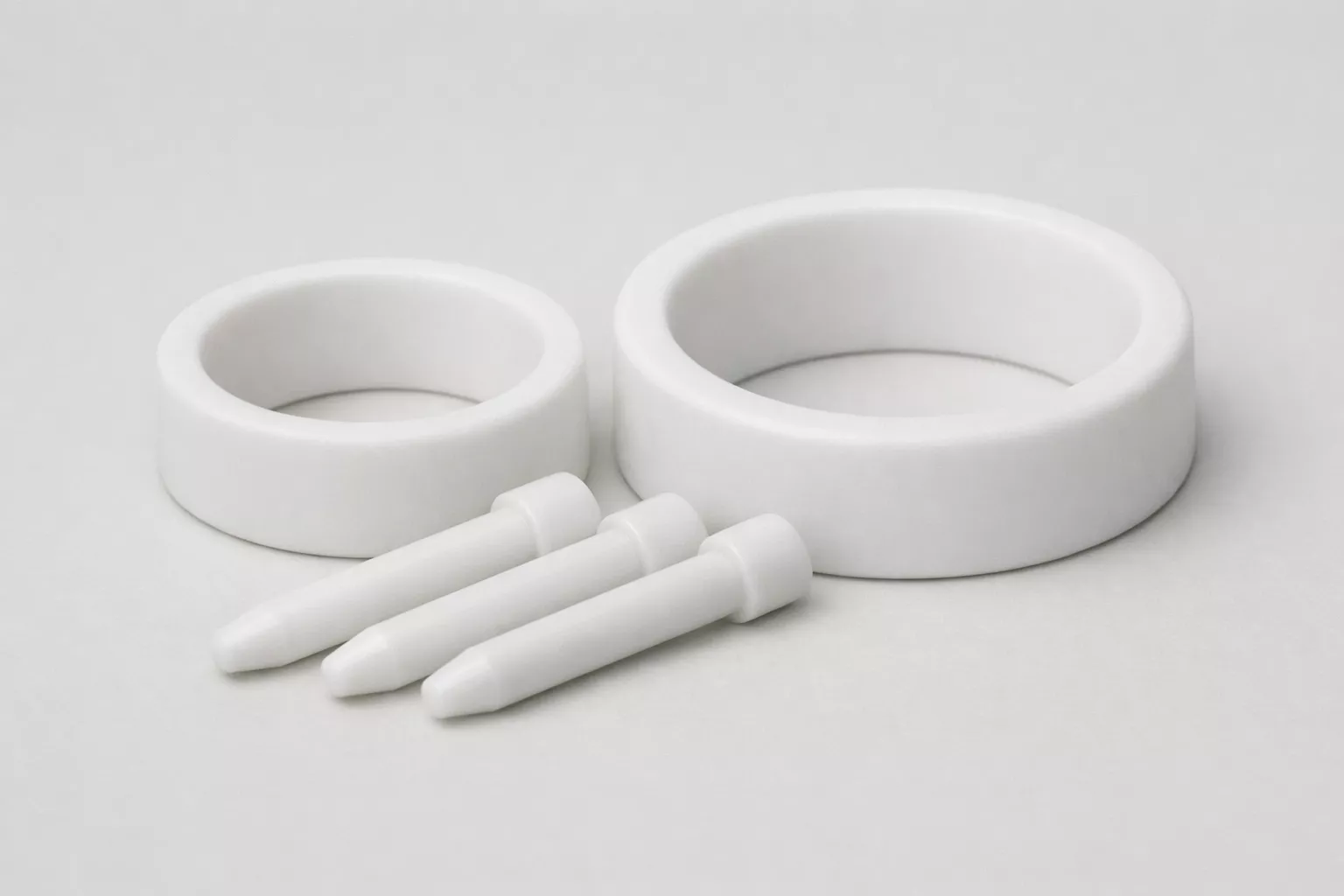
Industrial oil-water emulsions challenge modern wastewater treatment systems through their chemical stability and fine droplet size. Alumina Membrane Tubes for Wastewater Treatment offer an effective, durable, and selective filtration method that achieves regulatory compliance and long-term cost efficiency. This article examines the physical chemistry, engineering design, and field data behind their performance.
Industrial operations that process or refine petroleum, metals, and food products generate wastewater containing oil emulsions stabilized by surfactants. These emulsions resist traditional separation methods, creating persistent compliance issues under EPA discharge standards. The following sections detail how Alumina Membrane Tubes for Wastewater Treatment solve these challenges effectively and reliably.
What Regulatory Limits and Emulsion Characteristics Challenge Conventional Wastewater Treatment?
Regulatory standards restrict oil and grease discharge to 10–15 mg/L while maintaining COD below 120 mg/L and BOD₅ under 40 mg/L per 40 CFR Part 437. Emulsified oils smaller than 10 µm remain stable for weeks due to surfactant layers reducing interfacial tension to 5–15 mN/m. Such stability creates energy barriers that prevent droplet coalescence even under mechanical or gravitational separation, emphasizing the need for Alumina Membrane Tubes for Wastewater Treatment with high efficiency.
Conventional gravity or flotation systems remove only 60–85% of oil from influent concentrations between 500–8,000 mg/L, resulting in effluent typically exceeding 50 mg/L. Additional polishing through filters or carbon adsorption increases operating costs and produces hazardous sludge. As EPA enforcement tightens, non-compliance may cost $5,000–25,000 per event.
Treatment efficiency depends strongly on droplet size distribution1. Larger droplets (>50 µm) separate within 1 hour, mid-range droplets (20–50 µm) require chemical destabilization and 4 hours retention, while sub-10 µm fractions remain indefinitely suspended—necessitating membrane filtration capable of >99.5% removal provided by Alumina Membrane Tubes for Wastewater Treatment.
Surfactant stabilization mechanisms preventing droplet coalescence in industrial wastewater
Surfactant molecules such as alkyl benzene sulfonates and ethoxylated alcohols accumulate at oil–water interfaces, lowering interfacial tension2 and creating repulsive electrostatic forces. This stabilization prevents coalescence even when external shear is applied. The DLVO theory3 explains that the energy barrier of 15–25 kT between droplets overcomes Brownian collision, maintaining emulsion stability.
EPA Method 1664 testing protocols and discharge limit compliance challenges
EPA Method 1664 Revision B quantifies n-hexane extractable materials to confirm total oil and grease levels. Facilities must maintain results <15 mg/L to comply. Sampling errors, retention time variations, and post-treatment mixing can all elevate readings, requiring advanced filtration to ensure consistent compliance.
Droplet size distribution impact on conventional treatment system performance
When 15–30% of droplets measure <10 µm, gravity separation fails. These microdroplets increase effluent oil concentration exponentially due to their slow settling velocity proportional to r². Membrane microfiltration provides an effective cutoff, preventing fines from bypassing traditional separators.
How Do Alumina Membrane Tubes for Wastewater Treatment Achieve Selective Filtration Performance?
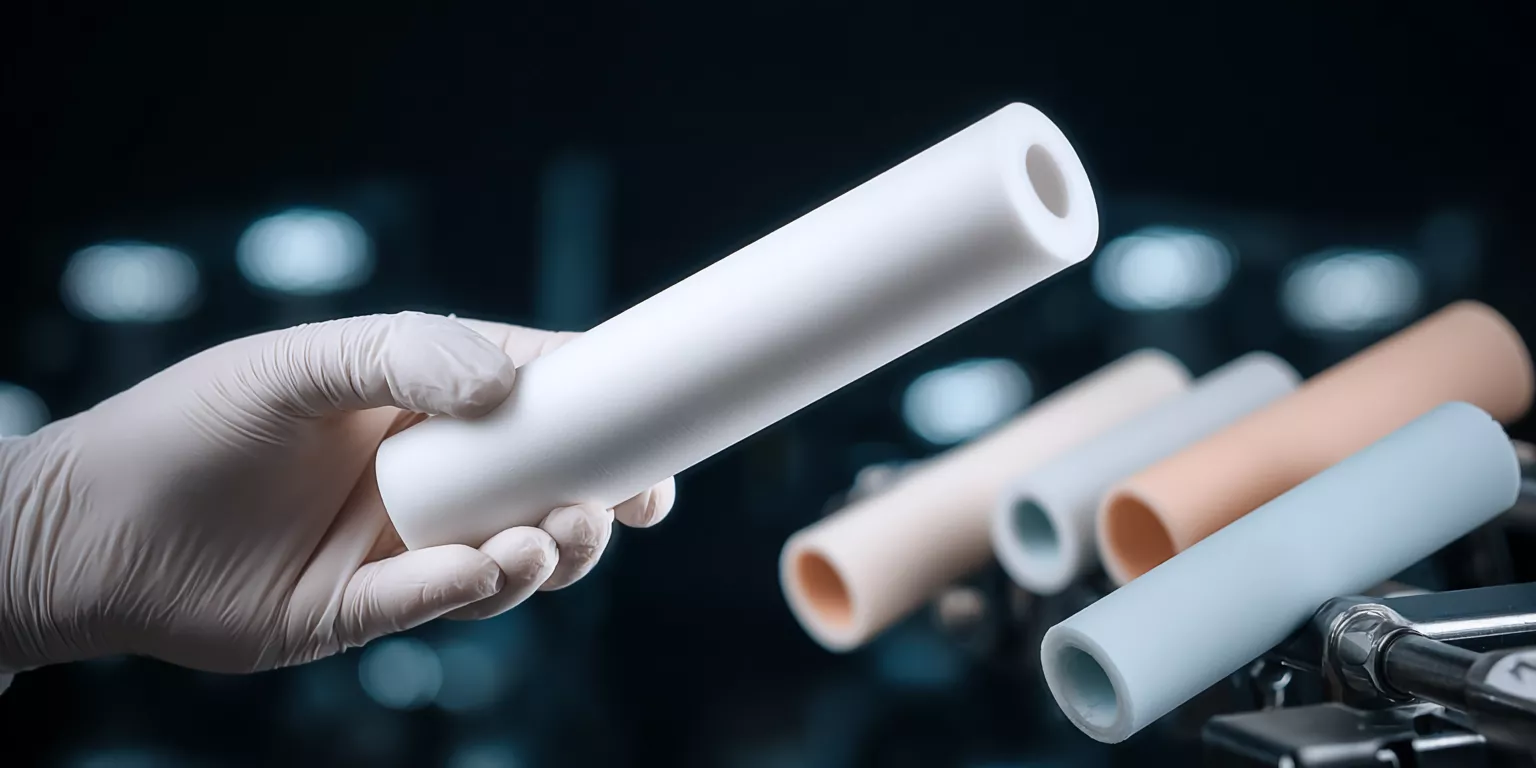
Alumina Membrane Tubes for Wastewater Treatment achieve high separation efficiency through precisely engineered pore structures between 0.1–5 µm and hydrophilic surfaces with contact angles <30°. These enable selective passage of water while rejecting emulsified oil droplets by both size exclusion and electrostatic repulsion.
Uniform pore distribution is achieved by sintering α-alumina powders at 1,050–1,250 °C under controlled temperature variation (±8 °C). Resulting membranes show 30–45% porosity and <35% coefficient of variation in pore size, ensuring stable flux rates (400–800 L/m²·h at 2–4 bar). Chemical durability up to 200 °C and pH 4–10 prevents hydrolytic degradation, ensuring the durability of Alumina Membrane Tubes for Wastewater Treatment across harsh conditions.
Key material advantages:
- Stable hydrophilicity ensures high water flux.
- Electrostatic repulsion minimizes irreversible fouling.
- Thermal and chemical stability supports long-term service.
Sintering parameter optimization for narrow pore size distribution achievement
Precise control of particle size (D₅₀ = 0.4–0.8 µm) and sintering temperature yields pores within ±0.02 µm tolerance. Tighter control correlates directly with 99.5–99.8% oil rejection and <1.2% flux decline per 100 hours.
Surface hydroxyl group chemistry enabling preferential water permeation
Hydroxylated surfaces form hydrogen bonds with water molecules, creating a hydration layer that resists oil adhesion. Contact angles remain consistently below 30°, confirming sustained hydrophilicity4 after 18–24 months of use.
Electrostatic repulsion mechanisms preventing irreversible oil droplet adhesion
At pH 6–8, alumina surfaces carry positive charge (+0.02–0.05 C/m²) that repels anionic oil droplets (−0.08 to −0.15 C/m²). This charge difference prevents oil penetration, ensuring reversible fouling and easier regeneration.
Why Do Alumina Membrane Tubes for Wastewater Treatment Maintain Higher Flux in Cross-Flow Filtration?
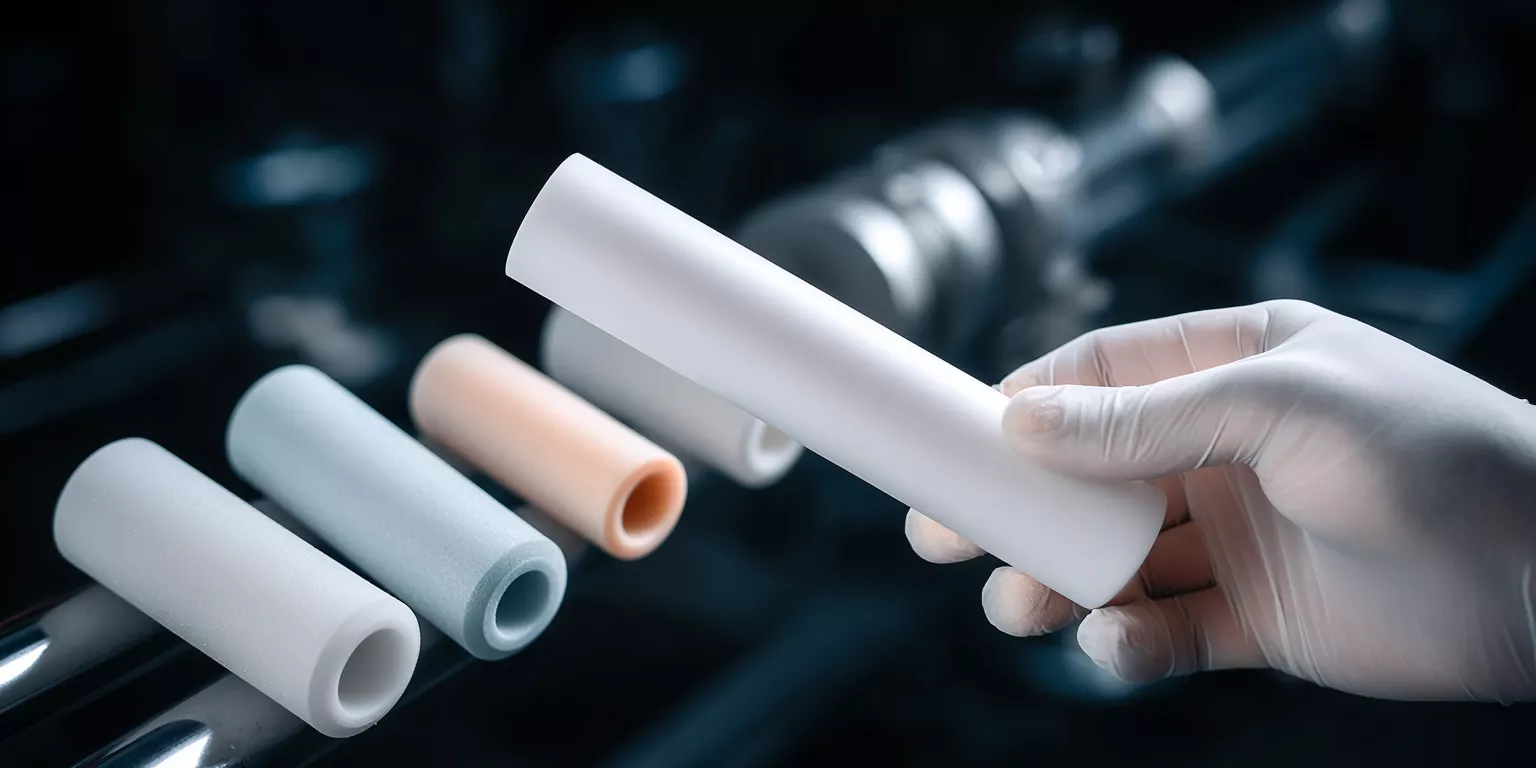
Cross-flow filtration introduces tangential velocity (2–4 m/s) that generates 20–60 Pa shear stress, continually removing foulants from the membrane wall. This dynamic reduces concentration polarization and maintains higher flux stability than dead-end operation, making Alumina Membrane Tubes for Wastewater Treatment ideal for continuous industrial processes.
Flux in cross-flow mode averages 150–300 L/m²·h, compared with 15–40 L/m²·h in dead-end systems. Despite higher pump energy, overall energy consumption (0.08–0.15 kWh/m³) remains lower due to fewer cleaning cycles and sustained throughput.
Operational benefits:
- Continuous self-cleaning via shear.
- Reduced fouling layer resistance.
- Stable flux over extended runs.
Wall shear stress calculations for turbulent cross-flow membrane hydraulics
For water viscosity 1 cP and velocity gradient 8,000 s⁻¹, wall shear stress τ = μ(∂u/∂y) ≈ 80 Pa. This magnitude effectively prevents cake formation, keeping transmembrane pressure constant within 2–4 bar.
Concentration polarization theory and cake layer resistance modeling
Concentration at the membrane surface rises only 2–5× above bulk in cross-flow mode versus 50–200× in dead-end operation. Consequently, oil-cake permeability remains 50–500× greater, sustaining consistent flux.
Specific energy consumption analysis for different filtration configurations
Cross-flow systems consume 0.08–0.15 kWh/m³ permeate. Dead-end configurations require 0.12–0.25 kWh/m³ due to frequent backwashing, yielding 40–60% lower productivity per area.
Field Validation of Alumina Membrane Tubes for Wastewater Treatment in Petrochemical Applications
Field studies confirm Alumina Membrane Tubes for Wastewater Treatment stability in petrochemical wastewater, particularly in SAGD oil-sand operations5. Feed oil concentrations of 1,500–3,500 mg/L are reduced below 10 mg/L in permeate while maintaining >99% rejection over 3 years of operation.
Membranes resist degradation from H₂S, CO₂, and high TDS (8,000–15,000 mg/L). Continuous monitoring over 4,800 hours shows 26% flux decline, fully recoverable to 93% after cleaning. Across 22 installations, total treatment cost averages $0.45–0.85/m³, nearly half that of polymeric systems.
Verified outcomes:
- 95% EPA compliance rate over 24 months.
- 30–42 month membrane lifespan.
-
99% oil removal efficiency.
Produced water chemistry challenges in SAGD petroleum recovery operations
Produced water contains heavy hydrocarbons, dissolved gases, and fine solids. Alumina’s chemical inertness and rigidity prevent structural degradation, enabling continuous performance under 60–80 °C operation.
Long-term flux decline monitoring and chemical cleaning effectiveness quantification
Flux declines gradually from 420 to 310 L/m²·h before cleaning, with 93% flux recovery afterward. Zero structural failures across 48 tubes demonstrate durability under industrial loading.
Compliance rate documentation and total cost of treatment analysis
Alumina systems consistently maintain <15 mg/L oil and grease in effluent. Cost comparison reveals 40–60% lower cleaning expenses and 2–3× longer service life than polymer membranes.

How Do NaOH and Ultrasonic Regeneration Protocols Restore Alumina Membrane Tubes for Wastewater Treatment?
Regeneration using 0.5–2% NaOH at 50–70 °C combined with 28–40 kHz ultrasonic cleaning restores 90–98% of initial flux. Saponification and cavitation processes remove compacted organic fouling effectively while preserving membrane integrity, extending the lifespan of Alumina Membrane Tubes for Wastewater Treatment.
Combined chemical-ultrasonic methods outperform chemical cleaning alone, achieving 92–97% flux recovery versus 82–88%. Optimal cleaning intervals of 300–600 operating hours maximize life expectancy while maintaining permeability.
Performance improvements:
- Hydrolysis converts oils to soluble soaps.
- Cavitation pressure dislodges foulants.
- Controlled frequency minimizes material fatigue.
Saponification reaction kinetics for triglyceride oil removal from ceramic surfaces
NaOH hydrolyzes triglycerides into glycerol and sodium salts, enhancing solubility. Elevated temperature accelerates the reaction 3–4×, improving organic matter removal efficiency to 85–95%.
Ultrasonic cavitation parameters optimized for membrane pore structure geometries
Frequencies 28–40 kHz produce 80–120 µm cavitation bubbles matching pore network dimensions, generating 500–1,000 bar localized pressure for deep-pore cleaning.
Cleaning frequency optimization balancing flux recovery versus membrane longevity
Cleaning every 300–600 hours prevents irreversible fouling without excessive exposure. Overuse (>once per 200 hours) reduces mechanical strength 8–15% after 3–5 years, confirmed by ASTM C1161 tests.
Industrial Wastewater Treatment Performance by Application
| Wastewater Source | Feed Oil Concentration | Permeate Oil Quality | Sustained Flux Rate (L/m²·h) | Service Life (months) |
|---|---|---|---|---|
| Metalworking emulsions | 2,000–8,000 mg/L | <5 mg/L (99.7%) | 450–750 | 18–24 |
| SAGD produced water | 1,500–3,500 mg/L | <10 mg/L (99.4%) | 350–550 | 30–42 |
| Refinery desalter effluent | 500–2,500 mg/L | <8 mg/L (99.2%) | 500–850 | 20–28 |
| Food processing (fryer oil) | 3,000–12,000 mg/L | <10 mg/L (99.5%) | 350–600 | 15–22 |
System Configuration Selection Matrix
| Design Condition | Recommended Configuration |
|---|---|
| Feed oil >5,000 mg/L or solids >500 mg/L | Two-stage: pre-filtration (50–100 µm) + ceramic membrane (0.1–0.2 µm) |
| Capacity >100 m³/day or footprint <20 m² | Multi-channel (7–19 channels) modules with high packing density |
| Feed temperature 10–40 °C (variable) | Variable frequency pumps with flux control (2.5–3.5 bar TMP) |
Conclusion
Alumina Membrane Tubes for Wastewater Treatment deliver high oil rejection, long service life, and predictable compliance performance for industrial separation processes.
Navigating stricter discharge regulations demands reliable, low-maintenance filtration. Partner with ADCERAX’s engineering team to access factory-direct alumina membrane solutions combining precise pore control, flexible customization, and rapid delivery for your wastewater separation projects.
FAQ
1. How do alumina membrane tubes achieve stable performance under harsh chemical conditions?
Their crystalline α-alumina structure resists hydrolysis and swelling between pH 4–10 and up to 200 °C. This ensures dimensional stability and consistent filtration even in solvents and acids.
2. What factors influence the total operating cost of membrane systems?
Key components include energy (0.08–0.15 kWh/m³), chemical cleaning ($0.05–0.12/m³), membrane amortization ($0.12–0.22/m³), and labor ($0.20–0.36/m³). Stable flux reduces both cleaning and energy demands.
3. Can alumina membranes be customized for specific wastewater compositions?
Yes. ADCERAX supports pore sizes from 0.1–5 µm and multi-channel geometries optimized for flow rate and particle size distribution, ensuring compatibility with metalworking or petroleum streams.
4. How does alumina compare to polymeric membranes in lifecycle economics?
Alumina Membrane Tubes for Wastewater Treatment offer 2–3× longer lifespan (18–36 months vs. 6–12 months), higher chemical resistance, and 50% lower cleaning frequency, resulting in 40–60% lower overall treatment costs.
References:
-
Learn about the critical role of droplet size distribution in treatment processes and its impact on overall efficiency. ↩
-
Understanding interfacial tension is crucial for grasping how emulsions are stabilized, making this resource invaluable. ↩
-
Exploring the DLVO theory will deepen your knowledge of emulsion stability mechanisms, essential for various applications. ↩
-
Exploring hydrophilicity will provide insights into how materials interact with water, crucial for applications in coatings and adhesives. ↩
-
Discover insights on SAGD operations and their effects on wastewater management, crucial for environmental sustainability. ↩