Advanced ceramics are transforming modern engineering. Their unique material properties and broad application potential position them as critical alternatives to metals and polymers. This article explores what advanced ceramics are, where they originated, how they evolved, and why engineers are increasingly relying on them in high-performance systems.

What Are Advanced Ceramics and How Are They Defined?
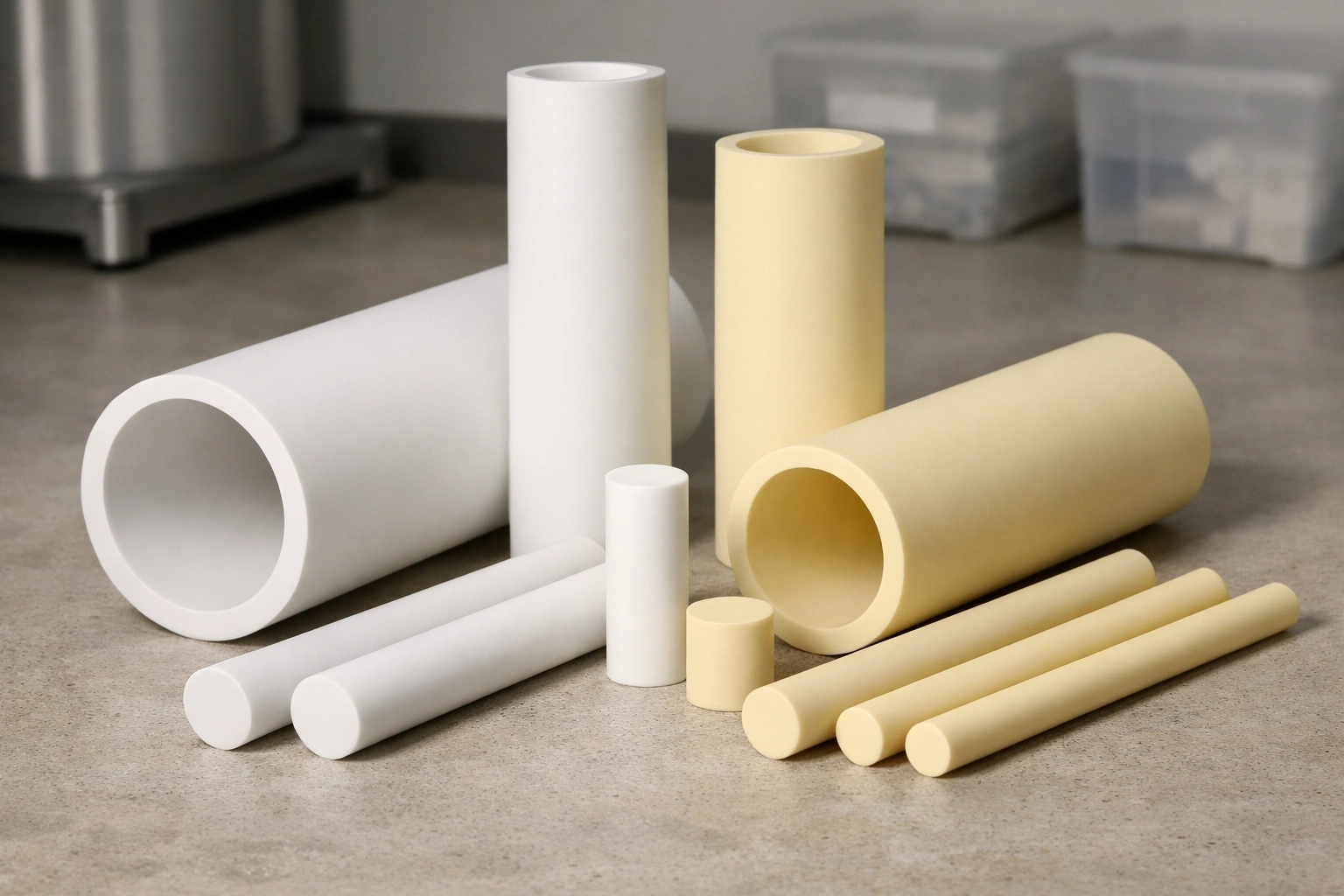
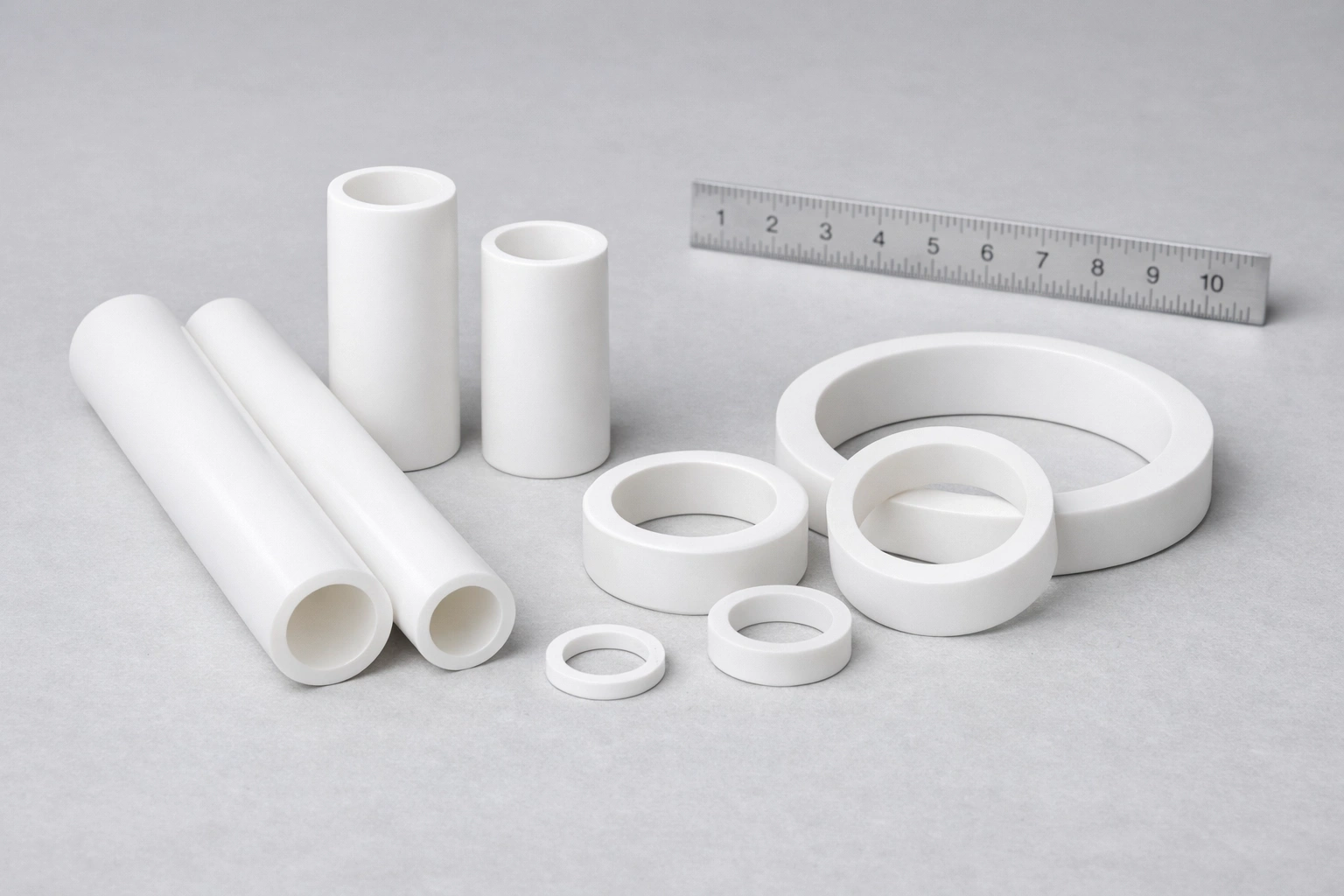
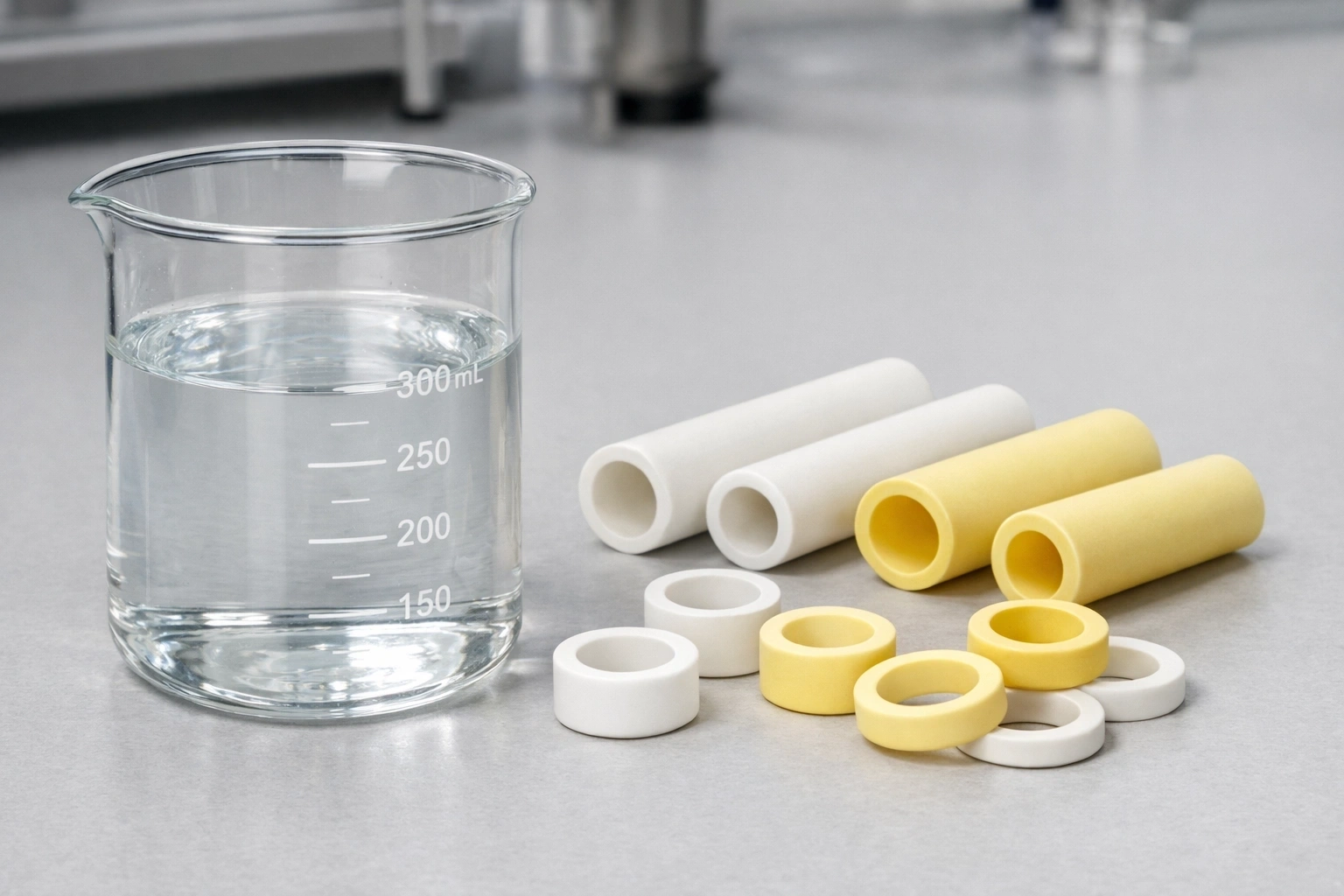
Advanced ceramics are engineered materials designed for high-performance applications. They differ from traditional ceramics in both composition and function. Understanding their structure is the first step toward evaluating their role in modern engineering.
Material Composition and Structural Features
Advanced ceramics are made from compounds like oxides, carbides, and nitrides. These compounds are refined and processed at high temperatures. The result is a material with high density, low porosity, and stable crystal structure. These properties allow the material to perform under extreme mechanical and thermal stress.
Their internal microstructure is carefully controlled during manufacturing. Grain boundaries are minimized to improve strength and reduce crack propagation. Unlike traditional ceramics, these materials can handle high loads without deformation. This makes advanced ceramics reliable in systems that operate under constant mechanical strain.
Chemical purity is also a key factor in their performance. Contaminants can reduce thermal resistance or change electrical behavior. Manufacturers use clean environments and advanced purification methods to ensure material consistency. The result is predictable, repeatable performance across batches.
Distinction from Traditional Ceramics
Traditional ceramics are based on natural silicates and are used for pottery, tiles, and bricks. Their properties are adequate for basic structural roles but not for precision applications. Advanced ceramics, in contrast, are engineered with exact compositions. This gives them superior strength, hardness, and chemical stability.
The production process is another major difference. Traditional ceramics use bulk pressing and long firing cycles. Advanced ceramics use techniques like hot isostatic pressing, slip casting, or chemical vapor deposition. These methods create finer microstructures and higher density.
Function also distinguishes the two. Traditional ceramics provide shape and insulation. Advanced ceramics offer specific functions like electrical insulation, thermal conduction, or biointegration. This change in focus reflects the shift from passive to active roles in systems.
Standard Terminology and Classifications
Advanced ceramics are classified into structural and functional categories. Structural ceramics1 include materials like silicon carbide used in high-stress components. Functional ceramics2 include piezoelectric and dielectric materials used in electronics. Each class serves different engineering needs.
Another way to classify is by application domain. Aerospace ceramics, medical ceramics, and electronic ceramics each have specific formulations. This helps manufacturers target properties like bioinertness or dielectric strength. It also helps engineers narrow down material choices based on design specs.
Terminology is standardized in many industries. For example, ISO and ASTM have codes for alumina purity levels and mechanical test protocols. These terms guide procurement and design. Understanding this language helps teams align on performance and compliance requirements.
How Did Advanced Ceramics Originate and Evolve?
The evolution of advanced ceramics spans decades of scientific progress. From military-driven innovations to biomedical breakthroughs, their development reflects shifts in technology demand. Tracing this journey explains their current relevance.
Early Developments in the 20th Century
The earliest uses of advanced ceramics date back to military and electrical industries. Radar systems required materials that could insulate and withstand heat. Alumina and barium titanate were some of the first materials developed for this purpose. Their success led to broader research investment.
In the 1950s and 60s, the rise of semiconductor manufacturing boosted demand for high-purity insulating materials. Ceramics like fused silica and zirconia became essential in chip fabrication. The need for thermal and electrical isolation drove rapid material refinement. This era laid the groundwork for modern technical ceramics.
Universities and national labs played a central role in this period. Government-funded programs supported material science research. Defense applications justified high research costs. These early developments shaped today’s commercial applications and manufacturing standards.
Transition from Traditional to Advanced Ceramics
The shift from traditional to advanced ceramics was driven by performance demands. Metals and plastics failed in extreme heat, corrosion, or wear conditions. Engineers began testing ceramic alternatives in engines, reactors, and sensors. The results showed promise for wider adoption.
Material science enabled this transition. Better sintering methods and powder processing allowed for tighter control of grain size. As precision increased, ceramics could be tailored for specific strength or conductivity. This allowed engineers to replace metals in more components.
Industrial adoption followed research. Companies in aerospace and electronics invested in pilot-scale ceramic production. Reliability data improved, and ceramic parts began meeting regulatory standards. By the 1990s, advanced ceramics were embedded in global supply chains.
Breakthroughs in the Past Two Decades
The last 20 years brought new materials like YSZ, silicon nitride, and transparent ceramics. These offered better toughness, chemical resistance, and optical clarity. Applications expanded to include jet engines, 3D printing, and bioceramics. New processing methods also improved cost and yield.
Nanotechnology played a key role in these advances. By engineering materials at the nanoscale, scientists improved strength and fracture resistance. Doping techniques were also refined to modify electrical or thermal behavior. This led to better sensors and energy storage devices.
Digital tools accelerated development. Simulations reduced trial-and-error in formulation. Machine learning now predicts material performance from chemistry and microstructure. These tools shortened R&D cycles and increased material options for engineers.
What Unique Properties Drive Advanced Ceramics Development?
The success of advanced ceramics stems from their exceptional mechanical, thermal, and electrical traits. These properties unlock uses in harsh and high-demand environments. Knowing these traits clarifies why engineers choose ceramics over other materials.

Mechanical Strength and Hardness
Advanced ceramics exhibit extremely high compressive strength. This allows them to carry heavy loads without deformation. Their hardness also makes them resistant to scratching, erosion, and surface wear. These properties are essential in components that endure constant mechanical stress.
Fracture toughness is a known limitation. While hard, ceramics can still be brittle under impact. Engineers must design components with geometry that reduces stress concentration. Edge rounding and uniform thickness are common mitigation strategies.
Material hardness also enables surface applications. Cutting tools, seals, and bearings use ceramics to extend wear life. These components outperform metals in durability, especially under dry or corrosive conditions. This lowers maintenance needs and total lifecycle cost.
Thermal and Chemical Stability
Advanced ceramics maintain structural integrity at temperatures exceeding 1000°C. This makes them suitable for furnaces, jet engines, and nuclear reactors. Unlike metals, they don’t oxidize or soften under thermal stress. Their crystalline structure remains stable over wide temperature ranges.
Chemical inertness is another key advantage. Most ceramics resist acids, alkalis, and solvents. Applications in fuel cells and chemical reactors depend on this property. The materials enable long service life even in harsh chemical environments.
These traits allow cross-functional use. A ceramic insulator in an electric vehicle may also withstand heat from the battery pack. This multi-property stability enables compact, integrated designs. Engineers can replace multiple materials with one high-performance ceramic part.
Electrical and Optical Properties
Many ceramics are excellent electrical insulators. This makes them ideal for use in capacitors, insulators, and sensor housings. Some ceramics, like barium titanate, also exhibit piezoelectric behavior. They generate voltage under mechanical stress, enabling applications in actuators and ultrasound devices.
Optically, transparent ceramics like sapphire and spinel are used in lasers and sensors. These materials transmit light without distortion or absorption. They can replace glass in high-durability optical systems. Their use improves both performance and lifespan.
Some ceramics offer controlled conductivity. Zirconia, for example, conducts oxygen ions at high temperatures. This enables fuel cell operation and oxygen sensors. These controlled responses are essential for advanced electronic and energy systems.
In Which Engineering Fields Are Advanced Ceramics Essential?
Advanced ceramics are integral in sectors requiring high strength and environmental resistance. Industries such as aerospace, energy, and biomedicine rely on their unique capabilities. These applications reveal how ceramics outperform conventional options.
Aerospace and Defense Applications
Ceramics are used in engine components, heat shields, and structural supports. Their thermal resistance allows them to survive in propulsion systems. Silicon carbide and alumina form coatings that protect internal parts from oxidation. These features help reduce fuel consumption and maintenance.
In defense, ceramics are found in body armor and vehicle plating. Their high hardness allows them to stop projectiles by dispersing energy. They are lighter than metal armor, offering better mobility. This balance between weight and protection is critical in field deployment.
Radar and sensor systems also use ceramics. Dielectric ceramics in antennas maintain signal strength in harsh weather. Infrared-transparent ceramics protect optics in targeting systems. These properties give ceramics a strategic advantage in defense design.
Electronics and Energy Systems
Ceramics are essential in capacitors3, insulators4, and substrates for semiconductors. They maintain performance under voltage and temperature swings. Their stability ensures safe and predictable operation of electronic circuits. This is critical in automotive, aerospace, and consumer electronics.
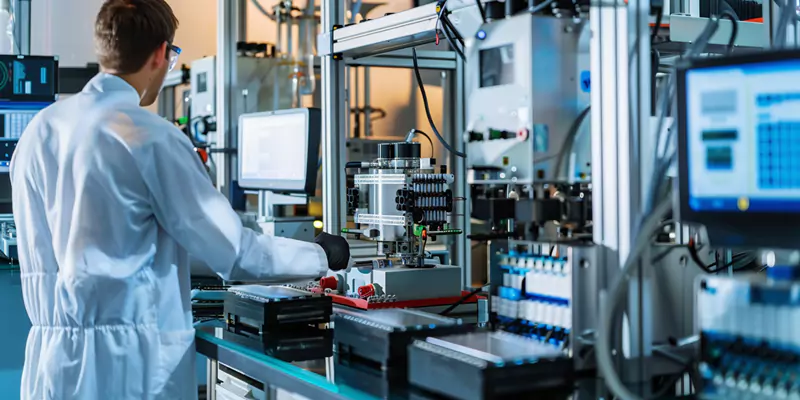
Energy storage and conversion also benefit from ceramics. Solid oxide fuel cells use ion-conducting ceramics for efficient operation. Lithium-ion batteries use ceramic separators to prevent short circuits. These materials improve safety, efficiency, and thermal resilience.
Power electronics rely on ceramics for heat dissipation. Alumina and aluminum nitride are used as heat sinks and substrates. They enable compact, high-performance power modules. These features are vital as systems become smaller and more power-dense.
Biomedical Engineering Uses
Ceramics like zirconia and hydroxyapatite are used in implants and prosthetics. Their bioinert nature prevents rejection by human tissue. This makes them ideal for dental crowns, joint replacements, and spinal implants. These materials integrate well with bone and last for years.
Porous ceramics support tissue growth. They allow bone cells to grow into implant structures. This strengthens the interface and reduces loosening over time. Bioactive coatings further improve cell adhesion and healing.
Sterilization compatibility is another advantage. Ceramics can be autoclaved without degrading. They resist corrosion from body fluids and medications. These features ensure hygiene and reliability in clinical environments.
How Do Advanced Ceramics Replace Metals and Polymers in Applications?
Ceramics are often selected over metals and polymers when specific performance thresholds are required. Their stability and longevity offer distinct advantages in critical systems. Comparing materials highlights the role ceramics now play in modern design.
Performance Advantages Over Metals
Ceramics maintain structural performance at higher temperatures than most metals. They do not soften, melt, or oxidize under stress. This allows use in environments where metals would fail. Their rigidity also prevents deformation under load.
Corrosion resistance is another benefit. Unlike metals, ceramics do not rust or corrode. They retain their properties in salty, acidic, or oxidizing environments. This lowers replacement frequency and improves system uptime.
Weight is a critical factor. Ceramics are lighter than many metals while offering equal or better performance. In aerospace and mobile systems, this reduces fuel use and increases payload capacity. These weight advantages are measurable in efficiency gains.
Benefits Compared to Polymers
Ceramics outperform polymers in thermal resistance. They can function in environments over 1000°C. Polymers degrade at much lower temperatures. This gives ceramics a broader operational range.
Mechanical stability is another difference. Ceramics hold shape under pressure and do not creep over time. Polymers may soften, swell, or crack under load. This makes ceramics better for precision parts.
Ceramics also resist UV and radiation damage. Polymers can degrade with exposure to sunlight or ionizing radiation. In aerospace, medical, or space applications, ceramics provide longer-term reliability. Their inertness improves component lifetime.
Hybrid Systems and Integration Challenges
Integrating ceramics with metals or polymers requires matching thermal expansion. Mismatch can lead to cracks during heating or cooling. Engineers use adhesives, compliant layers, or joint design to absorb this stress. Careful planning ensures mechanical stability.
Machining ceramics is difficult and expensive. Their hardness makes conventional tools wear quickly. Precision grinding or laser machining is required. This adds to cost and lead time.
Ceramics are also difficult to repair. Once fractured, parts usually must be replaced. Design redundancy or modularity can reduce the impact of failure. Planning for lifecycle and maintenance is essential in critical systems.
How Is Advanced Ceramics Development Expected to Progress by 2030?
Future ceramic technologies will address limitations in toughness, cost, and manufacturability. Advancements in processing and design will broaden their reach. Anticipating these trends informs long-term engineering decisions.
Emerging Application Areas
Advanced ceramics are expanding into hydrogen production and storage. They serve as membranes or components in electrolyzers. These materials must resist high pressure and chemical attack. Their performance could enable cleaner energy systems.
Wearable electronics are also adopting ceramics. Thin, flexible substrates support sensors and circuits. Ceramics offer durability and skin compatibility. Their thermal stability supports high-temperature soldering and sterilization.
Additive manufacturing is enabling new ceramic geometries. Complex internal features improve heat flow or chemical contact. These designs were impossible with traditional molding. This unlocks novel applications in microfluidics and chemical processing.
Anticipated Manufacturing Innovations
Lower-temperature sintering methods are under development. These reduce energy use and cost. Microwave and spark plasma sintering are being explored. These methods also improve microstructure control.
3D printing is gaining traction in ceramics. It reduces material waste and supports customization. Hybrid machines now combine ceramic printing with metal or plastic parts. This supports integrated device production.
Process monitoring is improving quality. Real-time sensors track shrinkage, porosity, and stress. This enables faster defect detection. Better process data also support machine learning optimization.
Research Priorities in the Next Decade
Fracture toughness remains a research focus. New compositions and grain boundary engineering are under study. Improving toughness without losing hardness is key. Hybrid ceramics and coatings are possible solutions.
Multifunctional ceramics are also a goal. Materials that combine thermal, electrical, and mechanical roles reduce part count. This supports compact and lightweight systems. Research is exploring doped and layered structures.
Sustainability is becoming critical. Researchers are investigating low-carbon processing. Recycling of ceramic waste is still limited. New techniques aim to make ceramics greener and more circular.
[Expert Insight]
One of the most common misconceptions in ceramic material selection is overemphasizing thermal resistance while ignoring fracture toughness. Even a 20% gain in compressive strength can lead to a 30% increase in component failure if crack propagation is not controlled. Engineers must balance hardness with ductility proxies when specifying materials for structural roles.
Conclusion
Advanced ceramics are no longer niche materials. Their role in shaping high-performance, reliable, and sustainable systems is expanding. By understanding their origin, evolution, unique properties, and engineering relevance, materials scientists and engineers can make informed choices in the next generation of design challenges.
FAQs about Advanced Ceramics Development
Q1: What makes advanced ceramics different from traditional ceramics?
Advanced ceramics are engineered for specific technical performance, unlike traditional ceramics used in daily life. They offer higher strength, better temperature resistance, and specialized electrical or chemical properties. These traits make them suitable for demanding industrial applications.
Q2: Can advanced ceramics replace metals in structural applications?
Yes, in many high-temperature or corrosive environments, ceramics outperform metals. They are lighter and more chemically stable, especially in aerospace and energy systems. However, brittleness must be managed through design.
Q3: Are advanced ceramics safe for biomedical use?
Certain ceramics like zirconia and hydroxyapatite are biocompatible and widely used in implants. They do not trigger immune responses and integrate well with bone tissue. Their stability ensures long-term clinical reliability.
Q4: What are the main challenges in using advanced ceramics?
Their brittleness, high processing cost, and difficulty in machining pose challenges. Special joining methods and precision equipment are often required. Lifecycle design and expert supplier support are key to success.
Q5: How will advanced ceramics evolve by 2030?
New formulations and manufacturing methods are expanding ceramic capabilities. Researchers aim to improve toughness, reduce cost, and enable greener production. Applications will grow in energy, medical, and electronic sectors.
References:
-
Discover how structural ceramics are used in high-stress environments and why their unique properties make them essential in modern engineering. ↩
-
Discover how functional ceramics are revolutionizing electronics with their unique properties and diverse applications in modern technology. ↩
-
Exploring this link will provide insights into various capacitor types and their specific uses in electronics. ↩
-
Discover how ceramics function as insulators and why they're crucial for electrical safety and performance in modern electronics. ↩