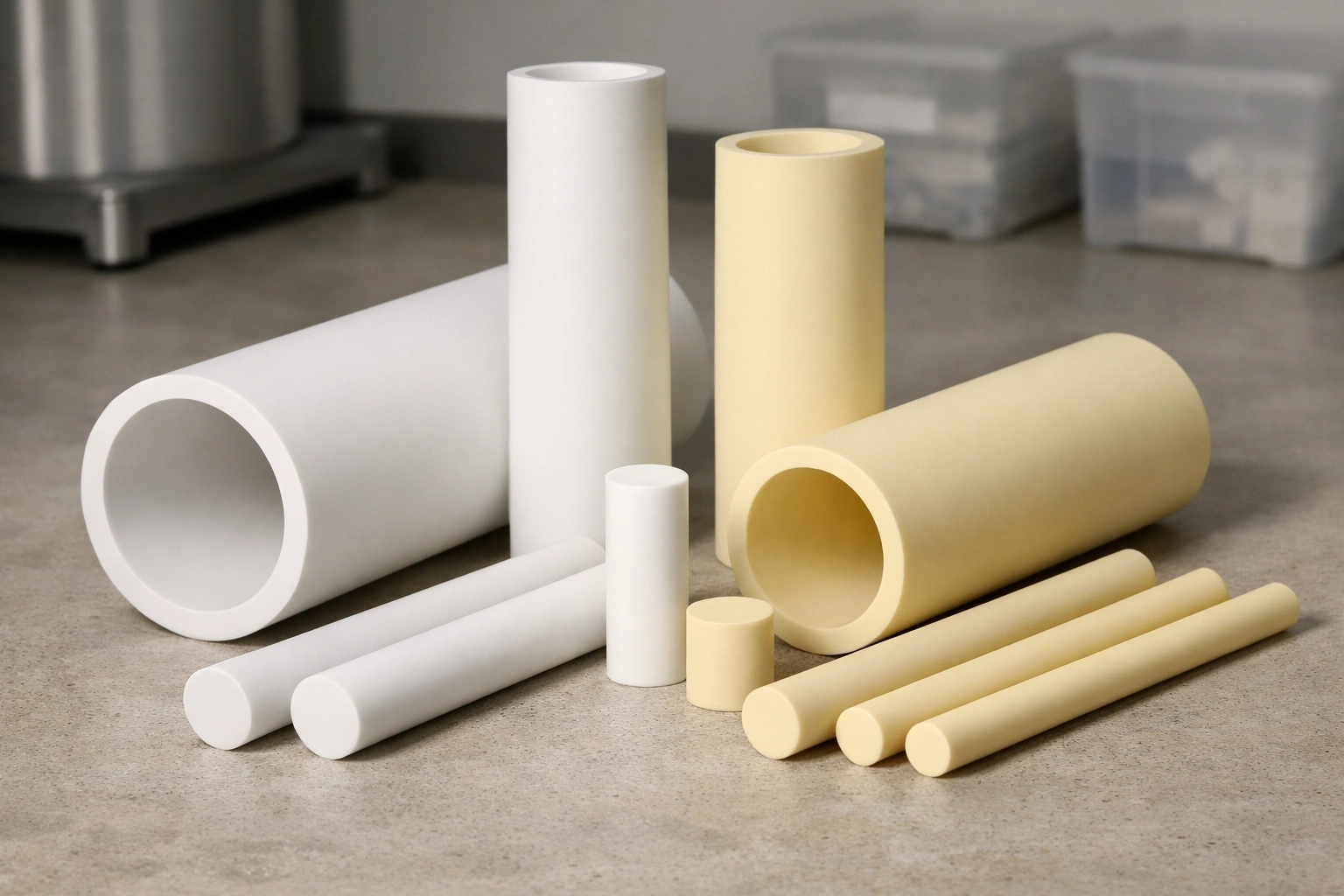
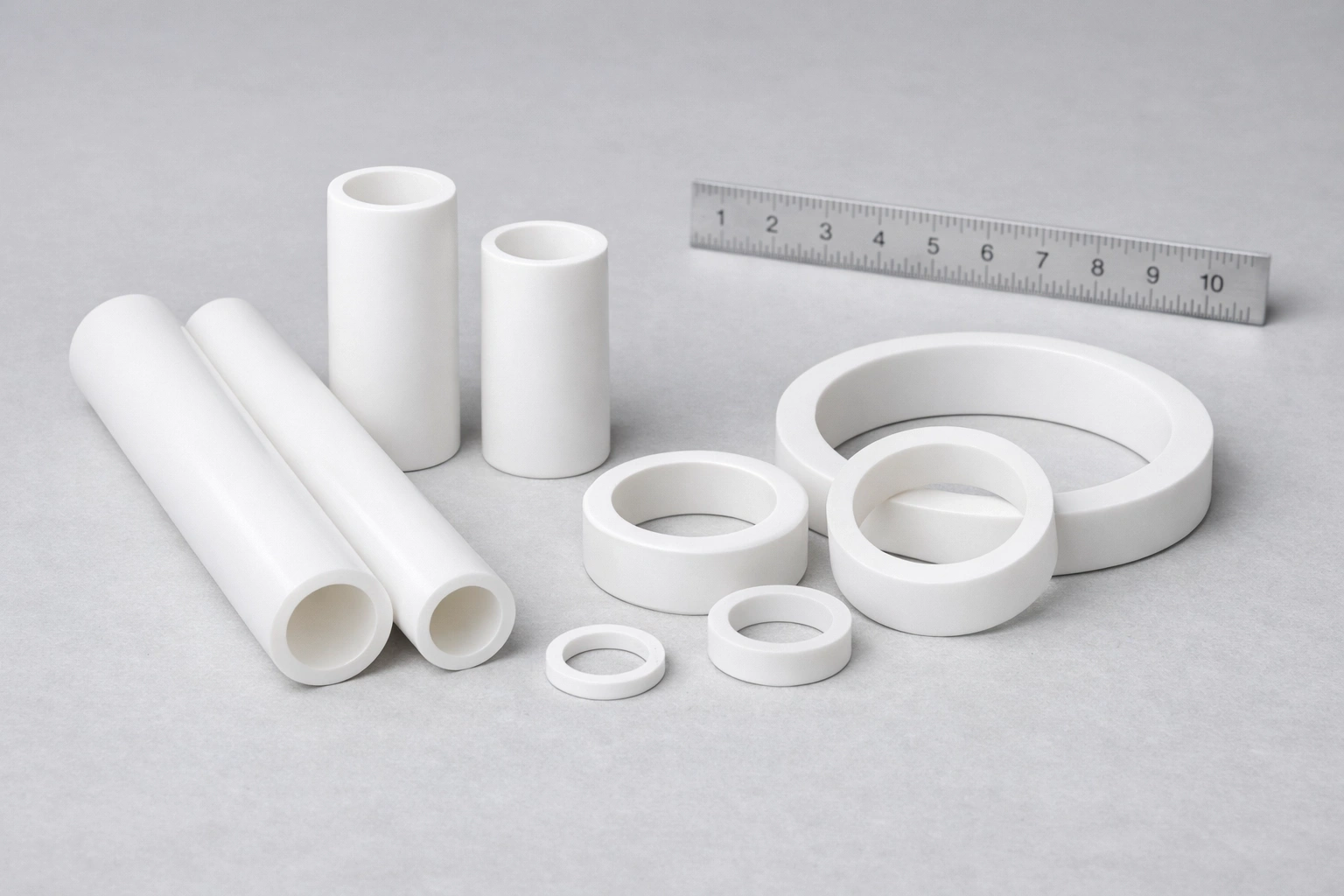
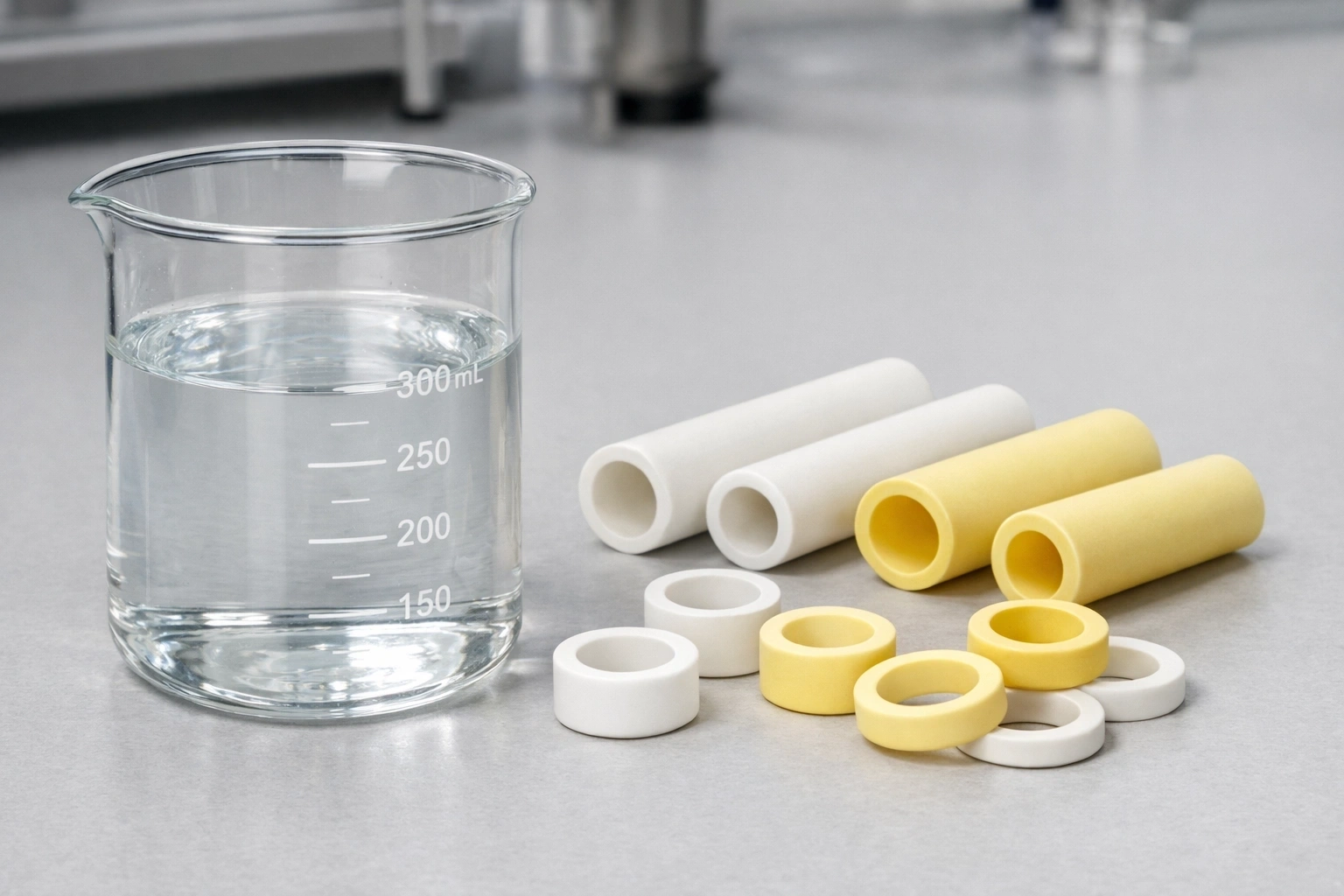
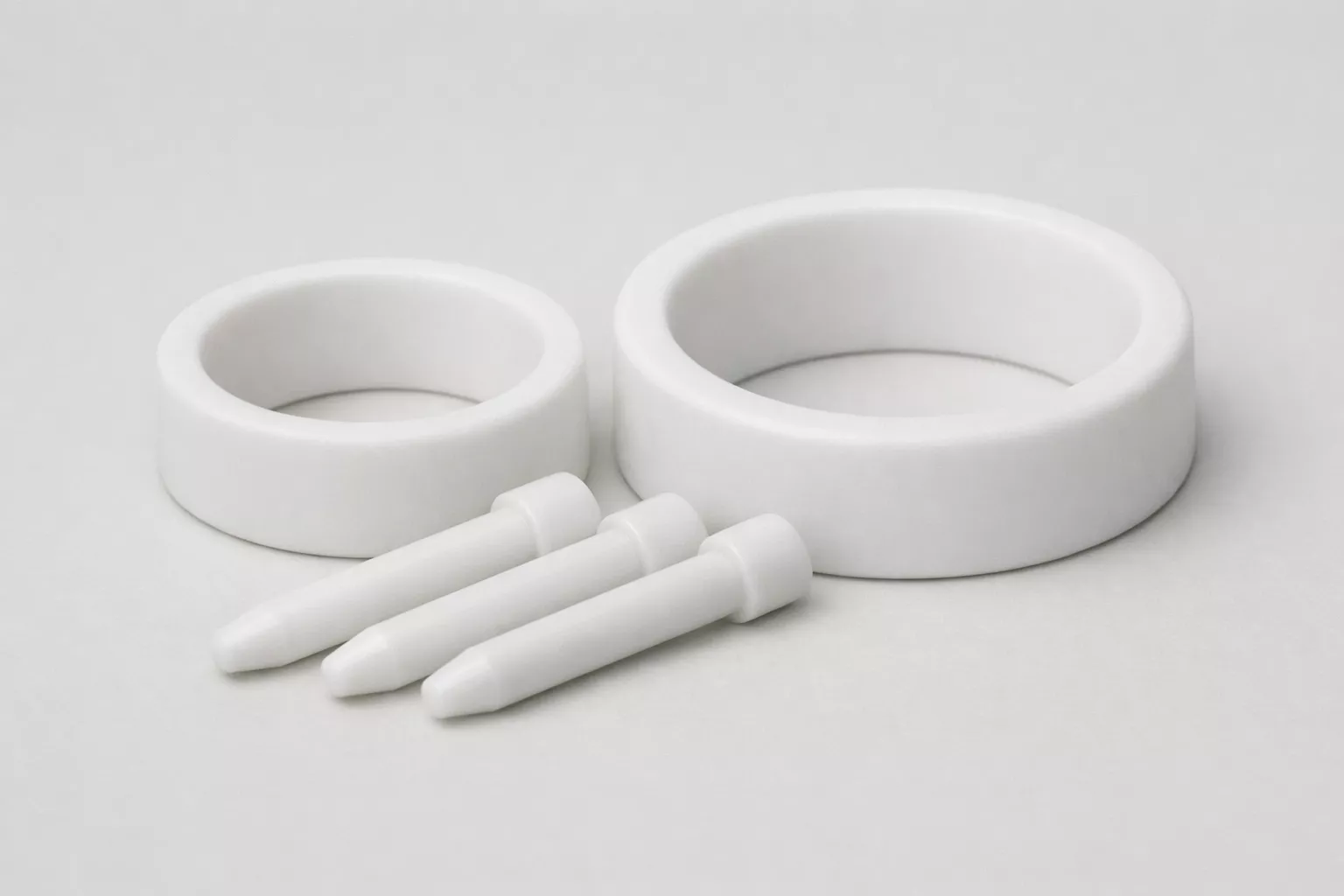
Selecting the right advanced ceramics manufacturer is a complex engineering challenge that directly affects project success.
An advanced ceramics manufacturer should be assessed by materials expertise, industry applications, certifications, and supply reliability.
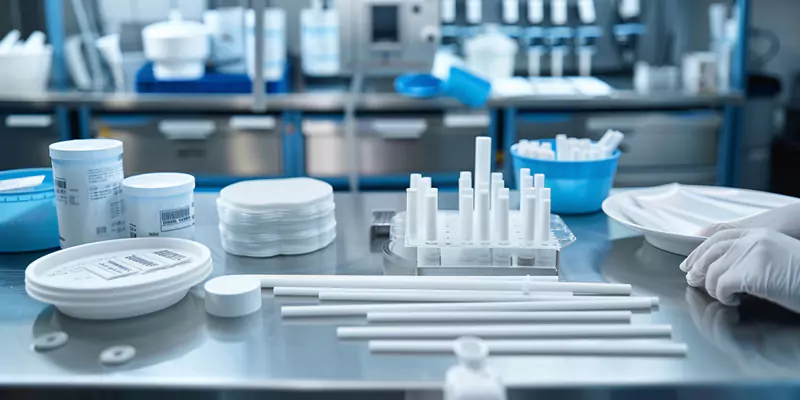
Engineering teams require more than product availability. They need confidence that their chosen manufacturer can support long-term performance and meet procurement standards. The following sections provide a structured framework for evaluation.
Why Advanced Ceramics Are Indispensable in Modern Engineering
Advanced ceramics address demands where metals or polymers fail. Their role is linked to high performance under extreme conditions.
They are indispensable because they combine high temperature stability, corrosion resistance, and unique optical and electrical functions.
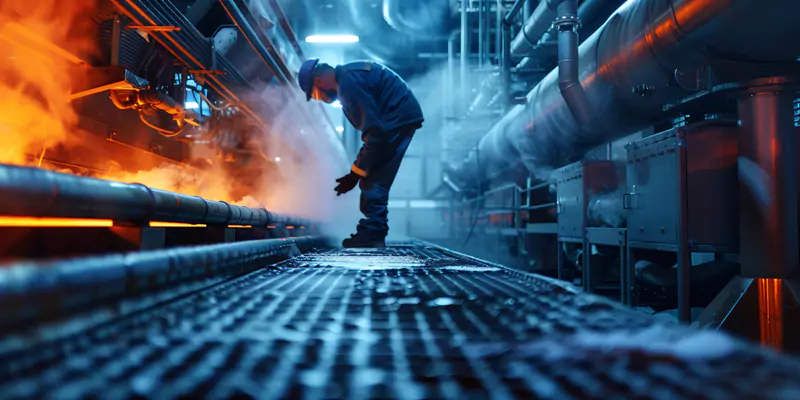
Engineers consider ceramics in environments exceeding 1000 °C, in corrosive chemical reactors, or in clean-room optics. Compared with alternatives, their performance ensures safety and reliability. Each adoption case reinforces the necessity of working with manufacturers such as ADCERAX® who control material purity and processes.
Key Physical and Chemical Properties Supporting High Performance
The property of very low thermal expansion in advanced ceramics prevents deformation under high heat, keeping them stable even when other materials fail.
Another important property is their resistance to corrosion. Acids and solvents cause little damage. This ensures a longer working life for critical components.
Controlled composition ensures consistent quality in every batch, and ADCERAX® advanced ceramics give engineers confidence in the reliability of their systems.
Industrial Scenarios Where Advanced Ceramics Are Critical
Aerospace systems often need ceramics in turbine engines. They help resist combustion temperatures. Without ceramics, these parts would degrade quickly.
Semiconductor processes also depend on ceramic chambers. These chambers withstand plasma environments. They reduce contamination and protect delicate wafers.
Transitioning from Conventional Materials to Advanced Ceramics
The shift from metals to ceramics happens gradually. Engineers first identify performance gaps. They then test ceramic replacements for suitability.
Ceramics often reduce downtime. They extend service life and lower maintenance costs. These advantages outweigh higher initial costs.
Material Attributes That Justify Choosing Advanced Ceramics Manufacturers
Properties define procurement decisions. Engineers need measurable criteria.
Thermal resistance, mechanical strength, and functional properties justify supplier selection.
Each attribute correlates with specific industry needs. Suppliers like ADCERAX® who provide certified data give engineers confidence in performance.
Thermal Resistance and Shock Tolerance Benchmarks
Advanced ceramics tolerate extreme heat. They survive rapid heating and cooling cycles. This makes them suitable for furnaces and reactors.
Thermal shock tolerance reduces fracture risks. This ensures safety in unstable environments. Manufacturers must document these results.
ADCERAX® validates these benchmarks with laboratory testing. Their results confirm stability under repeated stress. Engineers gain reliable data for selection.
Mechanical Strength and Durability Factors
Flexural strength levels often exceed 350 MPa. This indicates high resistance to bending. Components perform well under pressure.
Durability results in reduced failure rates. Long product life reduces replacement costs. Engineers appreciate the stability this provides.
Optical and Electrical Properties for Specialized Applications
Ceramics transmit light across UV to IR ranges. This makes them useful for optical windows. Their clarity supports precision instruments.
Electrical insulation prevents current leakage. This is critical in high-voltage systems. Manufacturers must ensure stable dielectric strength.
Application Sectors Driving the Demand for Advanced Ceramics Manufacturers
Industries adopt ceramics to meet extreme operational requirements.
Aerospace, electronics, and medicine dominate advanced ceramics demand.
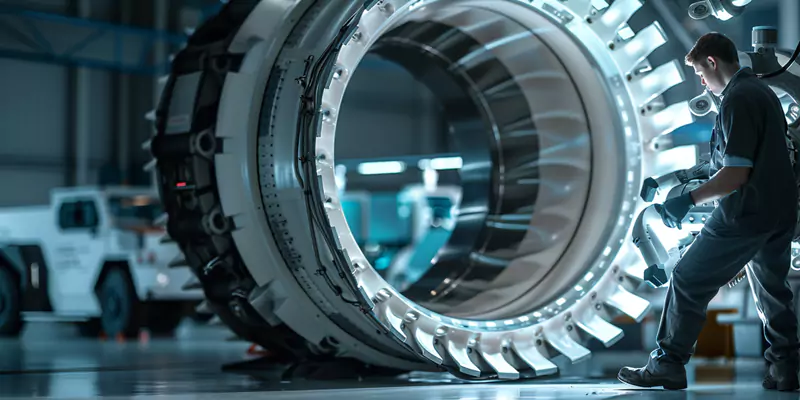
Understanding application needs ensures that engineers select suppliers aligned with their sector.
Aerospace and Defense Systems Requirements
Jet engines face extreme heat during operation. Advanced ceramics provide thermal shielding that resists high temperatures. This protection allows engines to function longer and maintain reliability.
In defense, ceramics play a role in protective systems. Lightweight armor1 uses ceramics to reduce overall weight. Soldiers gain mobility while still maintaining effective protection.
ADCERAX® works closely with aerospace engineers. Their advanced ceramics meet strict standards for testing and certification. These collaborations demonstrate proven expertise in demanding environments.
Electronics and Semiconductor Processing Needs
Semiconductor processing chambers require stable materials. Ceramics resist plasma erosion during wafer fabrication. This resistance keeps surfaces clean and reduces contamination risk.
Electrical insulation is also critical for electronic components2. Ceramics prevent current leakage in delicate circuits. This stability ensures high production yield in microchip manufacturing.
Medical and Biotechnology Device Integration
Medical implants3 demand biocompatible materials for long-term use. Ceramics integrate into the body without rejection or damage. Their stability ensures safe and consistent performance inside patients.
Biotechnology devices rely on ceramic durability. Sterile environments require materials that remain stable under strict conditions. Ceramics meet these needs in laboratory and clinical settings.
Comparative Criteria Across Leading Advanced Ceramics Manufacturers
Suppliers differ in quality and focus. Engineers must compare systematically.
Key criteria include certifications, industry expertise, and documented performance.
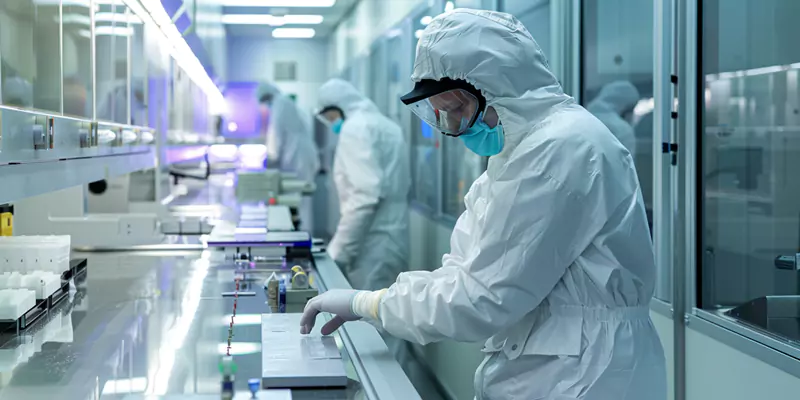
Without structured evaluation, procurement risks hidden costs.
Certification and Compliance Differences
ISO and ASTM certifications matter greatly. They prove manufacturing maturity. Engineers must check validity carefully.
Different suppliers offer varied levels of certification. Some lack medical or aerospace approvals. These gaps carry risks.
Industry Segments and Specialized Strengths
Suppliers often specialize in sectors. One may focus on aerospace. Another may focus on optics.
Specialization affects product expertise. Engineers must align requirements. Mismatched suppliers create risks.
Case Evidence and Client References
References validate supplier claims. Engineers should demand real-world examples. Case data provides assurance.
Without proof, risks remain high. Performance cannot be guaranteed. Procurement teams need verification.
Situations Where Alternatives to Advanced Ceramics Manufacturers Are Considered
Not all applications justify advanced ceramics.
Cost, technical limits, and material substitutes may lead to alternatives.
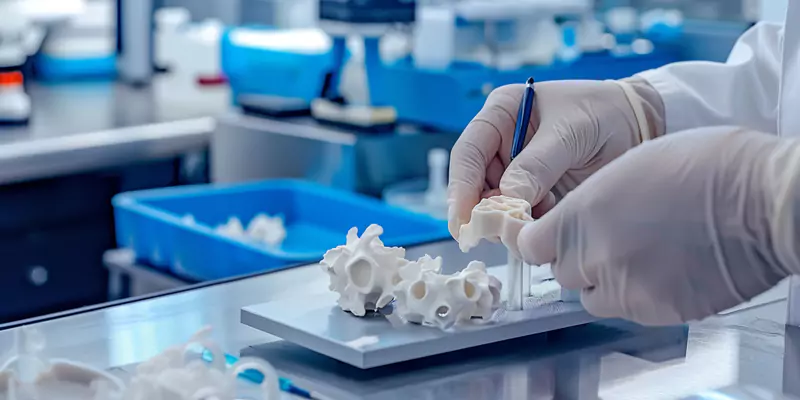
Engineers must assess when ceramics are not optimal.
Technical Limitations in Certain Applications
Some applications do not need ceramics. Metals perform well at moderate temperatures. This saves costs.
Ceramics also lack ductility. They break under certain loads. This limits mechanical use cases.
Cost Constraints and Budget Barriers
Advanced ceramics often cost more. Budget pressures affect adoption. Companies must justify expenses.
Lifecycle costs may balance pricing. Long service life offsets initial spending. Engineers should calculate total value.
Availability of Substitute Materials
High-performance alloys provide competition. Polymers also fill certain roles. These materials are cheaper.
Substitutes are more accessible. Supply chains are wider. Engineers often choose them.
Supplier Evaluation Guidelines for Advanced Ceramics Manufacturers
Evaluation extends beyond product catalogs.
Assessing facilities, QA, and logistics ensures supplier capability.
Structured due diligence reduces procurement risks.
Assessing Technical Capabilities and Facilities
Suppliers must demonstrate manufacturing skills. Engineers should review equipment lists. Production precision is critical.
Plant capacity also matters. Large orders need scalable systems. Without it, delays occur.
ADCERAX® provides access to factory data. Clients can inspect processes. This transparency supports trust.
Reviewing Quality Assurance and Testing Practices
Testing ensures product integrity. Suppliers must provide lab results. Independent verification is preferred.
Audits highlight QA methods. Consistency proves reliability. Irregular testing signals risks.
Confirming Logistics and Global Supply Reliability
Delivery times shape project outcomes. Global clients need dependable shipping. Logistics must be strong.
Stock levels reduce waiting periods. Flexible inventory helps urgent needs. Supply reliability builds confidence.
Quality Standards and Testing Protocols for Advanced Ceramics Manufacturers
Standards unify expectations across markets.
Compliance with international norms validates supplier quality.
Verification protects buyers from hidden weaknesses.
International Standards and Certifications Required
ISO, ASTM, and medical certifications apply. They prove compliance across industries. Engineers depend on them.
Standards guide performance thresholds. They create predictable outcomes. Without them, risks increase.
Laboratory Testing Methods for Performance Validation
Flexural strength and dielectric tests are standard. Thermal cycling also applies. These confirm stability.
Testing protocols must be precise. Repeatability ensures reliability. Results should be transparent.
Supplier Demonstrations and Documentation
Manufacturers should present demonstrations. These showcase capabilities. Engineers confirm evidence directly.
Documentation provides traceability. Contracts require clear records. Procurement teams must insist on them.
ADCERAX® supplies detailed documentation. Their openness builds confidence. Buyers gain reliable proof.
Typical Lead Times and Order Requirements with Advanced Ceramics Manufacturers
Procurement must account for production cycles.
Lead times depend on standard stock, custom runs, and order size.
Ignoring this leads to costly delays.
Standard Timelines for Bulk Production
Bulk production often needs weeks. Engineers must confirm early schedules. Clear planning is vital.
Delays can cause major setbacks. Projects may exceed deadlines. Financial losses may occur.
Minimum Order Quantities and Flexibility
Suppliers often require set volumes. This reduces unit costs. Small orders may be rejected.
Flexible suppliers allow low MOQs. This helps startups or R&D projects. Engineers value this option.
Impact of Customization on Delivery Time
Customization extends production cycles. New tooling adds lead time. Testing adds further days.
Clients must allow for this. Lack of planning risks late delivery. Transparency avoids misunderstandings.
Conclusion
Engineers must align technical demands with supplier capabilities to ensure reliable outcomes.
Navigating procurement challenges requires structured evaluation. Leverage ADCERAX® factory-direct supply and small-batch customization to secure consistent performance for your next project. Contact us to review your advanced ceramics or quartz requirements.
FAQ (Frequently Asked Questions)
Q1: What performance tests should be reviewed when selecting an advanced ceramics manufacturer?
Flexural strength, thermal shock tolerance, and dielectric breakdown are critical. Suppliers like ADCERAX® provide standardized reports for review.
Q2: How do cost factors influence the choice of advanced ceramics manufacturers?
Costs depend on purity, machining complexity, and batch size. ADCERAX® offers transparent models to help buyers compare value.
Q3: What procurement requirements are common for custom ceramic components?
Drawings, tolerance specifications, and sample approvals are typical. ADCERAX® supports these steps with engineering assistance.
Q4: How do advanced ceramics compare with metals for high-temperature use?
Ceramics withstand higher continuous temperatures than metals. ADCERAX® supplies data confirming this performance. Metals degrade faster in corrosive conditions.
References:
-
Learn about the various types of armor, their materials, and how they provide protection, especially with advancements like lightweight ceramics. ↩
-
Exploring electronic components will enhance your knowledge of how devices operate and their applications. ↩
-
Medical implants employ advanced titanium and 3D printing for patient-specific orthopedic, dental, and cardiovascular solutions, improving biocompatibility and precision. ↩