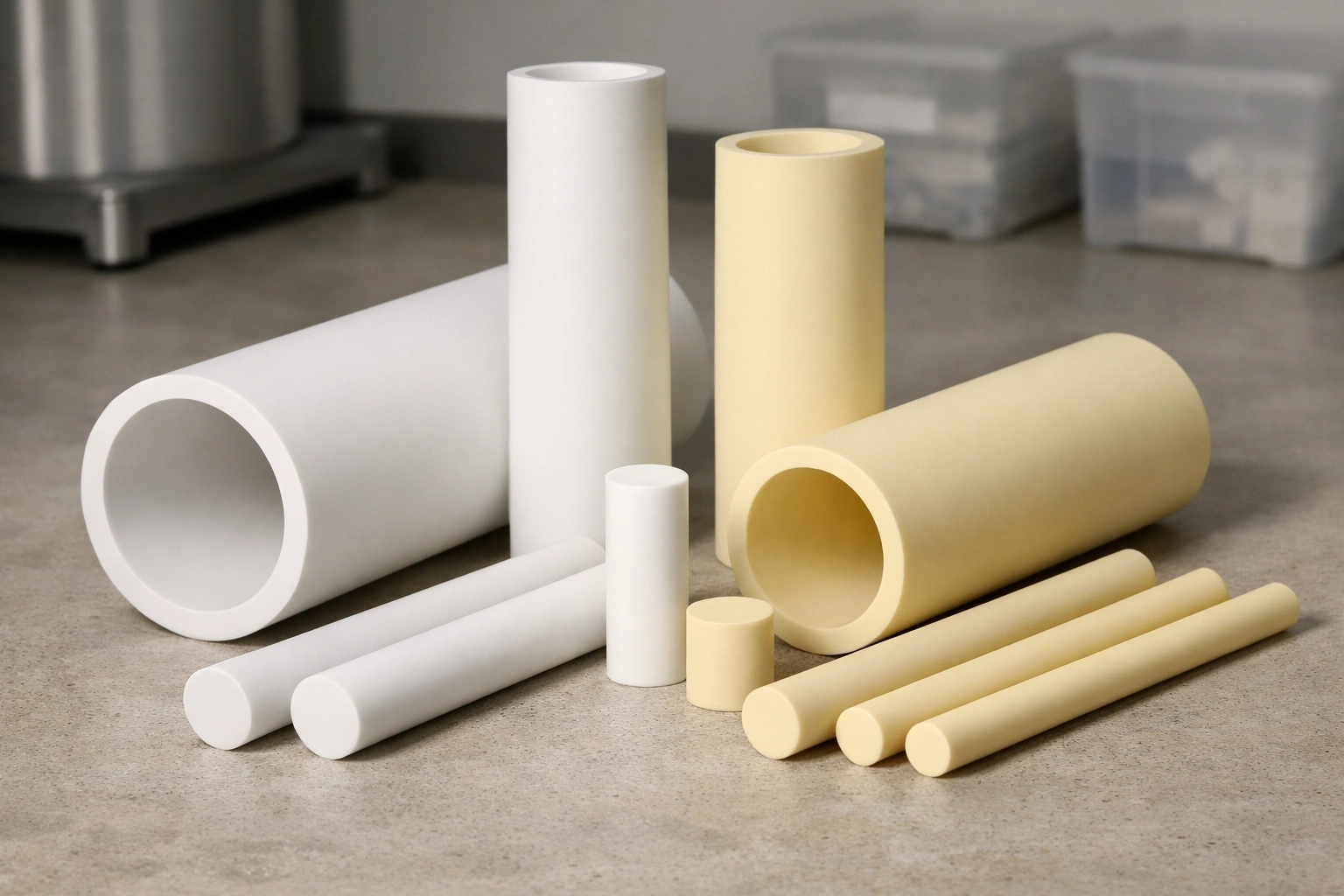
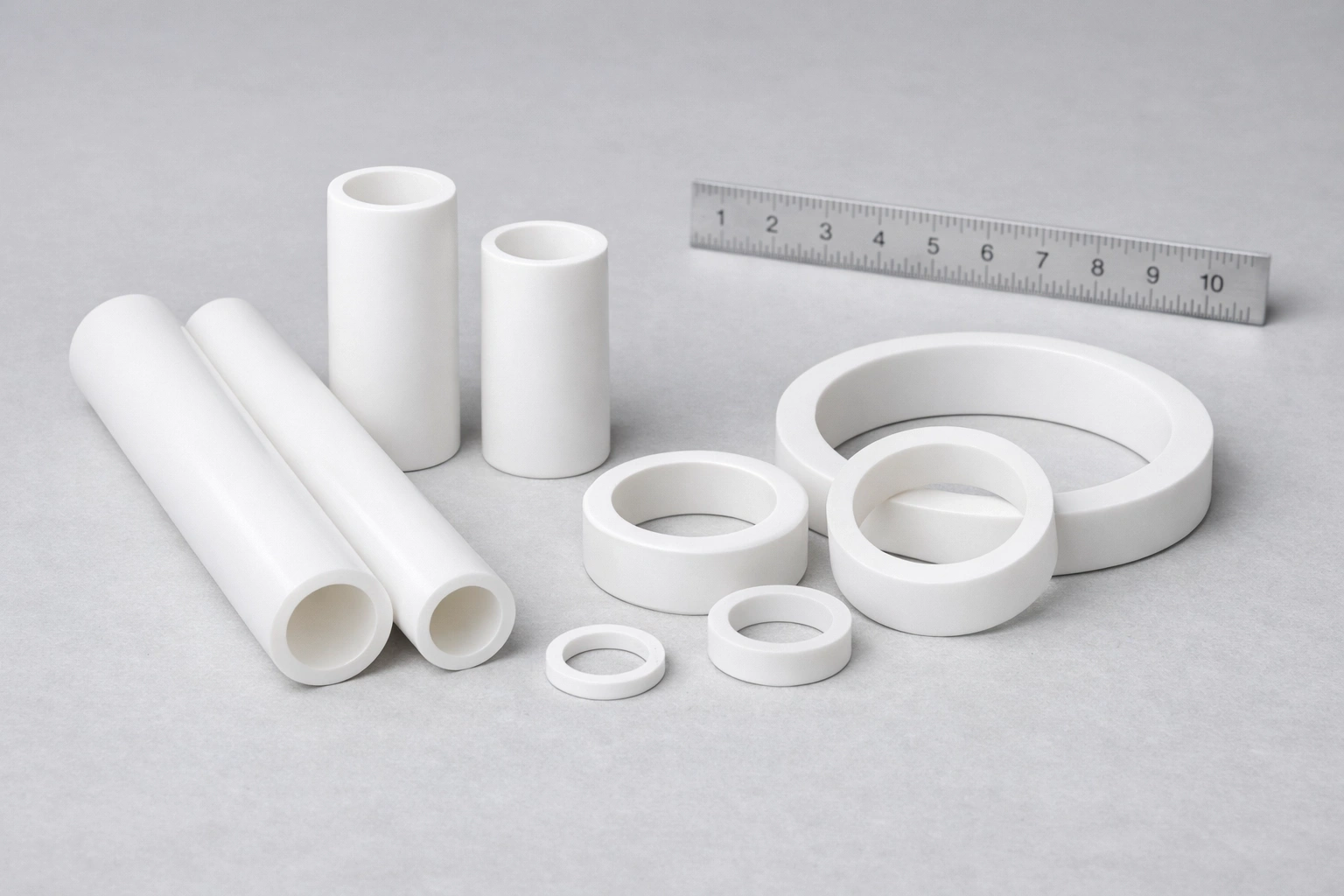
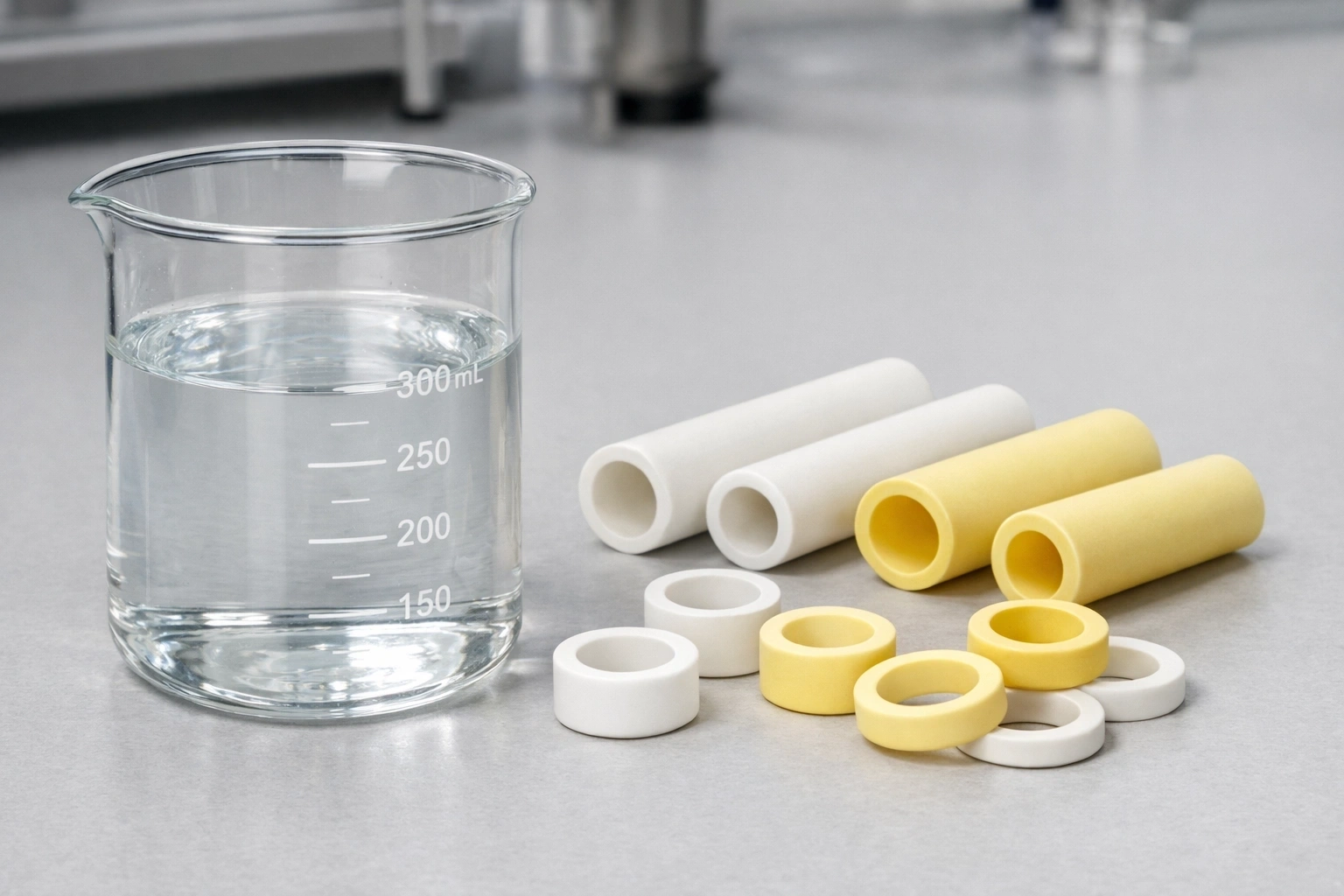
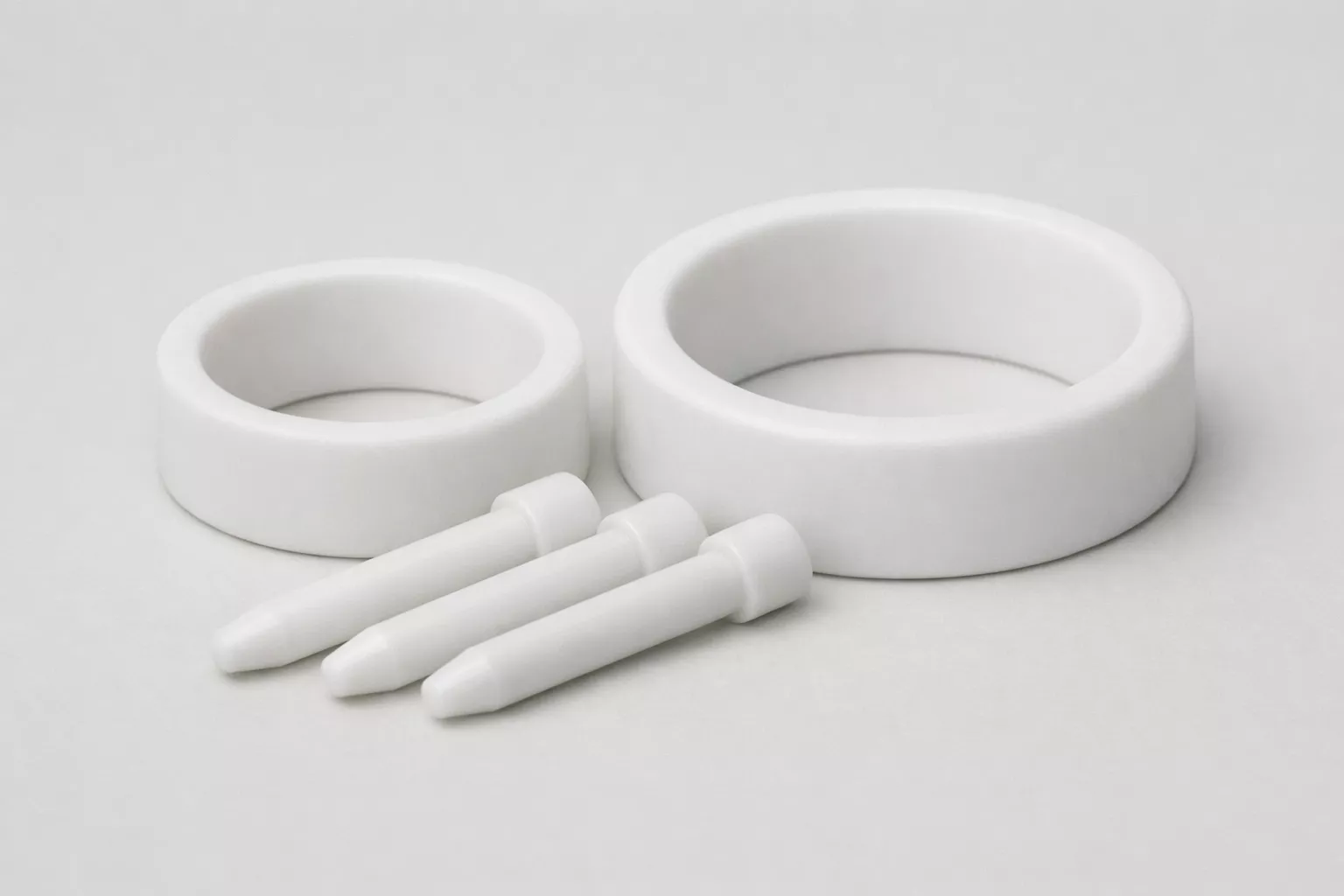
Alumina Ceramic is often selected when metallurgical processes face instability, deformation, or contamination. However, extreme heat and reactive slag frequently expose material limits. Therefore, reliable material choice becomes critical.
Alumina Ceramic has become a foundational material in metallurgical equipment because it combines thermal stability, chemical resistance, and mechanical reliability. Consequently, it enables consistent performance in furnaces, melting systems, and high-temperature load-bearing structures where failure margins are minimal.
Before analyzing failure mechanisms and engineering strategies, it is necessary to clarify how Alumina Ceramic is actually applied within metallurgical systems. Accordingly, the following section establishes the practical application context for this material.
Additionally, metallurgical operations differ fundamentally from laboratory environments, since materials are exposed to continuous heat, slag attack, and mechanical load simultaneously. Therefore, understanding application-specific roles of Alumina Ceramic is essential for realistic engineering decisions.
Alumina Ceramic in Metallurgical Applications
Alumina Ceramic is widely integrated into metallurgical systems because its properties align with extreme operating requirements. Moreover, its performance consistency under combined thermal and chemical stress distinguishes it from alternative materials. Consequently, it is commonly selected for critical components rather than auxiliary parts.
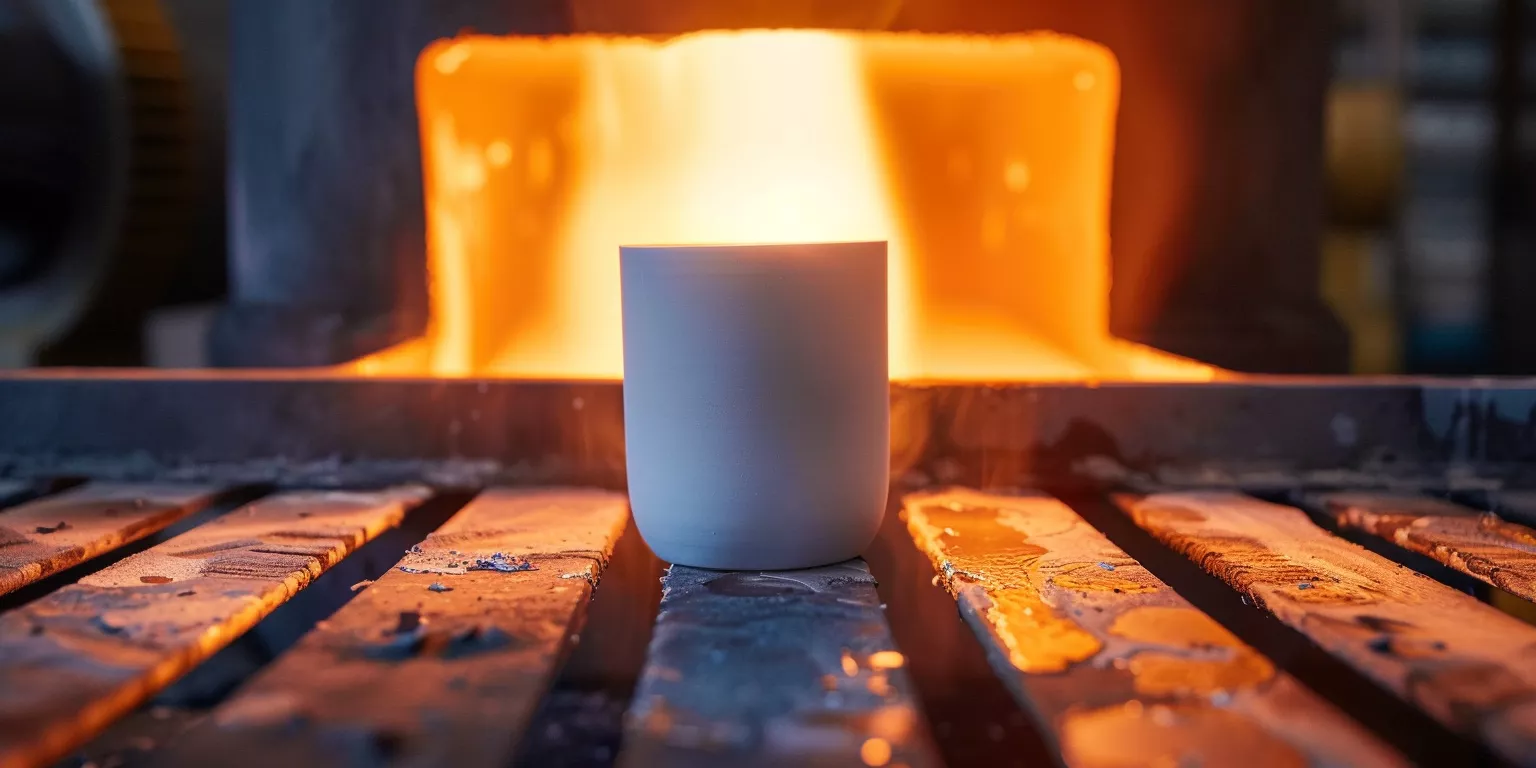
High Temperature Containers and Sampling Components
High temperature containers represent the most direct interaction between Alumina Ceramic and molten metal. In metallurgical laboratories and production lines, crucibles and sampling cups are routinely exposed to temperatures exceeding 1400 °C. Therefore, dimensional stability and chemical neutrality become decisive.
In daily alloy sampling operations, engineers often observe that metallic containers oxidize rapidly, while quartz softens near 1000 °C. By contrast, Alumina Ceramic crucibles maintain structural integrity with dimensional change typically below 0.15% after repeated exposure above 1500 °C. Moreover, high-purity alumina minimizes interaction with molten aluminum, steel, or copper alloys. As a result, chemical composition measurements remain reliable across multiple heats.
From an operational perspective, these containers function as stable interfaces between molten material and analytical procedures. Consequently, Alumina Ceramic supports both process control and quality verification in metallurgical workflows.
Furnace Structures and Load Bearing Components
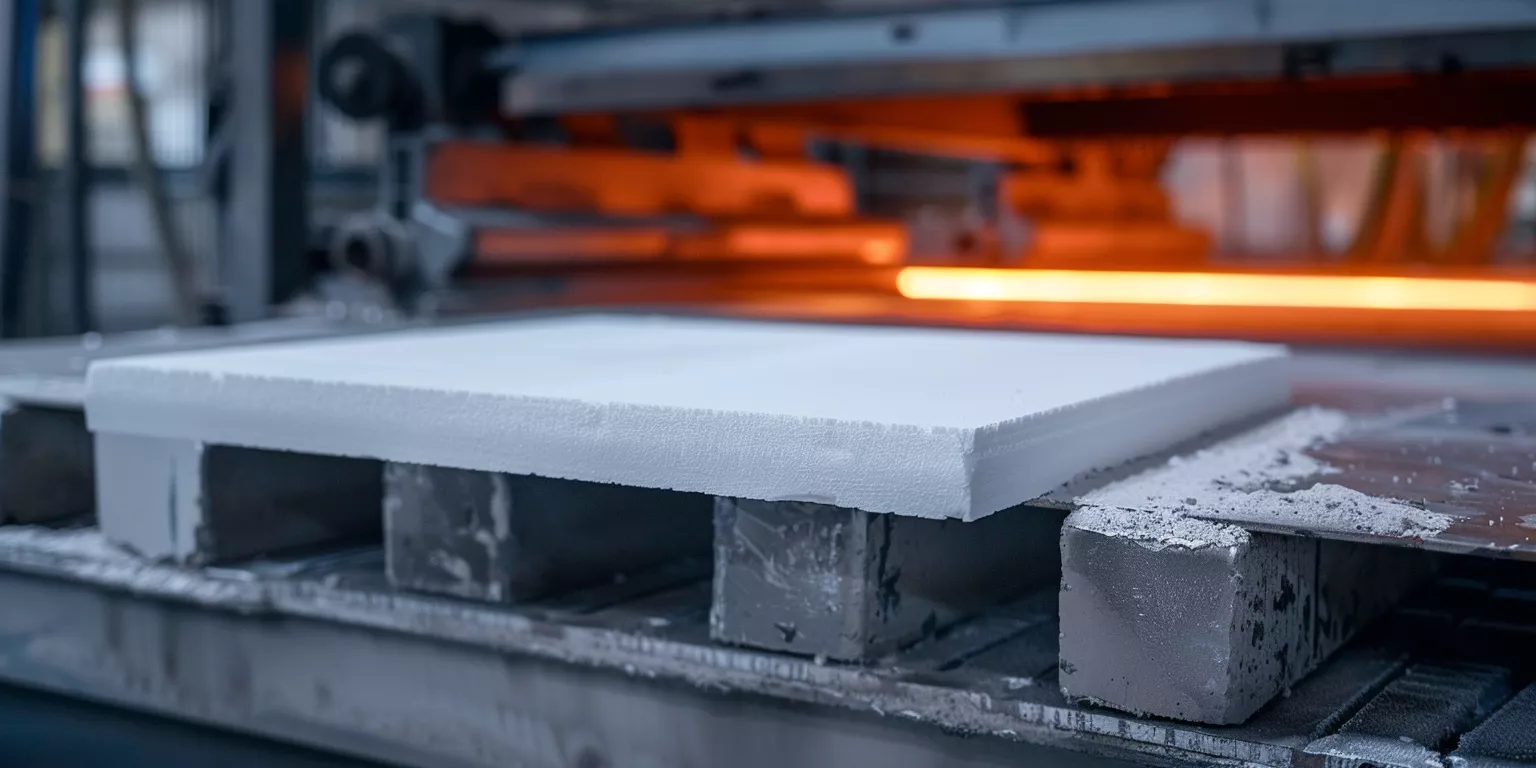
Beyond containers, Alumina Ceramic is extensively used for furnace structures that must endure sustained heat and mechanical load. Setter plates, support columns, and refractory fixtures operate continuously within high-temperature zones. Therefore, creep resistance and thermal shock tolerance are critical.
In continuous sintering and heat treatment furnaces, setter plates made from Alumina Ceramic often support loads exceeding 15 kg at temperatures around 1350 °C. Field inspections show that well-designed alumina structures exhibit creep deformation below 0.2 mm over 200 operational hours. Furthermore, uniform grain distribution reduces stress concentration during thermal cycling. As a result, furnace geometry remains stable over long production runs.
Practically, these structural components reduce unplanned shutdowns caused by warping or collapse. Thus, Alumina Ceramic contributes directly to metallurgical process continuity.
Molten Metal Flow and Wear Resistant Parts
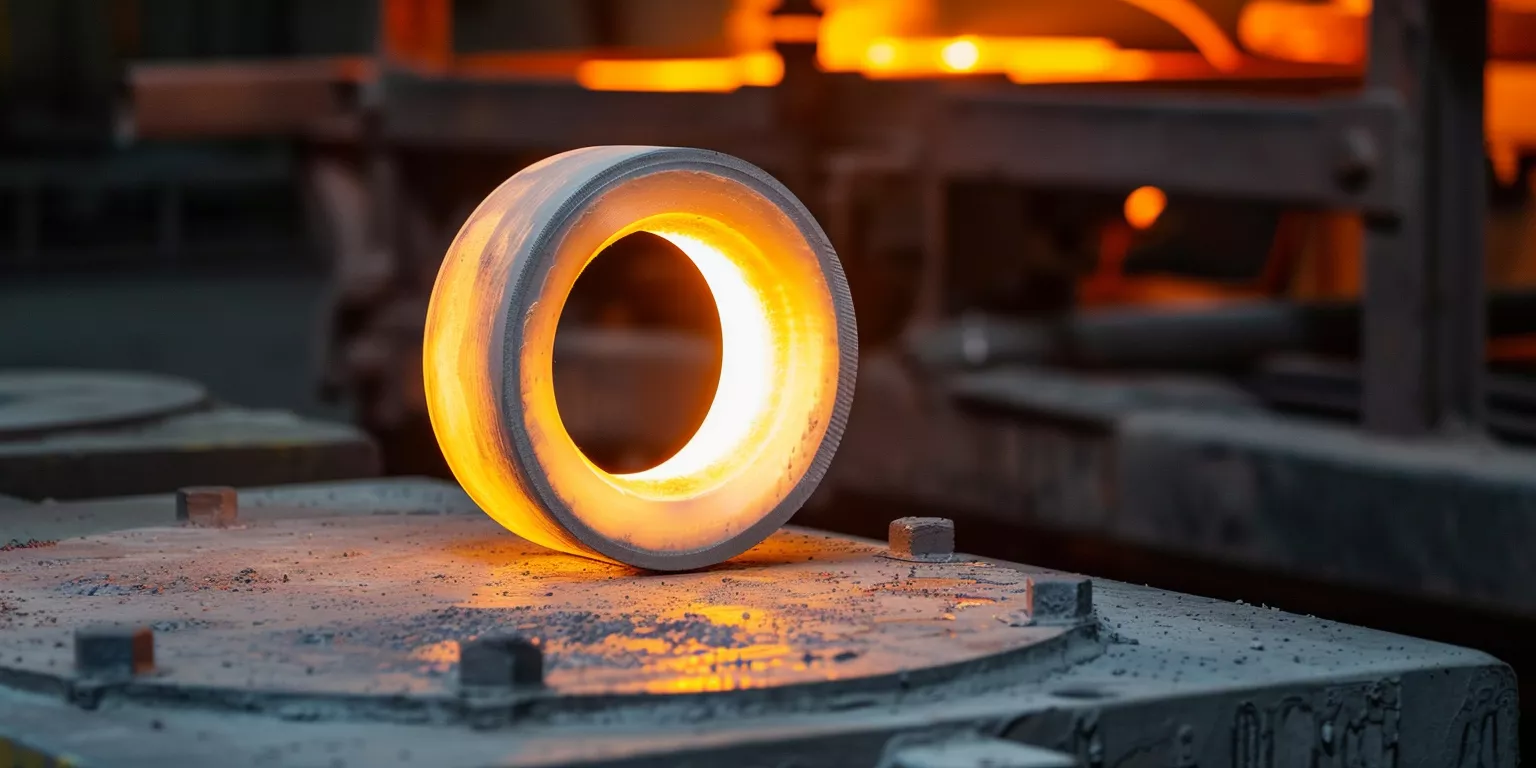
Molten metal flow components experience both thermal exposure and mechanical erosion. Guide rings, sleeves, and nozzles fabricated from Alumina Ceramic are positioned at points of high turbulence. Therefore, wear resistance and chemical compatibility are essential.
During casting and pouring operations, molten metal velocities can exceed 1.5 m/s, producing continuous surface erosion. Engineers report that Alumina Ceramic flow components maintain surface roughness changes below 10% after prolonged service, whereas metallic alternatives degrade significantly faster. Moreover, alumina’s resistance to slag wetting reduces buildup and flow obstruction. Consequently, flow stability and process repeatability improve.
From a system viewpoint, these components protect downstream equipment from wear-related failures. As a result, Alumina Ceramic enhances both durability and metallurgical yield.
Summary of Alumina Ceramic Applications in Metallurgy
| Application Area | Typical Operating Temperature (°C) | Dominant Stress Type | Alumina Ceramic Performance |
|---|---|---|---|
| Melting crucibles | 1400–1600 | Thermal and chemical | ≤0.15% dimensional change |
| Sampling components | 1300–1550 | Chemical neutrality | Minimal alloy interaction |
| Furnace setter plates | 1200–1400 | Load and creep | ≤0.2 mm deformation |
| Flow guides and nozzles | 1100–1500 | Erosion and slag attack | Stable surface integrity |
Additionally, material behavior in metallurgical systems directly determines whether processes remain stable or drift toward failure. Therefore, the following section explains why material choice is inseparable from metallurgical stability rather than a secondary design consideration.
Why Material Choice Directly Affects Metallurgical Stability
Material selection in metallurgy influences not only component lifespan but also process consistency. Moreover, metallurgical systems amplify small material weaknesses because heat, load, and chemistry act simultaneously. Consequently, stability depends on how materials respond under combined stresses rather than under isolated conditions.
Structural Stability Under Extreme Thermal Gradients
Extreme thermal gradients1 are inherent to metallurgical operations, especially where molten metal contacts cooler structural zones. In practice, temperature differences between hot faces and support regions often exceed 400 °C. Therefore, resistance to gradient-induced stress2 is critical.
During steel and alloy processing, engineers frequently observe cracks forming away from the hottest zones, particularly near section transitions. Alumina Ceramic demonstrates controlled thermal expansion, typically within 7.5–8.5 × 10⁻⁶ / °C, which limits internal stress accumulation. Moreover, its crystalline structure distributes thermal strain more evenly than metallic materials. As a result, crack initiation is delayed even under rapid thermal cycling.
From an operational perspective, stable thermal response prevents sudden component failure. Consequently, Alumina Ceramic supports predictable furnace behavior and process continuity.
Chemical Compatibility with Slag and Molten Metal
Chemical compatibility determines whether a material survives prolonged exposure to slag and molten metal. In metallurgical environments, slag compositions vary widely and often contain aggressive oxides. Therefore, chemical stability must extend beyond short-term resistance.
In aluminum and steel refining, slag systems commonly include CaO, SiO₂, and MgO phases. Field data show that Alumina Ceramic exhibits penetration depths below 0.3 mm after extended exposure above 1400 °C. Furthermore, high-purity alumina reduces grain-boundary reactions that lead to glassy phase formation. Consequently, mechanical strength loss remains below 15% over typical service intervals.
Practically, this compatibility minimizes unplanned replacement caused by chemical degradation. Thus, Alumina Ceramic maintains metallurgical stability where alternative materials fail prematurely.
Mechanical Reliability Under High Temperature Load
Mechanical reliability under load distinguishes metallurgical materials from laboratory ceramics. Components often support continuous weight while exposed to high temperatures. Therefore, creep resistance becomes a decisive factor.
In industrial furnaces, setter plates fabricated from Alumina Ceramic routinely bear loads of 10–20 kg at temperatures near 1300 °C. Long-term monitoring indicates creep deformation rates below 0.1% strain over 150 operational hours. Moreover, uniform microstructure limits localized deformation under uneven loading. As a result, alignment and spacing within furnace systems remain consistent.
From a system-level view, reliable load-bearing performance prevents cascading mechanical failures. Consequently, Alumina Ceramic contributes directly to stable metallurgical throughput.
Key Stability Factors Influenced by Material Choice
| Stability Factor | Typical Metallurgical Condition | Failure Risk Without Control | Alumina Ceramic Response |
|---|---|---|---|
| Thermal gradient (°C) | 300–600 | Crack initiation | Controlled expansion |
| Slag exposure duration (h) | 50–200 | Chemical erosion | ≤0.3 mm penetration |
| Load at temperature (kg) | 10–20 | Creep deformation | ≤0.1% strain |
| Temperature cycling (count) | 50–150 | Structural fatigue | Delayed crack growth |
Moreover, metallurgical environments impose compound stresses that rarely appear in isolation. Consequently, understanding real operating conditions is essential before evaluating material performance or predicting service life.
Real Metallurgical Operating Conditions That Challenge Materials
Metallurgical processes operate under conditions that continuously push materials toward their performance limits. Furthermore, these conditions are not static but fluctuate with production rhythm, furnace loading, and process adjustments. Therefore, Alumina Ceramic must withstand combined thermal, chemical, and mechanical challenges rather than idealized test scenarios.
Continuous High Temperature Exposure
Continuous exposure to elevated temperature defines most metallurgical applications. In many furnaces, components remain above 1200 °C for hours or days without full cooling cycles. Therefore, long-term thermal stability becomes more important than short-term peak resistance.
In heat treatment and sintering lines, engineers often document operating plate temperatures between 1250 °C and 1400 °C for more than 100 consecutive hours. Under these conditions, metallic fixtures soften and deform, while some refractories exhibit accelerated grain growth. Alumina Ceramic, however, maintains phase stability and dimensional change typically below 0.2% over equivalent durations. As a result, furnace geometry remains consistent throughout extended production runs.
From a production standpoint, this stability reduces the need for frequent recalibration. Consequently, continuous operation becomes more predictable and controllable.
Reactive Slag and Aggressive Chemical Environments
Chemical aggression in metallurgical systems often originates from slag rather than molten metal itself. Slag compositions change with raw material quality, flux additions, and refining stages. Therefore, materials must tolerate chemically diverse environments.
In steelmaking and non-ferrous refining, slag systems commonly cycle between oxidizing and reducing states. Engineers report that Alumina Ceramic exposed to such environments shows limited surface reaction depth, often remaining below 0.4 mm after repeated slag contact at 1450 °C. Moreover, low porosity restricts molten slag infiltration, slowing degradation rates. Consequently, structural integrity is preserved longer than with less dense ceramics.
Practically, this resistance allows operators to manage slag chemistry without constantly replacing hardware. Thus, Alumina Ceramic supports flexible metallurgical processing.
Mechanical Shock and Operational Handling
Mechanical shock is an unavoidable aspect of metallurgical operations. Charging, tapping, and maintenance activities introduce sudden impacts and vibration. Therefore, materials must absorb incidental stress without catastrophic failure.
During routine furnace maintenance, components are frequently repositioned or replaced while still warm. Field observations show that Alumina Ceramic fixtures tolerate impact energies associated with handling loads of 5–10 kg without immediate cracking. Furthermore, their hardness limits surface damage from abrasive contact with metal tools. As a result, minor handling incidents rarely escalate into major failures.
From an operational perspective, this resilience improves safety and reduces downtime. Consequently, Alumina Ceramic remains suitable for demanding metallurgical workflows.
Summary of Challenging Metallurgical Operating Conditions
| Operating Condition | Typical Range | Associated Risk | Alumina Ceramic Behavior |
|---|---|---|---|
| Continuous temperature (°C) | 1200–1400 | Thermal degradation | Phase stable |
| Slag contact temperature (°C) | 1350–1500 | Chemical attack | ≤0.4 mm reaction depth |
| Exposure duration (h) | 50–200 | Creep and corrosion | Limited deformation |
| Handling impact load (kg) | 5–10 | Mechanical fracture | High resistance |
Furthermore, understanding how Alumina Ceramic fails in metallurgical environments is essential for preventing unexpected downtime. Therefore, the following section examines common failure modes observed in real production settings rather than ideal laboratory conditions.
Common Failure Modes of Alumina Ceramic in Metallurgy
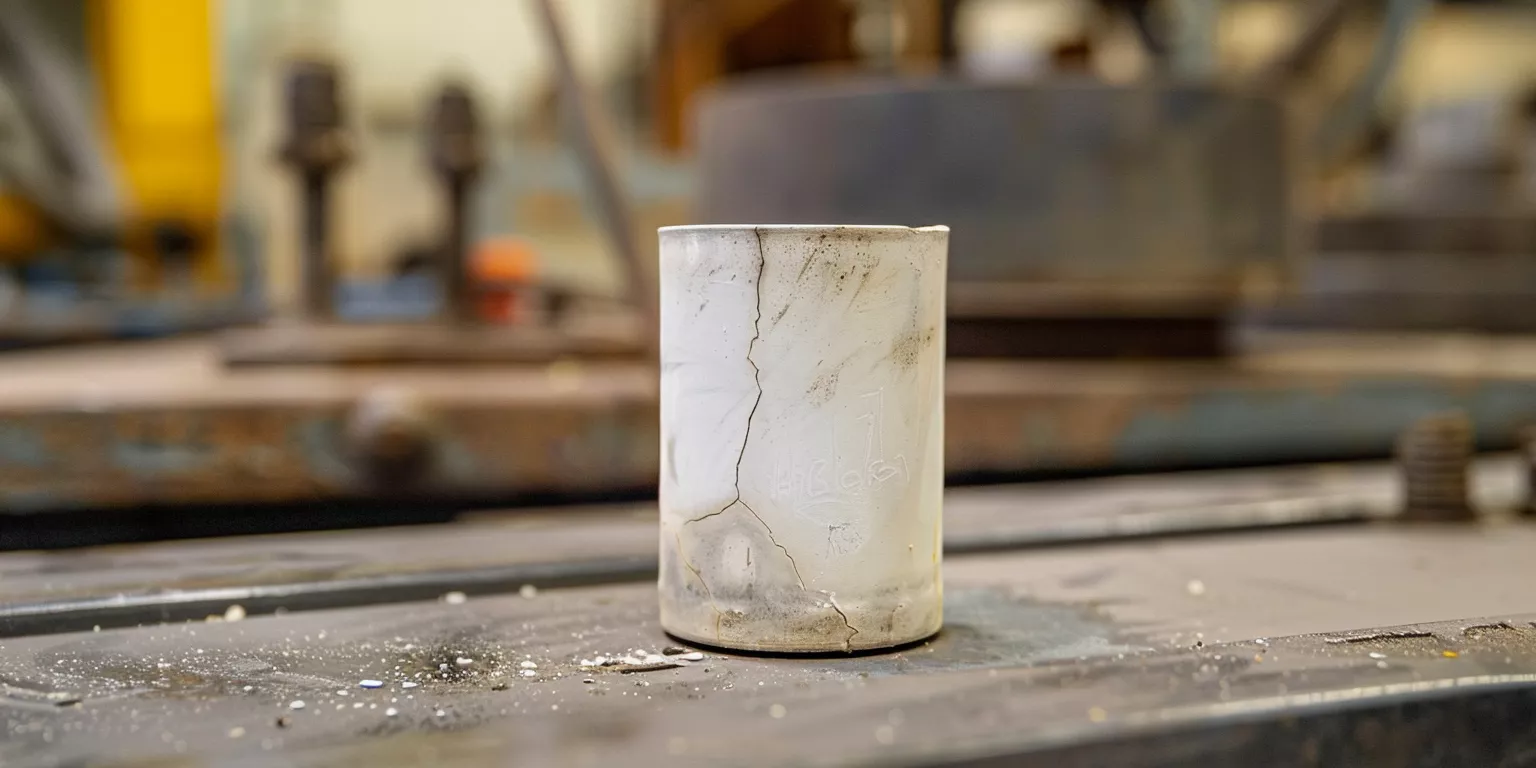
Failure of Alumina Ceramic in metallurgical systems typically develops progressively rather than occurring abruptly. Moreover, recognizing characteristic failure patterns enables engineers to intervene before structural integrity and process stability are compromised.
-
Thermal Gradient Induced Cracking
Thermal gradient induced cracking is one of the most frequent failure modes observed in metallurgical alumina ceramics. In practice, cracks tend to initiate not at the hottest zones but at locations where steep temperature transitions exist between hot-facing and support regions. As a result, gradient severity becomes more critical than absolute operating temperature.
During routine furnace inspections, engineers often identify early cracking near junctions where temperature differences reach 350–600 °C over short distances. These gradients generate tensile stresses that exceed local fracture thresholds, while repeated thermal cycling accelerates crack propagation along grain boundaries. Consequently, components may fracture suddenly after appearing stable for extended periods.
Therefore, managing temperature gradients through placement and design adjustments significantly reduces the frequency of cracking-related failures. -
Slag Infiltration and Chemical Degradation
Slag infiltration represents a slower yet equally destructive failure mechanism in metallurgical applications. In prolonged high-temperature exposure, molten slag can penetrate ceramic surfaces and react along grain boundaries. Consequently, material purity and porosity strongly influence degradation rates.
Field observations in steel refining environments show that slag infiltration depths in Alumina Ceramic remain below 0.5 mm after 100 hours at 1450 °C. However, once infiltration occurs, localized glassy phases form and reduce flexural strength by up to 25 %. Moreover, these weakened zones expand during subsequent heating cycles, accelerating structural degradation.
Thus, controlling slag exposure and selecting appropriate ceramic grades are essential for maintaining predictable service life. -
Creep and Deformation Under Load
Creep deformation under sustained load is a critical concern for load-bearing alumina ceramic components in metallurgy. At elevated temperatures, time-dependent deformation accumulates even when immediate strength limits are not exceeded. Therefore, long-term loading behavior must be evaluated.
In continuous sintering furnaces, Alumina Ceramic setter plates commonly support loads of 12–18 kg at temperatures around 1300 °C. Long-term monitoring indicates creep strain typically remains below 0.15 % over 200 operational hours, although uneven loading or localized overheating can double deformation rates. As a result, plate sagging may disrupt furnace geometry and product alignment.
Consequently, load distribution and temperature uniformity must be controlled simultaneously to limit creep-related distortion.
Summary of Failure Modes in Metallurgical Alumina Ceramic
| Failure Mode | Primary Trigger | Typical Observation | Impact on Service Life |
|---|---|---|---|
| Thermal gradient cracking | 350–600 °C gradients | Junction fractures | Sudden failure |
| Slag infiltration | Prolonged slag contact | Glassy reaction layer | Strength loss |
| Creep deformation | Sustained load at heat | Plate sagging | Geometry drift |
| Fatigue accumulation | Repeated cycling | Microcrack growth | Reduced lifespan |
Moreover, preventing failure in metallurgical systems requires deliberate engineering strategies rather than reactive replacement. Therefore, the following section focuses on how Alumina Ceramic should be selected, designed, and integrated to achieve reliable long-term performance.
Engineering Strategies for Using Alumina Ceramic in Metallurgical Systems
Effective use of Alumina Ceramic in metallurgy depends on aligning material properties with process realities. Furthermore, engineering strategies must account for thermal gradients, chemical exposure, and mechanical load simultaneously. Consequently, successful applications emerge from system-level thinking rather than isolated material optimization.
Selecting Appropriate Alumina Purity and Density
Material purity and density directly influence resistance to slag infiltration and high-temperature degradation. In metallurgical practice, purity selection must correspond to chemical exposure rather than nominal furnace temperature alone. Therefore, higher purity is often required in slag-contact zones.
In steel and non-ferrous refining, components exposed to molten slag perform best when alumina purity exceeds 99%. Field data indicate that high-purity Alumina Ceramic reduces slag penetration depth by approximately 30% compared to 95% grades under identical conditions. Moreover, increased bulk density limits open porosity, slowing chemical diffusion. As a result, structural integrity is preserved over longer service intervals.
From an engineering perspective, purity selection defines degradation rate rather than immediate survivability. Consequently, matching purity to exposure conditions is essential for predictable service life.
Structural Design for Thermal Gradient Management
Structural design plays a decisive role in mitigating thermal gradient stress. Even high-quality Alumina Ceramic can fail prematurely if geometry concentrates stress. Therefore, thermal gradient management must be embedded into component design.
In furnace fixtures, engineers observe that uniform wall thickness reduces peak thermal stress by up to 40% compared to stepped geometries. Rounded transitions between hot and cool zones further distribute strain across larger volumes. Moreover, incorporating gradual thickness changes minimizes crack initiation at interfaces. As a result, component lifetime increases significantly without changing material composition.
Practically, design optimization is often more cost-effective than material substitution. Thus, geometry remains a primary lever for metallurgical reliability.
System Level Integration and Maintenance Practices
Alumina Ceramic performance also depends on how it is integrated and maintained within metallurgical systems. In practice, improper installation and uncontrolled heating profiles undermine material advantages. Therefore, system-level coordination is critical.
Experienced operators limit initial heating rates to below 5 °C per minute for new ceramic components. Additionally, periodic rotation of load-bearing parts distributes thermal and mechanical stress more evenly. Furthermore, preventive replacement based on operating hours rather than visible damage reduces catastrophic failures. Consequently, maintenance becomes proactive rather than reactive.
From a lifecycle standpoint, these practices stabilize metallurgical operations. As a result, Alumina Ceramic delivers consistent performance when treated as part of an engineered system.
Summary of Engineering Strategies for Metallurgical Alumina Ceramic
| Strategy Area | Engineering Parameter | Typical Target | Performance Outcome |
|---|---|---|---|
| Alumina purity (%) | Slag resistance | ≥99 | Reduced infiltration |
| Bulk density (%) | Chemical diffusion | ≥98 | Slower degradation |
| Geometry uniformity (%) | Thermal stress control | ≤±5 | Crack suppression |
| Heating rate (°C/min) | Initial conditioning | ≤5 | Lower thermal shock |
| Maintenance interval (h) | Preventive control | 100–200 | Extended service life |
Why Alumina Ceramic Remains the Metallurgical Standard
Alumina Ceramic continues to serve as the baseline material in metallurgical systems because its behavior is predictable under extreme conditions. Moreover, decades of industrial use have clarified both its strengths and boundaries, enabling confident engineering decisions.
-
Material Stability Across Extreme Conditions
Alumina Ceramic maintains structural and chemical stability across temperatures commonly ranging from 1200 °C to 1600 °C. In continuous furnaces, operators consistently report dimensional change remaining below 0.2% over extended runs. Consequently, metallurgical processes can operate close to design limits without introducing uncontrolled material variables.
Therefore, stability across extreme conditions remains the primary reason for its widespread adoption. -
Balance Between Performance and Practicality
Alumina Ceramic provides sufficient resistance to slag, heat, and load without excessive system complexity. While alternative ceramics may offer niche advantages, they often exceed process requirements or complicate integration. As a result, alumina delivers dependable performance with manageable engineering constraints.
Thus, it achieves an effective balance between reliability and operational practicality. -
Clearly Defined Application Boundaries
Alumina Ceramic is not immune to all metallurgical environments, particularly those involving highly aggressive alkali slags. However, within well-characterized temperature and chemistry ranges, its performance remains consistent and measurable. Consequently, defined boundaries strengthen confidence rather than limiting applicability.
In turn, engineers can deploy alumina strategically rather than conservatively.
Engineering Perspective on Alumina Ceramic Selection for Metallurgy
From an engineering perspective, selecting Alumina Ceramic is fundamentally about risk control rather than material maximization. Therefore, experienced metallurgists evaluate how quietly a material performs within a system rather than how extreme its specifications appear.
-
System-Oriented Material Evaluation
Alumina Ceramic should be assessed as part of a furnace or casting system rather than as an isolated component. Engineers routinely correlate ceramic performance with heating profiles, load distribution, and slag chemistry. As a result, selection decisions are grounded in system behavior instead of nominal material data.
This approach reduces unexpected interactions during operation. -
Long-Term Reliability Over Short-Term Resistance
Short-term exposure tests rarely predict real service life in metallurgy. Instead, Alumina Ceramic demonstrates value through consistent behavior across hundreds of operational hours. Consequently, reliability emerges from repeatability rather than peak resistance.
This perspective aligns material choice with production continuity goals. -
Engineering Confidence Through Predictability
Predictable degradation patterns allow maintenance schedules to be planned rather than improvised. Alumina Ceramic exhibits gradual and measurable wear instead of sudden collapse under proper use. Therefore, engineers gain confidence in forecasting replacement cycles.
Ultimately, predictability supports stable metallurgical output.
Conclusion
In conclusion, Alumina Ceramic remains the preferred metallurgical material because it stabilizes processes exposed to extreme heat, slag, and load. Consequently, it enables consistent performance where margins for error are minimal.
If your metallurgical equipment operates under high temperature and reactive conditions, Alumina Ceramic should be evaluated as a baseline solution. Consult ceramic engineering specialists to align purity, geometry, and system integration with your specific process demands.
FAQ
Why is Alumina Ceramic widely used in metallurgical furnaces?
Alumina Ceramic combines high-temperature stability, chemical resistance, and mechanical reliability. Consequently, it performs consistently in furnaces exposed to slag, molten metal, and sustained load.
What alumina purity is recommended for metallurgical applications?
For general furnace structures, 95% alumina may be sufficient. However, components exposed to slag or molten metal typically require ≥99% Alumina Ceramic to reduce infiltration and strength loss.
How does Alumina Ceramic compare to other advanced ceramics in metallurgy?
While some advanced ceramics offer higher thermal conductivity or shock resistance, they often increase system complexity. Alumina Ceramic provides balanced performance that aligns well with most metallurgical requirements.
When should alternatives to Alumina Ceramic be considered?
Alternatives may be necessary for extremely aggressive alkali slags or severe thermal shock scenarios. In standard metallurgical operations, Alumina Ceramic remains a reliable and predictable choice.
References: