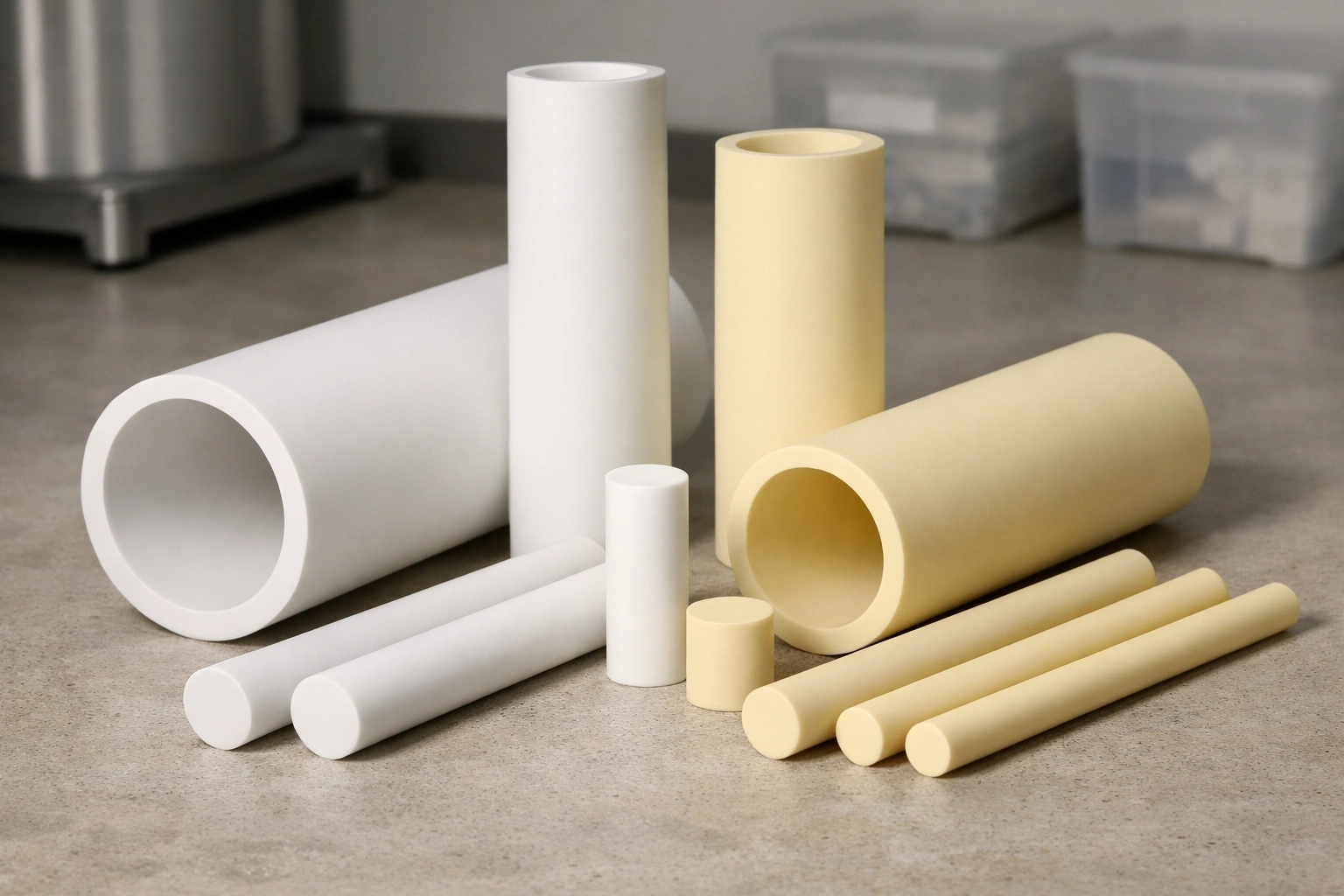
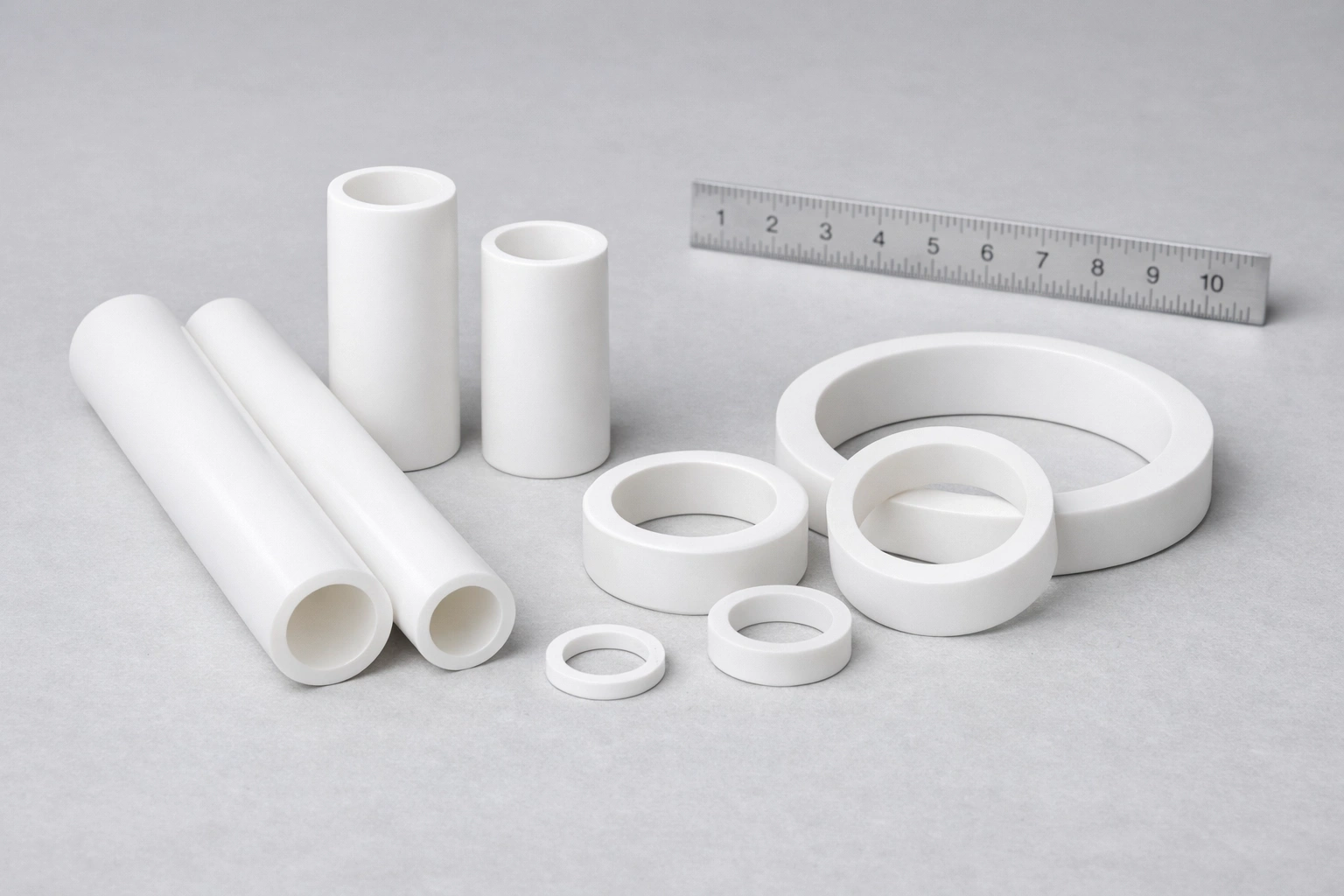
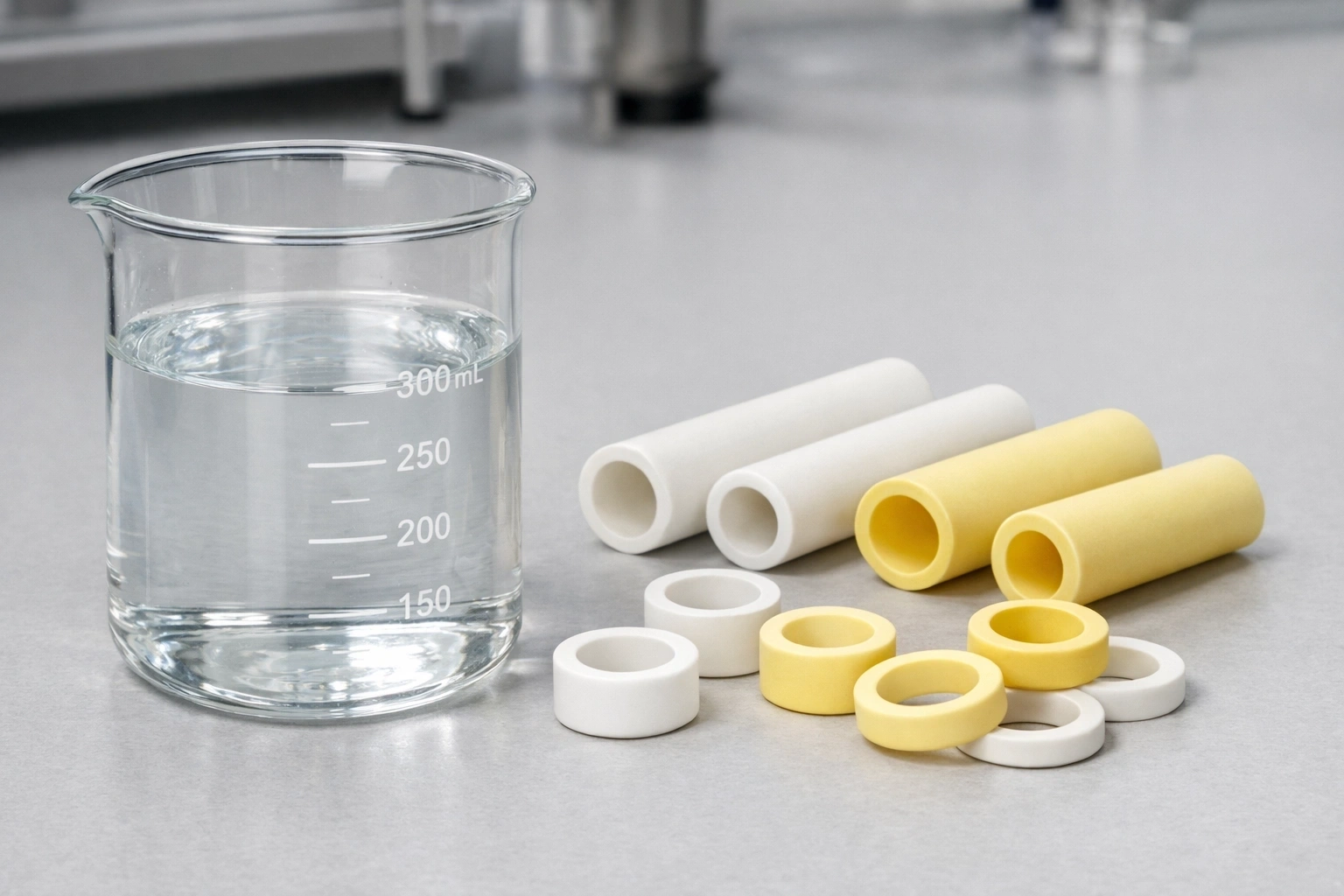
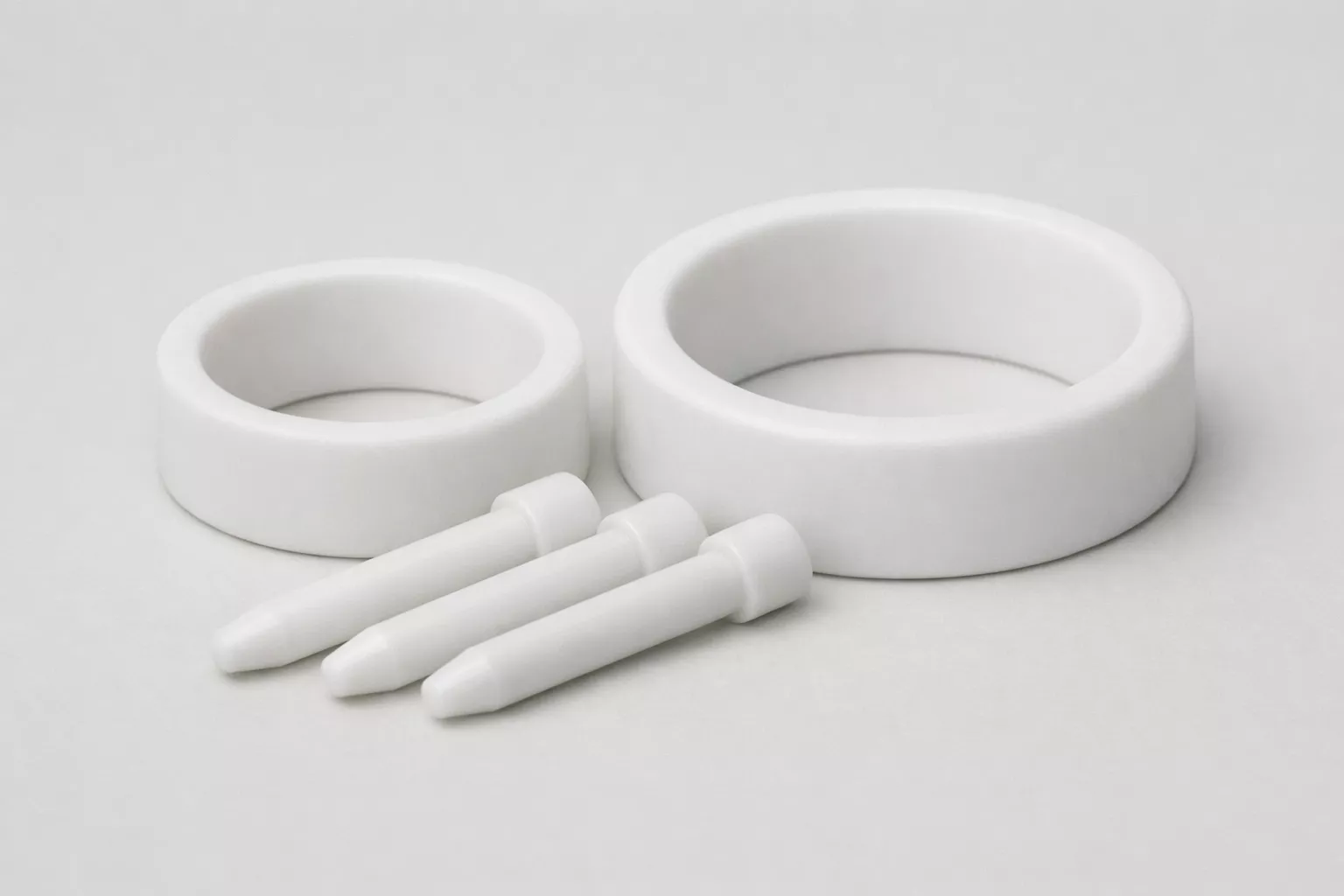
Alumina Ceramic components are often selected to solve heat, wear, or insulation problems; however, misinterpreted properties repeatedly cause premature failure, redesign cycles, and unplanned downtime across industrial systems.
This article examines Alumina Ceramic properties as engineering variables rather than static data points. It connects material behavior, performance limits, and failure mechanisms to real industrial decision-making, enabling engineers to select alumina ceramics with predictable outcomes and reduced system risk.
Consequently, the discussion progresses from fundamental interpretation errors toward application-driven reasoning, ensuring that each property is evaluated within realistic mechanical, thermal, electrical, and chemical operating environments.
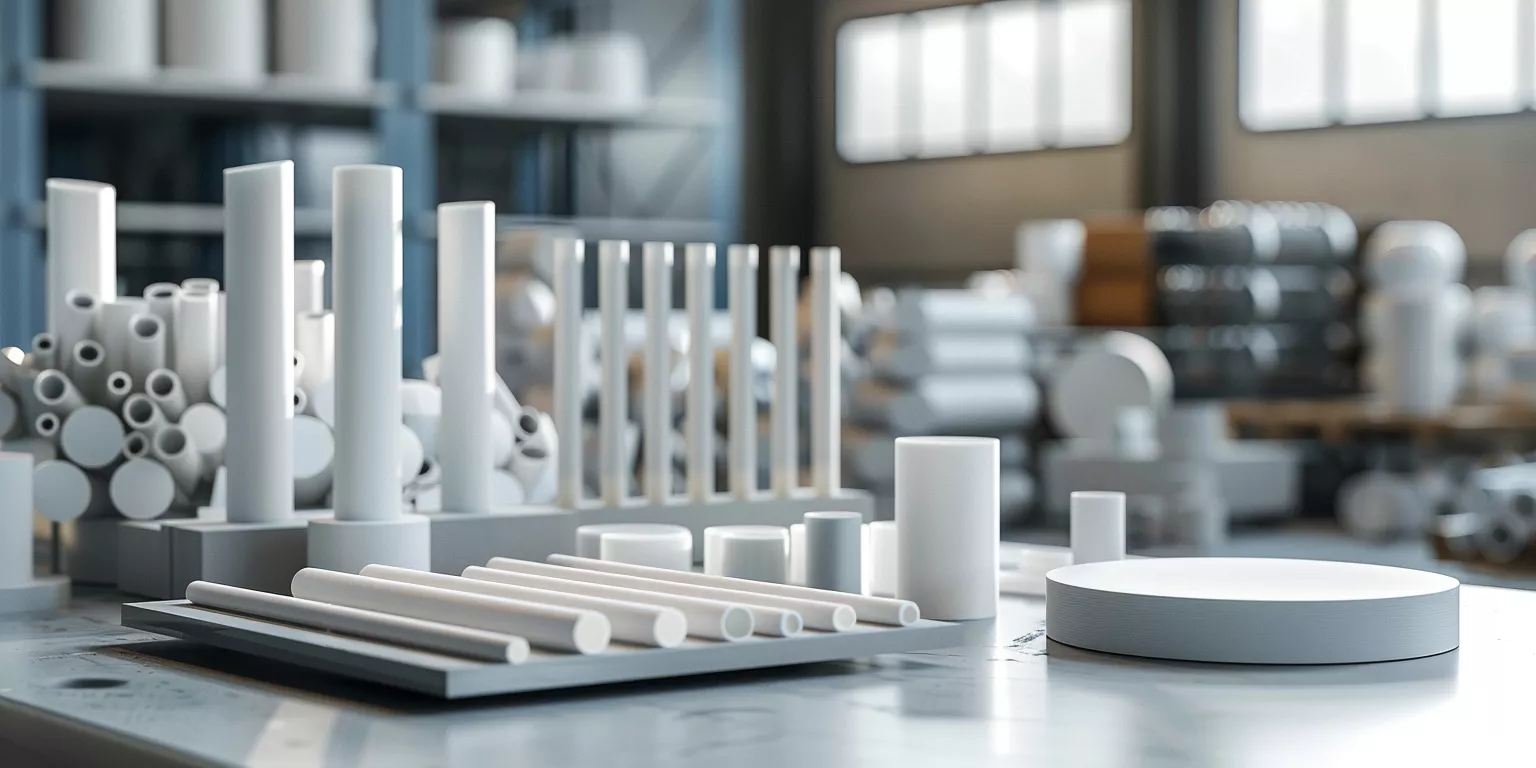
Before analyzing individual parameters, it is essential to clarify why the phrase “alumina ceramic properties” cannot be treated as a neutral or purely academic concept in engineering practice.
Why Interpreting Alumina Ceramic Properties Correctly Determines Engineering Success or Failure
Engineers rarely search alumina ceramic properties out of curiosity; instead, the search typically follows unexpected cracking, insulation drift, or wear-related downtime. Therefore, property interpretation becomes a risk-management task rather than a theoretical exercise.
-
Properties are conditional, not absolute
Alumina ceramic properties are measured under standardized conditions that rarely match real operating environments. For example, strength values obtained at room temperature do not represent behavior under sustained thermal gradients or cyclic mechanical loading. As a result, designs based solely on nominal data often underestimate failure probability. Consequently, engineering judgment must bridge the gap between test conditions and service reality. -
Single-parameter optimization masks system-level failure paths
Many engineering failures originate from optimizing one property, such as hardness or insulation resistance, while ignoring coupled effects. In practice, increasing hardness can reduce fracture tolerance, and improving insulation may increase sensitivity to thermal aging. Therefore, failures occur not because alumina ceramic properties are insufficient, but because they were interpreted in isolation. In other words, system behavior was ignored in favor of simplified selection logic. -
Material properties define responsibility boundaries
Once alumina ceramics are integrated into equipment, property-related failures propagate across assemblies and supply chains. For instance, a cracked ceramic insulator may trigger electrical faults, mechanical misalignment, and production stoppages simultaneously. As a result, property interpretation determines not only performance but also accountability across engineering teams. Accordingly, correct interpretation becomes a prerequisite for reliable industrial deployment.
Alumina Ceramic Chemical Composition The Foundation of All Properties
Alumina Ceramic properties originate from chemical composition rather than downstream processing or application conditions. Therefore, composition should be treated as the primary engineering variable that defines performance boundaries before mechanical, thermal, or electrical loads are applied.
-
Al₂O₃ purity establishes the baseline performance envelope
Alumina ceramics are commonly specified between 95% and above 99.9% Al₂O₃, and this range directly controls grain-boundary phases and high-temperature stability. In industrial environments, 95–96% alumina typically contains 4–6% glassy phase, which lowers creep resistance and dielectric consistency under sustained heat. By contrast, 99.5–99.7% alumina reduces glassy content below 1%, resulting in significantly improved dimensional stability and electrical insulation reliability over long service periods. -
Trace impurities dominate long-term stability rather than initial strength
Elements such as sodium, potassium, silicon, calcium, and iron often exist at ppm levels, yet they strongly influence alumina ceramic properties at elevated temperature. For instance, alkali impurities above 100 ppm can increase electrical conductivity by more than one order of magnitude above 800 °C, gradually degrading insulation performance. In corrosive or electrically stressed environments, impurity-driven grain-boundary transport frequently determines service life instead of bulk Al₂O₃ content. -
Microstructure links composition to measurable engineering behavior
Chemical composition governs grain size evolution and porosity during sintering, which in turn defines strength, dielectric breakdown resistance, and thermal stability. Fine-grained alumina below 3 µm often achieves flexural strength above 350 MPa, whereas coarse-grained structures may fall below 300 MPa despite higher purity. Similarly, closed porosity below 1% is generally acceptable, while open porosity above 2% can sharply reduce corrosion resistance and electrical reliability.
Consequently, alumina ceramic chemical composition should be viewed as a constraint-setting decision that limits or enables all subsequent performance outcomes. With this compositional foundation established, the discussion can now shift toward how alumina ceramics physically behave under real operating conditions rather than idealized laboratory measurements.
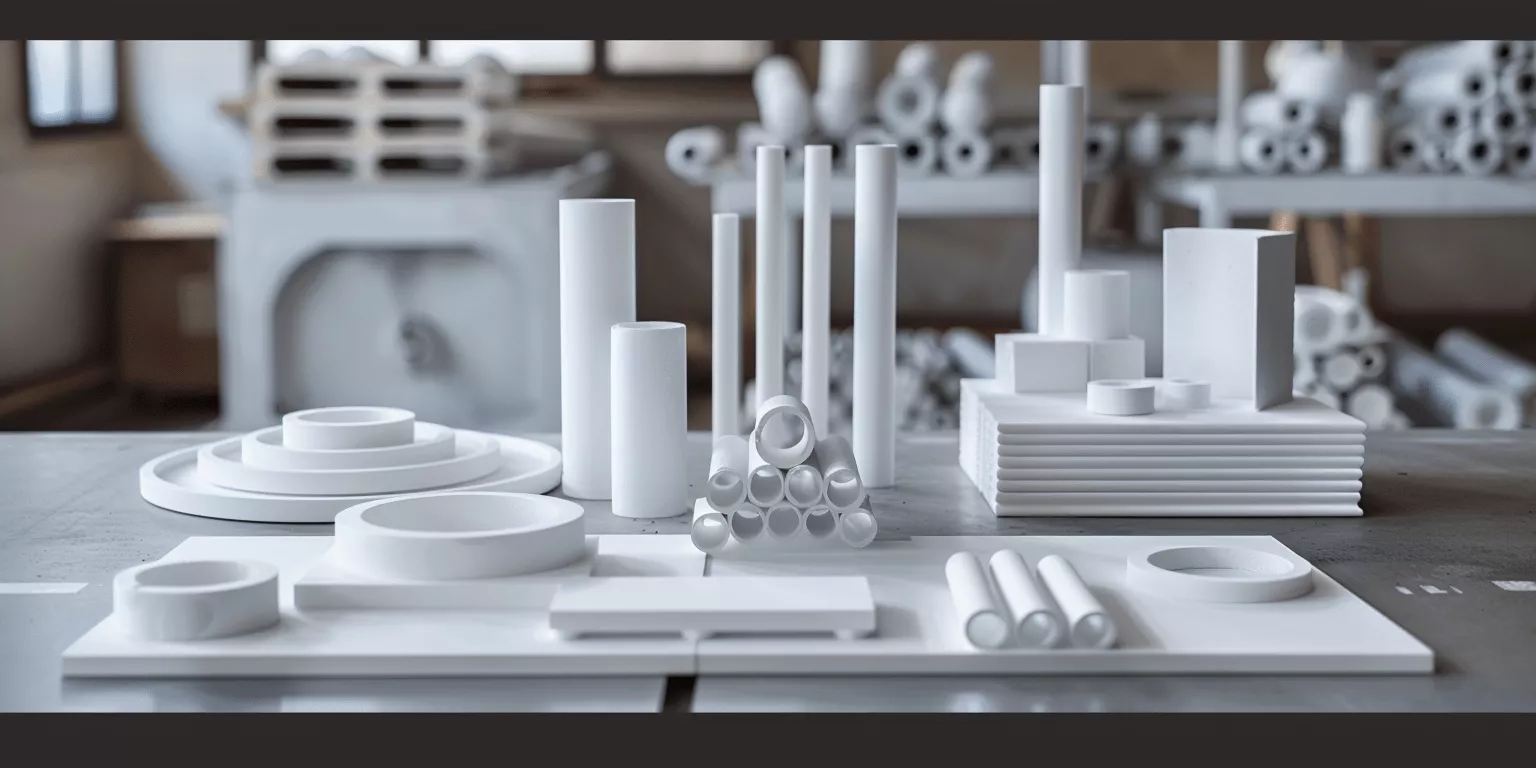
Physical Properties of Alumina Ceramics How the Material Behaves in Reality
Alumina Ceramic physical properties describe how the material actually responds to stress, heat, radiation, and environment rather than how it is theoretically defined. Moreover, these properties determine whether laboratory performance can be reproduced under continuous industrial operation. Therefore, understanding physical behavior is essential for predicting reliability, dimensional stability, and service life in real applications.
Density Porosity and Structural Integrity
Alumina Ceramic density and porosity define the internal structure that governs strength, insulation stability, and corrosion resistance. In practice, these parameters explain why components with identical nominal compositions can behave very differently under load or temperature.
Dense alumina ceramics typically exhibit bulk densities between 3.85 and 3.95 g/cm³, approaching the theoretical density of 3.98 g/cm³. When total porosity is kept below 1%, mechanical strength and dielectric stability remain consistent across batches. However, open porosity exceeding 2% often creates interconnected pathways that accelerate chemical ingress, electrical leakage, and microcrack initiation during thermal cycling.
In real production environments, engineers frequently observe that a 0.3–0.5% increase in porosity can reduce flexural strength by 15–25%, even when purity remains unchanged. Consequently, density and porosity should be treated as primary quality-control metrics rather than secondary physical descriptors.
Optical Properties of Alumina Ceramics
The optical behavior of Alumina Ceramic materials is closely linked to purity, grain size, and porosity, and it influences performance in high-temperature and sensing-related applications. Although alumina is generally considered opaque, its optical properties vary significantly with microstructural control.
Standard industrial alumina ceramics are optically opaque due to light scattering1 at grain boundaries2 and residual pores. However, high-purity alumina above 99.9% Al₂O₃ with grain sizes below 5 µm can exhibit partial translucency, allowing limited infrared transmission. This behavior becomes particularly relevant in high-temperature observation windows, sensor housings, and radiant heating environments.
In practice, engineers often discover that optical opacity indirectly improves reliability by reducing localized radiative heating. As a result, opaque alumina ceramics are frequently preferred in furnace fixtures and thermal shields, where uncontrolled radiation can create uneven temperature gradients and accelerate failure.
Emissivity of Alumina Ceramics at Elevated Temperature
Emissivity defines how efficiently Alumina Ceramic surfaces emit thermal radiation, which directly affects heat balance in high-temperature systems. Unlike metals, alumina ceramics maintain relatively stable emissivity across wide temperature ranges.
Typical emissivity values for alumina ceramics range from 0.75 to 0.9 at temperatures above 600 °C, depending on surface finish and purity. Rough or as-fired surfaces tend to exhibit higher emissivity, while polished surfaces may reduce emissivity by 10–20%. Consequently, surface condition becomes a controllable variable in thermal design.
In furnace and heating applications, consistent emissivity enables predictable radiative heat transfer, reducing thermal gradients and stress concentration. Therefore, emissivity should be considered an operational property rather than a purely thermal parameter.
Summary of Key Physical Properties of Alumina Ceramics
| Property | Typical Range | Engineering Significance |
|---|---|---|
| Bulk Density (g/cm³) | 3.85–3.95 | Indicates structural integrity and sintering quality |
| Total Porosity (%) | <1.0 (preferred) | Controls strength, insulation stability, and corrosion resistance |
| Optical Transparency | Opaque to semi-translucent | Influences radiative heating and sensing applications |
| Emissivity (600–1200 °C) | 0.75–0.9 | Determines radiative heat transfer efficiency |
| Surface Sensitivity | High | Affects emissivity and thermal uniformity |
The physical properties of Alumina Ceramic materials translate internal structure into observable behavior under real operating conditions. With these physical responses clarified, the discussion can progress toward how alumina ceramics manage heat flow, expansion, and thermal stress in demanding environments.
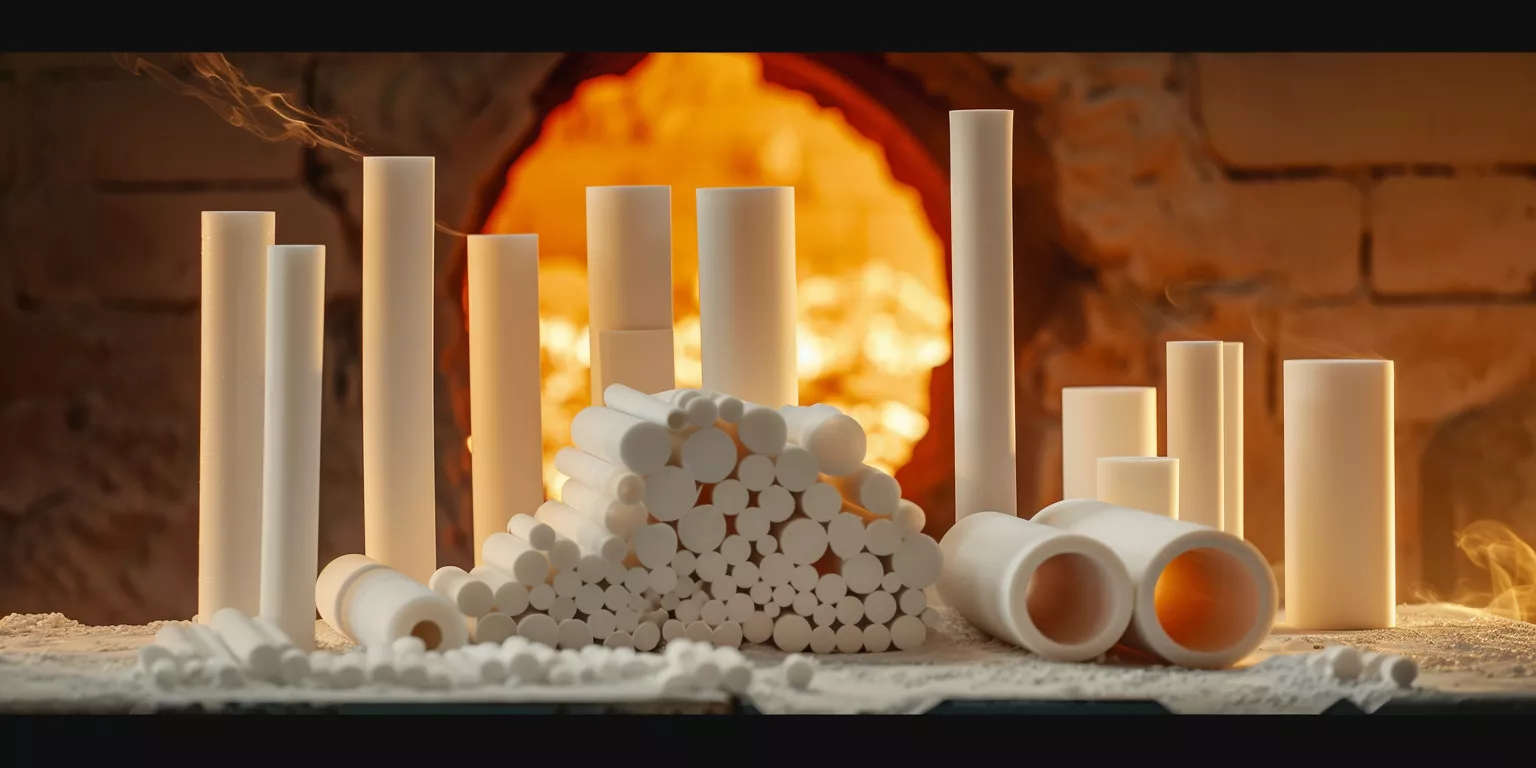
Thermal Properties of Alumina Ceramics Stability Under Heat
Alumina Ceramic thermal properties define how the material manages heat generation, transfer, and dimensional change during operation. Moreover, these properties determine whether apparent high-temperature capability translates into long-term stability. Therefore, thermal behavior must be evaluated as a system response rather than a single temperature limit.
Melting Point Versus Practical Service Temperature
The melting point of Alumina Ceramic is frequently cited as evidence of extreme heat resistance; however, engineering performance is governed by service temperature rather than theoretical limits. Consequently, misunderstanding this distinction is a common source of overdesign or premature failure.
Pure alumina melts at approximately 2050 °C, yet continuous industrial use rarely exceeds 1400–1600 °C. Above this range, grain-boundary softening and creep accelerate even though melting does not occur. In long-duration furnace applications, components operating at 1500 °C can experience dimensional drift exceeding 0.2% after 1000 hours, which is sufficient to compromise alignment and sealing.
In practice, experienced engineers define allowable temperature by creep rate and deformation tolerance rather than melting point. Therefore, service temperature should always be specified with duration and load conditions, not as a single static value.
Alumina Ceramic Thermal Conductivity
Thermal conductivity controls how efficiently Alumina Ceramic redistributes heat, influencing temperature gradients and thermal stress. However, higher conductivity does not universally improve thermal reliability.
Dense alumina ceramics typically exhibit thermal conductivity between 20 and 30 W/m·K at room temperature, decreasing gradually with rising temperature. Increasing purity from 96% to 99.7% can improve conductivity by 10–15%, primarily due to reduced glassy phases. Nevertheless, faster heat transfer can amplify thermal gradients at interfaces, especially when alumina is bonded to metals with higher expansion coefficients.
Field observations show that components with higher thermal conductivity sometimes fail sooner due to localized stress concentration rather than overheating. Consequently, conductivity must be balanced against geometry and assembly design to avoid unintended stress amplification.
Thermal Expansion Coefficient and Dimensional Stability
The thermal expansion coefficient defines how Alumina Ceramic dimensions change with temperature, directly affecting fit, stress, and compatibility with adjacent materials. In engineering systems, expansion mismatch often dominates thermal failure modes.
Alumina ceramics exhibit a linear thermal expansion coefficient of approximately 7–8 × 10⁻⁶ /°C between room temperature and 1000 °C. When paired with steels or superalloys, whose coefficients typically exceed 11 × 10⁻⁶ /°C, differential expansion can generate interfacial stresses exceeding 100 MPa during thermal cycling. These stresses accumulate even when individual cycles appear harmless.
In practical assemblies, engineers frequently discover cracks originating at constraints rather than in free-standing alumina parts. Therefore, expansion compatibility should be evaluated early in design, especially for rigid or bonded configurations.
Heat Capacity and Thermal Response Behavior
Heat capacity describes how much energy Alumina Ceramic absorbs during temperature change, influencing heating rates and thermal shock resistance. Although often overlooked, this property shapes transient thermal behavior.
The specific heat capacity of alumina ceramics averages 0.75–0.9 kJ/kg·K across common operating temperatures. Higher heat capacity allows alumina to buffer rapid temperature fluctuations, reducing instantaneous thermal gradients. However, it also increases thermal inertia, slowing cooldown and potentially extending exposure to damaging temperature ranges.
In industrial furnaces, alumina components with high thermal mass often survive rapid heating but suffer during shutdown cycles. As a result, heat capacity should be evaluated together with heating and cooling profiles rather than in isolation.
Summary of Key Thermal Properties of Alumina Ceramics
| Thermal Property | Typical Range | Engineering Implication |
|---|---|---|
| Melting Point (°C) | ~2050 | Not representative of usable service limit |
| Continuous Service Temperature (°C) | 1400–1600 | Defined by creep and deformation tolerance |
| Thermal Conductivity (W/m·K) | 20–30 | Controls gradient formation and stress distribution |
| Thermal Expansion Coefficient (×10⁻⁶ /°C) | 7–8 | Governs compatibility with metals and assemblies |
| Heat Capacity (kJ/kg·K) | 0.75–0.9 | Influences transient thermal response |
The thermal properties of Alumina Ceramic materials determine stability under sustained and cyclic heat exposure rather than peak temperature resistance alone. With thermal behavior clarified, attention can now shift to how alumina ceramics sustain mechanical loads without plastic deformation.
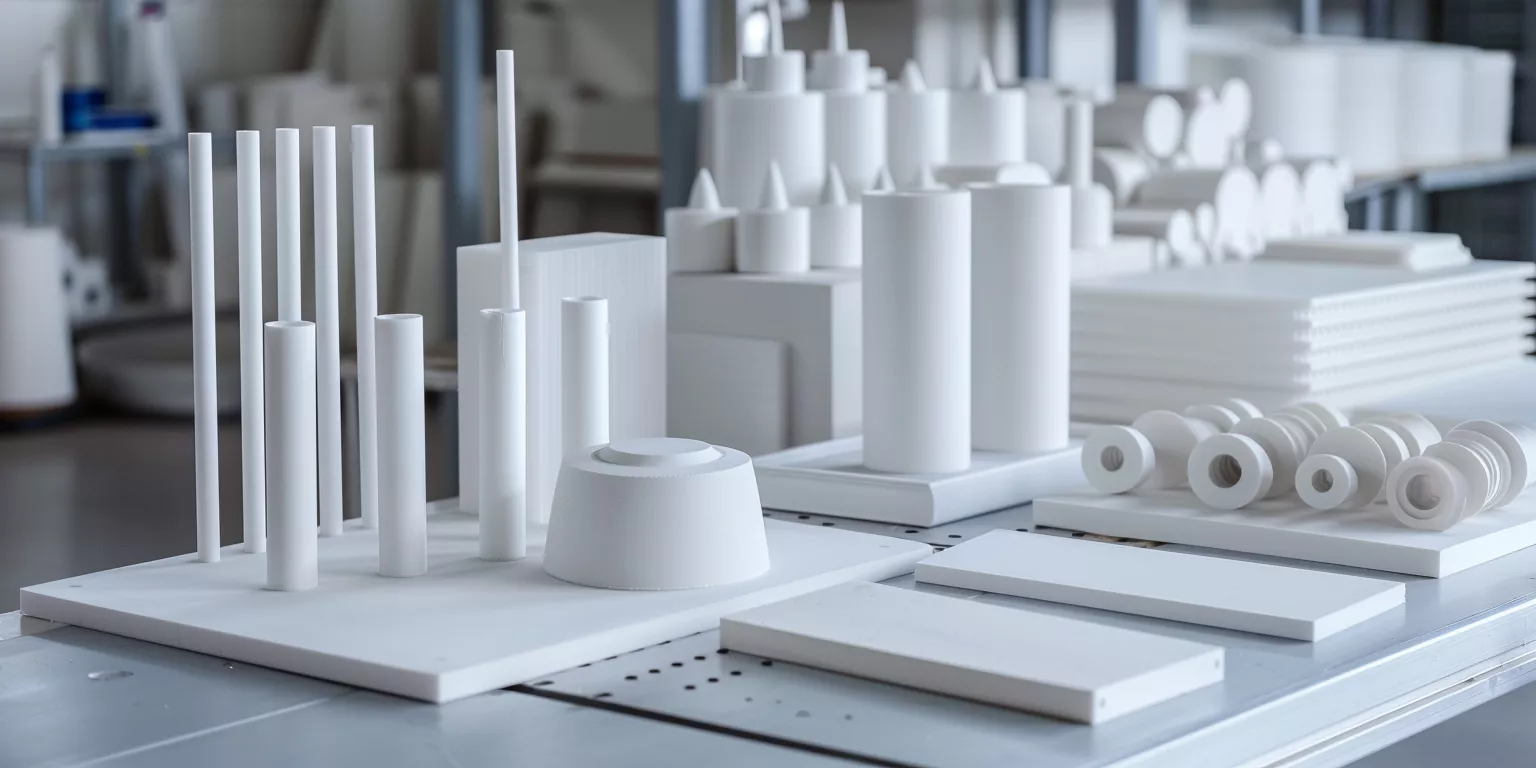
Mechanical Properties of Alumina Ceramics Strength Without Plasticity
Alumina Ceramic mechanical properties are defined by high strength and stiffness without the ability to plastically deform3. Consequently, load-bearing reliability depends on elastic behavior, flaw population, and stress distribution rather than yield-based safety margins. Therefore, mechanical design with alumina ceramics requires fracture-aware thinking instead of metal-derived assumptions.
Elastic Modulus and Structural Stiffness
The elastic response of Alumina Ceramic components is dominated by a high Young’s modulus, which provides exceptional stiffness but minimal compliance. As a result, alumina resists deformation while transferring stress efficiently through the structure.
Typical alumina ceramics exhibit a Young’s modulus between 300 and 380 GPa, substantially higher than most steels. This stiffness preserves dimensional accuracy under load, which is critical in precision fixtures and insulating supports. However, the same stiffness amplifies local stresses caused by misalignment, point contact, or assembly constraints, often concentrating stress at microstructural flaws.
In practice, engineers observe that failures frequently initiate at mounting interfaces rather than in free-standing sections. Therefore, stiffness must be treated as both a performance advantage and a design constraint.
Strength Limits and Absence of Yielding
Unlike metals, Alumina Ceramic materials do not exhibit a yield point that redistributes stress. Instead, failure occurs abruptly once tensile stress exceeds the fracture threshold.
Flexural strength values for dense alumina typically range from 300 to 400 MPa, depending on purity and grain size. Tensile strength is significantly lower, often 150–250 MPa, because ceramics are far more sensitive to surface and internal flaws under tension. Consequently, designs that rely on tensile load paths experience higher failure probability than those dominated by compression.
Field experience consistently shows that components loaded well below compressive limits may still fracture due to localized tensile stress. As a result, mechanical design must minimize tensile loading wherever possible.
Hardness and Wear Resistance
Hardness is among the most cited Alumina Ceramic mechanical properties, particularly in wear-critical applications. However, hardness alone does not define durability.
Alumina ceramics typically exhibit Vickers hardness between 1200 and 1800 HV, enabling excellent resistance to abrasion and particle erosion. This hardness reduces surface wear rates by 50–80% compared with hardened steels in sliding or slurry environments. Nevertheless, high hardness also reduces the material’s ability to blunt crack tips, increasing sensitivity to impact and cyclic stress.
In industrial motion systems, engineers often find that wear resistance improves while fracture risk increases. Therefore, hardness should be evaluated together with loading mode and contact geometry.
Fatigue Resistance Under Cyclic Loading
Although Alumina Ceramic materials lack plastic fatigue mechanisms, they are still susceptible to cyclic degradation through microcrack growth. Fatigue behavior is governed by crack initiation and propagation rather than dislocation movement.
Under cyclic bending or vibration, alumina ceramics may fail after 10⁶–10⁸ cycles at stress levels as low as 40–60% of static strength. Microcracks formed at grain boundaries slowly extend with each cycle, particularly in humid or thermally fluctuating environments. This process often produces delayed failure without visible deformation or warning.
In service, engineers frequently misinterpret such failures as random events. In reality, fatigue resistance must be assessed using cyclic stress limits rather than static strength values.
Summary of Key Mechanical Properties of Alumina Ceramics
| Mechanical Property | Typical Range | Engineering Implication |
|---|---|---|
| Young’s Modulus (GPa) | 300–380 | High stiffness with stress amplification risk |
| Flexural Strength (MPa) | 300–400 | Governs bending-dominated designs |
| Tensile Strength (MPa) | 150–250 | Limits tension-bearing applications |
| Hardness (HV) | 1200–1800 | Excellent wear resistance with brittleness |
| Fatigue Endurance (% of static strength) | 40–60 | Critical for cyclic and vibrational loading |
The mechanical properties of Alumina Ceramic materials deliver strength through rigidity rather than ductility. With this mechanical behavior defined, the discussion can progress toward how electrical performance remains stable—or degrades—under combined thermal and environmental stress.
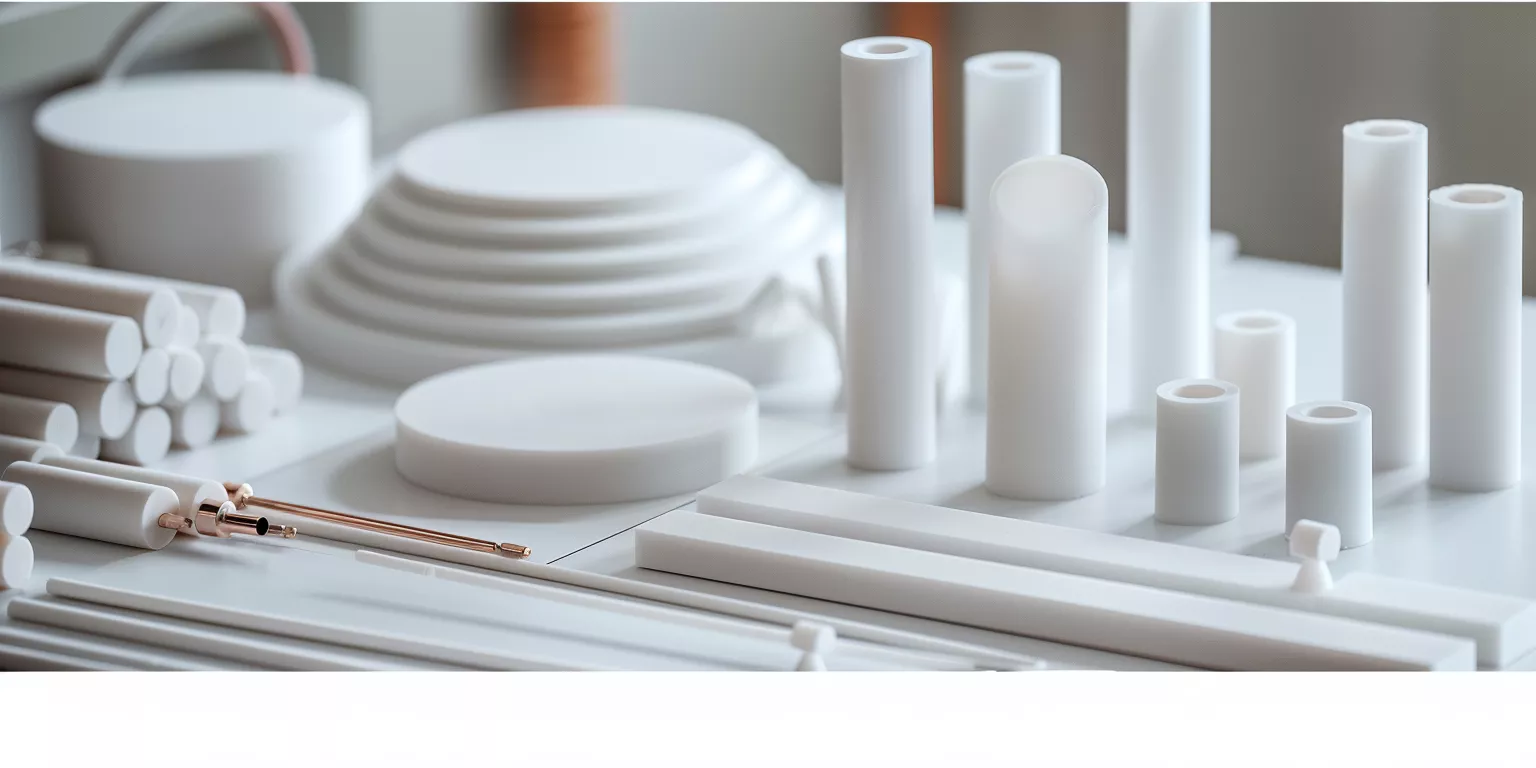
Electrical Properties of Alumina Ceramic Insulation Is Not Binary
Alumina Ceramic electrical properties are often simplified as either insulating or conductive; however, real behavior evolves with temperature, impurities, and environment. Moreover, electrical stability depends on time-dependent mechanisms rather than instantaneous measurements. Therefore, insulation must be evaluated as a performance window instead of a binary label.
Electrical Conductivity and Temperature Dependence
Electrical conductivity in Alumina Ceramic materials is intrinsically low at room temperature, yet it increases measurably with heat exposure. Consequently, insulation performance must be assessed across the entire operating temperature range.
At ambient conditions, dense alumina typically exhibits electrical conductivity below 10⁻¹² S/cm, corresponding to volume resistivity above 10¹⁴ Ω·cm. As temperature rises beyond 600–800 °C, thermally activated charge carriers increase conductivity by one to two orders of magnitude, particularly in materials containing alkali impurities. This shift does not cause immediate failure but produces gradual leakage currents that accumulate over long service periods.
In industrial heaters and sensor housings, engineers frequently observe stable insulation at startup followed by progressive drift during continuous operation. Therefore, conductivity should be specified as a function of temperature and time rather than as a single room-temperature value.
Dielectric Strength and Breakdown Behavior
Dielectric strength defines the maximum electric field Alumina Ceramic materials can withstand before breakdown. However, breakdown is influenced by microstructure, thickness, and environmental conditions rather than bulk composition alone.
Typical dielectric strength for dense alumina ranges from 12 to 15 kV/mm at room temperature for thicknesses above 1 mm. Nevertheless, surface defects, porosity above 1%, or moisture adsorption can reduce effective breakdown strength by 20–30%. Under alternating current or pulsed fields, localized heating further accelerates degradation, shifting breakdown pathways toward grain boundaries.
In practice, failures often initiate at edges, interfaces, or contaminated surfaces instead of within the ceramic bulk. Consequently, dielectric design must include geometry control and surface condition management alongside material selection.
Dielectric Constant and Signal Stability
The dielectric constant of Alumina Ceramic influences capacitance, signal propagation, and electromagnetic compatibility in electrical systems. Although often treated as a fixed material constant, it varies with frequency and temperature.
Alumina ceramics typically exhibit a dielectric constant between 9 and 10 at low frequencies. At higher frequencies or elevated temperatures, dielectric loss increases due to polarization lag and impurity-related conduction. In precision electronic applications, even a 5–8% change in dielectric constant can alter signal timing or noise behavior.
Engineers working with high-frequency or sensing systems often report performance drift without visible material damage. Accordingly, dielectric constant stability should be verified under actual operating frequency and thermal conditions.
Environmental and Chemical Effects on Electrical Insulation
Electrical properties of Alumina Ceramic materials are strongly influenced by environmental exposure, particularly humidity and chemical vapors. These effects are subtle but cumulative.
Moisture adsorption on alumina surfaces can reduce surface resistivity by one order of magnitude at relative humidity above 80%. Similarly, exposure to alkali or halogen-containing vapors can modify grain-boundary chemistry, increasing leakage current under electric field. These changes often occur without detectable changes in mechanical or thermal performance.
In service environments such as furnaces or chemical processing equipment, insulation degradation is therefore gradual and difficult to diagnose. As a result, electrical performance must be evaluated together with environmental compatibility.
Summary of Key Electrical Properties of Alumina Ceramics
| Electrical Property | Typical Range | Engineering Implication |
|---|---|---|
| Volume Resistivity (Ω·cm) | >10¹⁴ (room temperature) | Defines baseline insulation capability |
| Electrical Conductivity (S/cm) | <10⁻¹² (room temperature) | Increases significantly above 600–800 °C |
| Dielectric Strength (kV/mm) | 12–15 | Sensitive to thickness and surface condition |
| Dielectric Constant | 9–10 | Influences signal stability and capacitance |
| Environmental Sensitivity | Moderate | Humidity and vapors reduce surface resistivity |
The electrical properties of Alumina Ceramic materials do not fail abruptly but degrade progressively under combined thermal, electrical, and environmental stress. With insulation behavior clarified beyond binary assumptions, the discussion can now move toward chemical compatibility and corrosion resistance under industrial exposure.
Alumina Ceramic Chemical Compatibility and Corrosion Resistance
Alumina Ceramic chemical compatibility defines whether material stability can be sustained under corrosive, reactive, or high-temperature environments. Therefore, corrosion resistance must be evaluated in relation to specific media, exposure duration, and operating temperature rather than assumed as a universal property.
-
Resistance to acids and alkalis depends on composition and temperature
Alumina ceramics exhibit excellent resistance to most inorganic acids, including hydrochloric and sulfuric acid, at ambient and moderately elevated temperatures. However, alkaline solutions such as sodium hydroxide can gradually attack grain boundaries, particularly above 80–100 °C, leading to surface roughening and strength reduction. In long-term service, even slow corrosion rates can reduce flexural strength by 10–20% after extended exposure. -
Hydrofluoric acid represents a strict incompatibility boundary
Alumina Ceramic materials are fundamentally incompatible with hydrofluoric acid due to the formation of soluble aluminum fluorides. Even low HF concentrations can cause rapid material dissolution, surface pitting, and catastrophic loss of dimensional integrity. Consequently, alumina should never be selected for applications involving HF-containing environments, regardless of purity level. -
High-temperature chemical compatibility is governed by grain-boundary chemistry
At elevated temperatures, chemical interaction often occurs through grain-boundary phases rather than bulk alumina. Vapors containing alkali metals, halogens, or molten salts can penetrate grain boundaries and accelerate degradation without obvious surface damage. In industrial furnaces, such interactions have been observed to shorten component life by 30–50% despite unchanged mechanical appearance.
As a result, alumina ceramic corrosion resistance must be defined by environment-specific exposure scenarios rather than generic chemical resistance claims. With chemical compatibility boundaries clarified, attention can now shift toward how alumina ceramics perform in wear-intensive motion systems.
Wear-Resistant Alumina Ceramic in Industrial Motion System
Wear resistance is one of the most frequently cited reasons for selecting Alumina Ceramic in motion-related components. However, real durability depends on contact mechanics, counterface material, and load conditions rather than hardness alone.
-
High hardness reduces abrasive wear but increases impact sensitivity
Alumina Ceramic typically exhibits Vickers hardness between 1200 and 1800 HV, which significantly lowers abrasive and erosive wear rates compared with hardened steels. In sliding systems with stable contact geometry, wear rates can be reduced by 50–80% under comparable loads. Nevertheless, the same hardness reduces the ability to absorb impact energy, making components vulnerable to chipping or fracture under shock or misalignment. -
Wear behavior is governed by the tribological system, not the ceramic alone
In industrial motion systems, wear performance depends on the interaction between alumina, the counterface material, lubrication state, and surface finish. Alumina running against softer metals may exhibit excellent self-polishing behavior, whereas contact with equally hard ceramics can accelerate microfracture and debris generation. Consequently, identical alumina components may show dramatically different lifetimes in apparently similar applications. -
Surface integrity determines long-term wear stability
Surface roughness, residual grinding damage, and edge quality strongly influence wear initiation. Components with surface roughness above Ra 0.8 µm often exhibit localized stress concentration that accelerates microcrack formation during sliding. In contrast, properly finished alumina surfaces can maintain stable wear behavior over millions of motion cycles.
As a result, wear-resistant Alumina Ceramic should be selected based on system-level tribology rather than hardness metrics alone. With motion-related wear behavior clarified, the discussion can now progress toward understanding how multiple properties interact to drive failure mechanisms.
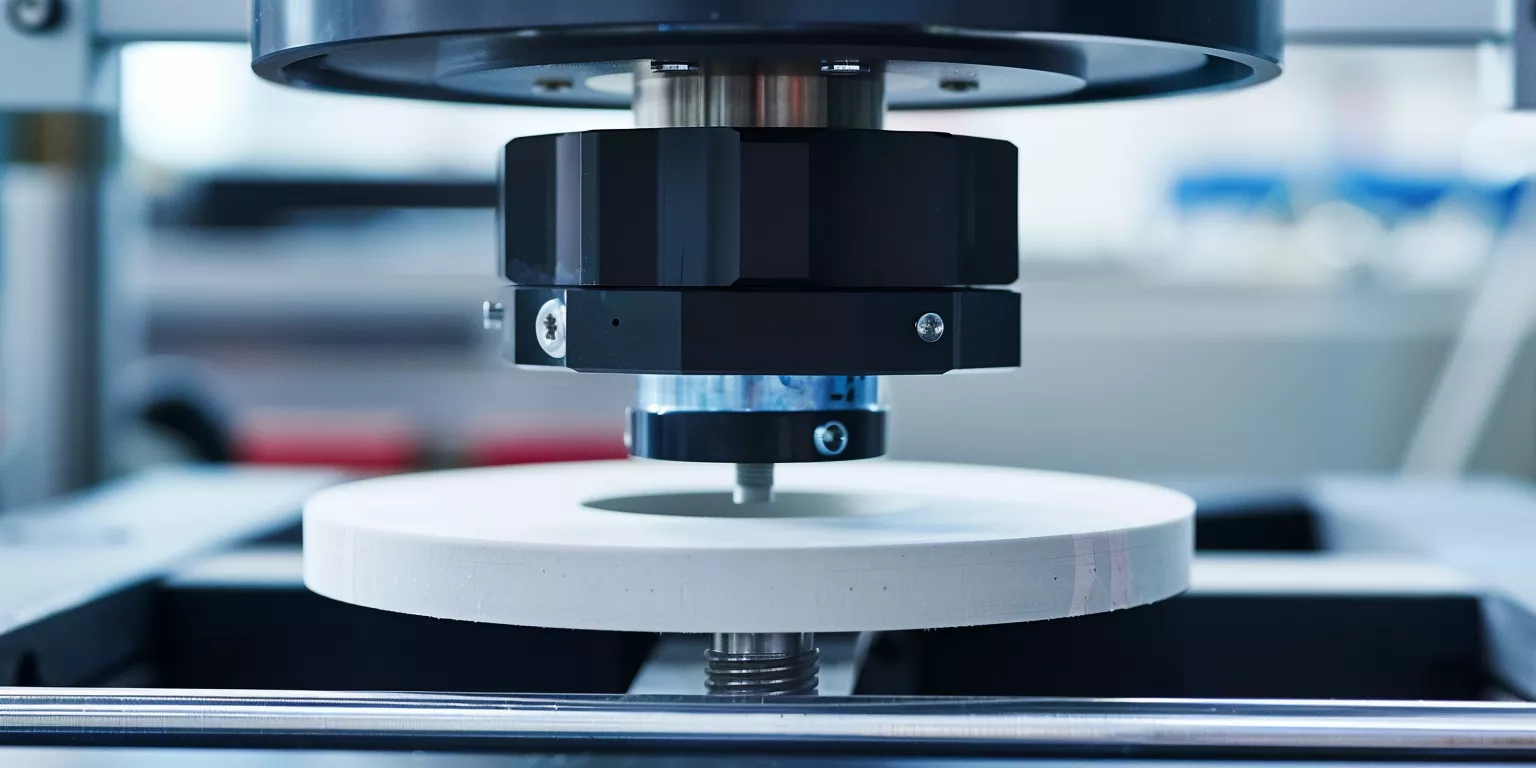
Property Coupling and Failure Mechanisms in Alumina Ceramics
Alumina Ceramic failures rarely originate from a single inadequate property; instead, they emerge from interactions between multiple properties under real operating conditions. Therefore, understanding these couplings is essential for explaining why components fail despite meeting all nominal specifications.
-
Hardness and fatigue resistance interact under cyclic stress
Alumina Ceramic hardness is often increased to enhance wear resistance; however, higher hardness reduces crack-tip blunting capability. When hardness exceeds 1500 HV, microcracks can propagate under cyclic stress levels as low as 40–60% of static strength, even without visible deformation. Over 10⁶–10⁸ cycles, these microcracks may coalesce into delayed brittle fracture, which is frequently misinterpreted as random failure. -
Thermal conductivity and thermal expansion create interfacial stress
Higher thermal conductivity, typically 25–30 W/m·K, helps dissipate heat and reduce surface hot spots. However, when alumina is constrained or bonded to metals with higher thermal expansion coefficients, rapid heat transfer accelerates differential expansion. This interaction can generate interfacial stresses exceeding 80–120 MPa during thermal cycling, leading to cracking near fasteners or rigid mounts rather than in uniformly heated regions. -
Elastic modulus amplifies assembly-induced stress
With a Young’s modulus of 300–380 GPa, Alumina Ceramic transmits load with minimal elastic deformation. Small assembly deviations, such as misalignment below 0.1 mm or uneven preload, can therefore create localized tensile stresses approaching fracture limits. Because alumina lacks plastic deformation, these stresses cannot be redistributed, causing fractures to initiate during assembly or early thermal cycles. -
Electrical, thermal, and chemical effects combine at elevated temperature
Above 700–800 °C, electrical conductivity increases due to thermally activated carriers, especially in the presence of alkali impurities. Simultaneously, reactive vapors can alter grain-boundary chemistry, further increasing leakage current. When electrical fields are applied, localized Joule heating accelerates degradation, resulting in progressive insulation loss rather than abrupt breakdown. -
Wear resistance and surface integrity must be balanced
High hardness improves abrasion resistance but increases sensitivity to surface defects. Residual grinding damage or sharp edges act as crack initiators, and when surface roughness exceeds Ra 0.8 µm, localized stress concentration accelerates microfracture under sliding contact. As debris accumulates, contact stress increases, explaining why systems may show low wear yet sudden brittle failure.
As a result, Alumina Ceramic reliability depends on managing property interactions rather than maximizing individual values. With these coupling effects clarified, material selection can proceed based on application-specific risk profiles instead of isolated property targets.
Engineering Selection Framework Using Alumina Ceramic Properties Correctly
Selecting Alumina Ceramic components requires translating material properties into risk-controlled engineering decisions. Therefore, property data must be interpreted through application constraints, not treated as isolated performance indicators.
-
Define the dominant failure risk before comparing material values
Engineering selection should begin by identifying whether failure risk is dominated by thermal shock, mechanical fracture, electrical leakage, or wear progression. Alumina Ceramic properties that appear sufficient in isolation may become inadequate when the dominant failure mode is misidentified. In practice, components that fail prematurely often meet all datasheet requirements but were optimized for the wrong risk profile. -
Evaluate properties as coupled ranges rather than single numbers
Alumina Ceramic properties such as strength, thermal conductivity, and electrical resistivity vary with temperature, time, and environment. Selecting based on room-temperature values alone ignores shifts that occur above 600–800 °C or under cyclic loading. Consequently, engineering decisions should rely on operating-range envelopes instead of nominal values. -
Match material stiffness to assembly and constraint conditions
High elastic modulus provides dimensional stability but amplifies assembly-induced stress. Alumina Ceramic components should be selected alongside mounting strategy, tolerance stack-up, and preload control rather than as standalone parts. Field experience consistently shows that assembly mismatch causes more failures than material weakness. -
Prioritize surface condition and geometry over marginal purity gains
While higher purity improves consistency, surface integrity and edge design often have a greater impact on reliability. Microcracks from grinding or sharp corners can dominate failure behavior even in 99.9% Al₂O₃ materials. Therefore, machining quality and geometry control should be weighted alongside chemical composition. -
Validate selection through scenario-based testing rather than specification checks
Engineering confidence increases when Alumina Ceramic components are tested under simulated service conditions, including thermal cycling, electrical bias, or sliding contact. Short-term validation often reveals coupled failure mechanisms that static testing cannot expose. As a result, qualification testing should reflect real duty cycles instead of idealized benchmarks.
Ultimately, correct use of Alumina Ceramic properties requires shifting from specification matching to failure-oriented decision-making. With this framework established, common misinterpretations that lead to selection errors can now be examined systematically.
Common Misinterpretations of Alumina Ceramic Properties
Misinterpretation of Alumina Ceramic properties is a frequent cause of unexpected failure and overdesign. Therefore, understanding where assumptions diverge from real material behavior is critical for reliable engineering decisions.
-
Assuming higher purity automatically guarantees better performance
Higher Al₂O₃ purity improves chemical consistency, yet it does not eliminate microstructural defects or processing-induced damage. Many failures originate from surface flaws, residual stresses, or assembly constraints rather than from impurity-related weakness. As a result, 99.9% purity does not compensate for poor geometry or surface integrity. -
Treating insulation as a permanent and binary condition
Alumina Ceramic is often labeled simply as an electrical insulator, ignoring temperature and environmental effects. Electrical resistivity decreases progressively above 600–800 °C, especially in the presence of alkali contamination or moisture. Consequently, insulation performance should be treated as time- and temperature-dependent, not absolute. -
Equating hardness directly with mechanical reliability
High hardness improves abrasion resistance but reduces tolerance to impact and cyclic stress. Alumina components with hardness above 1500 HV may fail prematurely in vibration or shock-loaded systems due to limited energy dissipation. Therefore, hardness alone is an incomplete indicator of durability. -
Ignoring assembly-induced stresses and constraint effects
Alumina Ceramic cannot redistribute stress through plastic deformation. Small misalignments, rigid mounting, or uneven preload can generate localized stresses close to fracture limits during installation. In practice, many components fail during first use rather than under full operating load. -
Relying on room-temperature data for high-temperature applications
Mechanical, electrical, and thermal properties all evolve with temperature. Designs based solely on room-temperature data frequently underestimate creep-like damage accumulation, conductivity increase, or thermal mismatch at elevated temperatures. Thus, operating-condition data is more relevant than catalog values.
Avoiding these misinterpretations requires shifting from property-centric thinking to system-level analysis. With common pitfalls clarified, alumina ceramic selection can be approached with realistic expectations and controlled engineering risk.
Conclusion
Ultimately, Alumina Ceramic properties define performance boundaries rather than absolute guarantees. Engineering success depends on interpreting these properties as interacting behaviors under real operating conditions, not as isolated datasheet values.
For application-specific evaluation of Alumina Ceramic properties under thermal, mechanical, electrical, or chemical constraints, engineering consultation should be conducted before final material selection.
FAQ
What makes Alumina Ceramic properties different from metals in engineering design?
Alumina Ceramic lacks plastic deformation and stress redistribution. Therefore, stiffness, brittleness, and property coupling dominate design considerations rather than yield-based safety margins.
Can Alumina Ceramic properties be reliably used at high temperatures?
Yes, provided properties are evaluated across operating temperature ranges. Mechanical strength, electrical resistivity, and thermal mismatch all evolve above 600–800 °C, requiring range-based assessment.
Is higher alumina purity always the best choice?
Not necessarily. While higher purity improves chemical stability, surface integrity, geometry, and assembly conditions often have a greater impact on reliability than incremental purity gains.
Why do Alumina Ceramic components sometimes fail despite meeting specifications?
Failures typically result from coupled effects such as thermal expansion mismatch, assembly stress, fatigue, or environmental exposure that are not captured by single-parameter specifications.
References:
-
Understanding light scattering helps explain why alumina ceramics are usually opaque and how purity and grain size can improve translucency for advanced applications. ↩
-
Understanding grain boundaries helps explain why alumina ceramics are usually opaque and how controlling them can improve translucency for advanced applications. ↩
-
Understanding plastic deformation helps clarify why alumina ceramics behave differently from metals under stress, crucial for informed material selection. ↩