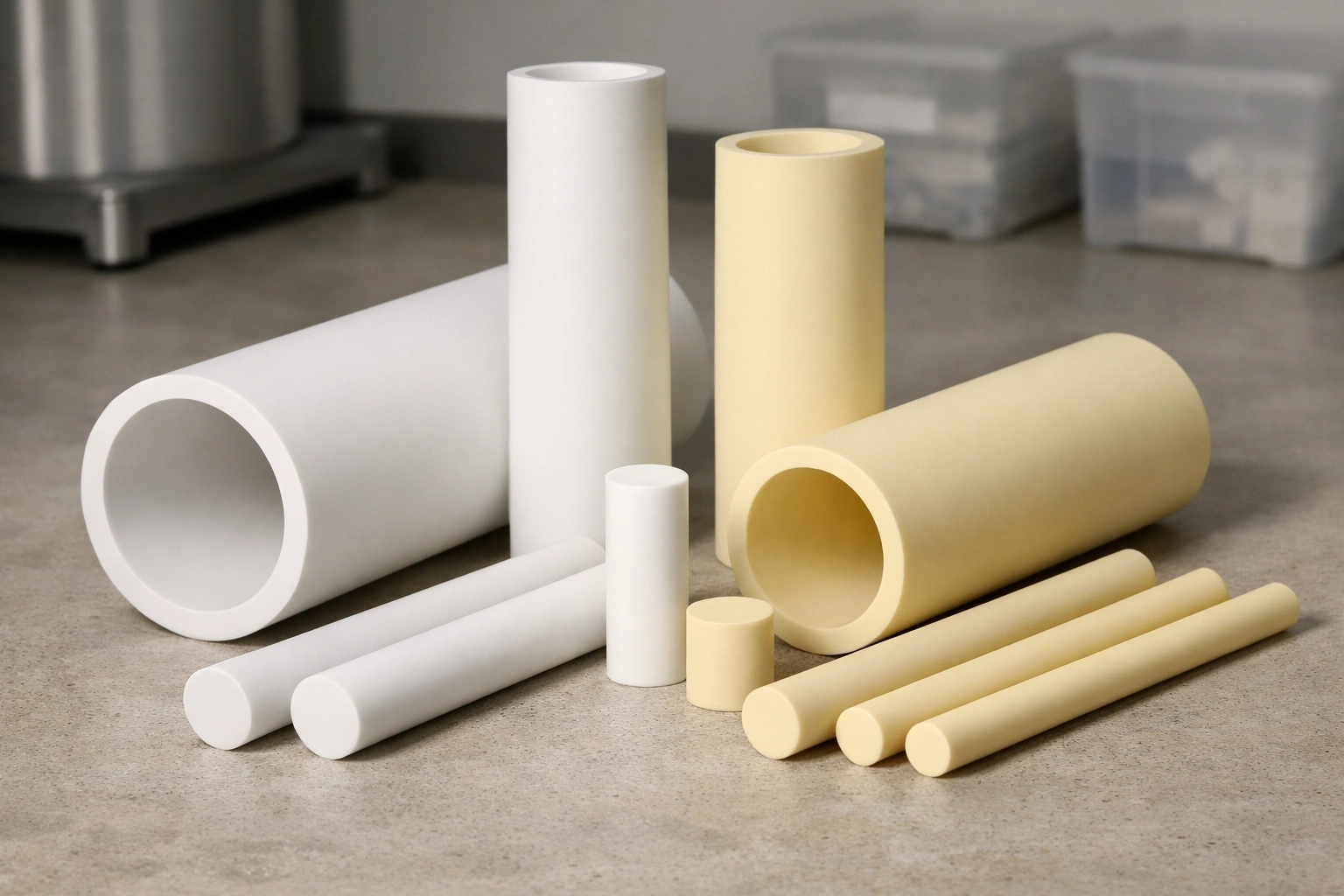
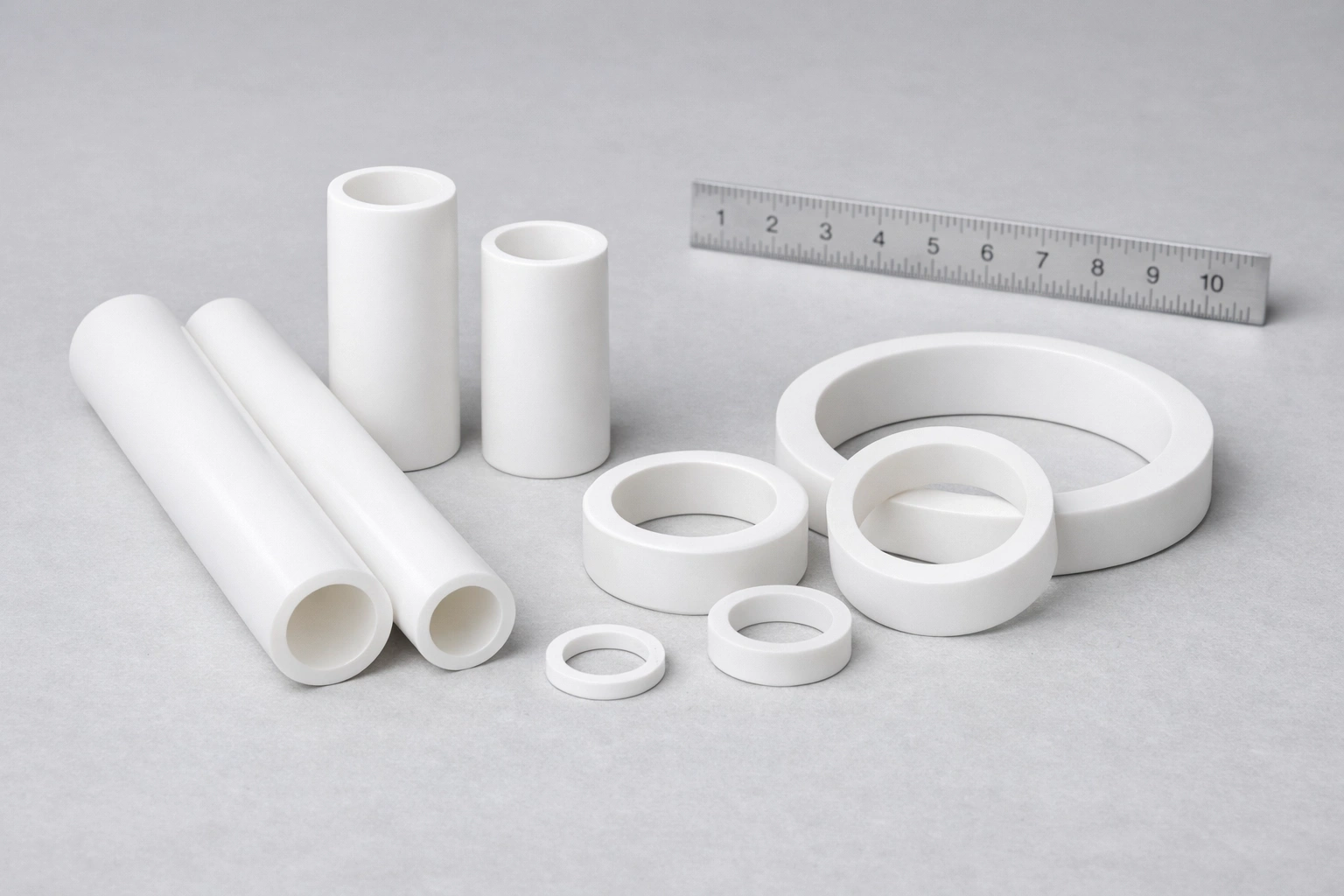
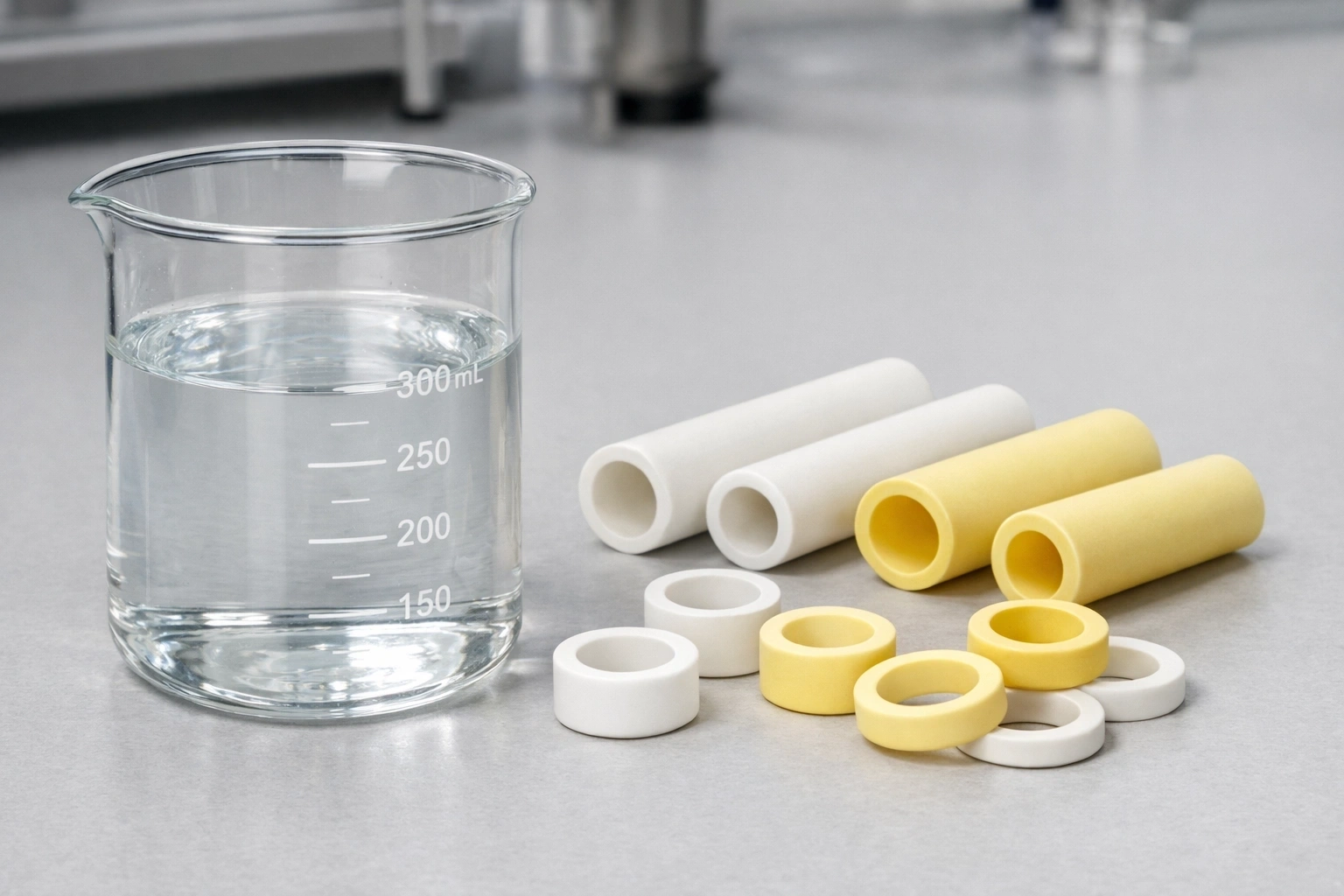
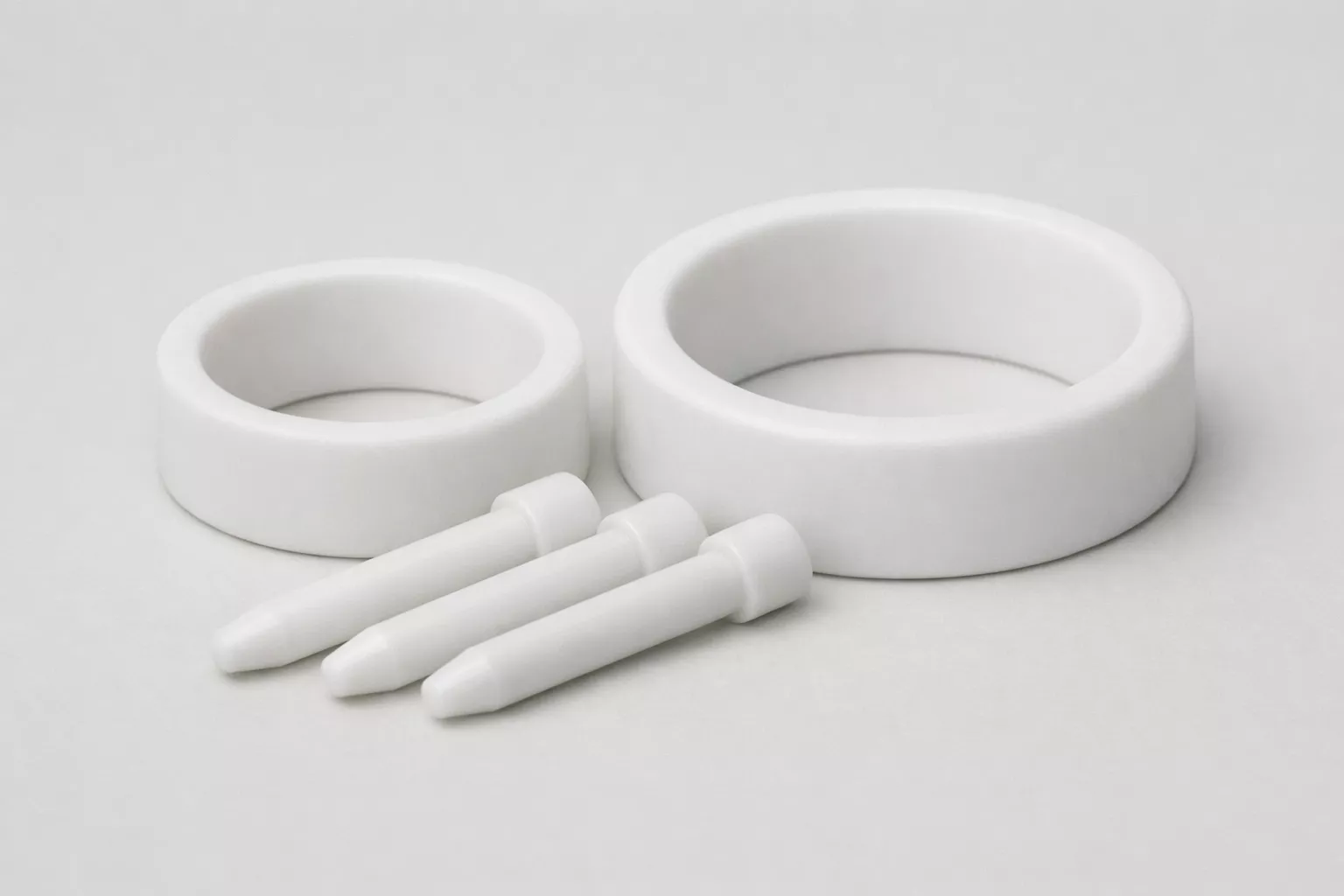
Alumina Ceramic Boat performance often becomes the hidden limiter of kiln stability, especially when warpage, uneven burnoff, or unexpected scrap emerges in industrial firing and debinding lines.
This article consolidates the full engineering logic of Alumina Ceramic Boat selection and management for setter boat and kiln furniture systems, covering heat transfer, load deformation, combustion exposure, thermal shock, and lifecycle control within one technical narrative.
Accordingly, the discussion moves from functional positioning to line-level process control, so each decision about Alumina Ceramic Boat supports yield, reliability, and predictable kiln performance.
Before material grades or kiln settings are compared, the functional position of the alumina combustion boat must be established. Moreover, its structural and thermal behavior creates boundary conditions that production teams experience as stability or drift.
Functional Position of Alumina Combustion Boats in Kiln Furniture Systems
Alumina combustion boats in industrial kilns serve as both carriers and process interfaces, not merely as containers. Moreover, they couple mechanical load, heat transfer, and atmosphere exposure into a single physical platform that directly influences firing consistency. Therefore, production engineers should treat the boat as a controlled element within the kiln furniture system rather than an interchangeable accessory.
Load Bearing and Structural Interface in Continuous Firing Lines
In continuous firing lines, the alumina combustion boat becomes the first mechanical layer between green bodies and the kiln structure. In high-throughput operations, a single boat routinely carries 2–8 kg of parts or powder compacts depending on geometry and stacking pattern.
On a line running 24 hours with a takt time of 6–12 minutes, even minor boat deflection can propagate into part distortion. Operators often notice that a 0.3–0.6 mm sag at midspan produces uneven contact pressure, which then shifts shrinkage behavior during sintering. Consequently, dimensional scatter increases, especially for thin or long components.
Therefore, the alumina combustion boat functions as a structural datum, and its stiffness under load is directly linked to dimensional repeatability.
Thermal Mediation Between Product and Furnace Atmosphere
Industrial kilns impose aggressive thermal flux, and the combustion boat shapes how that flux is delivered to the product. In sintering zones above 1400–1650 °C, radiative heating dominates, yet conduction through kiln furniture contacts still establishes local temperature gradients.
In practice, production teams frequently observe temperature differentials of 8–20 °C across densely loaded boats, even when kiln thermocouples remain stable. This happens because the boat absorbs and re-radiates heat, while also shielding parts from direct radiation depending on wall height and profile. Moreover, during debinding1 or binder burnout2, gas exchange near the part surface is influenced by how the boat channels airflow.
Accordingly, boat geometry and thermal mass mediate both temperature uniformity and atmosphere access, shaping burnoff completeness and sintering homogeneity.
Why Combustion Boat Design Shapes Sintering Consistency
Sintering consistency depends on repeatable thermal history and uniform constraint. Although kiln recipes are usually standardized, the combustion boat quietly introduces variance when its shape, mass, or surface condition changes over time.
In a typical advanced ceramic line, a boat used for 80–150 cycles can accumulate subtle surface roughness and localized glazing. Operators may first notice increased sticking or inconsistent powder release, and scrap rates can rise by 2–6% when parts experience uneven seating or local atmosphere stagnation. These issues rarely appear suddenly; instead, they develop progressively as the boat ages and deforms microscopically.
Thus, combustion boat design and lifecycle control are direct levers for yield stability, especially when product tolerances tighten and debinding windows narrow.
Summary of Functional Contributions in Kiln Furniture Systems
| Functional Domain | Typical Range | Production Consequence |
|---|---|---|
| Payload per boat (kg) | 2–8 | Influences sag and part distortion |
| Takt time (min) | 6–12 | Sets thermal and handling stress frequency |
| Sintering zone temperature (°C) | 1400–1650 | Drives radiative dominance and creep risk |
| Cross-boat temperature spread (°C) | 8–20 | Alters shrinkage uniformity |
| Drift after reuse (cycles) | 80–150 | Increases sticking and scrap variability |
Before thermal behavior and deformation mechanisms are evaluated, the intrinsic material properties of alumina combustion boats must be clarified. Moreover, long-cycle industrial sintering exposes material limits that short laboratory trials rarely reveal.
Material Properties of Alumina Combustion Boats at Industrial Temperatures
Alumina combustion boats are selected for industrial sintering primarily because their material properties remain stable under sustained high-temperature exposure. Moreover, purity level, microstructural density, and thermal expansion behavior collectively define whether boats maintain geometry and load-bearing capability across thousands of firing hours.
Alumina Purity and Phase Stability in Long Cycle Sintering
Alumina purity governs phase stability during prolonged industrial sintering. High-purity alumina above 99.5 wt% Al₂O₃ remains in the α-alumina phase throughout continuous operation up to 1700 °C, avoiding phase-induced volume change.
In contrast, alumina bodies containing higher glassy-phase content begin to soften above 1350–1450 °C during long dwell cycles exceeding 6–10 hours. Production engineers often observe gradual warpage rather than sudden failure, which accumulates unnoticed until part alignment issues appear. This slow deformation directly affects stacking precision and heat exposure consistency.
Therefore, high-purity alumina combustion boats provide phase-stable geometry, supporting predictable sintering behavior over extended production campaigns.
Microstructure Density and Creep Resistance Under Load
Microstructural density directly influences creep resistance at elevated temperatures. Dense alumina combustion boats typically exhibit bulk densities above 3.85 g·cm⁻³, which limits grain boundary sliding under sustained load.
In industrial settings where boats support static loads of 2–8 kg at temperatures above 1500 °C, creep strain can accumulate at rates of 10⁻⁶–10⁻⁵ h⁻¹ depending on density and grain size. Operators frequently notice that low-density boats show measurable midspan deflection after 100–200 cycles, while dense bodies maintain flatness for significantly longer periods.
Accordingly, high-density microstructures enhance creep resistance, preserving load distribution and dimensional stability in setter boat systems.
Thermal Expansion Compatibility with Kiln Furniture Assemblies
Thermal expansion compatibility determines how alumina combustion boats interact with adjacent kiln furniture components. Alumina exhibits a coefficient of thermal expansion near 8.0 × 10⁻⁶ K⁻¹ between ambient temperature and 1000 °C.
When boats are paired with supports made from mullite, cordierite, or composite kiln plates, mismatched expansion can introduce contact stress during heating and cooling. In continuous kilns, this mismatch may generate edge chipping or localized stress marks after 50–80 cycles. Engineers who align expansion characteristics across the furniture stack report reduced cracking incidence and smoother thermal transitions.
Thus, thermal expansion matching across kiln furniture assemblies minimizes stress concentration, extending overall system service life.
Summary of Alumina Material Property Impacts in Industrial Sintering
| Material Parameter | Typical Value | Operational Impact |
|---|---|---|
| Alumina purity (wt%) | ≥99.5 | Phase stability above 1500 °C |
| Bulk density (g·cm⁻³) | ≥3.85 | Improved creep resistance |
| Creep strain rate (h⁻¹) | 10⁻⁶–10⁻⁵ | Long-term flatness retention |
| Thermal expansion (K⁻¹) | ~8.0 × 10⁻⁶ | Stress compatibility |
| Deformation onset (cycles) | >100 | Predictable lifecycle control |
Before mechanical deformation and service life are addressed, heat transfer behavior must be examined under real industrial kiln conditions. Moreover, alumina combustion boats actively shape how thermal energy reaches products across firing zones.
Heat Transfer Behavior in Industrial Kilns
In industrial kilns, heat transfer is governed by radiation, conduction, and limited convection. Therefore, alumina combustion boats influence temperature uniformity, thermal lag, and local hot spots that directly affect sintering outcomes.
Radiative Dominance in High Temperature Sintering Zones
At sintering temperatures above 1400 °C, radiative heat transfer becomes the dominant mechanism. Alumina combustion boats absorb and re-emit radiant energy, acting as secondary radiators within the kiln chamber.
In practice, production teams observe that boats with thicker walls or higher thermal mass introduce heating delays of 5–15 minutes before parts reach equilibrium. This delay becomes critical in short-cycle processes, where insufficient soak time leads to under-sintered zones. Conversely, well-balanced boat profiles smooth radiant fluctuations, reducing peak-to-peak temperature variation across parts by 6–12 °C.
Accordingly, radiative interaction between kiln walls and combustion boats controls thermal uniformity, especially in high-temperature zones.
Conductive Paths Through Kiln Furniture Stacks
Conduction occurs where alumina combustion boats contact setters, plates, or rollers. These contact points create thermal bridges that can either stabilize or distort temperature distribution.
In stacked kiln furniture systems, conductive heat flow through contact interfaces can account for 15–30% of total heat transfer into the boat. If contact area is uneven, localized overheating or cooling appears near edges or corners. Operators often notice discoloration or differential shrinkage in products placed above these regions.
Thus, controlled contact geometry and flatness are essential to maintain consistent conductive heat paths through the kiln furniture stack.
Impact of Boat Geometry on Temperature Uniformity
Boat geometry determines how heat is distributed across the load surface. Shallow, open profiles promote even exposure, while deep walls can shield products from direct radiation.
Measurements in industrial tunnel kilns show that deep-wall boats may exhibit internal temperature gradients of 10–25 °C across the load width. Over repeated cycles, these gradients translate into variable densification and inconsistent mechanical properties. Adjusting wall height by as little as 5–8 mm often reduces internal gradients significantly.
Therefore, geometry optimization of alumina combustion boats directly improves temperature uniformity, supporting stable sintering results across production batches.
Summary of Heat Transfer Characteristics in Industrial Kilns
| Heat Transfer Aspect | Typical Contribution | Process Effect |
|---|---|---|
| Radiative dominance (%) | 60–75 | Controls peak temperature |
| Conductive contribution (%) | 15–30 | Creates local gradients |
| Heating delay (min) | 5–15 | Affects soak effectiveness |
| Internal gradient (°C) | 10–25 | Drives densification variance |
| Geometry adjustment (mm) | 5–8 | Improves uniformity |
Before chemical exposure and thermal shock are discussed, mechanical load behavior must be evaluated. Moreover, deformation of alumina combustion boats under industrial load conditions often defines the true service limit in sintering lines.
Mechanical Load Distribution and Deformation Risk
In industrial kiln furniture systems, alumina combustion boats experience sustained mechanical loading at elevated temperatures. Therefore, load distribution, creep behavior, and stress concentration directly influence dimensional stability and product quality over repeated firing cycles.
Static Load from Green Bodies and Stacked Products
During loading, alumina combustion boats support the combined mass of green bodies, setters, and occasionally stacked components. In advanced ceramic production, static loads typically range from 2–8 kg per boat, with localized contact pressures forming beneath dense part clusters.
In practice, uneven loading leads to asymmetric stress distribution across the boat span. Production engineers frequently observe that load offsets of 10–15 mm from the geometric center increase midspan deflection by 20–35% compared with centered loads. This deflection alters part seating angles, which then propagates into non-uniform shrinkage during sintering.
Consequently, uniform load placement is essential to minimize bending stress and preserve dimensional repeatability.
High Temperature Creep and Long Term Shape Retention
At sintering temperatures above 1450 °C, alumina combustion boats are subject to time-dependent creep. Although α-alumina maintains structural integrity, grain boundary sliding occurs under sustained stress.
Field data from continuous kiln lines indicate creep strain accumulation rates of 10⁻⁶–10⁻⁵ h⁻¹ under typical production loads. Over 100–200 firing cycles, this strain manifests as permanent sagging of 0.3–0.8 mm, depending on span length and wall thickness. Such deformation rarely causes immediate failure but gradually disrupts stacking geometry.
Therefore, creep resistance governs long-term shape retention, making it a critical design consideration for industrial combustion boats.
Stress Concentration at Edges Corners and Contact Points
Stress concentration arises at geometric discontinuities, including sharp corners, thin wall transitions, and point contacts with underlying kiln furniture. These regions experience amplified tensile stress during heating and cooling.
In industrial observations, edge cracking or chipping often initiates after 50–80 cycles, particularly where contact points coincide with thermal gradients. Rounded edges and reinforced contact zones reduce peak stress intensity by approximately 15–25%, delaying crack initiation and extending service life.
Thus, geometry refinement at stress concentration zones mitigates deformation risk, enhancing mechanical reliability under cyclic loading.
Summary of Mechanical Load and Deformation Factors
| Mechanical Factor | Typical Range | Operational Impact |
|---|---|---|
| Static load per boat (kg) | 2–8 | Bending stress magnitude |
| Load offset (mm) | 10–15 | Deflection amplification |
| Creep strain rate (h⁻¹) | 10⁻⁶–10⁻⁵ | Long-term sagging |
| Permanent deflection (mm) | 0.3–0.8 | Stacking misalignment |
| Stress reduction via rounding (%) | 15–25 | Extended service life |
Before lifecycle management and replacement planning are addressed, resistance to rapid temperature change must be evaluated. Moreover, thermal shock failure often emerges unexpectedly in high-throughput industrial sintering lines.
Thermal Shock Resistance and Rapid Cycling Conditions
Alumina combustion boats in industrial kilns are repeatedly exposed to rapid heating and cooling during loading, firing, and unloading. Therefore, thermal shock resistance becomes a decisive factor for maintaining structural integrity under accelerated production schedules.
Heating Rate Effects During Kiln Ramp Up
Industrial sintering lines commonly employ heating rates of 3–8 °C·min⁻¹ during ramp-up to maximize throughput. Under these conditions, temperature gradients develop across the thickness of the alumina combustion boat.
In production environments, operators frequently observe that heating rates exceeding 6 °C·min⁻¹ increase edge-to-core temperature differentials by 15–30 °C. This differential induces tensile stress at the surface, especially near corners and contact points. Boats with insufficient wall thickness uniformity tend to develop microcracks after 40–70 cycles, even though bulk strength remains unchanged.
Accordingly, controlled heating profiles and uniform wall design reduce thermal shock accumulation, stabilizing performance under aggressive ramp conditions.
Cooling Stress During Unloading and Transfer
Cooling introduces equally severe thermal gradients, particularly when boats exit hot zones into ambient environments. In tunnel kilns, boats may experience surface cooling rates above 10 °C·min⁻¹ during unloading.
Field experience shows that abrupt exposure to ambient air can generate thermal stress exceeding 60–70% of alumina’s flexural strength at elevated temperatures. Cracking often initiates at thin sections or near support contacts. Plants that implement staged cooling or shielding report a reduction in crack-related scrap by 20–35%.
Thus, cooling management is as critical as heating control in preserving combustion boat integrity.
Repeated Thermal Cycling and Microcrack Accumulation
Thermal shock damage accumulates gradually through microcrack initiation and propagation. Each cycle may introduce microscopic flaws that remain invisible until they coalesce.
In industrial usage, alumina combustion boats subjected to 100–200 thermal cycles often exhibit stiffness reduction of 5–10%, even without visible cracking. This loss manifests as increased deflection under load and subtle dimensional drift. Once microcrack density reaches a threshold, failure probability rises sharply.
Therefore, cycle count monitoring and proactive inspection are essential to manage thermal shock-related degradation.
Summary of Thermal Shock Influences in Industrial Sintering
| Thermal Shock Factor | Typical Value | Operational Consequence |
|---|---|---|
| Heating rate (°C·min⁻¹) | 3–8 | Surface-core gradient |
| Cooling rate (°C·min⁻¹) | >10 | Tensile stress generation |
| Temperature differential (°C) | 15–30 | Crack initiation risk |
| Crack reduction via staged cooling (%) | 20–35 | Improved service life |
| Stiffness loss after cycling (%) | 5–10 | Increased deformation |
Before line-level optimization and supplier collaboration are discussed, chemical exposure during combustion and debinding must be evaluated. Moreover, alumina combustion boats often operate in chemically aggressive atmospheres that accelerate surface degradation.
Chemical Stability During Combustion and Debinding
Alumina combustion boats encounter reactive gases, volatilized binders, and transient condensates during debinding and burnout. Therefore, chemical stability under mixed atmospheres directly affects surface integrity, sticking behavior, and long-term reusability within industrial sintering systems.
Interaction with Binder Decomposition Products
During debinding, organic binders decompose into hydrocarbons, CO, CO₂, and trace acidic species. These gases interact with hot alumina surfaces, particularly within 300–600 °C where partial oxidation is incomplete.
Production lines report that boats exposed to high binder loading experience surface glazing or carbonaceous deposits after 20–40 cycles. These deposits reduce surface wettability and increase adhesion risk during subsequent high-temperature steps. By contrast, dense alumina with low open porosity limits adsorption depth, reducing deposit buildup by 30–45%.
Accordingly, low-porosity alumina surfaces improve chemical resilience during repeated debinding cycles.
Resistance to Alkali and Fluxing Contaminants
In some ceramic formulations, alkali-bearing additives or residual salts volatilize and condense on kiln furniture. At temperatures above 1200 °C, these species can react with alumina to form low-melting phases.
Industrial observations show that localized alkali attack initiates surface pitting after 60–100 cycles, especially near exhaust paths. Once fluxing occurs, surface softening promotes sticking and accelerates wear. Plants that specify higher-purity alumina and smoother surface finishes report a 25–40% reduction in flux-related damage.
Thus, chemical resistance to alkali species is essential for maintaining surface integrity in combustion boats.
Atmosphere Variability and Oxidation Potential
Industrial kilns often transition between oxidizing, neutral, and mildly reducing atmospheres. Alumina itself remains chemically stable; however, atmosphere variability influences surface reactions with contaminants.
In mixed-atmosphere kilns, operators note that fluctuating oxygen potential can alter deposit chemistry, making residues harder to remove mechanically. Boats used in stable oxidizing environments typically retain consistent surface condition over 80–120 cycles, whereas variable atmospheres shorten effective service intervals.
Therefore, process atmosphere consistency supports predictable chemical stability, extending alumina combustion boat usability.
Summary of Chemical Stability Considerations
| Chemical Exposure Factor | Typical Range | Operational Impact |
|---|---|---|
| Debinding temperature (°C) | 300–600 | Deposit formation risk |
| Deposit reduction with low porosity (%) | 30–45 | Improved cleanliness |
| Alkali attack onset (cycles) | 60–100 | Surface pitting |
| Damage reduction via purity upgrade (%) | 25–40 | Extended surface life |
| Stable atmosphere service interval (cycles) | 80–120 | Predictable reuse |
Before procurement decisions and line optimization are finalized, service life behavior must be evaluated at the system level. Moreover, lifecycle management of alumina combustion boats determines both process stability and maintenance predictability.
Service Life Management and Replacement Strategy
Alumina combustion boats in industrial sintering systems rarely fail abruptly; instead, their performance degrades progressively. Therefore, managing service life through monitoring, rotation, and planned replacement is essential for maintaining consistent kiln output and avoiding unplanned downtime.
Progressive Deformation and Flatness Drift
Over repeated high-temperature cycles, alumina combustion boats experience gradual deformation driven by creep, microcracking, and surface wear. In continuous production lines, measurable flatness drift of 0.2–0.5 mm commonly appears after 120–180 cycles, even when no visible cracks are present.
Operators often report that this drift manifests first as uneven part contact or subtle rocking during loading. Although products may initially remain within tolerance, dimensional scatter increases steadily. If boats continue in service beyond this threshold, rejection rates can rise by 3–7% due to compounded seating inconsistencies.
Thus, flatness monitoring provides an early indicator of end-of-life, enabling proactive intervention before yield loss escalates.
Rotation and Zoning Practices in Kiln Lines
To extend usable life, many plants implement rotation strategies that redistribute thermal and mechanical exposure. Boats are periodically moved between hotter and cooler kiln zones or between high-load and low-load product assignments.
Field data indicate that systematic rotation every 20–30 cycles reduces peak deformation accumulation by 15–25% compared with fixed-position usage. Moreover, zoning practices help equalize chemical exposure, limiting localized flux attack. Without rotation, boats positioned near exhaust zones typically fail 30–40% sooner than those in more stable environments.
Accordingly, rotation and zoning slow degradation rates, improving lifecycle predictability across the fleet.
Criteria for Planned Replacement
Effective replacement strategies rely on measurable criteria rather than visual inspection alone. Plants commonly define end-of-life thresholds based on deflection, surface condition, and cycle count.
Typical replacement triggers include permanent deflection exceeding 0.6–0.8 mm, visible edge cracking, or completion of 180–250 cycles, depending on load and temperature profile. Facilities that adhere to planned replacement schedules report reduced emergency stoppages and smoother production planning.
Therefore, quantified replacement criteria stabilize operations, aligning maintenance actions with production objectives.
Summary of Service Life Control Parameters
| Lifecycle Parameter | Typical Threshold | Operational Outcome |
|---|---|---|
| Flatness drift (mm) | 0.2–0.5 | Early degradation signal |
| Rotation interval (cycles) | 20–30 | Slower deformation |
| Life reduction without rotation (%) | 30–40 | Accelerated failure |
| Replacement deflection (mm) | 0.6–0.8 | Prevents scrap escalation |
| Total service cycles | 180–250 | Planned lifecycle window |
Before industrial sintering lines reach stable long-term operation, engineering collaboration becomes a decisive factor. Moreover, customization guided by process data aligns alumina combustion boats with real kiln conditions rather than theoretical specifications.
Engineering Customization and One Stop Support from ADCERAX
ADCERAX supports industrial heat treatment and advanced ceramic sintering lines by integrating alumina combustion boat design with kiln structure, load patterns, and firing profiles. Furthermore, customization is executed through engineering validation rather than dimensional adjustment alone, ensuring compatibility with setter boat and kiln furniture systems.
ADCERAX begins with process boundary analysis, reviewing peak temperature ranges typically between 1350–1700 °C, cycle duration, and thermal gradients observed across the kiln. Subsequently, alumina purity, density, and wall thickness are selected to balance creep resistance and thermal shock tolerance under specific load conditions. This approach reduces uncontrolled deformation and improves dimensional repeatability across production batches.
Beyond fabrication, ADCERAX provides application-oriented recommendations, including load distribution guidance, rotation intervals, and replacement thresholds derived from industrial references exceeding 200 firing cycles. Combined with batch-level inspection, flatness control, and traceable documentation, this one-stop support enables production teams to stabilize yield while minimizing unplanned maintenance.
Summary of ADCERAX Engineering Support Capabilities
| Support Dimension | Typical Scope | Line-Level Benefit |
|---|---|---|
| Temperature alignment (°C) | 1350–1700 | Stable phase behavior |
| Load optimization (kg) | 2–8 | Reduced creep deformation |
| Geometry customization (mm) | ±1–5 | Uniform heat exposure |
| Validated service cycles | 180–250 | Predictable replacement |
| Process documentation | Batch-based | Reduced variability |
Conclusion
Alumina combustion boats shape thermal uniformity, mechanical stability, and chemical resilience in industrial sintering systems. Consequently, controlled selection and lifecycle management directly support yield consistency and long-term kiln reliability.
ADCERAX provides customized alumina combustion boats engineered for your specific kiln furniture system and firing profile. Share your operating conditions to receive targeted engineering recommendations.
FAQ
What differentiates an alumina combustion boat from standard kiln setters?
Alumina combustion boats combine load carrying, atmosphere exposure, and thermal mediation within one component, whereas setters primarily provide structural support.
How many firing cycles can an alumina combustion boat typically sustain?
In industrial sintering lines, service life commonly ranges from 180–250 cycles, depending on temperature, load, and thermal shock severity.
Why does flatness drift matter if no cracks are visible?
Flatness drift alters part seating and heat exposure, which gradually increases dimensional scatter and scrap rates before visible damage appears.
Can alumina combustion boats be customized for non-standard kiln layouts?
Yes. Geometry, wall thickness, and material grade can be tailored to match tube furnaces, box kilns, or continuous tunnel kiln configurations.
References: