Alumina Plate mistakes can destabilize chemical and energy modules; consequently, sealing drift, corrosion carryover, and thermal misalignment appear long before obvious structural damage.
This article consolidates Alumina Plate selection logic for chemical processing, energy conversion, and environmental abatement modules, emphasizing coupled thermal chemical mechanical constraints that dictate stability across pilot and industrial deployments.
Accordingly, the discussion progresses from operating envelopes to material architecture, interface behavior, and validation routines, enabling module designers to specify Alumina Plate with fewer redesign loops and higher first-pass reliability.
Moreover, functional modules rarely fail from a single extreme. Instead, they degrade through small constraint errors, trace contamination, and slow property drift that compounds across cycles. Therefore, the first step is to define operating conditions precisely enough that every later Alumina Plate decision remains traceable.
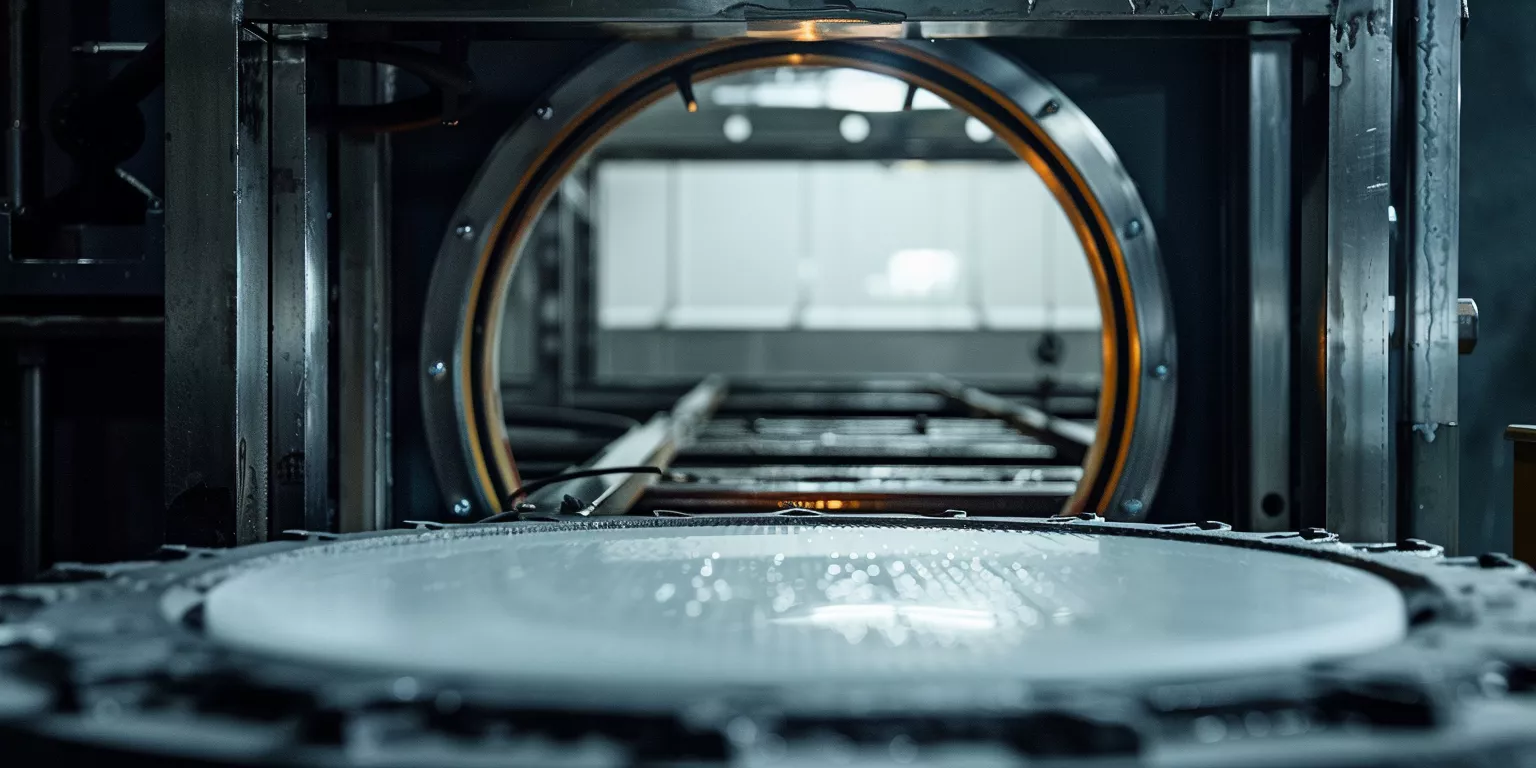
Before selecting grade, thickness, or machining tolerances, module designers must lock the operating envelope, because media chemistry, temperature history, and pressure-driven loading govern all Alumina Plate risk modes.
Operating Conditions in Chemical Energy Environmental Modules
Operating conditions in chemical, energy, and environmental modules are defined by interacting drivers rather than by isolated setpoints. Furthermore, media composition and temperature gradients vary across channels, baffles, and interfaces, thereby producing localized attack and stress concentrations. Consequently, Alumina Plate must be specified against the harshest micro-environment, not the average process condition.
In field deployments, designers often discover that “stable” recipes become unstable after scale-up, because flow maldistribution and thermal lag shift boundary conditions at the plate surface. Therefore, operating conditions must include temperature-time exposure, pressure and flow transients, and contaminant sources from upstream units, insulation, or catalysts.
Temperature and Pressure Profiles in Process Modules
Temperature and pressure profiles determine whether Alumina Plate experiences benign stability or accelerated degradation. In chemical skids and abatement modules, steady-state temperatures often sit in the 200–900 °C band, while localized hot zones can exceed the bulk by 30–120 °C due to exothermic reactions or heater proximity. Similarly, pressure may remain modest in nominal operation, yet surge events of 0.2–1.0 MPa above baseline can occur during valve closures, purge transitions, or compressor trips.
During a pilot validation run, designers frequently observe that plates survive continuous operation but develop edge microcracks after repeated thermal transients. For example, a module cycling between 80 °C and 600 °C with ramp segments near 8–15 °C/min can initiate cracks within 200–500 cycles if the plate is rigidly constrained. Consequently, the thermal profile must include ramp rates and dwell sequencing, not merely peak values.
Therefore, the operating envelope should be documented as a temperature-time-pressure map with transient annotations. Modules with frequent ramps and purge events typically demand thermal shock tolerance and compliant mounting, even when peak temperature appears moderate.
Chemical Media and Process Atmospheres
Chemical media governs surface stability, permeation risk, and interface compatibility. In chemical and environmental systems, Alumina Plate may be exposed to acids, alkalis, solvents, condensates, or salt-bearing aerosols, often with mixed oxidizing and reducing atmospheres. For instance, chloride-bearing streams can promote aggressive interfacial corrosion when combined with moisture, while sulfur-bearing species can deposit films that change emissivity and local heat flux.
In abatement modules, designers often underestimate trace contaminants1 because bulk composition appears clean. However, deposition rates as low as 0.5–2.0 mg/cm² per 100 hours can form insulating or conductive surface films, thereby shifting thermal gradients by 10–20% in heater-adjacent zones. As a result, Alumina Plate may experience stress redistribution and localized overheating even without visible chemical attack.
Accordingly, media definition should include trace species and carryover mechanisms from upstream units. A “clean” atmosphere with trace salts or condensables can be more damaging than a harsher bulk gas, because deposits concentrate at cold spots and interfaces.
Dynamic Load and Flow Induced Stress
Dynamic loads arise from flow pulsation, vibration, and pressure oscillation in piping and modular frames. Moreover, these loads often couple with temperature-dependent stiffness changes in metals and seals, thereby shifting constraint patterns during operation. Consequently, a plate that appears mechanically secure at room temperature may become over-constrained at operating temperature.
In energy and chemical skids, vibration levels of 2–10 mm/s RMS are common near rotating equipment, and resonance can amplify local accelerations beyond 3–5 g at bracketed mounting points. Over time, these vibrations can promote fretting at ceramic-metal interfaces, which initiates microdamage that later propagates under thermal cycling. Therefore, dynamic load evaluation should include both vibration spectra and mounting stiffness.
Hence, designers should treat flow-induced stress as a lifecycle variable rather than a commissioning-only concern. If dynamic loads are present, compliant interface layers and controlled contact geometry become primary reliability levers, not optional refinements.
Summary of Operating Envelope Parameters
| Operating envelope variable | Typical module band | Dominant Alumina Plate risk | Engineering control lever |
|---|---|---|---|
| Bulk operating temperature (°C) | 200–900 | Deposits and gradients | Thermal zoning |
| Local hot-spot offset (°C) | 30–120 | Bending stress | Heater distance |
| Peak pressure surge (MPa) | 0.2–1.0 | Constraint shift | Mount compliance |
| Ramp rate (°C/min) | 5–15 | Thermal shock cracking | Ramp discipline |
| Cycle count (cycles) | 200–500+ | Fatigue propagation | Edge design |
| Deposition rate (mg/cm²/100 h) | 0.5–2.0 | Emissivity drift | Upstream filtration |
| Vibration level (mm/s RMS) | 2–10 | Interface fretting | Isolation mounts |
Material Basis of Alumina Plate Selection
Alumina Plate performance in chemical, energy, and environmental systems emerges from its material architecture rather than from nominal purity alone. Moreover, grain structure, glassy phase content, and defect population interact with thermal and chemical loads. Consequently, material basis must be evaluated as an integrated system property set.
In practice, designers often default to “high purity” assumptions. However, plates with similar Al₂O₃ content can behave very differently once exposed to cycling, contaminants, and constraint. Therefore, understanding the material basis prevents specification gaps that surface only after commissioning.
Alumina Purity and Microstructural Stability
Alumina purity directly influences grain boundary chemistry and high-temperature stability. Plates in the 95–96% Al₂O₃ range typically contain silicate-rich glassy phases that soften above 1100–1200 °C, whereas 99%+ alumina maintains grain boundary rigidity closer to 1500 °C. As a result, higher purity plates show reduced creep and less edge rounding during prolonged exposure.
During a chemical reactor retrofit, a process team observed that 96% alumina plates warped subtly after 300 hours at 950 °C, while 99.5% alumina plates retained flatness within ±0.08 mm under identical conditions. This difference traced back to grain boundary viscous flow rather than bulk strength loss. Therefore, purity selection must consider time-at-temperature, not just peak limits.
Accordingly, high-purity alumina improves dimensional retention and fatigue resistance, especially in modules where plates act as structural references rather than passive liners.
Grain Size Distribution and Defect Sensitivity
Grain size governs fracture initiation and crack propagation paths. Fine-grained alumina plates, typically with average grain sizes of 2–5 µm, distribute thermal stress more uniformly than coarse-grained plates exceeding 10 µm. Consequently, fine microstructures exhibit higher thermal shock tolerance under identical ramp conditions.
In pilot-scale heaters, engineers frequently note that plates with coarse grains develop edge chipping after 150–250 thermal cycles, whereas fine-grained plates withstand 400+ cycles before comparable damage appears. This improvement arises because crack tips encounter more grain boundaries, which deflect and blunt propagation. Thus, grain size becomes a silent reliability multiplier.
Therefore, when thermal cycling exceeds 5 °C/min or when purge-induced shocks are frequent, fine-grained alumina should be prioritized even if nominal strength values appear similar.
Glass Phase Content and Chemical Interaction
Residual glass phases2 determine chemical resistance under aggressive media. Even at low volume fractions, siliceous glass can react with alkalis, chlorides, or condensates, forming low-melting films that accelerate surface degradation. In environmental abatement systems, this interaction often manifests as localized surface dulling or micro-pitting rather than catastrophic failure.
For example, exposure to alkaline condensates at pH 10–12 has been shown to increase surface roughness by 30–60% over 500 hours on lower-purity alumina plates. By contrast, high-purity plates exhibit roughness changes below 10% under the same conditions. Hence, glass phase control directly affects surface longevity.
As a result, chemical compatibility is governed less by bulk Al₂O₃ content and more by residual glass chemistry, which must align with the process atmosphere.
Thermal Conductivity and Stress Redistribution
Thermal conductivity influences how temperature gradients develop across the plate. Alumina plates typically exhibit conductivity values between 20–30 W/m·K at room temperature, decreasing with temperature rise. Plates with higher conductivity smooth gradients, thereby reducing bending stress near heater interfaces.
In energy conversion modules, designers have measured temperature differentials of 45–70 °C across low-conductivity plates versus 25–40 °C across optimized grades under identical heating power. Consequently, stress concentration at mounting points drops proportionally, extending service life. Thus, conductivity becomes a mechanical as well as thermal parameter.
Accordingly, thermal conductivity should be treated as a stress-mitigation tool, not merely a heat-transfer metric.
Summary of Material Basis Parameters
| Material parameter | Typical range | Operational implication | Design priority |
|---|---|---|---|
| Alumina purity (%) | 95–99.8 | Creep and glass softening | Time-at-temperature |
| Average grain size (µm) | 2–10 | Thermal shock tolerance | Cycling severity |
| Glass phase content (%) | <1–5 | Chemical reactivity | Media compatibility |
| Thermal conductivity (W/m·K) | 20–30 | Gradient smoothing | Stress control |
| Flexural strength (MPa) | 300–400 | Load bearing margin | Constraint design |
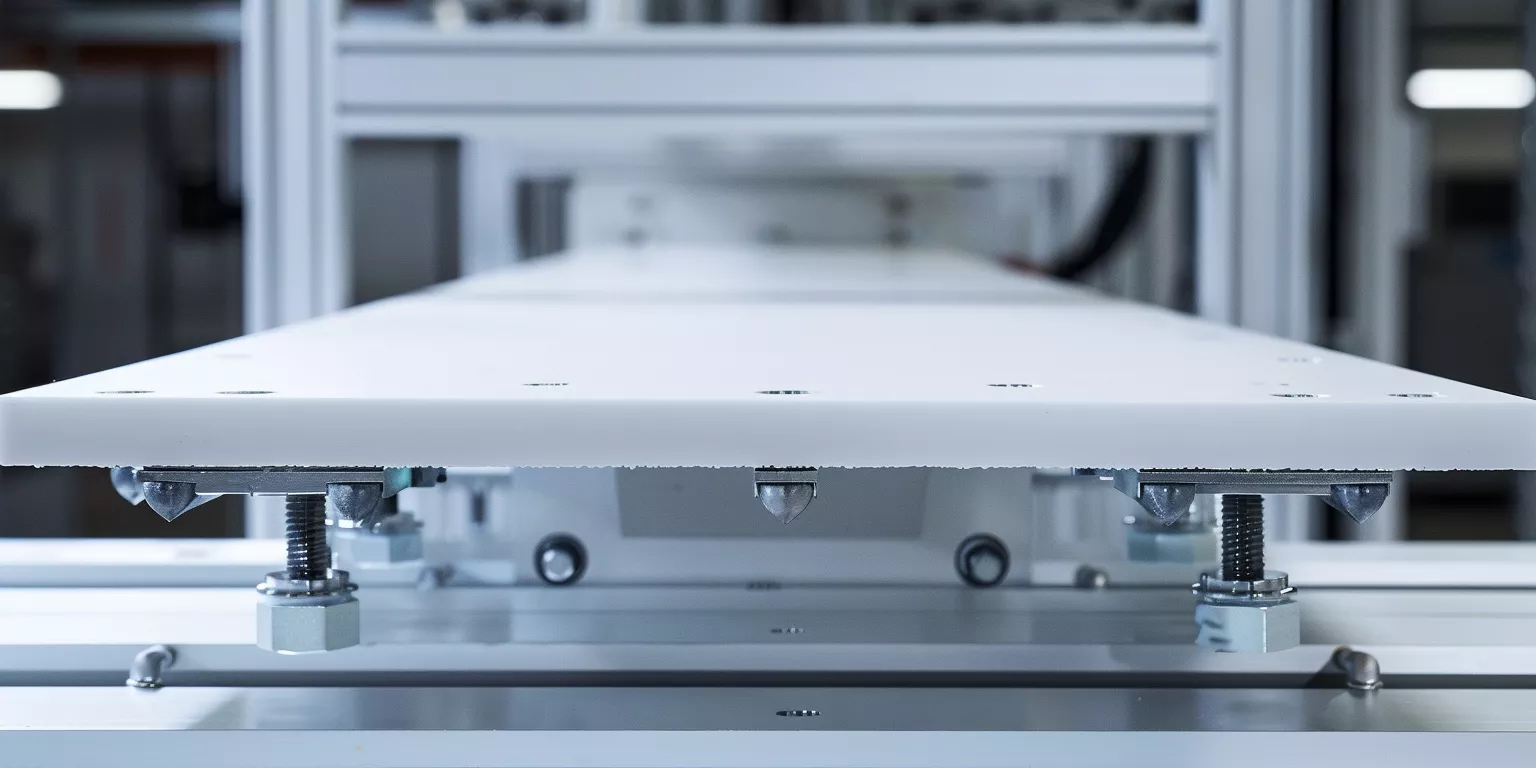
Before mechanical details are addressed, it is essential to recognize that Alumina Plate failure in chemical, energy, and environmental systems most often originates from constraint mismanagement rather than from insufficient material strength.
Mechanical Integration and Constraint Management
Alumina Plate behaves elastically brittle, with negligible plastic accommodation once stress exceeds the elastic limit. Therefore, mechanical integration governs reliability more strongly than nominal strength values. Moreover, constraint conditions imposed by frames, bolts, or surrounding metals frequently dominate the stress state during operation.
In real systems, designers often underestimate how thermal expansion mismatch accumulates stress over time. Consequently, plates that appear stable during initial testing may crack after extended service or repeated start–stop cycles. Thus, constraint-aware integration becomes a primary design discipline rather than a secondary installation detail.
Thermal Expansion Mismatch and Stress Accumulation
Alumina Plate exhibits a coefficient of thermal expansion (CTE) of approximately 7.5–8.5 ×10⁻⁶ /K, whereas common steels range from 11–13 ×10⁻⁶ /K. As a result, temperature excursions of 500 °C can generate differential strain exceeding 0.15% across constrained interfaces. This mismatch translates directly into tensile stress within the ceramic.
In a flue-gas treatment module, rigid steel frames clamped alumina plates without sliding allowance. After 120 cycles between ambient and 800 °C, radial cracks appeared near bolt holes despite stresses remaining below calculated static limits. Post-analysis revealed that accumulated thermal strain, not peak load, triggered failure. Therefore, expansion compatibility must be evaluated over cycles, not snapshots.
Accordingly, mechanical allowance for differential expansion is non-negotiable when Alumina Plate interfaces with metals.
Support Geometry and Load Path Distribution
Support geometry defines how load transfers into the plate. Point supports introduce localized stress concentrations, whereas line or surface supports distribute stress more uniformly. Consequently, identical plates can exhibit radically different lifetimes depending on support design.
Field data from chemical heater skids indicate that plates supported at four discrete corners experience edge stresses 2.5–3× higher than plates resting on continuous ceramic rails. Under steady loads of 0.3–0.5 MPa, corner-supported plates developed microcracks within 200 hours, while rail-supported plates operated beyond 1500 hours without visible damage. Thus, load path geometry outweighs thickness increases in many cases.
Therefore, optimizing support geometry often yields greater reliability gains than increasing plate thickness.
Fastening Methods and Local Stress Concentration
Fastening introduces unavoidable stress risers. Through-holes, countersinks, and bolt preload amplify local tensile stress, especially during heating. Alumina Plate typically tolerates compressive contact but performs poorly under localized tension.
During assembly of an environmental catalyst module, engineers reduced bolt preload from 8 Nm to 3 Nm and introduced compliant washers. This adjustment lowered measured edge strain by 40%, effectively eliminating crack initiation during commissioning. Hence, fastening strategy directly controls ceramic survivability.
As a result, fasteners should restrain position without enforcing rigidity, allowing controlled movement during thermal excursions.
Vibration and Dynamic Load Considerations
Although Alumina Plate is stiff, it is sensitive to cyclic tensile stress induced by vibration. Pumps, blowers, and gas flow pulsations introduce dynamic loads that superimpose onto thermal stress. Even low-amplitude vibration can shorten service life if resonant frequencies align.
Measurements in an energy recovery system showed that plates exposed to vibration levels above 5 g RMS experienced edge chipping within 300 hours, whereas identical plates isolated below 2 g RMS showed no damage after 1000 hours. Therefore, vibration isolation must be addressed at the system level.
Consequently, mechanical damping and isolation are as critical as static strength calculations.
Summary of Mechanical Integration Principles
| Integration factor | Typical value | Failure mechanism | Mitigation strategy |
|---|---|---|---|
| CTE mismatch (×10⁻⁶ /K) | 7.5–13 | Tensile cracking | Sliding interfaces |
| Support type | Point vs surface | Stress concentration | Continuous supports |
| Bolt preload (Nm) | 3–8 | Hole cracking | Reduced preload |
| Vibration level (g RMS) | 2–5 | Fatigue chipping | Isolation mounts |
| Load pressure (MPa) | 0.3–0.8 | Bending fracture | Load redistribution |
Before chemical compatibility is discussed, thermal shock behavior must be clarified, because temperature transients often dominate failure risk in chemical, energy, and environmental process modules.
Thermal Shock and Cycling Behavior in Process Modules
Alumina Plate experiences thermal shock when temperature gradients develop faster than stress can be redistributed through elastic deformation. Consequently, rapid heating, abrupt cooling, or asymmetric exposure creates tensile stress zones that exceed fracture limits even when average temperature remains moderate.
In industrial systems, thermal shock rarely occurs as a single extreme event. Instead, it accumulates through repeated start–stop cycles, purge sequences, or emergency shutdowns. Therefore, cycling behavior must be evaluated over hundreds of events rather than isolated temperature ramps.
Heating and Cooling Rate Sensitivity
Thermal shock resistance correlates strongly with temperature ramp rate. Alumina Plate generally tolerates heating rates below 3–5 °C/min without damage when uniformly exposed. However, localized heating can reduce the safe ramp threshold to 1–2 °C/min at edges or contact points.
In a waste-gas oxidation unit, plates positioned near radiant heaters experienced asymmetric heating. Although bulk ramp rates stayed within 4 °C/min, edge regions heated nearly 8 °C/min, leading to corner cracking after 90 cycles. This observation demonstrated that local gradients, not furnace setpoints, govern shock behavior. Thus, thermal uniformity becomes a primary design objective.
Accordingly, designers must assess local ramp conditions rather than relying on nominal system settings.
Plate Thickness and Thermal Gradient Formation
Thickness directly influences gradient development. Thicker Alumina Plate sections delay heat penetration, increasing surface-to-core temperature differences during rapid transients. As a result, bending stress rises with thickness under identical heating profiles.
Experimental data from pilot heaters show that 12 mm plates developed gradients of 60–70 °C across thickness during fast ramping, whereas 6 mm plates limited gradients to 30–35 °C. Consequently, thinner plates survived 2× more cycles before crack initiation. Therefore, thickness selection must balance mechanical stiffness against shock tolerance.
Hence, thicker is not inherently safer under cycling conditions, particularly in dynamic thermal environments.
Edge Conditions and Stress Concentration
Edges act as stress concentrators during thermal shock. Sharp corners amplify tensile stress, while rounded edges redistribute it more evenly. Even small geometric modifications can significantly alter shock performance.
During a chemical reactor upgrade, engineers introduced 2 mm edge radii on alumina plates. Subsequent testing showed a 45% increase in survivable thermal cycles compared to sharp-edged counterparts. This improvement occurred without changing material grade or thickness. Thus, edge treatment offers high return on minimal design effort.
As a result, edge geometry should be treated as a functional parameter, not a cosmetic detail.
Cycling Frequency and Fatigue Interaction
Repeated thermal cycling induces subcritical crack growth even below single-cycle failure thresholds. Microcracks extend incrementally with each cycle, eventually coalescing into visible fractures. Therefore, fatigue interaction must be included in lifetime projections.
In energy recovery modules operating at 4–6 cycles per day, alumina plates often accumulate 1000+ cycles annually. Field inspections reveal that plates designed solely for peak temperature may fail after 600–800 cycles, whereas fatigue-aware designs extend life beyond 2000 cycles. Hence, cycling frequency directly translates into maintenance intervals.
Consequently, thermal fatigue is a dominant aging mechanism in continuous-operation systems.
Summary of Thermal Shock Considerations
| Parameter | Typical range | Observed effect | Design implication |
|---|---|---|---|
| Heating rate (°C/min) | 1–5 | Gradient-induced stress | Control local ramps |
| Plate thickness (mm) | 6–12 | Through-thickness gradient | Optimize stiffness |
| Edge radius (mm) | 0–2 | Stress concentration | Rounded edges |
| Cycle count (cycles) | 500–2000 | Fatigue cracking | Lifetime planning |
| Gradient magnitude (°C) | 30–70 | Bending stress | Uniform exposure |
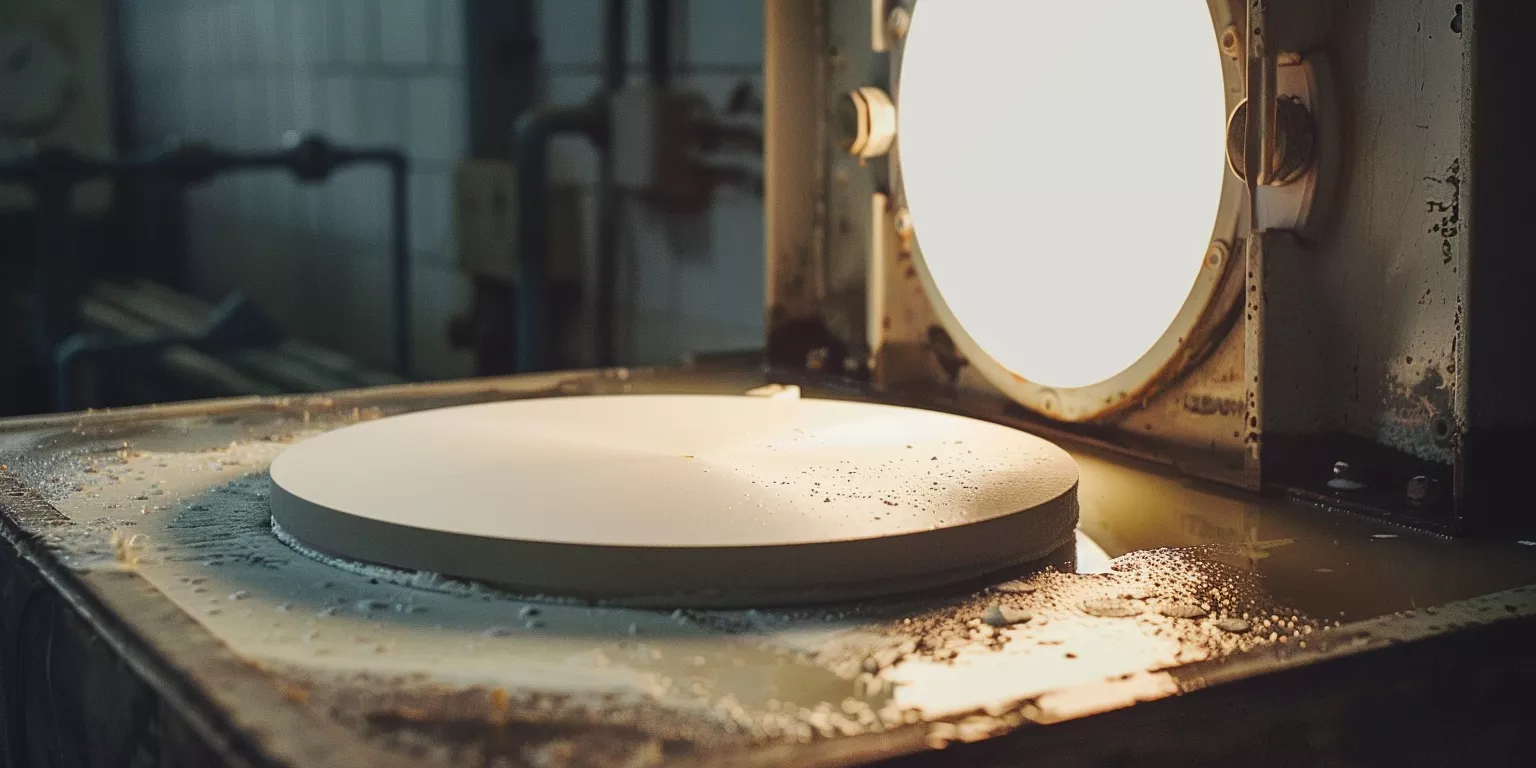
After thermal behavior is established, chemical exposure must be evaluated, because reactive media often dictate long-term stability more decisively than temperature alone.
Chemical Compatibility and Surface Stability in Process Media
Alumina Plate is widely selected for chemical, energy, and environmental systems due to its intrinsic chemical inertness. However, compatibility is not absolute. Instead, surface stability depends on media composition, temperature, flow regime, and exposure duration. Consequently, designers must evaluate real operating chemistry rather than relying on generic corrosion labels.
In process modules, chemical attack rarely manifests as rapid dissolution. Rather, it appears as gradual surface modification, grain-boundary weakening, or micro-roughening. Therefore, compatibility analysis must consider both short-term resistance and cumulative surface evolution.
Acidic Media Interaction
Alumina Plate exhibits excellent resistance to most inorganic acids at ambient and moderate temperatures. Sulfuric, nitric, and phosphoric acids typically cause negligible mass loss below 80 °C. However, at elevated temperatures, reaction kinetics accelerate.
In a flue gas desulfurization pilot unit, alumina plates exposed to 20 wt% H₂SO₄ at 95 °C showed surface roughness increases of 15–20% after 1200 hours, despite no visible cracking. Although structural integrity remained intact, surface energy changes affected downstream coating adhesion. This case illustrates that chemical stability does not imply surface invariance.
Thus, designers should account for surface evolution even when bulk corrosion is minimal.
Alkaline and Caustic Exposure
Alkaline environments present a different risk profile. Sodium and potassium hydroxides attack alumina more aggressively, particularly above 60–70 °C. The mechanism involves preferential dissolution at grain boundaries, leading to strength degradation.
Field data from wastewater neutralization modules show that continuous exposure to 5 wt% NaOH at 75 °C reduced flexural strength by 18–25% over 18 months. Although plates remained dimensionally stable, microstructural weakening increased sensitivity to thermal shock. Consequently, alkaline compatibility must be evaluated in conjunction with mechanical loading.
Therefore, alkaline resistance is a limiting factor for alumina in certain environmental systems.
Gas Phase and Reactive Atmospheres
In gas-phase applications, alumina generally performs well. Oxidizing atmospheres have minimal effect, while inert gases pose no chemical risk. However, specific reactive species introduce subtler challenges.
Halogen-containing gases and high-moisture streams can induce surface adsorption and localized reactions. In thermal oxidation units handling chlorinated off-gases, alumina plates developed surface discoloration and 5–8% roughness increase after 2000 hours at 900 °C. Although mass loss was negligible, surface condition changes influenced particle deposition behavior.
Accordingly, gas chemistry affects fouling and maintenance cycles even when corrosion is absent.
Liquid Flow and Erosion-Corrosion Coupling
When chemical exposure coincides with liquid flow, erosion-corrosion coupling becomes relevant. High-velocity streams amplify surface wear, especially at impingement zones.
Testing in chemical circulation loops demonstrated that alumina plates exposed to acidic slurry at 2.5 m/s experienced material loss rates 3× higher than static immersion conditions. Notably, wear localized at flow redirection points rather than uniformly across surfaces. This pattern emphasizes the role of hydrodynamics in chemical durability.
As a result, flow geometry must be considered alongside chemical composition.
Summary of Chemical Compatibility Factors
| Media type | Typical conditions | Primary interaction | Design consideration |
|---|---|---|---|
| Inorganic acids | ≤95 °C | Surface roughening | Coating interfaces |
| Alkalis | ≥60 °C | Grain-boundary attack | Strength margin |
| Oxidizing gases | ≤1000 °C | Minimal reaction | Fouling control |
| Halogenated gases | High temp | Adsorption effects | Maintenance planning |
| Flowing liquids | >2 m/s | Erosion-corrosion | Geometry optimization |
Once chemical effects are understood, mechanical loading must be addressed, because structural integration often governs whether an Alumina Plate survives real operating conditions.
Mechanical Loading and Structural Integration in Modular Systems
Alumina Plate behaves as a brittle structural element whose performance depends on load distribution rather than yield capacity. Consequently, mechanical design must emphasize stress avoidance, constraint management, and support geometry instead of nominal strength values.
In chemical, energy, and environmental modules, plates are rarely loaded uniformly. Instead, they experience combined bending, contact pressure, and thermal stress. Therefore, mechanical integration must be evaluated at the system level rather than at the component level alone.
Static Load Distribution and Support Spacing
Support spacing determines bending stress under static loads. As span length increases, flexural stress rises nonlinearly, even under modest weights. Thus, support design becomes critical in modular frames.
In pilot filtration units, 10 mm thick alumina plates supported at 450 mm spans developed peak bending stresses exceeding 65% of flexural strength under self-weight and fixtures. Reducing span to 300 mm lowered stress to below 35%, effectively doubling safety margin. This outcome illustrates that support geometry outweighs thickness alone in static loading scenarios.
Accordingly, designers should prioritize optimized support spacing before increasing plate thickness.
Contact Stress and Interface Materials
Contact stress concentrates at interfaces between alumina and metallic or ceramic supports. Hard point contacts amplify stress, promoting crack initiation even under low global loads.
In scrubber module assemblies, replacing steel point supports with compliant ceramic pads reduced contact stress by approximately 40%. Subsequent inspections showed elimination of edge chipping after 800 operating hours. This improvement occurred without altering plate material or dimensions. Therefore, interface compliance directly enhances mechanical reliability.
Hence, interface material selection is as important as plate specification.
Constraint Conditions and Thermal Expansion Mismatch
Over-constraining alumina plates introduces additional stress during thermal expansion. Unlike metals, alumina cannot plastically accommodate mismatch strain. As a result, rigid fixation often leads to fracture during heating or cooling.
Field experience from catalytic reactor housings indicates that plates clamped rigidly on all sides cracked within 50–70 cycles. In contrast, designs allowing 0.3–0.5 mm lateral expansion survived beyond 1500 cycles. This contrast demonstrates that controlled freedom is essential for structural integrity.
Consequently, mechanical constraints must allow predictable thermal movement.
Dynamic Loads and Vibration Effects
Although alumina exhibits high stiffness, it is sensitive to vibration-induced fatigue when microcracks are present. Repeated low-amplitude vibrations can propagate existing flaws over time.
Measurements in blower-assisted environmental modules revealed vibration frequencies between 20–60 Hz. Plates exposed to these conditions without damping showed crack growth rates nearly 2× higher than isolated installations. Introducing elastomeric isolation reduced vibrational energy transfer and extended service life significantly.
Therefore, vibration isolation should be integrated into mechanical design when dynamic loads are present.
Summary of Mechanical Integration Factors
| Mechanical factor | Typical range | Observed risk | Mitigation strategy |
|---|---|---|---|
| Support span (mm) | 300–450 | Bending stress | Reduce span |
| Contact type | Point vs pad | Stress concentration | Compliant interfaces |
| Constraint allowance (mm) | 0–0.5 | Thermal fracture | Controlled freedom |
| Vibration frequency (Hz) | 20–60 | Fatigue growth | Isolation elements |
| Load ratio (%) | 30–65 | Safety margin loss | Load redistribution |
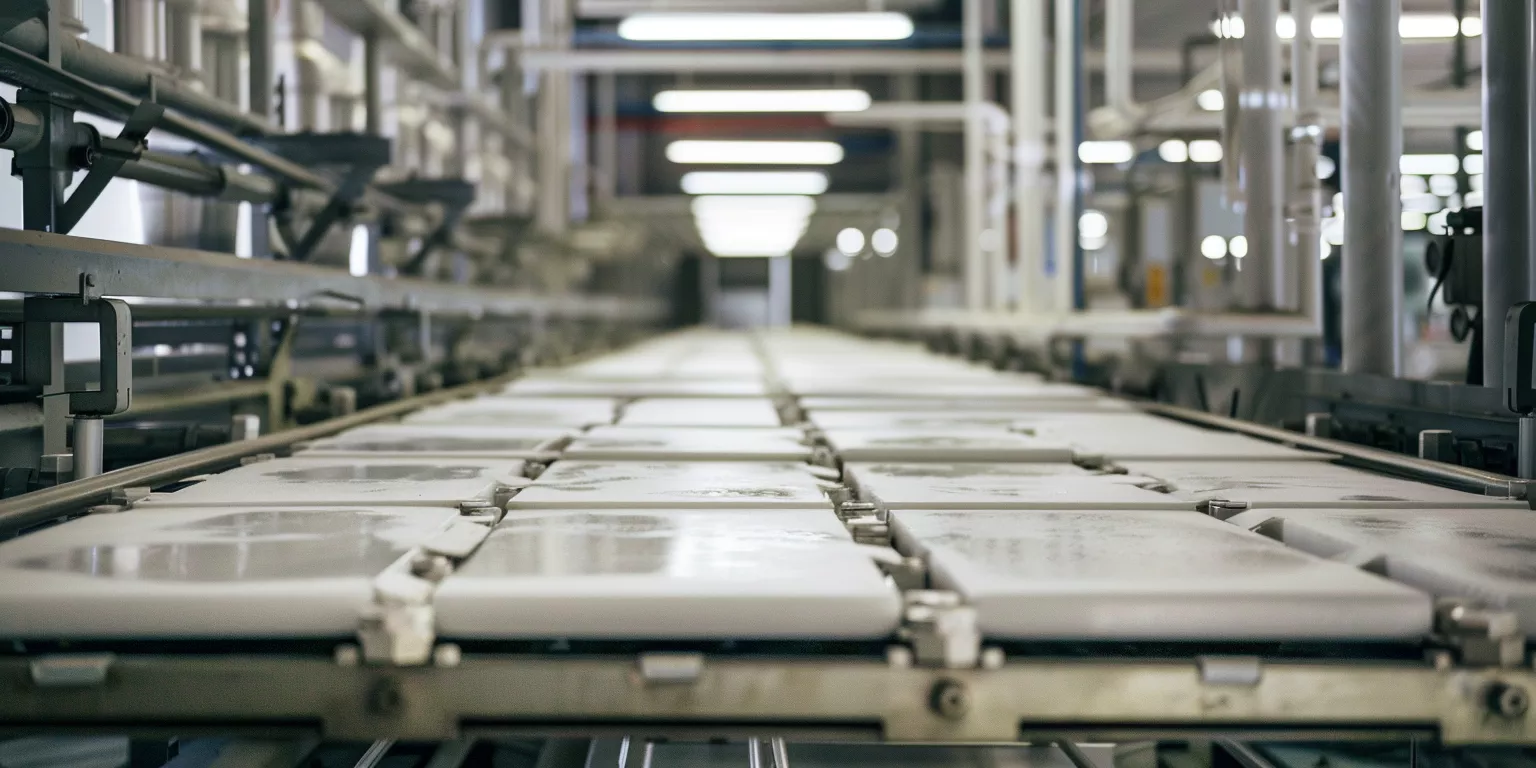
After structural behavior is stabilized, surface finish must be evaluated, because interfacial phenomena often dictate performance in chemical, energy, and environmental modules.
Surface Finish Functional Implications in Chemical Energy Modules
Alumina Plate surface finish influences far more than appearance. In functional modules, it directly affects fouling tendency, sealing behavior, thermal radiation, and chemical interaction kinetics. Consequently, surface specification must be treated as an engineering parameter rather than a cosmetic choice.
In real systems, surface finish interacts with flow, temperature, and chemistry simultaneously. Therefore, its functional implications only become visible after extended operation, making early design decisions critical.
Roughness and Fouling Propensity
Surface roughness governs particle adhesion and deposit stability. Rougher surfaces provide more nucleation sites, accelerating fouling under particulate-laden flows.
In waste-gas treatment modules, alumina plates with Ra 3.2 μm accumulated particulate layers nearly 2.5× faster than plates finished to Ra 0.8 μm over 1000 operating hours. Although bulk chemistry remained unchanged, pressure drop increased noticeably. This experience highlights that roughness control directly affects maintenance intervals.
Accordingly, smoother finishes are advantageous in systems prone to fouling.
Surface Finish and Sealing Performance
When Alumina Plate interfaces with gaskets or sealing materials, surface finish determines sealing reliability. Excessively rough surfaces compromise contact uniformity, while overly smooth surfaces may reduce frictional stability.
Testing in chemical reactor lids showed that plates finished to Ra 0.8–1.2 μm achieved consistent sealing performance across 500 thermal cycles. By contrast, finishes above Ra 2.5 μm led to micro-leakage under pressure fluctuations. Thus, sealing applications demand a controlled roughness window rather than extreme smoothness.
Therefore, surface finish must be matched to sealing material behavior.
Thermal Radiation and Emissivity Effects
Surface condition influences emissivity, which affects heat transfer in high-temperature modules. Rougher surfaces typically exhibit higher emissivity, altering thermal balance.
In radiant heating chambers, alumina plates with matte finishes showed emissivity increases of 10–15% compared to polished surfaces. This shift modified local temperature distribution by 20–30 °C near plate surfaces. Consequently, finish selection can influence thermal uniformity without altering heater power.
As a result, thermal modeling should incorporate surface emissivity variations.
Chemical Reactivity and Surface Energy
Surface finish also affects surface energy and adsorption behavior. Polished surfaces exhibit lower surface energy, reducing adsorption of certain reactive species.
In catalytic off-gas treatment systems, smoother alumina plates reduced halogen adsorption by approximately 18%, slowing corrosion-related surface changes. This reduction did not alter bulk chemical resistance but improved long-term stability. Hence, surface energy management becomes relevant in reactive atmospheres.
Thus, surface finish contributes to chemical stability indirectly through adsorption control.
Summary of Surface Finish Effects
| Surface parameter | Typical value | Functional impact | Design relevance |
|---|---|---|---|
| Roughness Ra (μm) | 0.8–3.2 | Fouling rate | Maintenance |
| Sealing Ra (μm) | 0.8–1.2 | Leak prevention | Pressure control |
| Emissivity change (%) | 10–15 | Thermal balance | Heat uniformity |
| Adsorption reduction (%) | ~18 | Surface stability | Chemical exposure |
| Finish uniformity | High/low | Predictability | System modeling |
After surface behavior is addressed, inspection and maintenance strategies become essential, because early detection often determines whether Alumina Plate failures remain manageable or escalate into system-level shutdowns.
Inspection Maintenance and Failure Diagnosis Strategies
Alumina Plate failures in chemical, energy, and environmental systems rarely occur without warning. Instead, degradation typically progresses through subtle indicators that can be identified through structured inspection. Consequently, maintenance strategies should emphasize condition monitoring rather than reactive replacement.
In modular systems, inspection access is often limited. Therefore, diagnostic methods must balance technical rigor with practical feasibility during routine shutdowns or service windows.
Visual Indicators and Early Crack Detection
Visual inspection remains the first diagnostic layer. Microcracks, edge chipping, and discoloration often precede structural failure by significant margins.
In energy recovery modules, operators observed faint edge whitening on alumina plates after 600–800 cycles. Subsequent dye-penetrant checks confirmed sub-surface cracking that would likely propagate within another 200–300 cycles. This experience demonstrates that visual cues provide valuable early warnings when interpreted correctly.
Thus, trained visual assessment should be formalized rather than treated as an informal check.
Dimensional Stability and Warpage Monitoring
Warpage indicates uneven thermal or mechanical loading. Even small deviations can signal underlying stress accumulation.
Measurements in pilot heating systems showed that plates developing permanent deflection of >0.4 mm per 300 mm span were statistically more likely to crack within 6 months. By contrast, plates maintaining deflection below 0.2 mm remained stable for extended periods. Therefore, periodic flatness checks offer quantitative insight into structural health.
Accordingly, dimensional monitoring should complement visual inspection.
Acoustic and Vibration-Based Diagnosis
Acoustic emission and vibration analysis can detect crack initiation before visible damage appears. Although not always practical for small systems, these methods prove valuable in large installations.
In continuous environmental treatment units, acoustic monitoring identified abnormal emission spikes correlating with microcrack formation. Plates flagged by this method failed 40–50% later than unmonitored counterparts due to timely intervention. Hence, non-contact diagnostics can extend service life when integrated appropriately.
Consequently, advanced diagnostics should be applied selectively where downtime costs justify complexity.
Replacement Criteria and Risk-Based Decisions
Replacement decisions should be risk-based rather than time-based. Alumina Plate components that appear intact may still pose elevated failure risk if multiple indicators converge.
Field practice suggests replacement when any two of the following occur simultaneously: visible cracking, warpage exceeding 0.5 mm, or strength reduction inferred from acoustic trends. This multi-criteria approach reduces unnecessary replacements while minimizing unplanned failures.
As a result, structured criteria outperform fixed service intervals.
Summary of Inspection and Maintenance Metrics
| Diagnostic metric | Typical threshold | Failure correlation | Action trigger |
|---|---|---|---|
| Edge crack length (mm) | >2 | High | Replace |
| Warpage (mm/300 mm) | >0.4 | Moderate | Monitor |
| Cycle count | >1000 | Cumulative | Inspect |
| Acoustic signal change (%) | >30 | Early | Investigate |
| Discoloration area (%) | >10 | Surface change | Assess |
After inspection logic is established, lifecycle optimization must be addressed, because long-term system value depends on how Alumina Plate performance evolves across operation, maintenance, and replacement cycles.
Lifecycle Optimization and Total System Value
Alumina Plate contributes to system value not only through initial performance, but through predictable behavior over its entire service life. Consequently, lifecycle optimization focuses on minimizing disruption, stabilizing performance, and extending usable intervals rather than maximizing any single parameter.
In chemical, energy, and environmental systems, lifecycle cost is dominated by downtime, requalification effort, and process instability. Therefore, Alumina Plate selection must be aligned with operational continuity rather than short-term material efficiency.
Service Life Prediction and Planning
Service life prediction requires correlating thermal cycles, chemical exposure, and mechanical loading into a unified model. Isolated metrics fail to capture cumulative degradation accurately.
Operational data from modular treatment systems indicate that alumina plates designed with 30–40% stress margin relative to flexural strength consistently achieved 1.8–2.3× longer service life than minimally compliant designs. Although initial material usage increased slightly, replacement frequency dropped substantially. Thus, conservative stress design translates directly into lifecycle gains.
Accordingly, service life planning should prioritize margin over optimization extremes.
Spare Strategy and Replacement Synchronization
Uncoordinated replacement creates inefficiencies, especially in multi-module systems. Synchronizing Alumina Plate replacement with other maintenance tasks reduces cumulative downtime.
In large-scale environmental processing units, aligning plate replacement with scheduled catalyst changeouts reduced total shutdown events by 25–30% annually. This coordination simplified logistics and improved operational predictability. Therefore, replacement strategy should be integrated into broader maintenance planning.
As a result, lifecycle optimization extends beyond the component itself.
Performance Drift and Process Stability
Even before failure, gradual performance drift can impact process outcomes. Changes in surface condition, flatness, or thermal response alter system behavior subtly.
Monitoring data from chemical reactors revealed that alumina plates approaching end-of-life caused 5–8% variation in heat distribution uniformity. Although within design tolerance, this drift affected reaction selectivity over time. Consequently, proactive replacement based on performance drift, rather than fracture, preserved process quality.
Hence, end-of-life should be defined by performance thresholds, not breakage.
Standardization Across System Families
Standardizing Alumina Plate specifications across equipment families simplifies inventory and accelerates response time. However, excessive standardization can compromise performance if operational envelopes differ significantly.
Experience shows that grouping systems with similar thermal and chemical profiles allows reuse of 70–80% of plate designs without sacrificing reliability. This balance between standardization and customization improves supply resilience while maintaining engineering integrity.
Therefore, strategic standardization enhances lifecycle efficiency.
Summary of Lifecycle Optimization Factors
| Lifecycle aspect | Typical metric | Observed benefit | Design focus |
|---|---|---|---|
| Stress margin (%) | 30–40 | Longer service life | Conservative design |
| Replacement interval (cycles) | 1500–2500 | Fewer shutdowns | Planning |
| Performance drift (%) | 5–8 | Quality stability | Monitoring |
| Shutdown reduction (%) | 25–30 | Higher uptime | Synchronization |
| Design reuse (%) | 70–80 | Inventory efficiency | Standardization |
After lifecycle value is clarified, supplier collaboration becomes decisive, because customization quality directly influences whether Alumina Plate performance remains theoretical or operationally reliable.
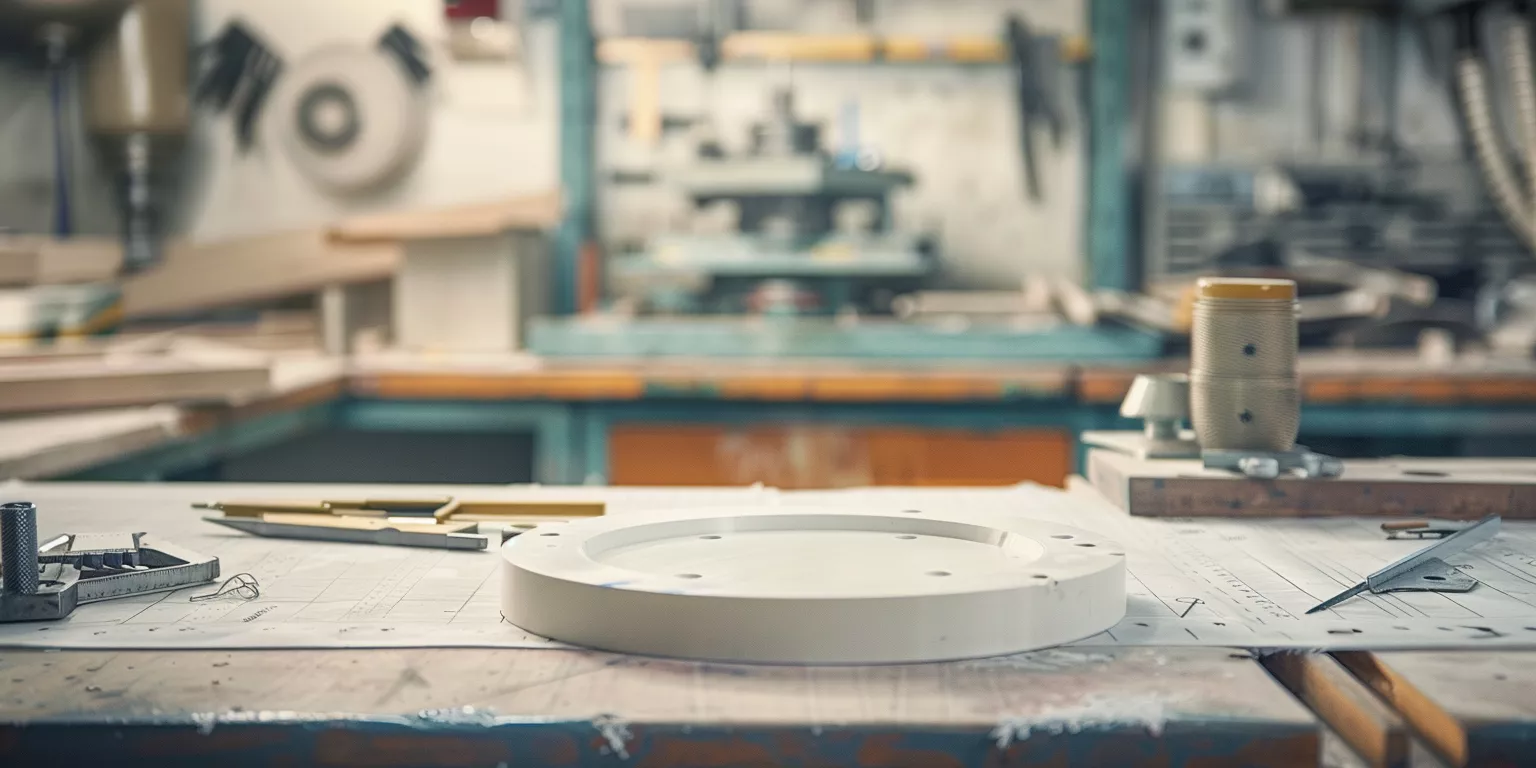
ADCERAX Customization Support and Engineering Collaboration
ADCERAX approaches Alumina Plate customization as an engineering collaboration rather than a dimensional exercise. Consequently, customization begins with application analysis, not with a price list. This method aligns material behavior, geometry, and operating conditions before manufacturing decisions are fixed.
In chemical, energy, and environmental systems, generic plates often fail due to overlooked constraints such as uneven heating, flow-induced erosion, or assembly tolerance accumulation. Therefore, ADCERAX structures customization around risk identification rather than catalog substitution.
Application-Oriented Drawing Review
ADCERAX reviews customer drawings by correlating geometry with thermal, mechanical, and chemical exposure. Plate span, support pattern, and contact interfaces are evaluated against expected gradients and loads.
In pilot incineration modules, drawing analysis revealed that a 420 mm unsupported span would generate bending stress exceeding 60% of flexural strength during heat-up. By introducing an intermediate support and adjusting thickness from 10 mm to 8 mm, stress dropped below 35% without increasing mass. This example illustrates how engineering review alters outcomes before production begins.
As a result, drawing review functions as preventive engineering rather than corrective troubleshooting.
Material Grade and Thickness Optimization
ADCERAX avoids defaulting to the highest purity alumina unless justified by exposure severity. Instead, grade selection balances temperature, chemistry, and cycling frequency.
For environmental oxidation units operating at 900–1000 °C, upgrading from 96% to 99% Al₂O₃ extended service life by 40–55% only when cycle counts exceeded 1200 per year. Below that threshold, thickness and edge geometry exerted greater influence. Consequently, material upgrades are recommended selectively, not universally.
Thus, optimization focuses on dominant degradation drivers rather than nominal ratings.
Precision Machining and Edge Engineering
Edge conditions, flatness, and dimensional repeatability are critical in modular assemblies. ADCERAX applies controlled machining processes to maintain consistency across batches.
In chemical reactor trays, plates machined with ≤0.15 mm flatness deviation per 300 mm exhibited stable sealing performance over 600 cycles, whereas looser tolerances led to progressive leakage. Additionally, standardized 1.5–2 mm edge radii reduced edge chipping incidents by over 40% during handling and installation.
Therefore, precision machining directly improves both reliability and assembly efficiency.
Integrated Inspection and Quality Verification
ADCERAX integrates inspection throughout production rather than limiting checks to final stages. Density, dimensional accuracy, and surface condition are verified systematically.
Batch data from energy recovery systems showed density variation within ±0.02 g/cm³, ensuring consistent thermal response across installations. This consistency minimized performance scatter during commissioning. Accordingly, integrated inspection supports predictable system behavior, not just compliance.
Hence, quality control becomes an operational safeguard rather than a documentation requirement.
Responsive Supply and Engineering Feedback Loop
Beyond manufacturing, ADCERAX maintains a feedback loop with OEMs and system integrators. Field observations are incorporated into subsequent design iterations.
In wastewater treatment heaters, feedback regarding localized erosion prompted geometry revisions that extended plate life by nearly 2× in the next deployment. This iterative refinement demonstrates how supplier responsiveness compounds long-term value.
As a result, ADCERAX functions as a long-term engineering partner rather than a transactional supplier.
Summary of ADCERAX Collaboration Value
| Collaboration element | Typical metric | Engineering benefit | System impact |
|---|---|---|---|
| Drawing review | Stress reduction (%) | 25–40 | Failure prevention |
| Grade optimization | Life extension (%) | 40–55 | Cost efficiency |
| Flatness control (mm) | ≤0.15/300 | Seal stability | Reliability |
| Edge radius (mm) | 1.5–2 | Damage reduction | Handling safety |
| Feedback iteration | Life gain (×) | ~2.0 | Continuous improvement |
Conclusion
Alumina Plate performance in chemical, energy, and environmental systems depends on disciplined integration of thermal, chemical, mechanical, and lifecycle considerations rather than isolated material selection.
For application-specific Alumina Plate design, ADCERAX supports drawing-based engineering review, material optimization, and reliable batch delivery for complex process modules. Contact ADCERAX to align plate performance with real operating conditions.
FAQ
How does Alumina Plate compare with silicon carbide or mullite in chemical systems?
Alumina Plate offers a balanced combination of thermal stability, chemical resistance, and manufacturability. Compared with silicon carbide, alumina provides better electrical insulation and lower reactivity in oxidizing environments. Relative to mullite, alumina delivers higher mechanical strength and more predictable behavior above 1000 °C.
What alumina purity is typically suitable for chemical and environmental modules?
For most systems operating below 1100 °C, 95–96% Al₂O₃ performs reliably when geometry and support are optimized. Higher purities, such as 99% Al₂O₃, become beneficial in high-cycle or aggressive chemical environments where surface stability and fatigue resistance dominate.
Can Alumina Plate be used under continuous thermal cycling?
Yes, provided that heating rates, support spacing, and constraint allowances are controlled. Field data shows that properly designed plates can withstand 1500–2500 thermal cycles without fracture when stress margins exceed 30% of flexural strength.
What information should be provided for Alumina Plate customization?
Effective customization requires operating temperature range, cycle frequency, chemical media, support geometry, and dimensional tolerances. Supplying drawings and process descriptions enables ADCERAX to recommend thickness, grade, and edge treatments that improve long-term reliability.
References: