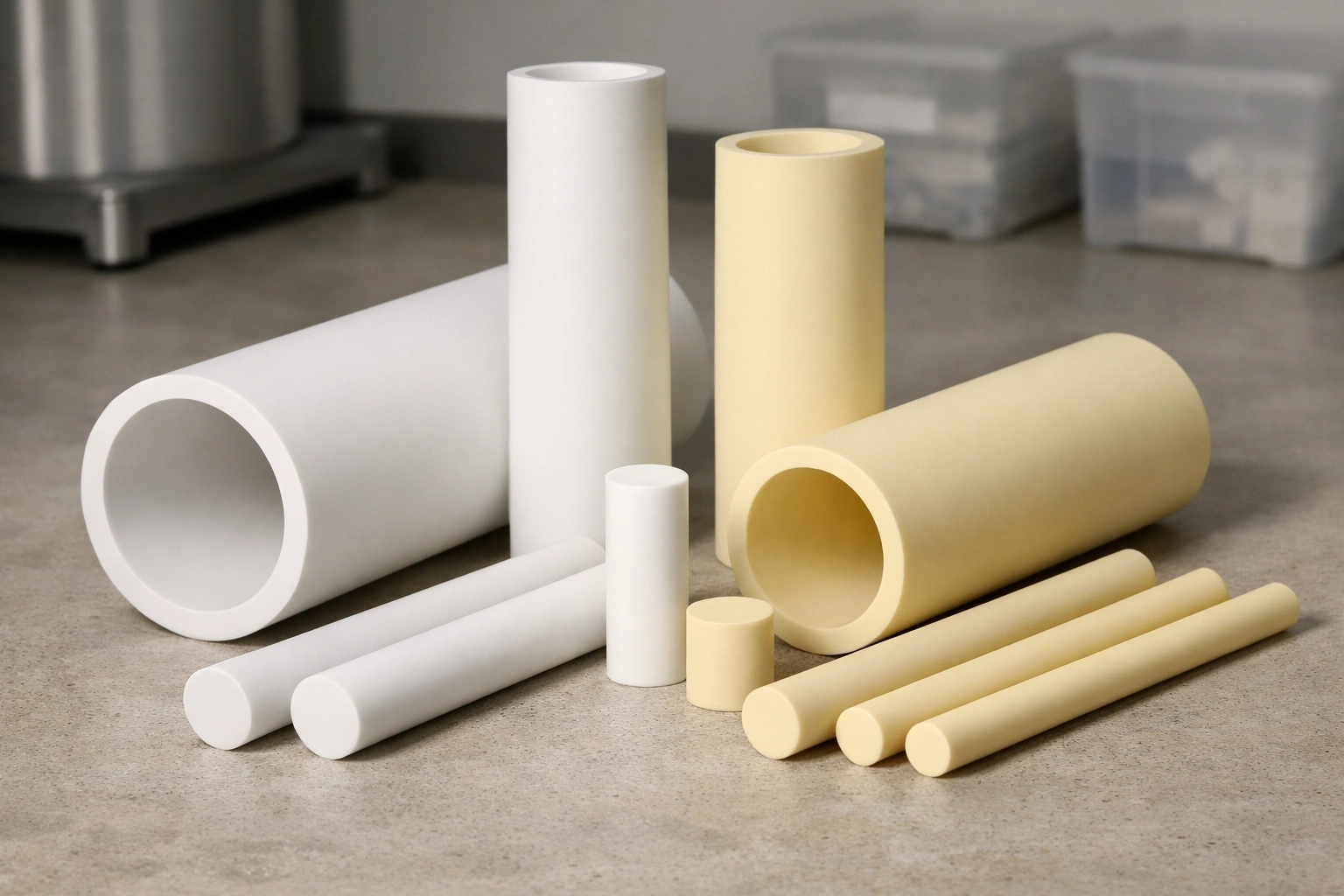
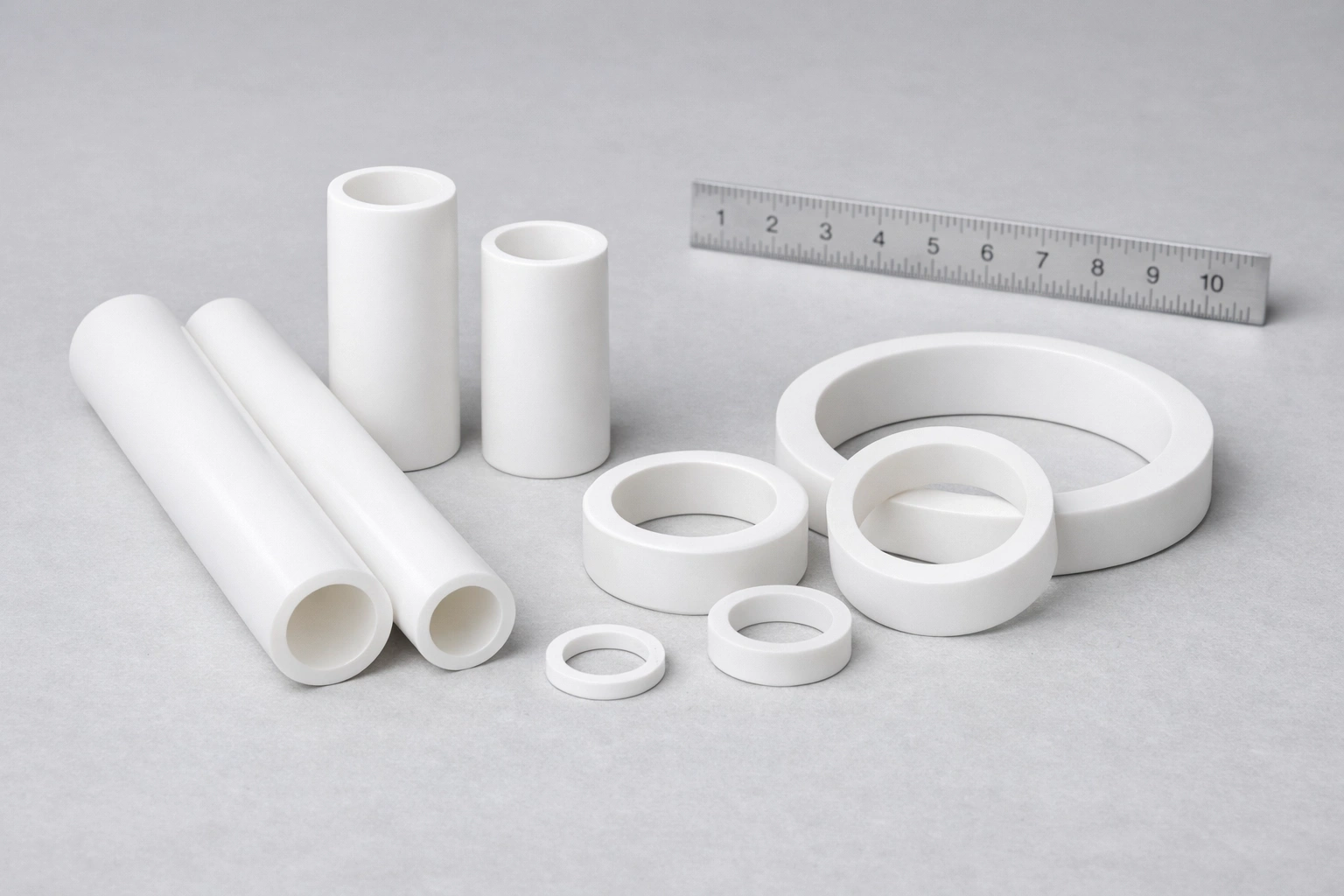
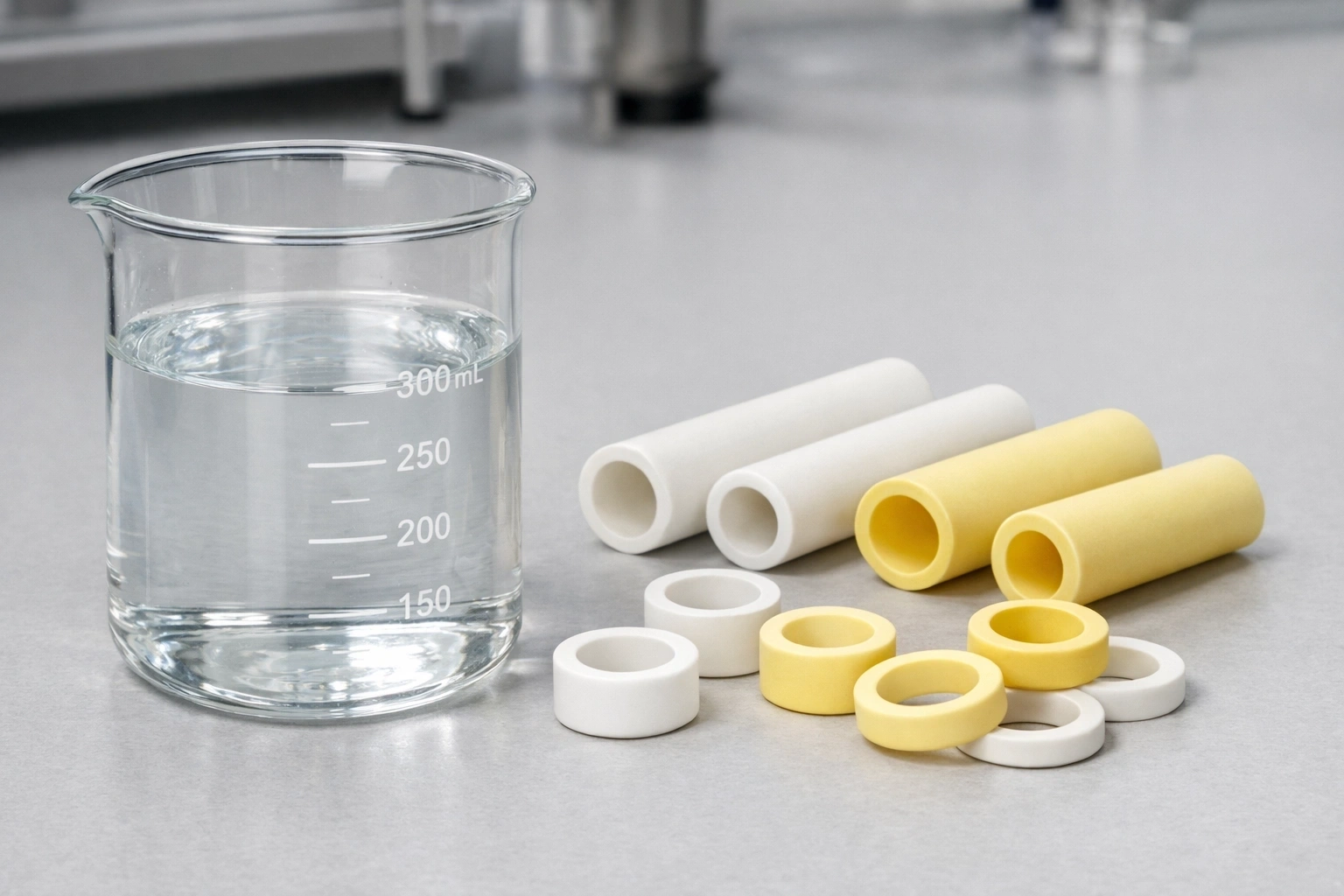
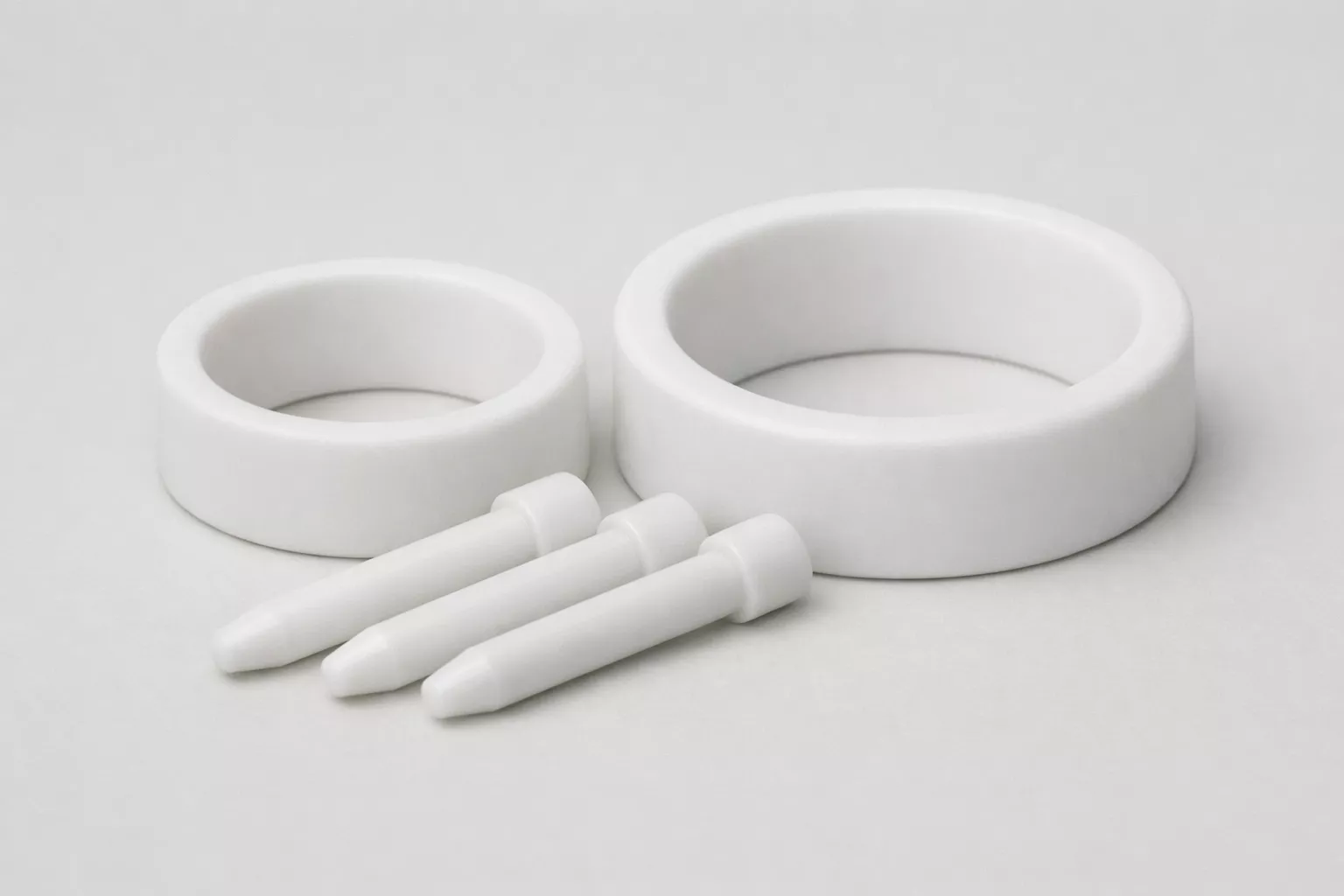
Alumina Protection Tube for Platinum-Based Thermocouples plays a vital role in maintaining stability and measurement reliability in extreme thermal environments. These tubes ensure that platinum thermocouples withstand prolonged exposure in furnaces operating from 1200°C to 1700°C without degradation or contamination. Understanding how purity, density, geometry, and structural integrity interact allows engineers to specify alumina tubes that achieve long-term accuracy and prevent premature failure in demanding conditions.

The Critical Need for High-Performance Alumina Protection Tube for Platinum-Based Thermocouples
Platinum-based thermocouples1 (Types R, S, B) depend on the protection of an alumina tube to ensure stable readings above 1200°C. Inadequate tube specifications lead to contamination, drift, or catastrophic fracture. These failures not only cause measurement loss but also create costly downtime and platinum waste, which can reach thousands of dollars per incident.
Platinum Wire Contamination Mechanisms and Embrittlement Progression
Silica vapor generated from low-purity alumina diffuses into platinum, forming brittle silicide layers2 that degrade accuracy. The embrittlement accelerates at temperatures exceeding 1300°C, resulting in calibration drift. Preventing contamination requires tubes with SiO₂ content below 0.1% to stop vapor-phase migration.
Economic Impact of Thermocouple Drift and Catastrophic Measurement System Failure
When an alumina protection tube fails, calibration drift can cause product rejection or unplanned shutdowns. Platinum loss and furnace downtime translate to costs between $5,000–50,000 per event. Maintaining purity and microstructural integrity significantly extends service life and reduces replacement frequency.
Failure Mode Statistics from Field Returns and Root Cause Analysis
ADCERAX’s evaluation of 185+ platinum thermocouples found 72% of premature failures traced to substandard tube specifications. Dominant failure modes included 48% from silica contamination, 24% from gas infiltration, and 28% from mechanical fracture.
| Failure Mode | Root Cause | Failure Frequency (%) | Primary Preventive Specification |
|---|---|---|---|
| Platinum contamination | Excess SiO₂ vapor | 48% | SiO₂ < 0.1% |
| Gas infiltration | Open porosity >0.3% | 24% | Density ≥3.90 g/cm³ |
| Tube fracture | Wall thickness variation | 28% | ±5–8% uniformity |
Imperative Alumina Purity Levels in Alumina Protection Tube for Platinum-Based Thermocouples Minimizing Contaminant Migration
High-purity alumina (≥99.8% Al₂O₃) with less than 0.1% SiO₂ is essential for protecting platinum thermocouples from silicon vapor transport. Contamination control at this level ensures extended operational lifespan and calibration accuracy over thousands of hours.
Silicon Vapor Pressure Temperature Dependencies and Transport Mechanisms
Silica exhibits vapor pressure of 10⁻⁴ to 10⁻³ Pa at 1400–1600°C, allowing silicon atoms to migrate and react with platinum wires. Using alumina with minimized silica content prevents vapor-phase migration and silicide formation.
Platinum Silicide Formation Kinetics and Calibration Drift Timelines
At 0.3–0.5% SiO₂, calibration drift occurs after 300–400 hours at 1400°C, while <0.1% SiO₂ purity delays drift beyond 2000 hours. This demonstrates purity as the controlling factor in thermocouple stability.
Chemical Analysis Requirements and Specification Verification Methods
Testing per ISO 6474 using XRF or ICP-OES verifies silica levels within permissible limits. ADCERAX recommends explicit silica limit certification, not reliance on nominal purity grades.
| Parameter | Requirement | Test Standard | Purpose |
|---|---|---|---|
| Al₂O₃ purity | ≥99.8% | ISO 6474 | Prevent silicide formation |
| SiO₂ content | <0.1% | XRF/ICP-OES | Control contamination |
| Density | ≥3.90 g/cm³ | ASTM C20 | Limit gas infiltration |
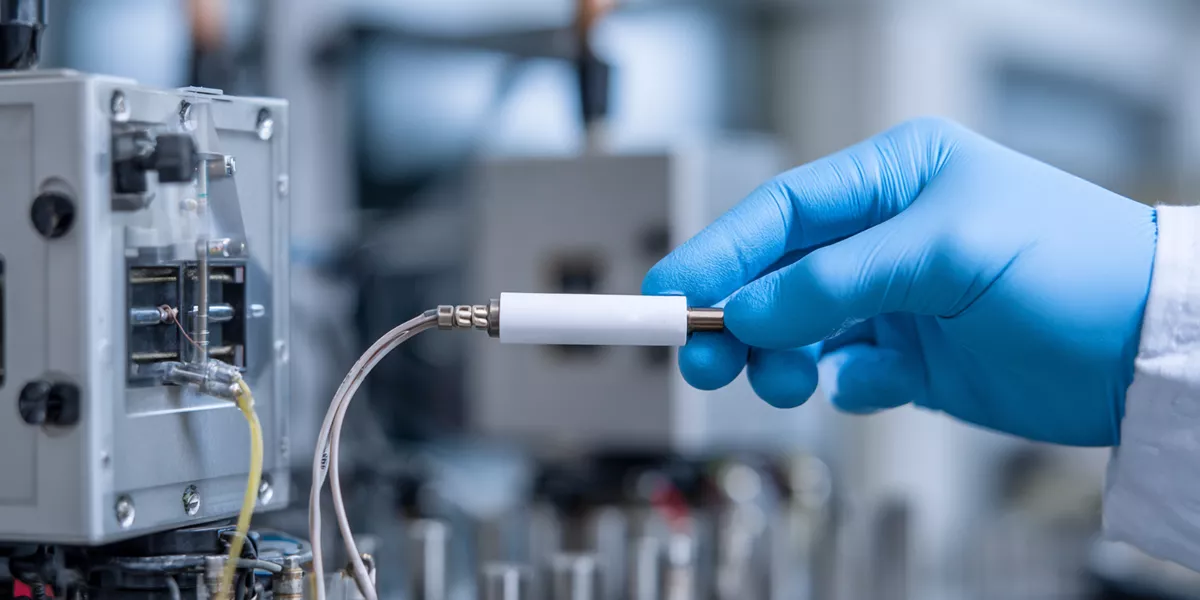
Microstructural Prerequisites in Alumina Protection Tube for Platinum-Based Thermocouples: Density, Grain Size, and Stability
Microstructure determines whether an alumina protection tube achieves hermetic sealing, mechanical stability, and long service life. Density, grain size, and porosity together define its performance against high-temperature degradation.
Density Requirements and Gas Permeability Relationships in Alumina Ceramics
Tubes with 98% theoretical density (≥3.90 g/cm³) block atmospheric infiltration. Lower densities (<3.85 g/cm³) allow oxygen and sulfur compounds to reach the platinum wire, accelerating corrosion.
Grain Size Effects on Mechanical Strength and High-Temperature Creep Behavior
Optimal grain size of 8–15 μm balances strength and creep resistance. Coarse grains (>30 μm) reduce flexural strength by 30%, while fine grains (<3 μm) cause instability due to rapid growth at >1500°C.
Porosity Characterization Methods and Acceptance Criteria for Gas-Tight Applications
Testing via ASTM C20 ensures open porosity remains below 0.3%. Tubes meeting this standard provide effective gas barriers, extending thermocouple service life beyond 24 months in 1450°C furnaces.
| Property | Target Value | Test Standard | Effect on Service Life |
|---|---|---|---|
| Density | ≥3.90 g/cm³ | ASTM C20 | Prevents gas penetration |
| Open porosity | <0.3% | ASTM C20 | Enhances sealing |
| Grain size | 8–15 μm | ASTM E112 | Improves durability |
Dimensional Tolerances and Geometric Integrity in Alumina Protection Tube for Platinum-Based Thermocouples
Dimensional precision ensures uniform thermal gradients and prevents stress-induced cracks. Tolerances in diameter, wall thickness, and concentricity maintain both measurement accuracy and mechanical safety.
Wall Thickness Uniformity Impact on Thermal Stress Distribution and Crack Initiation
Variations beyond ±8% cause localized hot zones and fracture initiation. Maintaining consistent wall thickness ensures mechanical reliability under repeated furnace cycles.
Concentricity Requirements Preventing Thermocouple Element Contact Issues
Maintaining concentricity <0.15 mm minimizes element contact and wear. Even small misalignments can trigger platinum abrasion and contamination during expansion cycles.
Dimensional Inspection Methods and Manufacturing Quality Control
Quality control following ISO 2768 verifies straightness (<0.5 mm/500 mm) and roundness. Precision manufacturing minimizes crack propagation and extends tube life by 2–3×.
| Dimensional Parameter | Specification | Tolerance | Related Failure Mode Prevented |
|---|---|---|---|
| Wall thickness | 1.5–3.0 mm | ±5–8% | Crack initiation |
| Concentricity | <0.15 mm TIR | ISO 2768 m | Contact abrasion |
| Straightness | <0.5 mm/500 mm | Visual inspection | Misalignment stress |
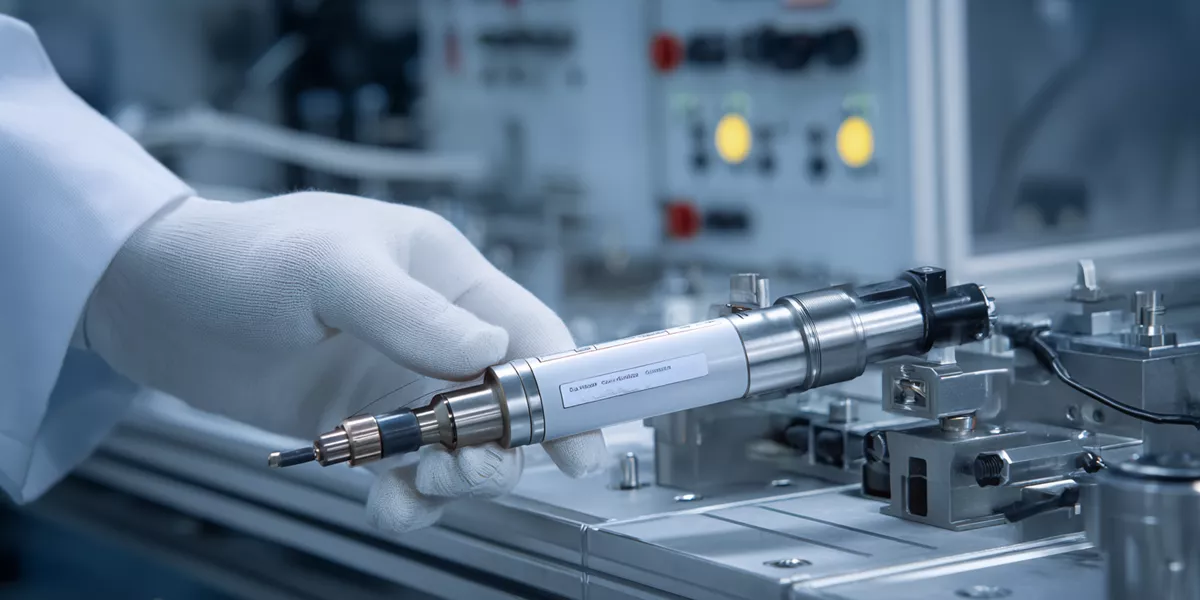
Summarizing Key Specifications for High-Reliability Alumina Protection Tube for Platinum-Based Thermocouples
Combining purity, density, microstructure, and geometry defines long-term reliability. Compliance with ISO 6474, ASTM C20, ASTM C1161, and ASTM E112 ensures extended thermocouple lifespan under extreme conditions.
Integrated Specification Requirements and Parameter Interdependencies
Achieving gas-tight, ultra-pure, dimensionally stable tubes requires a balanced approach. Purity without density fails against gas infiltration; density without geometry precision leads to fracture.
Test Certification Documentation Validating Manufacturing Quality
Comprehensive certification—covering chemical, structural, and dimensional data—distinguishes premium suppliers. ADCERAX emphasizes this as the benchmark for reliable platinum thermocouple service.
Supplier Qualification Criteria and Total Cost of Ownership Analysis
High-spec alumina tubes may cost 35–55% more but provide up to 3× lifespan, reducing replacements and preventing downtime losses exceeding $10,000 annually.
| Specification Parameter | Requirement | Test Standard | Failure Prevented |
|---|---|---|---|
| Purity | ≥99.8% Al₂O₃ | ISO 6474 | Platinum contamination |
| Density | ≥3.90 g/cm³ | ASTM C20 | Gas infiltration |
| Porosity | <0.3% | ASTM C20 | Oxidation |
| Grain size | 8–15 μm | ASTM E112 | Creep deformation |
| Wall uniformity | ±5–8% | Dimensional inspection | Stress cracking |
| Concentricity | <0.15 mm | ISO 2768 m | Element contact |
Conclusion
Precise alumina protection tube selection ensures reliable platinum thermocouple operation under extreme furnace conditions.
FAQ
Q1: What purity is required for an Alumina Protection Tube for Platinum-Based Thermocouples?
A minimum of 99.8% Al₂O₃ with <0.1% SiO₂ prevents platinum silicide formation and ensures stability above 1500°C.
Q2: How does tube density affect thermocouple lifespan?
Tubes with ≥3.90 g/cm³ density provide gas-impermeable protection, extending service life from 12 to 30 months in high-temperature furnaces.
Q3: Can ADCERAX customize tube dimensions for specific thermocouple assemblies?
Yes. ADCERAX offers custom diameters, wall thicknesses, and lengths per ISO 2768 tolerances with 24-hour shipping for stocked models.
Q4: Why are certified tubes more cost-effective long-term?
Certified tubes reduce drift and fracture incidents, minimizing downtime and saving up to 50% in annual thermocouple replacement costs.
References: