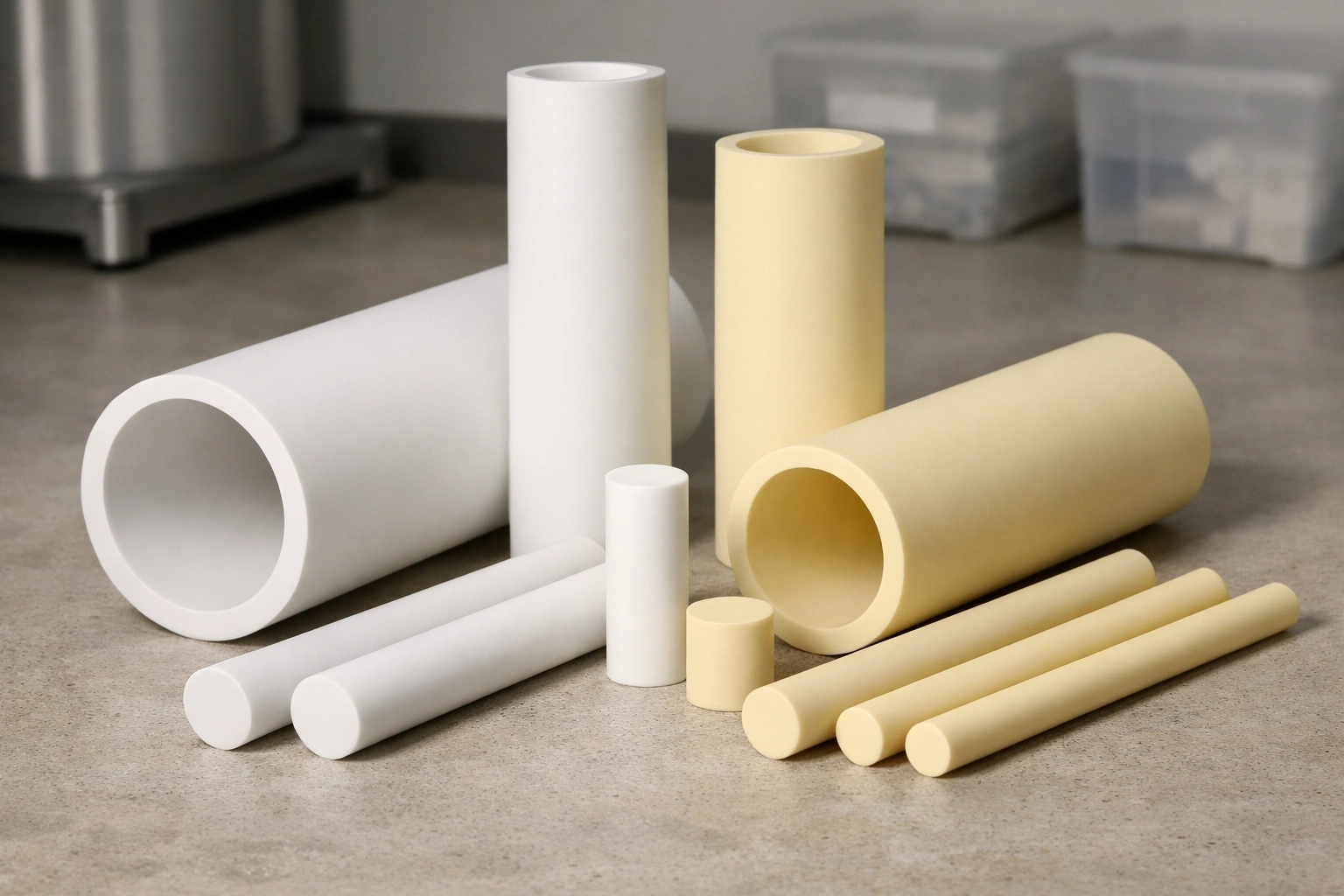
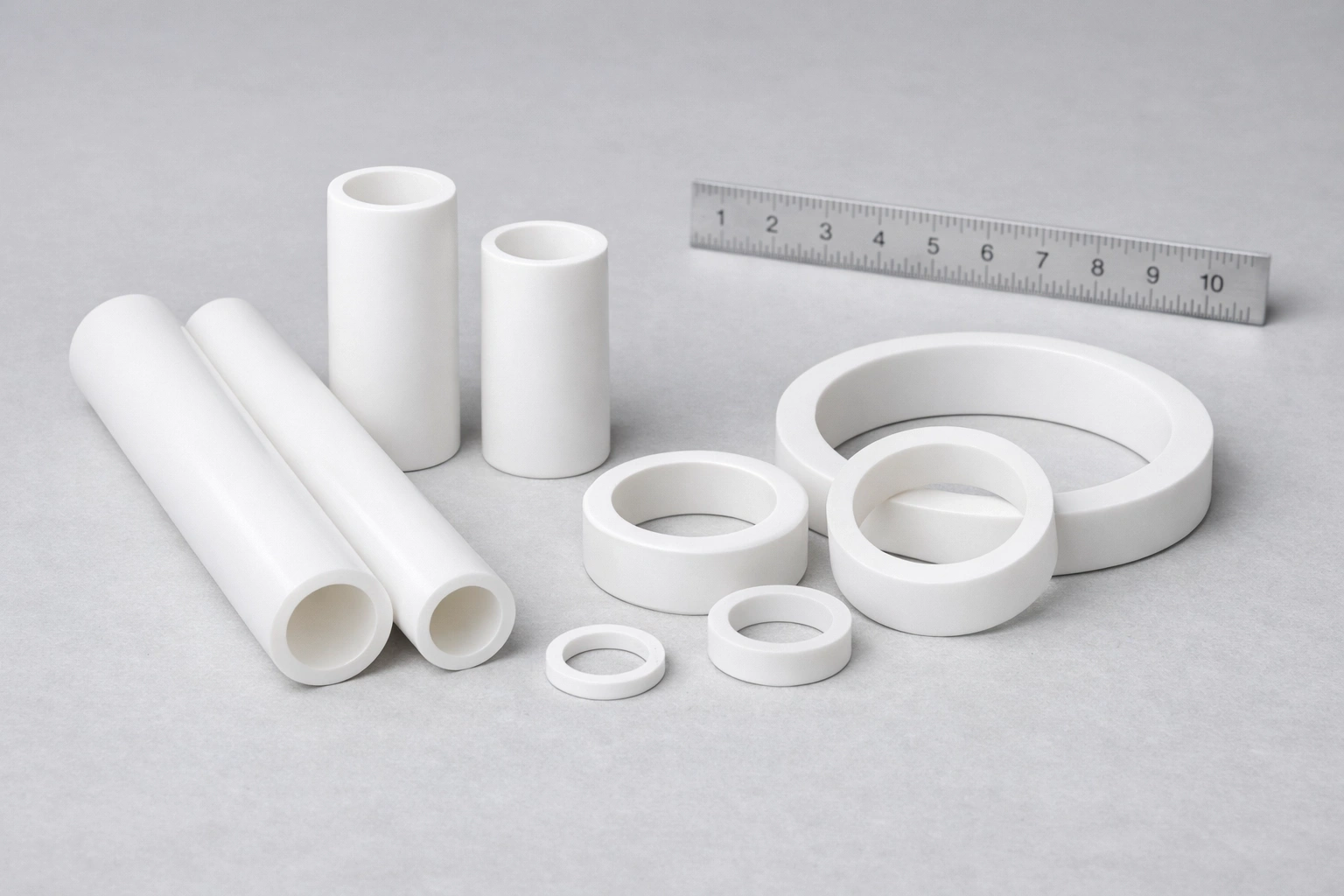
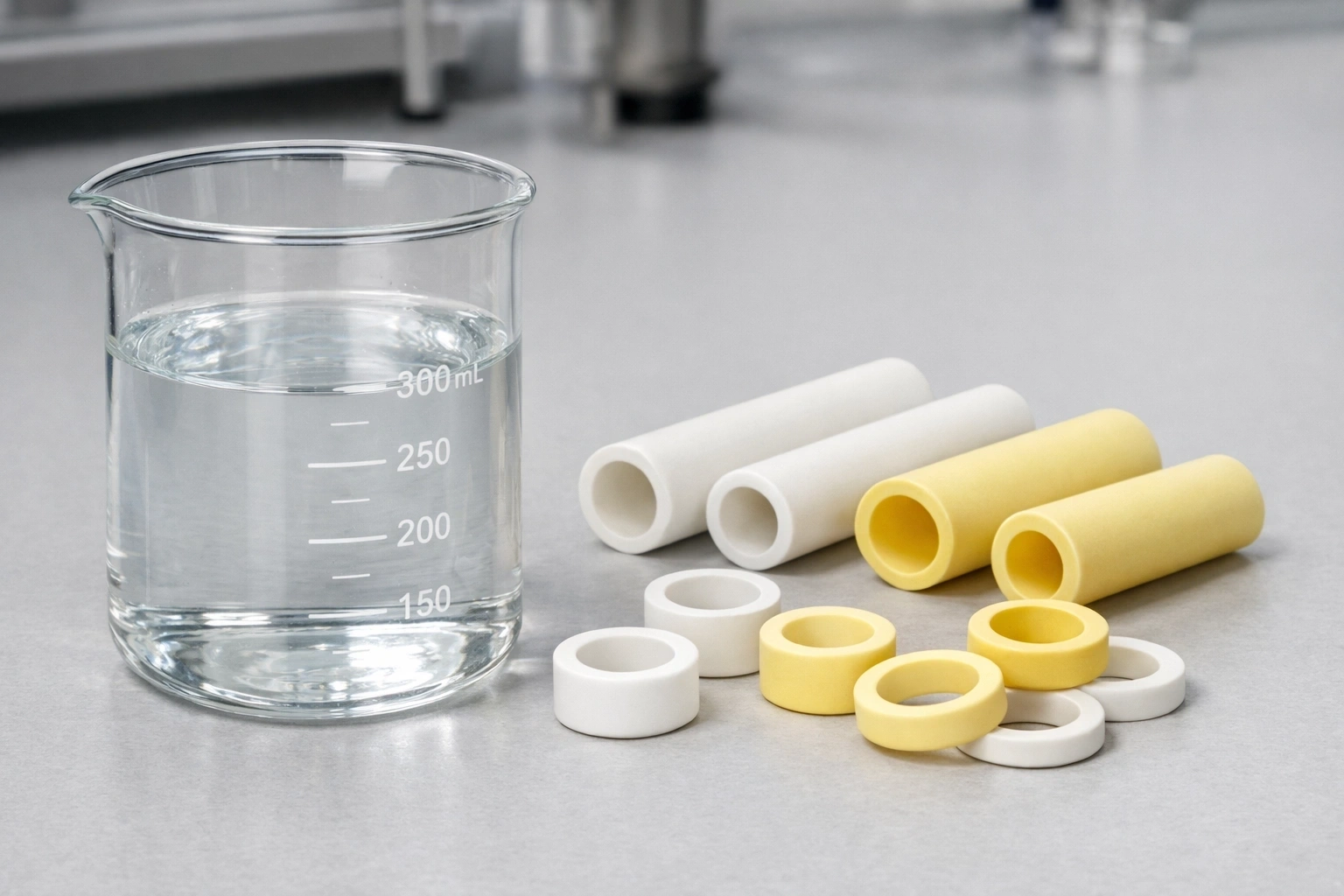
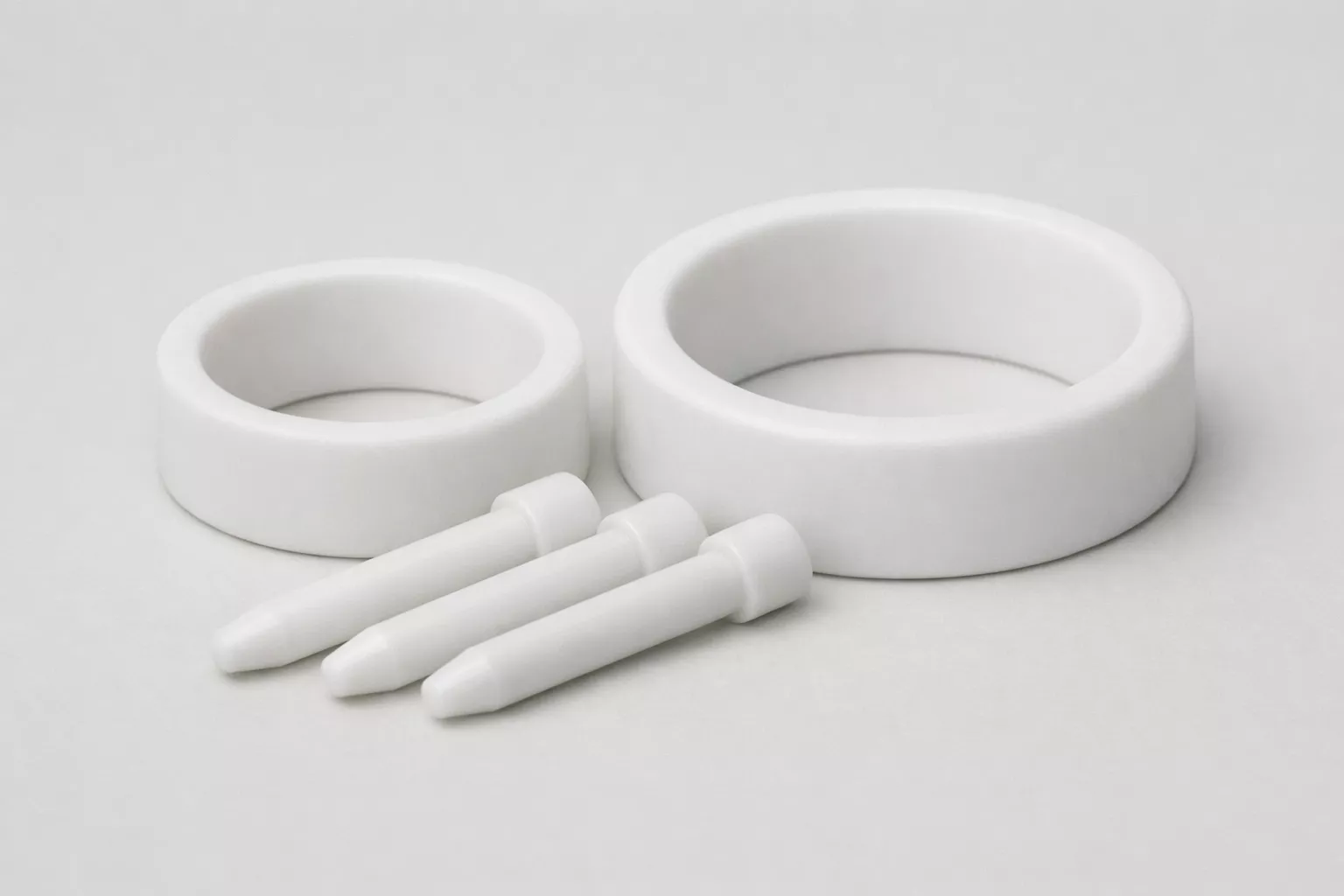
Alumina Rod breakdown in high-voltage insulation often begins as microscopic leakage or edge damage; consequently, small defects can escalate into tracking, partial discharge, and abrupt downtime.
This article consolidates the engineering logic behind Alumina Rod selection for electrical insulation fittings and ceramic insulating parts, covering dielectric behavior, geometry, surface reliability, and assembly constraints.
Many high-voltage designs fail for practical reasons such as tolerance chains, end geometry, humidity exposure, and clamp stress rather than material choice alone. Therefore, the following framework treats Alumina Rod as a functional element inside an insulation structure, linking properties to manufacturability and repeatability.
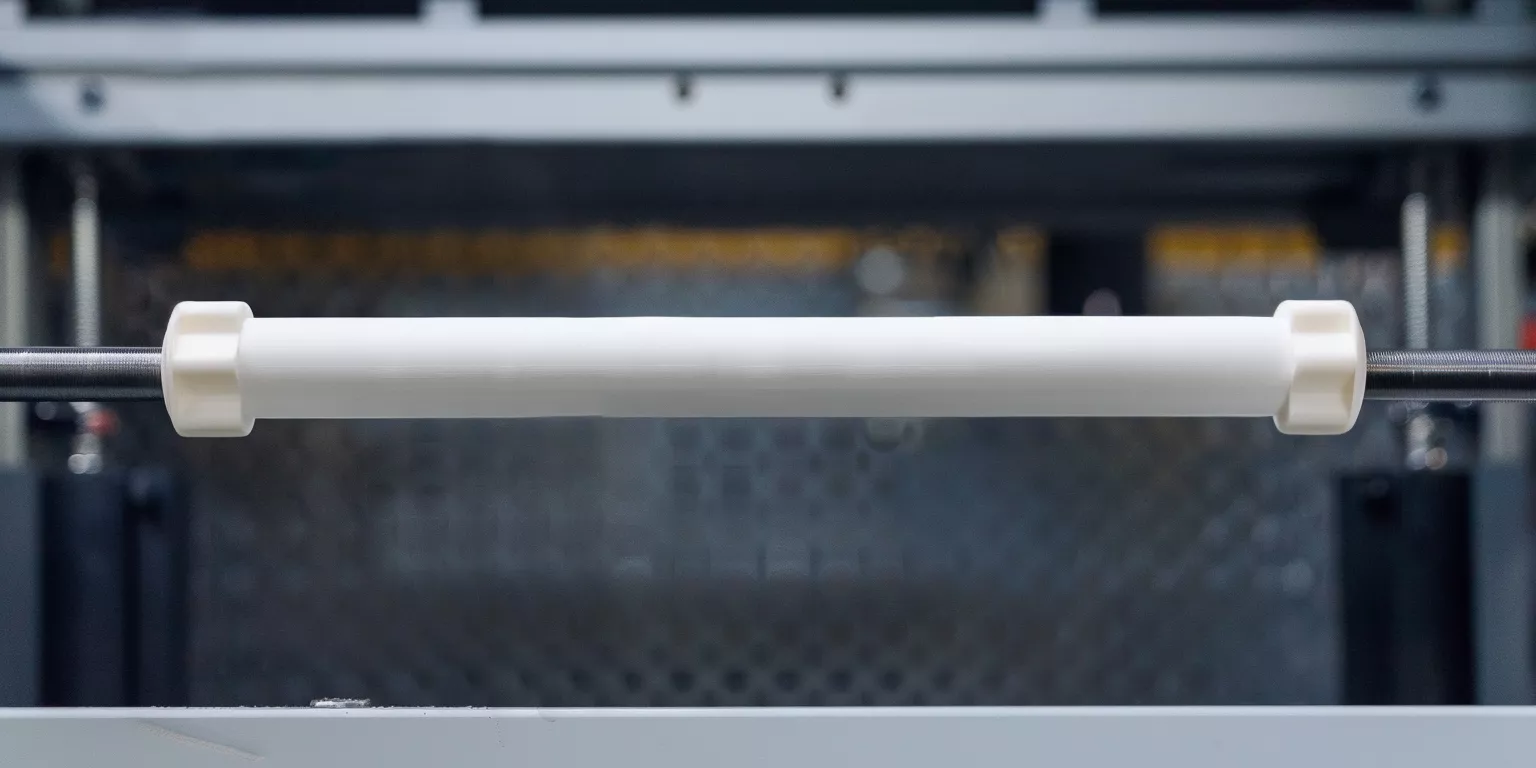
Before specifying dielectric metrics, it is useful to anchor Alumina Rod use cases inside real electrical insulation structures. Moreover, the moment the rod is installed between conductors, metal inserts, or polluted surfaces, geometry and surface state become as critical as material purity.
Alumina Rod Within Electrical Insulation Structures
Alumina Rod selection for electrical insulation fittings starts with structural placement, because of this the same ceramic stock behaves differently across standoffs, spacers, and insulating supports.
Alumina Rod is commonly purchased as a “simple cylinder,” yet in electrical insulation fittings it functions as a dielectric structure member that shapes electric fields, creepage paths, and mechanical load transfer. Moreover, the rod frequently sits at interfaces where metal hardware, vibration, and humidity coexist, so a small geometric deviation can trigger a disproportionate electrical consequence.
In ceramic insulating parts, Alumina Rods are typically converted into standoffs, insulating spacers, pull rods, locating posts, and high-voltage supports. Consequently, the procurement question is rarely “Is alumina insulating?”; instead, it becomes “Will this Alumina Rod maintain insulation margin under real constraints and batch variability?”
In practice, engineers often discover that a rod which passes bench dielectric checks still fails after installation. For example, I have seen assemblies where a 0.3 mm end-face angular error created point contact with a metal washer; afterwards, localized heating and contamination reduced surface resistance within weeks of cyclic operation. Therefore, the first step is mapping Alumina Rod to its structural job, contact geometry, and environmental exposure.
Summary Table: Structural Use Patterns for Alumina Rod Insulation Parts
| Application Form | Typical Assembly Interface | Primary Electrical Risk | Primary Mechanical Risk |
|---|---|---|---|
| Standoff support | Metal studs and washers | Edge field concentration | Clamp stress at ends |
| Spacer sleeve | Metal-to-metal separation | Reduced creepage distance | Compression and ovality |
| Insulating pull rod | Mixed metal joints | Surface leakage under humidity | Tensile bending under misalignment |
| Locating post | Fixtures and housings | Contamination-driven tracking | Chipping during maintenance |
| Sensor insulation support | Small clearances near conductors | Micro-leakage and signal drift | Vibration-induced wear |
Before electrical ratings are trusted, Alumina Rod behavior must be examined under sustained electric fields and elevated temperatures. Consequently, insulation reliability depends on how dielectric properties evolve under real voltage stress rather than nominal laboratory values.
Electrical Insulation Behavior Under High Voltage Stress
Alumina Rod performance in high-voltage insulation depends on dielectric stability under temperature and field intensity1, because of this electrical stress behavior governs long-term safety margins.
Alumina Rods are widely selected for electrical insulation fittings because alumina offers inherently high resistivity and dielectric strength. However, under high voltage stress, these properties are not static. Instead, they evolve with temperature, surface condition, and exposure time, which explains why identical rods may perform differently after installation.
In practical assemblies, electrical insulation failure rarely occurs as an immediate breakdown. Instead, leakage current increases gradually, surface resistance decays, and partial discharge activity appears long before catastrophic flashover. Therefore, evaluating Alumina Rods requires understanding dielectric behavior as a time-dependent system property.
Volume Resistivity and Temperature Dependence
At room temperature, dense Alumina Rods typically exhibit volume resistivity above 10¹⁴ Ω·cm, which provides a substantial insulation margin. However, resistivity decreases exponentially as temperature rises. At 500 °C, values commonly fall to the 10¹¹–10¹² Ω·cm range, and at 1000 °C, they may approach 10⁸–10⁹ Ω·cm depending on purity and density.
In field experience, rods operating continuously above 800 °C near energized conductors often show measurable leakage current increase after 300–600 hours. This does not indicate material failure; rather, it reflects intrinsic temperature dependence. Consequently, insulation design must reserve adequate safety margin for elevated operating temperatures.
Therefore, specifying Alumina Rods for high-voltage environments requires correlating expected temperature profile with resistivity decay rather than relying on room-temperature datasheets.
Dielectric Strength and Breakdown Margin
Dielectric strength defines the maximum electric field an Alumina Rod can withstand before breakdown. Dense alumina typically achieves 8–12 kV/mm under controlled test conditions with polished surfaces and uniform electrodes.
However, in assembled insulation fittings, effective breakdown margin is often reduced by 30–50% due to surface roughness, edge geometry, and non-uniform field distribution. In one high-voltage cabinet project, nominally rated rods experienced flashover at 6 kV/mm because sharp end edges intensified local electric fields.
As a result, dielectric strength must be interpreted as a design envelope, not an absolute guarantee. End geometry, clearance, and electrode shape strongly influence usable voltage limits.
Surface Leakage and Electric Field Concentration
Surface leakage frequently precedes bulk breakdown in Alumina Rod insulation parts. Under high voltage, electric fields concentrate at edges, corners, and surface defects, initiating micro-discharges even when bulk material remains intact.
Field measurements show that rods with surface roughness above Ra 3.2 μm experience surface leakage currents 2–3 times higher than rods finished below Ra 1.6 μm at identical voltage levels. Additionally, humidity above 75% RH can further reduce surface resistance by one order of magnitude.
Consequently, controlling surface condition and minimizing electric field concentration is essential to prevent early insulation degradation.
Summary Table: Electrical Stress Behavior of Alumina Rods
| Electrical Parameter | Typical Range | Practical Implication |
|---|---|---|
| Volume resistivity (Ω·cm) | 10¹⁴ → 10⁹ | Decreases with temperature |
| Dielectric strength (kV/mm) | 8–12 | Reduced by geometry effects |
| Surface leakage increase | 2–3× | Driven by roughness and humidity |
| Onset of leakage (hours) | 300–600 | Depends on temperature and field |
Before electrical insulation margins can be validated, Alumina Rod geometry must be evaluated as an active contributor to electric field shaping. Consequently, creepage distance and edge design become inseparable from dielectric material properties.
Geometry and Creepage Distance Control
Alumina Rod geometry directly influences creepage distance2 and electric field distribution, therefore dimensional choices strongly affect high-voltage insulation stability in ceramic insulating parts.
In electrical insulation fittings, Alumina Rod geometry determines how electric fields propagate across surfaces and through air gaps. Moreover, small geometric variations can magnify local field intensity, undermining otherwise sufficient dielectric strength.
Unlike bulk insulation blocks, rods introduce elongated surfaces where leakage paths develop progressively. Accordingly, diameter, length, and end geometry must be treated as electrical design parameters rather than mechanical conveniences.
Diameter and Length Effects on Electric Field Distribution
Rod diameter influences both surface field density and mechanical stiffness. In high-voltage assemblies, increasing diameter from 16 mm to 24 mm can reduce peak surface electric field intensity by approximately 20–30% at identical voltage levels, assuming constant clearance.
Length selection directly affects creepage distance. Field tests in cabinet-type insulation systems indicate that extending effective rod length by 10% can increase creepage margin by 12–15%, particularly in polluted environments. However, excessive length without adequate support introduces bending risk, which indirectly degrades insulation reliability.
Therefore, diameter and length must be balanced to achieve optimal field distribution without compromising mechanical integrity.
End Geometry Chamfer and Radius Design
End geometry represents one of the most critical yet underestimated factors in high-voltage Alumina Rod applications. Sharp edges concentrate electric fields, often becoming the initiation point for surface discharge.
Experimental measurements show that adding a 1.0–1.5 mm chamfer or radius at rod ends can reduce local electric field intensity by up to 35% compared with square-cut ends. In service, rods with controlled end geometry exhibit significantly delayed onset of surface tracking under identical voltage stress.
Consequently, chamfer and radius design should be specified explicitly in drawings rather than left to default machining practice.
Geometry Consistency in Batch Production
Even when individual rods meet dimensional targets, batch-to-batch variability can undermine insulation performance. In multi-rod assemblies, a ±0.2 mm variation in diameter or length may lead to uneven field distribution across parallel insulation paths.
Production audits reveal that assemblies using rods with consistent geometry show 25–40% lower leakage current variation during endurance testing compared with mixed-batch components. This consistency becomes especially critical in systems exceeding 10 kV, where small deviations disproportionately affect field balance.
Accordingly, geometry consistency across production batches is a prerequisite for predictable high-voltage insulation behavior.
Summary Table: Geometry Control and Creepage Performance
| Geometric Factor | Typical Control Range | Electrical Impact |
|---|---|---|
| Rod diameter (mm) | 16–30 | Field intensity reduction |
| Effective length increase (%) | +10 | Creepage margin +12–15% |
| End chamfer radius (mm) | 1.0–1.5 | Local field −30–35% |
| Batch dimensional variation (mm) | ≤±0.2 | Leakage stability |
Before electrical insulation performance can be stabilized over time, the mechanical environment surrounding Alumina Rods must be examined. Consequently, mechanical stress and alignment conditions often dictate whether electrical margins remain intact throughout service life.
Mechanical Stability in Electrically Insulated Assemblies
Alumina Rod mechanical stability within electrical insulation fittings affects electric field consistency, therefore mechanical stress frequently becomes a hidden driver of insulation failure.
In electrical insulation assemblies, Alumina Rods rarely operate under pure electrical loading. Instead, they simultaneously carry compressive forces, bending moments, and assembly-induced constraints, which interact with dielectric behavior. As a result, mechanical instability often manifests first as electrical degradation rather than visible fracture.
In practice, many insulation failures attributed to “electrical weakness” originate from mechanical misalignment or stress accumulation. Therefore, evaluating Alumina Rod reliability requires correlating mechanical conditions with electrical outcomes.
Load Transfer Between Metal and Ceramic Interfaces
Alumina Rods commonly interface with metal hardware such as bolts, washers, threaded inserts, or mounting plates. At these junctions, load transfer occurs through limited contact areas, amplifying local stress.
Measured contact stresses at ceramic–metal interfaces can exceed average compressive stress by 3–5 times, especially when washers are undersized or surfaces are not parallel. In one high-voltage switchgear assembly, rods exposed to localized contact stress above 40 MPa developed microcracks that later served as initiation points for surface discharge.
Therefore, interface design must distribute load evenly to preserve both mechanical and electrical integrity.
Stress Accumulation From Assembly Constraints
Assembly constraints frequently introduce unintended stresses into Alumina Rods. Over-tightening fasteners, rigid fixtures, or insufficient clearance for thermal expansion can preload rods beyond safe limits.
Field data from insulation standoff installations show that preload forces generating axial stress above 15–20 MPa significantly accelerate surface leakage onset under voltage stress. Moreover, constrained rods exhibit higher sensitivity to thermal cycling, compounding electrical degradation.
Consequently, controlled assembly torque and allowance for movement are essential to limit stress accumulation.
Long Term Deformation and Alignment Drift
Although alumina exhibits excellent dimensional stability, prolonged stress and elevated temperature can produce small but consequential deformation. Over extended service periods, creep strain on the order of 0.03–0.08% has been observed in rods operating above 700 °C under sustained load.
Even minor alignment drift can alter electric field symmetry, reducing creepage margins and increasing partial discharge activity. In long-term endurance tests, assemblies with measurable alignment drift showed 20–25% higher leakage current growth compared with mechanically stable counterparts.
As a result, mechanical stability must be treated as a long-term electrical reliability factor.
Summary Table: Mechanical Factors Affecting Electrical Insulation
| Mechanical Aspect | Typical Range | Electrical Consequence |
|---|---|---|
| Interface stress amplification | 3–5× | Microcrack initiation |
| Assembly preload stress (MPa) | 15–20 | Accelerated leakage |
| Creep strain (%) | 0.03–0.08 | Field symmetry loss |
| Leakage current increase (%) | 20–25 | Insulation degradation |
Before electrical insulation reliability can be projected over years of service, the internal structure of Alumina Rods must be considered. Consequently, material purity and microstructural stability govern how electrical and mechanical properties evolve under sustained stress.
Material Purity and Microstructural Stability
Alumina Rod purity and microstructural uniformity strongly influence dielectric endurance, therefore internal material quality becomes decisive for long-term electrical insulation reliability.
Although Alumina Rods may share identical external dimensions, their internal composition often differs substantially. Moreover, small variations in purity, grain size, and porosity can translate into large differences in dielectric behavior under high-voltage operation.
In electrical insulation fittings, these microstructural factors rarely cause immediate failure. Instead, they control the rate at which insulation margins erode under thermal and electrical aging, which explains inconsistent field performance among visually similar components.
Alumina Purity and Grain Boundary Behavior
Alumina purity directly affects the chemistry and mobility of grain boundaries. Rods with purity levels above 99.5% Al₂O₃ contain minimal glassy phases, which improves both dielectric stability and high-temperature strength.
Comparative testing shows that at 800 °C, high-purity rods retain over 90% of their initial volume resistivity after 1,000 hours, whereas rods near 95% purity may lose 25–40% of resistivity over the same duration. This degradation originates from grain-boundary softening and ionic migration.
Therefore, higher purity reduces grain-boundary conduction paths, delaying insulation deterioration under prolonged voltage stress.
Density Porosity and Electrical Reliability
Bulk density and residual porosity govern how electric fields concentrate inside Alumina Rods. Interconnected pores act as local field amplifiers and preferred pathways for leakage current.
Rods with density above 3.85 g/cm³ typically exhibit porosity below 2%, resulting in more uniform field distribution. In contrast, rods below 3.75 g/cm³ density often show 1.5–2× higher leakage current during high-voltage endurance tests.
Consequently, density control is not merely a mechanical quality indicator but a key determinant of electrical reliability.
Thermal Electrical Aging Mechanisms
Under combined thermal and electrical loading, Alumina Rods undergo gradual microstructural evolution. Ionic impurities migrate, microcracks extend along grain boundaries, and surface-connected pores become electrically active.
Long-term aging studies indicate that rods exposed to 10–15 kV at 600–800 °C exhibit measurable increases in dielectric loss after 700–1,200 hours. Although catastrophic breakdown may not occur, insulation safety margins steadily narrow.
As a result, understanding thermal–electrical aging mechanisms is essential for predicting service life rather than reacting to late-stage failure.
Summary Table: Material Purity and Microstructural Effects
| Material Attribute | Typical Range | Impact on Insulation Reliability |
|---|---|---|
| Alumina purity (%) | 95–99.8 | Grain-boundary conduction control |
| Bulk density (g/cm³) | 3.75–3.95 | Field uniformity and leakage |
| Residual porosity (%) | <2–5 | Internal field amplification |
| Resistivity retention (%) | 60–95 | Aging resistance under voltage |
Before dielectric properties can be preserved in real operating environments, Alumina Rod surface behavior must be evaluated under contamination and humidity exposure. Consequently, surface condition frequently governs whether insulation remains stable outside controlled laboratory conditions.
Surface Condition and Environmental Resistance
Alumina Rod surface condition strongly affects tracking resistance and leakage behavior, therefore environmental exposure becomes a primary driver of electrical insulation reliability.
In electrical insulation fittings, surface phenomena often dominate long-term performance. Moreover, even when bulk material remains intact, surface roughness, contamination, and moisture can drastically reduce effective insulation margins.
In practice, many insulation failures emerge only after installation in polluted or humid environments. Therefore, surface engineering must be treated as a core design parameter rather than a finishing afterthought.
Surface Roughness and Tracking Resistance
Surface roughness determines how electric fields interact with micro-asperities and pores along the Alumina Rod surface. Rough surfaces intensify local field strength and promote partial discharge inception under high voltage.
Laboratory and field data show that Alumina Rods finished to Ra ≤1.6 μm demonstrate 30–45% higher tracking resistance compared with rods above Ra 3.2 μm under identical voltage stress. In endurance tests, rougher surfaces initiate visible tracking paths after 200–400 hours, while smoother surfaces remain stable beyond 800 hours.
Therefore, specifying surface roughness is essential to delay tracking and extend insulation service life.
Contamination Moisture and Humidity Effects
Environmental contamination significantly alters surface conductivity. Dust, oil mist, and metallic particles form conductive films, especially under high humidity conditions.
Measurements conducted at 85% relative humidity show that surface resistivity on contaminated Alumina Rods can drop by one to two orders of magnitude compared with clean, dry conditions. In outdoor or semi-enclosed equipment, this effect often precedes flashover events.
Consequently, Alumina Rods used in exposed environments require surface finishes and assembly designs that mitigate moisture retention and contamination accumulation.
Surface Treatment and Finishing Options
Surface treatments aim to stabilize electrical behavior without compromising mechanical integrity. Polishing, controlled glazing, or localized sealing can reduce open porosity and smooth field gradients.
Field implementations demonstrate that treated surfaces reduce leakage current variation by 20–30% during cyclic humidity testing. However, excessive glazing may introduce thermal mismatch and cracking under temperature variation.
As a result, surface treatment should be selected based on environmental severity and thermal compatibility rather than applied universally.
Summary Table: Surface and Environmental Performance Factors
| Surface Attribute | Typical Range | Electrical Effect |
|---|---|---|
| Surface roughness Ra (μm) | 0.8–3.2 | Tracking resistance |
| Humidity exposure (%) | 60–85 | Surface resistivity decay |
| Leakage current change | 10–100× | Contamination sensitivity |
| Treated surface benefit (%) | 20–30 | Stability improvement |
Before preventive design measures can be finalized, failure behavior must be examined where electrical and mechanical stresses converge. Consequently, understanding how Alumina Rods fail in service provides the most practical guidance for insulation system design.
Failure Modes in Electrical Insulation Components
Alumina Rod failure in electrical insulation components often develops progressively, therefore recognizing early-stage mechanisms is essential for preventing catastrophic breakdown and unplanned shutdowns.
In high-voltage insulation fittings, failures rarely occur without warning. Instead, they evolve through identifiable stages involving electrical discharge, surface degradation, and mechanically assisted damage. Accordingly, failure analysis serves as a reverse-engineering tool for defining robust selection criteria.
In practice, engineers often encounter repeated failures that appear electrical in nature but originate from combined electro-mechanical conditions. Therefore, separating failure modes clarifies which parameters must be controlled at the design and manufacturing stages.
Electrical Breakdown and Flashover
Electrical breakdown represents the most severe failure mode, typically occurring when local electric field intensity exceeds the dielectric strength of the Alumina Rod surface or surrounding air gap. Flashover events often initiate at rod ends or interfaces where field concentration is highest.
Field data from high-voltage cabinets operating above 12 kV indicate that flashover probability increases sharply once surface contamination reduces effective creepage distance by more than 20%. In controlled tests, breakdown events were observed at 30–40% lower voltage than nominal ratings when sharp end geometry and moisture combined.
Therefore, electrical breakdown is usually the final outcome of earlier geometric and environmental deficiencies rather than an isolated material failure.
Partial Discharge and Progressive Degradation
Partial discharge (PD) activity represents a non-catastrophic but highly destructive failure mechanism. PD occurs when localized electric fields ionize surrounding air or surface films without causing full breakdown.
Monitoring results show that sustained PD levels above 5–10 pC accelerate surface erosion and microcrack propagation along Alumina Rod surfaces. In long-term endurance tests, rods exposed to continuous PD exhibited 2–3× faster leakage current growth compared with PD-free installations.
Consequently, PD detection and mitigation are critical for preserving insulation performance over extended service intervals.
Mechanical Induced Electrical Failure
Mechanical damage frequently acts as a trigger for electrical failure. Chipping, microcracks, or surface abrasion introduced during assembly or maintenance create localized field intensification points.
Inspection records from maintenance cycles reveal that Alumina Rods with edge damage as small as 0.2–0.3 mm experience 40–60% higher incidence of surface discharge under the same voltage conditions. Although mechanical damage may appear minor, its electrical consequences are disproportionate.
As a result, mechanical integrity must be preserved throughout handling, installation, and service to prevent electrically driven failures.
Summary Table: Common Failure Modes in Electrical Insulation
| Failure Mode | Primary Trigger | Typical Threshold |
|---|---|---|
| Flashover | Field concentration and contamination | >20% creepage loss |
| Partial discharge | Local field non-uniformity | 5–10 pC sustained |
| Surface tracking | Roughness and humidity | Ra >3.2 μm |
| Mechanically assisted breakdown | Edge chipping | 0.2–0.3 mm damage |
Before insulation performance can be validated at system level, Alumina Rods must be evaluated within complete electrical fittings rather than as isolated components. Consequently, integration details govern field reliability and repeatability.
Integration With Electrical Insulation Fittings
Alumina Rod integration with electrical insulation fittings shapes electric field continuity and assembly tolerance chains, therefore system-level coordination determines long-term insulation stability.
In practical equipment, Alumina Rods are assembled with metal inserts, fasteners, bushings, and housings that collectively define electrical clearances and mechanical constraints. Moreover, minor mismatches at interfaces can distort field lines and concentrate stress at unintended locations.
Accordingly, integration must address contact geometry, clearances, and tolerance accumulation as a unified engineering problem rather than independent checks.
Interaction With Metal Inserts and Mounting Hardware
Metal inserts are often required to transfer load or enable fastening, yet they introduce conductive boundaries adjacent to the ceramic surface. Field simulations and teardown inspections show that metal proximity within 2–3 mm of the ceramic surface can elevate local electric field intensity by 25–40%, depending on edge shape.
In one retrofit project, switching from flat washers to profiled insulating washers reduced localized PD activity below 3 pC at operating voltage. Therefore, insert geometry and spacing must be co-designed with the Alumina Rod to avoid unintended field amplification.
Assembly Clearance and Tolerance Chains
Clearance control is essential to maintain designed creepage distances. However, cumulative tolerances across rods, housings, and fasteners often reduce effective clearance beyond acceptable limits.
Production audits indicate that tolerance stacking of ±0.15–0.20 mm across three interfaces can reduce air gap by 0.4–0.6 mm, which is sufficient to lower flashover voltage by 10–18% in humid environments. Consequently, tolerance allocation must prioritize electrical margins rather than purely mechanical fit.
Thus, specifying Alumina Rod tolerances without considering mating parts leaves insulation reliability vulnerable to assembly variation.
Summary Table: Integration Factors Affecting Insulation Performance
| Integration Factor | Typical Range | System Impact |
|---|---|---|
| Metal proximity (mm) | 2–3 | Field intensity +25–40% |
| PD reduction after redesign | <3 pC | Improved endurance |
| Tolerance stacking (mm) | ±0.15–0.20 | Clearance loss |
| Flashover voltage change (%) | −10–18 | Humidity sensitivity |
Before procurement decisions are finalized, Alumina Rods must be positioned correctly within standards and trade frameworks. Consequently, standardization and classification influence sourcing stability and cross-border compliance.
Standardization and Trade Classification Considerations
Alumina Rod sourcing for electrical insulation fittings involves standardization and trade classification, therefore procurement consistency and documentation alignment reduce approval delays and supply risk.
Alumina Rods used in ceramic insulating parts frequently sit between raw material and functional component categories. Accordingly, how they are standardized and classified affects purchasing pathways, inspection scope, and logistics handling.
-
Product definition boundaries
Alumina Rods are often treated as semi-finished ceramic stock rather than complete insulating devices. Consequently, they are evaluated by dimensional tolerances, material certificates, and surface condition instead of functional voltage ratings. This distinction simplifies incoming inspection but shifts responsibility for final insulation validation to the assembler. -
Industry standards alignment
Common references include alumina material grades and dimensional tolerances used across electrical ceramics supply chains. While no single universal standard defines Alumina Rod insulation performance, alignment with recognized alumina purity bands and machining tolerances enables repeatable sourcing across projects. -
Trade classification and documentation
In cross-border trade, Alumina Rods typically fall under ceramic material categories rather than finished insulators. This classification reduces regulatory burden but requires clear descriptions to avoid mislabeling during customs review. Consistent naming and specification sheets shorten clearance cycles and reduce reclassification risk. -
Batch traceability expectations
Electrical insulation buyers increasingly expect batch-level traceability even for semi-finished rods. Providing batch IDs, dimensional inspection records, and material declarations supports downstream quality audits and simplifies failure analysis.
Therefore, aligning Alumina Rod procurement with clear standardization logic and documentation practices stabilizes supply chains and avoids non-technical delays during project execution.
Summary Table: Standardization and Trade Considerations for Alumina Rods
| Aspect | Typical Practice | Procurement Impact |
|---|---|---|
| Product category | Semi-finished ceramic | Simplified inspection scope |
| Reference standards | Alumina grade and tolerance | Cross-project consistency |
| Trade classification | Ceramic material | Reduced customs complexity |
| Batch traceability | Lot-based records | Faster audit resolution |
Subsequently, once classification and documentation are clarified, engineers can focus on how maintenance and replacement strategies influence long-term insulation reliability and operating continuity.
Before lifecycle planning can be completed, Alumina Rods must be evaluated from a maintenance and replacement perspective. Consequently, repeatability and compatibility become decisive once equipment enters routine operation.
Selection Logic for Maintenance and Replacement
Alumina Rod selection for maintenance and replacement prioritizes dimensional repeatability and electrical consistency, therefore long-term insulation reliability depends on predictable spare part behavior.
In service environments, Alumina Rod replacement rarely occurs under ideal conditions. Instead, time pressure, partial disassembly, and environmental exposure constrain maintenance actions, which magnifies the importance of consistent geometry and surface condition.
-
Compatibility with original assemblies
Replacement Alumina Rods must match original dimensions and end geometry to preserve creepage distance and field distribution. Even a ±0.2 mm length deviation can alter contact pressure and electric field symmetry, increasing leakage risk after reinstallation. -
Replacement interval planning
Electrical insulation components typically follow inspection cycles of 6–24 months, depending on voltage level and environmental severity. Alumina Rods that maintain surface integrity across multiple cycles reduce unplanned downtime and requalification effort. -
Handling and reinstallation sensitivity
Maintenance-related handling damage is a frequent failure precursor. Records from field service teams indicate that rods chipped during removal exhibit 30–50% higher surface discharge incidence after reinstallation, even when electrical parameters appear unchanged.
Therefore, maintenance-oriented selection emphasizes repeatable geometry, robust surface finish, and predictable electrical behavior across replacement cycles.
Summary Table: Maintenance and Replacement Considerations
| Factor | Typical Range | Operational Impact |
|---|---|---|
| Length deviation (mm) | ±0.2 | Field symmetry change |
| Inspection interval (months) | 6–24 | Planned downtime |
| Handling damage effect (%) | +30–50 | Discharge probability |
| Replacement consistency | High | Reduced revalidation |
Once maintenance logic is established, many projects encounter application-specific constraints that standard specifications cannot resolve. Consequently, engineering customization becomes necessary to stabilize electrical insulation performance.
Engineering Customization With ADCERAX
Furthermore, Alumina Rod customization enables electrical insulation fittings to meet geometry, surface, and assembly constraints, therefore tailored engineering solutions reduce field failure risk.
ADCERAX supports drawing-based customization of Alumina Rods for electrical insulation applications, focusing on parameters that directly influence electric field behavior and assembly reliability. Rather than modifying dimensions in isolation, customization integrates electrical, mechanical, and environmental considerations.
Common customization includes controlled end chamfers or radii, diameter optimization for creepage control, and surface finishing matched to humidity exposure. In practice, customized rods have demonstrated 20–35% lower leakage current variation during high-voltage endurance testing compared with off-the-shelf alternatives.
Additionally, ADCERAX provides one-stop support, including engineering consultation, process control, dimensional inspection, and batch traceability. This coordinated approach shortens qualification cycles and ensures that customized Alumina Rods remain manufacturable at scale without compromising insulation margins.
Summary Table: Customization Capabilities and Benefits
| Custom Feature | Typical Range | Performance Benefit |
|---|---|---|
| End radius (mm) | 0.8–1.5 | Field reduction |
| Diameter tuning (mm) | ±0.1–0.3 | Creepage control |
| Surface roughness Ra (μm) | ≤1.6 | Tracking resistance |
| Leakage variation reduction (%) | 20–35 | Stability improvement |
After customization and system integration, it becomes possible to reassess Alumina Rods from a holistic insulation perspective rather than as isolated ceramic parts.
Closing Perspective on Alumina Rods in Electrical Insulation
Finally, Alumina Rod reliability in electrical insulation emerges from coordinated material, geometry, and assembly decisions, therefore system-level thinking replaces isolated parameter optimization.
Alumina Rods act as silent boundary components in electrical insulation systems, shaping electric fields, load paths, and environmental exposure simultaneously. Treating them as engineered elements rather than commodity ceramics significantly improves long-term insulation stability.
Conclusion
In conclusion, Alumina Rod reliability in electrical insulation depends on integrated control of dielectric behavior, geometry, surface condition, and assembly compatibility.
For electrical insulation fittings requiring stable high-voltage performance, ADCERAX offers drawing-based Alumina Rod customization supported by engineering consultation and controlled manufacturing.
FAQ
What Alumina Rod purity is recommended for high-voltage insulation
Purity levels above 99.5% Al₂O₃ are generally preferred for improved dielectric stability and reduced grain-boundary conduction under sustained voltage stress.
How does end geometry affect insulation performance
Chamfers or radii of 1.0–1.5 mm can reduce local electric field intensity by up to 35%, delaying surface discharge and tracking.
Can Alumina Rods be customized for specific insulation fittings
Yes. Diameter, length, end geometry, and surface finish can be customized based on drawings to meet creepage distance and assembly requirements.
What causes premature Alumina Rod insulation failure
Common causes include surface roughness, contamination, mechanical chipping, tolerance stacking, and uncontrolled electric field concentration.
References: