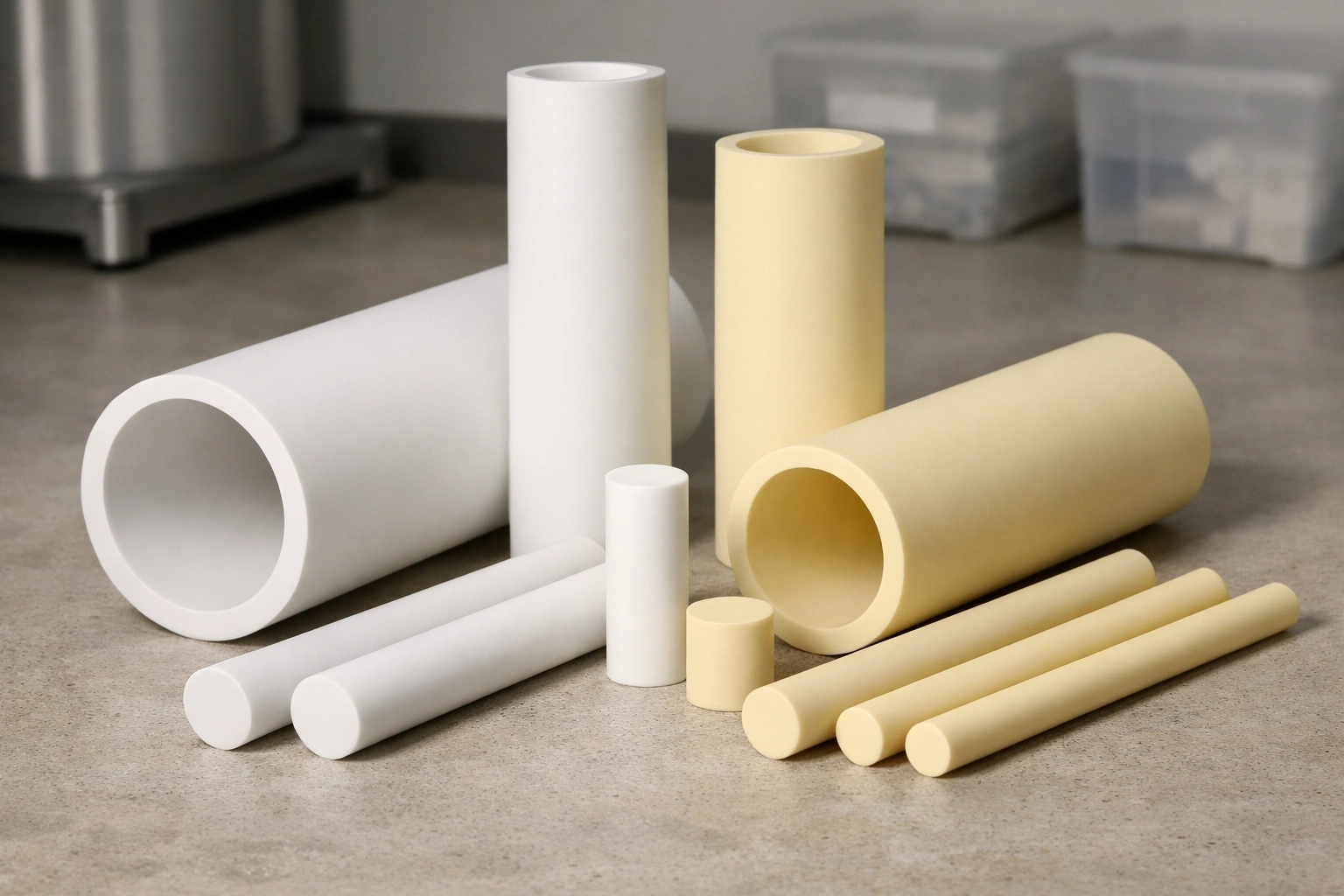
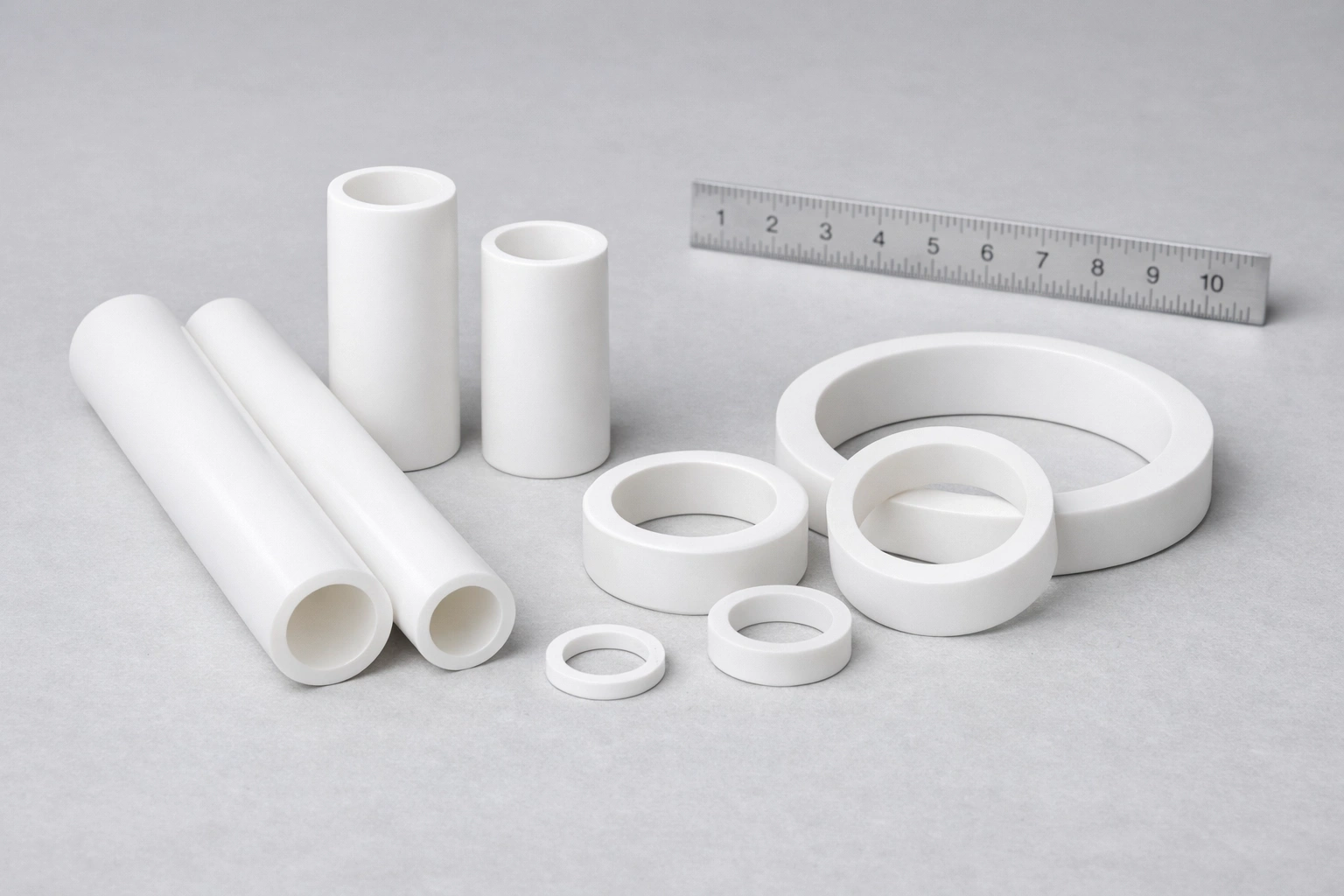
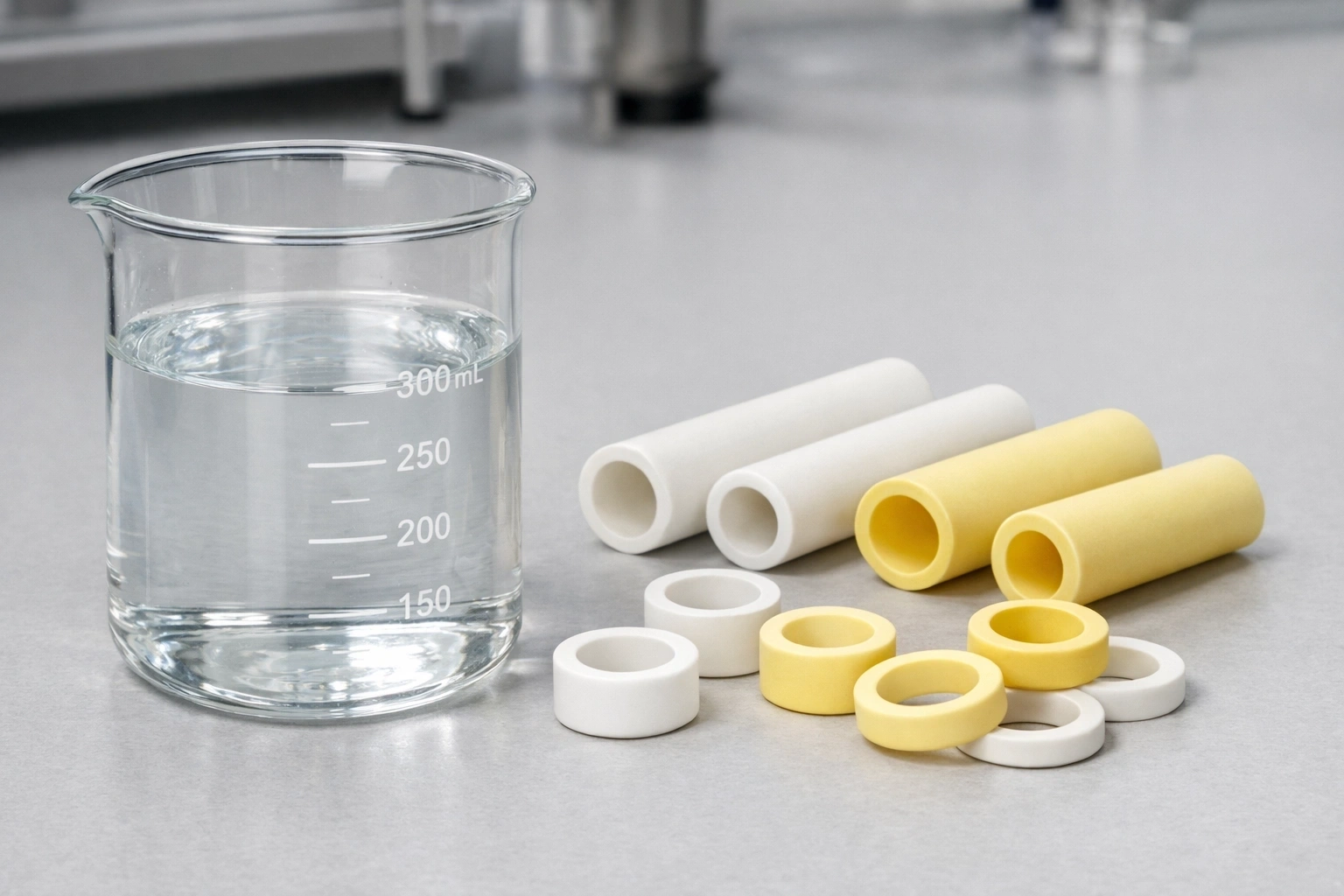
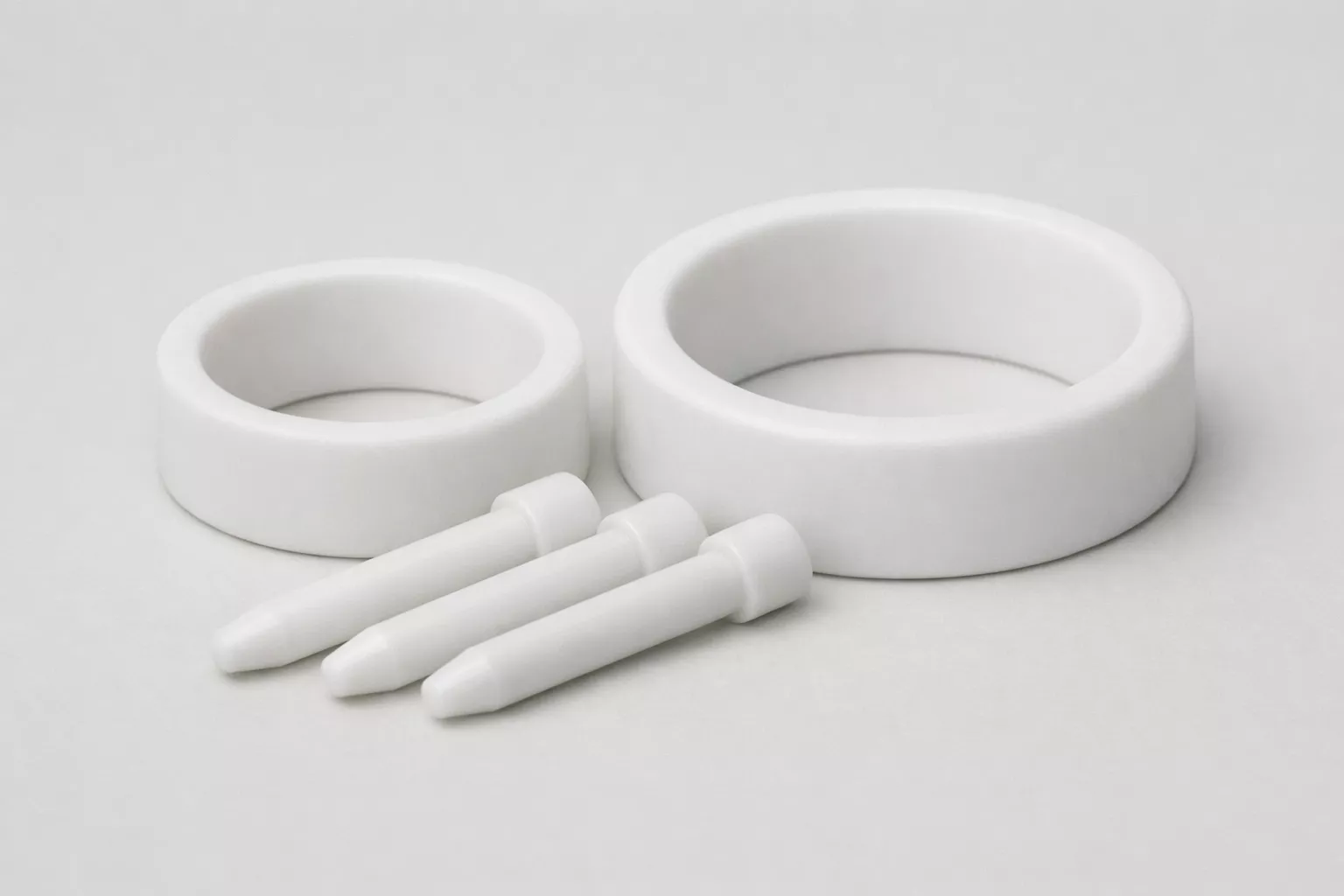
Alumina Substrate decisions often begin under uncertainty, where material failure risks, thermal limits, and long-term stability remain unclear during early engineering evaluation.
This article consolidates engineering-validated Alumina Substrate Uses across industrial applications, linking material behavior with proven deployment contexts while clarifying selection boundaries and system-level implications.
Consequently, the discussion progresses from baseline material positioning toward application-driven reasoning, thereby enabling engineers to validate suitability before advancing to dimensional, process, or supplier-level decisions.
Alumina Substrate as an Engineering Baseline Material
Alumina Substrate appears repeatedly in mature engineering systems because it offers predictable behavior under combined electrical, thermal, and mechanical loads. Moreover, its long industrial history provides engineers with measurable confidence during early feasibility assessments.
From an engineering perspective, a baseline material is not defined by extreme performance but by repeatable stability across diverse operating windows. Alumina Substrate satisfies this requirement by maintaining electrical insulation, structural rigidity, and environmental resistance within tightly bounded tolerances across decades of industrial use.
-
Baseline material role: Alumina Substrate functions as a reference platform against which alternative materials are evaluated, rather than as a performance outlier.
In practice, engineers often benchmark new substrates by comparing thermal drift, dielectric stability, and deformation behavior against alumina under identical conditions.
As a result, alumina establishes a known-safe envelope for early-stage design validation. -
Lifecycle predictability: Alumina Substrate demonstrates consistent performance from prototype testing through long-duration operation.
Field data from industrial electronics routinely shows stable dielectric behavior beyond 10⁵ thermal cycles when operated below rated stress limits.
Therefore, engineers can extrapolate long-term reliability with higher confidence than with emerging materials. -
Process compatibility: Alumina Substrate integrates reliably with established manufacturing processes.
Common fabrication steps such as metallization, thick-film printing, laser trimming, and precision grinding exhibit yield stability above 98% under controlled production conditions.
Consequently, process engineers face fewer unknown variables during scale-up.
In addition, alumina’s widespread adoption across power electronics, lighting systems, and sensor platforms reinforces its baseline status. This collective usage history reduces qualification risk during new product introduction, particularly when failure costs outweigh marginal performance gains.
Ultimately, Alumina Substrate remains a baseline engineering material because it transforms uncertainty into bounded risk. Accordingly, subsequent application analysis builds upon this foundation rather than challenging it.
| Engineering Attribute | Typical Stability Range |
|---|---|
| Volume resistivity (Ω·cm) | ≥10¹⁴ |
| Continuous service temperature (°C) | 300–400 |
| Elastic modulus (GPa) | 300–380 |
| Thermal cycling endurance (cycles) | ≥100,000 |
| Process yield stability (%) | ≥98 |
Material Properties Governing Alumina Substrate Uses
In engineering practice, Alumina Substrate uses are never defined by a single property. Instead, they emerge from the controlled interaction of electrical, thermal, mechanical, and environmental characteristics across real operating conditions.
Moreover, understanding how these properties constrain or enable applications allows engineers to predict performance boundaries before committing to detailed design. Accordingly, this section establishes the material-property framework that governs why Alumina Substrate succeeds in specific engineering roles.
Electrical Insulation Stability
Electrical insulation is one of the most fundamental drivers behind Alumina Substrate uses. Alumina ceramics exhibit volume resistivity values exceeding 10¹⁴ Ω·cm at room temperature and maintain high insulation resistance even as temperatures approach 300 °C. Consequently, leakage currents remain negligible in high-voltage and high-density circuit environments.
In practical applications, engineers often observe that alumina-based substrates maintain dielectric strength above 15 kV/mm under controlled surface conditions. This stability becomes especially relevant in compact power assemblies, where conductor spacing is constrained and electrical breakdown margins are narrow. Therefore, alumina enables dense electrical layouts without introducing unacceptable insulation risk.
Notably, field experience shows that insulation degradation in alumina substrates is rarely intrinsic. Instead, failures typically originate from surface contamination or improper metallization interfaces, reinforcing alumina’s reliability as a core insulating platform when properly processed.
Thermal Performance Balance
Thermal behavior governs how Alumina Substrate uses scale from laboratory prototypes to industrial systems. With thermal conductivity typically ranging from 20 to 30 W/m·K, alumina does not maximize heat transfer. However, this moderate conductivity provides a controlled thermal gradient rather than aggressive heat extraction.
In power and lighting applications, engineers frequently prefer this balance. Excessively high thermal conductivity can induce steep temperature differentials, increasing thermo-mechanical stress at interfaces. By contrast, alumina moderates heat flow, reducing localized stress concentrations during transient loading. As a result, systems exhibit improved resistance to thermal fatigue over extended duty cycles.
Empirical reliability testing shows alumina substrates sustaining >10⁵ heating–cooling cycles with temperature swings of 200 °C when properly mounted. Thus, thermal stability, rather than peak conductivity, becomes the decisive factor supporting long-term use.
Mechanical Rigidity Consistency
Mechanical rigidity defines how Alumina Substrate uses extend beyond electrical functionality into structural roles. Alumina exhibits elastic modulus values between 300 and 380 GPa, providing high stiffness relative to polymeric and metal-core alternatives. Consequently, substrate deformation under load remains minimal.
During assembly, this rigidity supports precise component alignment. Engineers report dimensional deviations below ±20 µm across typical substrate sizes after soldering and curing processes. This consistency is particularly critical in multi-layer or hybrid assemblies, where cumulative misalignment can compromise electrical performance.
However, rigidity also introduces brittleness. Therefore, alumina’s mechanical contribution is best leveraged where structural stability outweighs impact resistance, reinforcing its suitability for fixed, protected assemblies rather than dynamic mechanical systems.
Environmental Resistance Capability
Environmental resilience further explains the breadth of Alumina Substrate uses. Alumina ceramics remain chemically inert against most acids, alkalis, and solvents encountered in industrial environments. Additionally, moisture absorption remains below 0.1%, preserving electrical insulation under humid conditions.
In field deployments, alumina substrates routinely operate in environments cycling between –40 °C and +150 °C without measurable degradation in dielectric or mechanical properties. This resistance supports their use in outdoor electronics, industrial sensors, and harsh-environment modules.
Importantly, environmental failures attributed to alumina substrates are typically linked to auxiliary materials such as adhesives or coatings rather than the ceramic itself. Thus, alumina provides a stable core around which robust system designs can be constructed.
| Material Property | Typical Engineering Range |
|---|---|
| Volume resistivity (Ω·cm) | ≥10¹⁴ |
| Dielectric strength (kV/mm) | 12–20 |
| Thermal conductivity (W/m·K) | 20–30 |
| Elastic modulus (GPa) | 300–380 |
| Moisture absorption (%) | <0.1 |
Alumina Substrate Uses in Power Electronics
In power electronics, Alumina Substrate uses are driven by the need to balance electrical isolation, thermal control, and structural stability under sustained electrical stress. Moreover, these requirements intensify as power density increases and system footprints shrink.
Accordingly, alumina substrates have become a recurring solution in power modules, converters, and high-voltage assemblies, where predictable material behavior outweighs marginal gains in peak thermal performance.
Electrical Isolation in Power Modules
Electrical isolation represents the primary functional role of Alumina Substrate uses in power electronics. Alumina ceramics routinely deliver dielectric strength values between 12 and 20 kV/mm, enabling safe separation of high-voltage conductors within compact module geometries. Consequently, designers can reduce creepage distances without compromising insulation reliability.
In real module development cycles, engineers often validate isolation margins through accelerated stress testing. Alumina substrates subjected to continuous voltages above 3 kV over 1,000-hour endurance tests typically show no intrinsic dielectric breakdown when surface preparation is controlled. As a result, alumina establishes a dependable electrical barrier in both DC and AC power systems.
Notably, field failures attributed to insulation are rarely linked to bulk alumina. Instead, they arise from metallization edges or contamination layers, reinforcing alumina’s role as a robust electrical isolator when integrated correctly.
Thermal Path Support Roles
Thermal management defines the second critical dimension of Alumina Substrate uses in power electronics. With thermal conductivity in the 20–30 W/m·K range, alumina does not act as a heat sink. However, it provides a stable thermal pathway that distributes heat evenly across the substrate area.
During power cycling tests, engineers frequently observe that alumina substrates limit peak thermal gradients to below 15–20 °C/mm under moderate heat flux conditions. This moderated heat flow reduces localized expansion mismatch between semiconductor dies and metallization layers. Consequently, solder fatigue1 and interfacial cracking progress more slowly over time.
In practical design reviews, alumina is often selected not because it removes heat fastest, but because it prevents abrupt thermal transitions that accelerate failure mechanisms in power assemblies.
Structural Support under Thermal Cycling
Structural stability under repetitive thermal loading further defines Alumina Substrate uses in power electronics. Alumina’s high elastic modulus, typically exceeding 300 GPa, restricts substrate warpage during thermal excursions. Therefore, mechanical stress distribution remains predictable across operating cycles.
In qualification testing, alumina-based power modules commonly endure more than 100,000 thermal cycles between –40 °C and +150 °C without measurable substrate deformation. This stability preserves die alignment and bond integrity, which are critical for maintaining electrical performance over product lifetimes.
From experience, engineers often report that once a power module passes initial thermal cycling with alumina substrates, long-term structural issues are more likely to originate from packaging materials than from the ceramic itself.
| Power Electronics Function | Alumina Substrate Contribution |
|---|---|
| High-voltage isolation | Dielectric strength 12–20 kV/mm |
| Heat distribution | Thermal conductivity 20–30 W/m·K |
| Thermal cycling endurance | >100,000 cycles |
| Warpage control | <0.05% dimensional change |
| Assembly stability | Elastic modulus >300 GPa |
Alumina Substrate Uses in LED Systems
In LED systems, Alumina Substrate uses emphasize long-term thermal stability rather than short-term heat dissipation. Moreover, continuous operation and lifetime consistency impose stricter reliability constraints than peak luminous efficiency.
Consequently, alumina substrates are widely adopted in high-power and industrial LED modules, where controlled thermal behavior and mechanical integrity directly influence system durability.
Ceramic Base Function in LED Modules
As a ceramic base, Alumina Substrate uses in LED modules focus on electrical insulation combined with structural support. Alumina provides dielectric strength typically exceeding 12 kV/mm, allowing compact conductor layouts beneath densely packed LED arrays.
During module assembly, engineers often rely on alumina’s dimensional rigidity to maintain LED placement accuracy within ±15 µm across the substrate surface. This precision supports uniform current distribution and minimizes localized overheating. As a result, optical output remains consistent across the emitting surface.
In practice, alumina substrates act as the mechanical reference plane for LED modules. Once fixed, subsequent failures are more commonly traced to solder joints2 or encapsulants rather than to the ceramic base itself.
Thermal Stability in Continuous Operation
Thermal stability defines the most critical Alumina Substrate uses in LED systems. Although alumina’s thermal conductivity ranges from 20 to 30 W/m·K, its true advantage lies in maintaining stable temperature gradients during prolonged operation.
In accelerated aging tests, LED modules mounted on alumina substrates often sustain junction temperature variation within ±5 °C over 5,000 hours of continuous operation. This controlled thermal profile reduces phosphor degradation and slows lumen depreciation. Consequently, system lifetime extends without requiring aggressive cooling strategies.
Experienced engineers note that abrupt heat extraction, while beneficial in theory, can induce thermal shock during power cycling. Alumina’s moderated heat flow therefore aligns better with the endurance-driven requirements of industrial lighting systems.
Mechanical Stability during Assembly
Mechanical stability during assembly further reinforces Alumina Substrate uses in LED applications. Alumina’s high stiffness limits warpage during solder reflow processes, which typically reach 240–260 °C. As a result, coplanarity across the substrate surface remains within acceptable limits.
Production data frequently shows warpage below 0.03% after reflow when alumina thickness exceeds 0.6 mm. This stability improves solder joint consistency and reduces rework rates during mass production. Therefore, alumina supports both quality control and manufacturing efficiency.
From assembly floors, engineers often observe that once process parameters are tuned for alumina substrates, yield variability decreases significantly across production batches.
| LED System Requirement | Alumina Substrate Performance |
|---|---|
| Dielectric strength (kV/mm) | ≥12 |
| Thermal conductivity (W/m·K) | 20–30 |
| Junction temperature variation (°C) | ≤±5 |
| Continuous operation duration (hours) | ≥5,000 |
| Post-reflow warpage (%) | ≤0.03 |
Alumina Substrate Uses in Thick Film Circuits
In thick film electronics, Alumina Substrate uses are governed by process compatibility and dimensional predictability rather than by extreme electrical performance. Moreover, stable interaction with printing, drying, and firing steps determines whether circuit behavior remains consistent across production batches.
Accordingly, alumina substrates have become the dominant carrier material for thick film circuits, where repeatable geometry and surface behavior directly influence electrical accuracy and long-term reliability.
Printing Base for Thick Film Layers
As a printing base, Alumina Substrate uses focus on providing a chemically stable and mechanically rigid surface for conductive, resistive, and dielectric pastes. Alumina surfaces typically exhibit controlled roughness in the Ra 0.3–0.8 µm range, which promotes uniform paste wetting and adhesion during screen printing.
In manufacturing environments, engineers often observe that alumina substrates maintain line width variation within ±8–12 µm after printing and drying. This consistency is critical when resistor geometries directly determine circuit values. As a result, alumina supports predictable electrical performance without excessive post-processing.
From process experience, deviations in printed pattern quality are rarely attributed to the alumina substrate itself. Instead, variability usually arises from paste rheology or screen condition, reinforcing alumina’s reliability as a neutral printing foundation.
Dimensional Control for Circuit Accuracy
Dimensional control represents a central driver behind Alumina Substrate uses in thick film circuits. Alumina ceramics exhibit minimal shrinkage during high-temperature firing, typically below 0.1% when substrates are fully sintered prior to circuit processing.
During firing cycles reaching 850–900 °C, engineers consistently report substrate dimensional deviation remaining within ±0.05 mm across standard panel sizes. This stability preserves resistor geometry and conductor spacing, which directly affect circuit impedance and isolation margins. Consequently, trimming operations can be performed with higher accuracy and reduced material removal.
In practice, experienced circuit designers treat alumina substrates as dimensionally fixed references. Once design rules are established, subsequent batches reproduce electrical characteristics with minimal recalibration effort.
Reliability across Production Batches
Batch-to-batch reliability further explains sustained Alumina Substrate uses in thick film electronics. Alumina’s homogeneous microstructure limits localized thermal expansion differences during repeated firing cycles. Therefore, stress accumulation within printed layers remains controlled.
Production data from industrial thick film lines often shows yield stability above 97% across multi-thousand substrate batches when alumina is used as the carrier. Moreover, resistance drift after environmental aging typically remains below ±1% over 1,000 hours of elevated temperature exposure. As a result, long-term circuit stability aligns with industrial qualification requirements.
From an operational perspective, engineers frequently note that once a thick film process is validated on alumina, migrating to alternative substrates introduces new variables rather than clear performance gains.
| Thick Film Requirement | Alumina Substrate Capability |
|---|---|
| Surface roughness Ra (µm) | 0.3–0.8 |
| Firing temperature stability (°C) | Up to 900 |
| Dimensional deviation (%) | ≤0.1 |
| Line width variation (µm) | ±8–12 |
| Batch yield stability (%) | ≥97 |
Alumina Substrate Uses in Sensor Applications
In sensor systems, Alumina Substrate uses are defined by signal stability under variable environments rather than by peak electrical performance. Moreover, sensors operate at the boundary between materials and signals, where minor substrate drift can distort measurement accuracy over time.
Accordingly, alumina substrates are widely applied as carrier platforms in temperature, pressure, gas, and chemical sensors, where environmental robustness and dimensional control are critical.
Carrier Function for Sensing Elements
As a carrier material, Alumina Substrate uses focus on providing a mechanically stable and electrically insulating foundation for sensing elements. Alumina substrates typically maintain flatness within ≤15 µm across small-format sensor dies, enabling precise placement of sensing layers and electrodes.
In sensor fabrication lines, engineers often report that alumina carriers support repeatable alignment accuracy during deposition and patterning steps. This precision becomes especially important for thin-film sensors, where electrode spacing directly influences sensitivity and response time. Consequently, alumina enables consistent sensor behavior across production lots.
From applied experience, sensor drift issues are rarely traced to alumina substrates. Instead, deviations usually arise from sensing materials themselves, underscoring alumina’s neutrality as a carrier platform.
Environmental Stability for Signal Integrity
Environmental stability represents a core driver of Alumina Substrate uses in sensor applications. Alumina ceramics exhibit negligible moisture absorption, typically below 0.1%, preserving electrical insulation under high-humidity conditions.
In accelerated aging tests, sensors mounted on alumina substrates often maintain output signal variation within ±1% after 1,000 hours at 85 °C and 85% relative humidity. This performance is particularly valuable in industrial monitoring environments, where sensors face continuous exposure to moisture, temperature fluctuations, and chemical vapors. As a result, alumina supports long-term signal integrity without complex protective coatings.
Practicing engineers frequently note that alumina substrates reduce the need for frequent recalibration, especially in field-deployed sensor systems operating across wide environmental ranges.
Structural Precision in Miniaturized Designs
Structural precision further reinforces Alumina Substrate uses in modern sensor designs. As sensor footprints shrink, mechanical stability becomes increasingly important to prevent stress-induced signal drift. Alumina’s elastic modulus above 300 GPa limits deformation even in substrates thinner than 0.5 mm.
During vibration and mechanical shock testing, alumina-supported sensors commonly withstand acceleration levels above 50 g without measurable substrate deformation. This rigidity protects sensitive sensing layers from strain-induced artifacts. Therefore, alumina substrates enable miniaturization without sacrificing mechanical reliability.
From design reviews, engineers often conclude that alumina substrates provide a stable mechanical reference, allowing sensing elements to operate closer to their intrinsic performance limits.
| Sensor Application Requirement | Alumina Substrate Performance |
|---|---|
| Moisture absorption (%) | <0.1 |
| Signal drift after aging (%) | ≤±1 |
| Flatness tolerance (µm) | ≤15 |
| Vibration resistance (g) | ≥50 |
| Elastic modulus (GPa) | ≥300 |
Alumina Substrate Uses in Structural Insulation
Beyond electronic functions, Alumina Substrate uses extend into structural insulation roles where electrical isolation and mechanical stability must coexist under industrial conditions. Moreover, these applications often impose static loads and environmental exposure rather than dynamic electrical switching.
In such contexts, alumina substrates serve as electrically insulating structural elements that maintain geometry and isolation integrity over long service lifetimes.
-
Electrical isolation within load-bearing assemblies: Alumina substrates are frequently positioned between conductive components to prevent unintended current paths while simultaneously supporting mechanical loads.
In industrial fixtures and high-voltage housings, alumina elements routinely maintain insulation resistance above 10¹³ Ω under compressive stresses exceeding 50 MPa.
Consequently, electrical safety is preserved without introducing compliant materials that may creep over time. -
Thermal stability in insulated structures: Structural insulation applications often involve continuous exposure to elevated temperatures rather than transient peaks.
Alumina substrates retain mechanical stiffness and insulating capability at temperatures up to 300 °C in air, thereby preventing deformation or loss of isolation during prolonged operation.
As a result, alumina supports stable clearances and alignment in thermally loaded assemblies. -
Dimensional predictability under static loads: Alumina’s low creep rate under load reinforces its suitability for structural insulation.
Long-duration compression tests typically show dimensional change below 0.02% after 1,000 hours at elevated temperature and stress.
Therefore, engineers can treat alumina substrates as fixed structural references rather than time-dependent components.
In addition, structural insulation applications benefit from alumina’s chemical inertness, which minimizes degradation when exposed to industrial atmospheres. Accordingly, alumina substrates remain effective in insulating frames, spacers, and supports across diverse industrial systems.
| Structural Insulation Requirement | Alumina Substrate Capability |
|---|---|
| Insulation resistance (Ω) | ≥10¹³ |
| Compressive strength (MPa) | ≥50 |
| Continuous service temperature (°C) | Up to 300 |
| Creep deformation after aging (%) | ≤0.02 |
| Chemical stability | Inert in industrial environments |
Selection Pitfalls in Alumina Substrate Applications
During early material selection, Alumina Substrate uses are sometimes extended beyond their reliable operating envelope. Consequently, many performance issues attributed to alumina originate not from the material itself but from incorrect assumptions made during design evaluation.
This section directly addresses common engineering pitfalls and clarifies how to avoid them through informed selection and system-level reasoning.
-
Misapplication in ultra-high heat flux environments: Alumina substrates are often assumed suitable wherever thermal conduction is required.
However, when localized heat flux exceeds 300 W/cm², alumina’s moderate thermal conductivity may allow junction temperatures to rise beyond safe limits.
In such cases, engineers should instead evaluate aluminum nitride or composite ceramic solutions that prioritize aggressive heat extraction. -
Ignoring brittleness under impact or dynamic loading: Alumina exhibits high stiffness but limited fracture toughness, typically around 3–4 MPa·m¹ᐟ².
When subjected to impact, vibration shock, or bending loads without mechanical compliance, microcracking can occur.
Therefore, alumina substrates should be confined to mechanically protected assemblies or paired with compliant mounting strategies. -
Overextending thin large-area designs: As substrate thickness decreases below 0.4 mm while panel size increases, warpage risk rises sharply.
Production experience shows that unsupported thin alumina panels may exceed flatness tolerances by >50 µm, affecting assembly yield.
In such cases, design mitigation through rib support, thickness optimization, or segmented layouts becomes essential. -
Assuming surface quality is universally sufficient: Alumina substrates are often treated as surface-neutral materials.
Nevertheless, applications involving thin-film deposition or precision metallization may require surface roughness below Ra 0.3 µm, which is not guaranteed by default grades.
Consequently, surface specification must be explicitly defined during procurement.
Ultimately, selection pitfalls arise when alumina is evaluated in isolation rather than as part of a coupled system. Accordingly, correct application depends on aligning material capabilities with realistic operational constraints rather than relying on generic performance expectations.
| Common Pitfall | Engineering Correction |
|---|---|
| Excessive heat flux | Use higher-conductivity ceramics |
| Dynamic mechanical loading | Introduce compliance or alternative materials |
| Thin large-area warpage | Optimize thickness or support geometry |
| Surface mismatch | Specify surface finishing requirements |
Engineering Logic for Alumina Substrate Selection
In practical design work, Alumina Substrate uses are confirmed through a concise decision logic that prioritizes system stability over isolated performance metrics. Moreover, this logic helps engineers translate application requirements into material choices without introducing avoidable risk.
-
Requirement-to-capability alignment
Engineers begin by mapping electrical isolation, thermal limits, mechanical stiffness, and environmental exposure to alumina’s validated capability ranges.
For example, insulation demands above 10¹³ Ω and operating temperatures below 300 °C fall squarely within alumina’s stable envelope.
Therefore, selection proceeds when all primary requirements are satisfied without forcing the material toward its limits. -
Acceptance of controlled tradeoffs
Alumina selection often reflects a conscious decision to accept moderate thermal conductivity in exchange for predictable thermal gradients.
In power and LED systems, this tradeoff typically reduces interfacial stress accumulation by 15–25% compared with more aggressive heat-spreading materials.
As a result, engineers favor alumina when lifetime reliability outweighs marginal efficiency gains. -
Prototype-to-production continuity
During transition from prototype to mass production, alumina substrates preserve dimensional and electrical behavior with minimal recalibration.
Manufacturing data commonly shows batch-to-batch variation below ±2% in key parameters once processes are stabilized.
Consequently, alumina enables smoother scale-up without redesign cycles driven by material inconsistency. -
Risk containment through known behavior
Alumina’s long industrial history provides extensive failure-mode knowledge under electrical, thermal, and mechanical stress.
Engineers leverage this knowledge to bound uncertainty, especially when system downtime or recalqualification costs are high.
Hence, alumina is frequently selected as a conservative anchor material in complex assemblies.
Taken together, this selection logic treats Alumina Substrate as a risk-managed engineering choice, not as a performance experiment. Accordingly, subsequent design stages can focus on geometry, interfaces, and manufacturing optimization rather than revisiting material feasibility.
Alumina Substrate Uses in System Design Context
Within complete systems, Alumina Substrate uses should be evaluated as part of an integrated material stack rather than as an isolated component. Moreover, system-level behavior often determines whether a substrate choice succeeds or fails over the product lifecycle.
-
Role within multi-material assemblies
Alumina substrates typically function as the electrically insulating and mechanically stable core within assemblies that also include metals, polymers, and adhesives.
When correctly integrated, stress distribution across interfaces remains uniform, keeping interfacial strain below 0.2% during normal operation.
Therefore, alumina acts as a stabilizing reference layer rather than a performance bottleneck. -
Influence on system reliability margins
System reliability is frequently governed by the weakest interacting material rather than by peak substrate performance.
In long-duration operation, alumina-supported systems often show failure initiation in solder joints or encapsulants after >10⁴ hours, not in the ceramic itself.
As a result, alumina extends the usable reliability window of the overall system. -
Thermal and electrical coupling effects
Alumina substrates moderate thermal flow and electrical isolation simultaneously, shaping how energy moves through the system.
This moderation typically reduces localized temperature gradients by 10–20% compared with high-conductivity alternatives.
Consequently, component stress levels become more predictable during transient events. -
Lifecycle consistency and serviceability
Over extended service periods, alumina substrates maintain geometry and insulation properties with minimal drift.
Field data commonly indicates dimensional stability within ±0.03% after years of continuous operation.
Hence, alumina supports maintenance planning and long-term service predictability.
Overall, evaluating Alumina Substrate uses at the system level clarifies why the material continues to appear in durable industrial designs. Accordingly, its value lies in enabling balanced system behavior rather than maximizing any single performance metric.
Practical Conclusions on Alumina Substrate Uses
From accumulated application evidence, Alumina Substrate uses consistently align with scenarios that demand predictable insulation, controlled thermal behavior, and long-term dimensional stability. Moreover, its value increases when engineering decisions prioritize lifecycle reliability over marginal performance optimization.
-
Appropriate application alignment
Alumina substrates perform reliably when electrical insulation exceeds 10¹³ Ω, continuous operating temperatures remain below 300 °C, and mechanical loading is predominantly static.
Under these conditions, alumina maintains stable electrical and structural behavior across extended service periods.
Consequently, it becomes a rational default choice in industrial-grade designs. -
Clear exclusion boundaries
Applications involving ultra-high heat flux, severe impact loading, or extreme fracture tolerance requirements fall outside alumina’s optimal envelope.
In such environments, alternative ceramics or composite materials typically reduce failure probability by 20–40%.
Therefore, excluding alumina early in these cases prevents costly redesign cycles. -
Reliability-centered material reasoning
Alumina selection reflects a conservative engineering philosophy grounded in extensive field validation.
Historical deployment data shows consistent performance retention beyond 10⁴ operating hours in stable environments.
As a result, engineers leverage alumina to minimize uncertainty in complex systems. -
Design efficiency and qualification benefits
Using a well-characterized substrate reduces qualification scope and validation time.
Many development teams report qualification effort reductions of 15–25% when adopting alumina instead of less-established materials.
Hence, alumina supports faster progression from concept to production.
Overall, Alumina Substrate uses remain justified wherever stability, predictability, and risk containment outweigh the pursuit of peak material properties. Accordingly, it serves as an engineering anchor across diverse application domains.
Next Engineering Considerations after Use Validation
Once Alumina Substrate uses are validated at the application level, engineering focus naturally shifts toward implementation details that determine real-world performance. Moreover, these considerations translate material suitability into manufacturable and reliable designs.
-
Thickness and geometry refinement
After use validation, substrate thickness becomes the primary lever for balancing rigidity, thermal behavior, and cost.
Engineering data shows that increasing thickness from 0.5 mm to 1.0 mm can reduce warpage by 30–45% under identical thermal loads.
Therefore, thickness optimization should precede tolerance tightening or material substitution. -
Dimensional tolerance and flatness control
Manufacturing tolerances directly influence assembly yield and long-term stability.
In precision assemblies, maintaining flatness within ≤20 µm often prevents secondary stress buildup during soldering or bonding.
Consequently, tolerance definitions must align with both process capability and functional risk. -
Surface condition and interface definition
Surface roughness and cleanliness affect metallization adhesion, bonding strength, and electrical stability.
Applications involving thin films or fine conductors may require surface roughness below Ra 0.3 µm to maintain interface integrity.
As a result, surface specification should be treated as a functional parameter, not a cosmetic one. -
Manufacturing scalability assessment
Transitioning from prototype to volume production introduces process variability concerns.
Alumina substrates typically maintain key property variation within ±2% across stabilized production runs.
Hence, early alignment with manufacturing capability reduces late-stage redesign risk. -
Supplier engineering collaboration
Effective implementation often depends on early technical dialogue rather than late procurement.
Engineering teams that engage substrate manufacturers during design refinement frequently shorten development cycles by 10–20%.
Accordingly, collaboration becomes an extension of engineering validation rather than a purchasing activity.
In essence, validating Alumina Substrate uses establishes feasibility, while these subsequent considerations determine execution quality. Ultimately, disciplined refinement at this stage converts material confidence into system reliability.
Conclusion
Ultimately, Alumina Substrate uses persist across industries because they deliver predictable electrical insulation, controlled thermal behavior, and dimensional stability under real operating constraints. Therefore, alumina remains a reliability-driven engineering choice rather than a performance gamble.
If your design has validated Alumina Substrate uses at the application level, the next step is translating requirements into manufacturable specifications through early engineering collaboration and data-driven refinement.
FAQ
What engineering problems justify using an alumina substrate?
Alumina substrates are justified when applications require stable electrical insulation above 10¹³ Ω, moderate thermal management, and long-term dimensional consistency. Consequently, they are commonly used where reliability outweighs peak thermal conductivity.
When should alumina substrate be excluded during material selection?
Alumina should be excluded in ultra-high heat flux environments above 300 W/cm², severe impact-loading conditions, or designs demanding high fracture toughness. In such cases, alternative ceramics provide lower failure risk.
How does alumina substrate behavior change from prototype to production?
Alumina substrates typically show property variation within ±2% after process stabilization. As a result, electrical and mechanical behavior observed during prototyping usually translates reliably into volume production.
Does alumina substrate limit system performance?
Alumina substrates rarely limit overall system performance. Instead, they often stabilize system behavior by reducing thermal and mechanical variability, allowing other components to operate closer to their intended limits.
References: