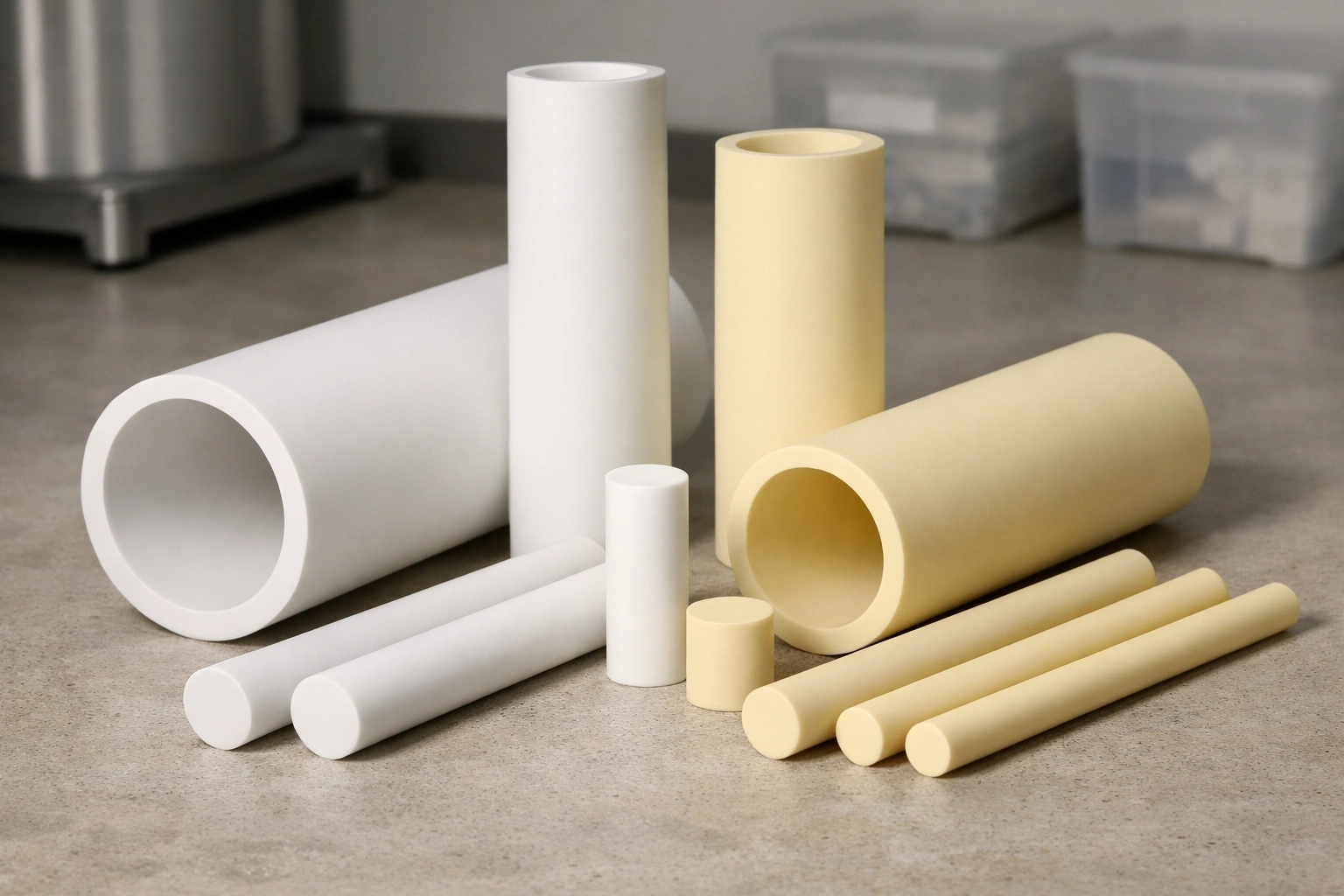
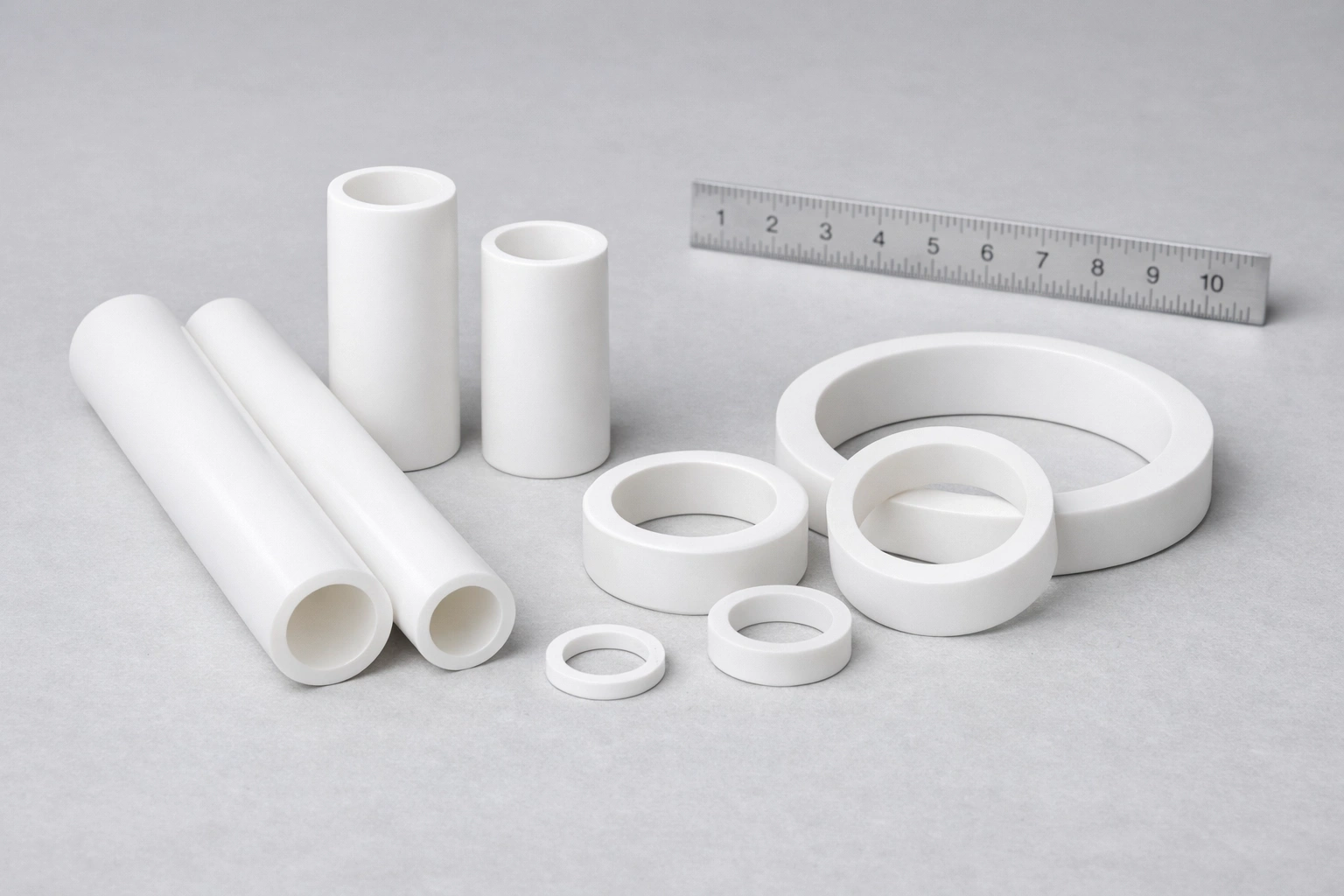
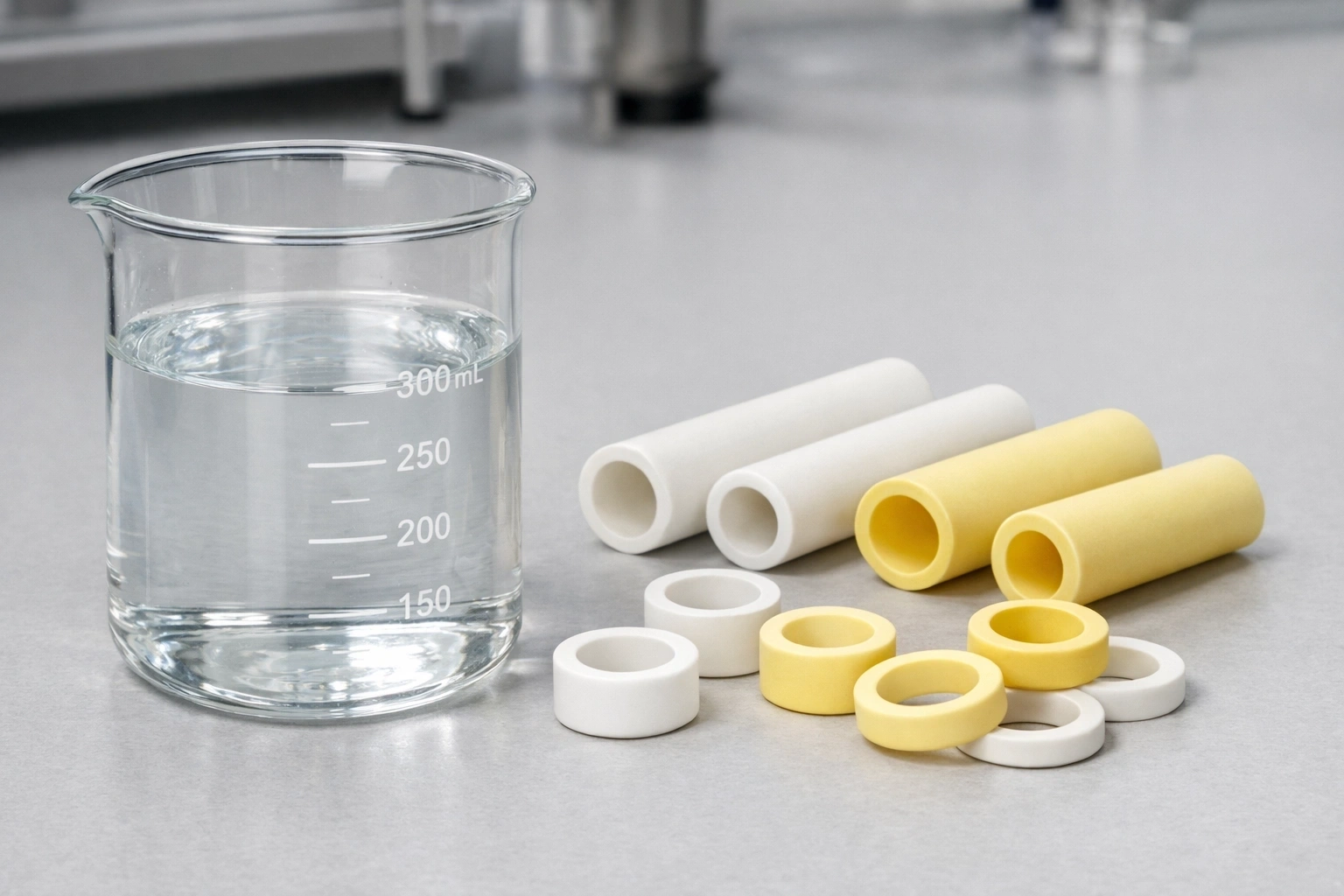
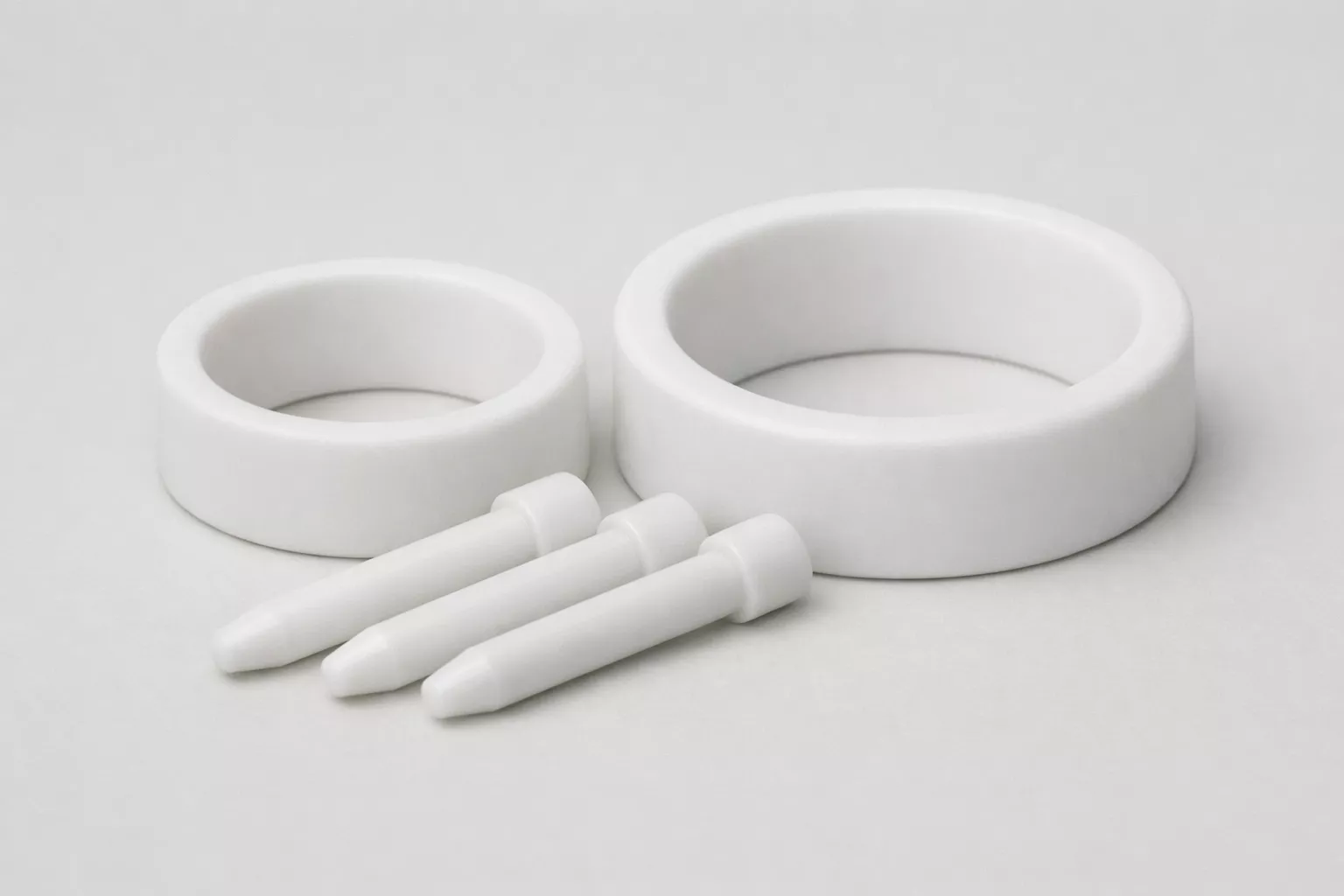
Alumina tube for corrosion resistance represents a precision-driven ceramic component essential for uniform performance across industries.
At the beginning of every production process, maintaining stable parameters ensures global reliability and predictable service life.
This article explores how ADCERAX and other leading manufacturers achieve less than 2 % specification variance in alumina tube for corrosion resistance through standardized protocols, controlled sintering, and digital traceability.
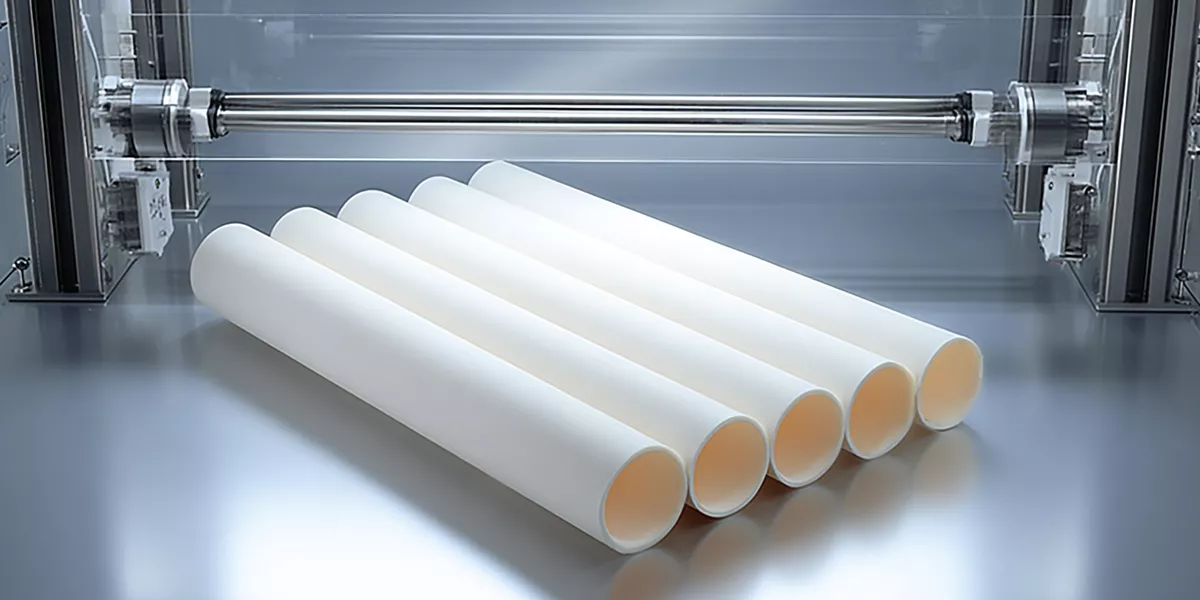
The Global Standardization Imperative for Consistent Alumina Tube for Corrosion Resistance Properties
Consistency in alumina tube for corrosion resistance properties defines its predictable lifespan and performance reliability in chemical and industrial systems.
ISO 64741 and ASTM C202 establish benchmark criteria for purity and porosity control.
ADCERAX aligns its five global facilities to maintain property variance below 2 %, ensuring consistent corrosion protection across all installations.
Importance of global standard alignment
Uniform international standards prevent drift in material properties and performance loss.
Adherence to ISO 6474 and ASTM C3733 enables consistent density (≥ 3.85 g/cm³) and porosity (≤ 0.1 %).
By aligning each production site to these norms, ADCERAX delivers interchangeable alumina tubes that minimize validation costs for multinational users.
Effect of specification variance on field performance
Even a minor shift in alumina tube for corrosion resistance properties can alter long-term behavior.
A 1 % rise in porosity may shorten acid exposure life by nearly 8 %.
ADCERAX field data across 65 installations show corrosion rate variance ≤ 5 %, confirming its strict control over composition and sintering quality.
Rigorous Raw Material Sourcing and Powder Processing Controls in Alumina Tube for Corrosion Resistance Production
Stable feedstock purity forms the cornerstone of repeatable alumina tube for corrosion resistance results.
Each incoming lot (≥ 99.9 % Al₂O₃) undergoes ICP-OES chemical verification and BET surface area measurement before blending.
Tight control over particle size (2–5 µm) and additive levels leads to homogeneous packing density and minimized variation during forming.
Supplier qualification and feedstock analysis
Raw material suppliers undergo comprehensive audits covering trace impurities such as Fe₂O₃ < 0.02 %.
Powder batches outside the target Al₂O₃ range are rejected before milling.
This rigorous selection ensures identical powder chemistry across all ADCERAX production centers.
Powder blending and homogeneity verification
After qualification, powders are blended under computer-controlled conditions.
Automated monitoring of additive ratios (± 0.2 %) guarantees even distribution.
Homogeneity tests using XRF and SEM imaging confirm uniform grain structure, directly improving the corrosion resistance of the final alumina tube.
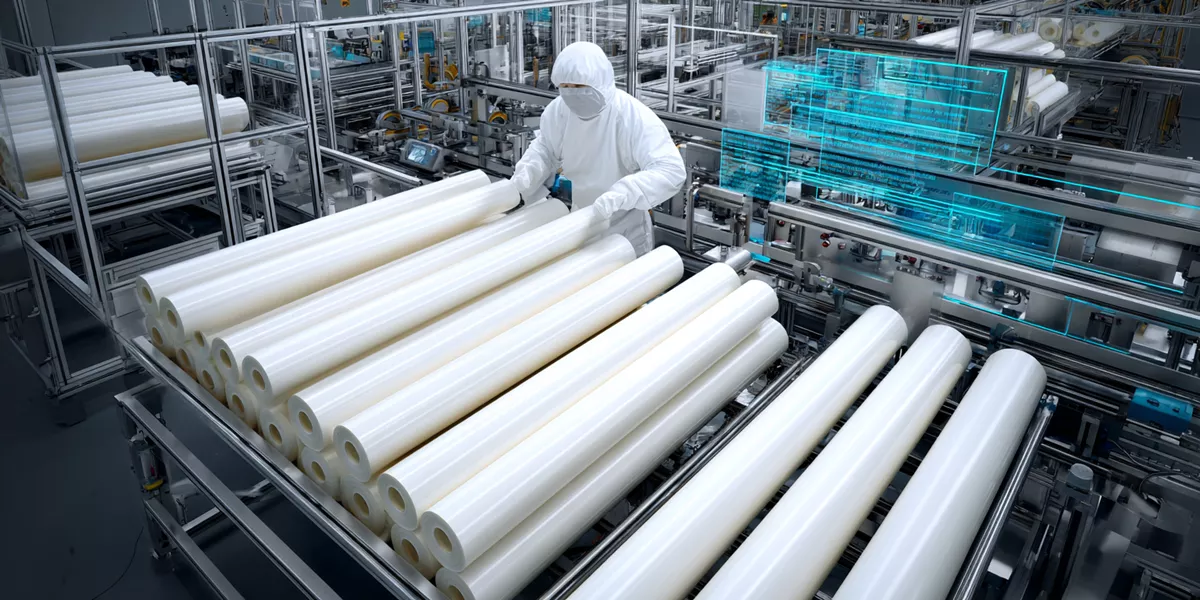
Advanced Forming and Sintering Techniques for Homogeneous Alumina Tube for Corrosion Resistance Structures
Advanced processing methods enable the consistent densification and mechanical strength essential for corrosion-resistant operation.
Isostatic pressing achieves high uniformity before sintering, while vacuum sintering at 1 700 °C ensures dense microstructures (≥ 3.85 g/cm³).
ADCERAX laboratory testing reports acid weight-loss 0.009 mg/cm² (ASTM C965), validating performance repeatability.
Controlled sintering temperature and pressure profiles
Optimized sintering curves limit abnormal grain growth and eliminate internal stresses.
Studies show that slightly lower sintering temperatures (1 670 °C) result in more uniform grain distribution (< 5 µm).
Maintaining constant pressure across molds prevents localized shrinkage that could compromise corrosion protection.
Post-sinter grinding and inspection accuracy
Post-processing enhances precision and surface finish.
Diamond grinding removes surface micro-defects that may act as corrosion initiation points.
Dimensional scanning with 0.001 mm tolerance ensures final conformity to drawing specifications.
Specification Consistency Table
| Parameter | Global Benchmark | ADCERAX Average | Variance Across Sites (%) |
|---|---|---|---|
| Al₂O₃ Purity (%) | ≥ 99.5 | 99.6 | < 2 |
| Density (g/cm³, ASTM C20) | ≥ 3.85 | 3.89 | 1.5 |
| Porosity (%, ASTM C373) | ≤ 0.1 | 0.07 | 1.8 |
| Acid Weight Loss (ASTM C965, mg/cm² / 1000 h) | ≤ 0.01 | 0.009 | 1.7 |
Implementing Comprehensive In-Process and Final Quality Assurance for Alumina Tube for Corrosion Resistance
Quality assurance plays a decisive role in maintaining consistent outcomes.
ADCERAX integrates automated in-line checks, dimensional scanning, and porosity testing at every production stage.
The result is a verified 0 % defective rate over 18 consecutive months of production.
Automated QC systems and statistical control
Optical sensors and laser scanners detect micro-defects in real time.
Statistical process control maintains process capability (Cpk) > 1.67 for all density and porosity metrics.
Any deviation triggers immediate feedback to powder preparation or sintering stages.
Final inspection and certification workflow
Each batch undergoes comprehensive inspection for physical and chemical parameters.
Certified inspectors verify compliance with ASTM C965 chemical durability and ISO 9001 traceability.
Digital certificates accompany every shipment for complete transparency.
Decision Matrix — Quality Assurance Workflow
| Stage | Control Parameter | Acceptance Criteria | Action if Out of Spec |
|---|---|---|---|
| Raw Material Check | Purity ≥ 99.9 % | Proceed to milling | Re-evaluate supplier |
| Pressing Inspection | Density ≥ 3.80 g/cm³ | Proceed to sintering | Repress |
| Final QC | Porosity < 0.1 % & Loss < 0.01 mg/cm² | Ship Batch | Reject Lot / Rework |
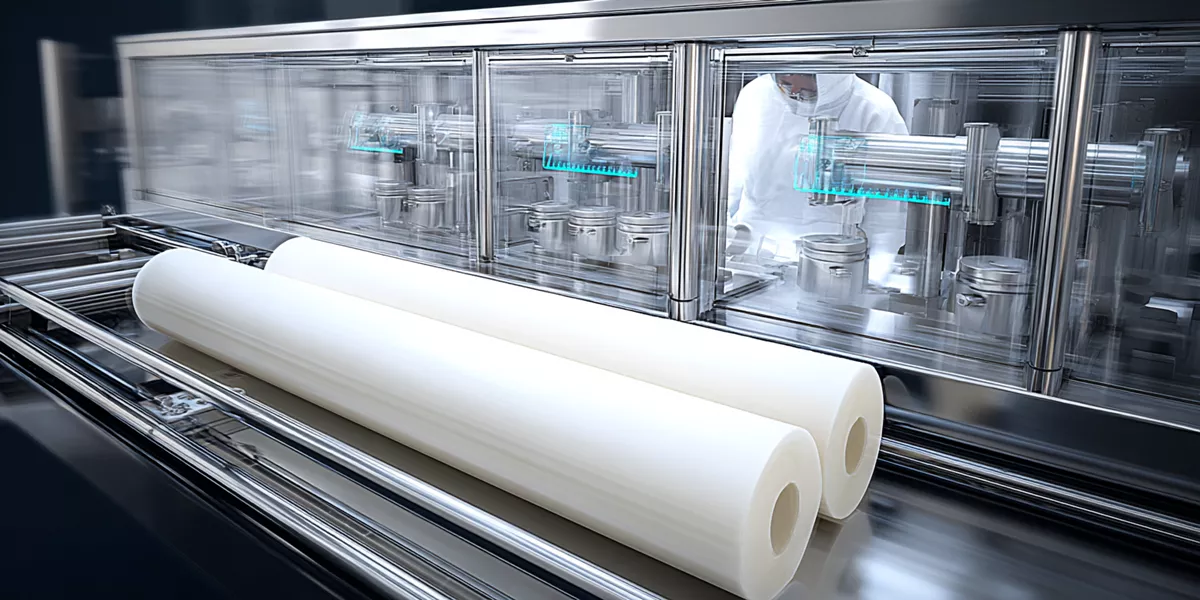
Traceability Systems and Continuous Performance Monitoring in Alumina Tube for Corrosion Resistance
Traceability is fundamental for ensuring repeatable quality across regional facilities.
Every alumina tube for corrosion resistance batch is encoded with a QR-linked ID containing full chemical and physical records.
This digital linkage enables real-time performance monitoring and process optimization.
Digital traceability and data integration
Each production step is logged in an MES database connecting forming, sintering, and final inspection.
QR tagging allows customers to verify batch data instantly, enhancing confidence in specification reliability.
Such traceability eliminates uncertainty in global sourcing and replacement logistics.
Feedback-driven process refinement
Performance feedback from field applications closes the production loop.
If corrosion weight-loss exceeds 0.01 mg/cm², parameters like powder PSD or sintering dwell time are adjusted.
This adaptive mechanism has kept ADCERAX’s global variance below 2 %, ensuring continuous reliability.
Conclusion
Global uniformity in alumina tube for corrosion resistance depends on meticulous raw material control, precise sintering, and intelligent feedback loops.
FAQ
1. How do global manufacturers ensure consistent alumina tube for corrosion resistance performance?
They adopt ISO and ASTM standards with synchronized calibration, ensuring each plant maintains identical process parameters and sub-2 % property deviation.
2. What is the benefit of rigorous raw material validation?
High-purity alumina feedstock ensures reliable corrosion resistance, reducing premature degradation and increasing operational lifespan.
3. How can purchasers verify compliance before shipment?
Each batch includes a QR-linked certificate detailing chemical composition, density, porosity, and acid-resistance results.
4. Why is alumina preferred over metal alternatives in corrosive systems?
Alumina resists acid attack with less than 0.01 mg/cm² weight-loss per 1000 hours, outperforming stainless steel, which typically exceeds 0.2 mg/cm² under similar test conditions.
References:
-
Understanding ISO 6474 can enhance your knowledge of purity standards in various industries. ↩
-
Exploring ASTM C20 will provide insights into porosity control methods essential for material quality. ↩
-
Exploring ASTM C373 will provide insights into testing methods for density and porosity in materials. ↩