Tailoring Alumina Tube Solutions Through Design and Composition
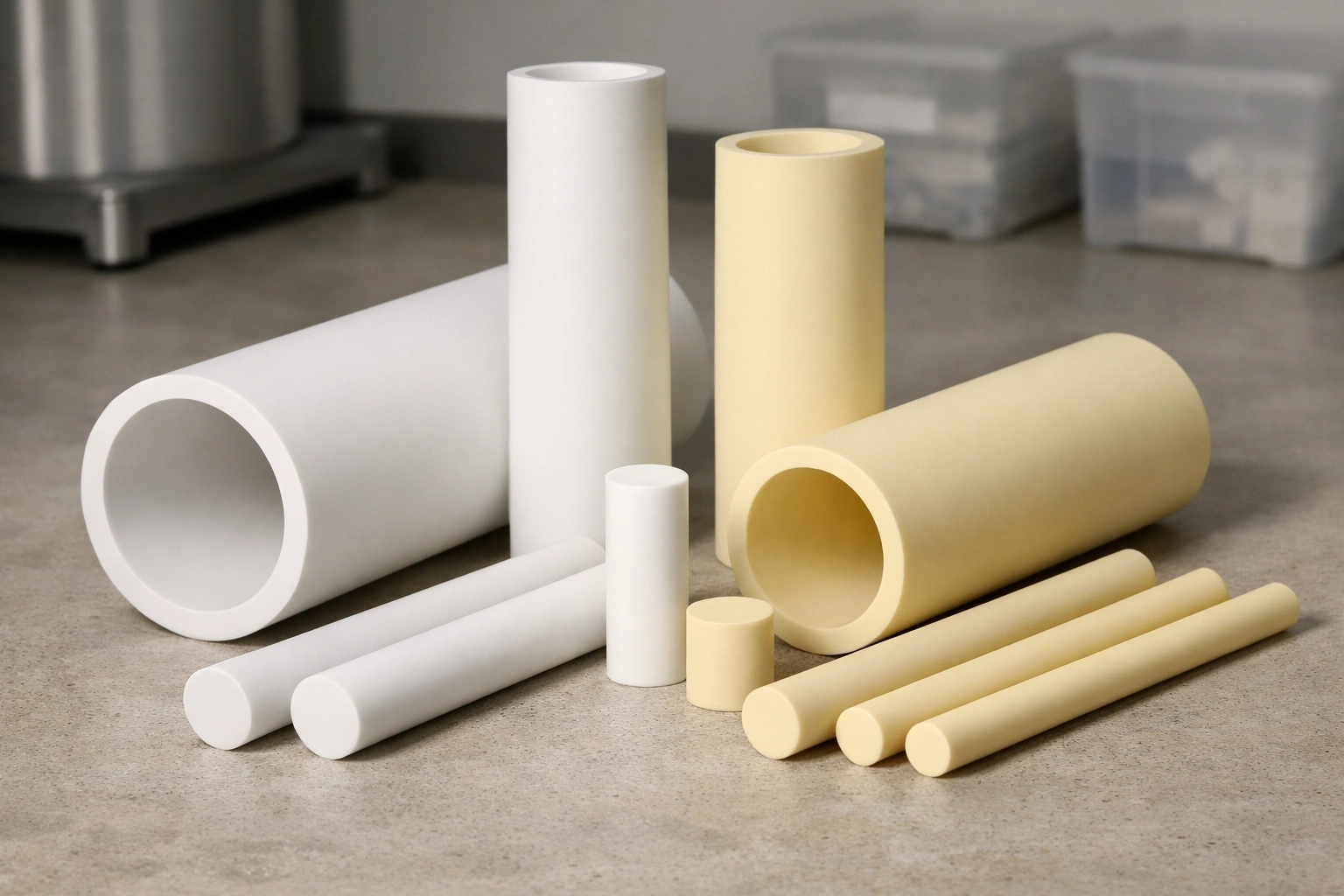
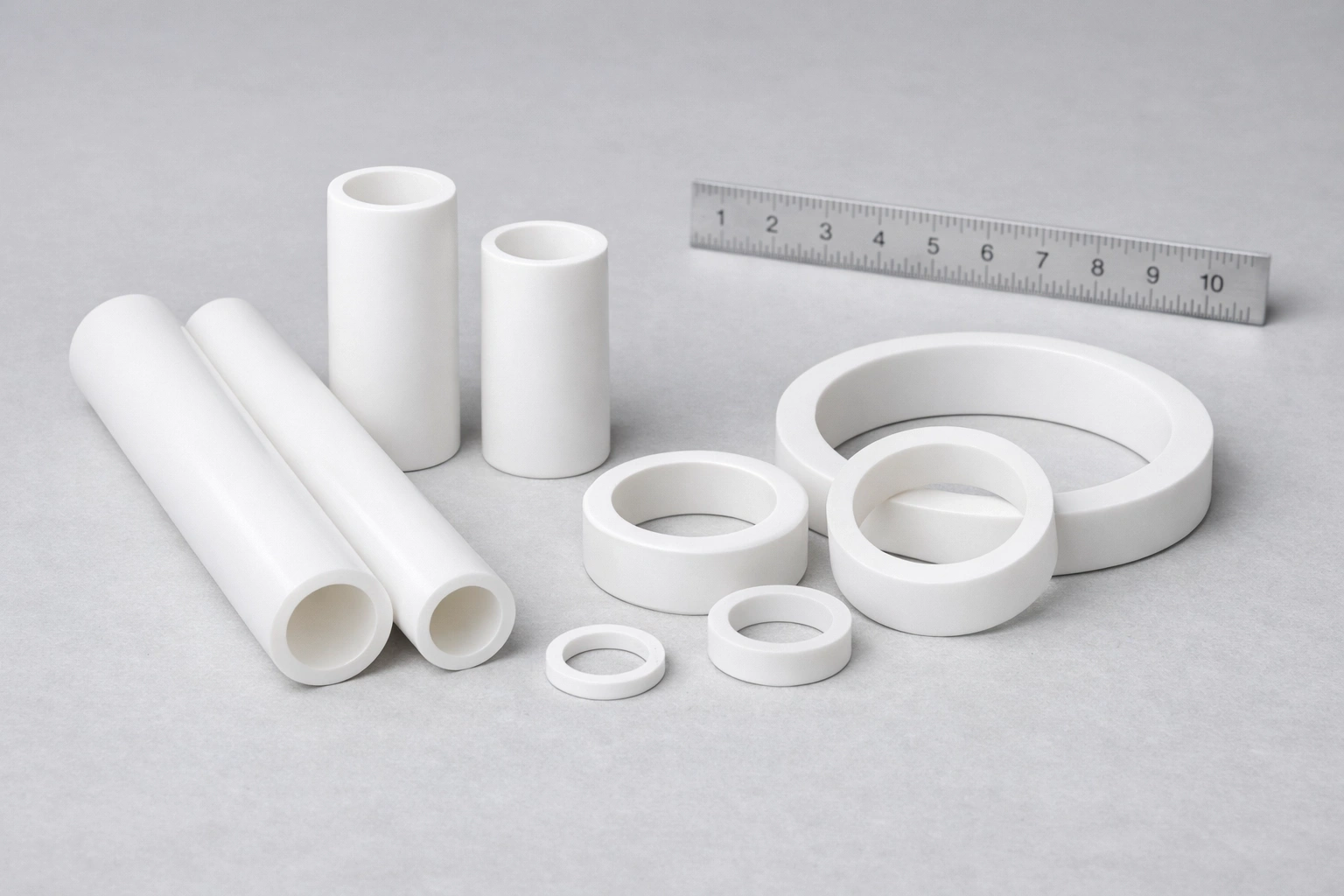
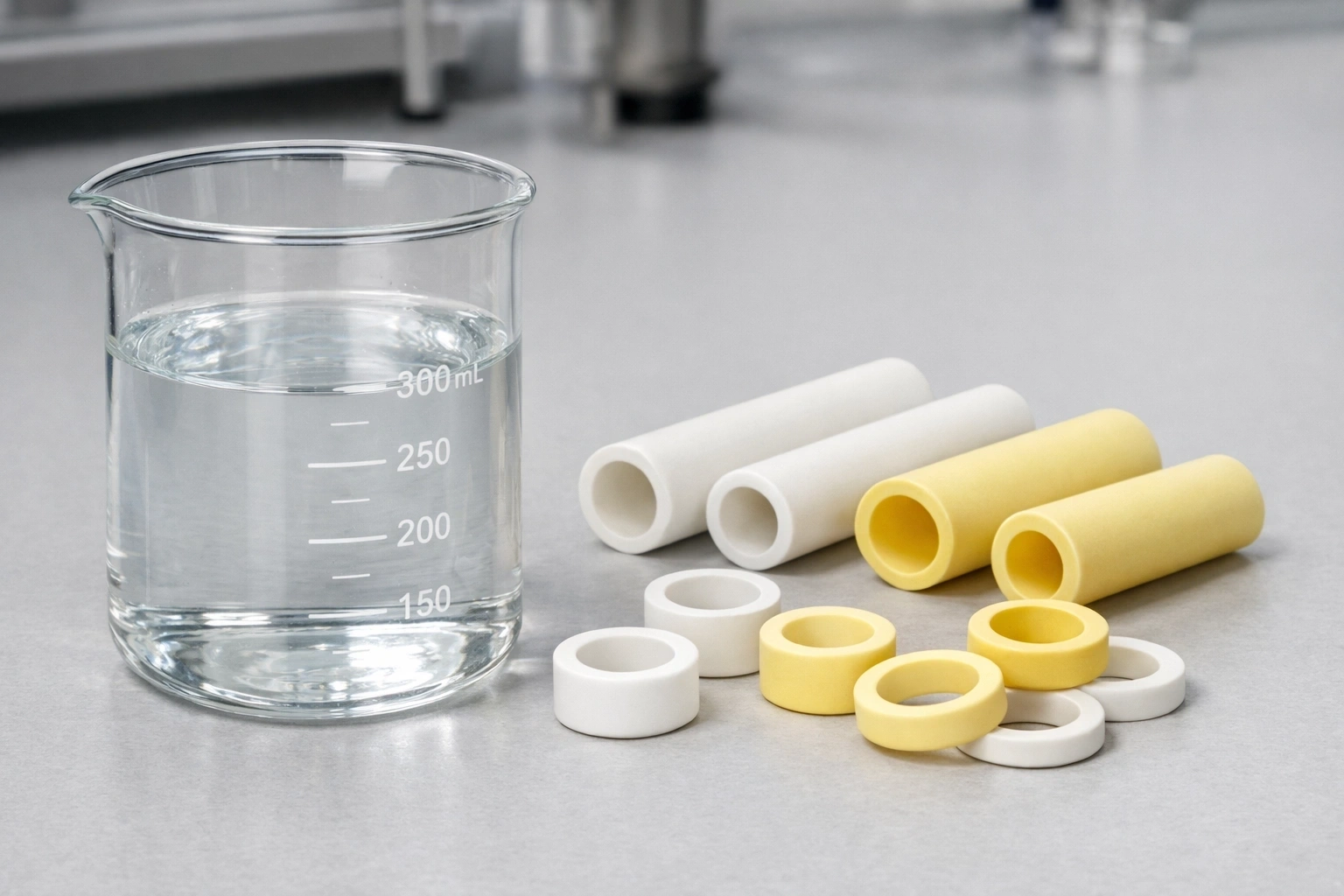
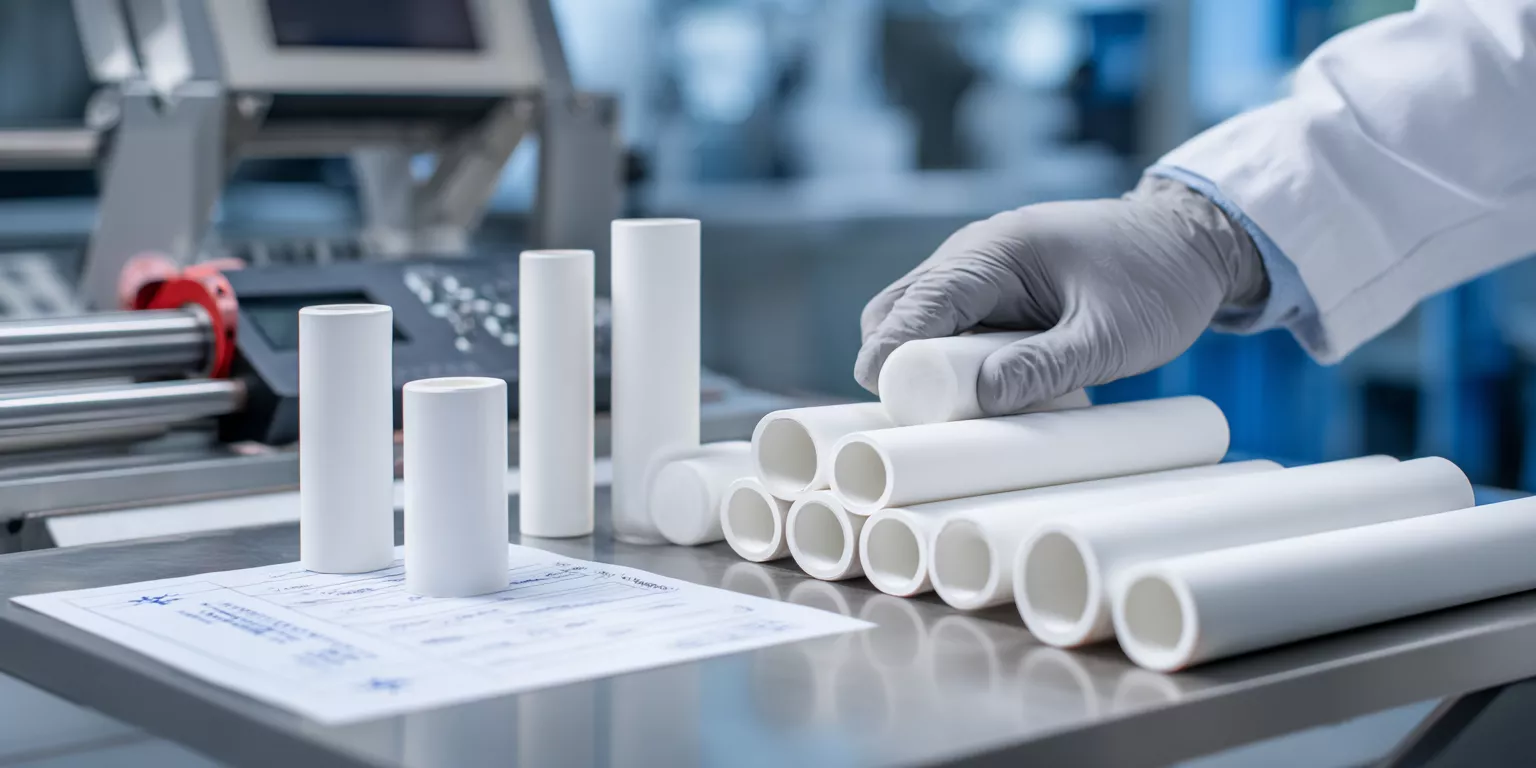
Alumina ceramic tubes support diverse industrial needs through variations in purity grade, size, wall thickness, surface finish, and specialized formats. Each configuration determines operational limits and cost structure. Engineers specifying these tubes must understand how purity affects temperature resistance, how wall thickness influences mechanical strength, and how surface finishing modifies friction and sealing behavior. These design relationships ensure alignment between performance requirements and procurement efficiency across chemical, thermal, and analytical industries.
How Do Alumina Tube Purity Grades Determine Performance Capabilities Across Industrial Applications?
Lower to ultra-high-purity alumina grades form clear performance tiers tied to both cost and functionality. Selecting the correct grade prevents over-engineering and ensures lifecycle economy.
Lower purity grades optimizing cost-performance for general applications
Alumina grades containing 85–95% Al₂O₃ typically include SiO₂, CaO, and MgO as sintering aids. These additives reduce cost but limit temperature capacity to 1350–1450 °C and flexural strength to 250–320 MPa (ASTM C1161). Such alumina tubes serve in general-purpose furnaces and non-critical chemical lines. Their affordability—about 40–60% cheaper than 99.5% grades—makes them ideal where moderate thermal and mechanical loads dominate.
High purity specifications meeting demanding chemical and thermal requirements
At 99.5% Al₂O₃, alumina exhibits significant improvements: continuous use at 1650 °C, flexural strength of 350–400 MPa, and acid corrosion below 0.05% weight loss after ASTM C965 tests. These grades ensure long service in corrosive or high-heat systems like thermocouple protection or catalytic reactors. The balance between reliability and cost positions 99.5% purity as the industry standard for precision thermal systems.
Ultra-high purity grades enabling semiconductor and analytical applications
Grades exceeding 99.7% Al₂O₃ reach intermittent service temperatures of 1750–1800 °C. Contamination levels remain under 10 ppb Na⁺ (K per ICP-MS, ASTM C1109), and insulation surpasses 10¹⁴ Ω·cm at 1000 °C. These attributes support semiconductor and high-vacuum instrumentation where ionic purity and dielectric stability are non-negotiable. Engineers justify 2–3× cost premiums for maximum performance and process cleanliness.
What Standard Alumina Tube Dimensions and Custom Size Options Address Varied Industrial Requirements?
Dimensional availability defines suitability for specific furnace chambers, flow systems, and measurement setups.
Standard dimension ranges covering typical industrial applications
Common stock covers 3–200 mm OD, 1–10 mm wall, and up to 3000 mm length. Furnace tubes between 30–100 mm OD suit laboratory systems, while 50–150 mm OD covers production furnaces. These off-the-shelf options fulfill around 85–90% of orders, ensuring predictable cost and quick delivery.
Custom size capabilities for specialized equipment requirements
Large-scale furnaces or immersion heaters require diameters up to 500 mm OD and lengths to 5000 mm. Such parts rely on precision-joined sections for alignment. Miniature tubes (<3 mm OD) enable analytical and microreactor use where compact geometries govern design. Custom work allows integration into proprietary machinery.
Tolerance specifications matching assembly and sealing requirements
Dimensional tolerance defines compatibility. ±2% tolerance suits general tubes, ±0.5% for slip-fits, and ±0.1 mm for semiconductor seal interfaces (ISO 20507). These precision levels prevent leaks and misalignment in critical assemblies.

How Does Alumina Tube Wall Thickness Selection Impact Thermal, Mechanical, and Cost Performance?
Wall thickness governs heat transfer rate, rigidity, and cost. Proper choice prevents thermal lag or mechanical failure.
Thin-wall designs minimizing thermal mass for rapid thermal cycling
Tubes 1–3 mm thick heat and cool fast, with time constants of 30–90 s. This suits CVD[^1] reactors and analytical tools needing temperature uniformity. However, reduced section thickness limits spans to 300–400 mm (2 mm wall, 50 mm OD at 1500 °C) before deflection exceeds 2 mm.
Thick-wall configurations providing structural strength and span capability
Walls of 5–15 mm support long spans up to 1000 mm and enhance load capacity in pressurized or high-shock systems. The thermal-shock parameter R''' increases with thickness, improving durability where steep gradients occur.
Wall thickness optimization balancing performance and cost requirements
Designers often choose mid-range (3–5 mm) walls, achieving 500–700 mm span stability at 1600 °C with moderate response times (60–120 s). This balance cuts cost without sacrificing functionality.
What Alumina Tube Surface Finish Options Optimize Performance for Sliding Contact and Sealing Applications?
Surface roughness dictates sealing behavior and wear resistance. Options range from cost-efficient as-fired to precision polished.
As-fired surfaces providing cost-effective general-purpose solutions
Direct-sintered finishes (Ra 3.2–6.3 µm) maintain ±2% tolerances and save 30–40% cost versus ground tubes. They suit non-contact furnace applications or chemical process liners where friction control is secondary.
Ground finishes enabling precision fits and sealing interfaces
Ground exteriors (Ra 0.4–1.6 µm) fit o-ring seals and sliding assemblies with <5 µm radial clearance. Such surfaces prevent abrasion and gas leaks in thermocouple or fluid systems.
Polished surfaces for ultra-clean semiconductor and analytical applications
Diamond-polished tubes (Ra <0.4 µm) resist contamination, allowing easy cleaning without aggressive chemicals. Typical uses include wafer processing and pharmaceutical instrumentation where cleanliness dictates performance.
What Specialized Alumina Tube Formats and Coating Options Address Unique Application Challenges?
Non-standard geometries extend function beyond basic heat containment.
Closed-end configurations providing hermetic sensor protection
Monolithic closed-end tubes achieve <0.01% gas permeability (ASTM C373). They shield platinum thermocouples from oxidizing or corrosive atmospheres and eliminate joints prone to leakage.
Multi-bore designs eliminating electrical interference in multi-conductor systems
Tubes containing 2–7 parallel channels isolate conductors above 100 MΩ at 1600 °C (ASTM D257). They enable multi-point temperature sensing or heater element routing without cross-talk.
Non-standard geometries and coatings optimizing specialized applications
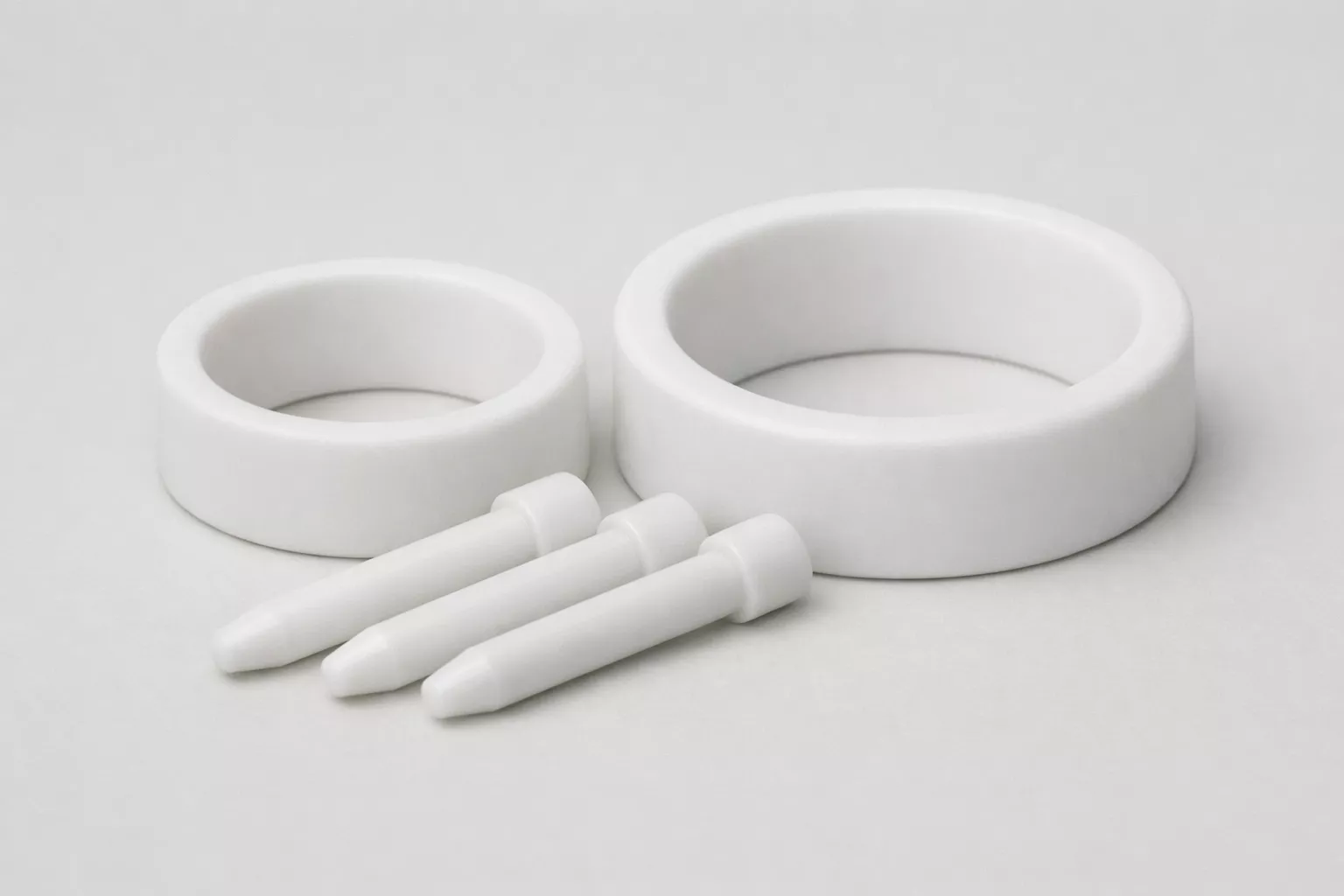
Square, rectangular, and oval tubes improve space utilization and mounting. Coatings such as alumina glaze increase corrosion resistance; conductive films dissipate charge; thermal barriers minimize heat loss. Segment-joined sections extend assemblies beyond 5 m for field installation.

How Do Manufacturing Capabilities and Lead Times Influence Alumina Tube Configuration Selection?
Lead time and tooling define feasibility as much as technical specification.
Standard configurations enabling rapid delivery with minimal order quantities
Stocked round tubes (10–100 mm OD, ≤1500 mm length, 95–99.5% purity) typically ship in 2–6 weeks with 10–50 pcs MOQs. They serve urgent maintenance and commissioning needs.
Custom design trade-offs balancing technical optimization and procurement constraints
Modified standards—custom lengths, alternate purity, basic grinding—extend delivery to 4–8 weeks (MOQ 25–100). Fully bespoke shapes or coatings require 10–16 weeks and 100–500 pcs lots. Engineers weigh the added precision against project deadlines.
Supplier capabilities influencing configuration feasibility and economics
Manufacturers with integrated machining and sintering lines shorten cycles. ADCERAX analysis of 2800 orders shows that modified standards fulfill ≈90–95% of functional demands at 40–60% the cost and half the lead time of fully custom parts.
Configuration Selection Matrix
| Configuration Type | Typical Specifications | Lead Time | MOQ | Cost Index | Primary Applications |
|---|---|---|---|---|---|
| Standard round | 10–100 mm OD, 95–99.5% purity | 2–6 weeks | 10–50 pcs | 1.0 | General furnace, chemical processing |
| Precision ground | ±0.5% tolerance, Ra 0.4–0.8 µm | 4–8 weeks | 25–100 pcs | 1.4–1.8 | Thermocouple protection, sealing |
| High purity | 99.7–99.9% Al₂O₃ | 4–10 weeks | 50–200 pcs | 2.0–3.0 | Semiconductor, analytical |
| Multi-bore | 2–7 channels | 6–10 weeks | 50–150 pcs | 1.6–2.2 | Multi-point measurement |
| Custom geometry | Non-standard shape/coating | 10–16 weeks | 100–500 pcs | 2.5–4.0 | Specialized equipment |
Conclusion
Accurate matching of alumina tube configurations to operating conditions ensures reliability and cost control. Understanding how purity, geometry, wall thickness, and finish interact allows data-driven specification across industries.
Navigating configuration choices for alumina tubes requires technical precision and manufacturing insight. Partner with ADCERAX for factory-direct supply, engineering drawing support, and rapid small-batch customization to achieve optimal material performance and delivery speed.
FAQ
1. How does alumina purity affect tube performance at high temperature?
Higher purity increases thermal stability. 99.7% Al₂O₃ sustains ≈1850 °C intermittently, while 95% grades limit to 1450 °C due to glass-phase impurities.
2. What cost and lead-time factors influence configuration selection?
Stock sizes ship within 2–6 weeks at base cost. Custom geometries or coatings extend lead times to 16 weeks and raise cost 2–3× because of dedicated tooling.
3. How should procurement teams define tolerance and surface finish needs?
Select ±2% tolerance for standard assemblies; ±0.5% for precision fits; polished surfaces (Ra < 0.4 µm) for ultra-clean environments.
4. What are the advantages of multi-bore alumina tubes versus single-bore types?
Multi-bore designs enable multi-sensor integration and maintain >100 MΩ electrical isolation at 1600 °C, reducing system weight and component count.
References:
[^1]: Learn about CVD technology, its applications in reactors, and why temperature uniformity is crucial for analytical tools.