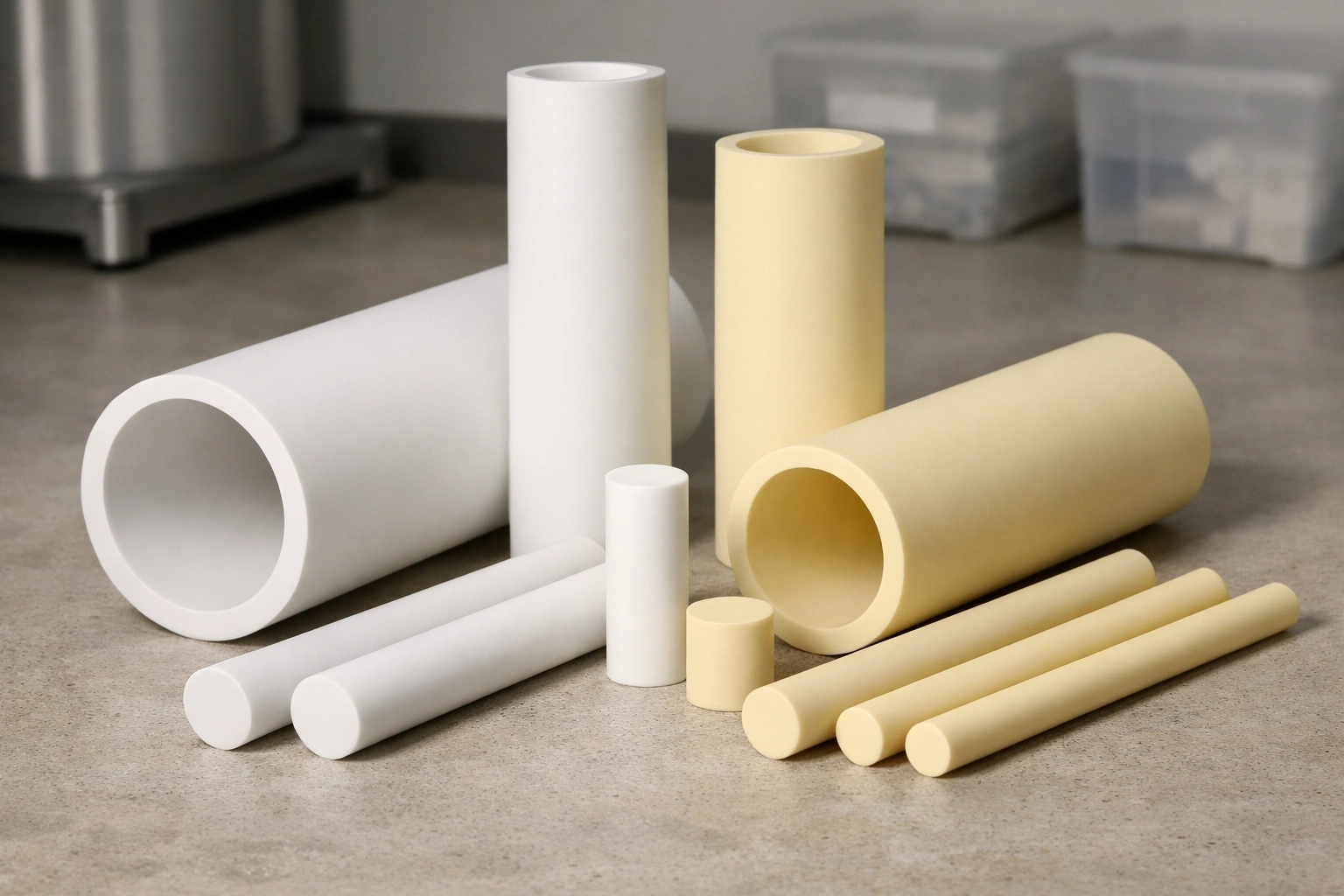
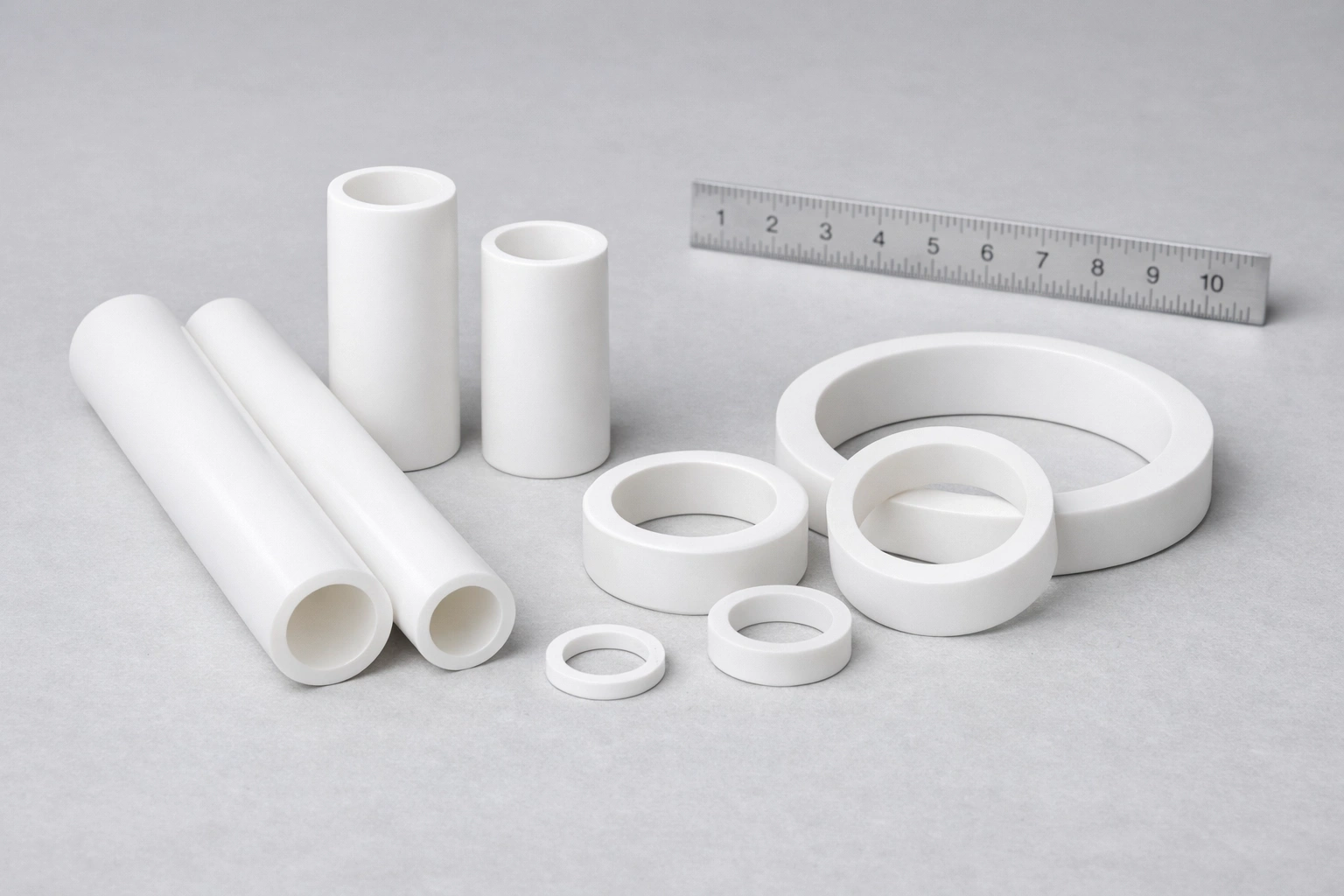
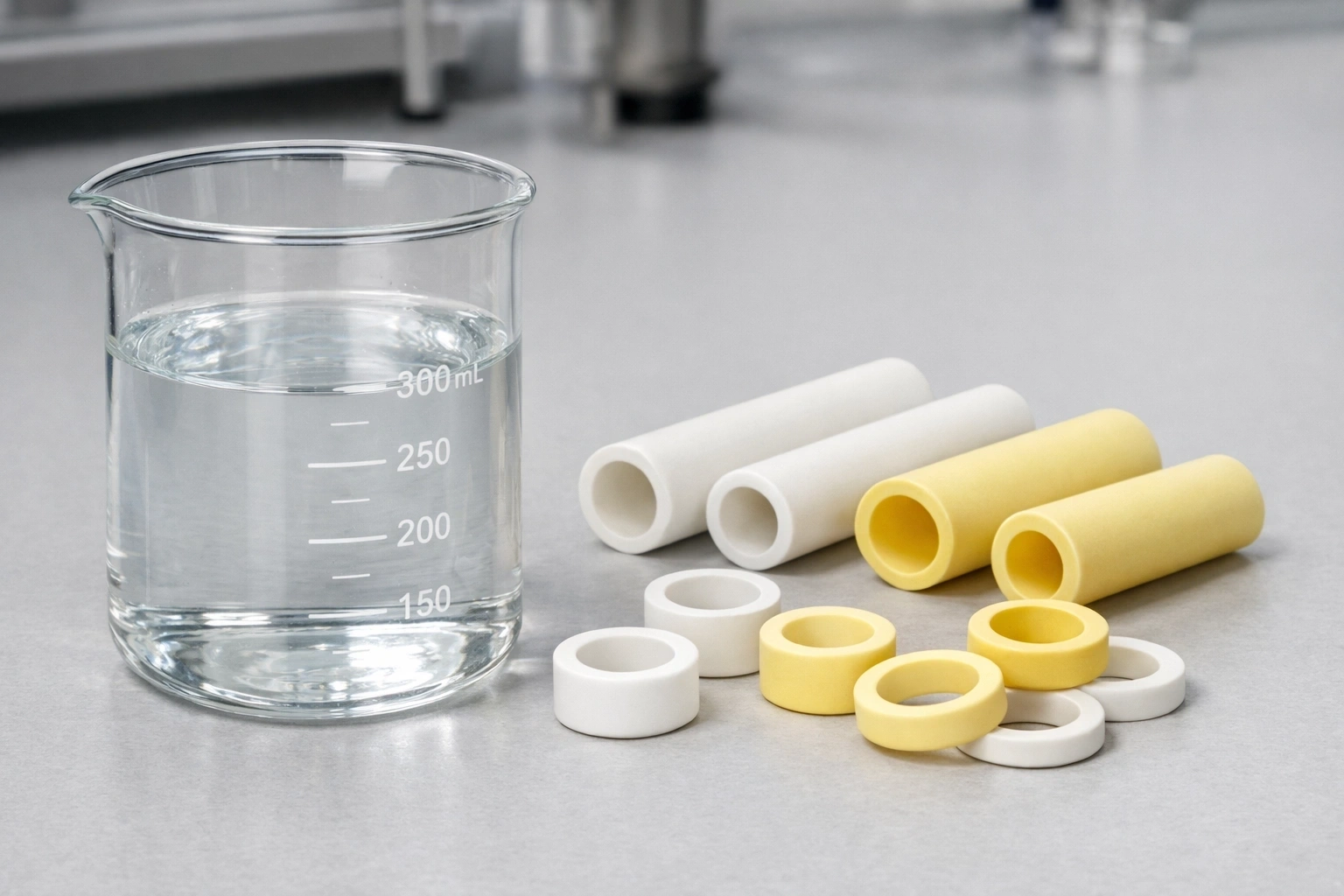
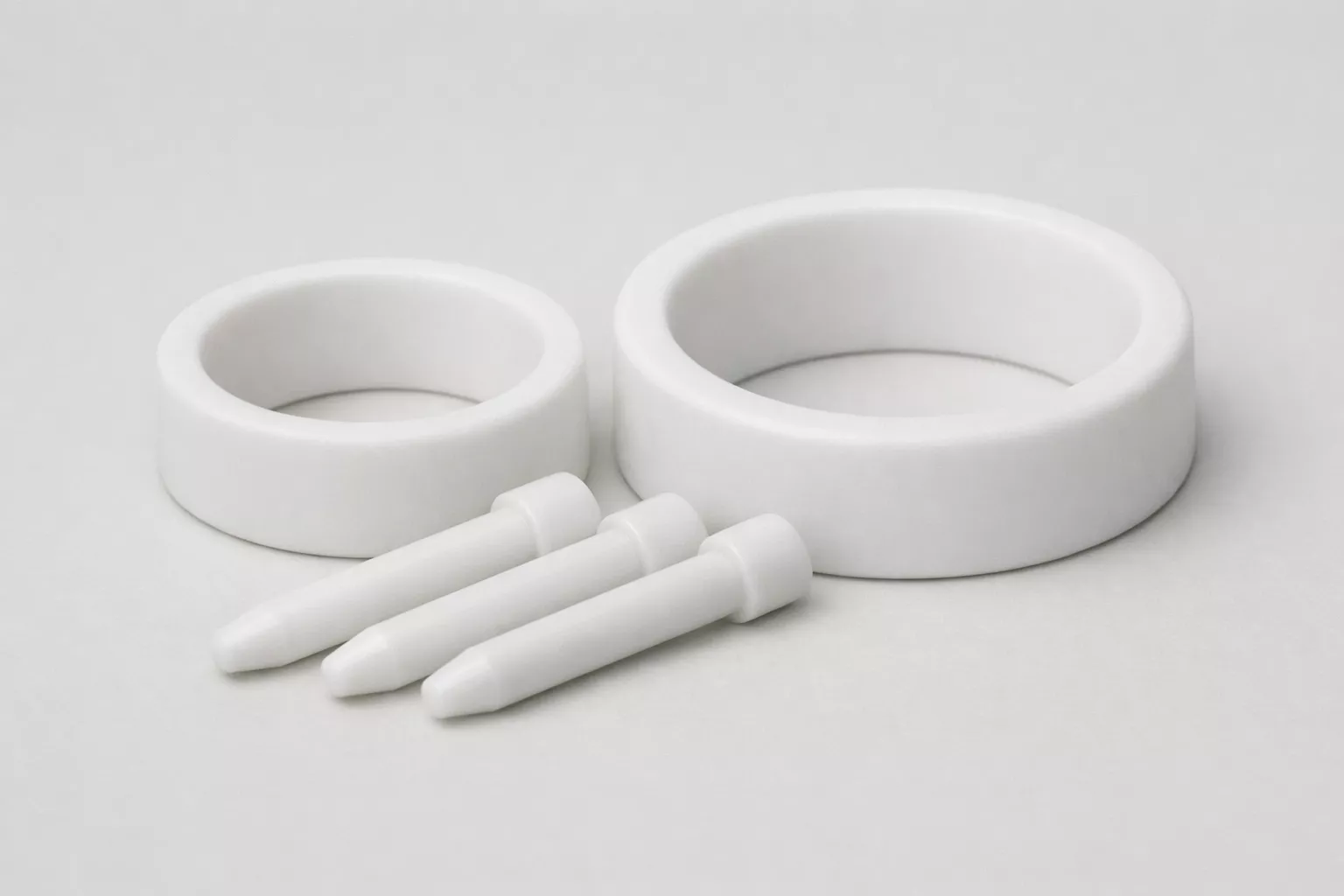
Alumina tubes for chemical reactors provide unmatched performance in highly corrosive environments where metals fail within months. These advanced ceramic components deliver long-term stability, chemical inertness, and exceptional mechanical integrity, making them the preferred choice for acid processing systems worldwide.
Their ability to resist hydrochloric, sulfuric, and phosphoric acid attack at elevated temperatures has transformed maintenance economics and safety standards across chemical plants.
This article explains why alumina tubes for chemical reactors outperform metals and polymers in corrosion resistance, structural strength, and lifecycle cost efficiency.
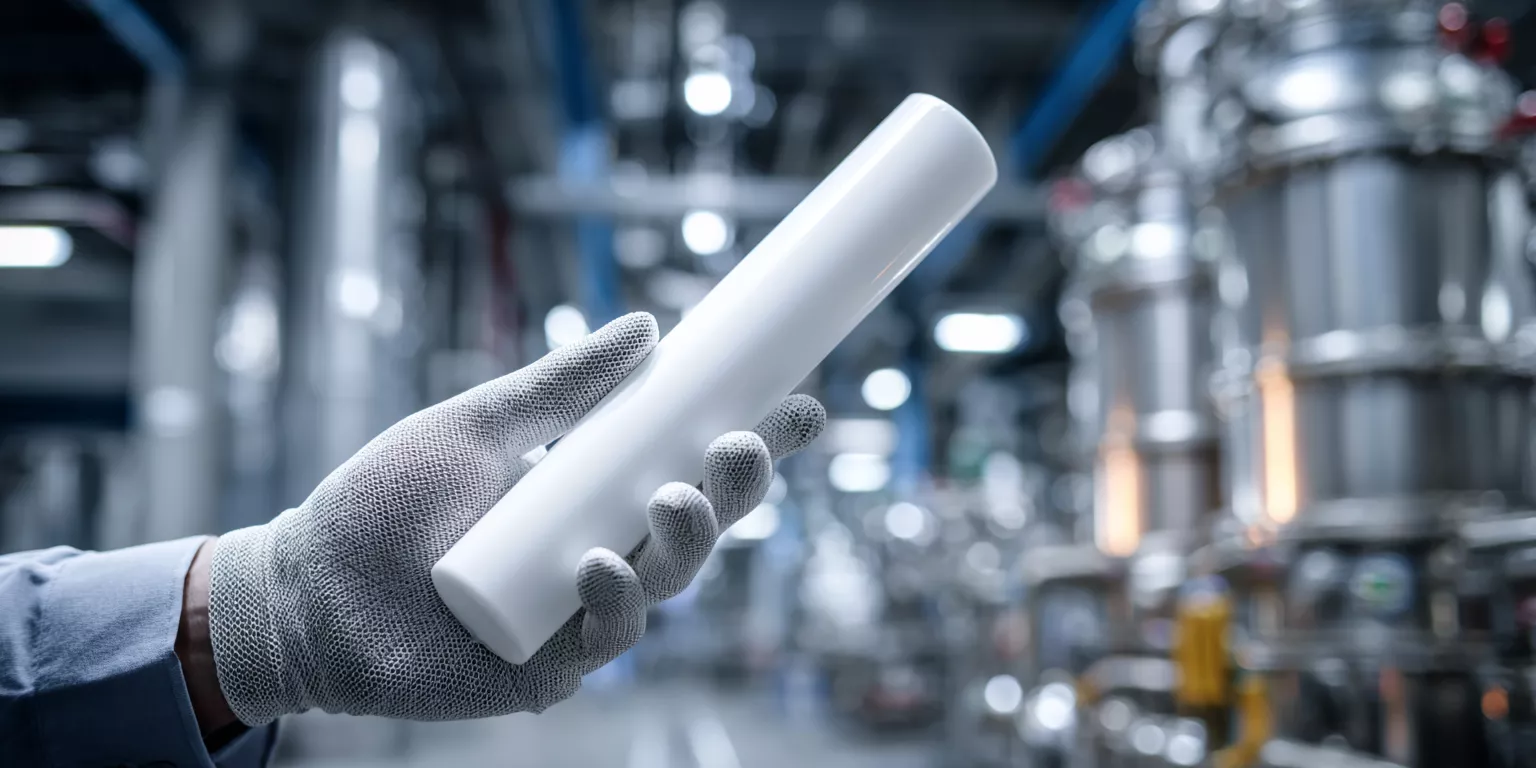
How Do Hydrochloric and Sulfuric Acids Attack Metal Reactor Components?
Before understanding the benefits of alumina tubes for chemical reactors, it is necessary to analyze how acids degrade conventional metal linings.
Corrosive reactions within reactor environments destroy metal walls, leading to contamination and expensive shutdowns.
Localized corrosion occurs when concentrated acids break protective films on metal surfaces. Stainless steels experience 0.5–5 mm/year material loss, and nickel alloys degrade 0.3–0.8 mm/year under ASTM G31 immersion tests. Such rates translate to frequent vessel replacements. In comparison, alumina tubes for chemical reactors remain chemically stable because they do not rely on passivation layers to prevent attack.
Electrochemical pitting initiation and autocatalytic propagation kinetics
Surface imperfections trigger anodic dissolution1 when pH falls below 2. Pitting corrosion propagates rapidly, compromising vessel walls long before visual detection. This mechanism underscores why engineers replace metals with alumina tubes for chemical reactors in continuous acid systems.
Grain boundary sensitization effects on intergranular corrosion rates
During fabrication, chromium carbides precipitate at grain boundaries, creating chromium-depleted regions. Acids preferentially dissolve these zones, causing 0.8–2.5 mm/year degradation. Alumina ceramics eliminate such microstructural weaknesses, extending service intervals.
Temperature-dependent acceleration of metal dissolution mechanisms
Corrosion doubles for every 10 °C increase above 70 °C. Metals under 90 °C sulfuric acid service lose 8 mm wall thickness within two years, while alumina tubes for chemical reactors exhibit negligible loss. Reduced dissolution rates translate directly into lower annual maintenance expenditure.
How Does High-Purity Alumina Crystal Structure Resist Chemical Attack in Low-pH Environments?
The α-phase crystal lattice of alumina tubes for chemical reactors resists aggressive acid conditions through ionic bonding strength2 and purity control. This crystalline network prevents hydrogen ion diffusion, maintaining integrity under low-pH exposure3.
Aluminum-oxygen bond energy calculations and ionic coordination geometry
Each Al³⁺ ion in alumina is octahedrally bonded to six oxygen atoms, generating 511 kJ/mol bond energy. Acids only physisorb weakly (10–40 kJ/mol), resulting in reversible surface interaction rather than chemical dissolution. This stability explains the remarkable corrosion resistance of alumina tubes for chemical reactors in sulfuric and hydrochloric acid media.
Secondary phase elimination through purity control and sintering optimization
Purity above 99.5% ensures negligible impurities such as SiO₂, CaO, and MgO that otherwise dissolve in acids. ADCERAX achieves impurity control below 0.5%, producing microstructures without reactive grain boundary phases. These properties enable alumina tubes for chemical reactors to maintain <0.01 mg/cm² weight loss even after 1,000 hours in pH <2 acids.
Temperature-dependent transition from physical adsorption to chemical dissolution
Below 150 °C, adsorption dominates, and corrosion remains below 0.005 mm/year. Above 180 °C, proton attack slightly increases dissolution (0.03–0.08 mm/year), still far below metal performance. The result is 12–18 years of reliable reactor operation using alumina tubes for chemical reactors.
Corrosion Performance Summary
| Acid Type | Concentration | Temperature (°C) | Alumina Corrosion Rate (mm/yr) | Metal Corrosion Rate (mm/yr, 316L SS) | Service Life Advantage |
|---|---|---|---|---|---|
| H₂SO₄ | 75–98% | 90–150 | < 0.01 | 1.2–2.8 | 120–280× |
| HCl | 20–36% | 60–80 | 0.02–0.05 | 2.5–5.5 | 50–275× |
| HNO₃ | 40–70% | 80–100 | < 0.015 | 0.8–2.2 | 53–147× |
| H₃PO₄ | 54–85% | 100–110 | < 0.012 | 0.4–1.1 (Hastelloy C-276) | 33–92× |
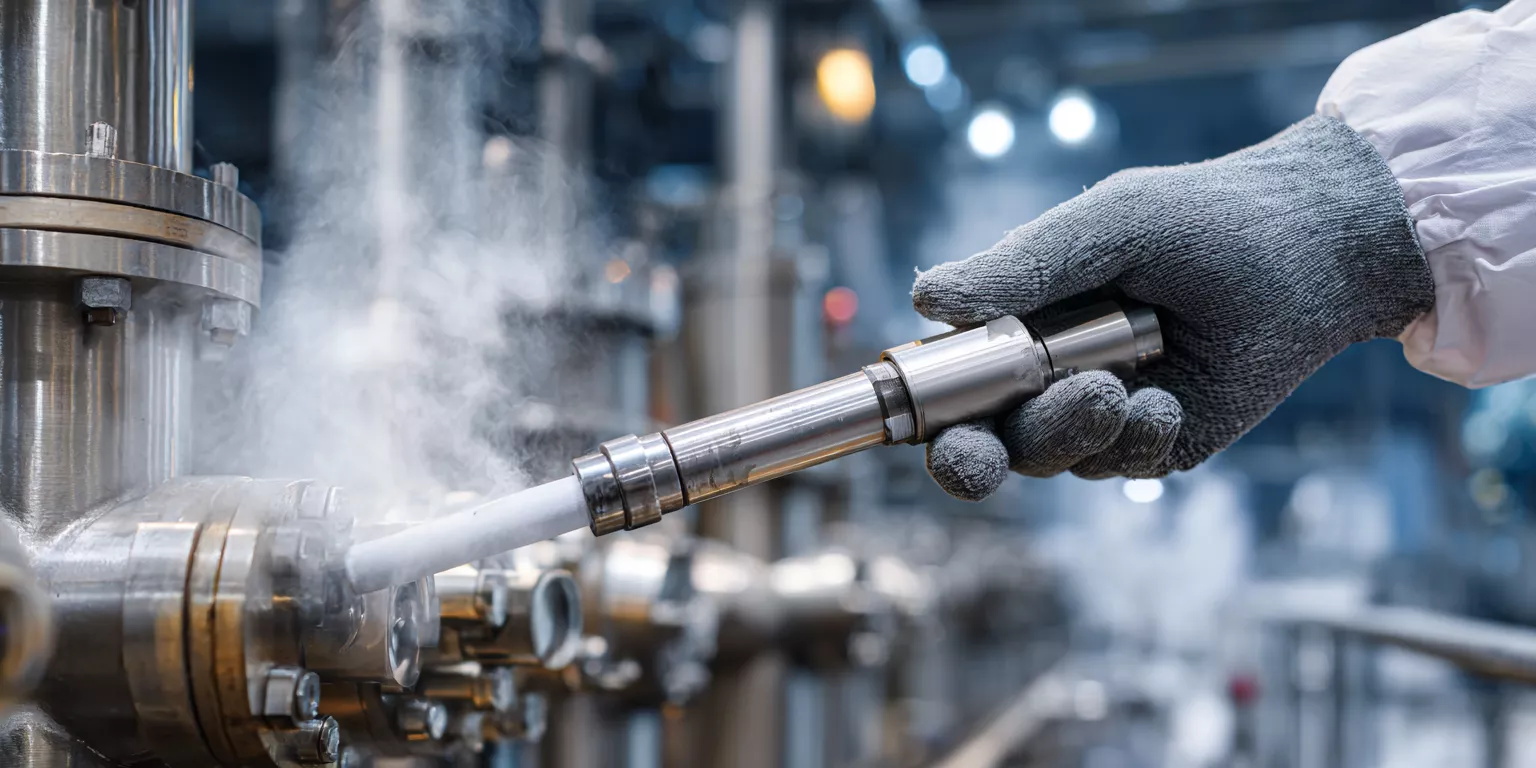
What Mechanical Properties Enable Alumina Tubes for Chemical Reactors to Maintain Integrity Under Pressure?
Alumina tubes for chemical reactors combine mechanical strength and thermal stability, critical for pressurized, cyclic operation. They endure stresses that cause metallic linings to deform or crack.
Hoop stress calculations for pressurized ceramic tube configurations
At 15 bar, hoop stress reaches 37.5 MPa. Alumina’s 300–400 MPa flexural strength ensures an 8–10× safety margin, far exceeding the 4× industrial requirement. This mechanical margin allows alumina tubes for chemical reactors to handle thermal and mechanical load cycles safely.
Combined loading analysis incorporating pressure and thermal gradient effects
A ±50 °C cycle produces 142 MPa thermal stress when restrained. Combined stresses near 180 MPa remain within alumina’s tolerance. Reactor linings using alumina tubes for chemical reactors show >99% survival across 8,000–12,000 annual operating hours.
Joint design requirements accommodating differential thermal expansion
Differential expansion between steel (12–14×10⁻⁶/°C) and alumina (8.1×10⁻⁶/°C) requires flexible gaskets. These joints maintain stability and prevent cracking over 100 °C fluctuations, validating long-term reactor reliability.
How Does Total Cost of Ownership Compare Between Alumina and High-Alloy Metal Linings?
From capital expenditure to downtime, alumina tubes for chemical reactors outperform both Hastelloy and PFA-lined systems in lifecycle economics.
Capital cost breakdown for equivalent-capacity reactor configurations
A 10,000 L reactor for 75% sulfuric acid:
- Hastelloy C-276 vessel: $180k–240k
- PFA-lined steel: $95k–135k
- Alumina tubes for chemical reactors: $110k–155k
Initial investment is 35–45% lower than Hastelloy and comparable to PFA.
Service life documentation across concentrated acid processing applications
Hastelloy lasts 12–18 years with heavy corrosion, PFA needs relining every 3–5 years, but alumina tubes for chemical reactors sustain 12–18 years with only 10–15% tube replacement every 5 years. Ten-year ownership:
- Hastelloy: $245k–320k
- PFA: $285k–395k
- Alumina: $145k–205k
This yields 35–58% savings across lifecycle.
Maintenance frequency and downtime cost quantification over 10-year periods
Downtime cost comparison:
- Hastelloy: 15–25 days
- PFA: 8–14 days
- Alumina: 2–4 days
With $8k–14k daily production values, alumina tubes for chemical reactors save $120k–350k per event.
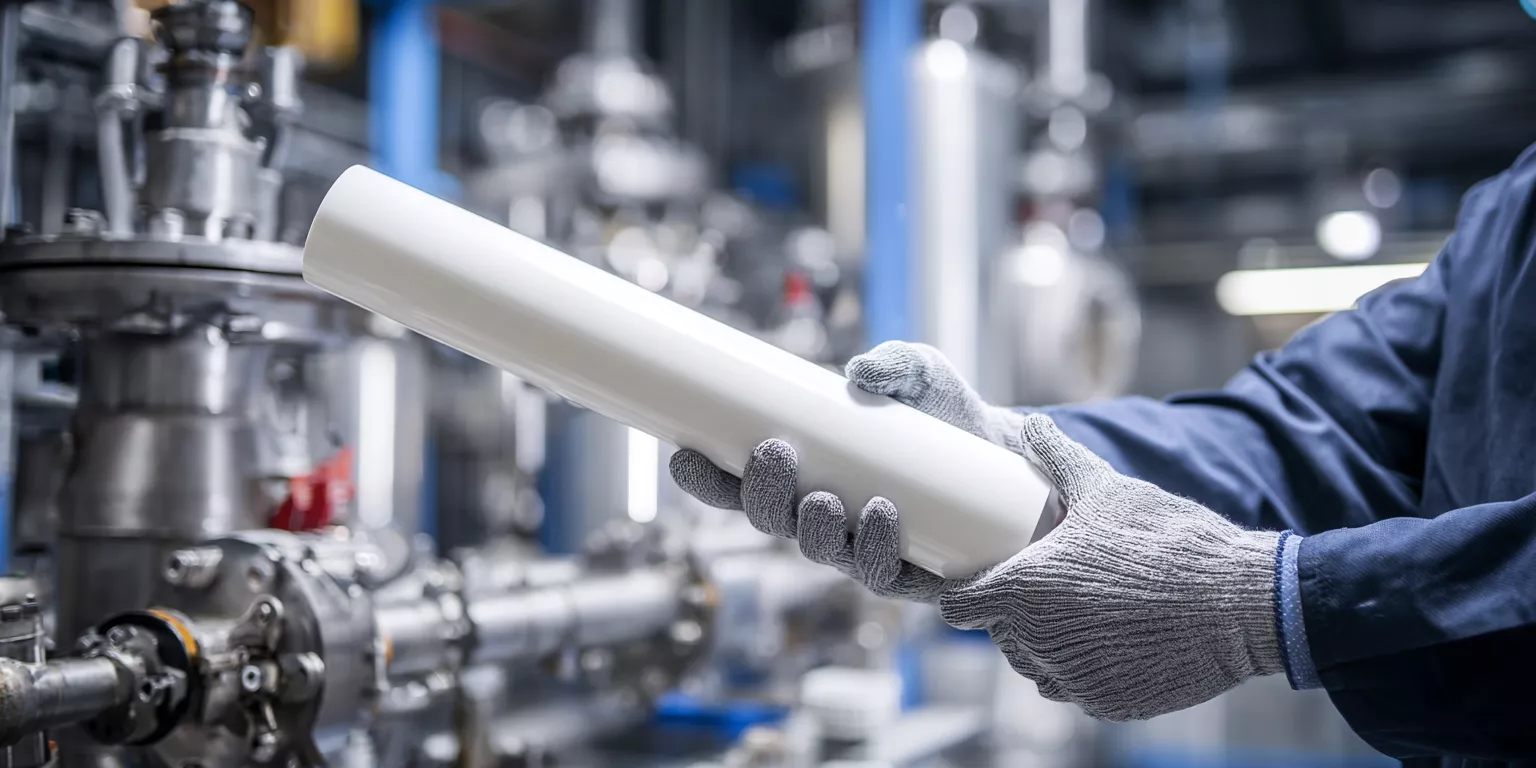
What Installation Techniques Ensure Long-Term Joint Integrity in Alumina-Lined Reactors?
Durable installation ensures consistent performance of alumina tubes for chemical reactors through controlled cementing, machining precision, and testing.
Refractory cement composition requirements for thermal expansion matching
Calcium aluminate cement (70–80% Al₂O₃) matches alumina’s thermal expansion (7.5–8.5×10⁻⁶/°C). Cured joints reach 40–60 MPa compressive and 15–25 MPa shear strength per ASTM C321. This stability prevents cracking over hundreds of thermal cycles.
Diamond grinding specifications achieving precision joint surface preparation
Diamond-ground ends within 0.15 mm flatness and 0.2 mm perpendicularity produce 2–4 mm cement layers with even stress distribution. Precision finishing ensures alumina tubes for chemical reactors remain leak-free during high-pressure operations.
Helium leak detection sensitivity requirements for joint integrity verification
Helium leak rates below 1×10⁻⁵ mbar·L/s per ASTM E499 and hydrostatic tests at 1.5× design pressure confirm zero leakage. Verified assemblies show <0.3% joint failures across a decade of acid service.
Decision Framework for Reactor Lining Selection Using Alumina Tubes for Chemical Reactors
Choosing the correct system design maximizes performance of alumina tubes for chemical reactors in varying chemical and mechanical conditions.
| Operating Condition | Recommended System | Implementation Notes |
|---|---|---|
| Acid >70% and Temp >100 °C, >20 cycles/month | Mechanical retention with expansion joints | Allows modular replacement of individual tubes |
| Pressure >15 bar or Diameter >3.5 m | Modular cassette system with steel backing | Include bolt torque validation |
| Oxidizing acids >120 °C (HNO₃, H₂SO₄ >90%) | Ultra-pure alumina ≥99.7% with phosphate-bonded cement | Schedule quarterly inspections |
Conclusion
Alumina tubes for chemical reactors provide extended reactor lifespan, reduced downtime, and superior acid corrosion resistance. They have become the new standard for reliability in chemical plant operations.
Call to Action
Engineers seeking long-term acid resistance and structural reliability can adopt ADCERAX’s factory-direct alumina tubes for chemical reactors. With expert drawing support, flexible customization, and 24-hour stock delivery, ADCERAX ensures sustainable reactor performance and optimized lifecycle cost.
FAQ
1. Why are alumina tubes for chemical reactors more reliable than metal linings?
Their α-Al₂O₃ structure resists acid penetration and maintains mechanical strength under high temperature, achieving <0.01 mm/year corrosion even in concentrated H₂SO₄.
2. What are the cost advantages of alumina tubes for chemical reactors?
They cut total ownership cost by 35–58% versus Hastelloy or PFA, reducing downtime and extending service life up to 18 years.
3. How should alumina tubes for chemical reactors be installed for maximum reliability?
Use calcium aluminate cement matched to alumina’s expansion rate, precision-ground joints, and helium leak verification per ASTM standards.
4. Can alumina tubes for chemical reactors handle different acid environments?
Yes. They perform excellently in sulfuric, hydrochloric, phosphoric, and nitric acids at up to 180 °C, maintaining structural and chemical integrity over long service durations.
References:
-
Understanding anodic dissolution is crucial for preventing corrosion in metal structures, especially in acidic environments. ↩
-
Understanding ionic bonding strength can help you appreciate how materials like alumina withstand harsh conditions. ↩
-
Exploring the effects of low-pH exposure on materials can provide insights into their durability and performance in reactors. ↩