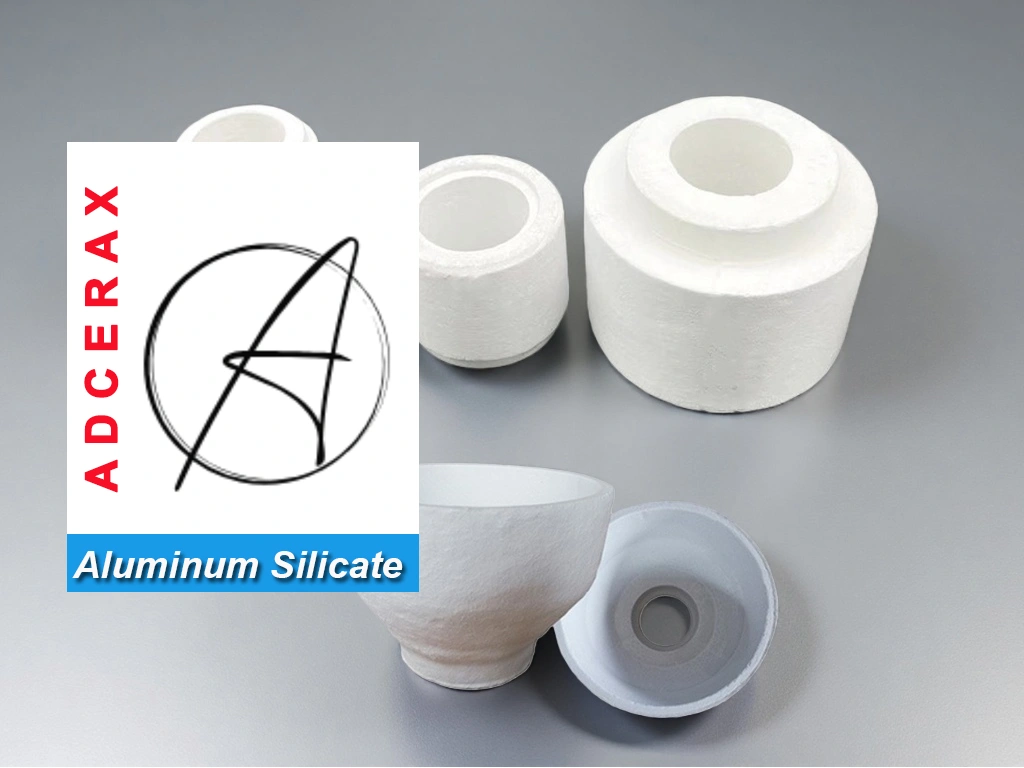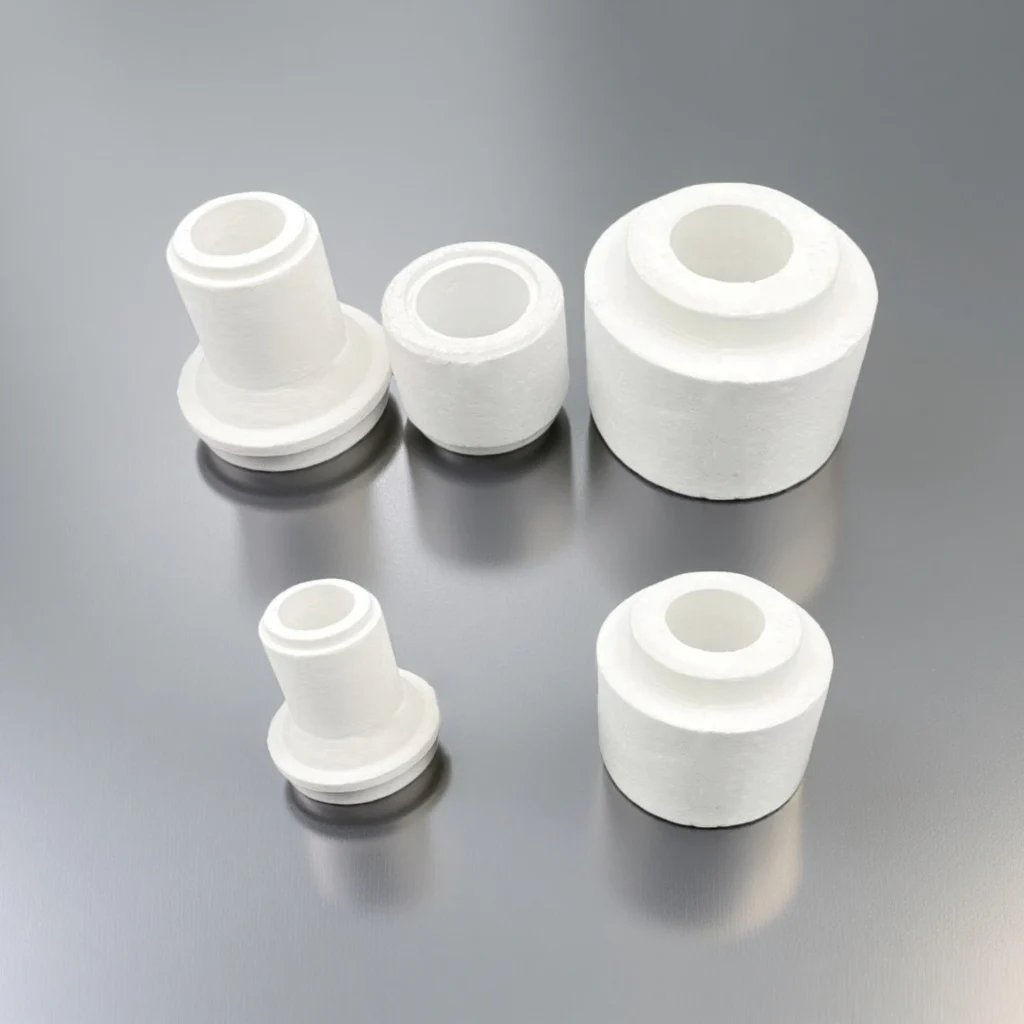
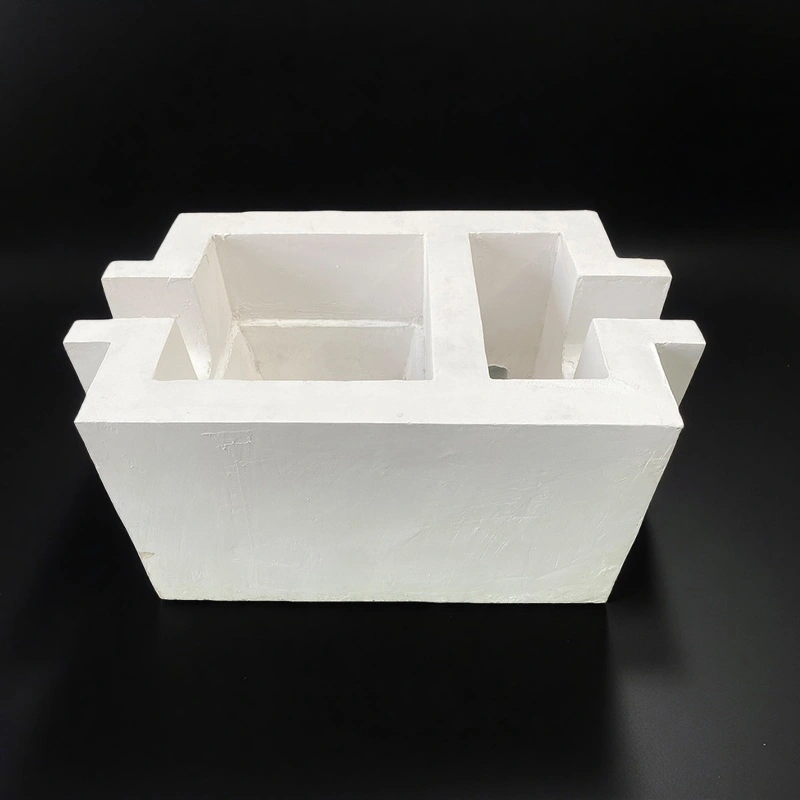
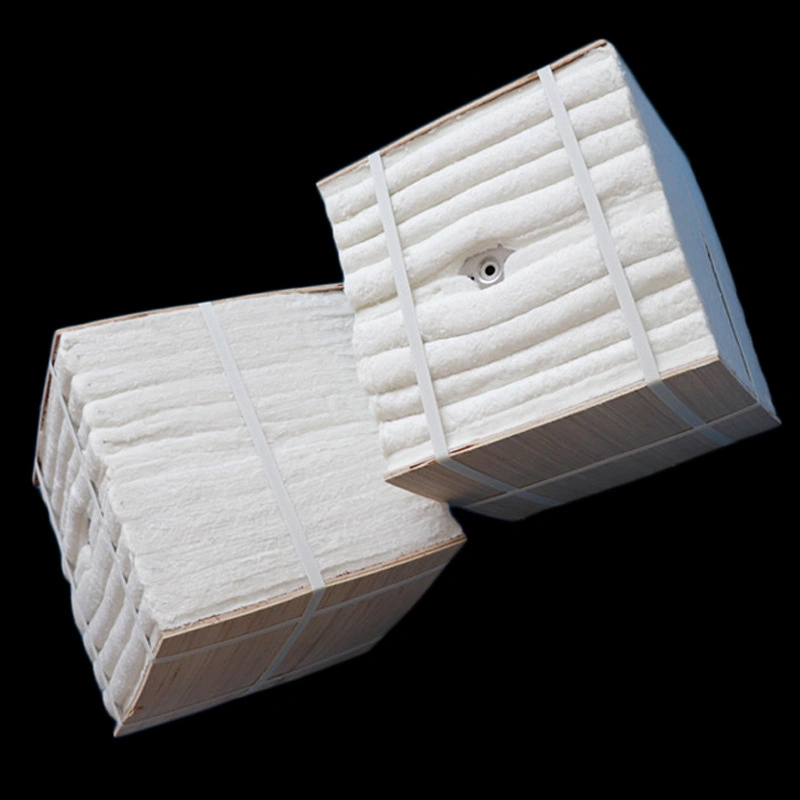
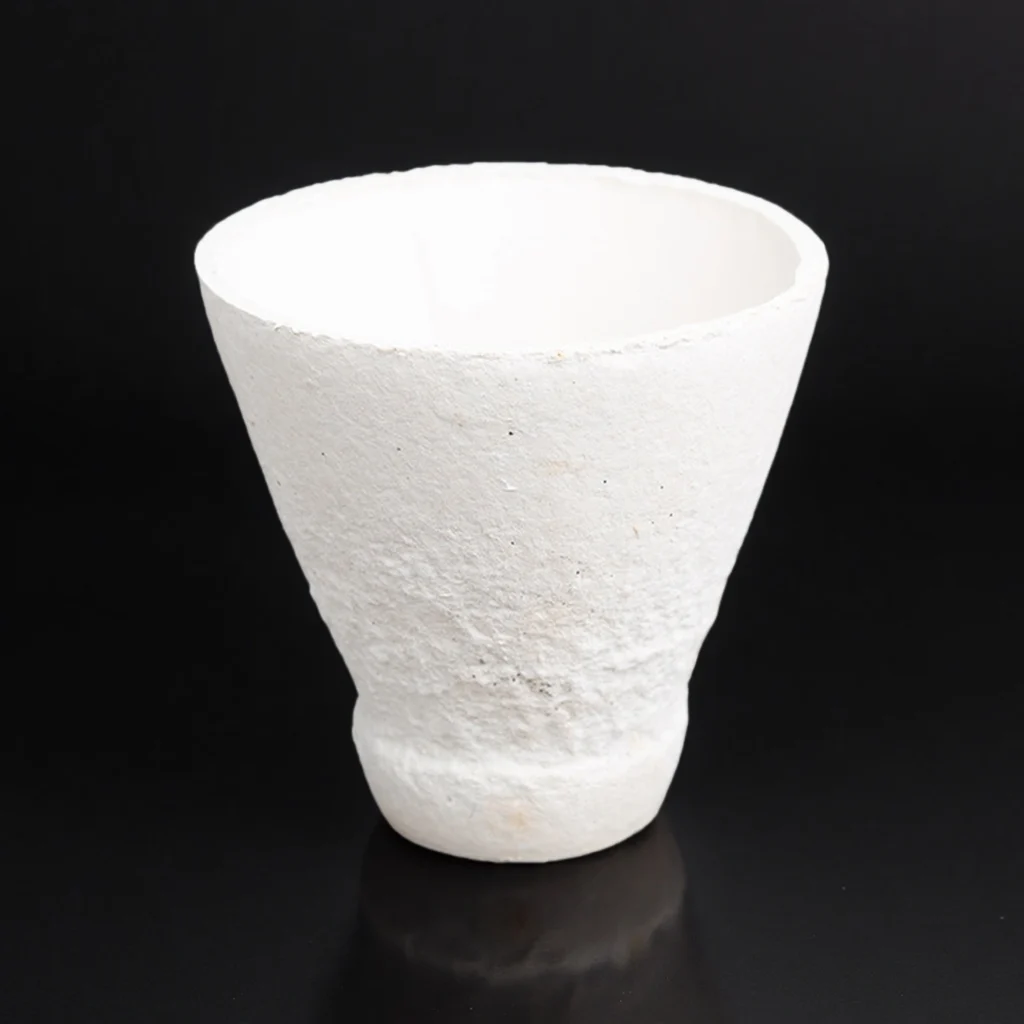
Custom aluminum silicate ceramic insulation shapes used for high-temperature furnace and kiln lining applications.

Custom Aluminum Silicate Ceramic High-Temperature Insulation Components

ADCERAX is a dedicated manufacturer and supplier of aluminum silicate ceramic materials, providing high-temperature insulation solutions for furnace OEMs, metal casting plants, glass production lines, kiln builders, and industrial equipment integrators. Our core products include aluminum silicate ceramic boards, insulation blocks, and custom-machined shapes, available in both standard specifications and fully customized designs.

With a stable domestic supply chain, precise forming and machining, and export-focused logistics, we ensure reliable delivery worldwide. Our customers include industrial clients in the United States, Germany, Japan, Korea and other advanced manufacturing markets.

🚀Send us your dimensions or drawings and we will prepare a fast, engineered solution for your application.

What Is Aluminum Silicate Ceramic?

Aluminum silicate ceramic is a silicate-based refractory material composed primarily of alumina (Al₂O₃) and silica (SiO₂). It is engineered for high-temperature insulation, thermal stability, and dimensional reliability in industrial environments ranging from 1000–1400°C. Depending on the manufacturing method—such as vacuum forming, machining, or fiber-based processing—aluminum silicate ceramics can be produced as rigid boards, insulation blocks, or custom-shaped components.

aluminum-silicate-ceramic-insulation-cup-and-blocks

Key Features of Aluminum Silicate Ceramic

High-Temperature Insulation Performance

Engineered to operate in 1000–1400°C environments with low thermal conductivity, helping stabilize furnace temperature profiles and reduce heat loss.

Stable Dimensional Accuracy

Maintains shape, thickness, and mechanical integrity under continuous heating cycles, supporting precise installation in furnace linings and thermal equipment.

Lightweight Refractory Structure

Its low-density silicate matrix reduces overall system weight, enabling easier handling, faster installation, and lower structural load compared to traditional brick linings.

Resistance to Thermal Shock and Chemical Exposure

Withstands rapid temperature fluctuations and contact with combustion gases or molten materials, making it suitable for casting, glass processing, and kiln applications.

Predictable Shrinkage and Thermal Stability During Firing Cycles

Aluminum silicate ceramic maintains controlled shrinkage through thermal cycles, ensuring performance in furnace linings and insulation assemblies needing consistency.

Availability in Standard and Custom Shapes

Produced as boards, blocks, and machined components, and can be tailored to specific geometries, holes, steps, and insulation structures based on customer drawings.

Key Properties of Aluminum Silicate Ceramic

Aluminum silicate ceramics offer stable high-temperature insulation, low thermal conductivity, and dependable dimensional stability under continuous or cyclic heating. This lightweight refractory structure resists thermal shock, preserves mechanical integrity, and minimizes shrinkage — ensuring stable thermal performance in demanding furnace and kiln environments.

Aluminum Silicate Ceramic – Technical Specifications

ParameterTypical ValueNotes / Industrial Relevance
Material CompositionAl₂O₃–SiO₂Silicate-based refractory matrix
Working Temperature1000–1400°CDepends on density & grade
Bulk Density200–400 kg/m³Lower density = better insulation
Thermal Conductivity0.08–0.22 W/m·KMeasured at 600–1000°C
Linear Shrinkage≤ 2% at 1000–1300°CEnsures dimensional stability
Cold Crushing Strength0.6–1.2 MPaResistance to mechanical load
Thermal Shock ResistanceHighSuitable for rapid heating cycles
Water AbsorptionLowSupports clean installation
Available Thickness10–75 mmCustom thickness on request
Available FormsBoards, blocks, custom-machined shapesSupports OEM engineering designs
  • This chart displays the typical properties of aluminum silicate (Al₂SiO₅) ceramic materials used in our standard products. Please note: Customized parts may have adjusted characteristics depending on production methods, with specific parameters determined by the stabilizer type and formula chosen for your application.

Advantages of Al₂SiO₅ Ceramic

Improved Energy Efficiency for High-Temperature Systems

By reducing heat loss across furnace walls and thermal chambers, aluminum silicate ceramics help lower fuel consumption and operational energy cost over long production cycles.

Reduced Maintenance and Longer Service Intervals

Its stable insulation structure slows down wear on furnace shells, burner assemblies, and lining components, enabling longer maintenance intervals and minimizing production downtime.

Flexible Integration Into New Builds and Retrofit Projects

Suitable for both OEM furnace manufacturing and existing equipment upgrades, allowing engineering teams to improve insulation performance without redesigning the entire heating system.

Lower Total Installation Cost Compared to Traditional Refractory Materials

Lighter weight and easier processing reduce on-site labor requirements, accelerate installation schedules, and decrease the overall cost of lining construction.

Aluminum Silicate Ceramic Product Families from ADCERAX

ADCERAX provides a range of Al₂SiO₅ ceramic products, including ceramic fiber, pouring cups, filter boxes, and customized insulation components for high-temperature casting and furnace applications. Standard formats and fully custom shapes are available according to drawings or project requirements.

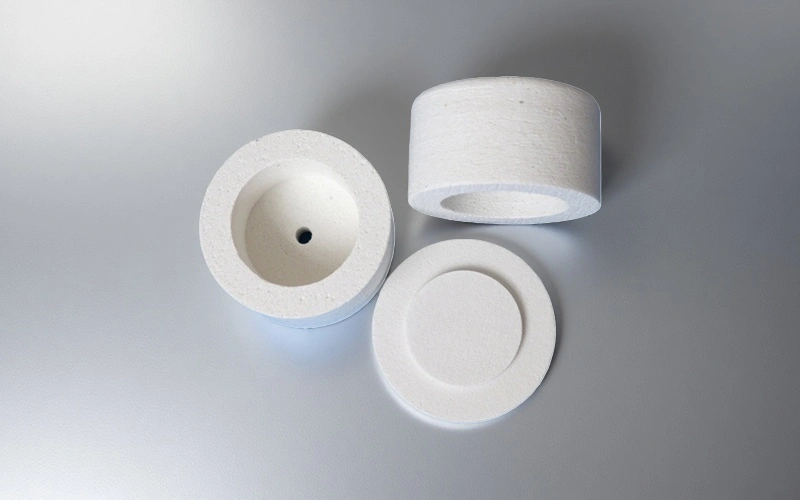
Aluminum silicate filter boxes are used in aluminum casting lines to stabilize metal flow, support filtration units, and provide insulated containment for molten aluminum during transfer and filling operations.

Aluminum silicate ceramic fiber is used for furnace and kiln insulation, molten-metal handling parts, casting filters, and lightweight refractory components across high-temperature industrial systems.

Aluminum silicate pouring cups are used in aluminum casting systems to guide molten metal into molds, stabilize flow during filling, and reduce turbulence that can cause inclusions or casting defects.

🔥High-temperature furnaces, kilns, casting lines—get the aluminum silicate ceramic that keeps your system stable.

ADCERAX provides aluminum silicate ceramic with stable high-temperature insulation, low thermal conductivity, and dependable dimensional control. Ideal for furnaces, kilns, casting lines, and industrial heaters, our materials deliver consistent thermal performance. Send your drawing or specs for fast engineering support and a quick quote.

Typical Applications of Aluminum Silicate Ceramic

Aluminum silicate ceramics are used in furnace insulation systems, molten-metal handling equipment, casting filter boxes, high-temperature processing chambers, kiln linings, and thermal-control components across industrial, metallurgical, and chemical heating processes.

High-Temperature Industrial Processing Industry

📍Application: 

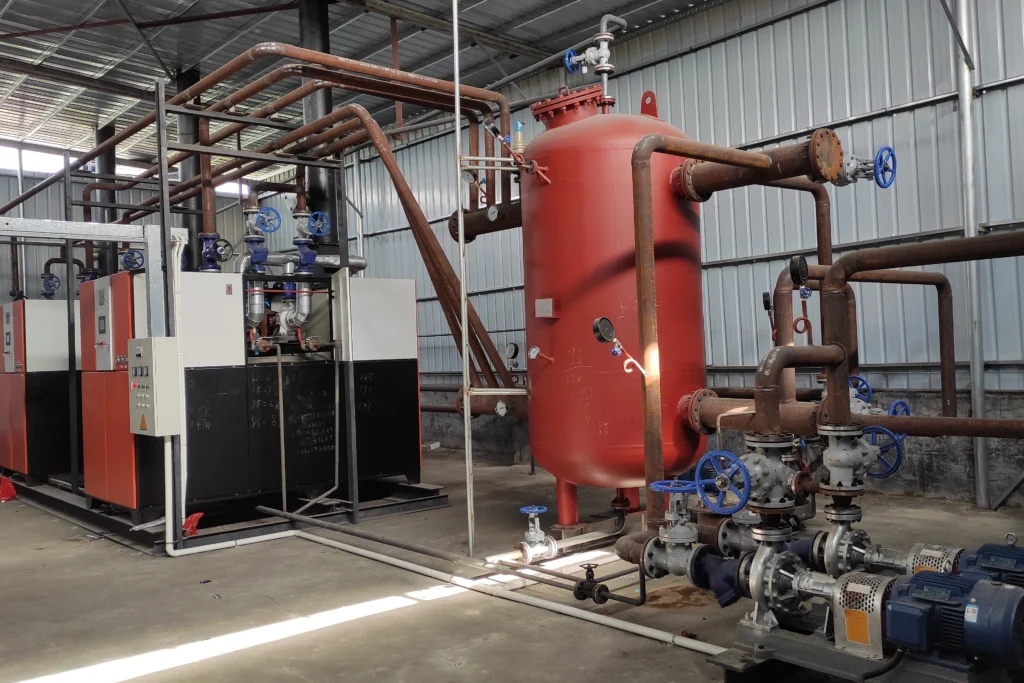
Aluminum silicate ceramic provides stable high-temperature insulation for heat-treatment furnaces, tunnel kilns and industrial heating systems, helping maintain uniform thermal profiles and reduce energy loss.

🧩 Key Advantages:

  • Aluminum silicate ceramic lowers furnace shell temperature by 25–45°C, improving thermal efficiency and reducing energy loss in continuous heat-treatment systems.
  • Its controlled linear shrinkage—typically ≤1.0% after 24 h at 1100°C—keeps insulation assemblies stable during repeated heating and cooling cycles.
  • With a low thermal mass and thermal conductivity of 0.16–0.21 W/m·K at 800°C, it enables shorter heat-up times and quicker cycle turnover for industrial furnaces.

🔹Problem Solved:

  • A U.S. heat-treatment furnace OEM previously used dense firebrick insulation, causing high heat-up time and shell temperatures exceeding 80°C. After upgrading to aluminum silicate ceramic panels, shell temperature was reduced by 38°C, while heat-up time shortened by 12–15% across multiple batches. This improvement raised throughput consistency, lowered energy consumption by an estimated 7–10%, and reduced operator-area thermal exposure—allowing the plant to maintain continuous 24/7 furnace operation with fewer thermal-related maintenance stops.
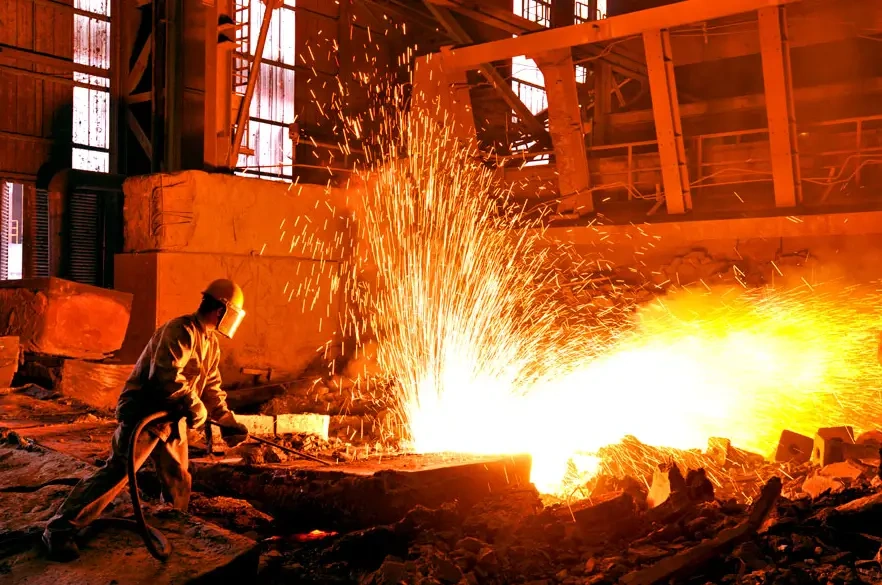
Metallurgy & Metal Casting Industry

📍Application:

Used for pouring cups, filter boxes, launder systems and molten-metal contact parts, aluminum silicate ceramic delivers clean metal flow, non-wetting behavior and consistent thermal stability in casting operations.

🧩 Key Advantages:

  • Aluminum silicate ceramic maintains ≤0.5% metal adhesion after repeated aluminum contact, ensuring cleaner flow in launder and filter systems.
  • Dimensional change remains ≤0.8% at 1200°C, preventing deformation in pouring cups and filter boxes during continuous casting.
  • Its thermal conductivity of 0.17–0.23 W/m·K at 900°C minimizes heat drop in launder sections, improving temperature retention during transfer.

🔹Problem Solved:

  • A European aluminum foundry struggled with metal chilling in a 4-meter launder, causing flow turbulence and 3–4% reject rates in casting. After switching to aluminum silicate ceramic launder liners, temperature drop decreased by 18–22°C, metal flow stabilized, and casting defects dropped to below 1% within two weeks. The foundry reduced re-melting energy usage by 6–8% and extended liner replacement intervals from 3 months to nearly 7 months.
Glass, Ceramic & Building Materials Industry

📍Application:

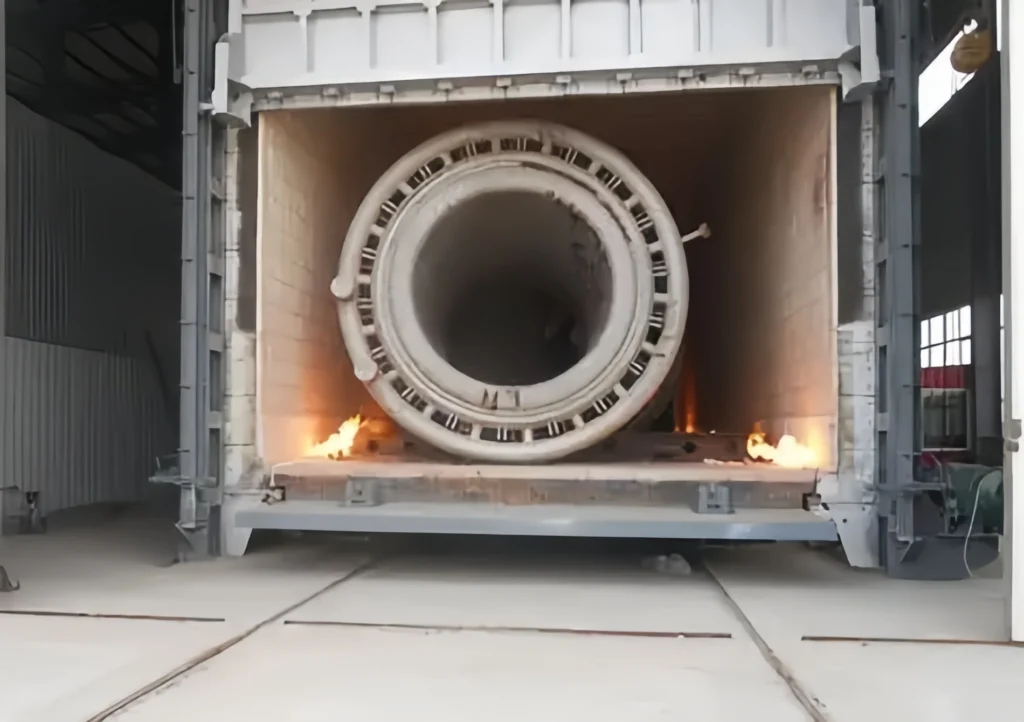
Aluminum silicate ceramic supports annealing kilns, sintering kilns and roller kilns with lightweight, efficient insulation that improves temperature uniformity and long-term furnace performance.

🧩 Key Advantages:

  • Aluminum silicate ceramic reduces heat leakage by 12–18%, helping maintain uniform temperature profiles in annealing and sintering kilns.
  • Its volumetric heat capacity is 35–45% lower than dense refractory, enabling quicker heat-up and cooldown cycles.
  • Retains ≥70% flexural strength at 1000°C, supporting stable kiln insulation structures over long production runs.

🔹Problem Solved:

  • A glass-processing plant faced uneven thermal zones in an annealing kiln, causing optical distortion and a 5–7% defect rate. Aluminum silicate insulation panels reduced end-wall heat loss by 15%, resulting in more uniform thermal gradients. Product distortion fell below 2%, kiln cycle time improved by 8%, and maintenance inspections were reduced from monthly to quarterly due to improved lining stability.
Chemical, Petrochemical & Energy Systems

📍Application:

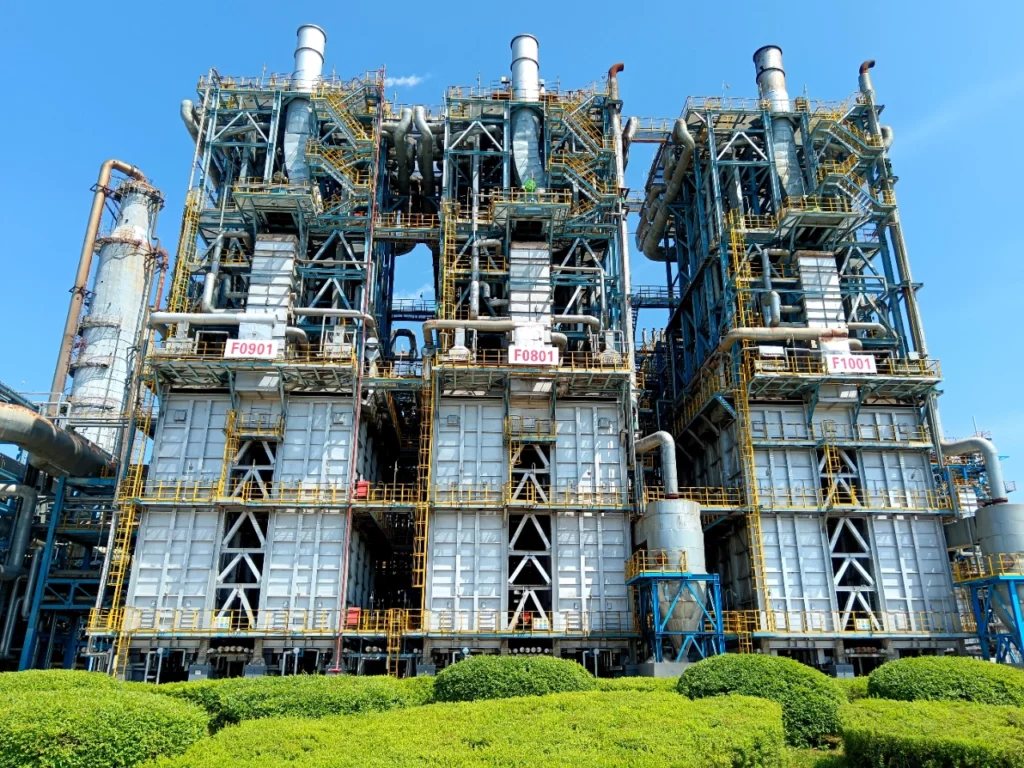
In cracking furnaces, incinerators and boiler linings, aluminum silicate ceramic offers reliable high-temperature resistance and customizable insulation components for demanding thermal environments.

🧩 Key Advantages:

  • Aluminum silicate ceramic reduces radiant heat transfer, lowering shell temperature by 30–50°C in cracking and reforming furnaces.
  • Shows ≤1% shrinkage after 1000°C long-duration exposure, suitable for non-stop petrochemical furnace operation.
  • With conductivity 0.15–0.20 W/m·K at 800–1000°C, it supports measurable fuel savings and emission reduction goals.

🔹Problem Solved:

  • A petrochemical facility operating a 24/7 cracking furnace faced rising energy consumption and outer-shell temperatures nearing 95°C. After replacing aging refractory sections with aluminum silicate ceramic panels, shell temperature dropped by 42°C, and fuel usage decreased by 6–9% over 60 days of monitoring. This reduced burner load, stabilized process temperature control, and extended inspection intervals by nearly 40%.
Custom Aluminum Silicate Ceramic Supplier

We specialize in custom aluminum silicate ceramic solutions based on customer drawings, samples, or insulation design requirements. Tailored dimensions, densities, thickness ranges, cavities, cut shapes, and edge treatments can be produced for furnace linings, kiln interiors, metal casting insulation parts, and high-temperature heating systems. Custom aluminum silicate ceramics typically require 3–9 weeks depending on layout complexity and machining needs.

Customization Options

Special Dimension

Extra-large / Extra-small diameters, non-standard thicknesses, and ultra-long / ultra-short lengths.

Precision Tolerance

Provide higher - level dimensional accuracy and concentricity control than the standard.

Complex Shapes

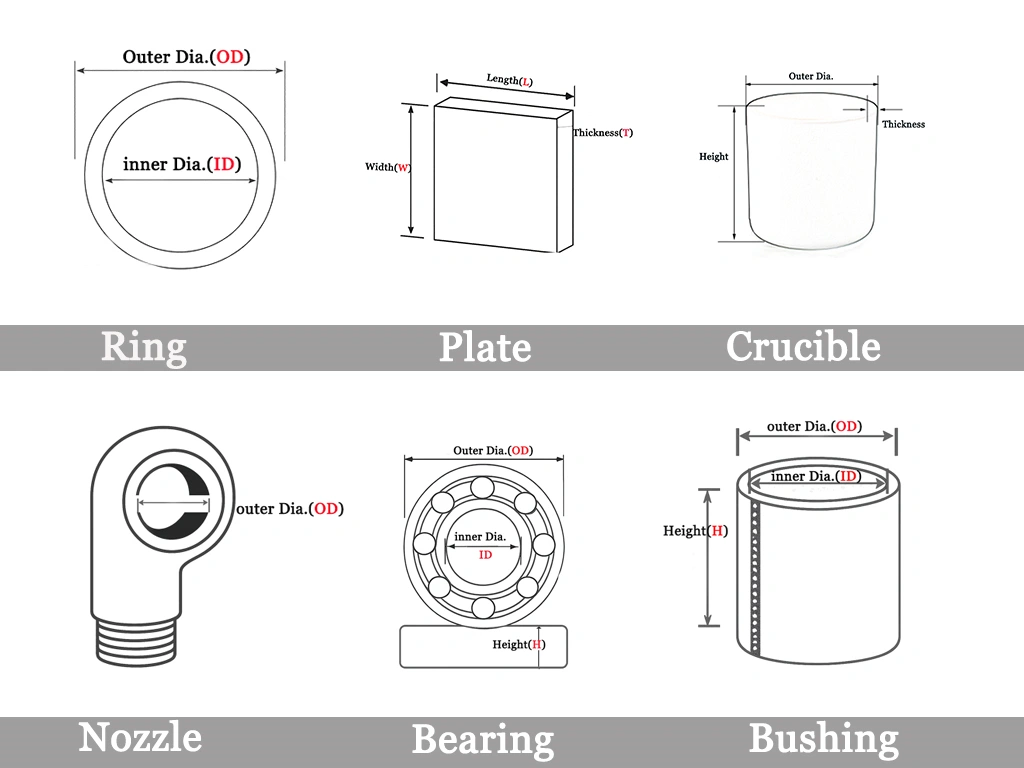
Flanges, steps, threads, drilling holes, grooves, etc.

Special Purity

Adjust the material according to the application requirements.

Surface Finish

Polish and grind the surface to achieve a specific surface roughness.

Customization Process

Requirement Submission

Send us your drawing, CAD file, or physical sample with material grade, dimensions, tolerances, and quantity. Our engineers will evaluate the design and provide a detailed quotation with lead time and pricing.

Confirm Order & Prototype

Once the quote is approved, we proceed with sample prototyping (1–50 pcs) if needed, for testing and validation.

Mass Production & Quality Control

After sample approval or direct confirmation, we begin batch manufacturing using CNC machining, sintering, and polishing. All parts undergo dimensional checks, material purity testing, and surface finish inspection.

Packaging & Global Delivery

Finished products are securely packed and shipped via DHL/FedEx/UPS or your preferred method. We support global delivery with full documentation.

ADCERAX – aluminum silicate (Al₂SiO₅) ceramic manufacturer

ADCERAX is a China-based aluminum silicate ceramic manufacturer providing insulation boards, refractory shapes, and custom-machined components for furnaces, kilns, metal casting systems, and industrial heating equipment. We focus on stable material quality, reliable thermal performance, and flexible customization to support both prototyping and large-scale production.

Factory Direct & Competitive Pricing

Competitive pricing with strict quality control from raw material sourcing to final delivery

Technical Expertise & Engineering Support

Professional team providing comprehensive technical support and collaborative design

Flexible Small Batch Customization

Small batch orders to large-scale production with complex geometries and tight tolerances

Rapid Response & Efficient Delivery

24-hour response and 24-hour dispatch for standard items, 3-7 weeks for custom orders.

One-Stop Custom Services for Aluminum Silicate Ceramic

ADCERAX provides integrated manufacturing for aluminum silicate ceramic components, covering fiber-forming, shaping, precision cutting, machining, and thermal treatment to deliver stable insulation materials for high-temperature equipment. We support insulation boards, refractory blocks, shaped parts, and custom geometries for furnaces, kilns, casting systems, and industrial heating units. Both prototype and large-batch orders are available.

ROHS certification
ISO certification
CNAS certification
CMQ certification
ADCERAX Aluminum Silicate Ceramic Manufacturing Strengths

ADCERAX specializes in producing aluminum silicate ceramic components using controlled fiber-forming, thermal processing, precision cutting, and strict dimensional inspection. Our aluminum silicate materials deliver stable high-temperature insulation, low thermal conductivity, strong thermal shock resistance, and reliable structural integrity for furnaces, kilns, casting systems, and industrial heating equipment.

Manufacturing Capabilities Overview
Capability Item Typical Value / Description
Material Performance Consistency Aluminum silicate ceramics are produced with controlled density, uniform fiber structure, and predictable thermal shrinkage. This ensures stable insulation performance, reliable thermal shock resistance and repeatable behavior during continuous or cyclic heating.
High-Temperature Precision Cutting & Shaping Our CNC and contour-cutting processes support clean edges, stable thickness, and accurate profiles for furnace linings and insulating shapes. Typical tolerances are maintained within ±0.20–0.50 mm, depending on board density and geometry.
Advanced Processing Capability We support complex operations such as multi-step cutting, deep-profile trimming, contour shaping, edge finishing and large-format board handling. These processes allow aluminum silicate ceramics to be machined accurately for insulation assemblies, furnace panels and structural refractory sections while maintaining stable dimensions across batch production.
Dimensional Stability Under Heat Load Controlled firing and drying cycles minimize warpage and shrinkage, ensuring each batch maintains consistent dimensions for reliable installation and long service life in high-temperature equipment.
Strict Thermal & Structural Quality Control Every lot is inspected for density uniformity, fiber bonding strength, thermal shrinkage rate, surface integrity and dimensional repeatability. This ensures reliable insulation performance in demanding industrial environments.

FAQs About Al₂SiO₅ Ceramic

Aluminum silicate ceramics typically support continuous operation between 1000–1300°C, depending on density grade and fiber composition. High-density boards offer better structural retention at the upper temperature range, while lightweight grades are suited for backup insulation.

The material’s fibrous microstructure provides good thermal shock resistance, enabling it to tolerate rapid heat-up and cool-down cycles without severe cracking. Performance varies with density; vacuum-formed parts maintain dimensional stability better under repeated cycles.

Yes. Properly formulated boards, filters and pouring cups exhibit non-wetting behavior with molten aluminum, reducing metal adhesion and extending service life in casting applications such as launder systems, filter boxes and sprue cups.

Customized dimensions, wall thickness, recesses, tapered shapes, flanges, slots, holes and multi-piece assemblies can be produced from drawings or samples. Vacuum-formed parts allow complex geometries while machined boards ensure tight tolerances.

Service life varies with operating temperature, thermal cycling and mechanical load. Backup insulation can last several years, while molten metal contact parts are consumed faster and replaced according to specific casting cycle demands.

Aluminum silicate ceramic provides a balanced combination of high-temperature capability, thermal shock resistance and cost efficiency. Compared with calcium silicate and mica boards, it performs better in medium-to-high temperature insulation and cyclic heating environments, making it suitable for furnaces, casting systems and hot-face insulation where durability and stability are required.

Property / ParameterAluminum Silicate CeramicCalcium Silicate BoardMica Board
Typical Temperature Rating1000–1300°C650–1000°C500–1000°C (grade-dependent)
Thermal Shock ResistanceGood (tolerates repeated heating cycles)Moderate (prone to cracking under rapid changes)Low–Moderate (can delaminate under shock)
Thermal ConductivityLow (efficient insulation)Low–ModerateModerate
Mechanical StrengthModerate (ceramic-fiber body)Higher compressive strengthHigh—rigid laminated structure
Machinability / ShapingExcellent (vacuum-formed or machined)Limited shaping optionsGood but suited for flat panel formats
Cost LevelMid-rangeLowHigher (depending on electrical grade)
Best Use CasesFurnaces, kilns, casting systems, launder boxes, insulation cupsGeneral industrial insulation, pipelines, low-to-mid temp furnacesElectrical insulation, laminates, high-dielectric environments

Aluminum silicate offers a stronger balance of temperature capability, thermal shock resistance, and shaping flexibility, outperforming calcium silicate in high-temperature durability and offering a more economical alternative to mica when electrical insulation is not the primary requirement.

Products are made through vacuum forming, wet forming, high-temperature drying, CNC trimming, and in some cases secondary surface finishing. This allows consistent porosity and shape control across batches.

Parts should be stored in a dry, clean, covered environment, protected from moisture and mechanical impact. Prolonged exposure to humidity may affect surface hardness before installation.

We require drawings or sketches, dimensions, thickness, tolerance needs, operating temperature, expected contact conditions, annual volume and any special installation or assembly requirements.

Get in touch with us

We believe that Adcerax will become your best partner!
Please fill in your contact information in the form or call us.

aluminum silicate ceramic PDF

*Our team will answer your inquiries within 24 hours.

*Your information will be kept strictly confidential.


E-mail

info@adcerax.com

Phone

Telephone: +(86) 0731-74427743
WhatsApp: +(86) 19311583352

Response Time

Within 24 hours

Get Your Custom Sulution

The more details you provide, the faster we can respond.

customize size

*We respond within 24 hours. All inquiries are confidential.

Quick Quote

The more details you provide, the faster we can quote.

*We respond within 24 hours. All inquiries are confidential.

Download Catalog

Download Catalog