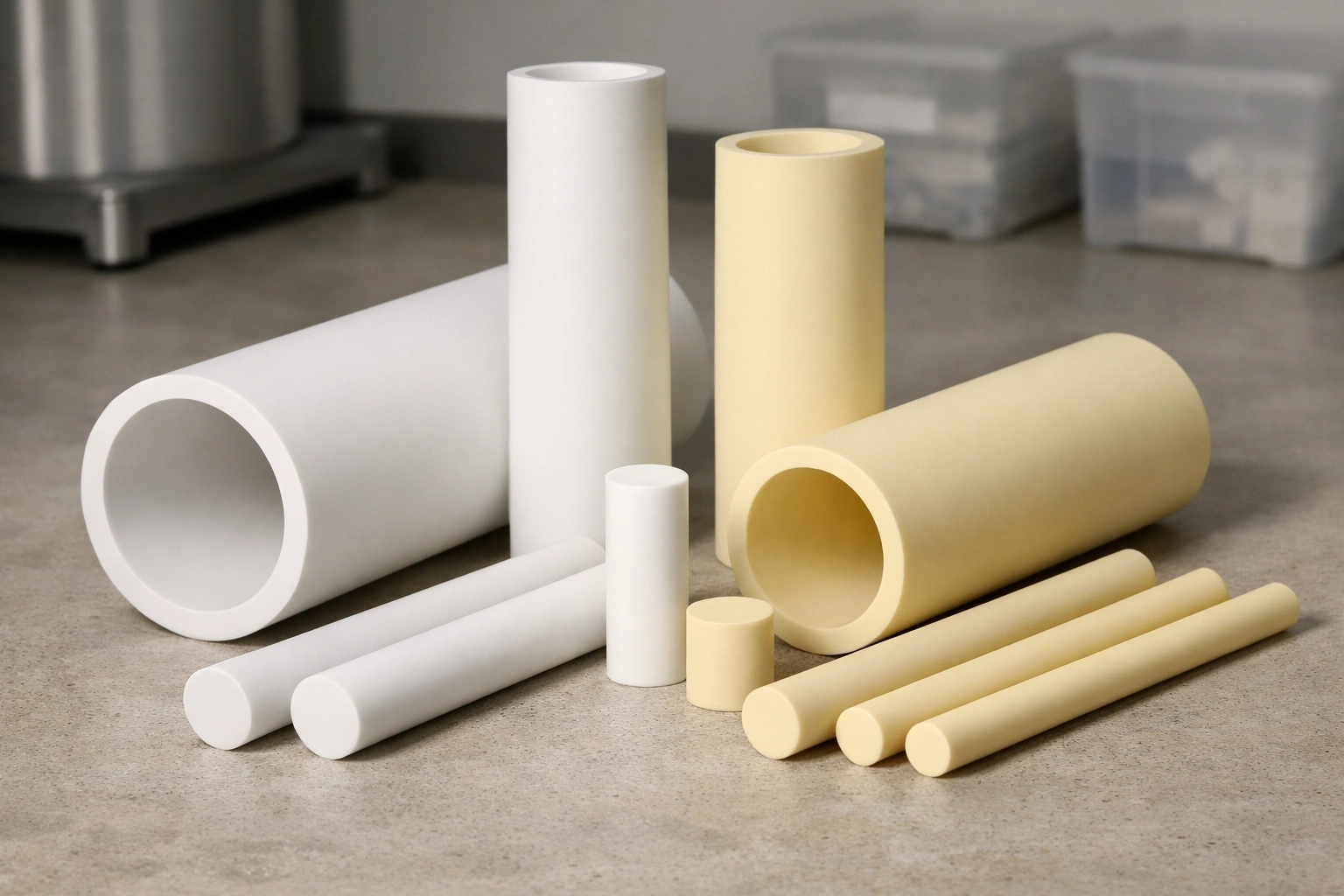
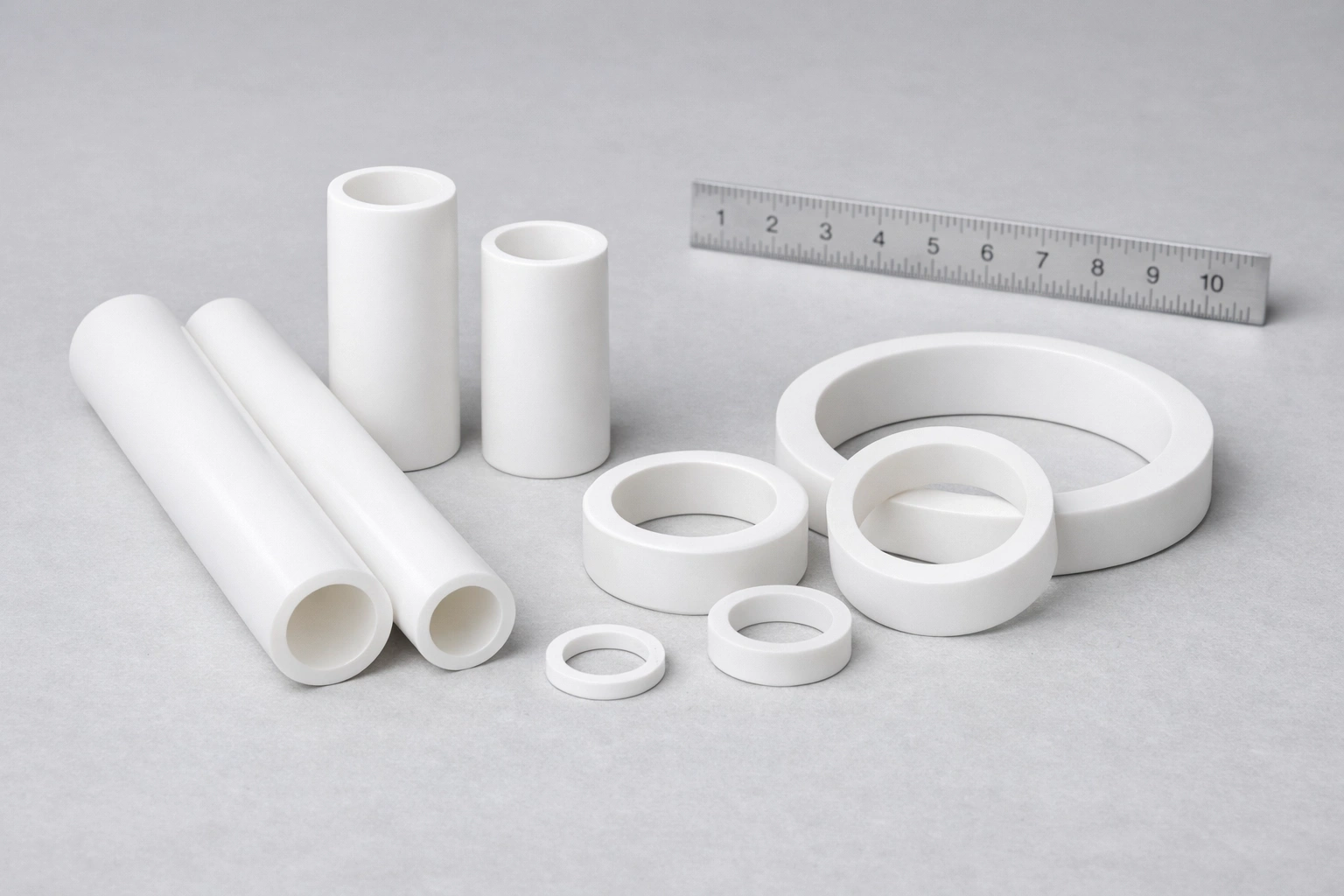
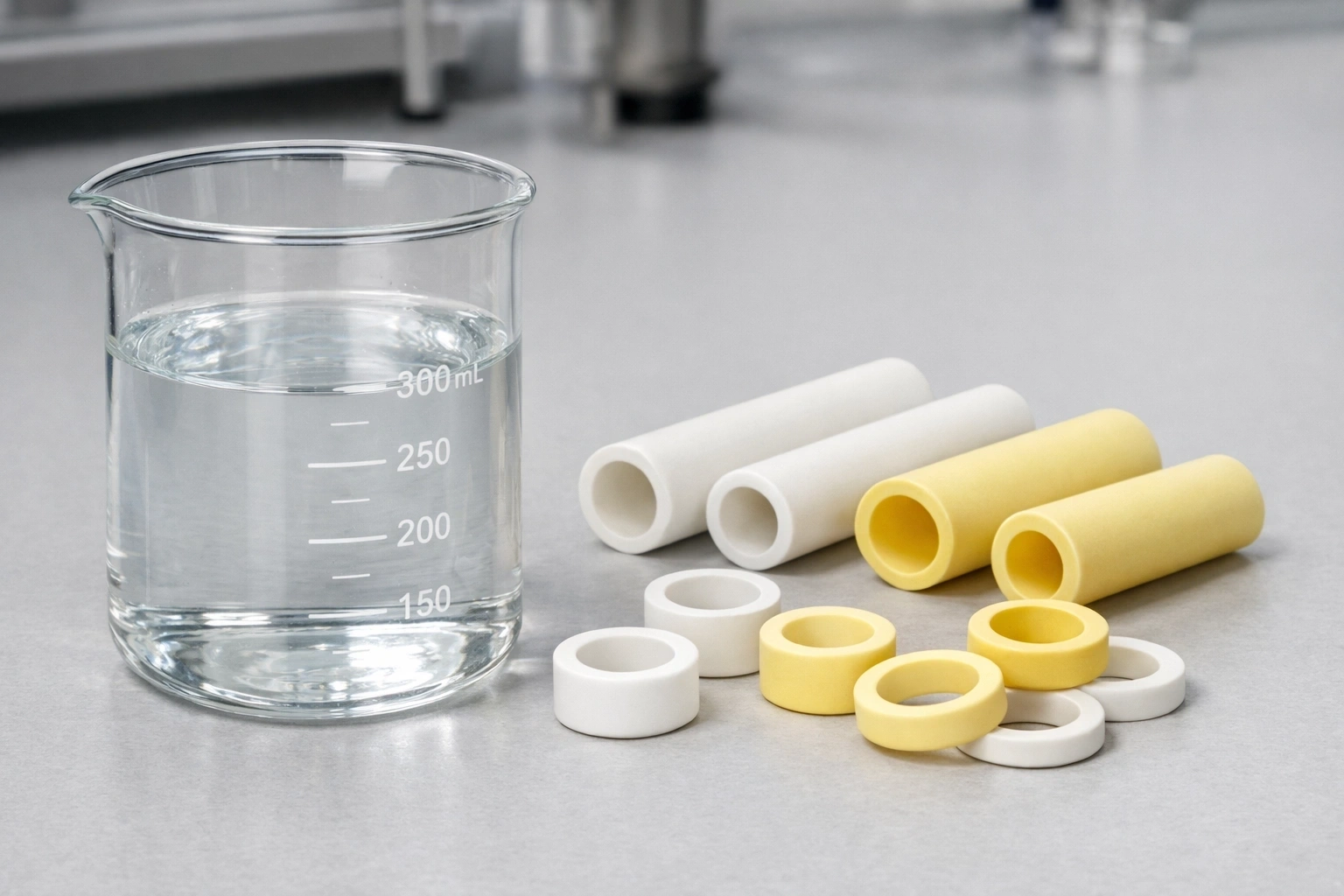
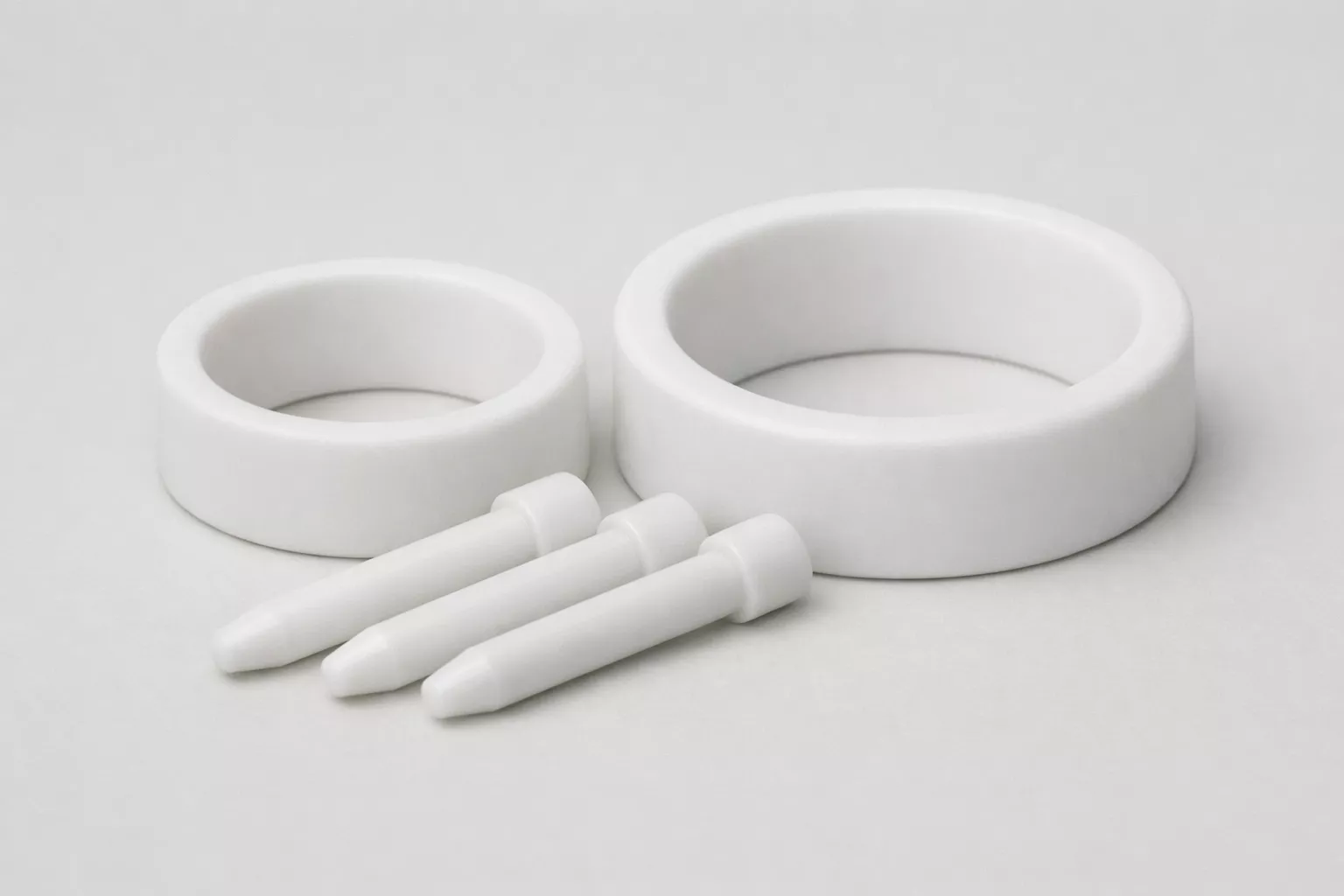
A high-purity alumina tube for corrosion resistance is the preferred choice for industries facing harsh chemical environments. Its exceptional chemical inertness, structural stability, and long service life make it superior to traditional metal and polymer components in chemical processing systems.
The alumina tube for corrosion resistance effectively minimizes acid-induced weight loss, maintains dimensional precision, and prevents contamination at temperatures above 1,500 °C. Its dense α-phase crystal structure ensures stability against aggressive compounds found in production lines handling acids, alkalis, and halides.
Understanding how an alumina tube for corrosion resistance functions across varied chemical conditions helps engineers and procurement managers choose reliable solutions that extend operational lifespans and reduce maintenance cycles.
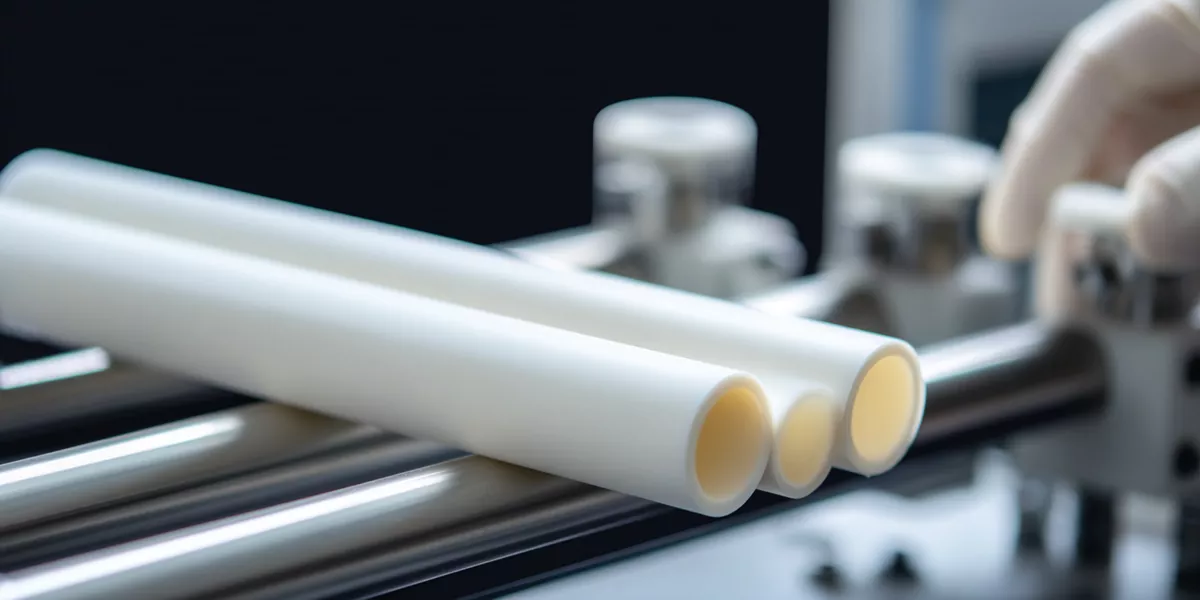
Understanding the Demanding Corrosion Environment in Chemical Processing with an Alumina Tube for Corrosion Resistance
Corrosion in chemical plants stems from reactive compounds such as sulfuric acid, sodium hydroxide, and chloride vapors. These agents degrade metals through oxidation and weaken polymers through chain scission1. In contrast, an alumina tube for corrosion resistance withstands these corrosive forces due to its stable oxide lattice and ionic-covalent bonding.
Chemical facilities using acidic or halogen-rich media2 often report accelerated wear of metallic components. Using a high-purity alumina tube for corrosion resistance significantly slows corrosion kinetics by forming a passive diffusion barrier resistant to ionic penetration.
Chemical aggressiveness and corrosion mechanisms
The corrosive environment in industrial systems depends on the combination of acid strength, halide presence, and temperature. Stainless steel suffers from localized pitting, while PTFE degrades when heat exceeds 260 °C. Alumina’s Al–O bonds exhibit high dissociation energy (~512 kJ/mol), making proton or halide attack thermodynamically unfavorable.
This molecular resilience allows an alumina tube for corrosion resistance to remain intact under mixed acid and alkaline exposure for thousands of hours without structural change.
Comparison of alumina’s stability to alternative materials
Metals rely on protective oxide layers that degrade under chloride or bromide attack. Polymers, though chemically inert, lack the thermal tolerance needed for long-term exposure. Alumina’s dense crystalline structure remains unaffected by acids or halogens.
Testing per ASTM C965 confirms alumina’s acid weight loss of <0.01 mg/cm² per 1000 h, compared to stainless steel’s 0.15–0.25 mg/cm². This performance proves why an alumina tube for corrosion resistance outperforms alternatives in industrial reactors and pipelines.
Comparative Material Resistance Performance
| Property (ASTM Standard) | Stainless Steel 316L | PTFE Polymer | High-Purity Alumina Tube |
|---|---|---|---|
| Max Temp (°C) | 600 | 260 | 1 700 (ASTM C865) |
| Acid Weight Loss (mg/cm² / 1000 h) (ASTM C965) | 0.15 – 0.25 | 0.05 – 0.07 | < 0.01 |
| Porosity (ASTM C373) % | 0.3 – 0.5 | > 1.0 | < 0.1 |
| Expected Service Life (h) | 5 000 – 10 000 | 8 000 – 12 000 | 30 000 – 40 000 |
The Intrinsic Corrosion Resistance Mechanisms of an Alumina Tube for Corrosion Resistance
The superior corrosion resistance of an alumina tube for corrosion resistance originates from its α-phase crystal structure. This configuration resists chemical infiltration3 by limiting ion exchange pathways and sustaining lattice integrity under high temperatures and pressure.
Fine-grained microstructure (≤5 µm) and porosity below 0.1% (ASTM C373) contribute to the material’s dense packing, reducing diffusion channels. These structural attributes ensure minimal acid penetration4 and prolonged durability under corrosive atmospheres.
Role of crystalline α-phase in acid durability
The α-phase of alumina remains stable up to 1,700 °C. In hydrochloric or sulfuric acid, proton mobility within the lattice is negligible, preventing deep corrosion penetration. Tests reveal weight loss <0.01 mg/cm² after 1,000 h exposure, proving that the alumina tube for corrosion resistance retains its mechanical integrity even under extreme acid exposure.
Impact of porosity and grain boundary on diffusion control
Porosity acts as the primary path for diffusion in ceramics. The alumina tube for corrosion resistance minimizes these channels through controlled sintering, achieving grain size below 5 µm and density above 3.85 g/cm³ (ASTM C20).
Such densification limits the diffusion coefficient of aggressive ions (Cl⁻, H⁺) to less than 10⁻¹⁸ m²/s, which significantly slows corrosion and prevents microcrack formation over long operating cycles.
Summary of Microstructural Stability Factors
| Structural Parameter | Optimal Range | Effect on Corrosion Resistance |
|---|---|---|
| Porosity (%) | < 0.1 | Prevents acid diffusion |
| Grain Size (µm) | ≤ 5 | Reduces crack propagation |
| Density (g/cm³) | ≥ 3.85 | Enhances structural cohesion |
| α-Phase Content (%) | > 98 | Improves acid durability |
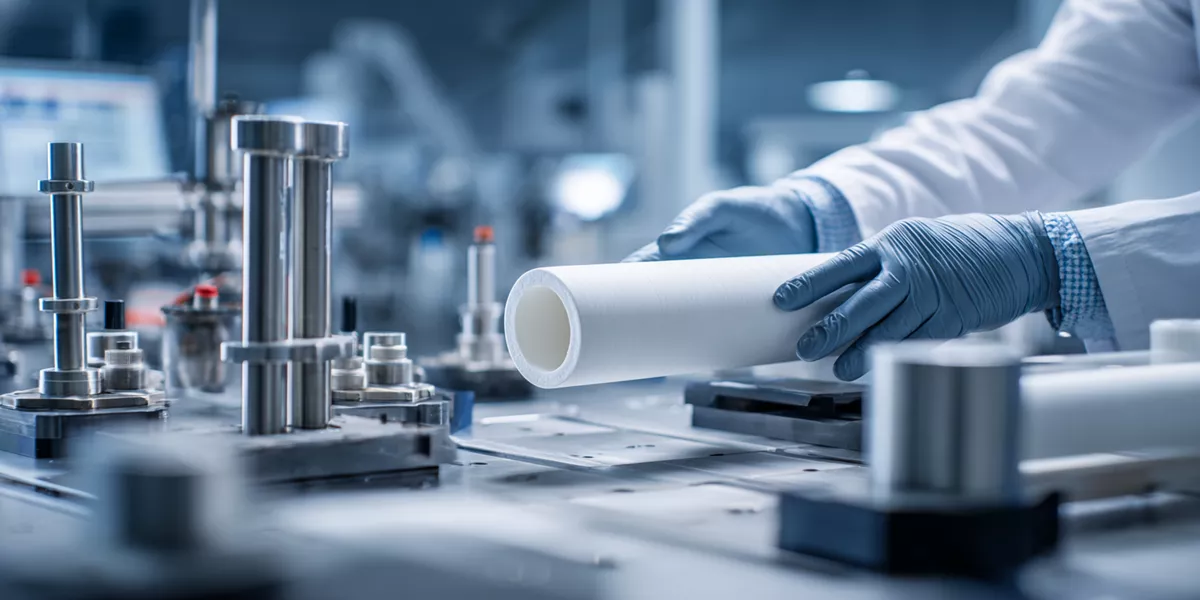
Why Purity Matters — Alumina Composition’s Direct Impact on Corrosion Performance
The purity level of an alumina tube for corrosion resistance directly determines its chemical stability. Impurities such as SiO₂, Fe₂O₃, and Na₂O act as initiation points for corrosion, forming volatile compounds and weak spots. Reducing these impurities to below 0.2 wt% eliminates catalytic reactions and discoloration.
Effect of secondary oxides on corrosion initiation
Silica and iron oxides react with acids forming gaseous by-products like SiF₄ and FeCl₃, creating micro-pits on the surface. These pits expand over time, accelerating degradation. High-purity alumina avoids such reactions, ensuring consistent smoothness and preventing structural weakening.
Statistical correlation between purity and service life
ADCERAX data from 1,200 production runs shows a clear relationship between purity and service longevity. Alumina tubes with ≥99.5% Al₂O₃ achieved lifespans exceeding 30,000 h in acid environments. Every 0.1% increase in purity reduces corrosion rate by roughly 3%.
This correlation highlights purity as a quantifiable performance driver and a key metric for engineering-grade corrosion-resistant ceramics.
Correlation Between Purity and Operational Lifespan
| Purity Level (Al₂O₃ %) | Average Service Life (h) | Surface Roughening Rate (%) |
|---|---|---|
| 95.0 | 8 000 – 10 000 | 100 |
| 98.0 | 15 000 – 18 000 | 60 |
| 99.5 | 30 000 – 35 000 | 15 |
| ≥99.8 | 35 000 – 40 000 | 5 |
Real-World Performance — Alumina Tube for Corrosion Resistance Advantages Over Metals and Polymers
Field tests prove that an alumina tube for corrosion resistance withstands harsh combinations of acid and halide environments where metals corrode and polymers soften. Its thermal and chemical stability guarantee reliable performance across chemical reactors, scrubbers, and analytical systems.
Comparative longevity of ceramic versus metallic components
Metals like stainless steel fail under chloride stress cracking, while alumina’s ionic bonding prevents such damage. ADCERAX field validation across 70 plants reports failure intervals over two years, compared to six months for metal liners. This performance difference cuts downtime and replacement costs by more than 60%.
Performance retention under mixed acid-halide atmospheres
Under mixed HCl–H₂SO₄ vapor exposure at 150 °C, alumina retains 95% of its flexural strength (ASTM C1161 ≥ 320 MPa). Microscopy analysis confirms no grain-boundary corrosion. This stability confirms the suitability of alumina tubes for multi-reactant, high-temperature environments where others fail.
Comparison of Long-Term Durability Metrics
| Material Type | Corrosion Rate (mg/cm²·1000h) | Max Operating Temp (°C) | Service Interval (months) |
|---|---|---|---|
| Stainless Steel | 0.20 | 600 | 6 |
| PTFE | 0.06 | 260 | 12 |
| High-Purity Alumina | <0.01 | 1,700 | 24–30 |
Maximizing Long-Term ROI Through Reduced Degradation and Maintenance with Alumina Tube for Corrosion Resistance
Adopting an alumina tube for corrosion resistance significantly lowers total operational costs. Its extended maintenance intervals and predictable wear characteristics minimize plant downtime and component turnover.
Maintenance reduction through material stability
Corrosion-related shutdowns are reduced by 40% after replacing metal liners with alumina tubes. Their inert surface prevents chemical scaling, ensuring stable thermal conductivity and reliable insulation performance. These traits directly impact energy efficiency and maintenance budgets.
Lifecycle performance and operational savings
Continuous operation tests confirm that an alumina tube for corrosion resistance retains mechanical strength and dimensional accuracy over multi-year cycles. Its wear rate remains predictable, and energy transfer efficiency stays stable.
Plants using alumina components achieve 30–50% lower lifetime expenditure, demonstrating a high return on material investment.
Decision Matrix
| Environment Condition | Recommended Material | Rationale |
|---|---|---|
| pH < 2 & T > 120 °C | High-Purity Alumina Tube | Stable oxide lattice |
| Chloride > 100 ppm in vapour | Alumina or ZrO₂ | Halide inertness |
| Mixed acid & alkali cycling | Dense Alumina | Low diffusion coefficient |
Conclusion
A high-purity alumina tube for corrosion resistance combines chemical inertness, mechanical integrity, and cost efficiency, outperforming metals and polymers in aggressive industrial environments.
FAQ
1. How does an alumina tube for corrosion resistance maintain stability under strong acids?
Its α-phase lattice and near-zero porosity prevent acid diffusion, limiting material loss to <0.01 mg/cm² under ASTM C965 testing.
2. What are the cost benefits of switching from stainless steel to alumina tubes?
While initial costs are higher, long-term savings from reduced downtime and extended lifespan exceed 40% compared to metals.
3. Can ADCERAX provide customized alumina tubes for specialized reactors?
Yes. ADCERAX supports drawing-based customization, including variable diameters (3–60 mm) and wall thickness optimization for different applications.
4. How does alumina compare to zirconia or PTFE in mixed acid and halide systems?
Alumina balances cost, chemical inertness, and heat tolerance, offering better high-temperature stability than PTFE and comparable halide resistance to zirconia.
References:
-
Learn how chain scission breaks polymer chains, leading to material degradation and loss of strength in chemical plant environments. ↩
-
Learn how halogen-rich media accelerate corrosion in industrial settings and why understanding their effects is crucial for material selection and plant safety. ↩
-
Learn how chemical infiltration impacts ceramic materials and why controlling it is crucial for durability in harsh environments. ↩
-
Learn how acid penetration impacts the longevity and performance of ceramic materials, especially in harsh chemical environments. ↩