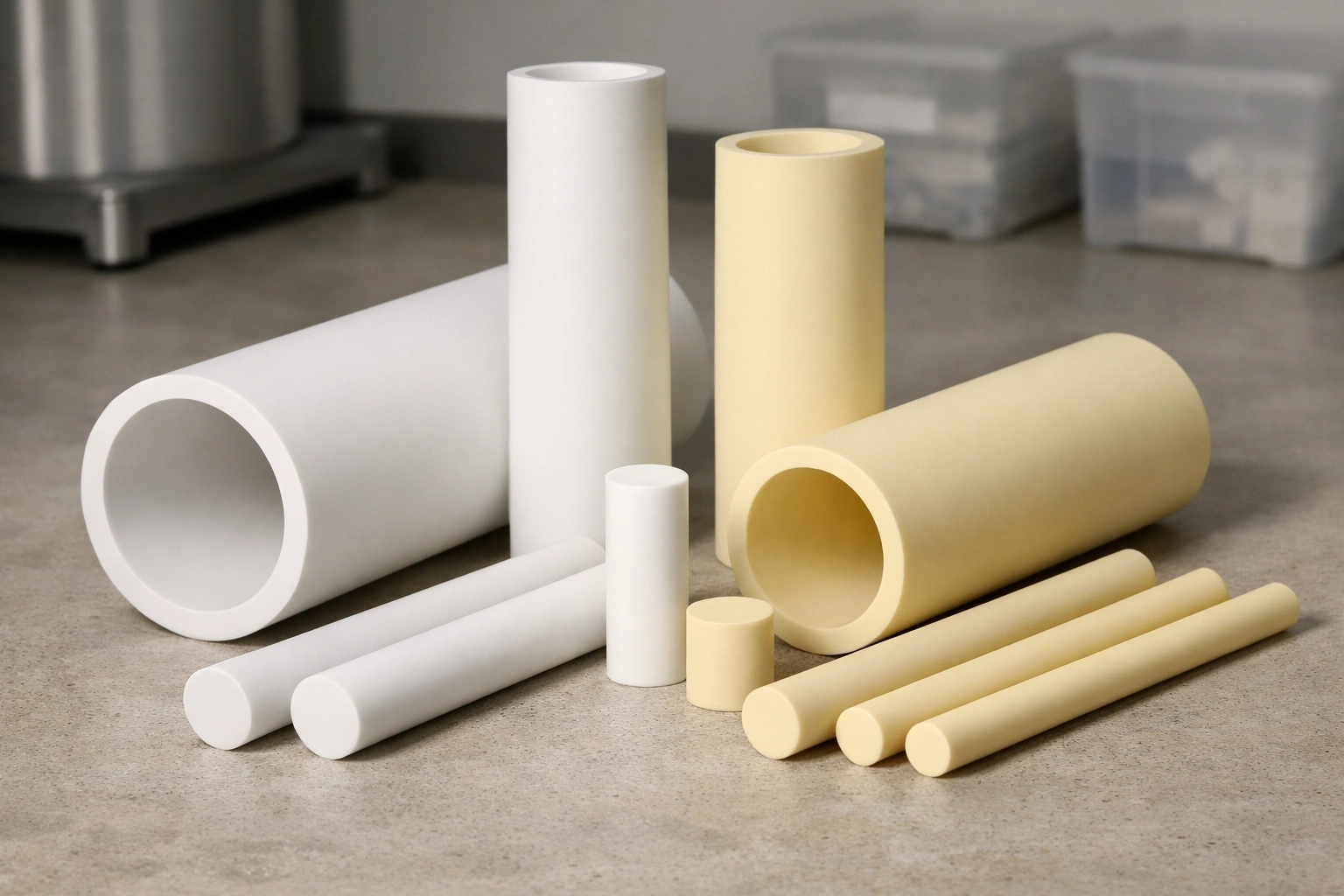
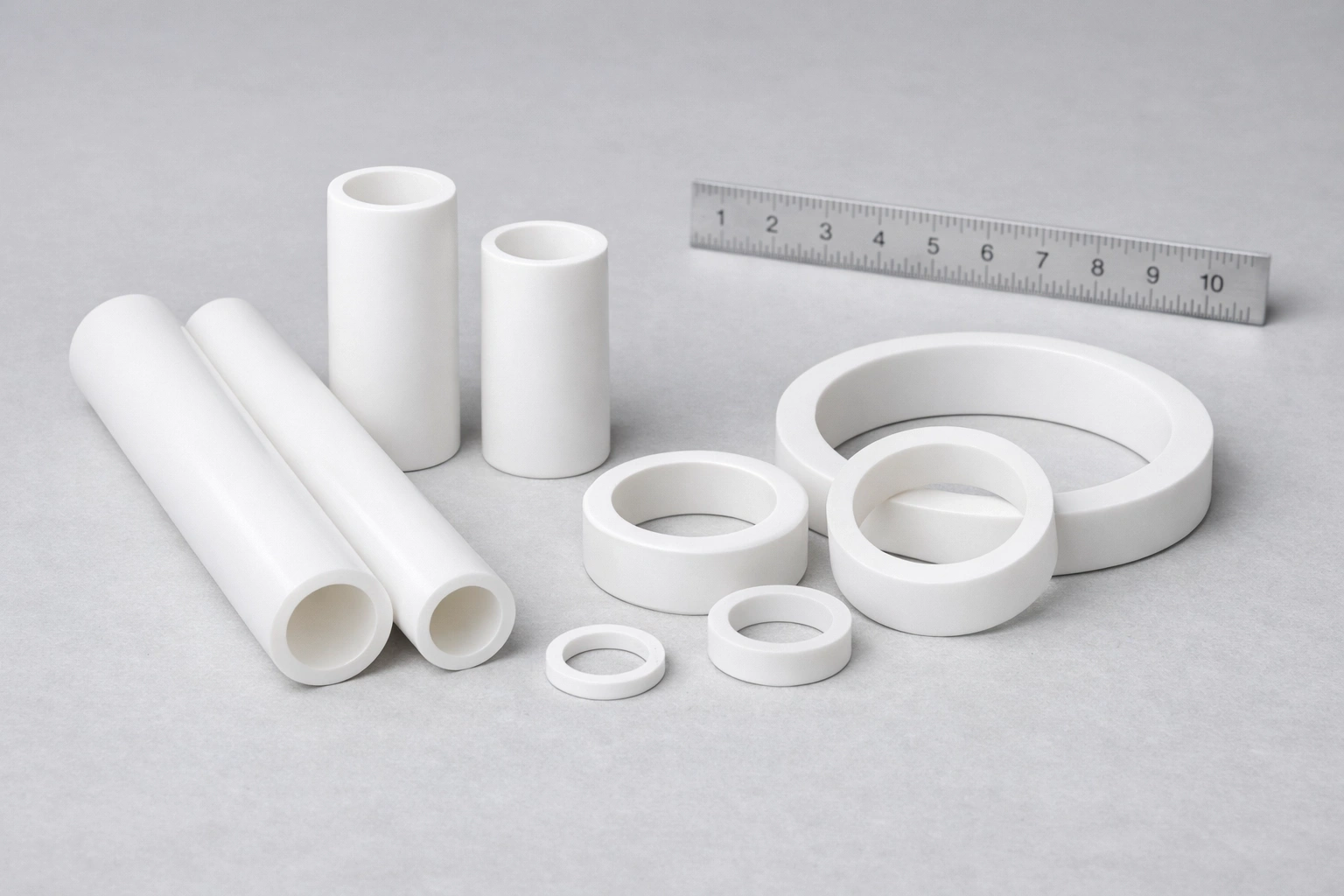
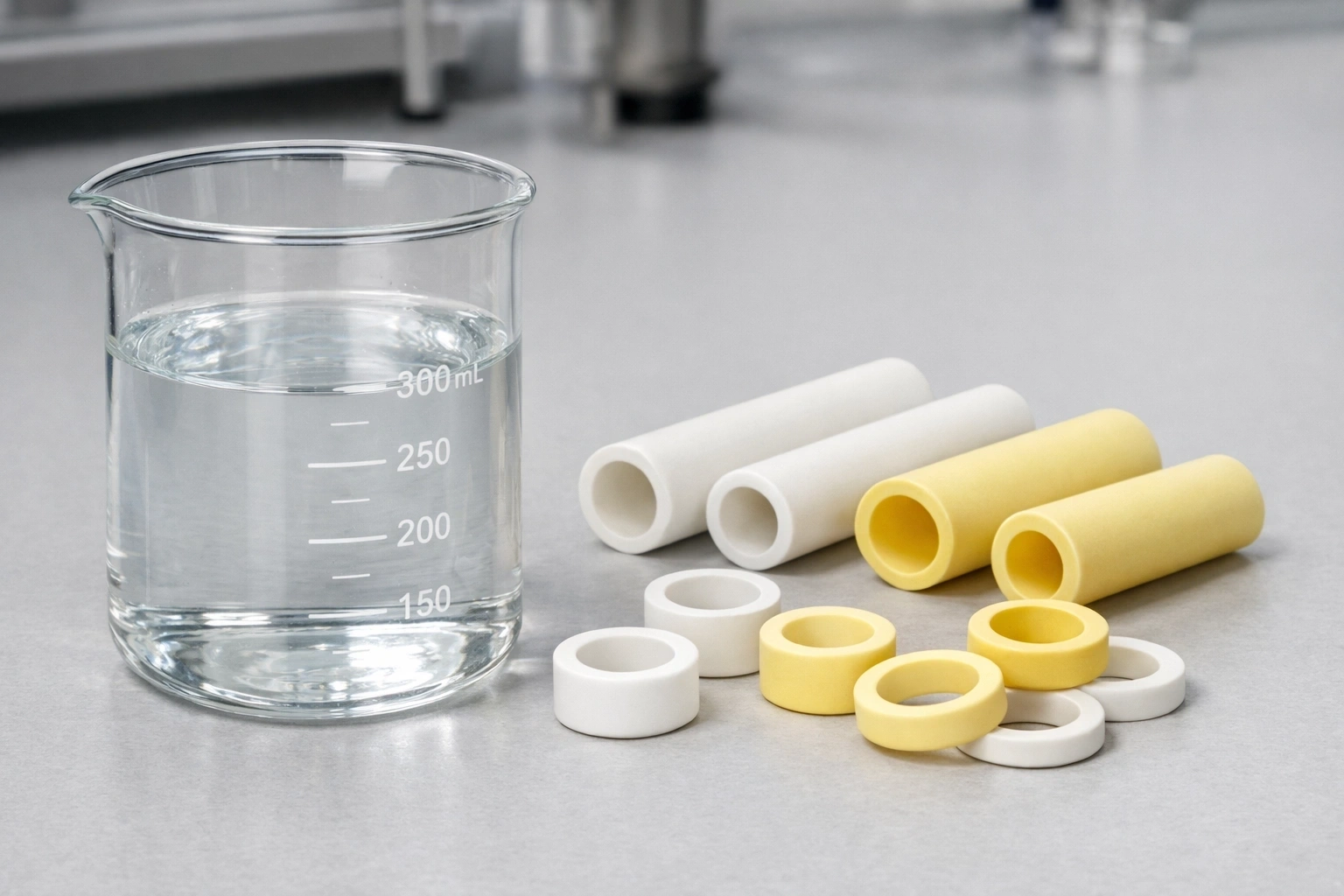
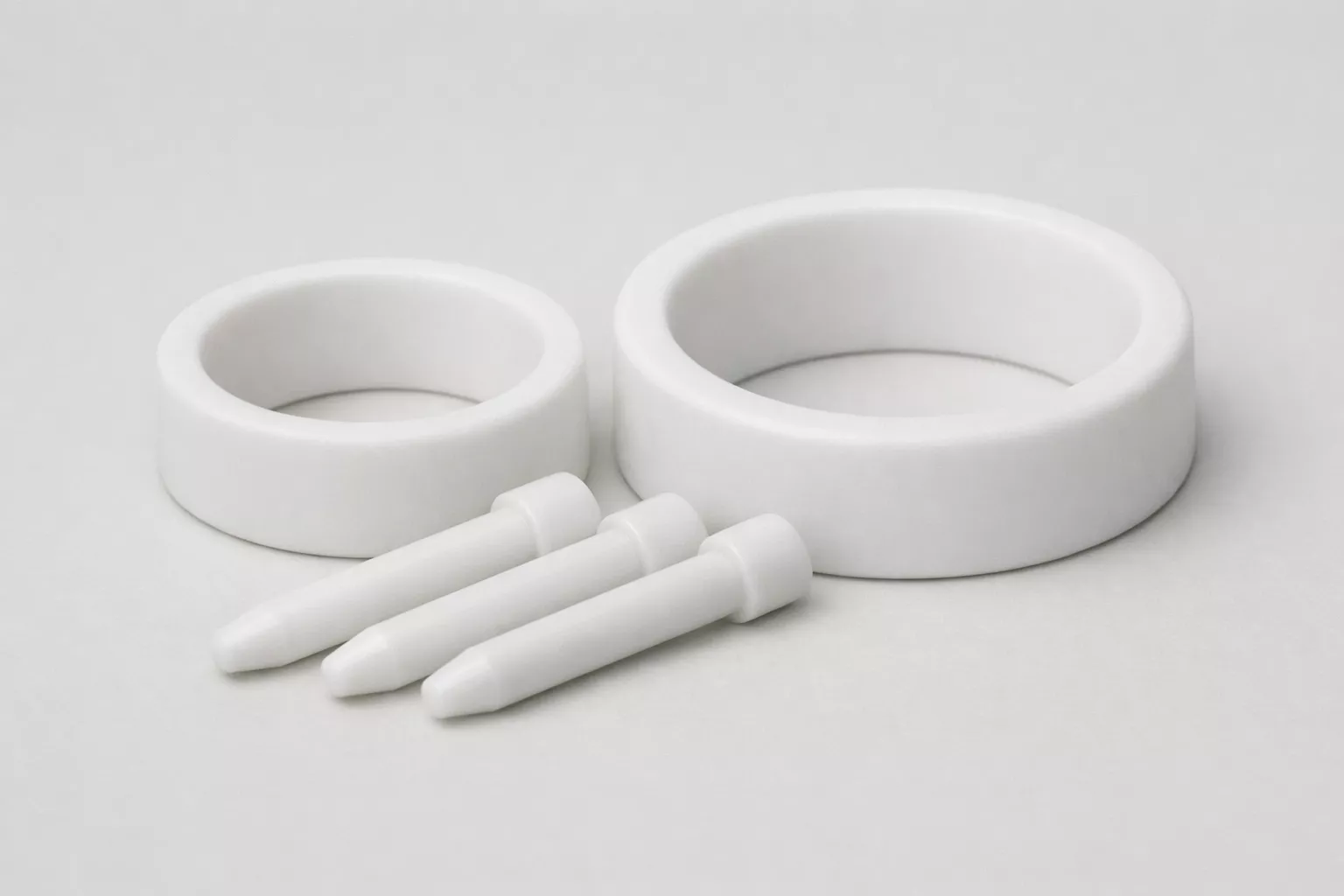
High-purity alumina tubes provide unmatched protection against chemical attack in corrosive gas streams exceeding 1200°C. Their performance depends on purity, density, and microstructural control that together determine service life and corrosion resistance. Using high-purity alumina tubes at the beginning of material design ensures consistent thermal and chemical stability across industrial environments.
When the purity of high-purity alumina tubes drops below 99.5%, volatile compound formation and intergranular diffusion accelerate corrosion, leading to mechanical failure. Maintaining 99.7–99.9% purity helps prevent degradation, reducing wall thinning and ensuring more than 10,000 hours of service under extreme conditions. The following sections analyze how these mechanisms influence material performance.
How Do Chemical Attack Mechanisms Degrade High-Purity Alumina Tubes in Harsh Gas Environments?
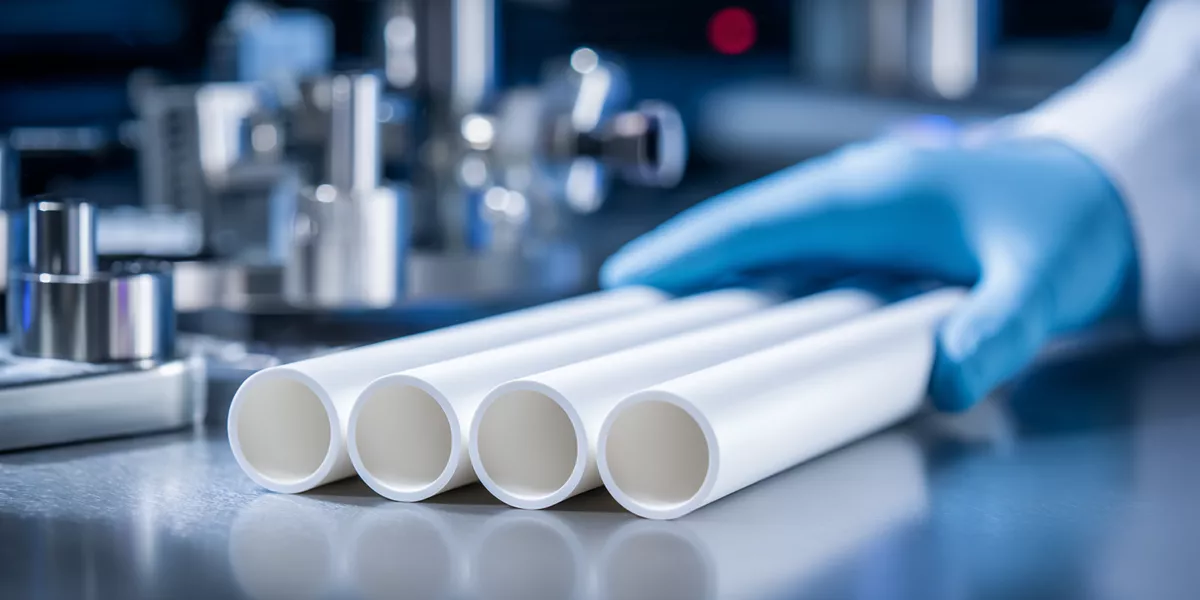
Corrosive gases degrade high-purity alumina tubes through reactive pathways involving halides, sulfides, and hydroxides. Understanding these mechanisms allows engineers to design safer, longer-lasting systems using the correct purity levels.
At high temperatures, three reactions dominate: volatile aluminum compound formation, intergranular diffusion through grain boundaries, and water vapor–assisted dissolution. Each mechanism accelerates material loss depending on purity and impurity distribution within the microstructure.
Volatile aluminum compound formation kinetics in halogen-containing atmospheres
Halogen gases such as HCl and HF attack alumina to form volatile AlCl₃ and AlF₃. When SiO₂ exists at grain boundaries, the reaction rate increases 15–25× due to reduced activation energy. High-purity alumina tubes with 99.7% Al₂O₃ resist this reaction, minimizing mass loss and preserving wall thickness during prolonged operation.
Grain boundary diffusion pathways enabling subsurface corrosion propagation
Reactive gases penetrate through grain boundaries1, creating weakened zones below the surface. Controlling grain size and achieving full densification limit these pathways, reducing diffusion coefficients by 40–60%. This mechanism highlights the importance of both purity and sintering control2 in ensuring reliability.
Water vapor catalytic effects on silicate phase dissolution rates
Above 1200°C, water vapor promotes hydroxide formation in silicate phases. Tubes containing <0.25% SiO₂ avoid these reactions, maintaining integrity even in moisture-rich atmospheres. Optimized densification ensures no interconnected pores for vapor infiltration.
Temperature-dependent reaction mechanisms transitioning above 1200°C threshold
Reactivity accelerates with temperature. A rise from 1200°C to 1600°C increases corrosion rates by nearly 25× following Arrhenius kinetics. High-purity alumina tubes at 99.8% purity maintain protective oxide layers, mitigating this effect and extending service life.
Why Do Trace Impurities in High-Purity Alumina Tubes Compromise Corrosion Resistance?
Trace impurities in high-purity alumina tubes act as corrosion catalysts, forming low-melting eutectics that dissolve under high temperatures. Understanding their effects helps balance manufacturing cost with corrosion performance.
Even at concentrations of 0.03–0.08%, impurities like Na₂O, CaO, and SiO₂ drastically accelerate corrosion. They form glassy phases that liquefy above 1100°C and attack alumina, creating diffusion channels for reactive gases.
Eutectic phase formation temperatures for common impurity combinations
Sodium-aluminum-silicate eutectics3 melt at 1088°C, while calcium-based anorthite4 forms at 1170°C. Both react aggressively with halogens and sulfur gases. Maintaining each impurity below 0.1% ensures structural stability during exposure.
Grain boundary segregation mechanisms concentrating trace elements locally
Impurities migrate toward grain boundaries during sintering, creating reactive clusters up to 50× more concentrated than the bulk. These points become primary corrosion sites. Uniform grain growth control helps suppress segregation.
Preferential attack rates at impurity-rich versus pure alumina regions
Laboratory tests show impurity-rich areas corrode 8–12× faster than pure alumina grains. This contrast emphasizes why high-purity alumina tubes with strict impurity control exhibit longer operational reliability.
Impurity specification limits balancing performance and manufacturing economics
Specifying SiO₂ <0.25%, CaO <0.08%, Na₂O <0.03%, and MgO <0.05% optimizes corrosion resistance while minimizing cost. ADCERAX data confirms that controlled impurities can outperform higher purity materials with poor uniformity.
What Minimum Al₂O₃ Purity Level Do High-Purity Alumina Tubes Require for Corrosive Gas Service?
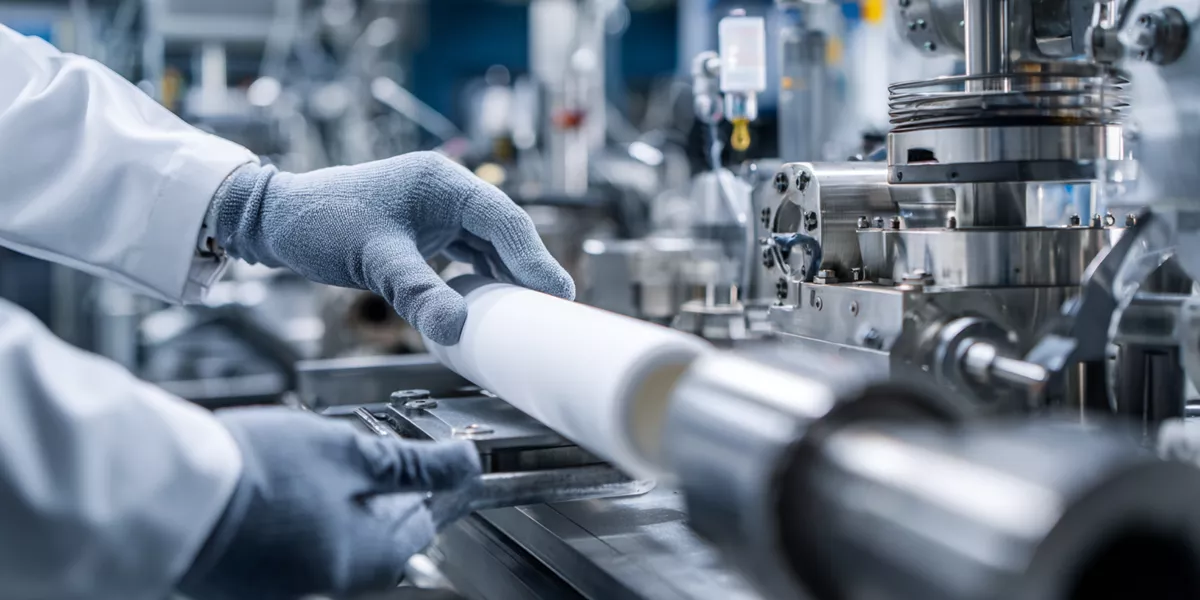
The service environment dictates the required purity of high-purity alumina tubes. Increasing purity reduces corrosion by eliminating reactive impurity phases.
Testing shows that 99.5% purity suits mild conditions, 99.7% fits halogen-rich environments, and 99.8–99.9% is essential for extreme corrosive gases. Every 0.1% purity increase decreases corrosion by roughly 20%, extending service life proportionally.
Purity-corrosion rate correlation data from standardized testing protocols
ASTM C1565 data confirms 99.7% alumina tubes lose less than 0.10 mg/cm² after 1000 hours in 1% HCl at 1400°C. Lower grades lose over 1.0 mg/cm², showing the direct correlation between purity and durability.
Gas chemistry-specific purity requirements for halogen versus sulfur compounds
Fluorine gases demand ≥99.7% purity, while sulfur-based gases tolerate 99.5% below 1350°C. Engineers should select purity grades aligned with gas composition and operating temperature.
Temperature effects amplifying purity demands above 1400°C thresholds
Above 1400°C, chemical reactivity increases exponentially. High-purity alumina tubes maintain resistance by avoiding eutectic melting and retaining grain boundary stability at extreme heat.
Economic optimization balancing purity costs against service life extension
Although higher purity raises cost by 15–20%, the longer lifespan—up to 12,000 hours—offsets the expense. The improved reliability reduces maintenance and downtime costs over the system’s life cycle.
How Do Microstructure and Densification in High-Purity Alumina Tubes Prevent Corrosive Gas Infiltration?
Microstructural optimization of high-purity alumina tubes determines their resistance to gas infiltration. Achieving near-theoretical density seals internal porosity and stabilizes performance.
Densification above 99% theoretical (3.85–3.90 g/cm³) minimizes capillary paths that allow gas penetration. Fine grains (5–15 μm) further reduce boundary exposure, ensuring superior chemical resistance in continuous operation.
Theoretical density targets and measurement methods validating full densification
ASTM C20 Archimedes testing confirms full densification at ≥3.85 g/cm³. Tubes below this value allow corrosive gases to migrate 2–5 mm beneath the surface, causing internal cracking before visible damage.
Grain size effects on total grain boundary area exposed to corrosive attack
Finer grain structures lower grain boundary density and reduce diffusion sites. MgO doping of 0.05–0.15% supports uniform grain growth, cutting corrosion by up to 60%.
Sintering parameter optimization achieving closed porosity microstructures
Firing at 1650–1750°C under controlled conditions yields closed porosity <0.1%. Mercury porosimetry ensures no pore openings above 50 nm that could promote vapor transport.
Pore size distribution thresholds preventing capillary infiltration mechanisms
Maintaining pore diameters below 50 nm avoids capillary condensation and chemical infiltration. This structure guarantees prolonged life in halogen and sulfur-based gases above 1200°C.
How Should Engineers Verify Corrosion Resistance and Select Qualified High-Purity Alumina Tubes?
Selecting reliable suppliers for high-purity alumina tubes involves strict testing and traceability. Verification minimizes the risk of unplanned corrosion failures.
Engineers must combine chemical certification, independent impurity analysis, and pilot-scale validation under actual process conditions to ensure consistent performance.
ICP-MS analytical capabilities for trace element detection and quantification
ICP-MS per ASTM E1479 measures impurities to 10 ppm accuracy. This precision confirms compliance with defined impurity limits and validates raw material purity.
Pilot-scale testing protocols simulating worst-case corrosive exposure conditions
Simulated gas tests at 110% of design temperature for 1000 hours verify corrosion resistance. Such pilot data correlates closely with full-scale field performance.
Vendor qualification criteria ensuring manufacturing process control and traceability
ISO 9001 certification, batch traceability, and process transparency demonstrate manufacturing reliability. Vendors maintaining these standards provide stable tube quality.
Failure analysis support infrastructure for root cause determination
Comprehensive failure analysis using SEM, EDS, and cross-sectional microscopy identifies corrosion origins. This ensures long-term improvement in tube performance.

Purity-Temperature-Corrosion Resistance Matrix
| Al₂O₃ Purity | Max Service Temp (°C) | HCl Resistance (mg/cm²/1000h) | Suitable Gas Environments | Expected Service Life |
|---|---|---|---|---|
| 99.0–99.3% | 1200 | 0.8–1.2 | Neutral gases, <500 ppm corrosives | 2,000–3,000 hours |
| 99.5% | 1500 | 0.15–0.30 | Weak acids, 500–1000 ppm corrosives | 5,000–8,000 hours |
| 99.7% | 1650 | <0.10 | Halogens <2000 ppm, sulfur compounds | 8,000–12,000 hours |
| 99.8–99.9% | 1750 | <0.05 | Aggressive halogens >5000 ppm | >12,000 hours |
Impurity Concentration Limits for Corrosion Resistance
| Impurity Element | Maximum Concentration (%) | Eutectic Formation Temperature (°C) | Corrosion Acceleration Factor |
|---|---|---|---|
| SiO₂ | <0.25% | 1345 (Al₂O₃–SiO₂) | 15–25× |
| CaO | <0.08% | 1170 (anorthite) | 12–20× |
| Na₂O | <0.03% | 1088 (Na–Al–Si glass) | 20–40× |
| MgO | <0.05% | 1395 (spinel) | 8–15× |
Purity Selection Decision Framework for High-Purity Alumina Tubes
| Condition | Required Purity | Density Requirement | Porosity Limit | Grain Size Target |
|---|---|---|---|---|
| <1000 ppm corrosives, <1400°C, neutral pH | 99.5% | >3.85 g/cm³ | <0.2% | <15 μm |
| 1000–5000 ppm corrosives, 1400–1600°C, halogen gases | 99.7% | >3.87 g/cm³ | <0.1% | <12 μm |
| >5000 ppm corrosives, >1600°C, HF or fluorine gases | 99.8–99.9% | >3.90 g/cm³ | <0.1% | <10 μm |
Conclusion
Using high-purity alumina tubes with ≥99.7% purity and >99% density ensures maximum corrosion resistance in gas streams above 1200°C.
FAQ
Q1: How does purity affect high-purity alumina tubes under halogen gases?
Purity above 99.7% prevents volatile compound formation and reduces corrosion rates by up to 80% in halogen-rich atmospheres.
Q2: What testing ensures corrosion resistance of high-purity alumina tubes?
ASTM C1565 corrosion testing and ICP-MS impurity analysis verify chemical stability and compliance with specification standards.
Q3: How can engineers balance cost and purity in selecting high-purity alumina tubes?
Choosing 99.7% purity increases cost by about 15% but extends lifespan 3×, optimizing operational costs.
Q4: How do high-purity alumina tubes perform compared to quartz in high-temperature gases?
Unlike quartz, which softens above 1100°C, high-purity alumina tubes maintain rigidity and chemical inertness beyond 1600°C.
References:
-
Understanding grain boundaries is crucial for improving material properties and performance. ↩
-
Exploring sintering control can enhance your knowledge of material processing and reliability. ↩
-
Explore this link to understand the properties and uses of Sodium-aluminum-silicate eutectics in various industries. ↩
-
Discover the importance of calcium-based anorthite in materials science and its applications in construction and ceramics. ↩