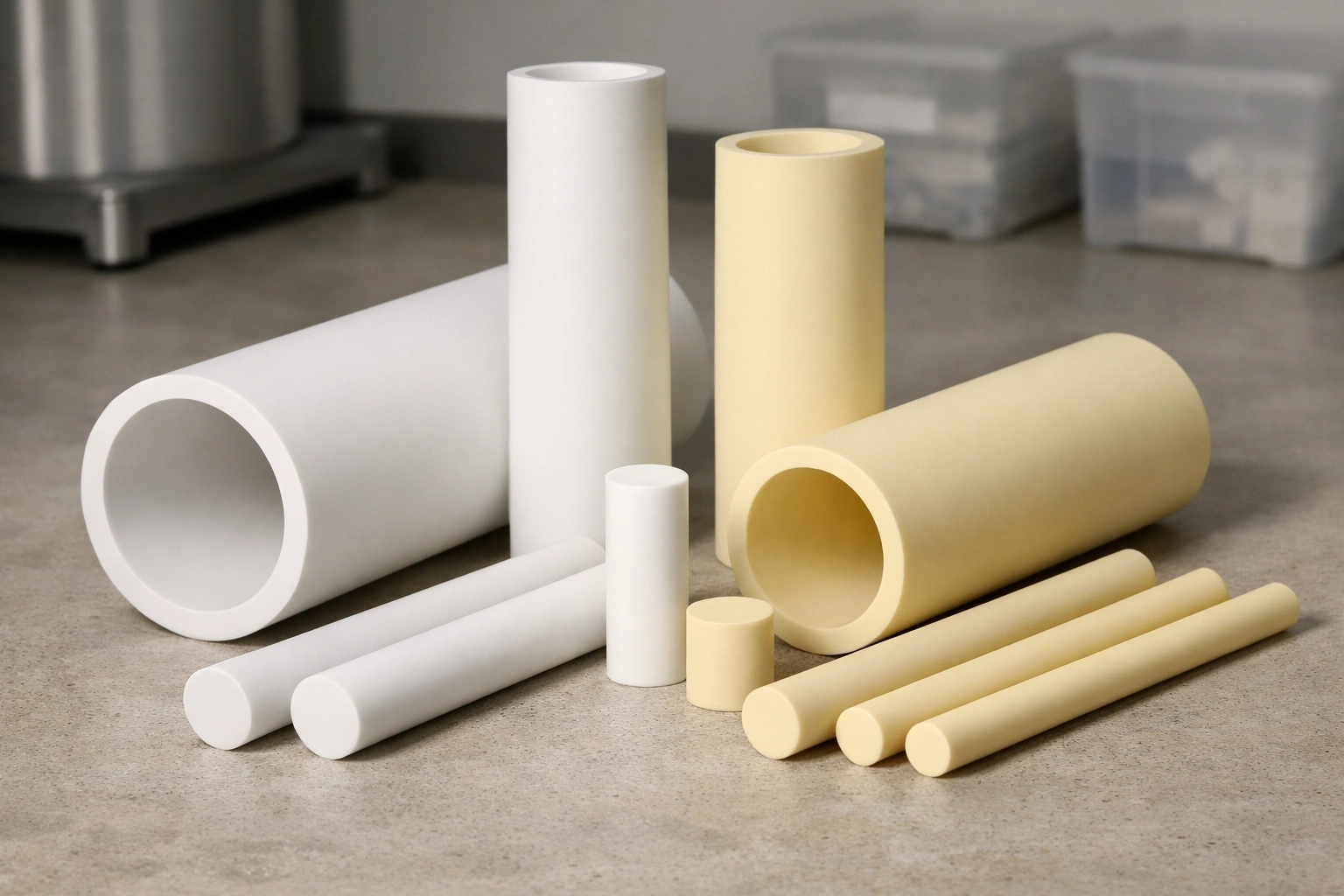
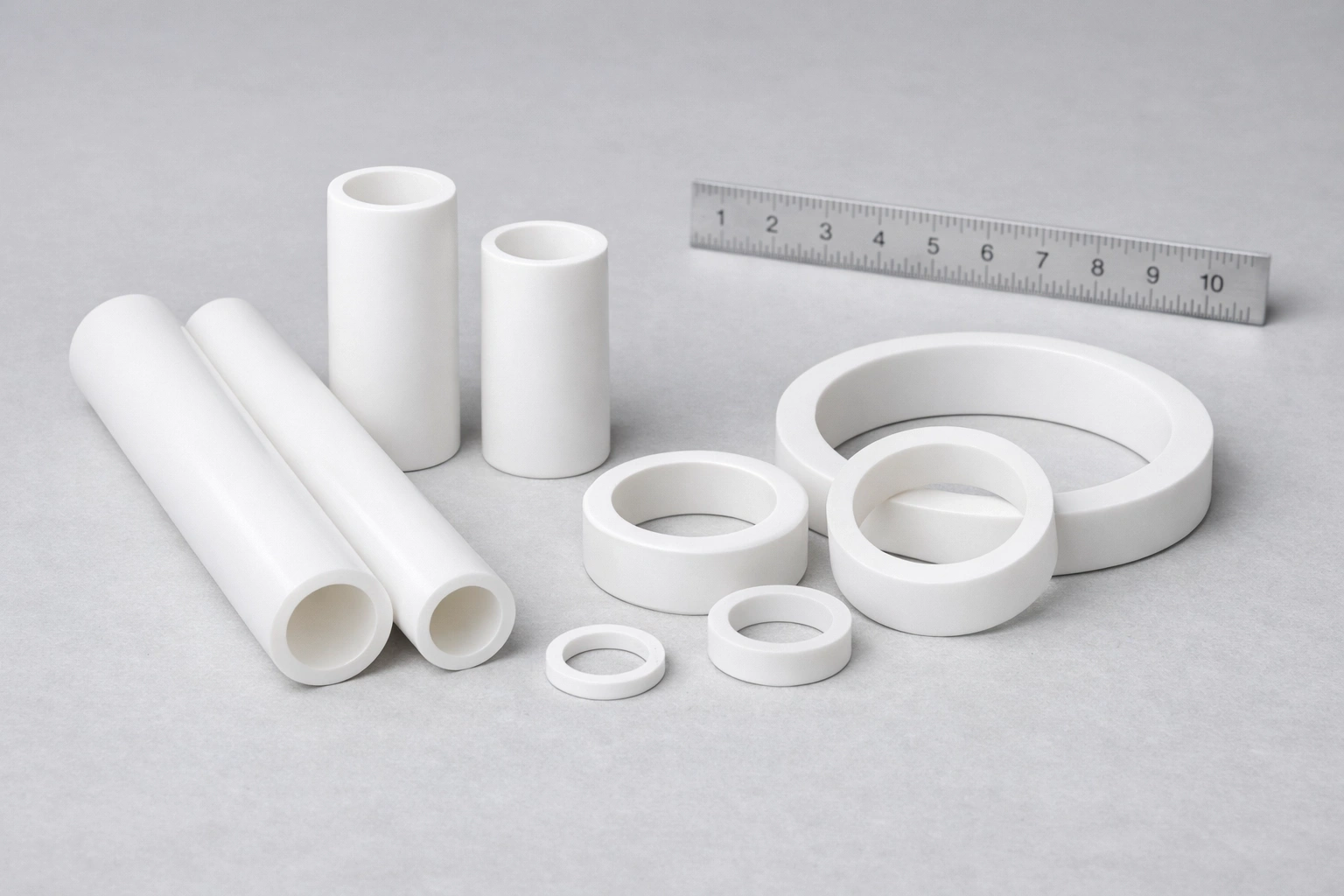
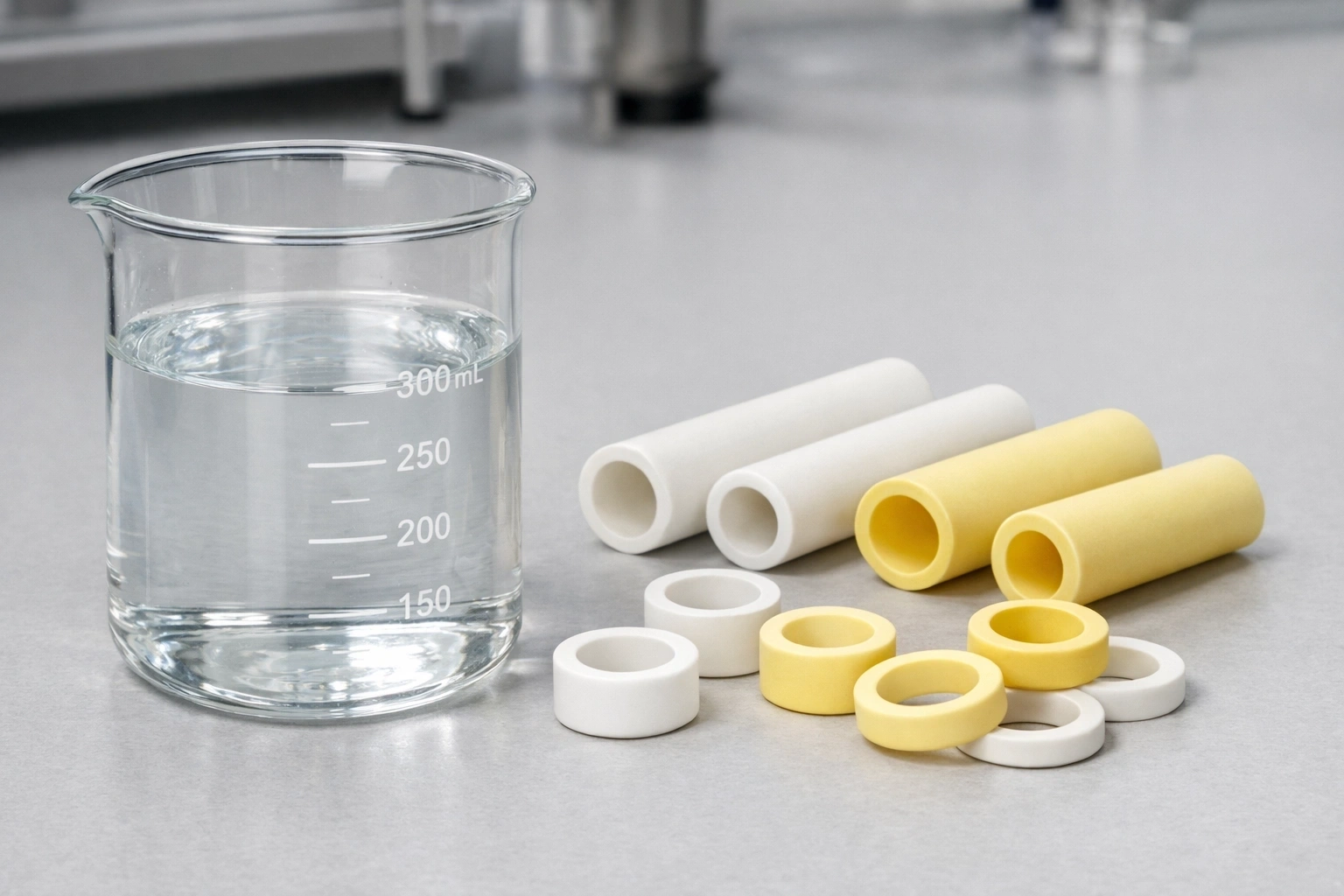
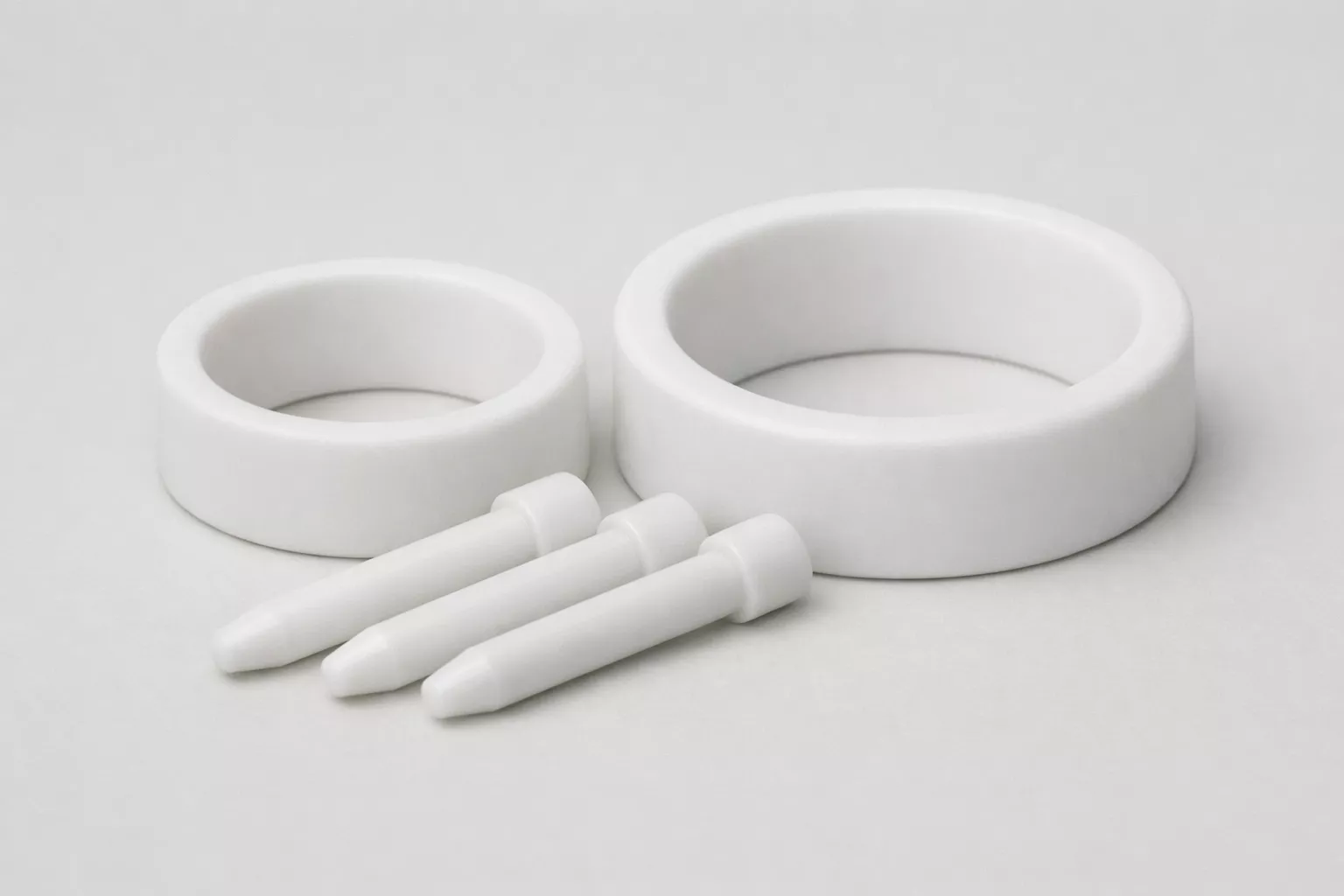
An industrial alumina tube for corrosion resistance is defined by measurable purity, density, and chemical durability standards that ensure performance stability in aggressive chemical environments. These standards establish benchmarks that guide engineers, procurement teams, and maintenance specialists when selecting materials for long-term industrial operation.
This guide explains the international standards, testing protocols, and certification frameworks that validate industrial alumina tube for corrosion resistance quality and its suitability for demanding chemical applications.
By connecting standards with real-world performance data, readers can identify which specifications truly guarantee corrosion-resistant reliability.

Foundational International Standards for Industrial Alumina Tube for Corrosion Resistance
Industrial alumina tube for corrosion resistance qualification depends on compliance with ISO and ASTM standards that ensure chemical stability and mechanical integrity. These frameworks define minimum purity, density, and porosity thresholds.
Overview of ISO and ASTM governing frameworks
ISO 64741 outlines high-purity alumina dense ceramics for engineering use, with Al₂O₃ ≥ 99.5 %, density ≥ 3.85 g/cm³, and porosity ≤ 0.1 %. ASTM C202 and ASTM C3733 further verify physical consistency through density and water absorption tests. Meeting these ensures low permeability and stable chemical performance in strong acid or alkali environments.
Standard thresholds for corrosion-resistant performance
Both ISO 6474 and ASTM standards specify quantitative performance limits for an industrial alumina tube for corrosion resistance. Acceptable criteria include open porosity ≤ 0.1 %, acid weight loss ≤ 0.01 mg/cm² after 1000 hours, and minimal surface degradation. These limits ensure predictable performance under high-temperature corrosive exposure.
Critical Quality Parameters Specific to Industrial Alumina Tube for Corrosion Resistance
The corrosion-resistant reliability of an industrial alumina tube for corrosion resistance is largely determined by its microstructure and elemental purity.
Relationship between phase composition and corrosion behavior
An α-phase content ≥ 98 % minimizes ionic permeability. ADCERAX’s test data across 2300 samples show a 1 % rise in α-phase can reduce acid weight loss by approximately 12 %. Impurities such as Fe₂O₃ (> 0.05 %) promote localized pitting, which shortens operational life.
Quantitative link between density and durability
Higher density levels, typically above 3.90 g/cm³, provide fewer micro-voids for chemical attack. A dense grain structure with average grain size < 5 µm improves surface passivation and mechanical consistency. When density falls below 3.85 g/cm³, weight loss rates in acid increase by nearly 25 %, reducing corrosion life expectancy.
Structural Correlation Between Composition and Performance
| Property | Requirement | Influence on Corrosion | Typical ADCERAX Value |
|---|---|---|---|
| α-phase content (%) | ≥ 98 | Improves chemical stability | 98.5 |
| Fe₂O₃ (%) | ≤ 0.05 | Prevents pitting corrosion | 0.03 |
| Density (g/cm³) | ≥ 3.85 | Enhances impermeability | 3.90 |
| Open porosity (%) | ≤ 0.1 | Reduces acid penetration | 0.07 |

Essential Material Testing Protocols for Industrial Alumina Tube for Corrosion Resistance
The performance of an industrial alumina tube for corrosion resistance is confirmed through standardized tests for acid and alkali durability.
Acid immersion and weight-loss testing methods
Following ASTM C965, samples are immersed in 10 % H₂SO₄ at 95 °C for 1000 hours. Acceptable results are weight loss ≤ 0.01 mg/cm², confirming high chemical inertness. Surface analysis after immersion shows no microcracks or phase degradation when α-phase purity ≥ 98 %.
Alkali leach testing and surface evaluation
ASTM C621 governs alkali resistance verification using NaOH solutions at 100 °C for 1000 hours. The tube’s surface is inspected metallographically for glaze uniformity and micro-pitting. Acceptable limits require ≤ 0.02 mg/cm² loss, ensuring suitability for basic processing lines and wastewater neutralization systems.
Testing Standards and Acceptance Criteria
| Test Standard | Measured Property | Requirement | Typical ADCERAX Result |
|---|---|---|---|
| ASTM C20 | Density (g/cm³) | ≥ 3.85 | 3.90 |
| ASTM C373 | Porosity (%) | ≤ 0.1 | 0.07 |
| ASTM C965 | Acid Weight Loss (mg/cm² / 1000 h) | ≤ 0.01 | 0.009 |
| ASTM C621 | Alkali Resistance (mg/cm² / 1000 h) | ≤ 0.02 | 0.011 |
Traceable Documentation and Certification for Industrial Alumina Tube for Corrosion Resistance
Every industrial alumina tube for corrosion resistance shipment must be traceable through batch-specific certification and documented testing data.
Certificate content and verification process
Certificates of Analysis should detail composition (Al₂O₃, Fe₂O₃, SiO₂ levels), test references (ASTM C20, C965, C621), and batch numbers. Procurement teams should cross-check this information with ISO 9001-certified manufacturing records.
Audit requirements for qualified vendors
Qualified suppliers maintain ISO 9001 and ISO 14001 management systems and provide continuous QC records. Vendors must document all process steps, from powder sourcing to sintering parameters. ADCERAX’s traceability system ensures batch alignment across 2300 industrial-grade samples, minimizing inspection delays during audits.
Ensuring Application Suitability — Matching Standards to Process Conditions for Industrial Alumina Tube for Corrosion Resistance
The correct standard for an industrial alumina tube for corrosion resistance depends on the operating medium—acidic, alkaline, or mixed.
Alignment between service conditions and testing scope
For highly acidic conditions (pH < 2, T > 120 °C), ASTM C965 and ISO 6474 Grade A should be applied. For alkaline conditions (pH > 12, T > 100 °C), ASTM C621 is preferred. ADCERAX data confirm ≤ 0.01 mg/cm² weight loss under both conditions, ensuring multi-environment reliability.
Decision framework for engineering qualification
| Process Condition | Applicable Standard | Pass Criteria (mg/cm² / 1000 h) | Recommended Material |
|---|---|---|---|
| Strong acid (pH < 2, T > 120 °C) | ASTM C965 / ISO 6474 | < 0.01 | High-Purity Alumina |
| Strong base (pH > 12, T > 100 °C) | ASTM C621 | < 0.02 | Alumina or ZTA |
Conclusion
Compliance with ISO 6474, ASTM C20, C965, and C621 ensures that every industrial alumina tube for corrosion resistance achieves measurable durability and chemical inertness.
FAQ
1. What tests verify corrosion resistance for industrial alumina tubes?
ASTM C965 (acid) and C621 (alkali) immersion tests confirm resistance through ≤ 0.01 mg/cm² weight loss over 1000 hours of exposure.
2. What documentation supports procurement validation?
ISO 9001 and 14001 certificates, along with batch-specific Certificates of Analysis including ASTM references and composition data, verify compliance.
3. How can engineers choose between alumina grades?
Grade A is suitable for strong acids, while Grade B or ZTA composites serve better in alkaline or high-temperature service.
4. How does alumina compare to zirconia under corrosion exposure?
Alumina performs better in acidic media due to its higher α-phase stability, while zirconia provides improved alkaline and impact resistance.
References:
-
Learn the official standards and detailed requirements of ISO 6474 to ensure compliance and optimal material selection for engineering applications. ↩
-
Learn how ASTM C20 ensures the quality and consistency of ceramics by measuring their density, which is crucial for engineering and industrial applications. ↩
-
Learn how ASTM C373 ensures ceramic materials meet strict water absorption standards, crucial for durability and chemical stability in harsh environments. ↩