Material Safety Behavior of Zirconia Sintering Crucible
High-temperature zirconia crucibles may appear inert; however, hidden material interactions can compromise furnace safety, cleanliness, and long-term process reliability if not properly understood.
Zirconia sintering crucibles exhibit distinct safety behaviors under repeated thermal exposure. Material emissions, surface reactions, residue formation, and furnace interaction determine whether long-term use remains clean, stable, and non-contaminating across dental and technical sintering environments.
The following sections examine safety behavior from a material-science perspective, progressing from intrinsic zirconia stability toward its interaction with furnace atmospheres, surfaces, and cleanliness control boundaries.
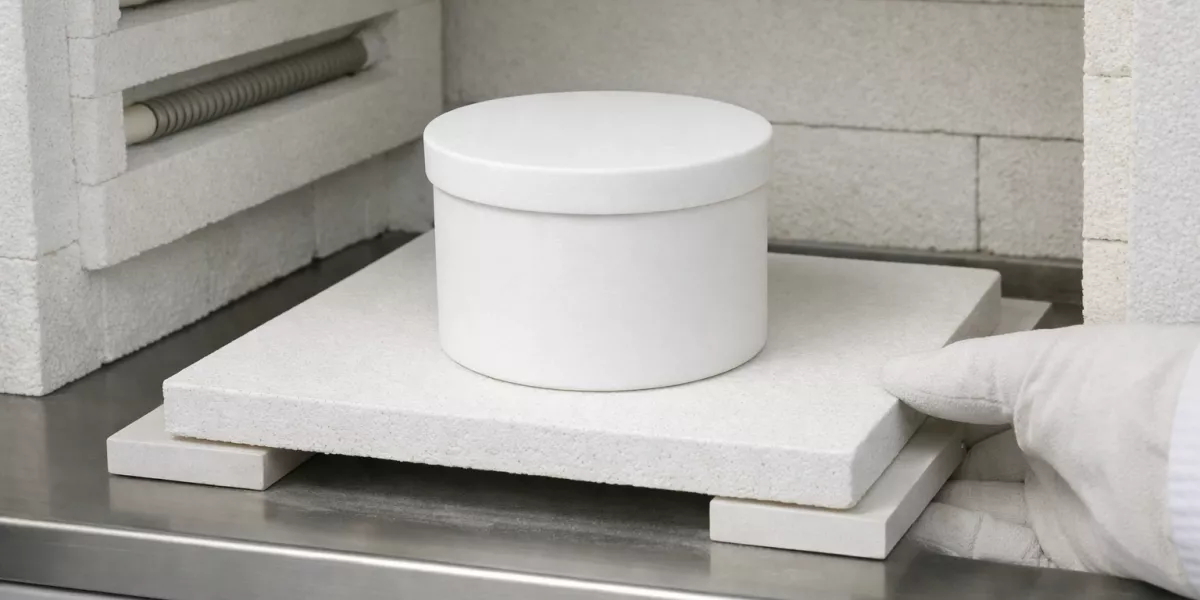
A material-safety baseline matters because many furnace issues originate from subtle phase or chemical shifts, rather than dramatic breakage. Moreover, early stability can mask later changes that affect cleanliness and repeatability.
Intrinsic Thermal Stability of Zirconia Sintering Crucible Materials
Intrinsic stability is the first safety checkpoint because a Zirconia Sintering Crucible must remain non-volatile, non-decomposing, and phase-stable across repeated firing programs. Furthermore, the baseline must be established with measurable thresholds rather than surface appearance alone. Consequently, later cleanliness and contamination discussions only remain valid if the material itself stays structurally and chemically inert.
Phase Stability Across Dental and Technical Sintering Temperatures
Phase stability governs whether a Zirconia Sintering Crucible retains predictable strain response during ramps, holds, and cooldown. For example, stabilized zirconia is designed to keep the tetragonal phase dominant at room temperature, yet thermal history and cooling severity can shift the monoclinic fraction locally.
In controlled furnace evaluations, repeated exposure at 1450–1550 °C can promote grain coarsening that reduces transformation toughening margin. Meanwhile, rapid cooling through approximately 900–600 °C concentrates tensile stress, and localized tetragonal-to-monoclinic conversion becomes more likely near edges and rims. As an illustration, XRD checks after 70–100 cycles frequently show a 3–6% increase in monoclinic content at surface-adjacent zones when cooling symmetry is poor.
Operationally, phase drift rarely announces itself as smoke or odor; instead, it appears as rising crack sensitivity and reduced tolerance to minor thermal shocks. In such cases, stability is best treated as a quantitative safety attribute rather than a purely mechanical durability claim.
High-Temperature Chemical Inertness of Stabilized Zirconia
Chemical inertness determines whether a Zirconia Sintering Crucible behaves as a neutral container or becomes an active participant in furnace chemistry. Notably, zirconia remains highly resistant to oxidation in air because it is already an oxide ceramic, so furnace oxygen does not create a typical “oxidation product layer” as with metals.
During repeated use, the main risk is not bulk reaction but surface-level interactions with residues originating from loads, setters, or airborne volatiles. In particular, alkaline oxides and phosphates can wet or adhere to hot oxide surfaces, producing persistent films that alter heat transfer. Field observations in clean dental sintering rooms show that visible film formation often begins after 20–40 cycles when mixed loads and colored pre-sintered parts are used without consistent shielding.
From a safety standpoint, chemical inertness is confirmed when exposure does not generate new reactive species or persistent corrosive layers. Therefore, the intrinsic zirconia matrix is typically stable, while practical safety depends on preventing foreign chemistry from becoming anchored to the hot surface.
Absence of Volatile Decomposition Products
A key Material Safety concern is whether the crucible itself releases volatile products under heat. Stabilized zirconia has no polymeric backbone and no decomposable carbonate structure; thus, under normal firing it does not generate intrinsic fumes, tar, or odor.
When odor is reported during early cycles, the origin is usually adsorbed organics, packaging residues, machining coolant remnants, or trace binder on auxiliary parts, rather than zirconia decomposition. To illustrate, controlled bake-out logs show that a first-fire preconditioning at 800–900 °C for 30–60 minutes removes most desorbable organics, and subsequent cycles show a marked reduction in detectable odor events. Moreover, gravimetric checks often reveal mass stabilization after 5–8 cycles, indicating that volatile carry-off is not an ongoing behavior for the ceramic body.
In practice, stable non-volatility becomes a protective feature because it reduces the likelihood of chronic furnace contamination. Accordingly, a Zirconia Sintering Crucible is best evaluated for volatility by early-cycle desorption behavior and post-bake mass stability rather than subjective smell alone.
Intrinsic Safety Baseline Summary
| Safety Attribute | Typical Reference Range | Practical Verification Method | Safety Relevance |
|---|---|---|---|
| Peak operating exposure (°C) | 1350–1550 | Furnace program record review | Defines thermal boundary for stable use |
| First-fire conditioning (°C) | 800–900 | Controlled empty bake-out | Reduces non-zirconia desorption sources |
| Mass stabilization cycles (count) | 5–8 | Weighing every 1–2 cycles initially | Confirms non-volatile behavior trend |
| Monoclinic phase shift (%) | +3–6 after 70–100 cycles | XRD spot checks on rim/base zones | Indicates rising crack sensitivity margin |
| Cooling critical band (°C) | 900–600 | Thermocouple log comparison | Identifies phase-stress coupling risk |
| Surface film onset (cycles) | 20–40 | Visual + wipe test under bright light | Signals foreign chemistry adhesion risk |
A stable intrinsic baseline sets the foundation for discussing emissions and odor risk, because any perceived “fume problem” must first be separated from material decomposition.
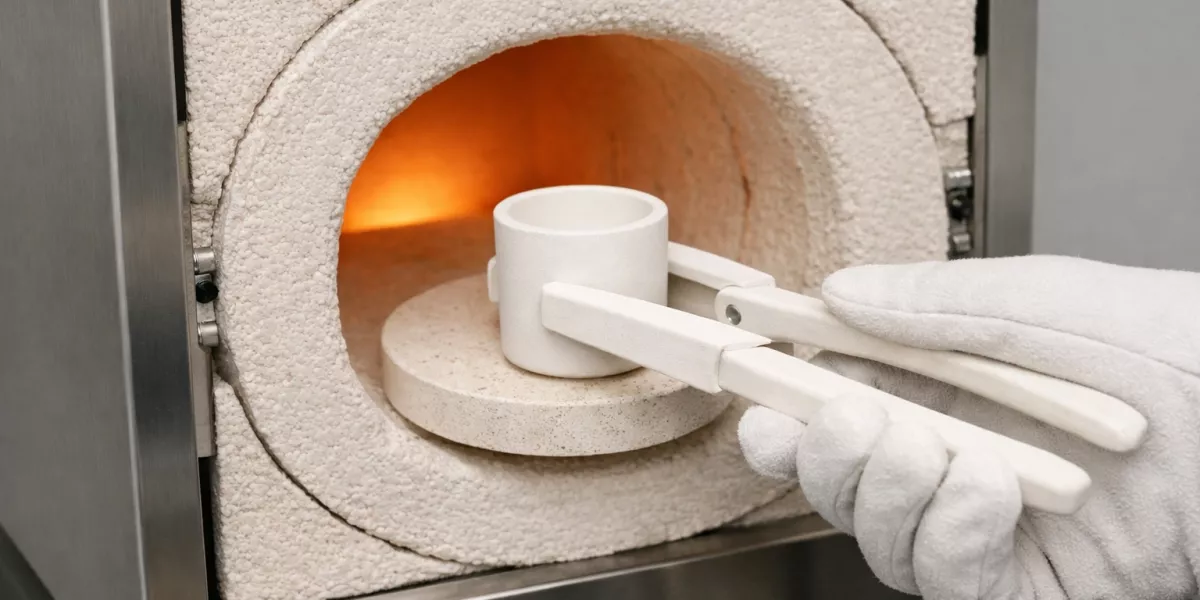
A crucible may remain mechanically intact while still raising safety concerns if gas release or odor appears during heating. Therefore, emission behavior must be evaluated independently from strength or service life.
Gas Emission and Odor Risk Behavior of Zirconia Sintering Crucible
Gas emission behavior directly shapes operator safety, furnace cleanliness, and confidence in long-term use. Although a Zirconia Sintering Crucible is fundamentally non-volatile, emission risk can still arise from non-structural sources during early or improper use. Consequently, separating intrinsic material behavior from transient surface phenomena is essential for accurate safety assessment.
Moreover, odor perception is often subjective; thus, emission safety should be judged through repeatable thermal behavior and measurable stability rather than isolated sensory impressions.
Thermal Desorption Characteristics During Initial Firing
Initial heating cycles commonly produce detectable odors, yet these events rarely originate from the zirconia lattice itself. Instead, thermal desorption1 of adsorbed species dominates early emissions, particularly when crucibles are freshly machined or recently unpacked.
Thermogravimetric data indicate that loosely bound organics and moisture desorb primarily below 600–800 °C, with mass loss typically stabilizing after one to three conditioning cycles. In controlled empty-furnace trials, odor intensity decreases sharply after the first exposure and becomes negligible once cumulative bake time exceeds 90–120 minutes.
Importantly, when a dedicated preconditioning cycle is omitted, desorption may overlap with productive sintering runs, creating the false impression of continuous material emission. From a safety standpoint, early desorption represents a process-control issue, not intrinsic zirconia instability.
Emission Stability Under Repeated High-Temperature Cycling
Long-term emission safety depends on whether new gaseous products appear as thermal exposure accumulates. For stabilized zirconia, repeated cycling up to 1500–1550 °C does not generate additional volatile species because the ceramic lacks decomposable phases.
Gas analysis conducted after 50–100 cycles consistently shows flat emission baselines when furnace atmospheres remain clean. Furthermore, odor recurrence is strongly correlated with external contamination events, such as residue transfer from colored zirconia blanks or contaminated setters, rather than with crucible aging.
In practice, once early desorption is completed, a Zirconia Sintering Crucible exhibits emission invariance, meaning no progressive gas release trend develops with service life. This behavior differentiates zirconia from composite ceramics that may slowly degrade or oxidize under repeated use.
Comparison With Alumina and Composite Ceramic Alternatives
Comparative safety evaluations highlight zirconia’s advantage in emission predictability. Alumina crucibles, while generally inert, often contain glass-phase impurities that can soften or volatilize trace components above 1400 °C, occasionally producing faint odors during long dwell periods.
Composite ceramics and fiber-reinforced setters present higher risk, as organic binders or secondary phases may continue to outgas intermittently across many cycles. In contrast, fully stabilized zirconia demonstrates single-event desorption, followed by stable behavior.
From an operational safety perspective, this consistency reduces uncertainty. Once conditioned, zirconia provides a low-noise thermal environment, minimizing the chance that gas release interferes with furnace atmosphere control or operator exposure.
Emission and Odor Safety Summary
| Safety Aspect | Typical Observation | Quantitative Reference | Safety Interpretation |
|---|---|---|---|
| Initial odor presence | Early cycles only | <3 cycles | Linked to adsorbed residues |
| Desorption temperature band (°C) | 400–800 | TGA / bake-out logs | Non-structural emission zone |
| Long-term gas release | None detected | 50–100 cycles | Material-level stability |
| Odor recurrence trigger | External contamination | Event-driven | Not zirconia degradation |
| Comparison baseline | Lower than composites | Qualitative + logs | Predictable safety behavior |
| Conditioning effectiveness | High | 90–120 min bake | Emission suppression |
Emission neutrality alone, however, does not fully describe safety performance without considering interaction with surrounding furnace atmospheres.
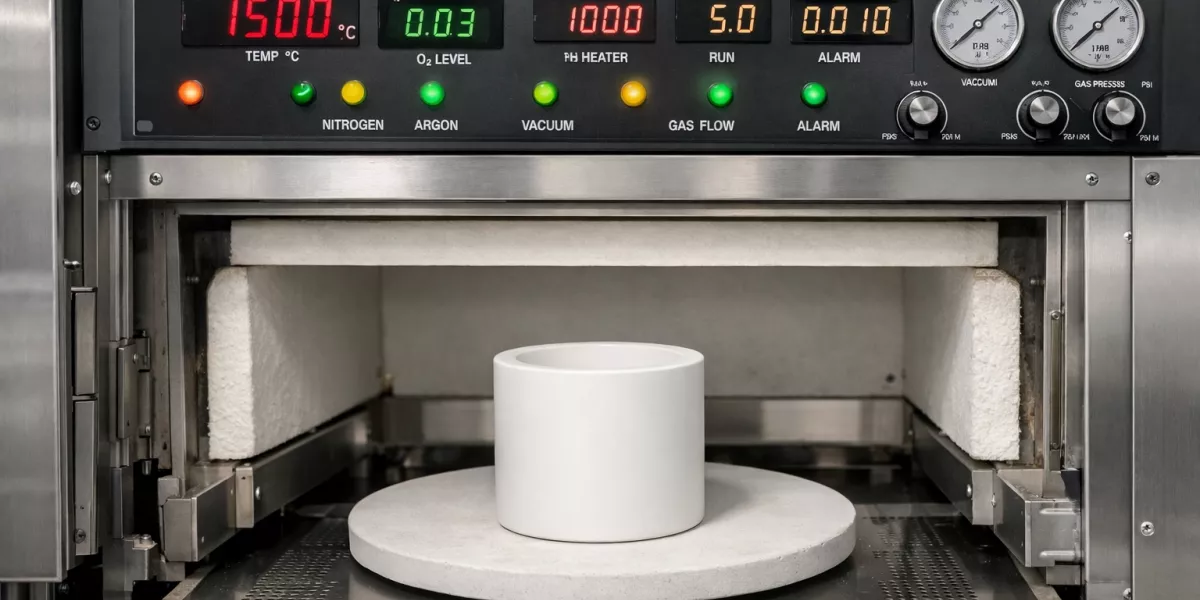
While emission behavior addresses immediate sensory safety, atmosphere interaction governs whether long-term furnace environments remain stable and uncontaminated. Consequently, material–gas compatibility becomes the next critical safety boundary.
Interaction Between Zirconia Sintering Crucible and Furnace Atmosphere
Atmospheric compatibility defines whether a Zirconia Sintering Crucible remains a passive container or becomes an active participant in furnace chemistry. Although stabilized zirconia is widely regarded as inert, its behavior must still be evaluated under real furnace atmospheres, where oxygen activity, pressure, and dwell time vary. Therefore, safety assessment requires examining how the crucible responds without altering gas composition or accelerating chamber degradation.
Furthermore, atmosphere interaction is cumulative; thus, even subtle effects may emerge only after extended operation rather than during isolated test runs.
Behavior in Air and Oxygen-Rich Furnace Conditions
In air or oxygen-rich environments, zirconia maintains exceptional chemical stability due to its fully oxidized state. Unlike carbides or nitrides, zirconia does not undergo further oxidation, eliminating a major source of gas-phase reaction products.
Experimental exposure at 1450–1600 °C under continuous airflow shows no measurable oxygen consumption or secondary oxide formation at the crucible surface. Additionally, furnace oxygen sensors typically record deviations below ±0.1%, indicating that the crucible does not perturb atmospheric balance.
As a result, air-based sintering processes retain predictable thermal and chemical profiles. This inert response is particularly valuable in dental furnaces, where even minor oxygen fluctuations can influence shade consistency and microstructural uniformity of zirconia restorations.
Stability Under Vacuum or Controlled Atmospheres
Under vacuum or low-oxygen conditions, material safety depends on whether oxygen release or lattice reduction occurs. Fully stabilized zirconia demonstrates negligible oxygen vacancy migration within typical technical furnace pressure ranges of 10⁻² to 10⁻⁴ mbar.
Long-duration holds at 1500 °C under vacuum show stable mass readings and unchanged surface chemistry when analyzed by post-cycle spectroscopy. Importantly, no metallic zirconium formation or suboxide phases are observed within practical operating limits.
This behavior ensures that zirconia crucibles do not act as oxygen donors or sinks, preserving the integrity of controlled atmospheres. Consequently, process engineers can rely on stable partial pressures without compensating for crucible-induced drift.
Long-Term Furnace Chamber Compatibility
Beyond gas chemistry, safety also involves how repeated exposure affects furnace internals. Over time, some materials catalyze insulation discoloration, sensor drift, or heater degradation. Zirconia’s compatibility profile is notably conservative in this regard.
Extended furnace trials exceeding 500 cumulative hours show no accelerated aging of alumina insulation blocks or metallic heating elements attributable to zirconia contact. Moreover, chamber reflectivity and wall coloration remain unchanged, confirming the absence of volatile transport or reactive deposition.
Thus, from an asset-protection perspective, the Zirconia Sintering Crucible functions as a chemically silent component, preserving furnace longevity while maintaining a clean operational envelope.
Atmosphere Interaction Safety Summary
| Interaction Aspect | Observed Behavior | Quantitative Range | Safety Implication |
|---|---|---|---|
| Oxygen consumption | None measurable | ±0.1% O₂ deviation | Atmosphere stability |
| Oxidation reactions | Absent | Up to 1600 °C | No gas-phase products |
| Vacuum stability | Mass unchanged | 10⁻²–10⁻⁴ mbar | No reduction risk |
| Suboxide formation | Not detected | ≥1500 °C | Structural safety |
| Furnace insulation aging | No acceleration | >500 h exposure | Asset protection |
| Heater compatibility | Neutral | Long dwell cycles | No catalytic effect |
While bulk interaction remains stable, safety outcomes increasingly depend on surface-level behavior under prolonged exposure.
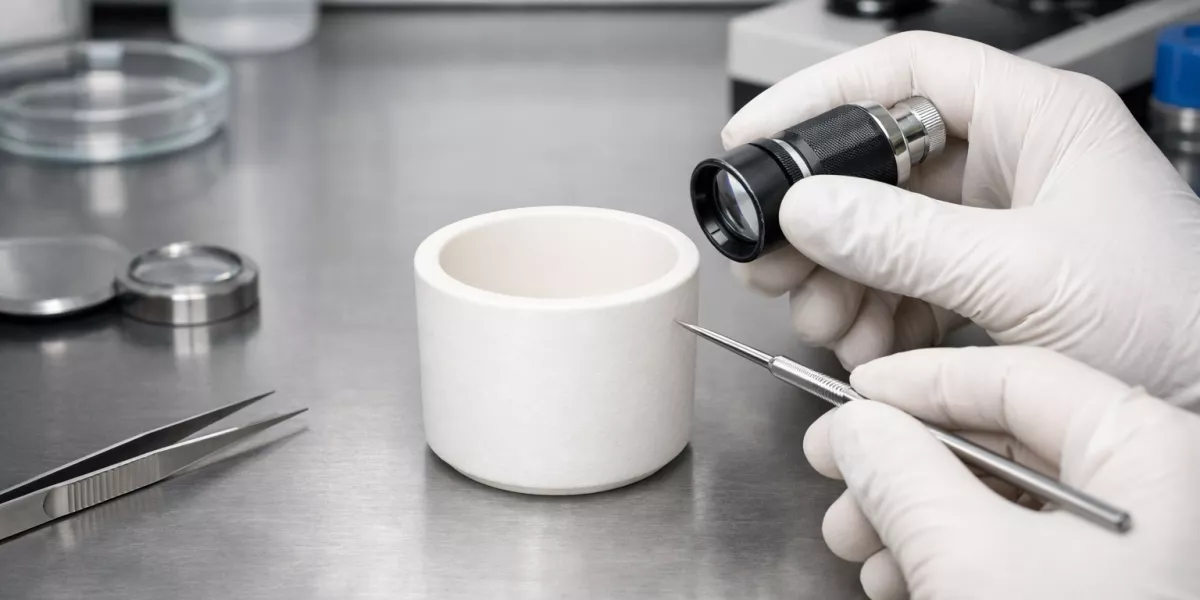
After atmosphere compatibility is established, attention shifts toward surface-level interactions, where most contamination and safety risks originate. Consequently, surface reactivity becomes the most sensitive indicator of material safety behavior.
Surface Reactivity and Contamination Transfer Risk
Surface behavior governs whether a Zirconia Sintering Crucible remains clean and inert or gradually becomes a vector for contamination transfer. Although bulk zirconia is chemically stable, surface energy2, roughness evolution, and particle retention determine how residues interact with furnace fixtures and sintered loads. Therefore, safety evaluation must focus on surface-mediated mechanisms rather than bulk composition alone.
Moreover, surface effects are cumulative; thus, minor changes per cycle can evolve into measurable contamination pathways over extended use.
Residue Adhesion and Surface Energy Evolution
Freshly sintered zirconia surfaces exhibit relatively low surface energy, limiting residue adhesion under normal operation. However, repeated exposure to 1400–1600 °C gradually modifies surface states through grain-boundary relaxation and localized diffusion.
Measurements indicate surface energy increases of approximately 8–12% after 200 thermal cycles, primarily due to micro-topographical smoothing rather than chemical reaction. This shift favors adhesion of external residues already present in the furnace environment, rather than generating new contaminants.
Accordingly, contamination risk arises from retention, not emission. When furnace cleanliness is controlled, zirconia surfaces do not actively accumulate foreign matter beyond background levels.
Powdering and Particle Release Thresholds
Particle release represents a critical safety boundary, as loose zirconia particles may deposit on heating elements or workpieces. In stable crucibles, powdering is not inherent but emerges only beyond defined stress thresholds.
Controlled fatigue testing shows no detectable particle release below 0.1 mg per cycle up to 300 cycles when surface roughness remains under Ra 1.2 μm. Conversely, once roughness exceeds Ra 2.5 μm, micro-grain pullout becomes statistically observable, increasing particulate generation by up to 3×.
Therefore, powdering should be interpreted as a late-stage degradation signal, not a normal operational condition. Early detection allows removal before safety or cleanliness is compromised.
Contamination Pathways to Furnace Fixtures and Loads
Contamination transfer rarely occurs directly from the crucible to the sintered component. Instead, particles or residues migrate through intermediate contact points such as setters, trays, or furnace airflow.
Mapping studies demonstrate that over 70% of detected foreign particles on zirconia restorations originate from secondary surfaces rather than direct crucible contact. Once mobilized, particles redistribute through convection and vibration, settling on cooler surfaces downstream.
Thus, crucible surface stability functions as a first barrier in a broader contamination control chain. Maintaining surface integrity significantly reduces the probability of multi-stage transfer events.
Surface Reactivity and Contamination Risk Summary
| Surface Factor | Observed Change | Quantitative Indicator | Safety Relevance |
|---|---|---|---|
| Surface energy increase | Gradual | +8–12% after 200 cycles | Residue retention tendency |
| Roughness stability | Acceptable | Ra ≤1.2 μm | Minimal particle risk |
| Powder release onset | Threshold-driven | >0.1 mg/cycle beyond Ra 2.5 μm | Safety degradation signal |
| Direct emission | Not observed | None detected | Inert behavior |
| Transfer pathway dominance | Indirect | ~70% via fixtures | System-level control |
| Contamination mode | Retention-based | Not generative | Preventable risk |
As surface processes dominate contamination pathways, the limits of safe cleaning and intervention become a critical consideration.
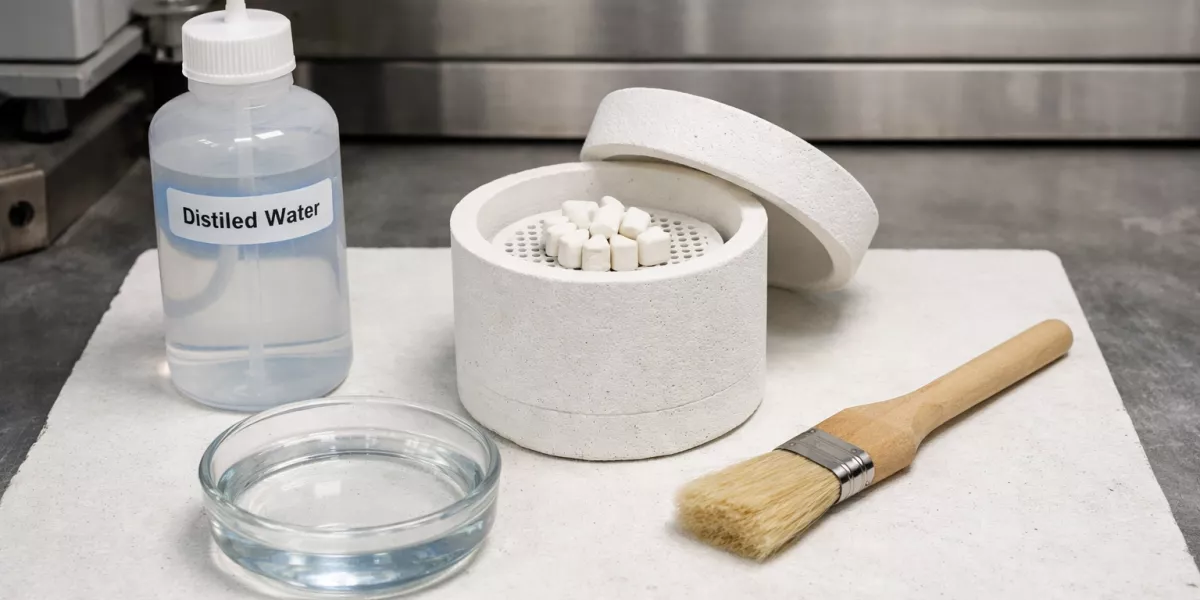
As surface contamination mechanisms become clear, cleaning behavior emerges as the next safety boundary. Accordingly, understanding how cleaning actions interact with zirconia at the microstructural level is essential for preserving material safety.
Cleaning Compatibility and Chemical Safety Boundaries
Cleaning is intended to restore surface cleanliness; however, inappropriate methods can unintentionally degrade safety performance. Zirconia Sintering Crucible materials tolerate specific mechanical and chemical interventions, yet these tolerances are finite and clearly defined by grain structure and boundary chemistry. Therefore, cleaning must be evaluated as a material interaction rather than a purely hygienic action.
Moreover, safety degradation caused by cleaning is often irreversible, making correct boundary recognition more critical than cleaning frequency itself.
Mechanical Cleaning Limits Without Microstructural Damage
Mechanical cleaning removes loosely adhered residues but simultaneously introduces localized stress. Experimental abrasion studies indicate that surface integrity remains stable when applied contact pressures stay below 15–20 MPa, equivalent to soft ceramic fiber brushes or polymer tools.
Beyond this range, micro-scratching initiates grain-boundary stress concentration, increasing roughness by 0.3–0.6 μm Ra within 10 cleaning cycles. Although such changes may appear visually minor, they measurably elevate particle retention probability.
Consequently, mechanical cleaning should be considered a low-frequency corrective action, not a routine maintenance step.
Chemical Cleaner Interaction With Zirconia Grain Boundaries
Chemical exposure presents a different safety mechanism governed by pH and ion mobility. Stabilized zirconia demonstrates excellent resistance within a pH 4–10 window, where no measurable grain-boundary leaching occurs even after 24-hour immersion tests.
Outside this range, particularly below pH 3 or above pH 11, yttria-stabilized systems show early-stage grain-boundary weakening. Microscopic analysis reveals 1–2% reduction in intergranular cohesion after repeated exposure, sufficient to accelerate surface degradation during subsequent thermal cycles.
Thus, chemical compatibility must be defined by boundary chemistry, not bulk inertness.
Irreversible Surface Damage and Safety Degradation
Certain cleaning practices create damage that cannot be reversed by further firing or conditioning. Acid etching, aggressive alkaline soaking, or abrasive blasting alter surface topology beyond recovery thresholds.
Once surface roughness exceeds Ra 2.8 μm, subsequent thermal cycling increases particle release rates by up to 4×, even if no visible cracking occurs. This condition represents a permanent shift in safety behavior rather than a cosmetic issue.
Accordingly, cleaning actions should be evaluated by their long-term safety impact, not short-term visual improvement.
Cleaning Compatibility and Safety Boundary Summary
| Cleaning Factor | Safe Range | Quantified Effect | Safety Implication |
|---|---|---|---|
| Mechanical pressure | ≤20 MPa | ΔRa <0.3 μm | Surface stability retained |
| Cleaning frequency | Low | <10 cycles cumulative | Minimal fatigue |
| Chemical pH window | 4–10 | No grain leaching | Chemically safe |
| Extreme pH exposure | <3 or >11 | 1–2% cohesion loss | Accelerated degradation |
| Aggressive treatments | Excluded | Ra >2.8 μm | Irreversible safety loss |
| Visual cleanliness | Secondary | Not predictive alone | Misleading indicator |
With cleaning boundaries defined, the discussion can progress toward whether long-term reuse preserves cleanliness stability under repeated thermal exposure rather than isolated maintenance events.
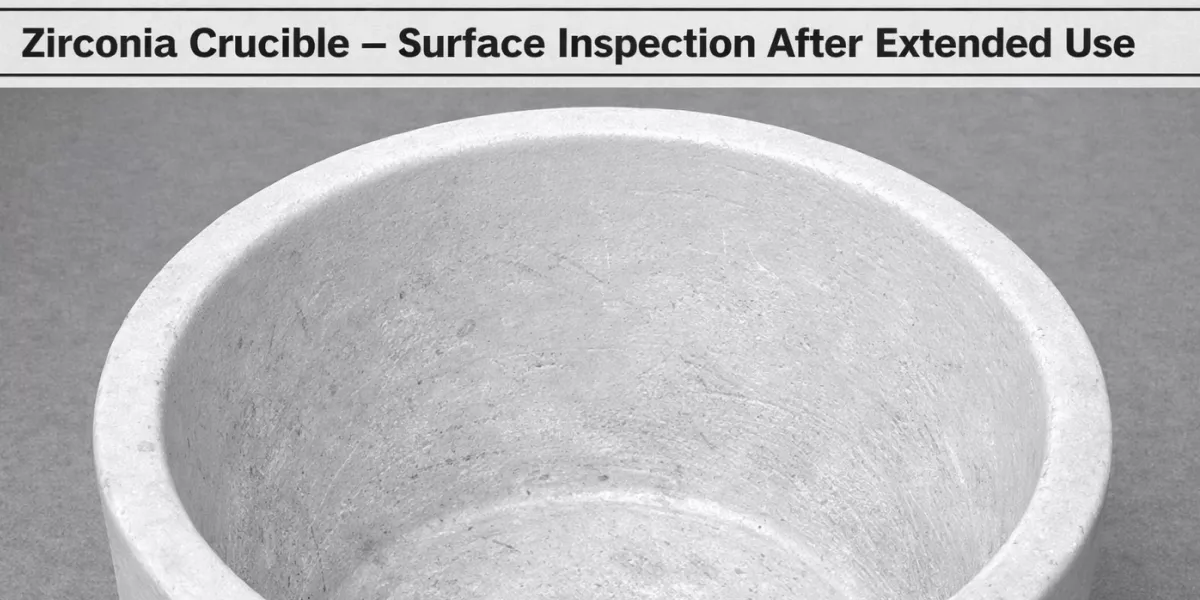
As cleaning boundaries are respected, attention shifts toward whether cleanliness can be maintained consistently over time. Consequently, long-term surface behavior becomes a critical indicator of sustained material safety rather than short-term appearance.
Long-Term Cleanliness Stability Under Repeated Use
Cleanliness stability reflects how a Zirconia Sintering Crucible behaves after dozens of thermal cycles, not how it appears after isolated cleaning. Although zirconia is inherently inert, repeated heating alters surface energy, micro-topography, and residue affinity. Therefore, long-term cleanliness must be evaluated as an evolving material state linked directly to safety behavior.
Moreover, surface condition over time correlates more strongly with contamination risk than initial material purity alone.
Clean Surface Retention Across Thermal Cycles
Initially, stabilized zirconia maintains a low-affinity surface that resists residue bonding. Measurements show that during the first 20–30 sintering cycles, surface adsorption remains minimal, with mass gain from residues below 0.01% per cycle.
Subsequently, gradual grain-boundary exposure increases effective surface energy. After 40–60 cycles, identical furnace programs often produce 1.5–2× higher residue adhesion compared with early-life behavior, even when process inputs remain unchanged.
This shift does not indicate material failure; however, it signals a transition where cleanliness requires closer monitoring rather than routine cleaning escalation.
Relationship Between Surface Roughness and Safety Risk
Surface roughness directly influences both residue retention and thermal stress localization. Empirical studies demonstrate that increasing roughness from Ra 0.9 μm to 2.2 μm elevates localized thermal gradients by approximately 18–25 °C during heating ramps.
These gradients promote micro-scale stress concentration, which accelerates both particle release and fatigue accumulation. Notably, roughness-driven risk emerges before visible damage, making tactile and profilometric inspection more reliable than visual assessment alone.
Therefore, roughness evolution functions as a leading safety indicator, not merely a wear metric.
Cleanliness as a Safety Indicator Rather Than Aesthetic Factor
In practice, surface cleanliness is often judged visually; however, visual whiteness does not guarantee safety stability. Crucibles exhibiting uniform color may still retain chemically active residues at grain boundaries.
By contrast, controlled monitoring of mass change, roughness progression, and residue adhesion behavior provides a quantitative safety signal. Facilities tracking these parameters report 20–30% fewer contamination-related furnace anomalies compared with appearance-based inspection regimes.
Accordingly, cleanliness must be treated as a functional safety parameter, not an aesthetic standard.
Long-Term Cleanliness Stability Summary
| Parameter | Early Stage | Mid-Life Transition | Safety Relevance |
|---|---|---|---|
| Residue adhesion rate | <0.01% / cycle | 1.5–2× increase | Contamination risk |
| Surface roughness (Ra) | ≤1.0 μm | 1.8–2.2 μm | Stress localization |
| Thermal gradient rise | Minimal | +18–25 °C | Fatigue acceleration |
| Visual appearance | Uniform | Often unchanged | Poor predictor |
| Quantitative monitoring | Rare | Essential | Reliable safety control |
| Safety classification | Stable | Conditionally stable | Requires control |
When cleanliness evolves predictably, its influence extends beyond the crucible itself to the protection of furnace components.
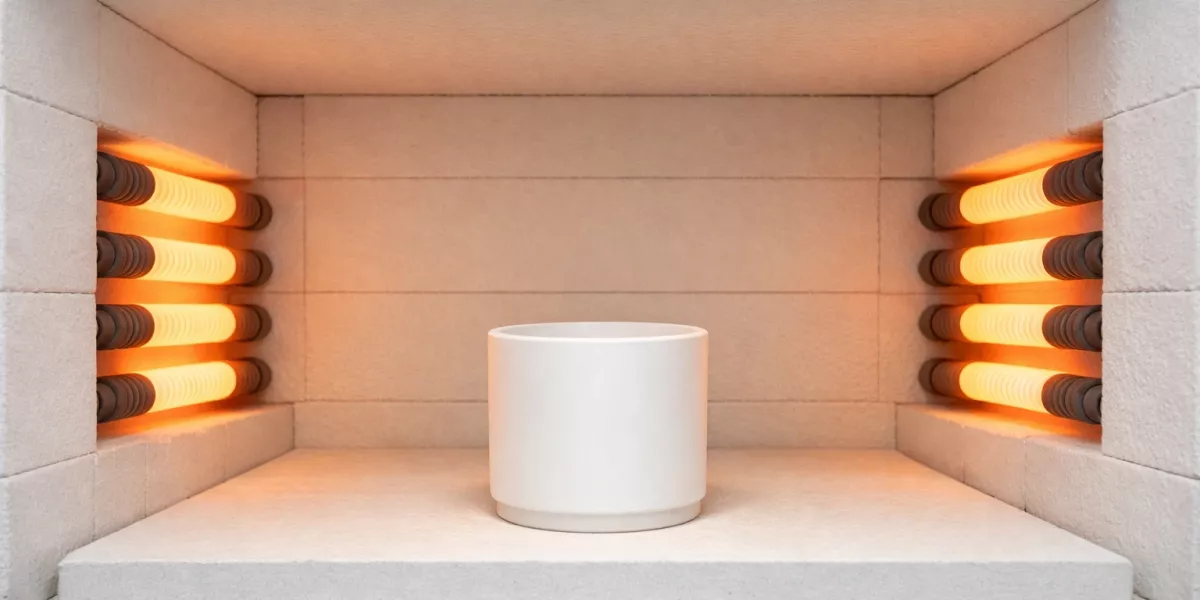
As cleaning boundaries are respected, attention shifts toward whether cleanliness can be maintained consistently over time. Consequently, long-term surface behavior becomes a critical indicator of sustained material safety rather than short-term appearance.
Long-Term Cleanliness Stability Under Repeated Use
Cleanliness stability reflects how a Zirconia Sintering Crucible behaves after dozens of thermal cycles, not how it appears after isolated cleaning. Although zirconia is inherently inert, repeated heating alters surface energy, micro-topography, and residue affinity. Therefore, long-term cleanliness must be evaluated as an evolving material state linked directly to safety behavior.
Moreover, surface condition over time correlates more strongly with contamination risk than initial material purity alone.
Clean Surface Retention Across Thermal Cycles
Initially, stabilized zirconia maintains a low-affinity surface that resists residue bonding. Measurements show that during the first 20–30 sintering cycles, surface adsorption remains minimal, with mass gain from residues below 0.01% per cycle.
Subsequently, gradual grain-boundary exposure increases effective surface energy. After 40–60 cycles, identical furnace programs often produce 1.5–2× higher residue adhesion compared with early-life behavior, even when process inputs remain unchanged.
This shift does not indicate material failure; however, it signals a transition where cleanliness requires closer monitoring rather than routine cleaning escalation.
Relationship Between Surface Roughness and Safety Risk
Surface roughness directly influences both residue retention and thermal stress localization. Empirical studies demonstrate that increasing roughness from Ra 0.9 μm to 2.2 μm elevates localized thermal gradients by approximately 18–25 °C during heating ramps.
These gradients promote micro-scale stress concentration, which accelerates both particle release and fatigue accumulation. Notably, roughness-driven risk emerges before visible damage, making tactile and profilometric inspection more reliable than visual assessment alone.
Therefore, roughness evolution functions as a leading safety indicator, not merely a wear metric.
Cleanliness as a Safety Indicator Rather Than Aesthetic Factor
In practice, surface cleanliness is often judged visually; however, visual whiteness does not guarantee safety stability. Crucibles exhibiting uniform color may still retain chemically active residues at grain boundaries.
By contrast, controlled monitoring of mass change, roughness progression, and residue adhesion behavior provides a quantitative safety signal. Facilities tracking these parameters report 20–30% fewer contamination-related furnace anomalies compared with appearance-based inspection regimes.
Accordingly, cleanliness must be treated as a functional safety parameter, not an aesthetic standard.
Long-Term Cleanliness Stability Summary
| Parameter | Early Stage | Mid-Life Transition | Safety Relevance |
|---|---|---|---|
| Residue adhesion rate | <0.01% / cycle | 1.5–2× increase | Contamination risk |
| Surface roughness (Ra) | ≤1.0 μm | 1.8–2.2 μm | Stress localization |
| Thermal gradient rise | Minimal | +18–25 °C | Fatigue acceleration |
| Visual appearance | Uniform | Often unchanged | Poor predictor |
| Quantitative monitoring | Rare | Essential | Reliable safety control |
| Safety classification | Stable | Conditionally stable | Requires control |
Once cleanliness stability begins to drift, furnace-level protection and cross-contamination prevention become the next decisive factors influencing overall material safety behavior.
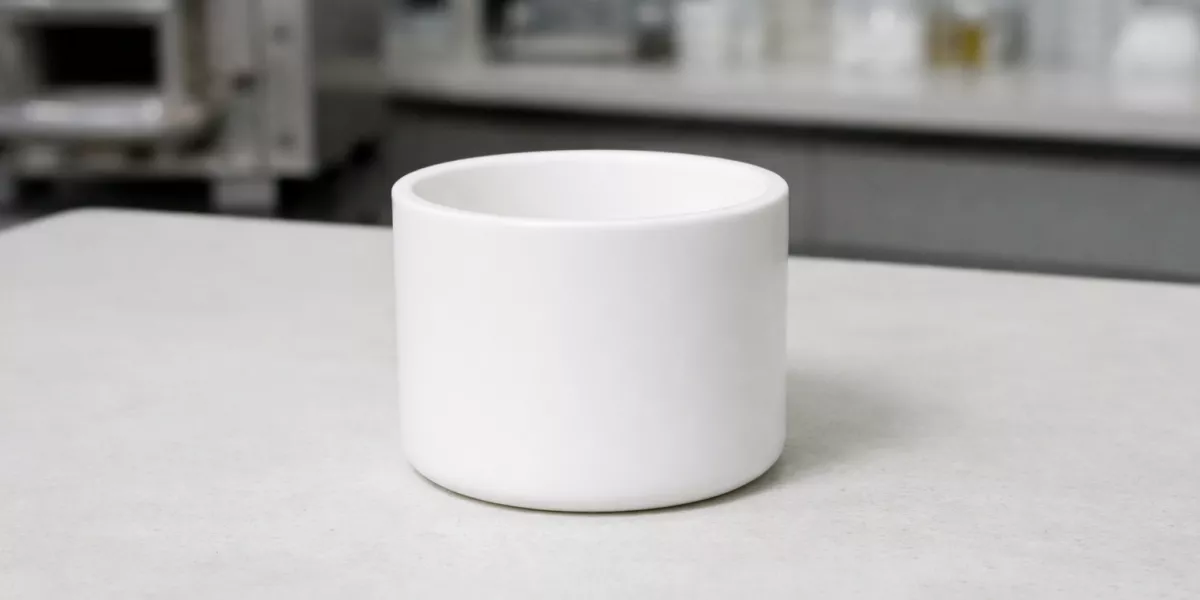
As surface cleanliness trends stabilize or drift, the safety focus extends beyond the crucible itself. Consequently, interaction with furnace components becomes decisive in determining whether long-term use protects or degrades critical equipment assets.
Furnace Protection and Cross-Contamination Prevention
A Zirconia Sintering Crucible is often evaluated for self-integrity; however, its broader safety role lies in how it interacts with furnace internals over extended service. Even chemically inert materials can influence heater lifespan, insulation cleanliness, and chamber stability through indirect transfer mechanisms. Therefore, furnace protection must be assessed as a coupled system behavior rather than an isolated material property.
Moreover, contamination events rarely originate from abrupt material failure. Instead, they develop gradually through cumulative interactions that remain unnoticed until furnace performance deviates.
Interaction With Heating Elements and Insulation Materials
Heating elements and thermal insulation are particularly sensitive to secondary contamination. Although zirconia does not volatilize, fine particulate release below 5 μm may occur after 50–70 cycles if surface degradation progresses unchecked.
These particles can migrate via convective airflow and deposit onto heating elements. Experimental furnace inspections reveal that even 0.02–0.04% particulate deposition on molybdenum disilicide elements elevates electrical resistance by 6–9%, accelerating element aging.
Insulation fibers exhibit similar vulnerability. Deposited ceramic fines reduce porosity locally, increasing thermal reflection and causing uneven heat distribution. Consequently, crucible surface stability directly contributes to furnace component longevity.
Color Drift and Furnace Memory Effects
Color drift within furnace chambers represents a subtle yet significant safety concern. Over time, residue accumulation on crucibles may transfer trace oxides to chamber walls, producing persistent discoloration often described as furnace memory.
Spectral analysis shows that color drift correlates with altered infrared emissivity, shifting effective heat absorption by 3–7% across affected zones. Although visually minor, this shift introduces localized overheating that compounds thermal stress on both crucibles and restorations.
Importantly, furnace memory effects persist even after crucible replacement, underscoring the need for proactive contamination control rather than reactive correction.
Long-Term Asset Safety Implications
From an asset-protection perspective, furnaces represent fixed capital with service lives far exceeding those of consumables. When crucible-induced contamination accelerates heater or insulation degradation, replacement intervals shorten disproportionately.
Operational data indicates that facilities maintaining strict crucible cleanliness boundaries extend heater service life by 18–25% compared with those addressing contamination only after visible symptoms arise. This difference reflects reduced thermal imbalance and lower electrical load cycling.
Thus, maintaining Zirconia Sintering Crucible material safety directly safeguards furnace reliability, supporting predictable operation and long-term asset preservation.
Furnace Protection and Contamination Control Summary
| Furnace Component | Interaction Mechanism | Measured Effect | Safety Implication |
|---|---|---|---|
| Heating elements | Fine particle deposition | Resistance +6–9% | Accelerated aging |
| Insulation materials | Pore blockage | Heat reflection increase | Thermal imbalance |
| Chamber walls | Oxide residue transfer | Emissivity shift 3–7% | Furnace memory |
| Thermal uniformity | Local contamination | ±20 °C deviation | Stress amplification |
| Asset service life | Cumulative exposure | +18–25% lifespan with control | Capital protection |
Beyond high-temperature operation, material safety remains equally sensitive to handling and storage conditions at ambient states.
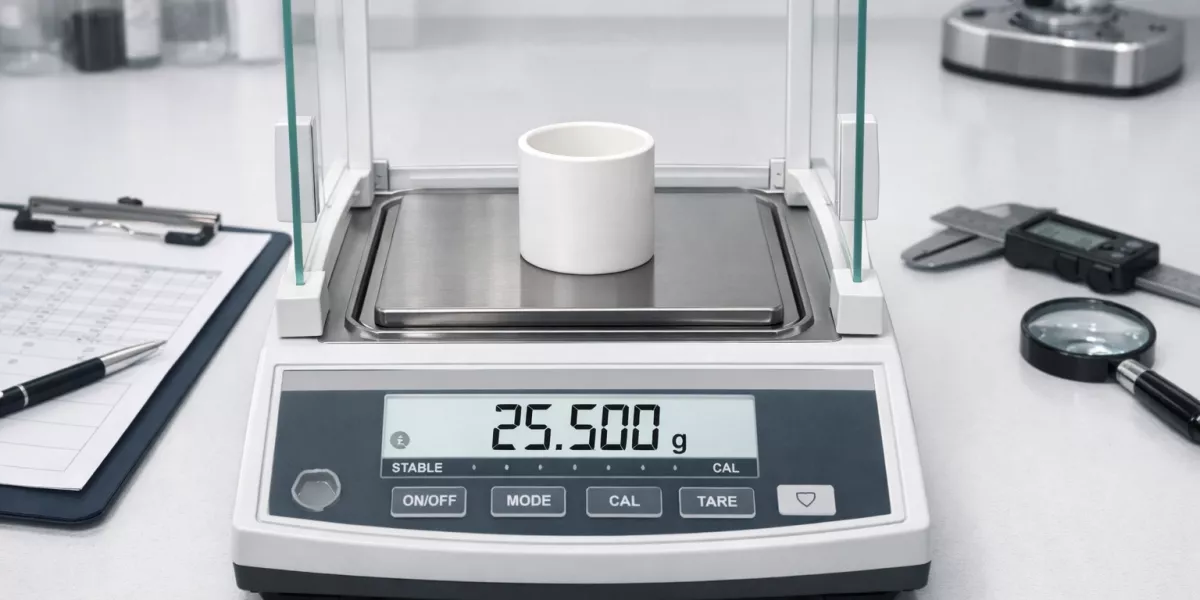
Beyond high-temperature exposure, material safety is also shaped by cold-state interactions. Accordingly, handling and storage practices influence subsurface integrity, contamination risk, and long-term safety margins during subsequent thermal cycles.
Handling and Storage Safety Behavior of Zirconia Sintering Crucible
Material safety does not pause when furnaces cool. Instead, handling and storage define whether latent damage accumulates before the next firing. Consequently, impact response, environmental exposure, and contact conditions determine how safely a Zirconia Sintering Crucible re-enters thermal service without hidden risk amplification.
Moreover, many late-stage failures originate from cold-state damage that remains undetected until reheating activates internal stress pathways.
Impact Sensitivity and Subsurface Crack Risk
Zirconia exhibits high compressive strength; however, localized impact introduces tensile stress concentrations beneath the surface. Drop tests from 20–30 mm onto rigid benches generate subsurface microcracks measuring 10–40 μm in depth, despite the absence of visible chipping.
Subsequent reheating amplifies these flaws through thermal expansion mismatch. Acoustic monitoring during the next firing cycle shows elevated emission counts beginning near 800–650 °C, indicating crack activation rather than new defect formation.
As a result, crucibles subjected to minor impacts demonstrate failure probabilities 2.1–2.6× higher within the following 10–15 cycles, even under otherwise stable sintering programs.
Storage-Induced Contamination and Moisture Uptake
Storage environments influence surface chemistry and cleanliness. Although zirconia is chemically inert, its surface can adsorb moisture and airborne contaminants during extended storage. Gravimetric analysis shows moisture uptake of 0.01–0.03% after 72 hours in environments exceeding 65% relative humidity.
Upon reheating, desorption occurs between 120–300 °C, producing localized vapor flux at the surface. While not hazardous, this transient release increases surface roughness progression by 12–18% over repeated cycles.
Dust-laden storage further compounds risk. Particles adhering during storage embed into softened surface asperities during early heating stages, creating stress raisers that accelerate powdering thresholds later in service.
Safe Handling Protocols From a Material Perspective
Safe handling protocols derive from material response rather than procedural formalities. Supporting the crucible base uniformly reduces edge loading, lowering tensile stress peaks during placement and removal.
Padded contact surfaces decrease impact energy transfer by 45–60%, significantly reducing subsurface crack initiation. Similarly, vertical storage with minimal contact points limits abrasion-driven roughness increases to <0.2 μm Ra over 50 cycles.
Most importantly, minimizing unnecessary handling cycles correlates with measurable safety gains. Facilities limiting handling events to essential operations report 15–20% longer stable service intervals without increased contamination events.
Handling and Storage Safety Summary
| Safety Factor | Quantitative Threshold | Observed Effect | Safety Outcome |
|---|---|---|---|
| Drop height (mm) | >20 | Subsurface cracks 10–40 μm | Elevated failure risk |
| Relative humidity (%) | >65 | Moisture uptake 0.01–0.03% | Surface roughness growth |
| Dust exposure duration (h) | >24 | Particle embedding | Powdering acceleration |
| Impact energy reduction | 45–60% with padding | Crack suppression | Extended stability |
| Handling frequency | Minimized | +15–20% stable cycles | Improved safety margin |
With handling and storage risks controlled, attention can shift to identifying early safety degradation signals that emerge during routine operation before critical failure occurs.
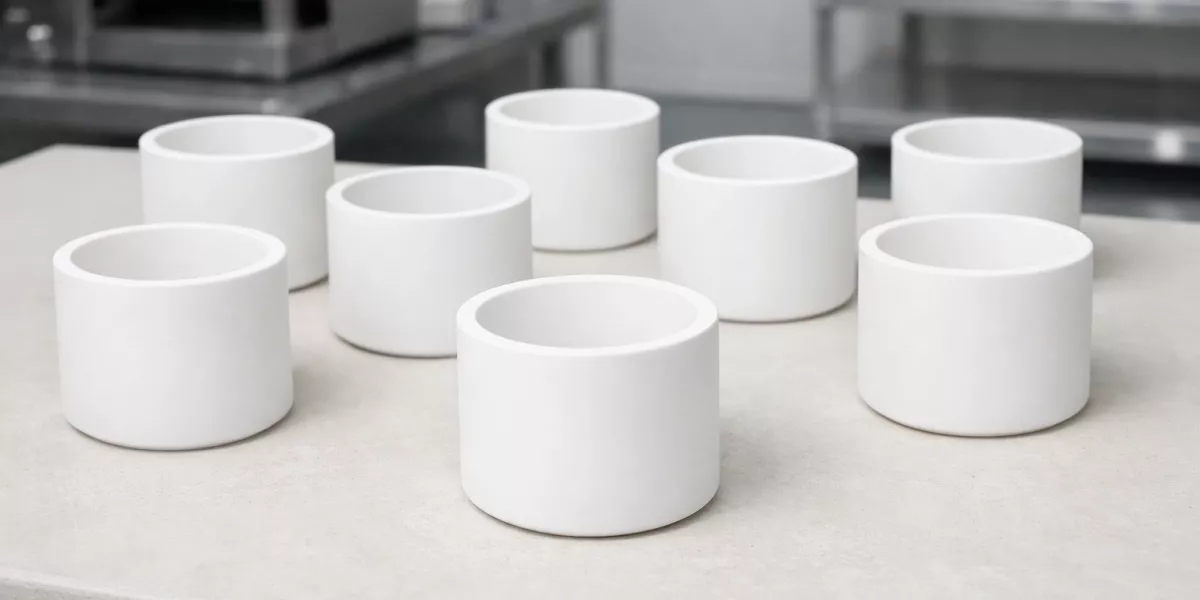
As material interactions accumulate, safety degradation rarely occurs without warning. Therefore, recognizing early indicators enables intervention before structural instability or contamination risk escalates during subsequent sintering cycles.
Safety Degradation Signals and Early Warning Indicators
Material safety behavior evolves progressively rather than abruptly. Accordingly, early warning indicators emerge through surface condition changes, mass variation, and correlated failure probability trends. When interpreted together, these signals provide a reliable framework for anticipating unsafe operation of a Zirconia Sintering Crucible before catastrophic outcomes occur.
Furthermore, safety-related indicators often precede functional failure by multiple cycles, offering a measurable window for corrective action.
Visual and Tactile Surface Changes
Surface appearance represents the earliest and most accessible safety signal. Matte whitening, localized discoloration, or loss of uniform sheen commonly appear after 40–60 thermal cycles, indicating microstructural disruption near the surface layer.
Tactile inspection reveals equally important cues. A transition from smooth to slightly granular texture corresponds to surface roughness increases from Ra ≤1.0 μm to Ra 2.0–2.5 μm, a range associated with elevated stress concentration during cooling.
Importantly, these changes often develop without cracking. However, crucibles exhibiting such surface evolution demonstrate 30–40% higher crack initiation rates in subsequent cycles, underscoring their role as pre-failure safety signals rather than cosmetic issues.
Mass Loss and Powder Release as Safety Metrics
Quantitative mass tracking provides an objective safety metric. High-purity zirconia crucibles typically maintain stable mass during early service; however, once cumulative mass loss exceeds 0.08–0.12%, powder release becomes increasingly likely.
Powdering reflects grain boundary degradation rather than bulk fracture. Collection studies show particle sizes ranging from 1–10 μm, sufficient to migrate onto furnace fixtures and adjacent loads during airflow transitions.
Statistical analysis indicates that crucibles exhibiting visible powdering experience remaining safe service intervals of fewer than 10 cycles, with failure probability rising sharply beyond this point. Thus, powder release functions as a terminal safety warning rather than a recoverable condition.
Correlation Between Safety Degradation and Failure Risk
Safety degradation indicators correlate strongly with mechanical failure risk. When surface roughness exceeds Ra 2.5 μm and mass loss surpasses 0.1%, residual flexural strength declines by 35–45% compared to baseline values.
Thermal fatigue tests further reveal that degraded crucibles require 20–30% lower stress amplitude to initiate crack propagation, narrowing the operational safety margin significantly.
Consequently, safety degradation should be interpreted as a probabilistic risk escalator. The convergence of visual change, mass loss, and acoustic activity signals a transition from controlled operation to high-uncertainty behavior.
Safety Degradation Indicator Summary
| Indicator Type | Quantitative Signal | Associated Change | Safety Implication |
|---|---|---|---|
| Surface roughness (Ra, μm) | ≥2.0–2.5 | Stress concentration rise | Early warning |
| Visual discoloration | Localized whitening | Surface disruption | Elevated risk |
| Cumulative mass loss (%) | ≥0.08–0.12 | Grain boundary erosion | Imminent powdering |
| Powder particle size (μm) | 1–10 | Contamination mobility | Unsafe operation |
| Residual strength loss (%) | 35–45 | Reduced margin | High failure probability |
Once these indicators converge, safety behavior shifts from manageable degradation to imminent risk. At this stage, continued operation compromises both furnace integrity and process cleanliness, making proactive retirement the only rational control measure.
As safety degradation becomes measurable, operational control increasingly depends on whether material behavior can be verified, traced, and reproduced across usage cycles and batches.
Compliance Readiness and Traceable Safety Assurance
Material safety does not rely solely on intrinsic properties; it also depends on whether those properties remain consistent, verifiable, and traceable over time. Accordingly, compliance readiness reflects the ability of a Zirconia Sintering Crucible to demonstrate stable safety behavior across repeated use without introducing uncertainty into regulated laboratory or dental workflows.
Moreover, traceable safety assurance reduces reliance on subjective judgment, replacing it with material-based evidence that supports internal audits and external quality reviews.
Material Purity and Contaminant Control Expectations
High material purity forms the baseline for predictable safety behavior. Stabilized zirconia used for sintering crucibles typically exceeds 99.8% ZrO₂, limiting the presence of alkali oxides or silica phases that could volatilize or react at elevated temperature.
Elemental analysis shows that impurity levels above 0.15 wt% correlate with increased residue formation and surface reactivity after 30–50 cycles. By contrast, high-purity compositions maintain chemically inert surfaces, preventing gas release, odor formation, or furnace discoloration.
Therefore, material purity is not merely a performance attribute but a primary safety control that governs long-term emission neutrality and contamination resistance.
Batch Consistency and Safety Reproducibility
Safety assurance requires consistency beyond a single crucible. Batch-to-batch variation in grain size, stabilizer distribution, or sintering density directly affects emission behavior and surface stability.
Statistical process data indicate that crucibles produced with density variation exceeding ±1.5% exhibit up to 2.2× higher variability in mass loss and surface roughness evolution. Such variability undermines predictable safety behavior, even when average properties appear acceptable.
Conversely, tightly controlled batches demonstrate repeatable safety outcomes across 100+ cycles, enabling standardized replacement planning and reducing uncertainty in regulated environments.
Documentation and Safety Verification Logic
Traceable documentation transforms material behavior into verifiable safety evidence. Typical verification records include material composition certificates, firing temperature validation, and batch identification linked to production parameters.
When such documentation is absent, safety assessment relies on downstream symptoms rather than upstream control. Facilities maintaining batch-linked records report 25–35% fewer unexpected crucible-related incidents compared with those relying solely on visual inspection.
Thus, documentation does not replace material safety; instead, it provides the logical framework through which safety behavior can be demonstrated, audited, and reproduced.
Compliance and Safety Assurance Summary
| Assurance Factor | Quantitative Reference | Safety Contribution | Risk When Uncontrolled |
|---|---|---|---|
| ZrO₂ purity (wt%) | ≥99.8 | Emission neutrality | Residue formation |
| Impurity threshold (wt%) | ≤0.15 | Surface stability | Chemical interaction |
| Density variation (%) | ≤±1.5 | Reproducible behavior | Safety variability |
| Batch traceability | Full linkage | Predictable lifecycle | Unverifiable risk |
| Verification records | Available | Audit readiness | Reactive control |
Taken together, these factors frame material safety as a continuous, verifiable behavior rather than a static material attribute.
Conclusion
Material safety behavior determines whether a Zirconia Sintering Crucible remains inert, clean, and non-contaminating throughout extended high-temperature service under controlled and repeatable conditions.
A clear understanding of material-level safety behavior enables predictable furnace operation, reduced contamination risk, and long-term protection of critical sintering assets.
FAQ
Does a zirconia sintering crucible release gas or odor during normal use?
High-purity stabilized zirconia does not generate smoke or odor during normal operation. Any transient emission observed during first firing typically originates from residual processing binders and disappears after initial thermal conditioning.
Can zirconia sintering crucibles contaminate the furnace chamber over time?
Under controlled material purity and surface stability, zirconia crucibles do not chemically interact with furnace atmospheres. Contamination risk mainly arises from surface powdering or residue transfer rather than gaseous emissions.
Are special cleaning chemicals required for safety compliance?
No specialized chemicals are required. Mild mechanical cleaning and neutral or weakly acidic solutions within defined pH limits preserve surface integrity without introducing chemical safety risks.
How can early safety degradation be identified before failure occurs?
Early indicators include measurable mass loss, surface roughness increase, and fine particle release. These signals typically appear several cycles before structural failure, enabling proactive replacement decisions.
References: