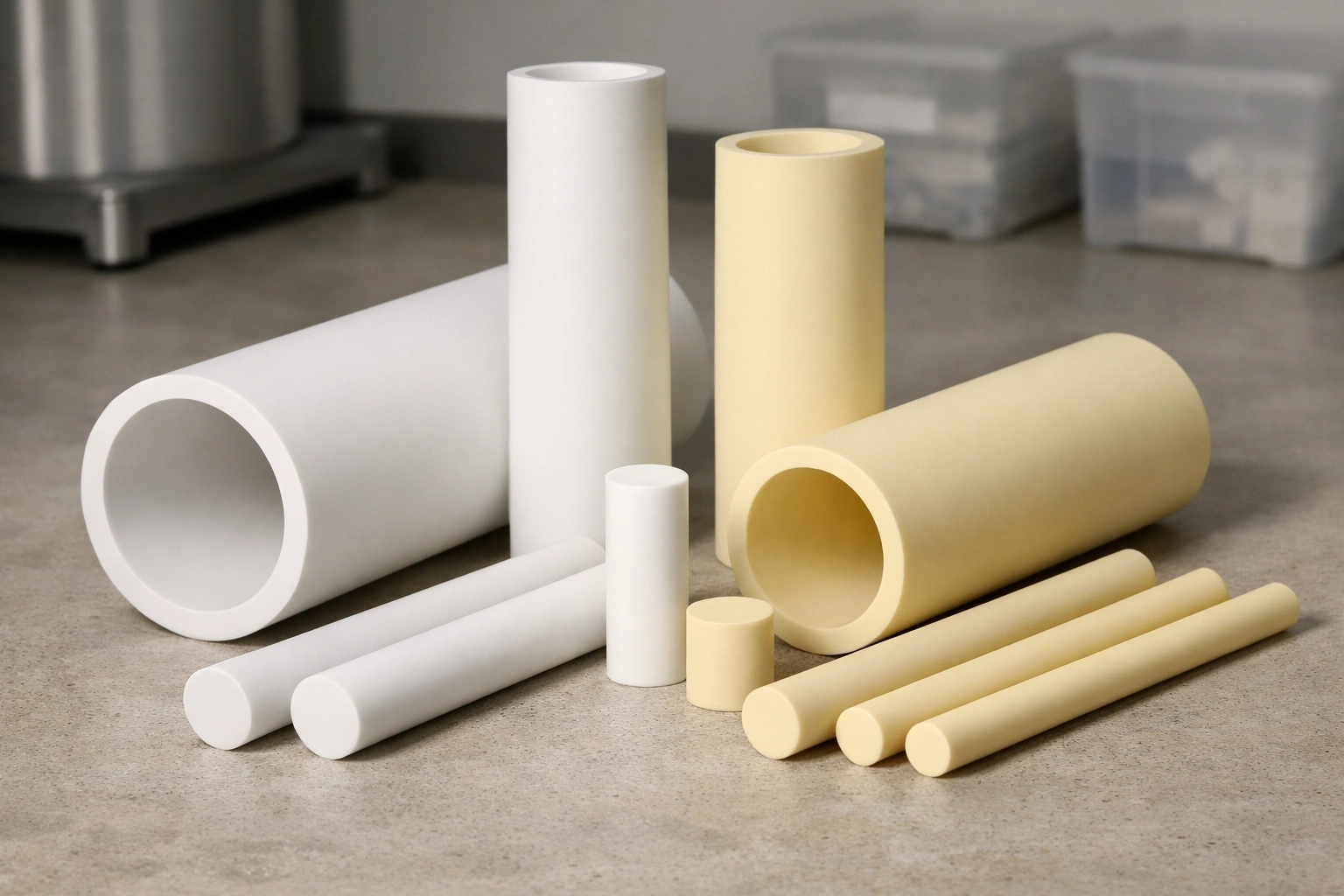
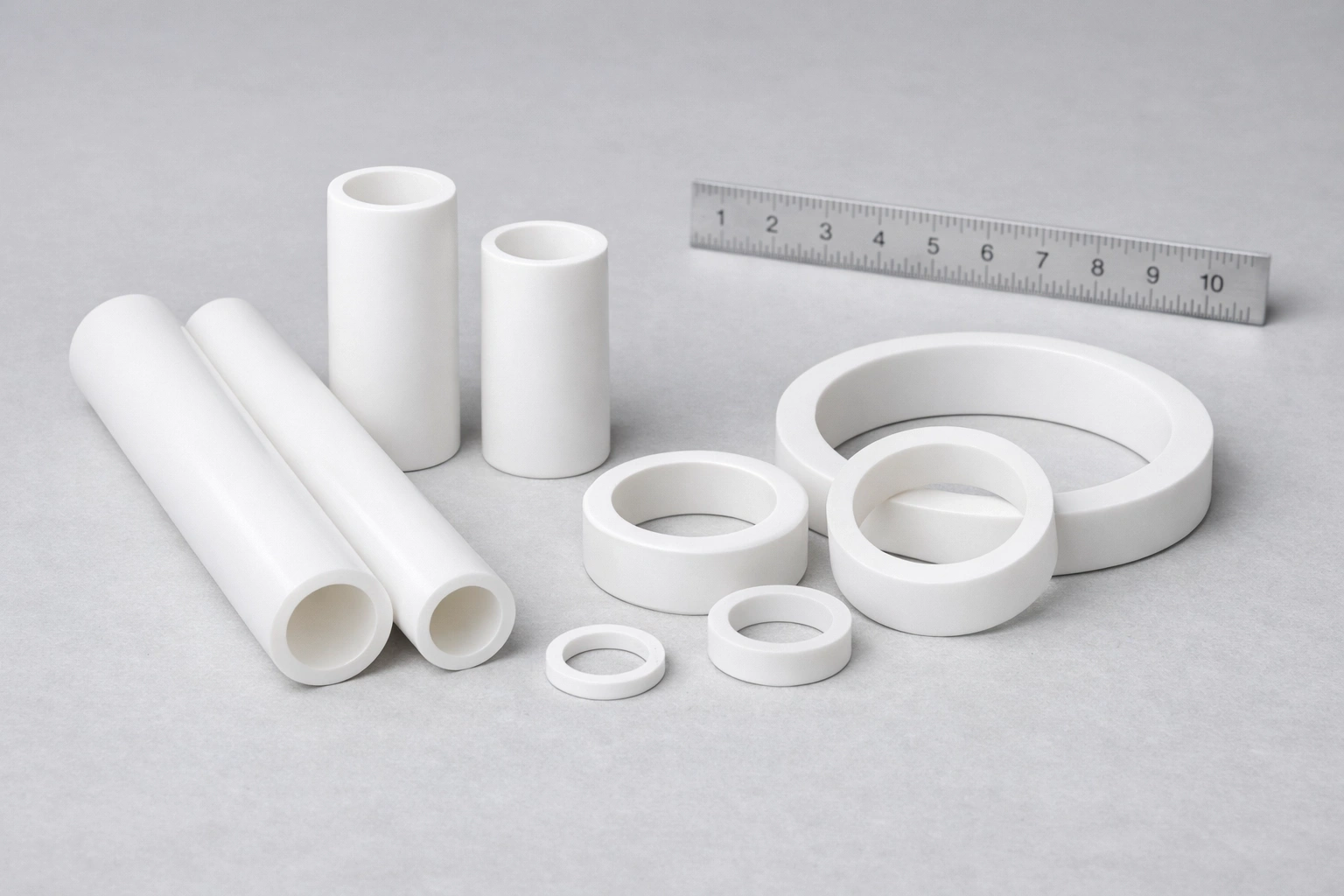
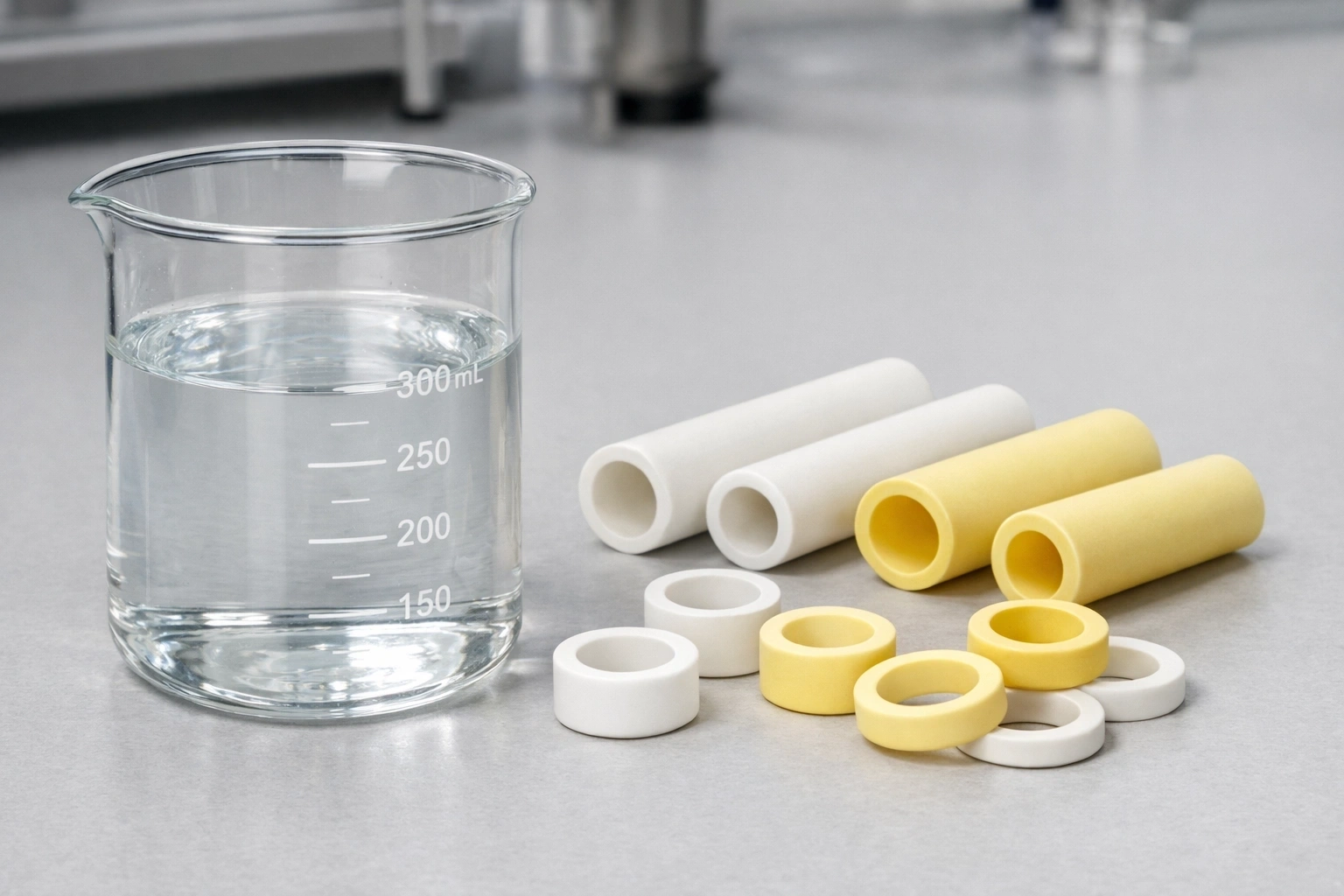
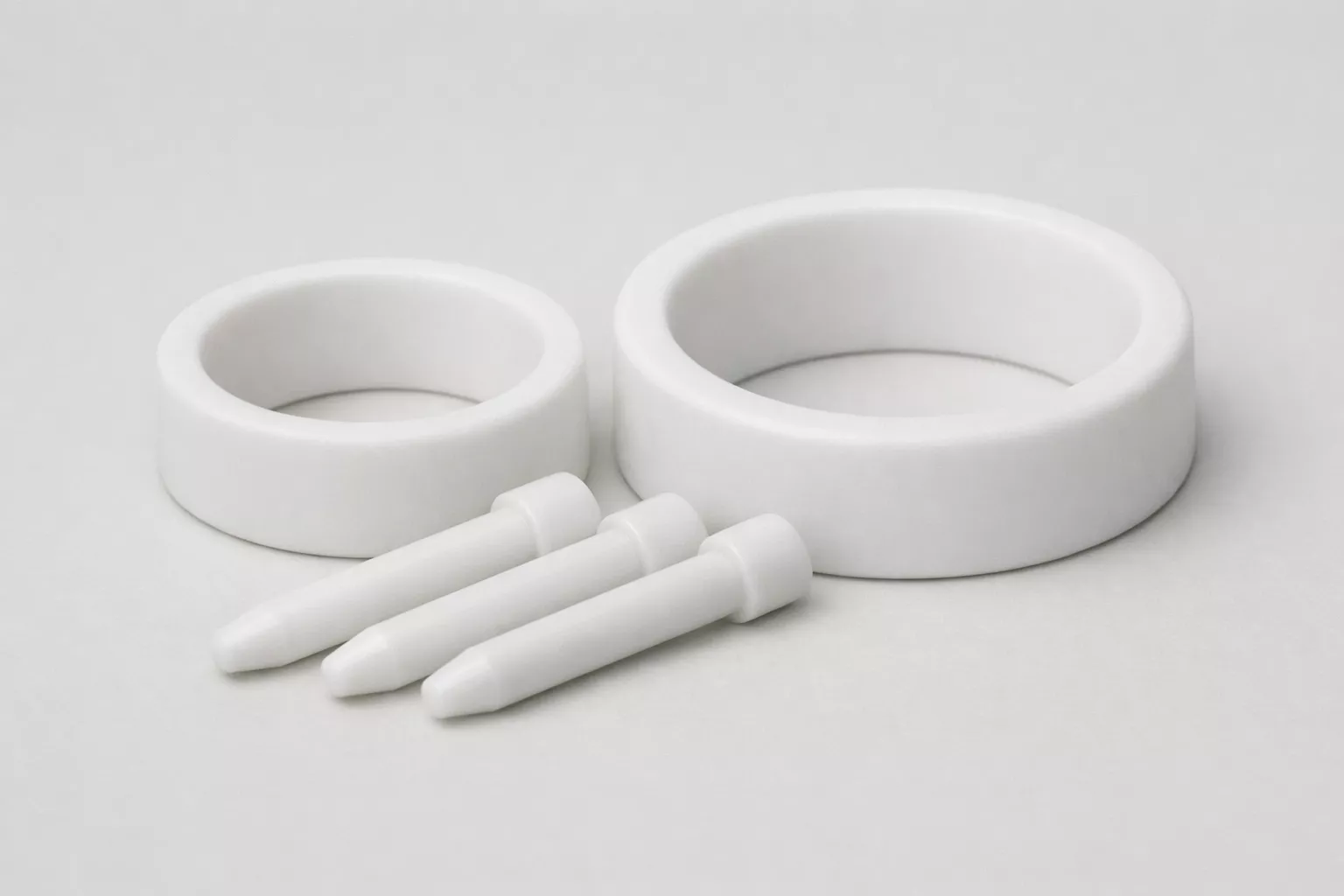
Precision alumina tubes define dimensional accuracy standards in advanced ceramic engineering. Precision alumina tubes establish the limits of geometric consistency required for sealing, alignment, and rotational applications across vacuum, furnace, and analytical equipment. They combine controlled forming, precise sintering, and post-grinding processes to achieve measurable dimensional repeatability across production lots.
Precision alumina tubes deliver dimensional control through design optimization and verified manufacturing data. This article analyzes achievable tolerance ranges, governing factors, inspection techniques, and performance decisions guiding engineers in selecting proper precision grades.
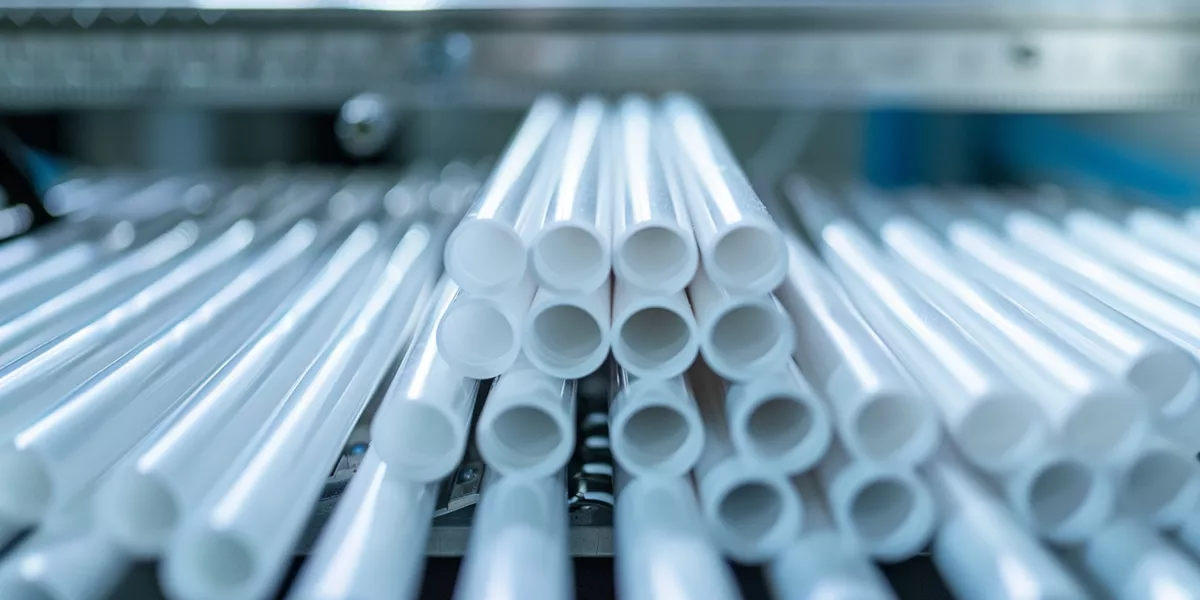
Understanding Key Tolerance Parameters for Precision Alumina Tubes
Dimensional performance of precision alumina tubes depends on coordinated control of five primary geometric parameters: outer diameter (OD), inner diameter (ID), wall uniformity, straightness, and concentricity. Each parameter directly affects component function in high-temperature or vacuum assemblies.
OD tolerance for precision alumina tubes varies between ±0.02 mm and ±0.50 mm depending on manufacturing grade. ID tolerance ranges ±0.05–1.0 mm according to forming precision. Straightness and concentricity must remain within ≤0.15 mm and ≤0.05 mm TIR per ISO 64741.
These parameters determine leak rates, bearing performance, and alignment stability in equipment where deformation or misalignment can reduce service life by over 50 %.
Critical dimensional parameters defining performance
Outer and inner diameters govern interchangeability and sealing efficiency. Concentricity minimizes vibration and uneven wear, while wall uniformity improves thermal distribution during repeated heating cycles. Maintaining these relationships ensures predictable behavior under 800–1200 °C thermal gradients.
Functional relationships between tolerance control and application requirements
Tight OD and ID tolerances sustain O-ring compression between 15 % – 25 % for vacuum sealing under 1×10⁻⁷ mbar·L/s. Precision alumina tubes with improved straightness avoid fixture binding under 3–5 mm thermal expansion. Each functional target correlates directly with a specific tolerance class.
GD&T notation advantages for specifying ceramic geometries
Applying GD&T per ASME Y14.5 improves communication of functional requirements. Cylindricity and perpendicularity callouts on precision alumina tubes define form and alignment independently from size, preventing acceptance of geometrically distorted but dimensionally compliant parts.
Factors Governing Tolerance Capabilities in Precision Alumina Tubes Fabrication
Tolerance capability in precision alumina tubes originates from powder purity, green-body forming, and sintering control. Every processing stage determines achievable dimensional uniformity before final grinding correction.
High-purity alumina (≥99.5 % Al₂O₃) achieves 15–18 % predictable sintering shrinkage with ±0.3 % variation. Lower purity materials with silica additives exhibit ±1 % shrinkage variance, producing ±0.4 mm dimensional inconsistency at Ø50 mm. Isostatic pressing at 200–300 MPa ensures green density uniformity ±0.5 %. Extrusion methods can create 2–4 % density gradients, increasing regrind stock by 0.5–2 mm. Controlled atmosphere sintering with ±10 °C peak-temperature stability limits lot-to-lot OD variance to ±0.05 mm.
Post-sintering grinding defines final tolerance accuracy. Automated centerless grinding using in-process laser measurement (±0.002 mm resolution) achieves OD tolerances ±0.02–0.05 mm on production lots > 500 tubes. Maintaining 20 °C ± 1 °C workshop temperature prevents ±0.015 mm thermal error.
Raw material purity effects on sintering uniformity
Uniform phase distribution produces consistent shrinkage and geometry. Impurities accelerate localized densification, distorting OD and ID ratios and reducing repeatability in precision alumina tubes production.
Forming method comparison for density control
Isostatic pressing generates near-isotropic density, supporting sub-0.1 mm repeatability. Extrusion, though cost-efficient, demands more grinding correction to compensate for axial density gradients.
Sintering profile optimization for predictable results
Precision alumina tubes processed with verified heating uniformity per AMS 2750 maintain consistent grain growth. Monitoring atmosphere composition below 10 ppm O₂ preserves dimensional stability and microstructural integrity.
Summary Table — Process Influence on Tolerance Capability
| Fabrication Parameter | Control Range | Effect on Dimensional Variation | Typical Output Tolerance (mm) |
|---|---|---|---|
| Alumina Purity | ≥99.5 % Al₂O₃ | ±0.3 % shrinkage variation | ±0.05 |
| Forming Pressure | 200–300 MPa (ISO-press) | Density ±0.5 % | ±0.05 |
| Extrusion Density Gradient | 2–4 % | Uneven shrinkage | ±0.15 |
| Sintering Temp Stability | ±10 °C | Controlled grain growth | ±0.05 |
| Grinding Environment | 20 ± 1 °C | Thermal error ±0.015 mm | ±0.03 |
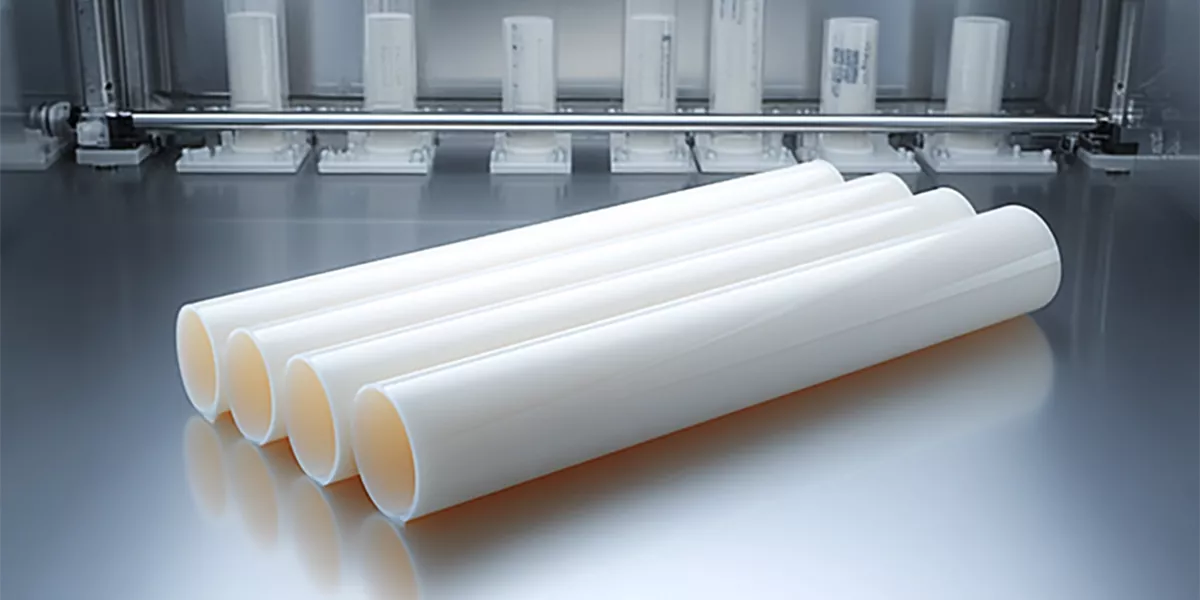
Typical Achievable Tolerance Ranges for Different Precision Alumina Tubes Grades
Manufacturing precision levels determine the achievable dimensional tolerance range in precision alumina tubes. Three standardized classifications summarize commercial, high-precision, and ultra-precision grades.
Commercial precision alumina tubes produced by extrusion hold OD ±0.5 %, ID ±1.0 %, wall variation ±10 %, and straightness ≤0.5 mm per 100 mm. High-precision ground grades achieve OD ±0.10 mm, ID ±0.15 mm, wall uniformity ±5 %, and straightness ≤0.15 mm. Ultra-precision tubes reach OD ±0.02–0.05 mm and concentricity ≤0.03 mm TIR after HIP densification and climate-controlled grinding.
Standard commercial grade specifications
Standard grades meet requirements for protective sleeves and furnace insulation, where cost efficiency outweighs sub-0.1 mm precision. Their consistent wall thickness and moderate surface finish (1.6–3.2 μm Ra) deliver sufficient reliability.
High-precision ground tube capabilities
High-precision ground tubes meet dimensional requirements for vacuum feedthroughs and instrumentation systems. They achieve 0.4–0.8 μm Ra surface finish, supporting O-ring seal integrity and low leakage performance.
Ultra-high-precision manufacturing limits
Ultra-precision alumina tubes enable optical and semiconductor assemblies demanding concentricity ≤0.03 mm and surface ≤0.3 μm Ra. Combined control of density, temperature, and grinding precision ensures sub-0.05 mm stability.
Precision Alumina Tube Tolerance Classifications by Grade
| Grade | OD Tolerance | ID Tolerance | Wall Variation | Straightness (mm/100 mm) | Concentricity (TIR mm) | Surface Finish (μm Ra) | Typical Applications |
|---|---|---|---|---|---|---|---|
| Standard | ±0.5 % (±0.25) | ±1.0 % (±0.50) | ±8–12 % | ≤0.5 | ±0.20 | 1.6–3.2 | Furnace tubes / insulators |
| High-Precision | ±0.10 mm | ±0.15 mm | ±5 % | ≤0.15 | ±0.10 | 0.4–0.8 | Vacuum / instrumentation |
| Ultra-Precision | ±0.02–0.05 mm | ±0.05 mm (L/D < 10:1) | ±3 % | ≤0.05 | ≤0.03 | 0.1–0.3 | Optical / semiconductor |
Measurement and Verification Techniques for Precision Alumina Tubes
Dimensional validation of precision alumina tubes employs contact and non-contact metrology with defined measurement uncertainty budgets. Reliable inspection confirms production repeatability and supports ISO certification requirements.
Coordinate Measuring Machines (CMM) achieve ±0.005 mm accuracy for OD, ID, and concentricity. Laser micrometers record complete 360° profiles with ±0.002 mm resolution, identifying ovality > 0.03 mm. Ultrasonic gauges measure wall thickness ±0.01 mm on closed-end designs. Optical comparators confirm end-face perpendicularity ≤0.02 mm per 25 mm diameter. Each technique contributes to complete verification across multiple planes.
CMM measurement protocols
CMM inspections follow five-point measurement at 25 %, 50 %, and 75 % tube length, ensuring accurate modeling of geometric deviations. Data integration into FAIR reports ensures traceable compliance with AS9102.
Non-contact laser advantages
Laser metrology captures real-time cylindricity and detects micro-ovalities undetectable by single-point probes. This method suits production lots requiring full-profile validation of precision alumina tubes.
Statistical sampling and process capability
AQL 1.0–2.5 % applies for general dimensions, while critical seal surfaces adopt AQL 0.25 % with 100 % inspection. Combined Cpk ≥ 1.33 ensures fewer than 63 defects per million parts.
Measurement Technique Comparison Matrix
| Parameter | CMM | Laser Micrometer | Ultrasonic Gauge | Optical Comparator | Uncertainty (mm) |
|---|---|---|---|---|---|
| OD | ✓ Best (±0.005) | ✓ Excellent (±0.002) | ✗ | ✓ Good (±0.01) | ±0.002–0.005 |
| ID | ✓ Good (±0.008) | ✗ | ✗ | ✓ Limited | ±0.008–0.015 |
| Wall Thickness | ✗ | ✗ | ✓ Best (±0.01) | ✗ | ±0.01 |
| Cylindricity | ✓ Good | ✓ Excellent | ✗ | ✗ | ±0.005–0.010 |
| Straightness | ✓ Best | ✓ Good | ✗ | ✓ Limited | ±0.005–0.020 |
| End Perpendicularity | ✓ Excellent | ✗ | ✗ | ✓ Good | ±0.005–0.010 |
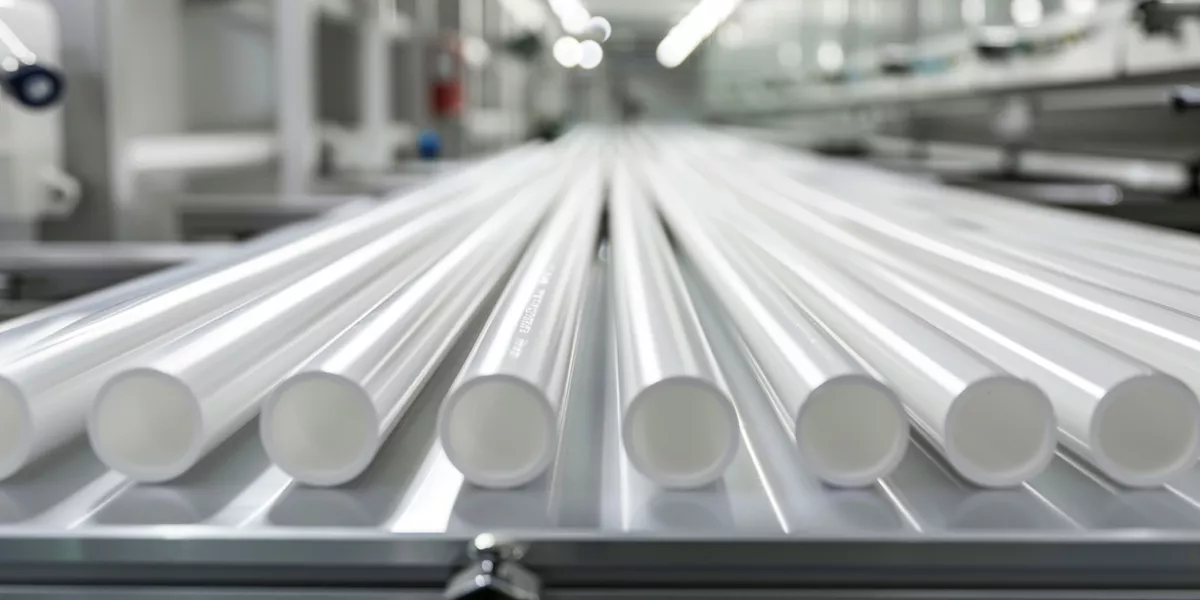
Selecting the Optimal Precision Alumina Tubes Grade for Performance and Cost
Optimizing tolerance grade for precision alumina tubes involves balancing dimensional accuracy with production efficiency. Function-driven specification avoids over-engineering and cost escalation.
Seal interfaces with compression 15–25 % require OD ≤ ±0.05 mm to maintain leak integrity. Assemblies with >1 mm clearance can apply standard ±0.5 % tolerances for 40 % cost savings. Ultra-precision grades deliver ±0.03 mm baseline accuracy over 20–1000 °C operation, critical for optical or semiconductor alignment.
Functional requirement analysis for tolerance decisions
Engineers evaluate each interface by its operational load and clearance. Only dimensions directly influencing sealing or motion require sub-0.1 mm tolerance. Others may remain at standard precision without performance loss.
Cost-performance balance via selective specification
Specifying absolute tolerances on critical diameters while maintaining percentage tolerances elsewhere minimizes grinding time and inspection cost. GD&T callouts communicate functionally relevant precision on drawings of precision alumina tubes.
Decision Matrix — Application-Specific Tolerance Selection
| Condition | Recommended Precision Alumina Tubes Specification |
|---|---|
| O-ring seal compression 15–25 %, clearance < 0.3 mm | High-precision OD ±0.05 mm, cylindricity ≤ 0.03 mm |
| Dimensional uncertainty < ±0.1 mm (20–1000 °C) | Ultra-precision grade ±0.03 mm with CTE certificate |
| Clearance > 1 mm and T < 600 °C | Standard commercial grade ±0.5 % tolerance |
| Bearing application > 0.5 m/s load > 10 N/cm² | Concentricity ≤ 0.05 mm TIR, surface ≤ 0.6 μm Ra |
| Vacuum assembly leak < 1×10⁻⁷ mbar·L/s | High-precision tube, end perpendicularity ≤ 0.02 mm |
Conclusion
Precision alumina tubes achieve ≤ 0.05 mm dimensional control when material, forming, and inspection processes align under verified standards.
FAQ
Q1 – How are precision alumina tubes verified for tolerance accuracy?
They are measured by CMM, laser micrometry, and ultrasonic inspection under ISO 10360 and ASTM E797 with ±0.002–0.01 mm accuracy.
Q2 – What cost impact results from tighter tolerance specification?
Reducing OD tolerance from ±0.15 mm to ±0.05 mm adds 30–40 % machining time but increases assembly yield by 60 %.
Q3 – What documentation supports supplier qualification?
Request FAIR (AS9102), Cpk ≥ 1.33 process data, and NIST-traceable calibration certificates for precision alumina tubes.
Q4 – How do precision alumina tubes compare to zirconia components?
Alumina offers higher thermal stability, while zirconia tolerances (±0.01–0.03 mm) suit shock-resistant and wear-intensive conditions.
References:
-
Learn about ISO 6474 standards to ensure your components meet precise straightness and concentricity tolerances for quality and compliance. ↩