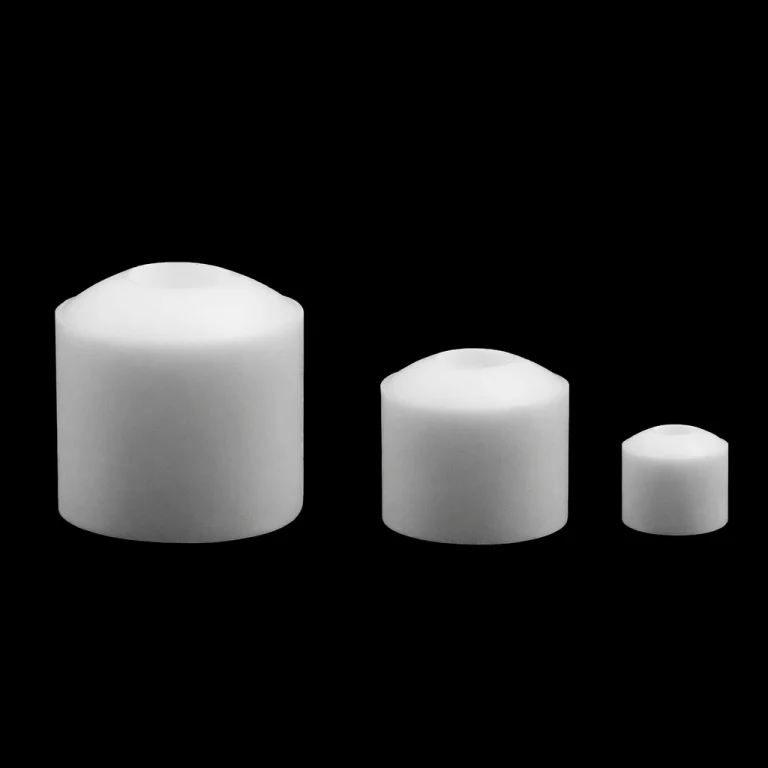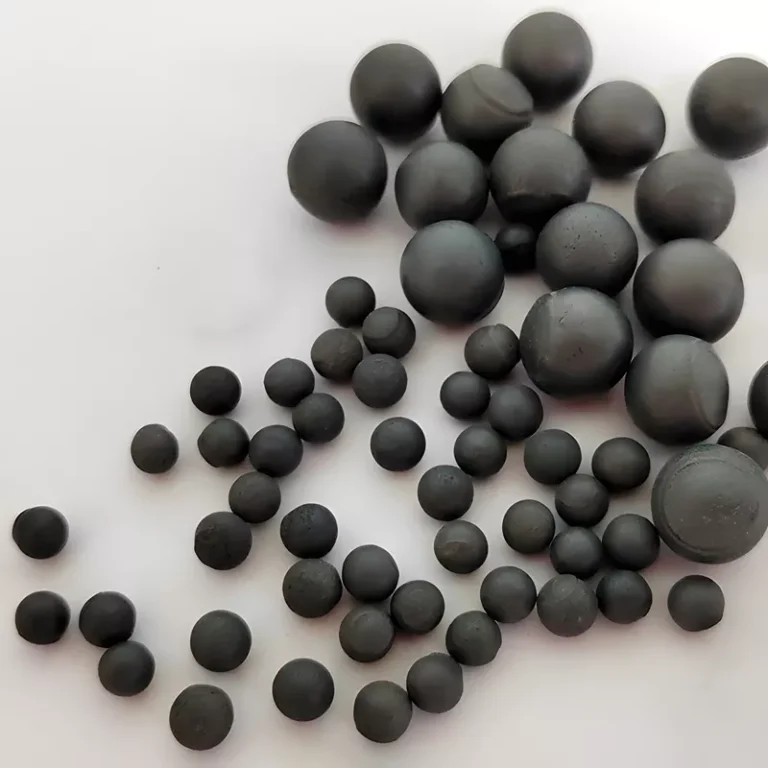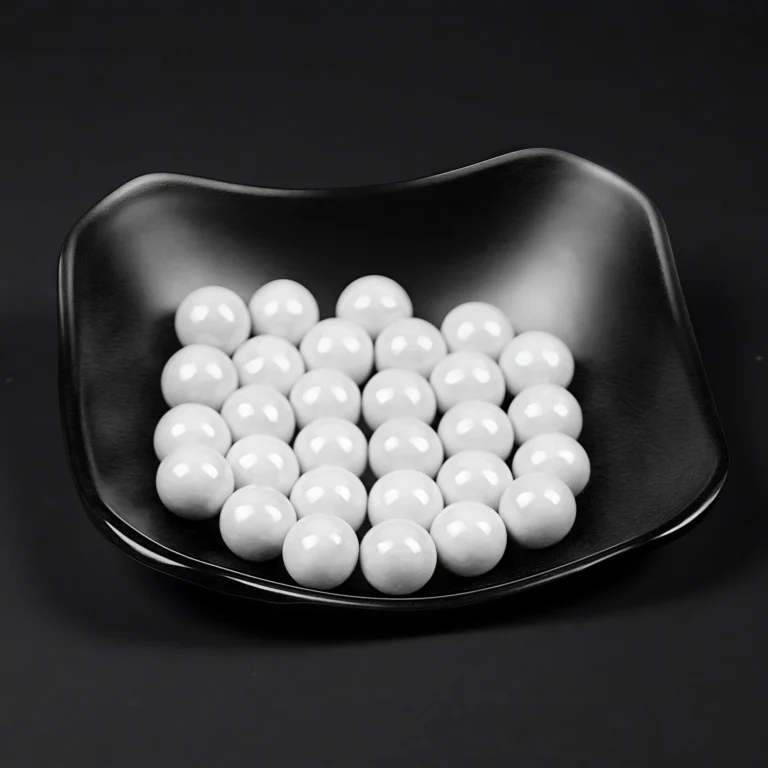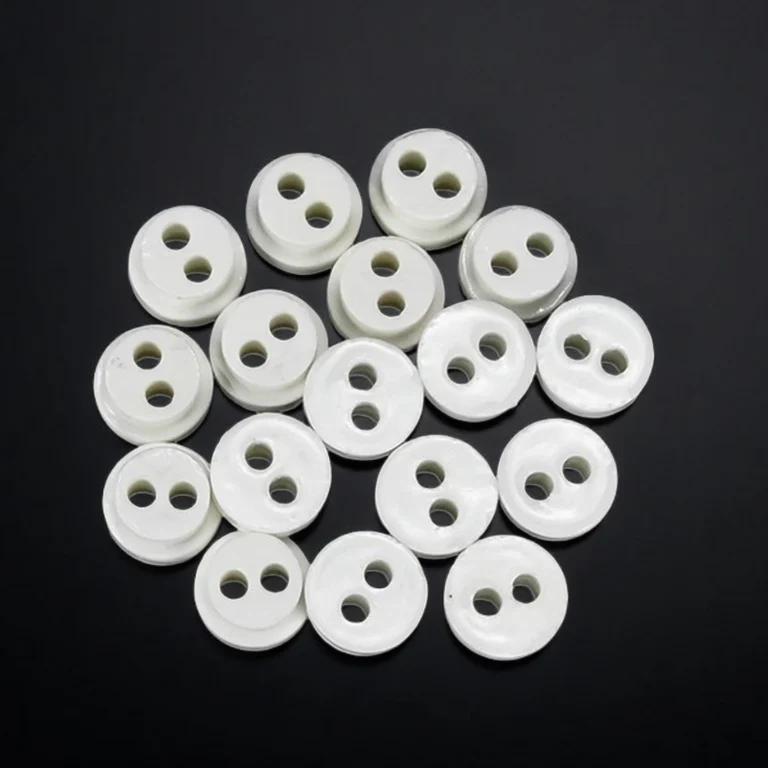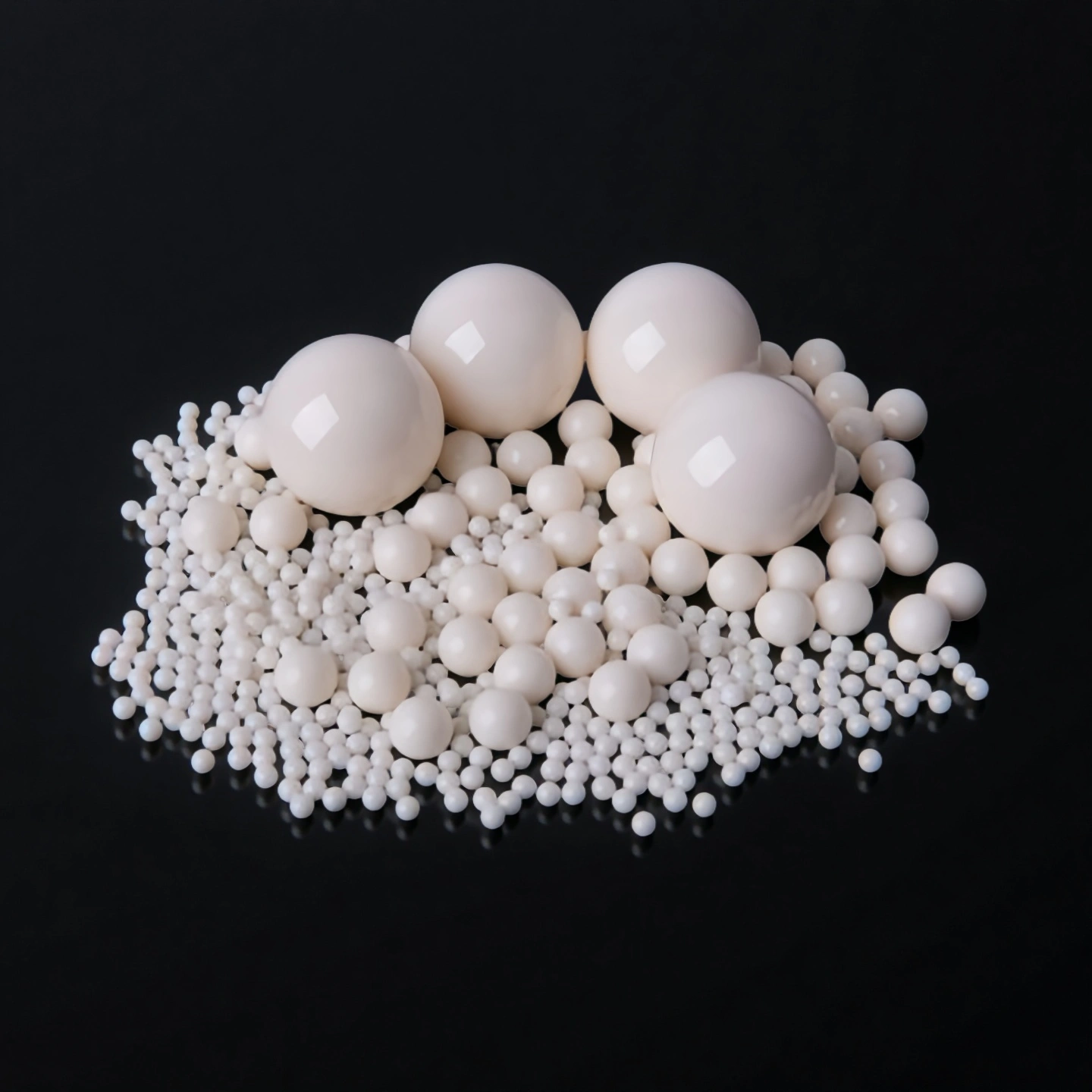
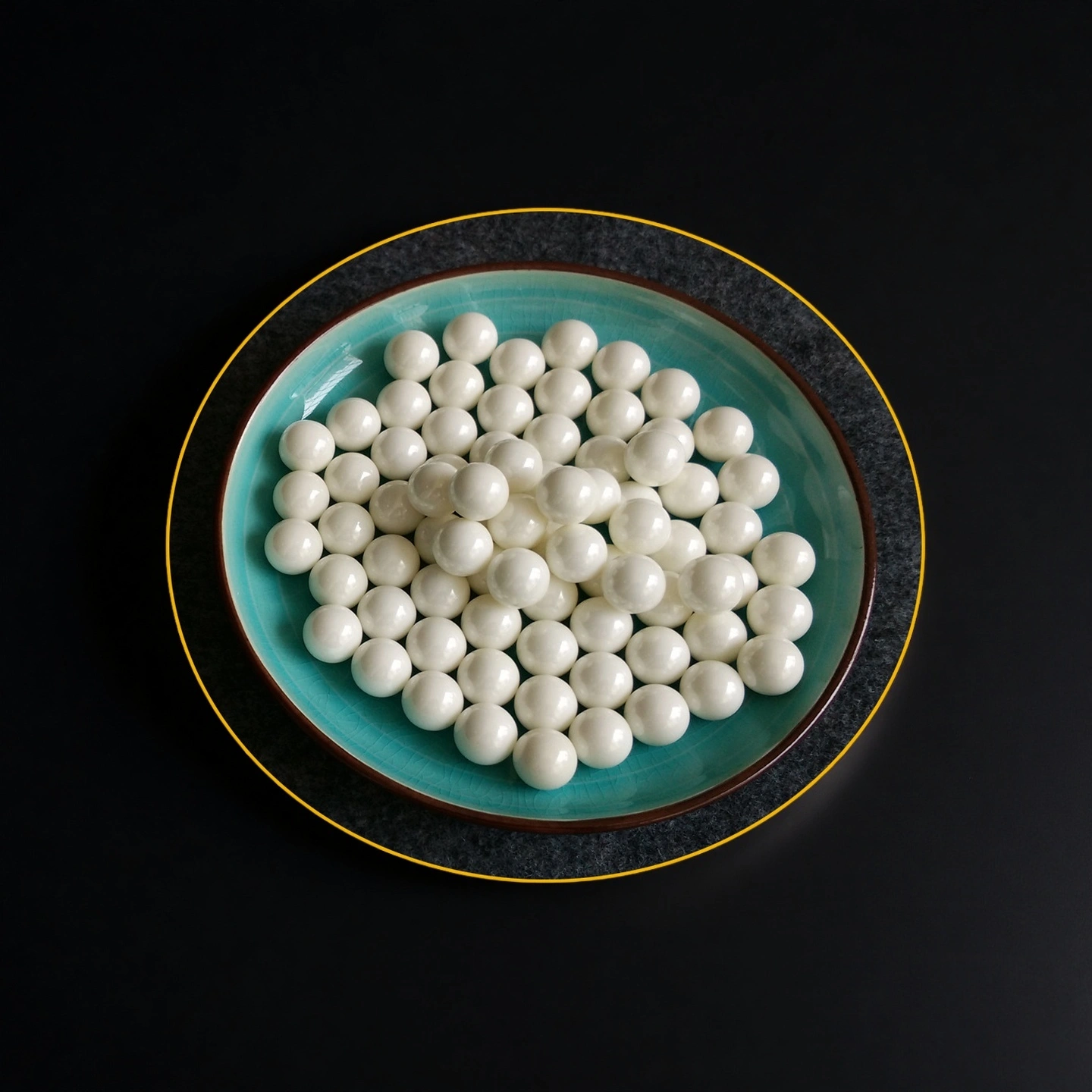
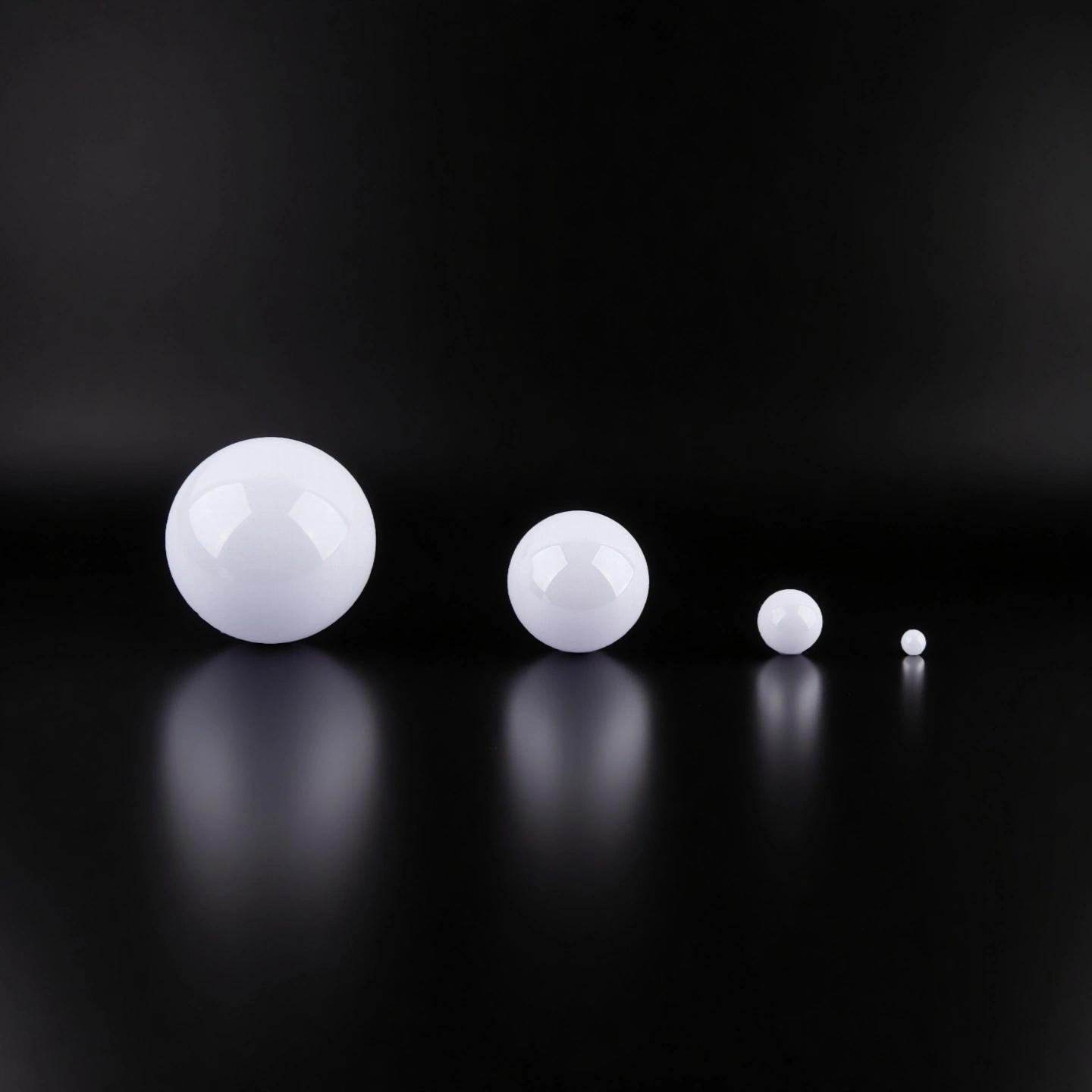
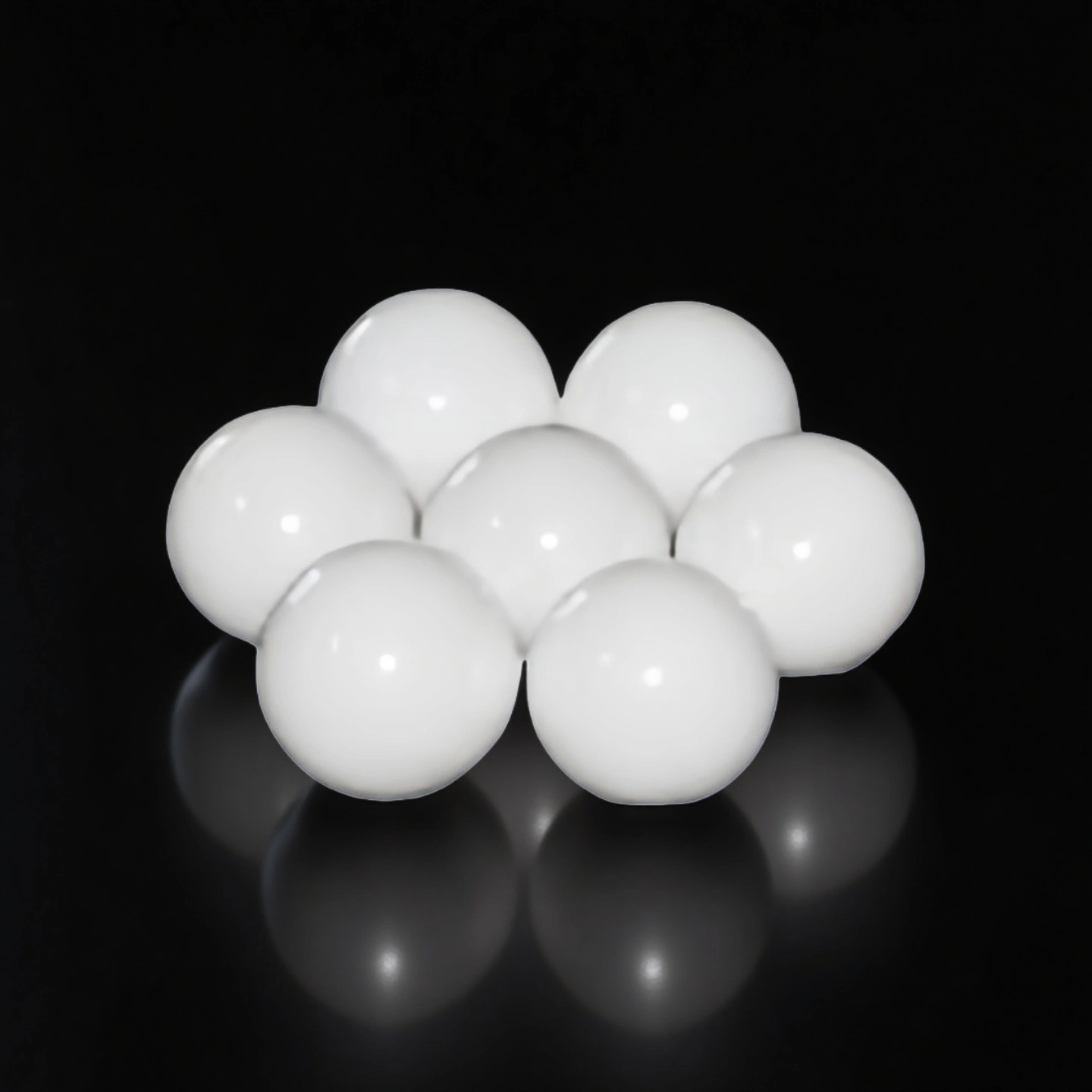
Precision Alumina Bearing Ball with Mirror Polish for Industrial Applications

Our alumina bearing balls provide superior dimensional stability and mechanical strength. Available in grades from G10 to G100 and purities up to 99.8% Al₂O₃, these balls are manufactured for critical applications in pumps, valves, and measurement devices. We offer both standard stock sizes and full customization based on your technical drawings.

Catalog No. AT-YHG-ZCQ001
Material  Al2O3
Hardness (HRA) ≥ 88
Sphericity / Grade G10 – G100
Dimensions/Sizes Download PDF
24H Standard Dispatch
Small Batch Support OEM
Factory Direct
Expert Engineering Support
An alumina bearing ball is a spherical component engineered from high-purity aluminum oxide (Al₂O₃), a type of advanced technical ceramic. Unlike traditional steel or plastic balls, it is designed to provide exceptional performance in demanding industrial environments where conventional materials would fail. Think of it as a high-performance upgrade for applications requiring more than just rolling motion.

Alumina Bearing Ceramic Ball Benefits

  • Material Purity: Manufactured from high-purity alpha-alumina powders (92% to 99.8%), ensuring minimal contamination and superior chemical inertness against acids and alkalis.
  • Dimensional Precision: Advanced grinding and lapping processes achieve sphericity tolerances down to Grade G10 (0.25µm) and surface roughness of Ra ≤0.02µm for perfect sealing and low-friction movement.
  • Mechanical Integrity: A dense, non-porous microstructure results in high compressive strength (>2000 MPa) and hardness (Mohs 9), preventing fracture under load and resisting wear from abrasive slurries.
  • Thermal Stability: Alumina ceramic balls maintain their structural integrity and hardness at continuous operating temperatures up to 1600°C, outperforming metals and polymers in thermal cycling applications.


Alumina Oxide Bearing Ball Properties

Property Unit 99.7% Al₂O₃ 99.5% Al₂O₃ 99% Al₂O₃ 96% Al₂O₃
Color   Ivory White Ivory White Ivory White Ivory White
Density g/cm³ 3.94 3.9 3.83 3.6-3.75
Water Absorption % 0 0 0 0
Hardness Mohs Hardness 9.1 9 9 8.8
Flexural Strength (20°C) Mpa 330 320 300 260
Compressive Strength (20°C) Mpa 2300 2300 2210 1910
Maximum Operating Temperature °C 1730 1700 1680 1450
Thermal Expansion Coefficient(25°C to 800°C) 10⁻⁶/°C 7.6 7.6 7.6 7.6
Thermal Conductivity (25°C) W/(m·K) 29 27 24 22
Dielectric Strength (5mm thickness) AC-kv/mm 22 21 19 15
Dielectric Loss at 25°C@1MHz --- < 0.0001 < 0.0001 0.0003 0.0004
Dielectric Constant at 25°C@1MHz --- 9.8 9.7 9.5 9.2
Volume Resistivity (20°C) Ω·cm³ >10¹⁴ >10¹⁴ >10¹⁴ >10¹⁴
Volume Resistivity (300°C) Ω·cm³ 2*10¹² 2*10¹² 4*10¹¹ 2*10¹¹


Alumina Bearing Ceramic Ball Specifications
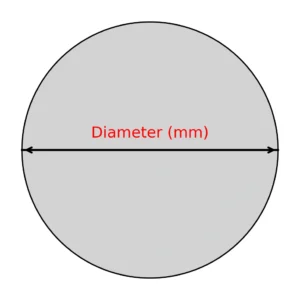
alumina balls size of diameter

Alumina Bearing Ball
SKU Diameter(mm)
AT-YHG-ZCQ001 0.4
AT-YHG-ZCQ002 0.5
AT-YHG-ZCQ003 0.6
AT-YHG-ZCQ004 0.7
AT-YHG-ZCQ005 0.8
AT-YHG-ZCQ006 0.9
AT-YHG-ZCQ007 1
AT-YHG-ZCQ008 1.1
AT-YHG-ZCQ009 1.2
AT-YHG-ZCQ010 1.3
AT-YHG-ZCQ011 1.35
AT-YHG-ZCQ012 1.4
AT-YHG-ZCQ013 1.5
AT-YHG-ZCQ014 1.588
AT-YHG-ZCQ015 1.6
AT-YHG-ZCQ016 1.8
AT-YHG-ZCQ017 2
AT-YHG-ZCQ018 2.381
AT-YHG-ZCQ019 2.5
AT-YHG-ZCQ020 2.778
AT-YHG-ZCQ021 2.8
AT-YHG-ZCQ022 3
AT-YHG-ZCQ023 3.175
AT-YHG-ZCQ024 3.5
AT-YHG-ZCQ025 3.969
AT-YHG-ZCQ026 4
AT-YHG-ZCQ027 4.5
AT-YHG-ZCQ028 4.763
AT-YHG-ZCQ029 5
AT-YHG-ZCQ030 5.5
AT-YHG-ZCQ031 5.536
AT-YHG-ZCQ032 5.953
AT-YHG-ZCQ033 6
AT-YHG-ZCQ034 6.35
AT-YHG-ZCQ035 6.747
AT-YHG-ZCQ036 7
AT-YHG-ZCQ037 7.144
AT-YHG-ZCQ038 8
AT-YHG-ZCQ039 8.731
AT-YHG-ZCQ040 9
AT-YHG-ZCQ041 9.525
AT-YHG-ZCQ042 10
AT-YHG-ZCQ043 10.3188
AT-YHG-ZCQ044 11
AT-YHG-ZCQ045 11.1125
AT-YHG-ZCQ046 11.906
AT-YHG-ZCQ047 12
AT-YHG-ZCQ048 12.303
AT-YHG-ZCQ049 12.7
AT-YHG-ZCQ050 13.494
AT-YHG-ZCQ051 14
AT-YHG-ZCQ052 14.288
AT-YHG-ZCQ053 15
AT-YHG-ZCQ054 15.875
AT-YHG-ZCQ055 16
AT-YHG-ZCQ056 17.4625
AT-YHG-ZCQ057 18
AT-YHG-ZCQ058 18.256
AT-YHG-ZCQ059 19.05
AT-YHG-ZCQ060 19.844
AT-YHG-ZCQ061 20
AT-YHG-ZCQ062 20638
AT-YHG-ZCQ063 22.225
AT-YHG-ZCQ064 23.812
AT-YHG-ZCQ065 25.4
AT-YHG-ZCQ066 25.875
AT-YHG-ZCQ067 26.988
AT-YHG-ZCQ068 30
AT-YHG-ZCQ069 30.163
AT-YHG-ZCQ070 31.75
AT-YHG-ZCQ071 32
AT-YHG-ZCQ072 34.925
AT-YHG-ZCQ073 35
AT-YHG-ZCQ074 36
AT-YHG-ZCQ075 38.1
AT-YHG-ZCQ076 40
AT-YHG-ZCQ077 42
AT-YHG-ZCQ078 44.45
AT-YHG-ZCQ079 45
AT-YHG-ZCQ080 50.8
AT-YHG-ZCQ081 55
AT-YHG-ZCQ082 63.5


Alumina Bearing Ball Precision Grade Table

Alumina Bearing Ball Precision Grade
Grade Ball Grade Tolerance Ball Diameter Variation Spherical Diameter Deviation Batch Diameter Deviation Sphericity Error Surface Roughness
G5 ±5 ±0.4 0.2 0.13 0.25 0.13 0.014
G10 ±10 ±0.4 0.2 0.25 0.5 0.25 0.02
G16 ±10 ±0.8 0.4 0.4 0.8 0.4 0.025
G20 ±10 ±0.8 0.4 0.5 1 0.5 0.032
G24 ±10 ±0.8 0.4 0.6 1.2 0.5 0.04
G28 ±12 ±0.8 0.4 0.7 1.4 0.7 0.05
G40 ±16 ±1.6 0.8 1 2 1 0.08
G60 ±16 ±1.2 ±2.4 1.5 3 1.2 0.1
G100 ±40 ±4 2.5 5 2.5 0.125
G200 ±60 ±6 5 10 5 0.15


Alumina Oxide Bearing Ball Packaging

  • White alumina bearing balls are packaged in 25 kg heavy-duty plastic bags, which are then placed inside 1-ton jumbo bags with inner waterproof liners. The jumbo bags are palletized and shrink-wrapped for secure, moisture-free international transport.
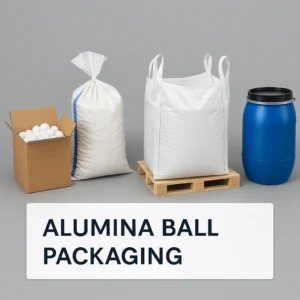

High Alumina Ball Packaging

Alumina Bearing Ball Applications

  • Rotating Machinery: Hybrid Bearings for Electric Motors & High-Speed Spindles

    ✅Key Advantages

    1. Electrical Insulation: The high electrical resistivity of alumina (>10¹⁴ Ω·cm) prevents bearing damage from stray VFD-induced currents (arcing), eliminating electrical pitting.
    2. Reduced Centrifugal Load: Being 60% lighter than steel, alumina bearing balls generate significantly lower centrifugal force at high speeds, reducing race wear and allowing for up to 30% higher RPMs.
    3. Lower Operating Temperature: The low friction coefficient and reduced heat generation allow the bearing to run cooler, extending lubricant life and reducing the need for external cooling systems.

    ✅ Problem Solved

    A German robotics manufacturer experienced premature bearing failures in their servo motors, with an average lifespan of only 4,000 hours due to electrical pitting. By replacing standard steel balls with alumina bearing balls to create a hybrid bearing, they eliminated electrical discharge machining damage, extending the bearing service life to over 20,000 hours and reducing field failures by 90%.

  • Fluid Handling: Check Valves & Metering Pumps for Corrosive Chemicals

    ✅Key Advantages

    1. Precision Sealing: A G10 precision grade (sphericity ≤ 0.25µm) and mirror-polished surface (Ra ≤ 0.02µm) create a near-perfect, repeatable seal against the valve seat for zero-leakage performance.
    2. Chemical Inertness: Resists corrosion from aggressive chemicals like sodium hypochlorite and sulfuric acid, preventing the surface degradation that causes leaks in metal balls.
    3. Mechanical Integrity: High compressive strength (>2000 MPa) prevents the ball from deforming under high pressure, ensuring a consistent seal and accurate fluid dispensing over millions of cycles.

    ✅ Problem Solved

    A US-based manufacturer of chemical dosing pumps struggled to maintain a ±1% dosing accuracy with SS316 balls, which showed micro-pitting after exposure to sodium hypochlorite. Switching to our high-purity alumina bearing balls maintained the required precision and provided zero measurable degradation after 12 months of continuous operation, ensuring consistent product quality for their end-users.

  • Precision Instrumentation: Flowmeters & Fluid Measurement Instruments

    ✅Key Advantages

    1. Low Inertia: The low density of alumina (approx. 3.9 g/cm³) results in a lightweight ball that responds instantly to changes in fluid flow, critical for accurately measuring fluctuating or low-volume streams.
    2. Dimensional Stability: A very low coefficient of thermal expansion (~7.2 x 10⁻⁶/°C) ensures the ball's diameter remains constant during temperature fluctuations, guaranteeing consistent measurement accuracy.
    3. Non-Magnetic Property: Alumina's non-magnetic nature ensures its movement is unaffected by magnetic fields from nearby electronic components, preventing interference and false readings in sensitive instruments.

    ✅ Problem Solved

    A producer of laboratory analysis equipment found that the inertia of heavier metal balls in their flowmeters caused a delayed response, impacting measurement accuracy for low-viscosity fluids. Integrating a lightweight alumina bearing ball improved the instrument's sensitivity and reduced its response time by 40%, enabling reliable measurement of flow rates as low as 0.1 L/min.

Alumina Bearing Ball Usage Instructions

To maximize the service life of your alumina ceramic balls and reduce operational costs, follow these guidelines.

  • Installation

    1. Handle with clean, lint-free gloves to avoid surface contamination.
    2. Ensure mating surfaces (e.g., valve seats) are clean and free of burrs or debris.
    3. For press-fit applications, use proper tooling and avoid direct impact from a hammer.

  • Operation

    1. Do not exceed the maximum recommended operating temperature (e.g., 1600°C for 99.5% Al₂O₃).
    2. While highly resistant, avoid extreme thermal shock (rapid heating/cooling cycles) where possible.
    3. Confirm chemical compatibility, especially with hydrofluoric acid or hot phosphoric acid.

  • Storage

    1. Store in the original, sealed packaging in a dry, climate-controlled environment.
    2. Keep away from dust and industrial contaminants.

  • Cleaning

    1. Clean with isopropyl alcohol or deionized water.
    2. Use ultrasonic cleaning for critical applications. Do not use abrasive cleaners or wire brushes.

  • Common Issues

    1. Issue: Chipping or cracking.
    Solution: This is often caused by mechanical impact or severe thermal shock. Review your installation process and operating parameters. Contact our engineers to discuss if a higher-toughness material like zirconia might be a better fit for extreme impact scenarios.

Alumina Bearing Ball FAQ

  1. Q: What is the difference between 92% and 99.5% alumina bearing balls?
    A: 99.5% alumina balls offer higher chemical resistance and temperature stability, making them suitable for high-purity chemical processing. 92% alumina balls provide a cost-effective balance of high hardness and density, ideal for use as grinding media.
  2. Q: What does the "Grade" (e.g., G10, G25) of an alumina bearing ball signify?
    A: The grade defines the ball's geometric tolerances, including diameter variation and sphericity. A lower grade number like G10 indicates higher precision, which is critical for applications like high-performance bearings and check valves.
  3. Q: Can alumina bearing balls run without lubrication?
    A: Yes, their low friction coefficient allows them to run dry in many low-speed, low-load applications. This is a key advantage in environments where lubrication would cause contamination.
  4. Q: How do alumina bearing balls compare to silicon nitride (Si₃N₄) balls?
    A: Alumina bearing balls offer excellent hardness and corrosion resistance at a lower cost. Silicon nitride bearing balls have superior fracture toughness and perform better in high-speed, high-load bearing applications, but at a significantly higher price point.
  5. Q: What is the typical lead time for custom alumina bearing ball orders?
    A: Lead time for custom orders typically ranges from 3 to 5 weeks, depending on the complexity, dimensions, and quantity. We can confirm a precise schedule upon review of your technical drawing.
  6. Q: What is the maximum size you can manufacture?
    A: We can manufacture alumina bearing balls up to 150mm in diameter.
  7. Q: What is the manufacturing process for an alumina bearing ball?
    A: The manufacturing process for a high-precision alumina bearing ball is a multi-stage procedure focused on achieving specific material properties and tight geometric tolerances. It is fundamentally different from the process for steel balls. The key steps include:
    1. Powder Preparation: It starts with ultra-fine, high-purity alumina (Al₂O₃) powder. This powder is mixed with binders and plasticizers to create a homogenous slurry.
    2. Forming: The slurry is then formed into oversized spheres. This is often done through spray drying, which creates uniform spherical granules, or by pressing the powder in a spherical mould.
    3. Sintering: The "green" (unfired) balls are placed in a high-temperature kiln and sintered at temperatures up to 1700°C. During this step, the binders burn off, and the alumina particles fuse together, causing the ball to shrink and densify into a hard, solid ceramic. This step is critical for determining the final hardness, density, and grain structure.
    4. Grinding & Lapping: After sintering, the balls are rough and slightly oversized. They undergo a series of precision grinding and lapping stages using diamond abrasives. This process gradually removes material to achieve the target diameter, improve sphericity, and create a smooth surface.
    5. Polishing & Cleaning: For high-precision grades (like G10), a final polishing step is performed to achieve a mirror-like finish (Ra ≤ 0.02µm). The finished balls are then ultrasonically cleaned to remove any contaminants from the manufacturing process.
    6. Final Inspection: Every ball is inspected for size, grade, and surface defects using automated optical equipment and contact profilometers to ensure it meets the specified quality standards before packaging.

Alumina Bearing Ball Reviews

  • ⭐️⭐️⭐️⭐️⭐️
    The G10 precision and material purity of these alumina bearing balls solved our long-standing issue with valve leakage in our metering pumps. The technical support during the design phase was excellent. We've now specified them for our entire product line.
    -- John Mueller, Lead Engineer, Chem-Flow Pumps Inc. 
  • ⭐️⭐️⭐️⭐️⭐️
    We use these 99.7% alumina bearing balls as inert supports in our high-temperature reactors. They are incredibly stable up to 1600°C and show no signs of degradation. The lot-to-lot consistency is critical for our research, and this supplier delivers
    -- Dr. Elena Schmidt, R&D Manager, Advanced Materials Lab
  • ⭐️⭐️⭐️⭐️⭐️
    I needed a custom-drilled 3mm alumina bearing ball for a new flow sensor prototype. Not only did they produce it to my exact drawing (±0.01mm tolerance), but the turnaround time for the small custom batch was only three weeks. This allowed us to get to market faster.
    -- Marco Rossi, Owner, Rossi Precision Instruments
  • ⭐️⭐️⭐️⭐️⭐️
    We integrated these G10 alumina bearing balls into our high-speed CNC spindles. The electrical insulation property completely solved our issues with VFD-induced arcing, and the lower friction has resulted in a 15% reduction in operating temperature. The quality and consistency are exceptional.
    -- Priya Singh, Senior Mechanical Engineer, SpindleTech Dynamics
customize size

Custom Alumina Bearing Ball Solutions

We specialize in manufacturing alumina ceramic balls to your exact specifications. Our engineers work directly from your drawings to deliver components that integrate seamlessly into your designs. What You Can Specify:
Geometric & Dimensional Specifications:
  • Diameter: Specify any diameter from miniature (0.5mm) to large-scale (150mm).
  • Tolerances: Define diameter tolerances as tight as ±0.005mm for high-precision applications.
  • Precision Grade: Select the required precision grade from G100 (standard) down to G10 (high-precision), which dictates sphericity and diameter variation. We can also meet G5 requirements for specialized cases.
Material Properties:
  • Alumina Purity (Al₂O₃ Content): Choose the material composition that best suits your environment:
    1. 92% Alumina: Ideal for high-wear applications like grinding media.
    2. 95% Alumina: A balanced, general-purpose grade for industrial use.
    3. 99.5% Alumina: Excellent for high-purity chemical handling and high-temperature applications.
    4.99.8% – 99.9% Alumina: The highest purity for semiconductor, medical, or ultra-high vacuum environments where minimal contamination is critical.
  • Colour: Standard white, or pink/ruby (chromium-doped) for specific identification or optical applications.
Surface Characteristics:
  • Surface Finish: Specify the required surface texture for your application:
    1. As-Fired: A matte finish suitable for structural or high-temperature support applications.
    2. Standard Polish: A smooth, lapped surface for general-purpose bearings and valves.
    3. Mirror Polish: A highly reflective, ultra-smooth finish (Ra ≤ 0.02µm) for high-performance sealing, low-friction bearings, and metrology standards.
Advanced Machining & Features:
  • Drilling: We can machine holes to your exact specifications:
    1. Through-Holes: For use as spacers, insulators, or flow-through components.
    2. Blind Holes: For mounting or specific assembly requirements.
    3. Threaded Holes: For secure fastening in ceramic assemblies.
  • Flats & Slots: Add one or more flats for positioning, or slots for retention mechanisms.
  • Shaping: While primarily spherical, we can discuss custom near-spherical shapes or features based on your design.

Related Products

ADCERAX - Your Trusted Advanced Ceramics Manufacturing Partner

Direct factory manufacturing with comprehensive ceramic materials expertise and global supply capabilities

Direct Factory Manufacturing

China-based ceramic materials production facility with state-of-the-art equipment

Engineering Team

Experienced professionals in advanced ceramics applications and custom design

Quality Control

Strict quality control standards for technical ceramics manufacturing and quality management

Global Supply Chain

Serving customers worldwide with technical ceramics and rapid response

24/7 Technical Support

Round-the-clock support for ceramic components inquiries and technical assistance

500+ Satisfied Customers

Trusted by global customers for advanced ceramic materials and precision components

Get in touch with us

Our team will be happy to respond to you in less than 24 hours.

Adcerax's factory

Quick Quotation

*Our team will answer your inquiries within 24 hours.

*Your information will be kept strictly confidential.

Ready to Solve Your Engineering Challenge?

Partner with ADCERAX for reliable, high-performance advanced ceramic solutions. Our engineers are ready to discuss your project.

E-mail

info@adcerax.com

Phone

+(86) 0731-74427743 | WhatsApp: +(86) 19311583352

Response Time

Within 24 hours

Quick Quote

The more details you provide, the faster we can quote.

*We respond within 24 hours. All inquiries are confidential.

Download Catalog

Get Your Custom Sulution

The more details you provide, the faster we can respond.

customize size

*We respond within 24 hours. All inquiries are confidential.

Download Catalog