Alumina Oxide Ceramic Fiber for 1600 °C Insulation (Blanket • Board • Plug • Modules)

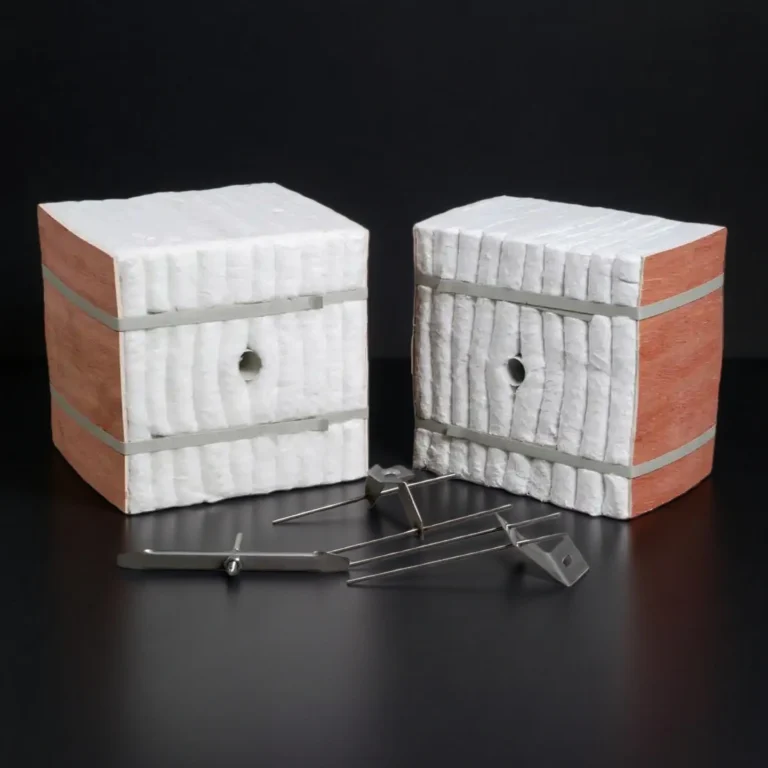
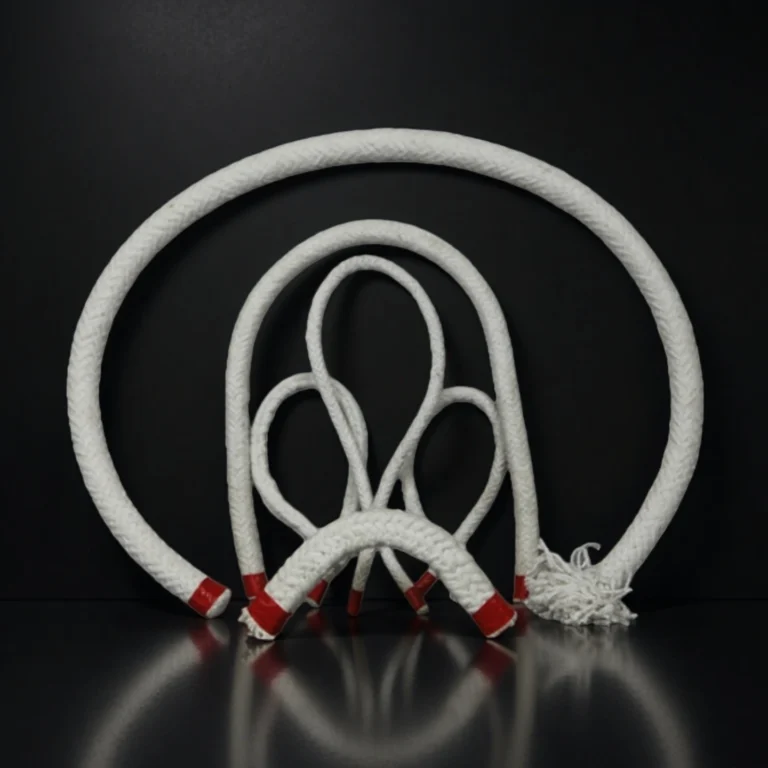
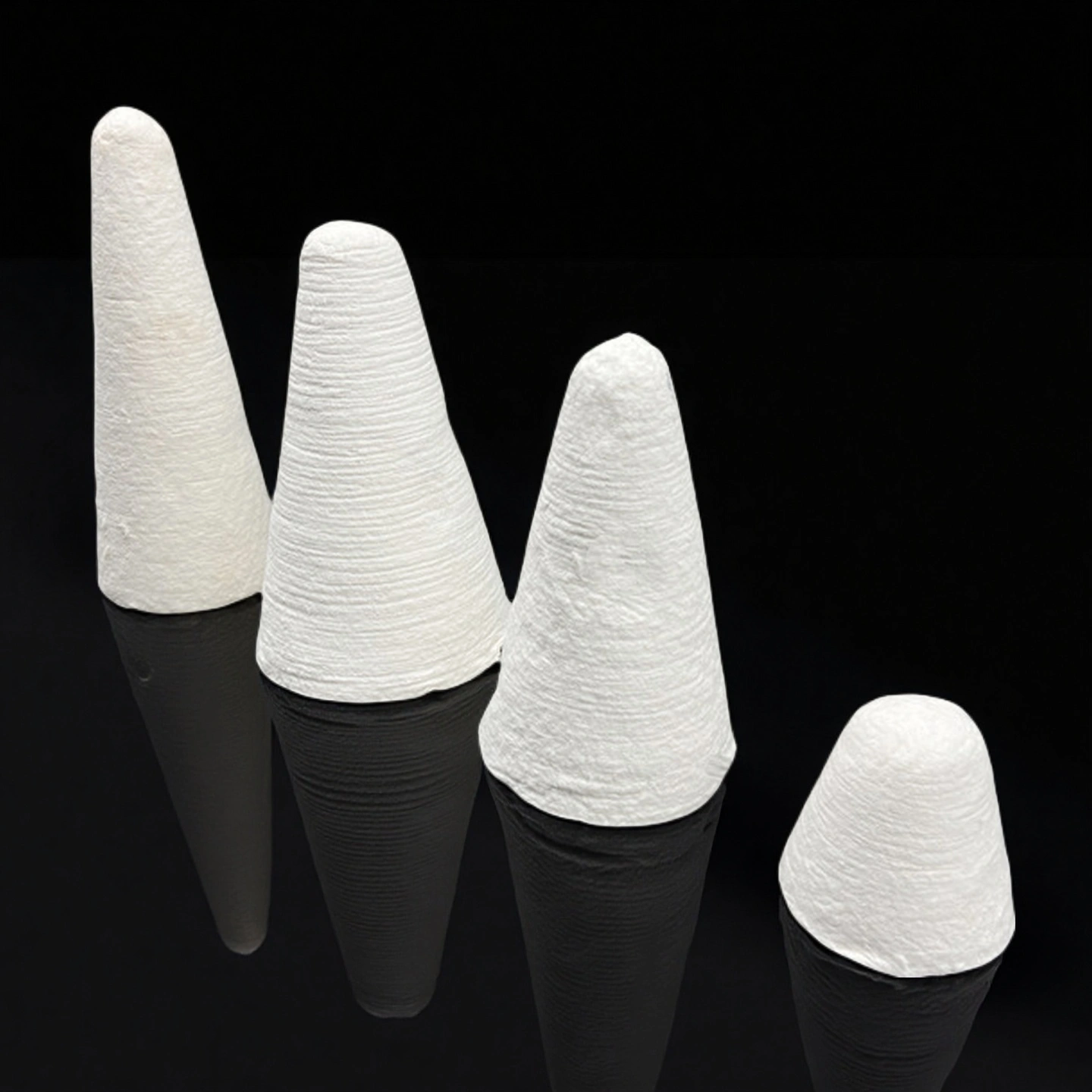
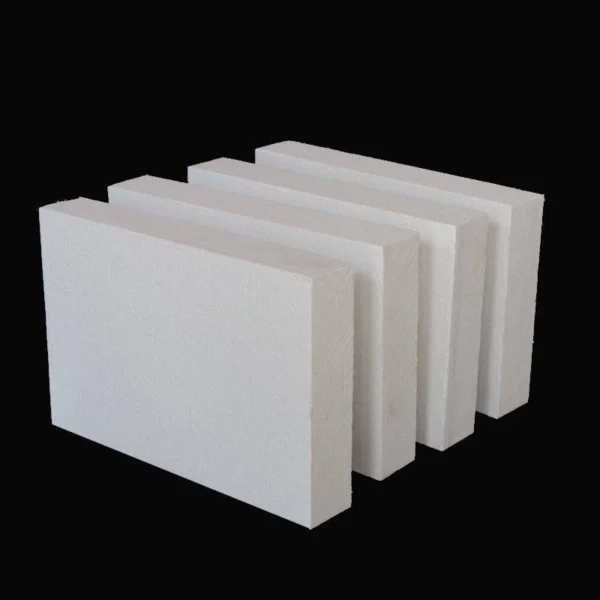
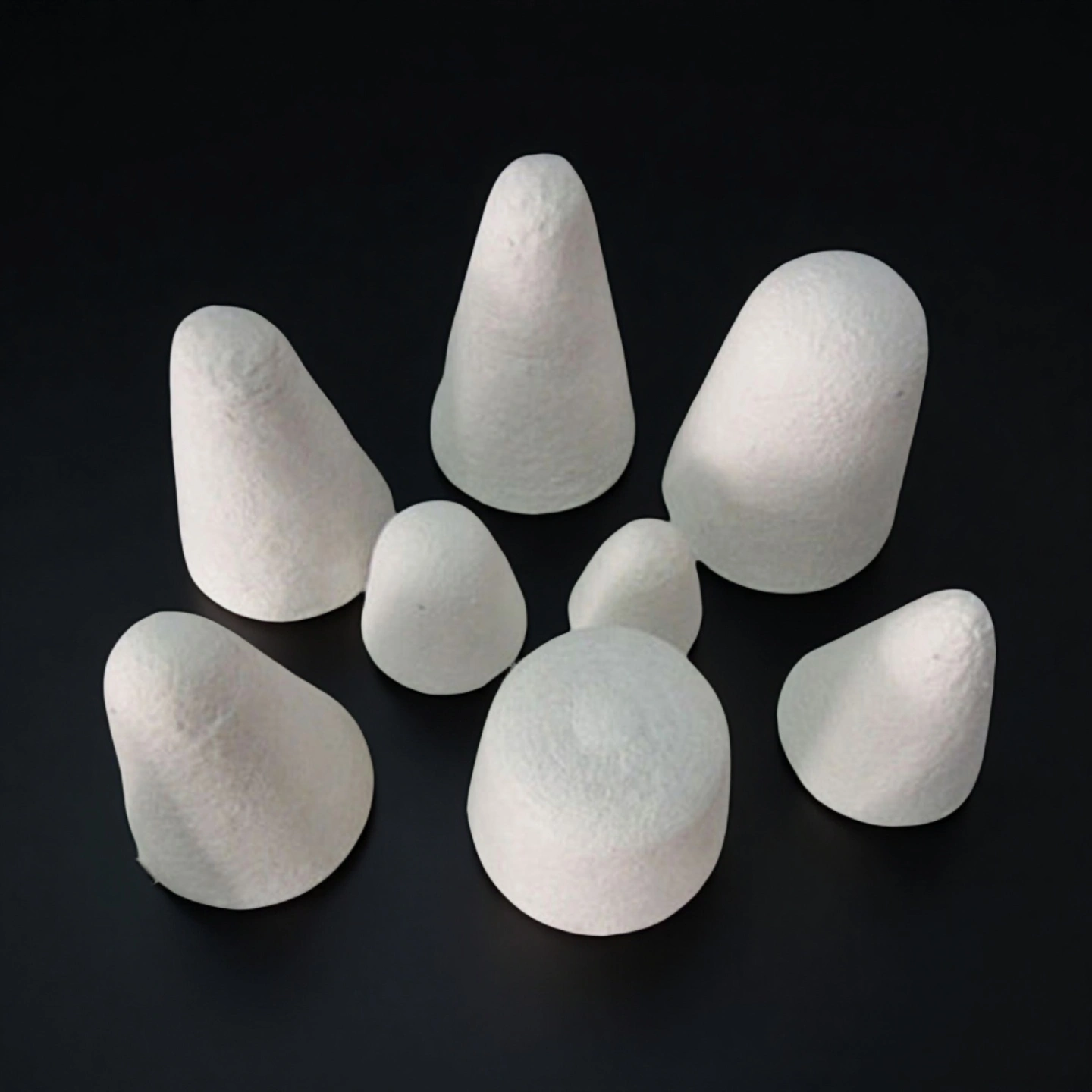
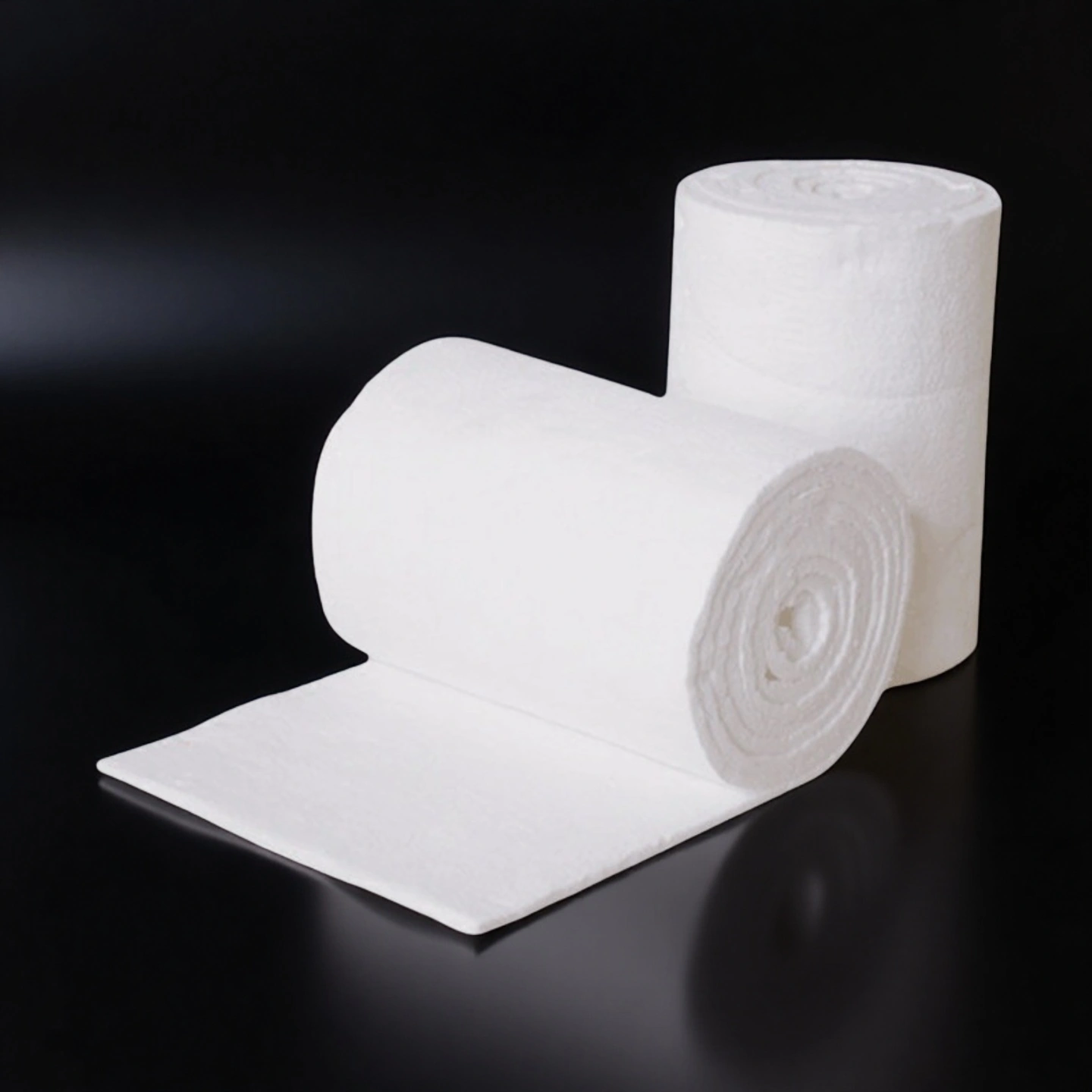
Alumina oxide ceramic fiber is supplied as blankets, rigid boards, plugs, vacuum-formed shapes, and pre-compressed modules for hot-face insulation and seals up to a 1600 °C classification, emphasizing low shrinkage and low shot for cleaner operation.

Catalogue No. AT-AO-XW1001
Material Al2O3
Linear Shrinkage @1500 °C×6 h ≤ 1–3 % (grade-dependent)
Classification Temperature 1600 °C
Dimensions/Sizes Download Alumina Ceramic Fiber PDF
24H Standard Dispatch
Small Batch Support OEM
Factory Direct
Expert Engineering Support

Alumina oxide ceramic fiber (often called high-alumina polycrystalline fiber or PCW fiber) is a high-temperature insulating material made predominantly from Al₂O₃. It is produced by sol–gel or similar processes, then fired to create fine, interlocked crystalline fibers. The result is a lightweight, low-thermal-conductivity insulation that maintains dimensional stability at very high temperatures.


Alumina ceramic Fiber Advantages

  • Module Pre-Compression: Controlled preload improves joint tightness, reducing heat loss at panel interfaces.
  • Low-Shot Fiber Network: Reduces dusting and preserves thermal performance in fast ramp cycles.
  • Edge-Stable Boards: Vacuum-formed with trimmed edges for consistent fit and reduced rework on site.
  • Anchor-Ready Geometry: Module slots/back-cuts compatible with typical Y/V anchors and washers.
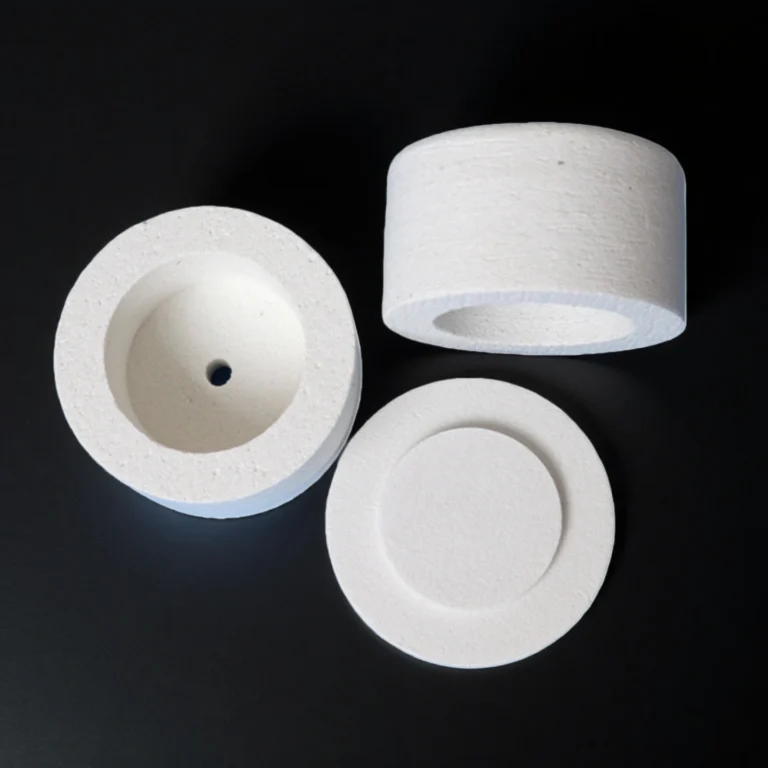
  • Retrofit-Friendly Shaping: Burner ports, peep-sight rings, and step-laps manufactured to drawing to minimize field machining.


Alumina Oxide Ceramic Fiber Properties

Property Unit 99.5% Al₂O₃ 99.6% Al₂O₃ 99.7% Al₂O₃ 99.8% Al₂O₃ 99.9% Al₂O₃ 99.99% Al₂O₃
Alumina content % 99.5 99.6 99.7 99.8 99.9 99.99
Density g/cm³ 3.89 3.91 3.92 3.93 3.94 3.98
Open porosity % 0
Color Ivory Ivory Ivory Ivory Ivory Ivory
Water absorption % 0 0 0 0 0
Young’s modulus (Elastic modulus) GPa 375 356 357 358 359 362
Shear modulus GPa 152
Bulk modulus GPa 228
Poisson’s ratio 0.22
Compressive strength MPa 2600 2552 2554 2556 2558 2570
Flexural strength MPa 379 312 313 314 315 320
Fracture toughness MPa·m¹ᐟ² 4
Hardness GPa 14.1 (≈1440 kg/mm²) 23 24 25 26 30
Thermal conductivity W/m·K 35 32–37 33–38 34–39 35–40 36–42
Thermal shock resistance ΔT °C 222 223 224 225 228
Maximum use temperature (no load) °C ≤1750 1755 1760 1765 1770 1800
Coefficient of thermal expansion 10⁻⁶/°C 8.4
Specific heat J/kg·K 880
Volume resistivity Ω·cm >1×10¹⁴ >1×10¹⁴ >1×10¹⁴ >1×10¹⁴ >1×10¹⁴ >1×10¹⁴
Dielectric constant (relative permittivity) 9.8 9.83 9.84 9.85 9.86 9.92
Dielectric strength kV/mm 16.9 23.2 23.4 23.6 23.8 24
Dissipation factor (loss factor @ 1 kHz) 0.0002


Alumina Oxide Ceramic Fiber Specifications

Type 1: Alumina Ceramic Fiber Board
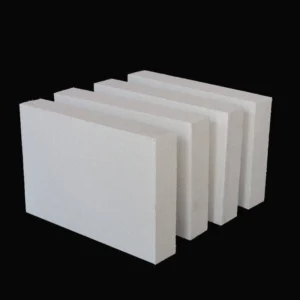
Alumina Ceramic Fiber Board 1350°C Rated

Alumina Ceramic Fiber Board
Item No. Length(mm) Width (mm) Thickness (mm) Temperature℃ SiO2+Al2O3(%)
AT-AO-XW1001 600 400 20-150 1000℃-1800℃ 96%-99.8%
AT-AO-XW1002 900 600 20—150
AT-AO-XW1003 1000 500 20-150
AT-AO-XW1004 1000 600 20-150
AT-AO-XW1005 1100 700 10-150
AT-AO-XW1006 1200 1000 10—150


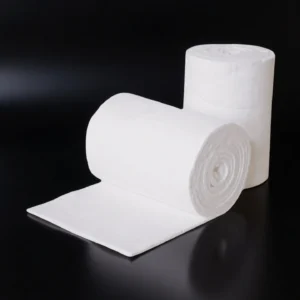
Type 2: Alumina Fiber Blanket

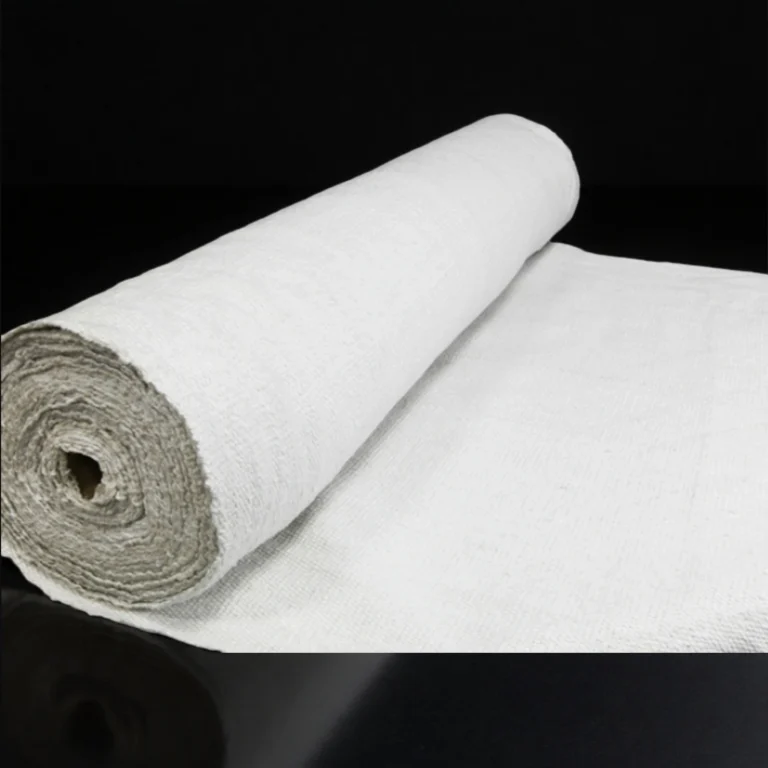
alumina fiber blanket roll for furnace insulation

Alumina Fiber Blanket
Item no. Working Temp.(℃) Density(kg/m3) Length(mm) Width(mm) Thickness(mm)
AT-GSL-T1001 1260 96  128  160  7200 610 6
AT-GSL-T1002 96  128  160  15000 610 10
AT-GSL-T1003 96  128  160  7200 610 20
AT-GSL-T1004 96  128  160  7200 610 25
AT-GSL-T1005 96  128  160  5000 610 30
AT-GSL-T1006 96  128  160  3600 610 50
AT-GSL-T1007 1400 96  128  160  7200 610 6
AT-GSL-T1008 96  128  160  15000 610 10
AT-GSL-T1009 96  128  160  7200 610 20
AT-GSL-T1010 96  128  160  7200 610 25
AT-GSL-T1011 96  128  160  5000 610 30
AT-GSL-T1012 96  128  160  3600 610 50


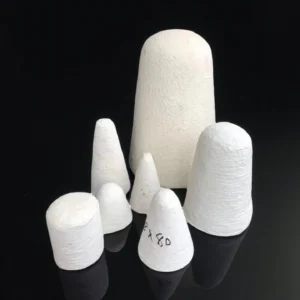
Type 3: Alumina Fiber Plug

Cross-sectional view of alumina fiber plug for furnace sealing

Alumina Fiber Plug
Item No. Bottom Diameter(mm) Height (mm)
AT-AO-DT001 50 70
AT-AO-DT002 57 100
AT-AO-DT003 65 65
AT-AO-DT004 65 110
AT-AO-DT005 70 70
AT-AO-DT006 70 110
AT-AO-DT007 70 90
AT-AO-DT008 75 120
AT-AO-DT009 80 100
AT-AO-DT010 80 125
AT-AO-DT011 85 135
AT-AO-DT012 90 140
AT-AO-DT013 90 200
AT-AO-DT014 90 270
AT-AO-DT015 95 130
AT-AO-DT016 100 150
AT-AO-DT017 105 180
AT-AO-DT018 110 140
AT-AO-DT019 120 160
AT-AO-DT020 170 110


Alumina Oxide Ceramic Fiber Packaging

  • Moisture-resistant wrap with corner protection for boards and shapes.
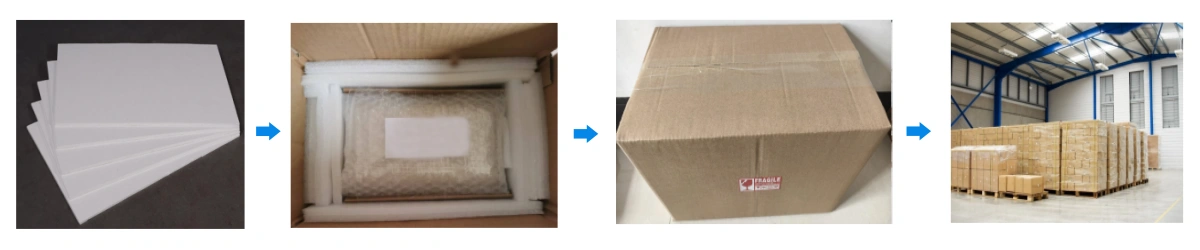
Alumina Fibre Board Packaging

Alumina Oxide Ceramic Fiber Applications

  • Industrial Furnaces & Heat Treatment (hot-face lining & modules)

    ✅Key Advantages

    1. Low Shrinkage Stability — ≤ 1–3 % at 1500 °C maintains tight furnace geometry and minimizes relining frequency over multi-year operation cycles.
    2. Fast Heat-Up — low thermal mass shortens ramp-to-setpoint time by 15 – 25 %, helping reduce natural-gas or electricity consumption in batch operations.
    3. Tight Joints — pre-compressed fiber modules maintain edge compression under cycling, preventing heat leakage and cold-face temperature rise.

    ✅ Problem Solved

    A continuous annealing line replaced dense refractory with alumina-fiber modules. As a result, heat-up time fell ≈ 18 %, fuel usage dropped by ~10 %, and relining intervals extended from 12 to 24 months. Joint compression after 200 cycles remained within 1 mm tolerance, confirming dimensional stability. The pre-mapped anchoring plan also cut outage duration by nearly two days during the turnaround window.

  • Chemical & Petrochemical Heaters (burner surrounds, seals, boards)

    ✅Key Advantages

    1. Geometry Control — vacuum-formed shapes precisely match burner cones, peep-sight ports, and flange interfaces, eliminating on-site trimming.
    2. Clean Operation — low-shot composition (< 0.5 %) minimizes dust migration into catalysts or sensors.
    3. Thermal Efficiency — rigid alumina boards maintain flatness up to 1600 °C, reducing hot-spot temperature deviation to < ±10 °C.

    ✅ Problem Solved

    A refinery process heater upgraded its burner-tile surrounds with vacuum-formed alumina boards. Post-retrofit infrared scans showed surface-temperature uniformity improved by 22 °C, hot-face erosion halted, and inspection interventions were reduced from six to two per year. Maintenance logs recorded a 12 % decrease in fuel consumption during the same duty period, directly tied to stabilized combustion-zone temperature and reduced infiltration air.

  • Laboratory & Testing Furnaces (boards, seals, insulation sets)

    ✅Key Advantages

    1. Dimensional Precision — vacuum-formed alumina fiber boards maintain ±1.0 mm flatness tolerance after multiple heat cycles, ensuring consistent chamber volume and thermal uniformity during repeated testing.
    2. Clean Environment — low-shot, low-silica formulation (< 0.5 %) prevents contamination of sensitive samples such as sintered ceramics, catalysts, or metallic alloys.
    3. Thermal Response Speed — the low thermal mass of alumina fiber allows ramp rates up to 20 °C/min, improving test throughput while maintaining temperature stability.

    ✅ Problem Solved

    A university materials lab replaced mixed silica insulation with alumina oxide ceramic fiber boards and blanket seals in a programmable tube furnace. After the retrofit, temperature repeatability improved by ±2 °C, ramp time to 1500 °C decreased from 85 min to 65 min, and inner-wall contamination on sintered samples dropped by over 80 %. The improved energy efficiency lowered overall electricity use by approximately 12 % per test cycle, extending maintenance intervals and stabilizing experiment results across multiple departments.

Alumina Ceramic Fiber Usage Instructions

  • Installation

    1. Substrate Preparation: Ensure the metal casing or refractory backup is clean, dry, and free from scale or oil before mounting. Any debris will affect bonding and thermal performance.
    2. Anchor Spacing & Layout: Follow the anchor spacing map provided with each shipment. For modules, spacing typically ranges from 250–300 mm, depending on the module thickness. Over-anchoring increases thermal bridging, while under-anchoring may lead to sagging under thermal cycling.
    3. Joint Configuration: Always stagger joints between layers and use step-lap or tongue-and-groove connections where applicable. This minimizes hot-gas infiltration and maintains compression integrity during expansion.
    4. Adhesive & Sealant Application: Apply only approved ceramic adhesive or high-temperature sealant at designated joints (usually 5–10 mm width). Avoid excessive coating thickness which can crack upon firing.
    5. Initial Compression Check: During installation, verify that module faces remain slightly pre-compressed (typically 2–3 %) to maintain tight joints after first heat-up.

  • Operation

    1. Heat-Up Schedule: Ramp temperature gradually following the recommended 25–50 °C/hour up to 800 °C, then accelerate to full temperature. Avoid thermal shock from direct flame impingement during the first cycle.
    2. Inspection During First Cycle: After the first firing, inspect for visible shrinkage or open joints. Minor gaps (<2 mm) can be sealed using compatible fiber filler or pre-cut shims.
    3. Thermal Cycling: For repeated heating applications, maintain a controlled cooling rate (<100 °C/hour below 1000 °C) to preserve fiber strength and limit stress cracks.

  • Storage

    1. Keep products in a dry, ventilated warehouse, off the floor on pallets or racks.
    2. Avoid compressing boards or modules for extended periods; long-term stacking pressure can cause permanent deformation.
    3. Protect from moisture, oil mist, and alkaline vapours, which can degrade fiber bonding agents before installation.
    4. In humid climates, store unopened crates with desiccant packs and reseal after partial use.

  • Cleaning & Maintenance

    1. Routine Cleaning: Use a soft brush or industrial vacuum to remove surface dust; do not use compressed air above 0.4 MPa as it can embed fibers into joints or weaken bonding.
    2. Localized Repair: Replace only damaged panels or modules. When thermal mapping is available, locate the wear zone and install pre-cut replacement pieces rather than reworking the full wall.
    3. Surface Sealing: If surface powdering occurs after long service, a thin coat (≤0.5 mm) of compatible ceramic sealant may be applied to rebind surface fibers.
    4. Inspection Interval: For continuous furnaces, perform thermal imaging every 6–12 months to monitor cold-face temperature rise (>20 °C increase indicates insulation ageing).

  • Common Misuse & Fixes

    1. Over-Anchoring Causing Cold Bridges → Follow specified spacing, use the correct alloy washer type, and ensure anchor depth matches the drawing to avoid heat transfer points.
    2. Cutting Boards On-Site Without Trim Plan → Always request factory trimming per drawing to maintain ±1 mm tolerance and edge fit; on-site cutting often leads to fiber dust release and poor joint alignment.
    3. Incorrect Sealant Application → Applying sealant across the entire hot face restricts expansion and leads to cracking; apply only within the designed seam areas.

Alumina Oxide Ceramic Fiber FAQ

  1. Q: What temperature can alumina oxide ceramic fiber withstand?
    A: Alumina oxide ceramic fiber is engineered for a classification temperature of 1600 °C, suitable for continuous operation around 1500 °C depending on load and atmosphere. It remains dimensionally stable with shrinkage typically ≤ 1–3 % at 1500 °C × 6 h. For short-term peaks or intermittent furnace cycles, the insulation can tolerate higher exposure without loss of strength or fiber cohesion.
  2. Q: How does alumina oxide ceramic fiber differ from standard alumino-silicate fiber?
    A: Unlike standard alumino-silicate fibers rated at 1260–1400 °C, alumina oxide ceramic fiber contains higher Al₂O₃ purity (≥ 72–80 %) and lower silica content, resulting in greater thermal stability and chemical resistance. This composition reduces shrinkage and silica vapour release, making it the preferred choice for clean-firing, reducing-atmosphere, or metal-contact applications.

  3. Q: What is the typical density and why does it matter?
    A: Bulk density ranges from 96–128 kg/m³ for blankets and up to 300 kg/m³ for boards, influencing both insulation efficiency and mechanical strength. Lower density improves heat resistance and energy savings, while higher density offers greater rigidity and wear resistance at the hot face. Proper density selection balances energy performance with lining durability.

  4. Q: Can alumina oxide ceramic fiber be used in reducing or chemical atmospheres?
    A: Yes, with caution. Its low-silica chemistry gives excellent stability in oxidizing and mildly reducing environments. However, in atmospheres rich in HF, alkali vapour, or molten metal splash, additional protection such as ceramic coatings or refractory shields is recommended to prevent surface reactions or mechanical erosion.

  5. Q: What are the advantages of using pre-compressed alumina fiber modules?
    A: Pre-compressed modules ensure tight joint sealing, maintain compression under thermal cycling, and allow fast installation on large surfaces. They significantly reduce heat loss at seams and prevent cold-face temperature rise. Pre-mapping of anchor spacing allows workers to complete lining replacement with 40–60 % less downtime compared with loose blankets.

  6. Q: Why should I choose ADCERAX as my alumina oxide ceramic fiber supplier?
    A: ADCERAX provides both standard and custom alumina fiber components—blankets, boards, plugs, modules, and vacuum-formed parts—manufactured under controlled sintering conditions. As a factory-direct engineering supplier, we support drawing assistance, fast lead times, and stable quality control. This allows global OEMs and maintenance teams to reduce procurement time and ensure consistent technical performance.

Ceramic Fibres Alumina Reviews

  • ⭐️⭐️⭐️⭐️⭐️
    We used alumina oxide ceramic fiber boards and modules in a 1600 °C forging furnace. Installation was easy, and heat-up efficiency improved by about 20%. After several months, no visible shrinkage or cracks—ADCERAX materials performed exactly as expected.
    -- Michael Harris Maintenance Manager, NorthForge Castings
  • ⭐️⭐️⭐️⭐️⭐️
    Our team installed vacuum-formed alumina fiber parts around burner zones during a turnaround. The fit was precise, labeling clear, and post-startup temperature balance improved noticeably. ADCERAX support was fast and professional.
    -- Laura Chen Process Engineer, ThermacLine Inc.
  • ⭐️⭐️⭐️⭐️⭐️
    ADCERAX supported our drawing changes and supplied alumina fiber boards at a fair price. The crate labeling by zone saved hours during the outage.
    -- Jonas Müller Project Supervisor, HeatServ GmbH
  • ⭐️⭐️⭐️⭐️⭐️
    Custom alumina ceramic fibres matched our existing studs, so installation was straightforward. After the first cycle, joints stayed tight
    -- Elena Rodriguez – Maintenance Supervisor, PetroEnergy Refining Co. (Spain)
customize size

Customize Alumina Oxide Ceramic Fiber

Engineering customization aligns fiber form and geometry with your lining design to reduce install time and thermal loss. What you can specify:

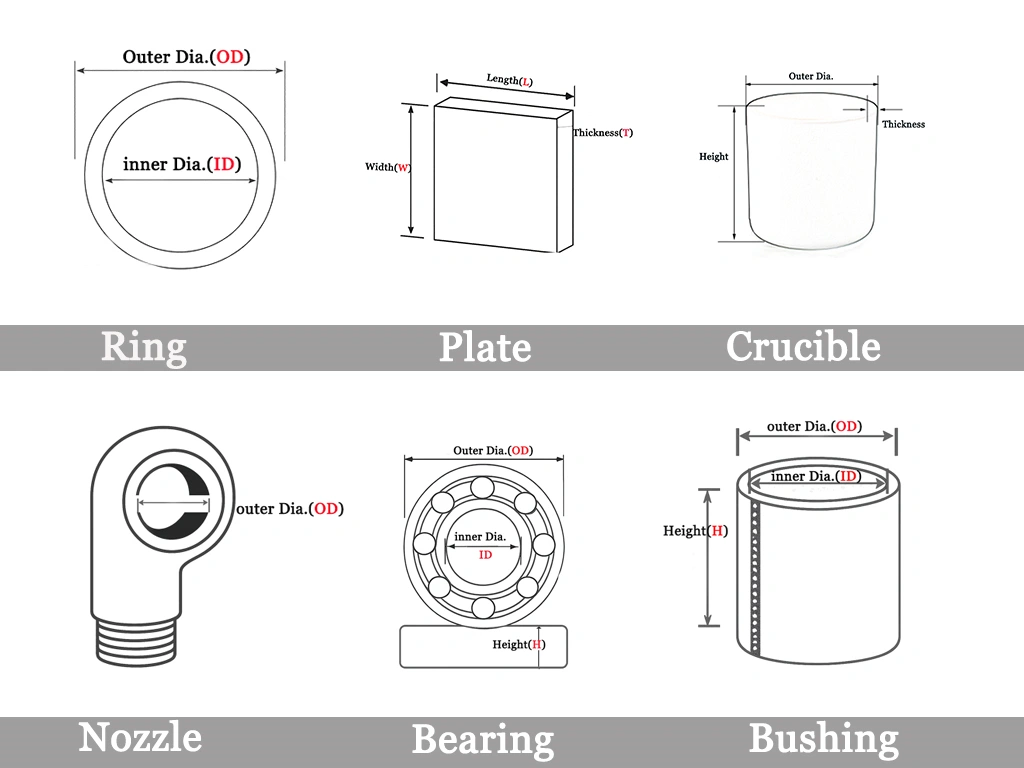
  • Dimensions: thickness 10–50 mm (boards/blankets), modules per panel map; OD/ID and window cut-outs for shapes.
  • Tolerances: board/shapes ±1.0–2.0 mm; machined edges tighter on request.
  • Lengths/Spans: blanket rolls up to 7–10 m typical; board size up to 1200 × 1000 mm (form-dependent).
  • Form Factor: blanket, rigid board, vacuum-formed shapes, pre-compressed modules.
  • End Details: square, bevel, step-lap, tongue-and-groove; burner/peep openings.
  • Surface Finish: raw, trimmed, sealed face (where applicable).
  • Anchoring: Y-anchor, V-anchor, threaded studs, speciality washers; anchor spacing map provided.

Related Products

ADCERAX - Your Trusted Advanced Ceramics Manufacturing Partner

Direct factory manufacturing with comprehensive ceramic materials expertise and global supply capabilities

Direct Factory Manufacturing

China-based ceramic materials production facility with state-of-the-art equipment

Engineering Team

Experienced professionals in advanced ceramics applications and custom design

Quality Control

Strict quality control standards for technical ceramics manufacturing and quality management

Global Supply Chain

Serving customers worldwide with technical ceramics and rapid response

24/7 Technical Support

Round-the-clock support for ceramic components inquiries and technical assistance

500+ Satisfied Customers

Trusted by global customers for advanced ceramic materials and precision components

Get in touch with us

Our team will be happy to respond to you in less than 24 hours.

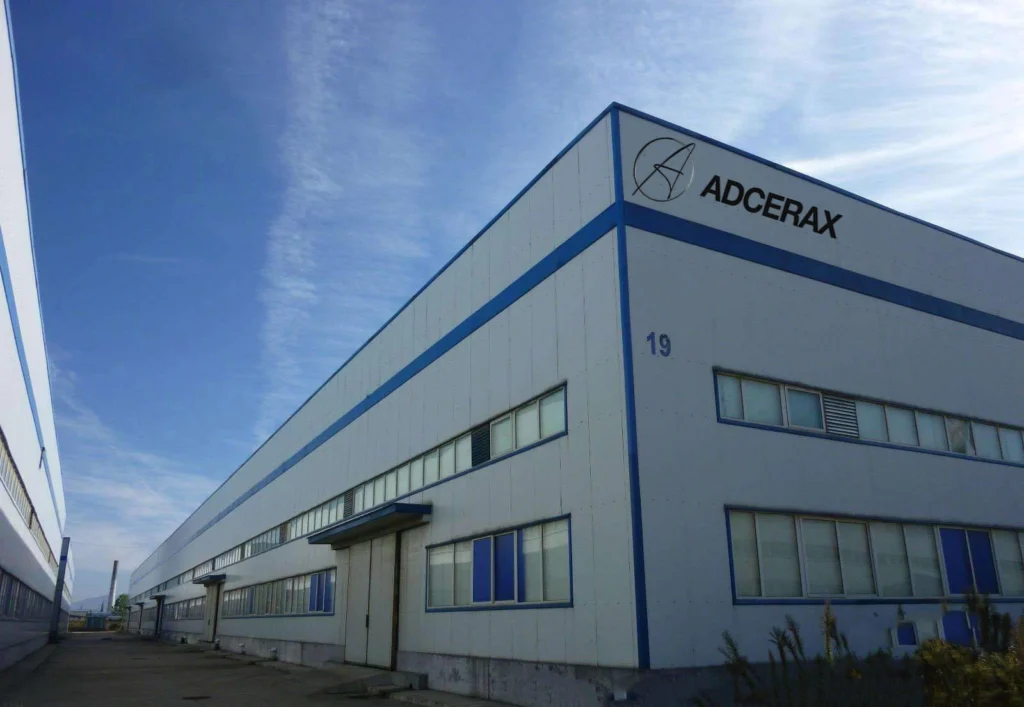
Adcerax's factory

Quick Quotation

*Our team will answer your inquiries within 24 hours.

*Your information will be kept strictly confidential.

Ready to Solve Your Engineering Challenge?

Partner with ADCERAX for reliable, high-performance advanced ceramic solutions. Our engineers are ready to discuss your project.

E-mail

info@adcerax.com

Phone

+(86) 0731-74427743 | WhatsApp: +(86) 19311583352

Response Time

Within 24 hours

Quick Quote

The more details you provide, the faster we can quote.

*We respond within 24 hours. All inquiries are confidential.

Download Catalog

Get Your Custom Sulution

The more details you provide, the faster we can respond.

customize size

*We respond within 24 hours. All inquiries are confidential.

Download Catalog