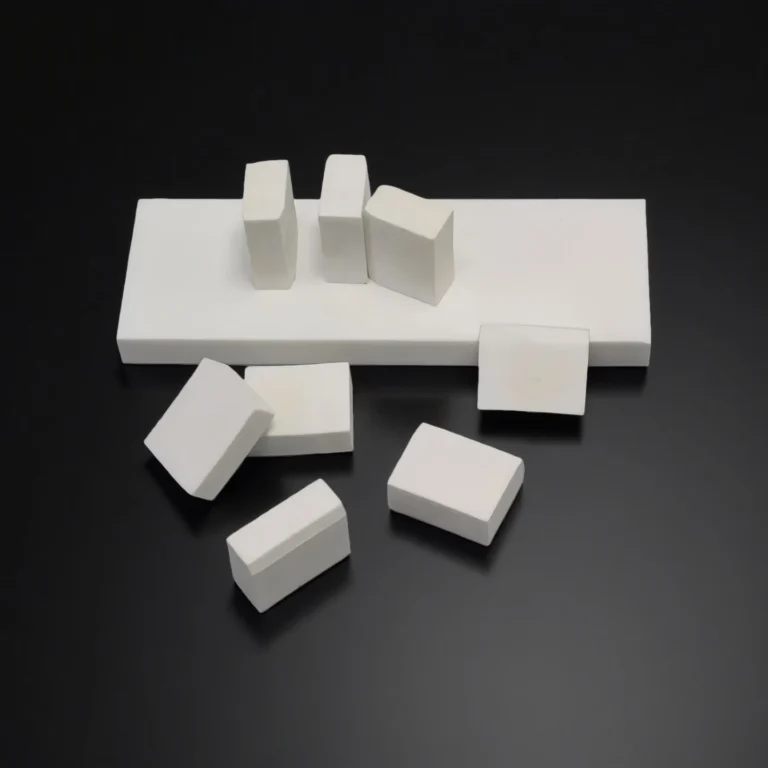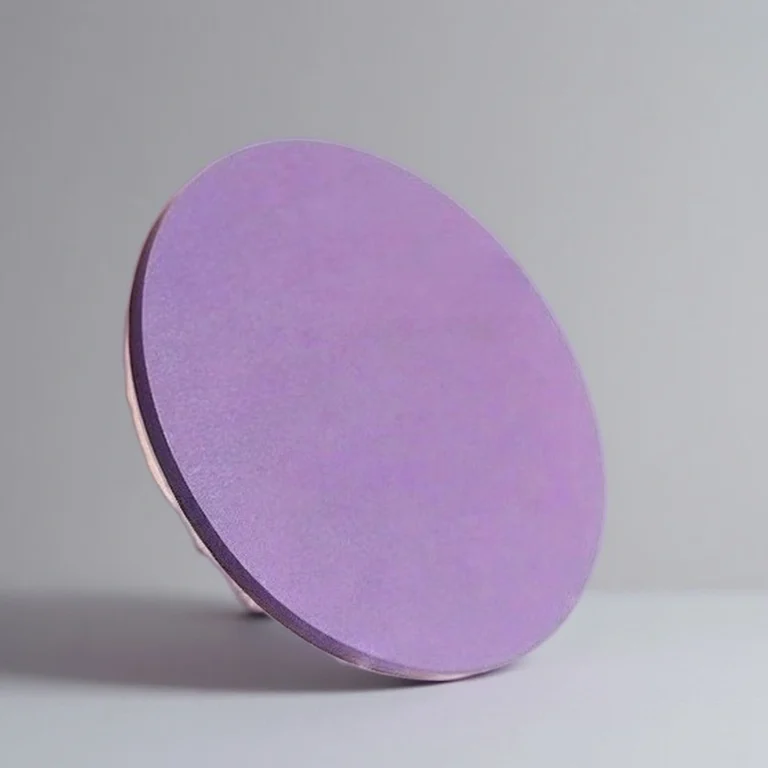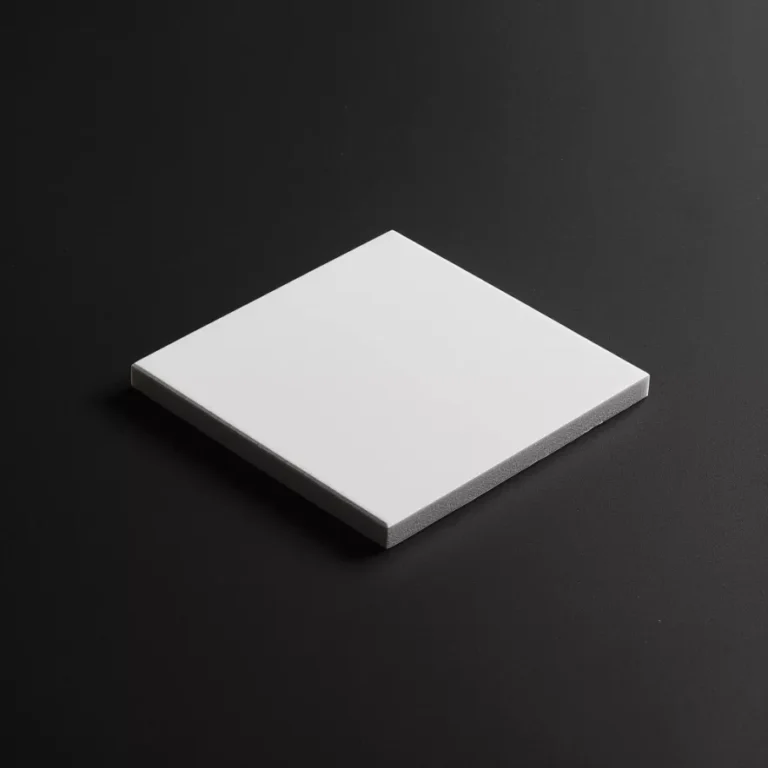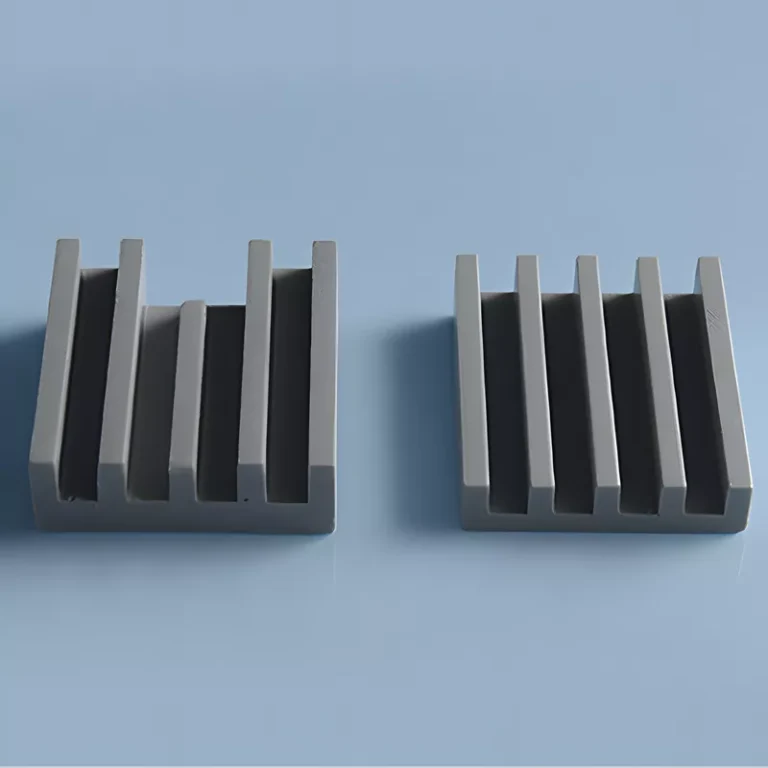
Aluminum Nitride Heater Sheet for Vacuum Chambers – Flat AlN Ceramic Heater Plate for High-Uniformity Process Heating

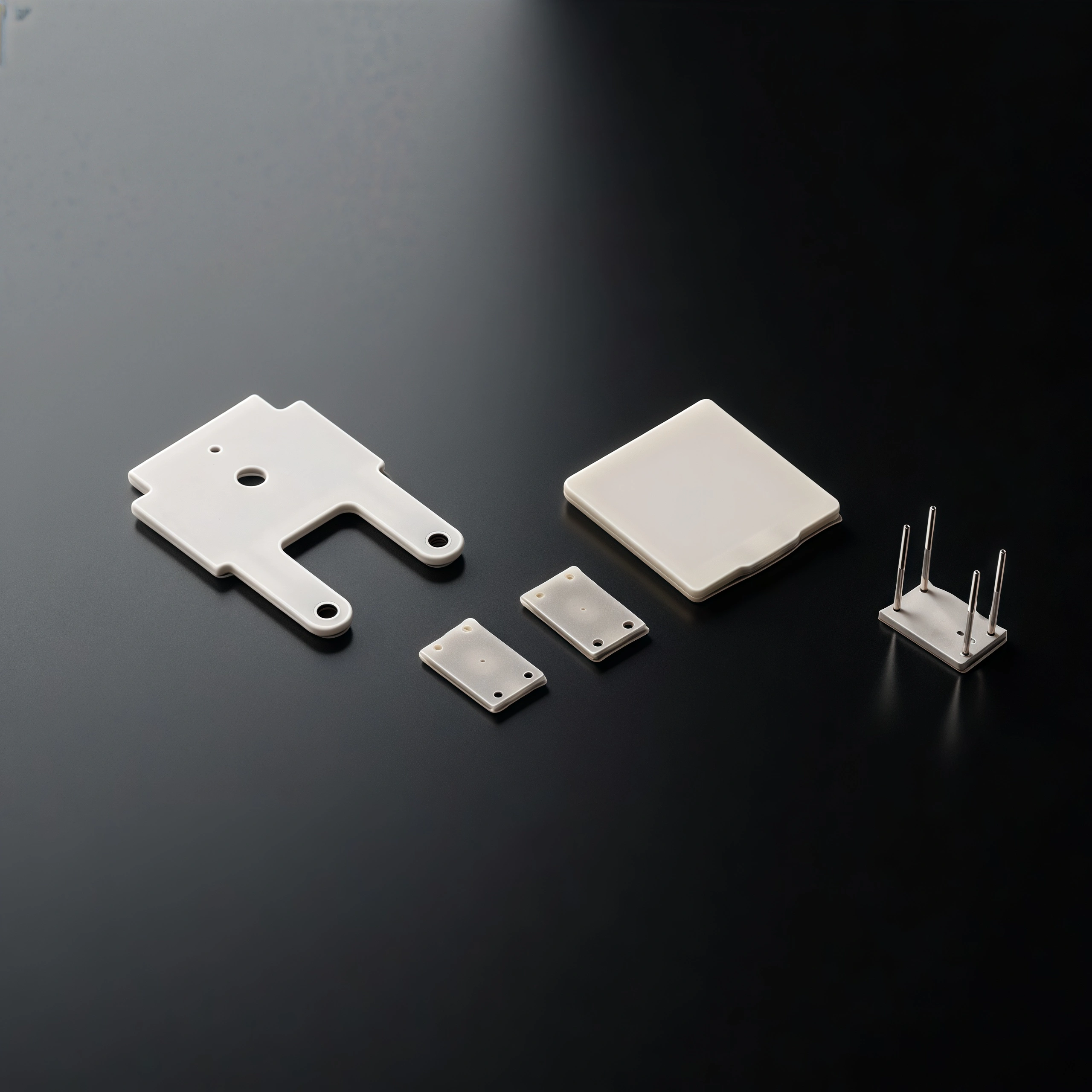
Aluminum nitride heater sheets are typically supplied in thicknesses from 0.8 mm to 3.0 mm and in planar sizes up to around 200 mm in diameter or edge length, with smaller heater plates cut to customer drawings. Both standard footprints and fully custom heater sheets with tailored power density and mounting holes are available for new designs and retrofit projects.

Catalogue No. AT-AN-JRP001
Material  Aluminum Nitride
Thermal Conductivity ≥170 W/m·K
Diameter Tolerance ±0.1 mm
Typical thickness range 0.8–3.0 mm
24H Standard Dispatch
Small Batch Support OEM
Factory Direct
Expert Engineering Support

An aluminum nitride heater sheet is a flat heating element made from aluminum nitride (AlN) ceramic, where resistive heating traces or a metallized circuit are integrated on or within the ceramic plate to generate heat when electrical power is applied. The AlN base provides high thermal conductivity, good electrical insulation, and compatibility with high temperatures in the range of a few hundred degrees Celsius, depending on the metallization and operating atmosphere.

Aluminum Nitride Heater Sheet Benefits

  • High thermal conductivity AlN ceramic heater sheet spreads heat efficiently across the surface, reducing edge-to-center temperature gradients in compact heating stages.

  • Flat aluminum nitride heater plate provides electrical insulation between the resistive traces and grounded mounting structures, allowing safe operation at elevated voltages.

  • Thin heater sheet design supports fast ramp and cool-down cycles when combined with appropriate resistive patterns and power electronics.

  • Machinable outline and through-holes allow the aluminum nitride heater sheet to match complex chamber geometries, clamp rings and alignment features.

  • Stable microstructure and compatible metallization systems enable repeated thermal cycling without significant drift in heater resistance.


Aluminum Nitride Heating Plate Properties

Property Content Unit Unit ALN-170 ALN-200 ALN-230
Basic Properties Color gray light yellow light yellow
Density g/cm³ 3.2-3.3 3.2-3.3 3.2-3.3
Surface Roughness μm 0.2-0.75 0.2-0.75 0.2-0.8
Camber length ‰ ≤3‰ ≤3‰ ≤3‰
Hardness HV 1100 1100 1100
Thermal Properties Max Operating Temperature °C 1100 1100 1100
Thermal Conductivity W/m·K 170-190 190-220 220-230
Coefficient of Thermal Expansion 10⁻⁶/K(20-400°c) 4-5 4-5 4-5
Coefficient of Thermal Expansion 10⁻⁶/K(400-800°c) 5-6 5-6 5-6
Mechanical Properties Flexural Strength MPa 300-400 350-450 400-500
Tensile Strength MPa 200-300 250-350 280-380
Compressive Strength MPa 2000-3000 2200-3200 2500-3500
Electrical properties Dielectric Constant at 1MHz 8-9 8-9 8-9
Dielectric strength KV/mm ≥15 ≥15 ≥15
Volume resistivity 20℃ Ω.cm ≥1014 ≥1014 ≥1014


AlN Heater Sheet Specifications

AlN Heater
Item no. Size Thickness Max. working Temp. Max. power density Resistance tolerance of heating line TCR
AT-AN-JRP001 customizable 0.8-3.0mm 500℃ 155W/cm2 ±20% 0.0015±0.0003


AlN Ceramic Heater Sheet Packaging

  • Each aluminum nitride heater sheet is individually placed in a rigid plastic tray or cavity blister pack to prevent edge chipping and protect the metallized surface from abrasion.
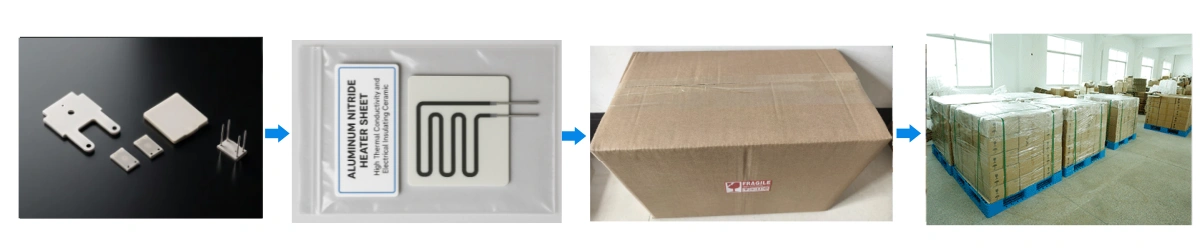

AlN Ceramic Heater Sheet Packaging

Aluminum Nitride Heater Sheet Applications

  • Vacuum & Process Equipment

    ✅Key Advantages

    1. High-uniformity vacuum stage heating with flat AlN heater sheets – Aluminum nitride heater sheets distribute heat across 100–200 mm process areas with reduced radial gradients, helping maintain uniform thermal processes in vacuum chambers.
    2. Compact heater integration in limited vertical space – Thin AlN ceramic heater plates fit into low-profile stage assemblies while still delivering sufficient power density for fast ramp requirements.
    3. Electrically insulated heater mounting on grounded structures – The electrically insulating aluminum nitride heater sheet allows high-voltage or high-current operation while the mounting frame remains grounded.

    ✅ Problem Solved

    A European vacuum coating equipment builder used metal heater blocks that produced more than 15 °C center-to-edge variation on a 150 mm stage at 300 °C. After switching to a 150 mm aluminum nitride heater sheet with optimized resistive pattern, the temperature variation was reduced to within 4 °C while ramp time to setpoint decreased by approximately 25%. The result was a measurable reduction in process rework rates and improved throughput in multi-chamber tools without changing the overall chamber footprint.

  • Analytical Instruments & Material Testing

    ✅Key Advantages

    1. Stable sample platform heating for thermal analysis stages – AlN heater sheets provide a flat, high conductivity base for DSC, TGA and in-situ X-ray stages, improving temperature repeatability across multiple test cycles.
    2. Reduced thermal lag between heater and sample – Thin aluminum nitride heater plates with short heat paths minimise delay between controller commands and actual sample temperature response.
    3. Low thermal drift during long hold periods – The stable thermal properties of the AlN heater sheet help maintain temperature during extended soak segments in material characterization programs.

    ✅ Problem Solved

    A mid-size analytical instrument manufacturer reported sample-to-sample temperature offsets of up to 8 °C at 500 °C when using a thicker metal base heater design. By redesigning the hot stage around a 90 × 90 mm aluminum nitride heater sheet, with integrated RTD near the sample region, the offset was reduced to within 2 °C over repeated runs. Calibration frequency was extended, field support cases linked to drift decreased, and the instrument specification could be tightened without major changes to the external design.

  • Battery & Energy Technology Equipment

    ✅Key Advantages

    1. Localized heating for cell and module test fixtures– Aluminum nitride heater sheets can be segmented to provide independent heating zones under different regions of battery modules or solid-state stacks.
    2. High-cycle durability for repeated charge-discharge tests– The ceramic heater sheet structure tolerates frequent thermal cycling associated with accelerated life test profiles.
    3. Clean, low-outgassing heating surfaces– AlN heater plates provide a low contamination surface for thermal management in controlled atmosphere chambers used for energy materials.

    ✅ Problem Solved

    A battery test system integrator needed a compact heater platform to run several thousand charge-discharge cycles between 25 °C and 120 °C on prototype modules. Traditional metal heater blocks exhibited uneven heating across the module footprint and required frequent replacement after extended cycling. Using a segmented aluminum nitride heater sheet under the module, with zones matched to cell groupings, allowed tighter temperature control within ±3 °C across the test area and extended heater lifetime over multiple thousand cycles. The improved thermal uniformity also simplified the correlation between test benches and field performance data.

AlN Heater Sheet Usage Instructions

  • Installation

    1. Verify that the mounting surface is flat, clean and free of sharp edges before installing the aluminum nitride heater sheet.
    2. Use the specified mounting holes or clamp regions indicated in the drawing; avoid applying point loads directly on active heating areas.
    3. Apply a suitable thermal interface material only where recommended, and in a thin, uniform layer to avoid creating local insulation pockets.
    4. Route power and sensor leads along defined paths to prevent mechanical stress on pads and to minimize electromagnetic interference.

  • Operation

    1. Ramp the heater sheet temperature within the recommended rate specified for the design to limit thermal shock to the AlN ceramic and metallization.
    2. Monitor actual temperature using the integrated sensor or a calibrated reference at the heated surface instead of relying solely on controller output.
    3. Operate the aluminum nitride heater sheet within its specified maximum surface temperature and power density to maintain long-term stability.
    4. Avoid operating the heater sheet without proper thermal load or contact, since this can lead to localized overheating and reduced lifetime.

  • Storage

    1. Store aluminum nitride heater sheets in their original trays or protective packaging in a dry, dust-free environment.
    2. Avoid stacking heavy items on top of packaged heater plates to prevent mechanical stress and chipping.
    3. Keep heater sheets away from corrosive atmospheres or liquids that could attack metallization or connectors during long-term storage.

  • Cleaning

    1. Clean the ceramic surface of the heater sheet with lint-free wipes and suitable solvents recommended for the process environment.
    2. Do not use abrasive pads or aggressive mechanical scrubbing over metallized areas and sensor pads.
    3. Allow the heater plate to dry completely before installation or power-up to avoid electrical tracking or outgassing.

  • Common misuse and corrective actions

    1. Over-tightened clamps causing cracks in the aluminum nitride heater sheet
    – Symptom: visible cracks or sudden heater failure after installation.
    – Action: reduce clamp force, use compliant pads in the clamp area, and confine clamping to the non-active border region defined in the drawing.

    2. Running the AlN heater sheet at full power with no load
    – Symptom: local discoloration around traces, resistance drift or open circuit.
    – Action: always verify that the heater plate is in proper thermal contact with the target surface or load before applying high power, and implement controller limits to restrict power in no-load conditions.

    3. Contaminants on the heater surface affecting test results
    – Symptom: unexpected residues on samples or drift in sensitive measurements.
    – Action: implement a routine cleaning procedure for the heater surface between runs and use protective liners where compatible with the process.

FAQ – Aluminum Nitride Heater Sheet

  1. Q: What size range can you supply for aluminum nitride heater sheets?
    A: Aluminum nitride heater sheets are typically available from small formats under 30 mm up to larger plates around 200 mm in edge length or diameter, with thickness most often between 1.0 mm and 3.0 mm depending on the design.
  2. Q: What power density can an aluminum nitride heater sheet support?
    A: The maximum power density for an aluminum nitride heater sheet depends on the trace design and cooling conditions, but values in the range of several watts per square centimeter are common for many AlN ceramic heater plates when used within their specified temperature limits.
  3. Q: Can the aluminum nitride heater sheet include integrated temperature sensors?
    A: Yes, the heater sheet design can reserve pads for attaching RTDs or thermocouples close to the heated area, or combine the aluminum nitride heater plate with separate sensor components placed in defined recesses or contact points.
  4. Q: How uniform is the temperature across an AlN ceramic heater sheet?
    A: Temperature uniformity on an aluminum nitride heater sheet depends on the power trace layout and mounting conditions; with appropriate design, the difference between the center and edge of the active area can be significantly reduced compared to metal heaters of similar size.
  5. Q: What is the typical lifetime of an aluminum nitride heater sheet?
    A: The lifetime of an AlN heater sheet is influenced by operating temperature, power density and thermal cycling; when used within recommended limits, it can withstand many thousands of cycles without significant change in resistance or surface condition.
  6. Q: Is the aluminum nitride heater sheet suitable for vacuum applications?
    A: The aluminum nitride heater sheet is often used in vacuum systems because the AlN ceramic and compatible metallization systems exhibit low outgassing, provided that connectors, leads and sealants are selected to match the vacuum requirements.
  7. Q: Can aluminum nitride heater sheets be customized for multi-zone control?
    A: Yes, a single aluminum nitride heater sheet can be divided into multiple independently driven zones through separate resistive circuits and connection pads, enabling different setpoints within one heater plate.
  8. Q: What information is needed to design a custom aluminum nitride heater sheet?
    A: To design a custom aluminum nitride heater sheet, it is helpful to provide target dimensions and thickness, desired operating temperature, power rating or power density, mounting scheme, sensor type and any constraints from the chamber or instrument layout.

Customer Reviews for Aluminum Nitride Heater Sheets

  • ⭐️⭐️⭐️⭐️⭐️
    We integrated the aluminum nitride heater sheet into a 160 mm process stage and saw more stable temperature profiles compared with our previous metal heater block. ADCERAX supported the transition with clear drawings, and the custom heater plate dropped into our existing chamber design without major changes.
    -- Michael R., Engineering Manager, NordTech Vacuum Systems
  • ⭐️⭐️⭐️⭐️⭐️
    For a new high-temperature analysis stage, the AlN ceramic heater plate from ADCERAX gave us the response time and flatness we needed. The heater sheet was supplied to a tight thickness tolerance, which simplified alignment of optics and sample fixtures.
    -- Laura P., Product Development Lead, Insight Thermal Instruments
  • ⭐️⭐️⭐️⭐️⭐️
    The aluminum nitride heater sheets we ordered were configured as multi-zone plates for battery module testing. The ability to specify power density and sensor locations allowed our team to fine-tune the thermal profile and reduce calibration time between stations.
    -- Kenji S., Technical Director, Aurora Test Solutions
  • ⭐️⭐️⭐️⭐️⭐️
    After switching to aluminum nitride heater sheets, our maintenance crew has reported fewer heater replacements over long production runs. The flat AlN heater plates provide more consistent heating in our compact vacuum tools and have helped reduce process variability.
    -- Daniel M., Operations Manager, ProLine Coating Equipment
customize size

Custom Aluminum Nitride Heater Sheet

  • Overall heater sheet outline: rectangular, square or circular shapes, including cut-outs and notches

  • Outer dimensions and thickness, with dimensional tolerances down to ±0.1 mm for critical interfaces

  • Maximum heater size (typical capability up to around 200 mm across, depending on design and process)

  • Power rating and power density in W/cm² for single-zone or multi-zone aluminum nitride heater sheets

  • Resistive trace pattern layout, including focused heating zones, guard rings and low-temperature mounting edges

  • Location and diameter of mounting holes, alignment holes and windows for optical or measurement access

  • Type and location of temperature sensors on the heater sheet, such as integrated RTD or thermocouple attachment pads

  • Metallization and resistive system: layout for thick film or printed resistive elements, with compatible connector pads

  • Surface finish of functional area: as-fired, ground or polished contact surfaces for improved thermal interfaces

Related Products

ADCERAX - Your Trusted Advanced Ceramics Manufacturing Partner

Direct factory manufacturing with comprehensive ceramic materials expertise and global supply capabilities

Direct Factory Manufacturing

China-based ceramic materials production facility with state-of-the-art equipment

Engineering Team

Experienced professionals in advanced ceramics applications and custom design

Quality Control

Strict quality control standards for technical ceramics manufacturing and quality management

Global Supply Chain

Serving customers worldwide with technical ceramics and rapid response

24/7 Technical Support

Round-the-clock support for ceramic components inquiries and technical assistance

500+ Satisfied Customers

Trusted by global customers for advanced ceramic materials and precision components

Get in touch with us

Our team will be happy to respond to you in less than 24 hours.

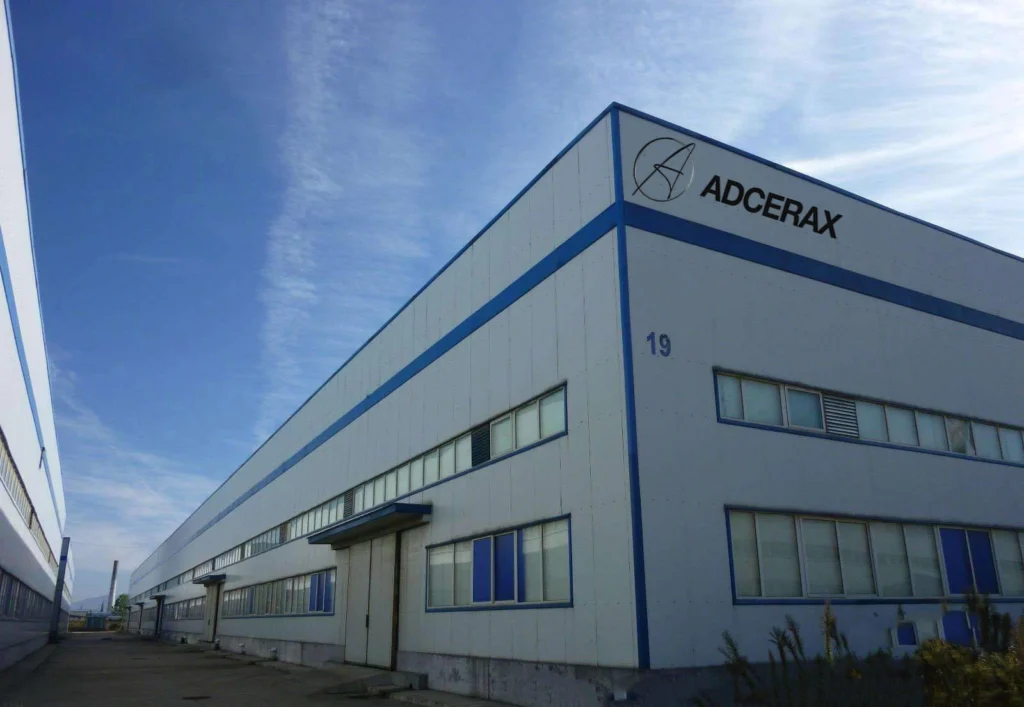
Adcerax's factory

Quick Quotation

*Our team will answer your inquiries within 24 hours.

*Your information will be kept strictly confidential.

Ready to Solve Your Engineering Challenge?

Partner with ADCERAX for reliable, high-performance advanced ceramic solutions. Our engineers are ready to discuss your project.

E-mail

info@adcerax.com

Phone

+(86) 0731-74427743 | WhatsApp: +(86) 19311583352

Response Time

Within 24 hours

Quick Quote

The more details you provide, the faster we can quote.

*We respond within 24 hours. All inquiries are confidential.

Download Catalog

Get Your Custom Sulution

The more details you provide, the faster we can respond.

customize size

*We respond within 24 hours. All inquiries are confidential.

Download Catalog