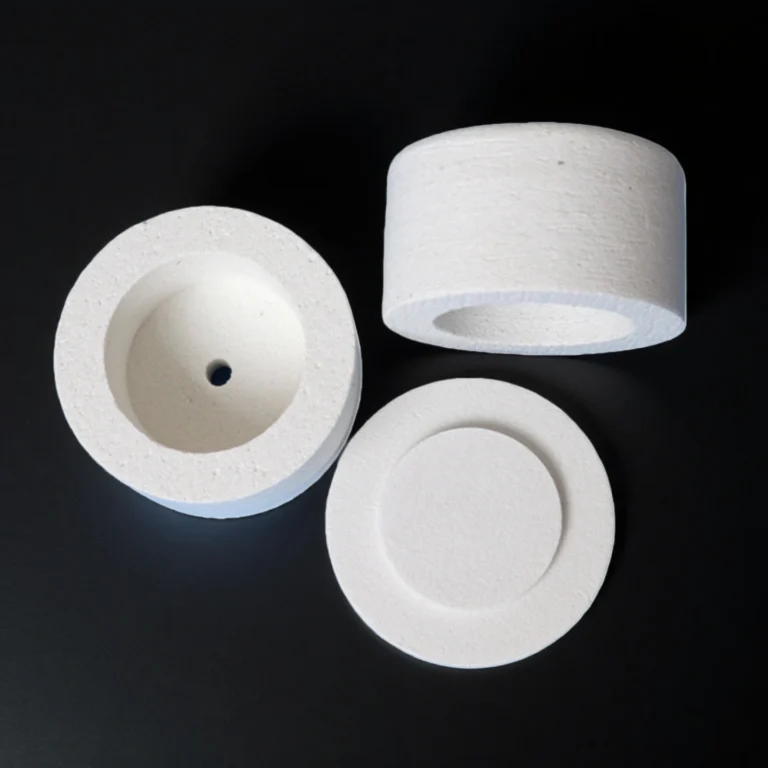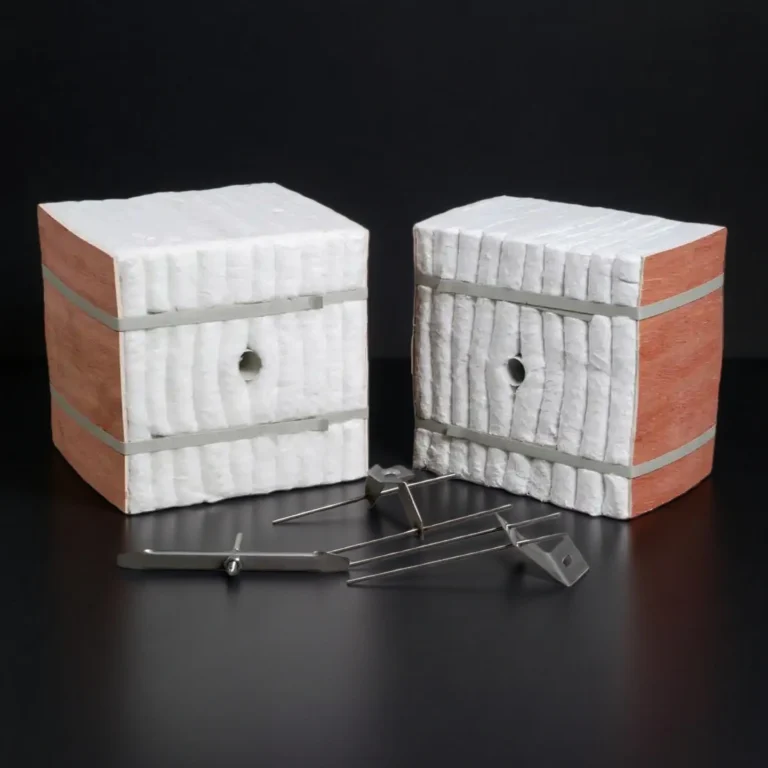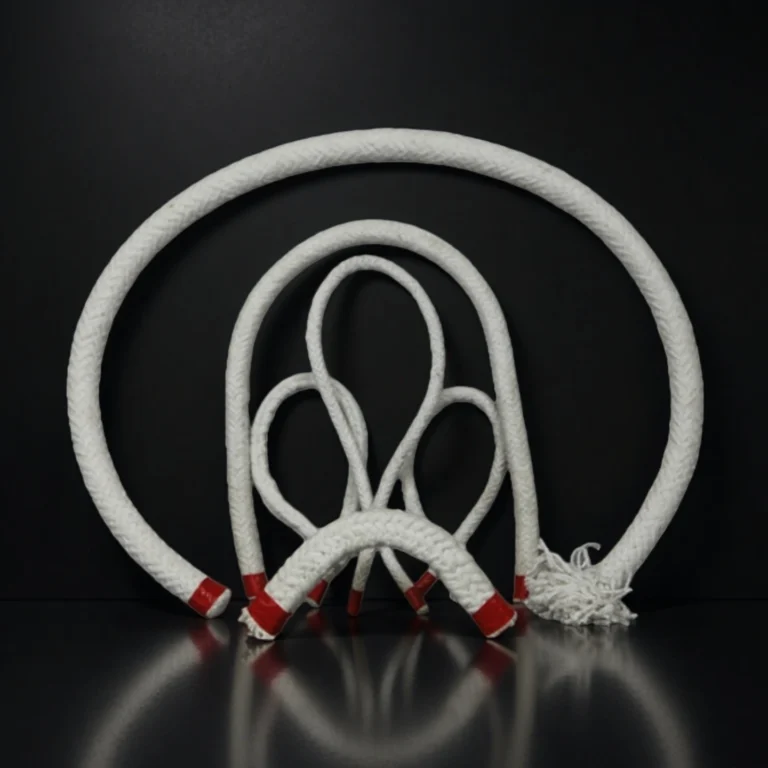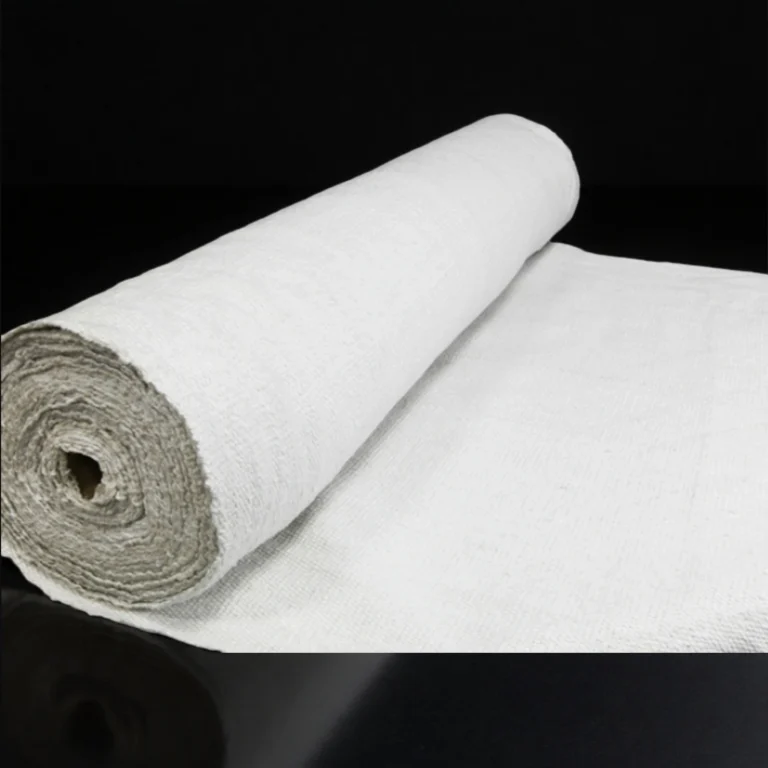
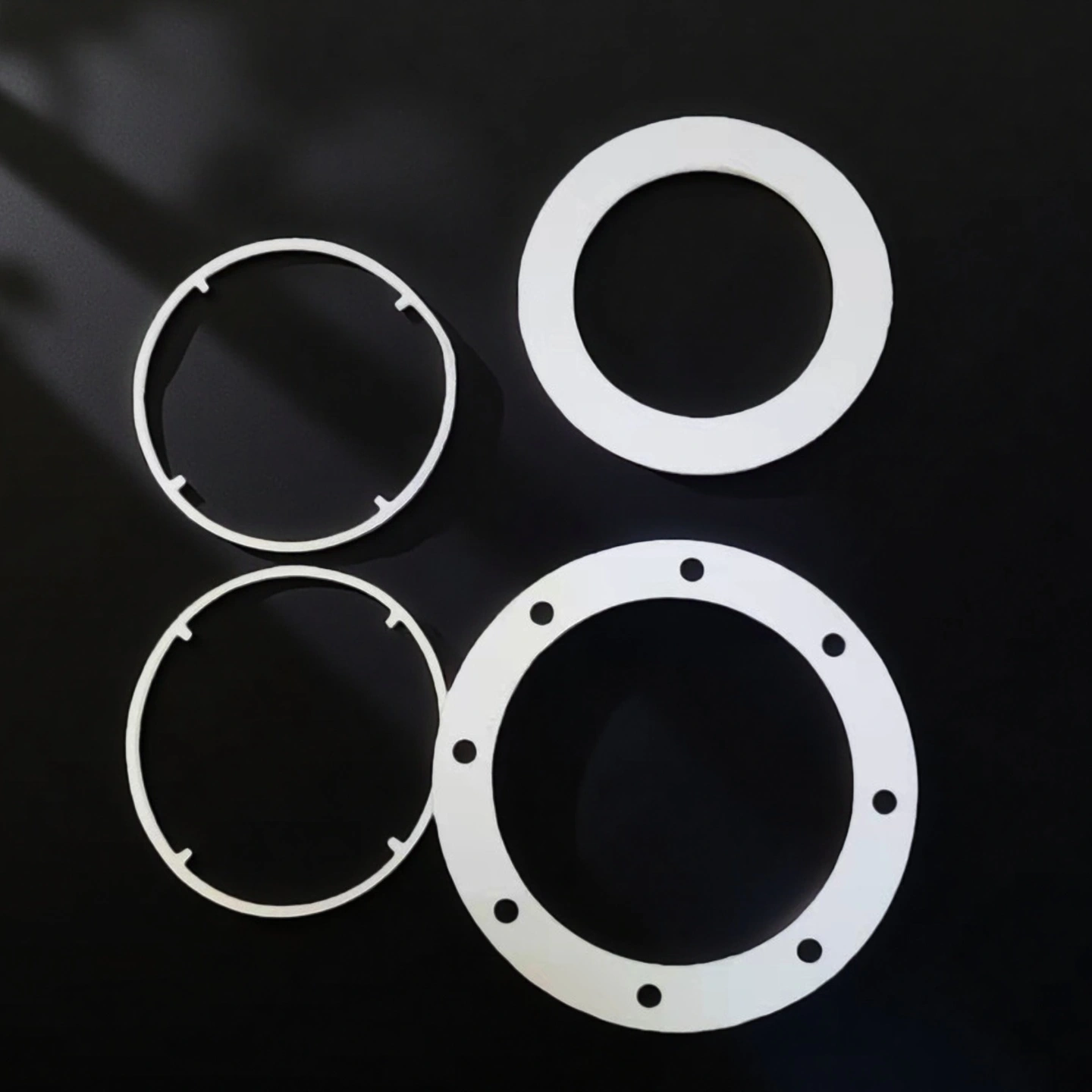
High Temperature Aluminum Silicate Ceramic Fiber Gasket 1100–1260°C

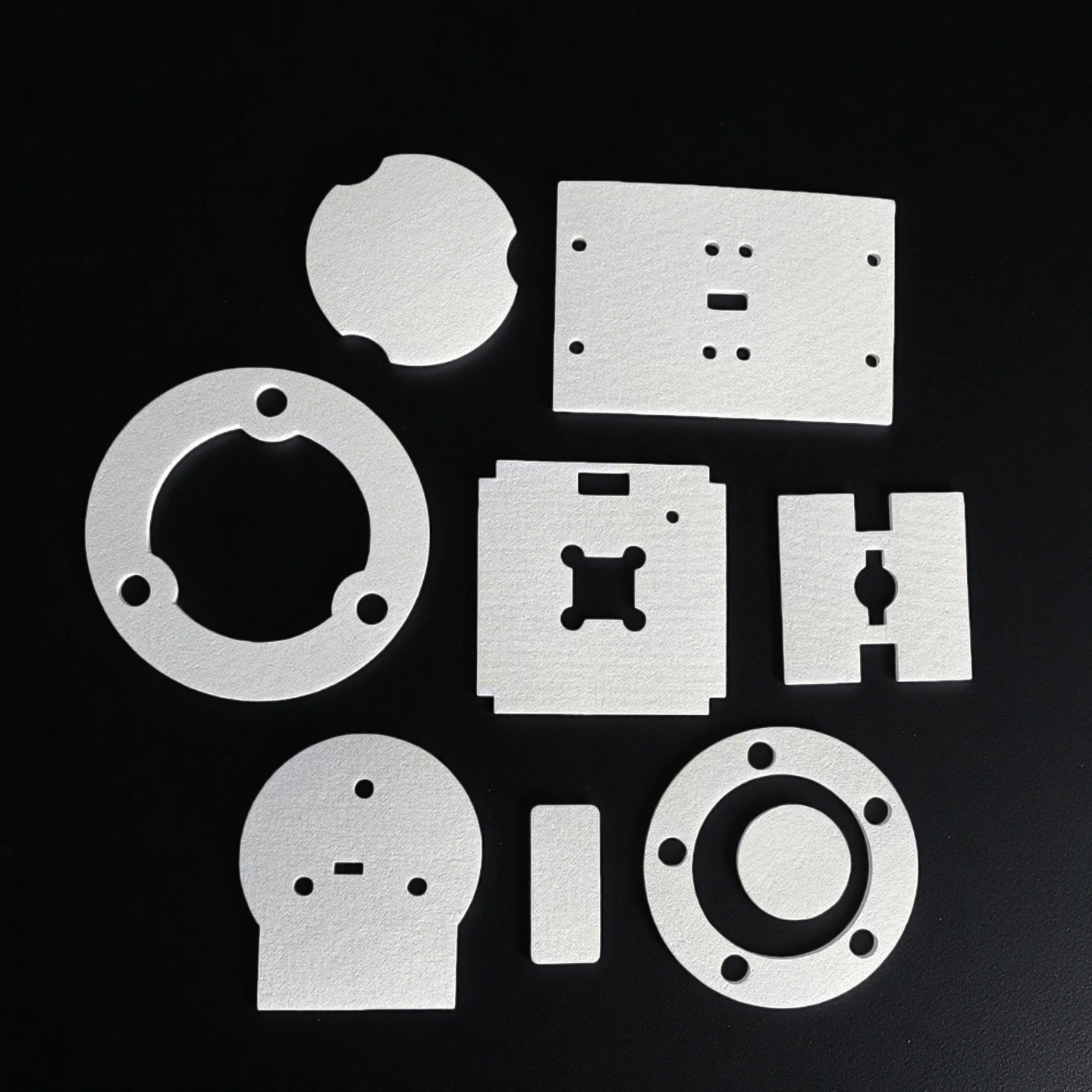
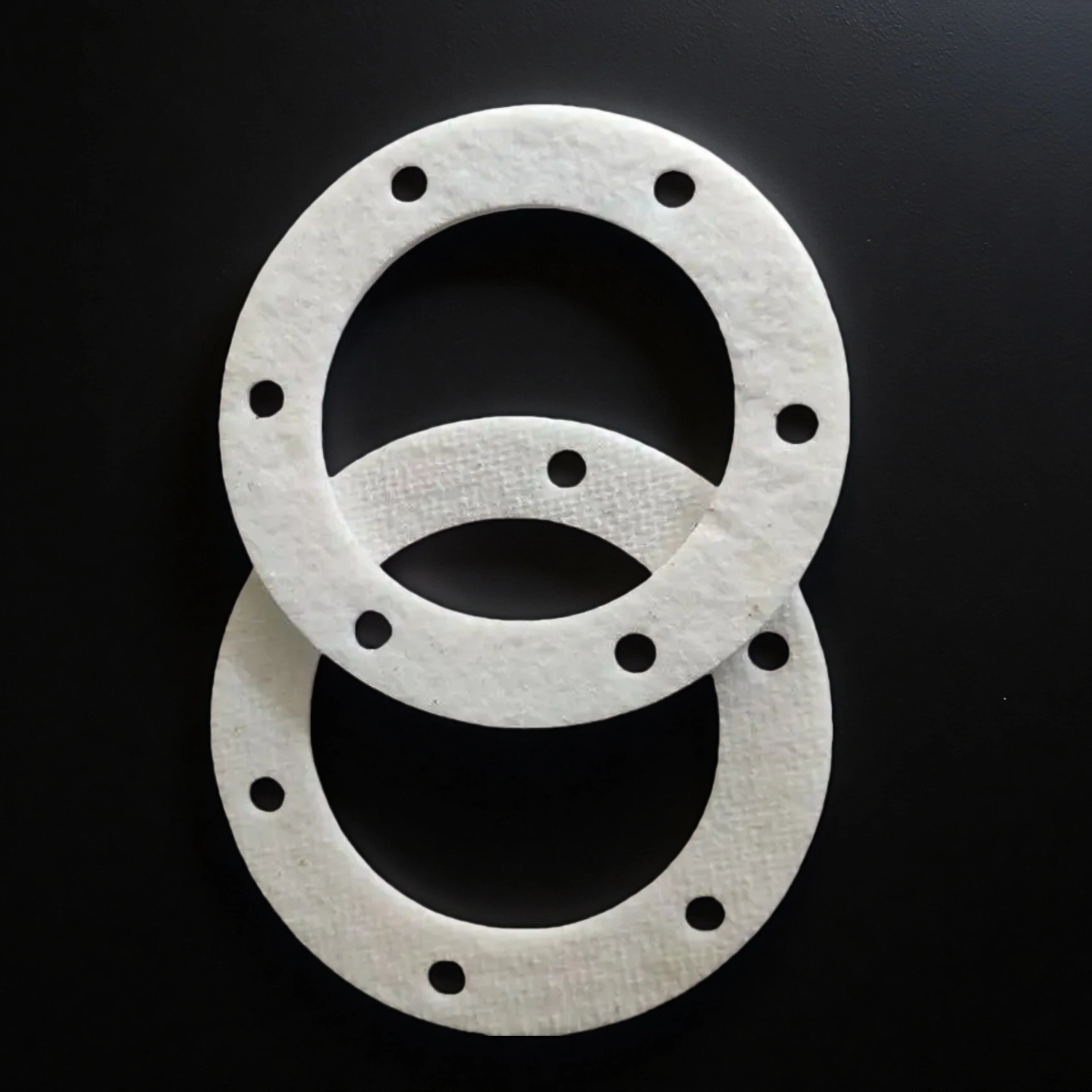
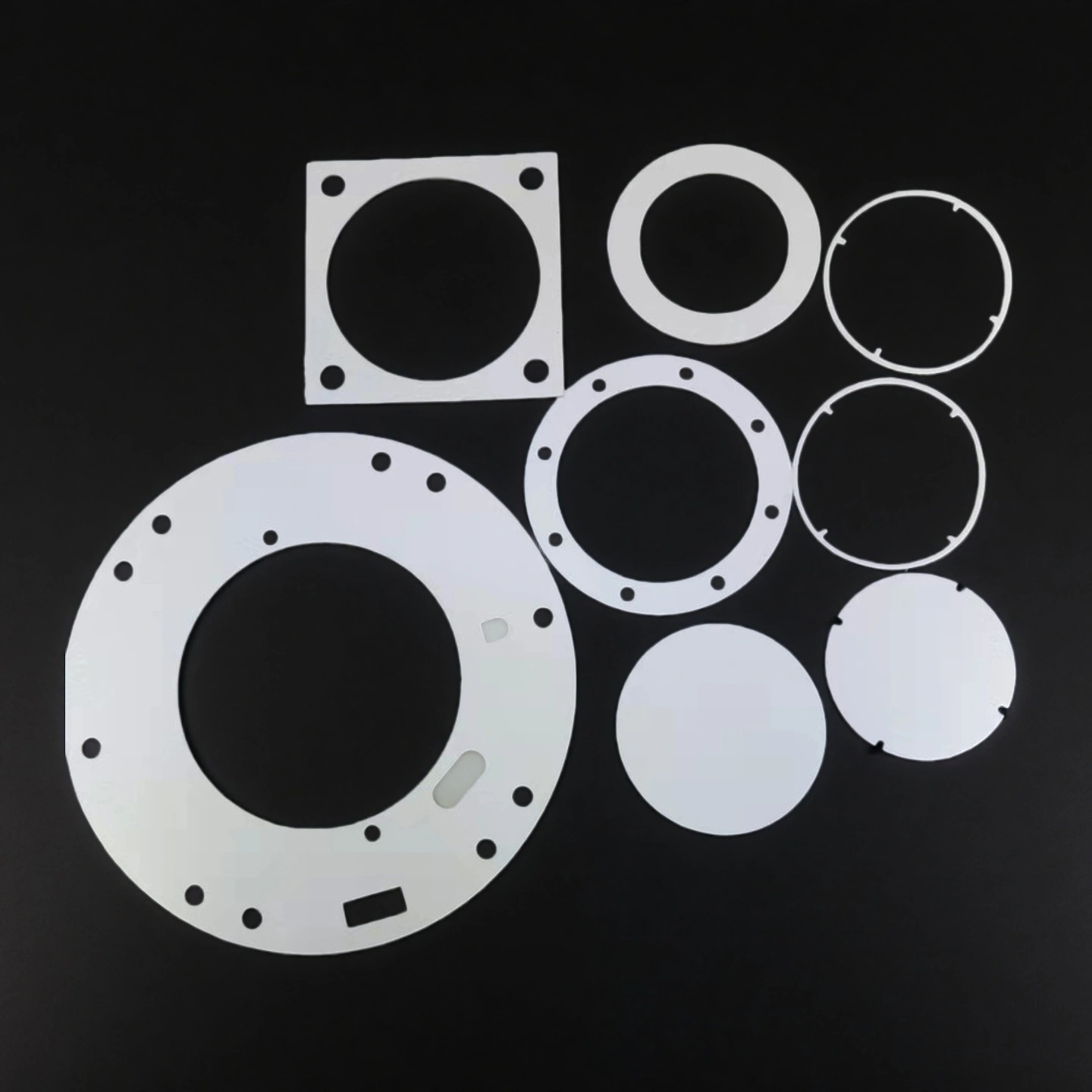
Aluminum silicate fiber gaskets are cut from ceramic fiber paper or board in thicknesses typically from 1 mm to 6 mm, with inner and outer diameters or strip widths customized to match boiler doors, burner tiles, inspection covers and duct flanges. Both standard sizes and fully custom shapes can be supplied according to drawings or samples.

Catalogue No. AT-GSL-DP1001
Material Al2O3+SiO₂
Classification Temperature 1100–1260 °C (2010–2300 °F)
Bulk density of base material 220–260 kg/m³ (approx. 14–16 lb/ft³)
Standard thickness range 1–6 mm (other thicknesses on request)
24H Standard Dispatch
Small Batch Support OEM
Factory Direct
Expert Engineering Support

Aluminum silicate fiber gasket is a high-temperature sealing and insulation component made from alumino-silicate (ceramic) fiber paper or board that has been cut or die-cut into specific shapes such as rings, frames, strips or custom profiles. This alumino-silicate ceramic fiber is a lightweight refractory material, typically with a classification temperature around 1100–1260 °C (≈2010–2300 °F), low thermal conductivity and good resistance to thermal shock, so the gasket can maintain a seal at elevated temperatures without collapsing or melting.


Aluminum Silicate Fiber Gasket Benefits

  • Stable high-temperature sealing
    Designed for continuous operation in the 800–1100 °C range with classification up to 1260 °C, suitable for furnace doors and burner surrounds.

  • Low thermal conductivity for energy saving
    The insulating aluminum silicate fiber structure reduces heat loss through doors and joints, supporting lower fuel consumption and more stable process temperature.

  • Flexible die-cut geometry
    Parts can be produced as rings, frames, multi-hole plates and complex profiles from board or paper stock, matching existing metalwork without design changes.

  • Clean, asbestos-free composition
    The ceramic fiber base contains no asbestos and is engineered for industrial high-temperature insulation and sealing applications.

  • Good compression and recovery
    The material compresses under bolt load to fill surface irregularities and maintains contact over multiple heat-up and cool-down cycles where metal parts move with thermal expansion.


Aluminum Silicate Fiber Gaskets Properties

Item General Grade Standard Grade High Purity Grade High Alumina Grade Zirconia-Containing Grade
Classification Temperature (°C) 1100 1260 1260 1360 1430
Service Temperature (°C) <1000 1050 1100 1200 1350
Color White Off-white Off-white Off-white Off-white
Bulk Density (kg/m³) 260–320 260–320 260–320 260–320 260–320
Permanent Linear Shrinkage (%) (24 h holding; based on 128 kg/m³) <2.5 (1000°C) <2.5 (1050°C) <2.5 (1100°C) <2.5 (1100°C) <2.5 (1350°C)
Thermal Conductivity (W/m·K) (bulk density 128 kg/m³) 0.085 (400°C) 0.085 (400°C) 0.085 (400°C) 0.085 (400°C) 0.085 (400°C)
0.132 ( 800°C) 0.132 ( 800°C) 0.132 ( 800°C) 0.132 ( 800°C) 0.132 ( 800°C)
0.180 (1000°C) 0.180 (1000°C) 0.180 (1000°C) 0.180 (1000°C)
Tensile Strength (MPa) (bulk density 128 kg/m³) 0.5 0.5 0.5 0.5 0.5
Chemical Composition (wt%)
Al₂O₃ 44 46 47–49 52–55 39–40
Al₂O₃ + SiO₂ 96 97 99 99
Al₂O₃ + SiO₂ + ZrO₂ 99
ZrO₂ 15–17
Fe₂O₃ <1.2 <1.0 0.2 0.2 0.2
Na₂O + K₂O ≤0.5 ≤0.5 0.2 0.2 0.2


Aluminum Silicate Ceramic Fiber Gaskets Specifications

Type 1: Round Aluminum Silicate Fiber Gasket
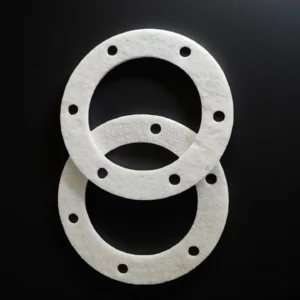
custom aluminum silicate fiber gaskets cut for flanges and burner blocks

Item Outer Dia *Inner Dia(mm) Thickness (mm) Operating Temperature(°c)
AT-GSL-DP1001 107*61 1-10 1260
AT-GSL-DP1002 115*65 3 1260
AT-GSL-DP1003 115*95 3 1260
AT-GSL-DP1004 115*99 3 1260
AT-GSL-DP1005 155*95 3 1260
AT-GSL-DP1006 178*100 1-10 1260
AT-GSL-DP1007 208*188 1-10 1260
AT-GSL-DP1008 230*70 1-10 1260
AT-GSL-DP1009 210*150 1-10 1260
AT-GSL-DP1010 360*420 1-10 1260
AT-GSL-DP1011 460*230 1-10 1260
AT-GSL-DP1012 1220*610 1-10 1260


Type 2: Square Aluminum Silicate Fiber Gasket
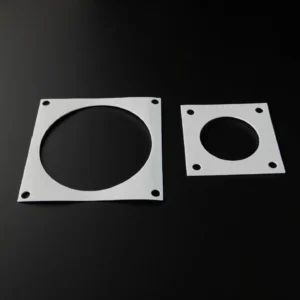
Square Aluminum Silicate Fiber Gasket

Item Length *Width (mm) Thickness (mm) Operating Temperature(°C)
AT-GSL-DP2001 61*61 1-10 1260
AT-GSL-DP2002 1220*610 1-10 1260


Aluminum Silicate Fiber Gaskets Packaging

  • Gaskets are wrapped in moisture-resistant inner bags or paper to minimize dust and protect edges during transport.
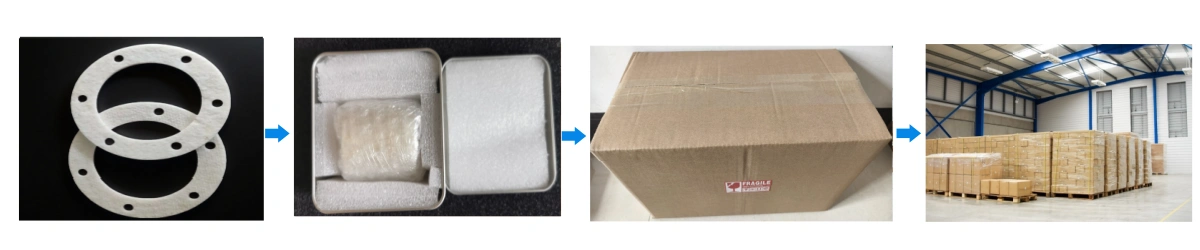

Aluminum Silicate Fiber Gaskets Packaging

Application Scenarios – Aluminum Silicate Fiber Gasket Uses

  • Aluminum Silicate Fiber Gasket in Industrial Boilers and Burners

    ✅Key Advantages

    1. High-temperature door and manway sealing
    Aluminum silicate fiber gaskets maintain sealing performance around boiler doors and inspection hatches in the 800–1100 °C operating range, reducing flue gas leakage.

    2. Reduced heat loss at openings
    Low thermal conductivity across the gasket zone can cut local surface temperature and leakage heat, contributing to measurable fuel savings over a heating season.

    3. Support for planned maintenance
    Consistent gasket quality and defined tolerances simplify door alignment and reduce the time needed to change seals during scheduled outages.

    ✅ Problem Solved

    On a biomass boiler operating 6000 hours per year, even a small gap at the door can cause visible flame leakage and hot gas escape, forcing unplanned shutdowns and increasing fuel use. By replacing worn mineral fiber strips with aluminum silicate fiber gaskets shaped to the exact door contour, operators can stabilize combustion, reduce local surface temperatures and carry out door seal changes during planned maintenance intervals rather than emergency shutdowns. The result is fewer non-scheduled stops and more predictable annual operating hours.

  • Aluminum Silicate Fiber Gasket in Industrial Furnaces and Heat Treatment Lines

    ✅Key Advantages

    1. Stable furnace door sealing
    Aluminum silicate fiber gaskets support repeated opening and closing of heat treatment furnace doors while limiting hot air leakage and protecting steel frames.

    2. Improved temperature uniformity
    By reducing cold air ingress around door edges, the gaskets help maintain more consistent temperature zones, which supports uniform hardness and microstructure in treated parts.

    3. Compatibility with different furnace geometries
    Custom die-cut gaskets follow curved or stepped door outlines and can include multi-hole patterns for fixing and instrument ports.

    ✅ Problem Solved

    In a continuous heat treatment line, small temperature deviations of 10–20 °C near the door region may lead to rework or scrapped batches. After fitting door outlines with custom aluminum silicate fiber gaskets cut from defined thickness board, temperature mapping shows reduced edge temperature deviation and more stable soak conditions. This allows the plant to maintain throughput while lowering the risk of repeat runs and associated energy consumption.

  • Aluminum Silicate Fiber Gasket in Waste Incineration and Environmental Systems

    ✅  Key Advantages

    1. Sealing of access covers and view ports
    Aluminum silicate fiber gaskets provide flexible sealing around inspection covers, view windows and sampling ports in incinerator and flue gas systems operating at elevated temperature.

    2. Support for emission control
    Effective sealing at doors and hatches limits raw gas escape and helps the gas-cleaning system operate at the designed flow and temperature.

    3. Service under thermal cycling
    Gaskets withstand frequent thermal cycles during start-up and shutdown, maintaining contact despite expansion and contraction of steel structures.

    ✅  Problem Solved

    A waste-to-energy plant with frequent start-stop cycles experienced visible fume leakage at several access doors, complicating local working conditions and inspections. After replacing aged packing with aluminum silicate fiber gaskets cut to the current door flange pattern, leakage was significantly reduced, door closing forces became more uniform, and inspection windows could be sealed again without additional sealing paste. This improved local air quality and made periodic inspections easier to schedule.


Usage Guide – Aluminum Silicate Fiber Gasket Installation and Maintenance

  • Installation

    1. Check that the contact surfaces of doors, flanges and frames are clean, dry and free of sharp burrs before placing the aluminum silicate fiber gasket.
    2. Align the gasket with bolt holes or locating pins and avoid stretching or folding the material while positioning.
    3. Tighten bolts or clamps in a cross pattern in several steps to compress the gasket evenly across the sealing surface.
    4. For adhesive-backed gaskets, apply to the fixed side first (door leaf or frame), press along the full length and allow the adhesive to bond before closing the door fully.

  • Operation

    1. After the first heat-up cycle, check bolt torque or clamp force and make small adjustments if necessary to compensate for initial compression.
    2. During routine inspections, look for signs of edge erosion, excessive dusting or clear imprint loss that may indicate the need for replacement.
    3. Avoid slamming doors or applying point impacts to the gasket area, as this may damage the fiber structure and reduce sealing performance.

  • Storage

    1. Store aluminum silicate fiber gaskets in closed cartons in a dry, ventilated area away from water, oil and direct sunlight.
    2. Keep products flat or supported to avoid permanent bending of large frames or strips.
    3. Do not place heavy objects on packed gaskets to prevent unwanted compression before installation.

  • Cleaning

    1. When removing old gaskets, use soft brushes or vacuum equipment with proper filtration to collect loose dust from the seating surfaces.
    2. Do not use high-pressure water on unprotected ceramic fiber surfaces inside the equipment, as this can introduce moisture and residues.
    3. For gasket stock in the workshop, clean dust from surfaces with a dry cloth or low-pressure air in a controlled area.

  • Common Misuse Points and Fixes

    1. Over-tightening bolts
    Problem: Excessive compression may crush the aluminum silicate fiber gasket and reduce recovery, shortening service life.
    Fix: Use recommended torque ranges for the flange or door design and tighten in multiple small steps rather than a single large adjustment.

    2. Re-using heavily compressed gaskets
    Problem: Re-used gaskets may no longer fill surface irregularities, leading to local leakage and hot spots.
    Fix: Replace the aluminum silicate fiber gasket whenever it shows visible damage, deep compression marks or loss of elasticity after disassembly.

    3. Using the wrong temperature or thickness grade
    Problem: A gasket with insufficient classification temperature or incorrect thickness may shrink or crack under service conditions.
    Fix: Confirm expected metal temperature and required compression range when selecting the aluminum silicate fiber gasket, and coordinate with the supplier on grade and thickness selection.

FAQ – Aluminum Silicate Ceramic Fiber Gasket

  1. Q: What temperature can an aluminum silicate fiber gasket withstand?
    A: Typical aluminum silicate fiber gaskets are based on materials with classification temperatures of 1100–1260 °C; the recommended continuous metal temperature at the gasket contact zone is usually lower and should be selected according to the specific grade.
  2. Q: Where are aluminum silicate fiber gaskets most often used?
    A: They are commonly used for boiler door gaskets, burner block seals, inspection hatch gaskets, furnace door frames, incinerator access covers and low-pressure hot gas duct flanges.
  3. Q: Can aluminum silicate fiber gaskets replace graphite or rubber gaskets?
    A: For low-pressure, high-temperature applications where insulation and thermal shock resistance are important, aluminum silicate fiber gaskets can be an alternative to graphite or elastomer gaskets. For high-pressure pipelines or liquid media, other gasket types are generally preferred.
  4. Q: What shapes are available for aluminum silicate fiber gaskets?
    A: Standard forms include rings, rectangular frames, strips, simple plates and multi-hole patterns for flanges and doors. Custom outlines and internal cut-outs can be produced from drawings or CAD files.
  5. Q: Can aluminum silicate fiber gaskets be cut on site?
    A: Thin aluminum silicate fiber paper gaskets can be trimmed on site with suitable cutting tools for emergency adjustments, but factory-cut parts provide better repeatability and cleaner edges for long-term use.
  6. Q: How long does an aluminum silicate fiber gasket typically last in service?
    A: Service life depends on temperature, cycling frequency, mechanical load and how often doors are opened. Under stable operating conditions, gaskets can often be kept until the next scheduled maintenance or major outage when doors are opened and inspected.

Customer Reviews – Aluminum Silicate Fiber Gasket

  • ⭐️⭐️⭐️⭐️⭐️
    Our furnace OEM required custom-shaped aluminum silicate fiber gaskets with a complex hole pattern. Working directly with the ADCERAX factory, we were able to match the drawing tolerances and receive pre-packed gasket sets per furnace, which simplified our installation work.
    -- Laura Kim, Procurement Engineer, ADCERAX Industrial Ceramics Customer, South Korea
  • ⭐️⭐️⭐️⭐️⭐️
    We use aluminum silicate fiber gaskets on several heat treatment furnace doors. The combination of defined thickness, stable compression and clean cut edges has helped to keep door adjustments within a narrow range across different units.
    -- Daniel Ruiz, Operations Supervisor, Thermal Process Equipment OEM
  • ⭐️⭐️⭐️⭐️⭐️
    Our customers often need small batches of custom ceramic fiber gaskets for repairs. By sourcing aluminum silicate fiber gaskets in mixed sizes from an OEM-focused supplier, we can respond quickly to enquiries while keeping our own stock structure under control.
    -- Sophie Meyer, Purchasing Manager, Regional Refractory and Insulation Distributor
  • ⭐️⭐️⭐️⭐️⭐️
    We switched the main boiler door seals to aluminum silicate fiber gaskets and matched them to our existing door frames. The new gaskets compress evenly, doors close more consistently and we have seen fewer hot spots around the access area during inspections.
    -- Michael Turner, Maintenance Manager, NorthRiver Biomass Power Plant
customize size

Custom Aluminum Silicate Ceramic Fiber Gaskets

We supply custom aluminum silicate fiber gaskets according to customer drawings, samples or equipment outlines, covering both new OEM designs and retrofit replacement parts.

  • Ring and frame dimensions: Inner/outer diameters for ring gaskets (ID/OD), rectangular or stepped frames, continuous strips with fixed widths.

  • Linear sizes & overall outline: Overall length, width, perimeter profile, straight or curved edges, matching existing doors, burner tiles or flange contours.

  • Thickness range & tolerances: Thickness from 1–6 mm, with optional tighter tolerances depending on part size (typical ±0.3–0.5 mm; finer ranges available for small gaskets).

  • Material grade selection: Alumino-silicate paper or board; standard density, mid-density, or higher-density grades for better compression resistance.

  • Temperature class: Classification temperature options such as 1100°C or 1260°C, aligned with actual metal temperature at the seal.

  • Gasket geometry options: Closed rings, open-ring segments, rectangular frames, multi-layer laminations, stepped outlines, split-ring designs for easier installation.

  • Bolt hole pattern details: Number of holes, hole diameter, centre distance, pitch circle diameter (PCD), elongated slot orientation, asymmetric hole layouts.

  • Corner configurations: Sharp 90°, rounded radii, chamfered corners, or reinforced corners to improve sealing in high-wear areas.

  • Edge finishing: Raw cut edges, trimmed edges, smoothed edges for better sealing contact, or reinforced edges for repeated door cycles.

  • Surface options: Plain surface, one-sided adhesive backing, one-side coated/facing layer, identification marks, or anti-stick surface for easy removal.

  • Part marking: Engraved, printed or stamped part number, orientation arrows, batch code, or installation side marking.

  • Gasket set configurations: Single parts, matched left/right door sets, burner block kits, flange sets, or multi-piece kits organized per equipment number.

Related Products

ADCERAX - Your Trusted Advanced Ceramics Manufacturing Partner

Direct factory manufacturing with comprehensive ceramic materials expertise and global supply capabilities

Direct Factory Manufacturing

China-based ceramic materials production facility with state-of-the-art equipment

Engineering Team

Experienced professionals in advanced ceramics applications and custom design

Quality Control

Strict quality control standards for technical ceramics manufacturing and quality management

Global Supply Chain

Serving customers worldwide with technical ceramics and rapid response

24/7 Technical Support

Round-the-clock support for ceramic components inquiries and technical assistance

500+ Satisfied Customers

Trusted by global customers for advanced ceramic materials and precision components

Get in touch with us

Our team will be happy to respond to you in less than 24 hours.

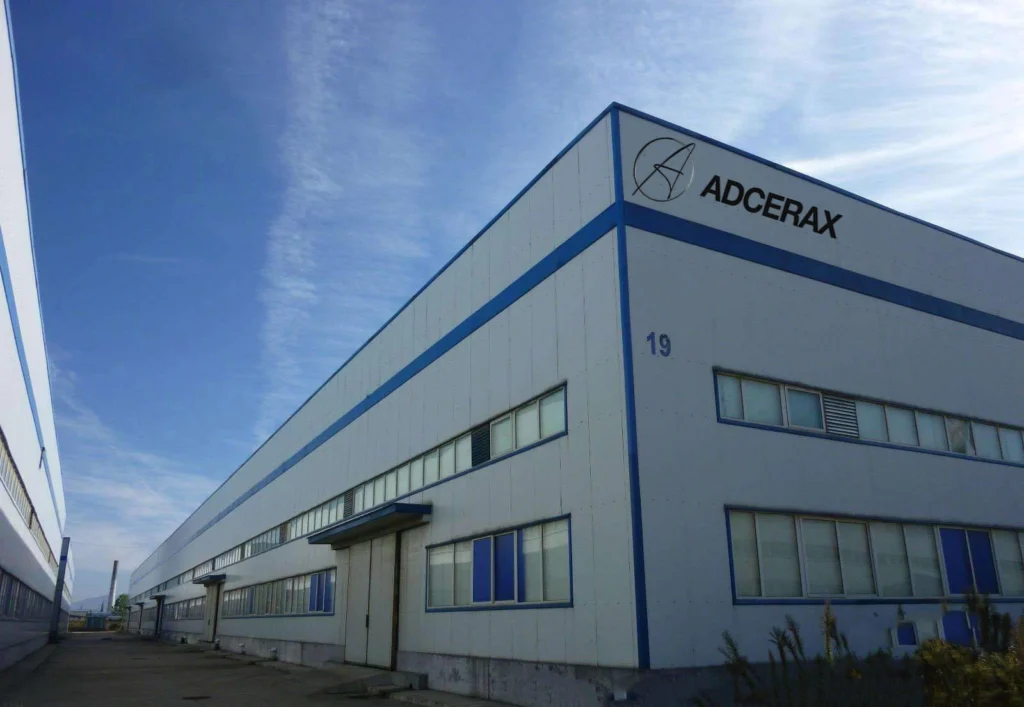
Adcerax's factory

Quick Quotation

*Our team will answer your inquiries within 24 hours.

*Your information will be kept strictly confidential.

Ready to Solve Your Engineering Challenge?

Partner with ADCERAX for reliable, high-performance advanced ceramic solutions. Our engineers are ready to discuss your project.

E-mail

info@adcerax.com

Phone

+(86) 0731-74427743 | WhatsApp: +(86) 19311583352

Response Time

Within 24 hours

Quick Quote

The more details you provide, the faster we can quote.

*We respond within 24 hours. All inquiries are confidential.

Download Catalog

Get Your Custom Sulution

The more details you provide, the faster we can respond.

customize size

*We respond within 24 hours. All inquiries are confidential.

Download Catalog