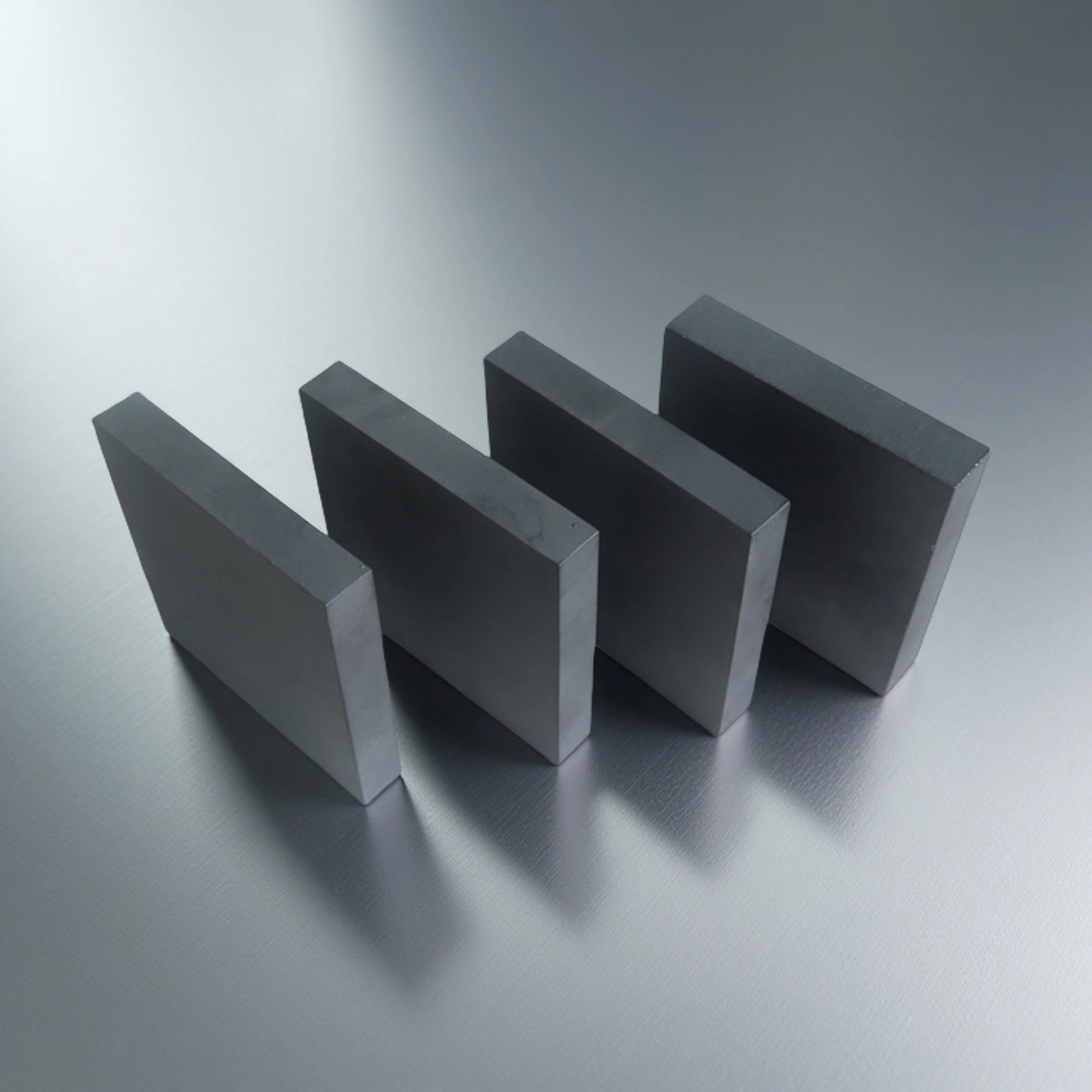
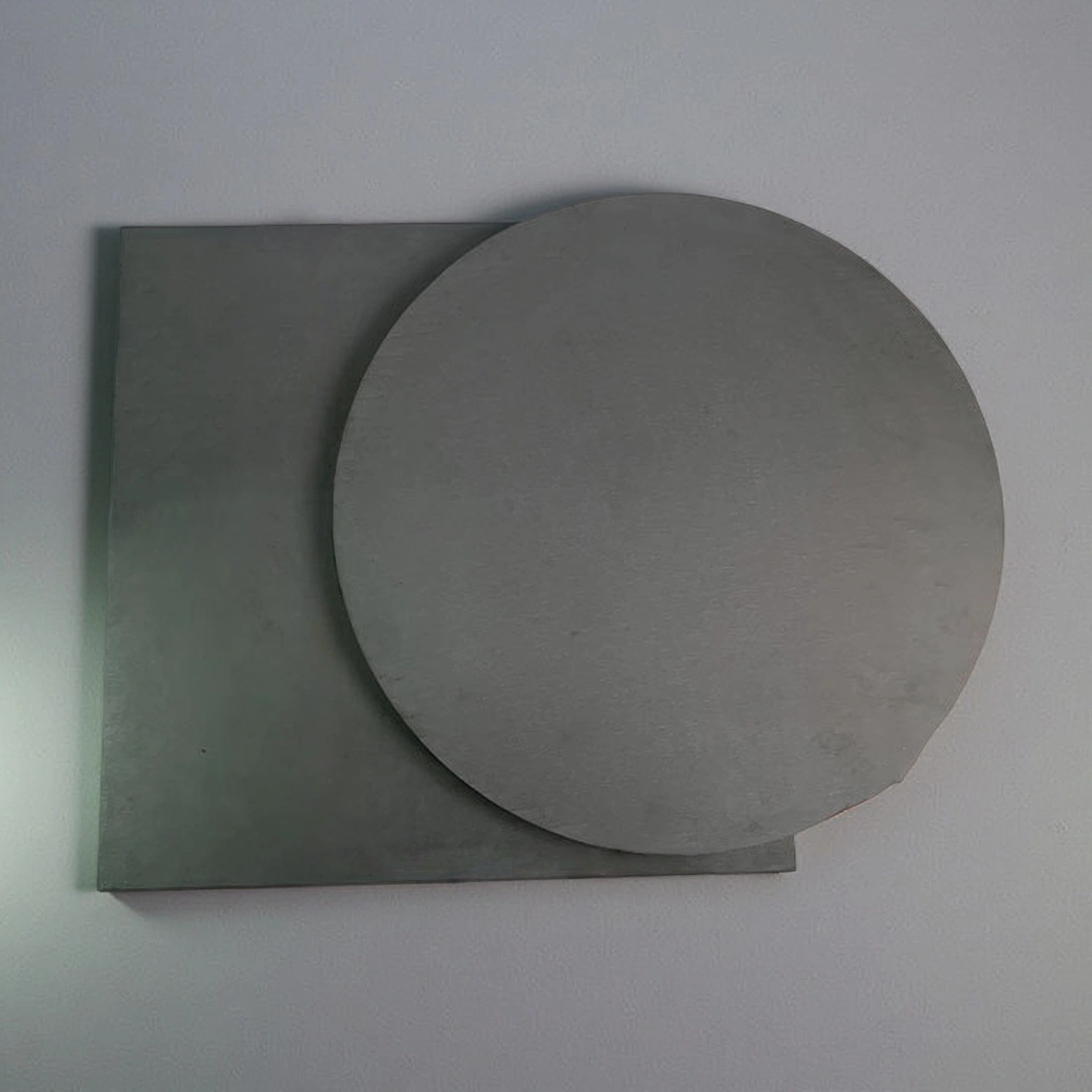
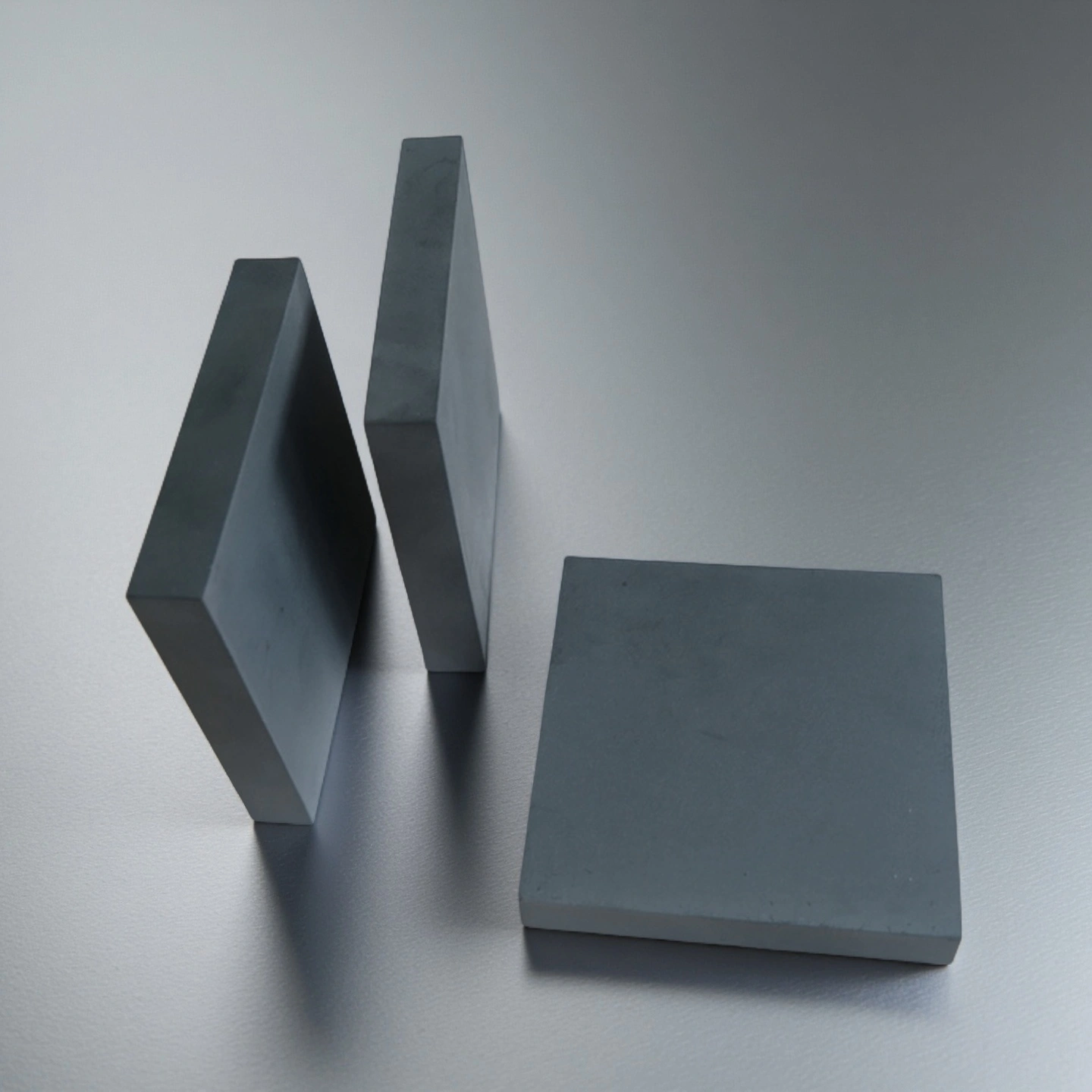
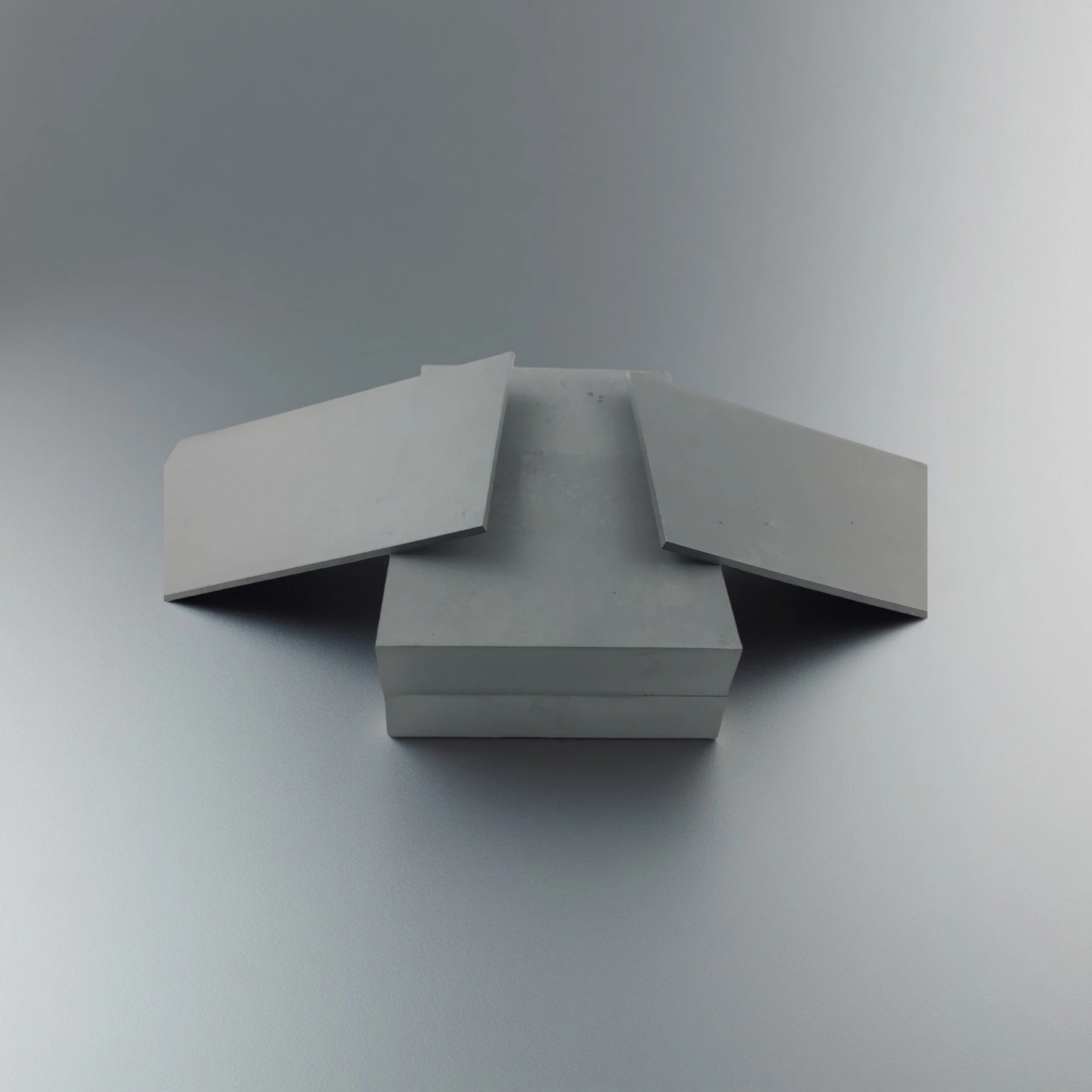
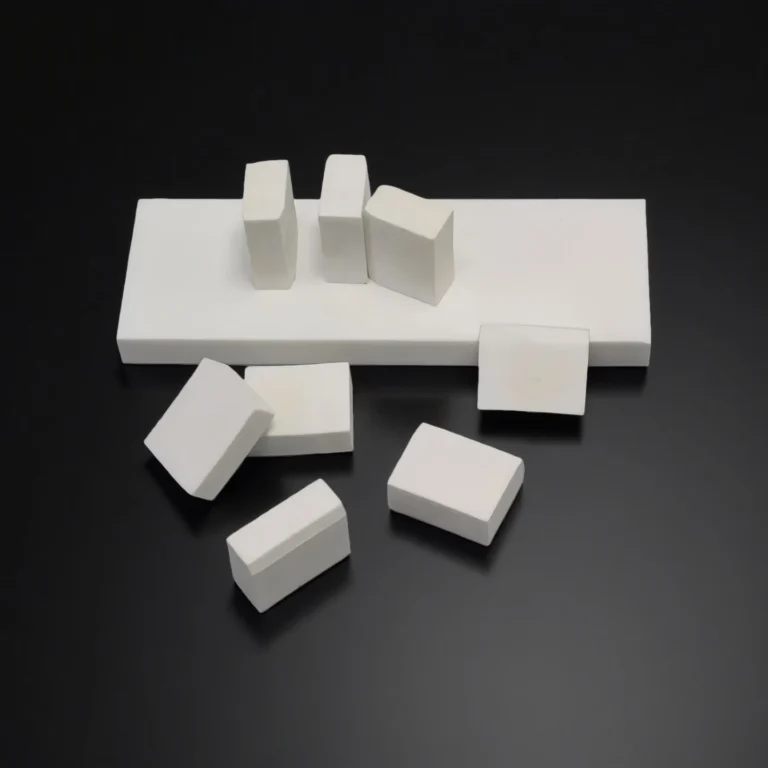
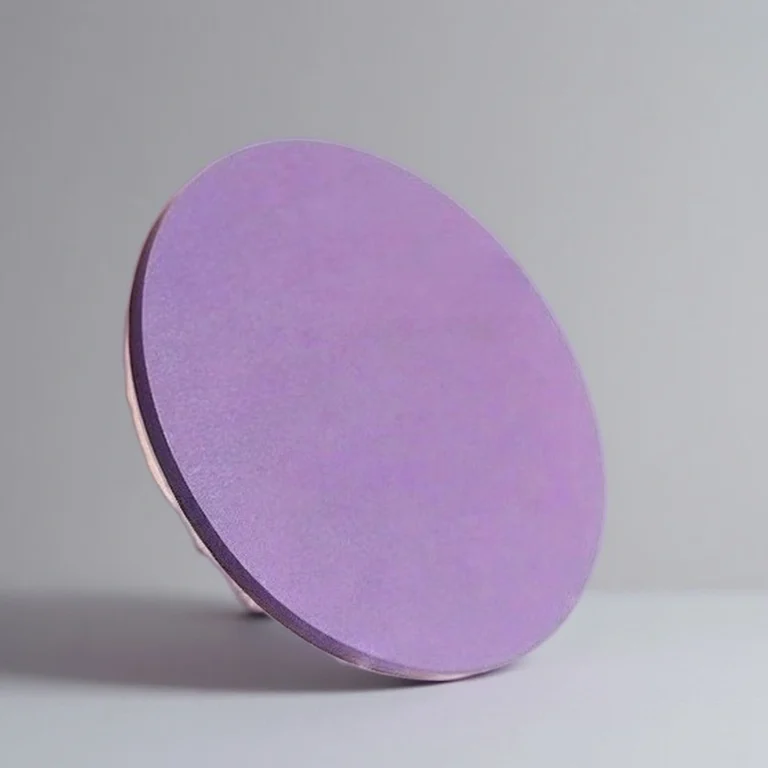
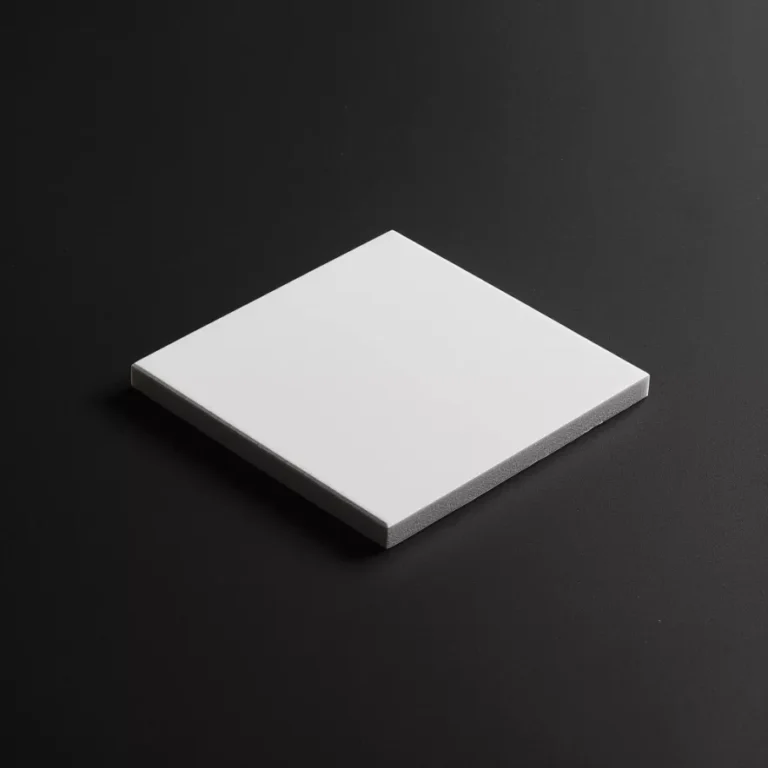
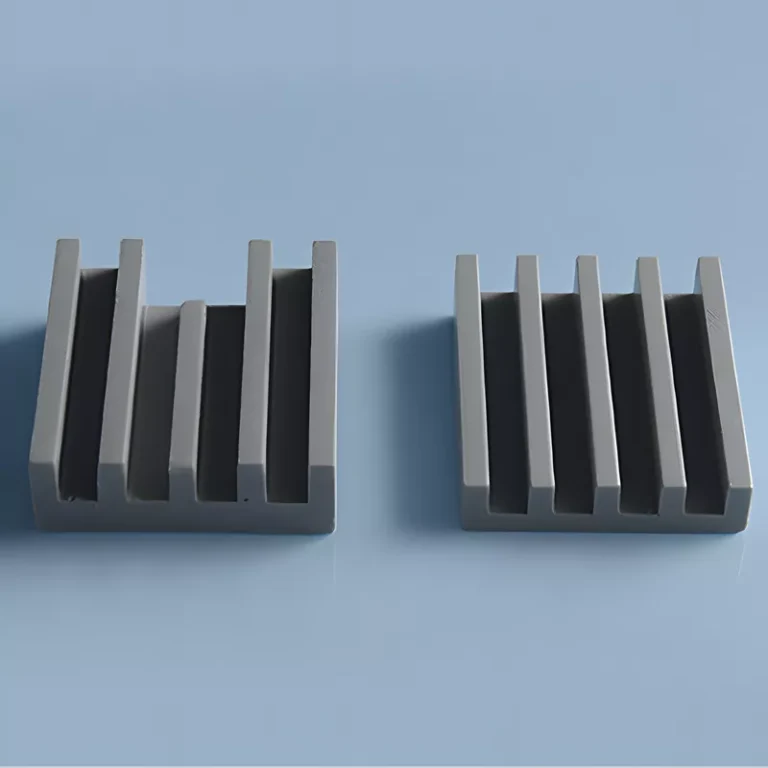
ADCERAX supplies boron carbide plates in standard and custom formats for neutron shielding (reactor labs, beamlines, containers) and industrial wear protection (abrasive, corrosive media). Typical thickness 2–25 mm, density ≥ 2.48 g/cm³, with options for flat, curved, hex, trapezoid and hole machining for assembly.
Boron carbide plate is a solid, flat or curved component made from boron carbide (chemical formula B₄C) — one of the hardest known advanced ceramics, ranking just below diamond and cubic boron nitride in hardness. It combines exceptional mechanical strength, low density, and chemical stability, making it ideal for neutron absorption, radiation shielding, and industrial wear protection applications.
Boron Carbide Plates Advantages
High hardness with low density: ~2.48 g/cm³ and ≥ 30 GPa hardness help achieve strong impact/erosion resistance at lower mass.
Neutron absorption capability: B-10 isotope enables efficient neutron capture for shielding and absorber modules.
Wear & chemical resistance: Suitable for abrasive slurries and corrosive streams; extends lining service life.
Geometry flexibility:Flat/curved/tiled layouts, drilled holes, chamfered edges, and bond-ready finishes.
Batch consistency:Controlled thickness tolerance and surface finish for repeatable installation.
Boron Carbide Plate Properties
B₄C Propertites
Hot Pressed Sintered B4C
Purity of B₄C
≥90
Flexture strength (MPa)
480
Elastic Modulus (GPa)
450
Poisson's ratio
0.21
Compressive strength (MPa)
2500
Hardness (GPa)
≥24
Fracture toughness (MPa*m1/2)
4
Maximum working temperature (℃)
1600
Thermal conductivity (W/m*K)
150
Thermal expansion coefficient (/℃)
4.4*10-6
Thermal shock resistance (ΔT ℃)
400
Specifications of Boron Carbide Plates
Type 1-Square B4C Plate
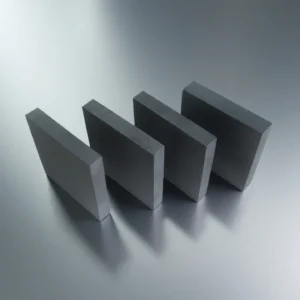
Item
Length*Width(mm)
Thickness(mm)
AT-BC-B1001
10*10
5
AT-BC-B1002
10*10
7
AT-BC-B1003
40*50
10
AT-BC-B1004
50*50
3
AT-BC-B1005
50*50
4
AT-BC-B1006
50*50
6
AT-BC-B1007
50*50
8
AT-BC-B1008
50*50
10
AT-BC-B1009
50*50
11
AT-BC-B1010
100*100
10
AT-BC-B1011
150*150
5
AT-BC-B1012
150*150
9
AT-BC-B1013
150*150
10
AT-BC-B1014
150*300
10
AT-BC-B1015
300*300
10
AT-BC-B1016
380*380
10
Type 2-Round B4C Plate
Item
Diameter(mm)
Thickness(mm)
AT-BC-B2001
10
5
AT-BC-B2002
20
5
AT-BC-B2003
22
4
AT-BC-B2004
51
5
AT-BC-B2005
100
5
AT-BC-B2006
100
10
AT-BC-B2007
150
5
AT-BC-B2008
150
10
AT-BC-B2009
380
10
Boron Carbide Ceramic Plates Packaging
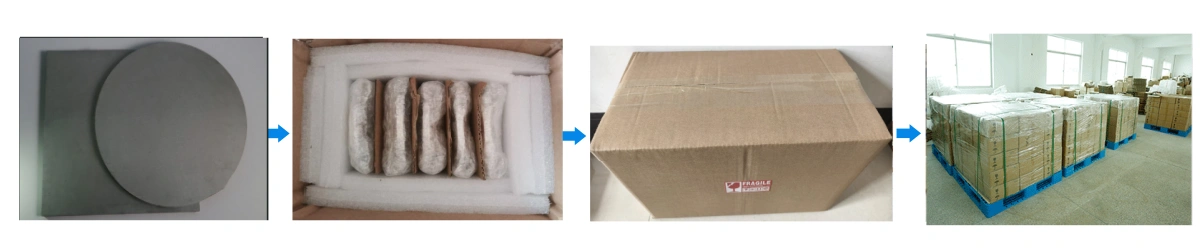
Each plate is wrapped with PE foam and placed in a plywood box with corner protection.
Boron Carbide Plate Applications
Chemical & Petrochemical Wear Protection
✅Key Advantages
1. Outstanding abrasion resistance against high-velocity slurry, catalysts, and particulates in pipelines and reactors.
2. Chemical inertness to acids, alkalis, and hydrocarbons—ideal for corrosive media and high-temperature reactors.
3. Precision-fit tiling (flat/hex/trapezoid) simplifies installation on curved vessels and ducts.
✅ Problem Solved
A petrochemical plant replaced stainless steel wear plates with boron carbide plates inside a catalyst transport pipeline. The change extended operational life from 6 months to over 3 years, reduced maintenance frequency by 70 %, and stabilized system throughput under abrasive slurry flow.
Industrial Wear/Abrasive & Corrosive Processing
✅Key Advantages
1. ≥ 30 GPa hardness extends wear-liner lifetime by multiples vs. metallic liners.
2. Chemical resistance supports acidic/alkaline streams in chemical and mineral processing.
3. Custom drilling & chamfer enables direct bolt-in or adhesive mounting to existing fixtures.
✅ Problem Solved
A petrochemical slurry line introduced B4C wear plates at elbows and impact zones; the maintenance interval was extended from quarterly to 18–24 months, reducing unplanned shutdowns and spare-part inventory.
Shielded Containers/Casks & Lab Safety Panels
✅Key Advantages
1. Lightweight vs. conventional absorbers improves handling and rack loading.
2. Consistent thickness tolerance ensures panel flatness and seal integrity.
3. Bond-ready surfaces ease integration with polymer/metal backings in modular casks.
✅ Problem Solved
A lab upgraded neutron absorber panels in test cabinets with B4C plates;panel mass dropped by ~35% and panel change-out time fell by ~40% thanks to standardized hole patterns and chamfered edges.
Boron Carbide Plate Flat Usage Instructions
Proper installation and maintenance of boron carbide plates (B₄C plates) are essential to achieve full service life and dimensional stability in industrial systems. Follow the steps below to minimize stress, avoid micro-cracks, and maintain consistent performance over time.
Installation
1. Check flatness of the mounting surface using a feeler gauge or optical flat. Ensure deviation ≤ 0.1 mm over 100 mm length.
2. Use even adhesive films or elastic pads to buffer localized stress between the ceramic and base material.
3. For drilled plates, use torque-controlled fastening with washers or bushings to prevent edge stress.
4. When bonding, apply a thin uniform adhesive layer (0.1–0.3 mm); remove trapped air bubbles before curing.
5. Avoid direct metal-to-ceramic contact—introduce rubber or polymer interlayers to absorb vibration.
6. For curved or tiled assemblies, align gaps evenly (≤ 0.2 mm) to prevent stress accumulation.
Operation
1. Maintain gradual heating and cooling rates (< 10 °C/min) to prevent thermal shock or microcracking.
2. Do not expose plates to rapid temperature gradients or direct flame impingement.
3. Avoid impact loading and edge collision; install guards, liners, or protective covers near high-motion zones.
4. In continuous process lines, monitor pressure pulsations and vibration that could cause fatigue cracking.
5. For adhesive-mounted plates, re-torque or visually inspect every 6–12 months to ensure bond integrity.
Storage
1. Store in a dry, dust-free, and vibration-free environment (relative humidity < 60 %).
2. Keep plates in original foam cavities and sealed poly bags to prevent moisture absorption or surface abrasion.
3. Stack horizontally on flat shelves with soft interleaves between layers to avoid edge pressure.
4. Clearly label material grade, batch number, and dimension for traceability and re-order consistency.
5. Avoid long-term exposure to sunlight or high humidity, which may degrade packaging and identification labels.
Cleaning
1. Use lint-free cloths and isopropanol for surface cleaning before bonding or inspection.
2. Avoid abrasive pads or hard scrubbing tools that could create micro-surface scratches.
3. For stubborn residue, use ultrasonic cleaning with neutral pH solution for ≤ 5 minutes, followed by air drying.
4. When bonded, always follow adhesive manufacturer guidelines for solvent compatibility to protect bond lines.
5. Inspect bonding surfaces visually under proper lighting to ensure no residue, cracks, or delamination before reuse.
Common Issues & Fixes
1. Edge Chipping
Symptoms: micro-fractures or small chips along plate edges after mounting.
Cause: excessive torque, sharp metal contact, or uneven surface support.
Fix: add rubber spacers, use chamfered or radiused edges, and avoid direct metal-to-ceramic pressure points.
2. Adhesive Failure
Symptoms: partial debonding, visible air pockets, or uneven adhesion lines.
Cause: surface contamination, improper curing temperature, or excessive bond thickness.
Fix: re-prepare surfaces with light sandblasting or solvent cleaning, control adhesive thickness ≤ 0.3 mm, and follow recommended curing schedule.
3. Thermal Cracking
Symptoms: hairline fractures or audible cracking noise during heating or cooling.
Cause: fast temperature ramp rate or differential expansion with base materials.
Fix: maintain controlled ramp/soak profiles, add expansion gaps or elastic backings when different coefficients of thermal expansion (CTE) exist.

Boron Carbide Plate FAQ
Q: What makes a boron carbide plate suitable for chemical and abrasive environments? A: Boron carbide’s high hardness (~30 GPa) and chemical inertness protect process equipment against both particle erosion and acid/alkali corrosion. Its low porosity prevents fluid infiltration, maintaining long service life even in catalysts or slurry transfer lines.
Q: How does boron carbide compare with silicon carbide or alumina plates in wear applications? A: Compared to SiC and Al₂O₃, boron carbide offers ~30–40 % higher hardness and 30 % lower density, providing lighter structural load and superior wear life. It is typically selected for continuous abrasive flow or high-velocity slurry environments where SiC shows faster erosion.
Q: What thickness should be selected for lining or protection panels? A: For static liners, 2–6 mm is typical; for heavy slurry or impact zones, 8–20 mm is preferred. Selection depends on flow velocity, particle hardness, and system pressure. ADCERAX engineers can model the wear profile and recommend the optimal thickness and curvature.
Q: Can boron carbide plates be bonded directly onto metal or polymer surfaces? A: Yes. Plates can be supplied with sandblasted or polished bonding surfaces, compatible with epoxy, silicone, or high-temperature ceramic adhesives. When required, ADCERAX provides bond-ready surfaces or pre-laminated metal/UHMWPE backings.
Q: How are boron carbide plates made?
A: Boron carbide plates are produced through powder processing and high-temperature sintering. The manufacturing sequence typically includes:
a. Powder Preparation – High-purity boron carbide (B₄C) powder is milled to uniform particle size (0.5–5 µm) and blended with temporary binders.
b. Forming – The powder is pressed into plate or tile shapes using cold-isostatic pressing (CIP) or hot pressing (HP) to achieve high green density.
c. Sintering – Plates are sintered at >2100 °C in vacuum or inert atmosphere to reach near-theoretical density (~2.48 g/cm³). Hot pressing can produce fully dense, fine-grained microstructures with higher strength.
d. Precision Finishing – After sintering, surfaces are ground or lapped with diamond tools to meet tight tolerances (±0.1 mm) and smoothness for bonding.
f. Quality Inspection – Each batch undergoes dimensional measurement, density, and hardness testing before packaging.
This process yields lightweight, ultra-hard boron carbide plates used for wear, corrosion, and high-temperature protection in industrial applications.
Q: Where can I buy boron carbide plates?
A: ADCERAX is a China-based manufacturer specializing in custom boron carbide plates for industrial wear protection, fluid system linings, and chemical process equipment. The factory provides:
a. Direct engineering support with CAD/CAM machining capability
b. Custom plate sizes, surface finishes, and drilled patterns based on drawings
c. Batch inspection reports and international export packaging
You can contact ADCERAX (info@adcerax.com) to obtain detailed specifications, technical advice, and quotations for boron carbide plates tailored to your application.
Q: What information is needed to get the boron carbide plate price?
A: You only need to provide the size, quantity, drawing, surface finish, and application details to get an accurate quotation for boron carbide plates.
Q: Do you have boron carbide plates for sale for industrial use?
A: Yes. ADCERAX offers boron carbide plates for sale that are specifically designed for industrial applications such as chemical processing systems, slurry pipelines, reactors, and wear-resistant linings. All B₄C plates can be customized in size, thickness, and surface finish, including drilled holes, chamfers, or bonding surfaces for precise installation. You can send your drawings and requirements to info@adcerax.com to get a factory-direct quotation for boron carbide plates for sale.
What our Clients Say about Boron Carbon Plate
⭐️⭐️⭐️⭐️⭐️
We ordered boron carbide plates for collimator panels. ADCERAX met our ±0.1 mm drawing tolerances, and installation aligned with our existing fixtures without rework. Emily Krauss — Procurement Manager, Beamline Instruments GmbH
⭐️⭐️⭐️⭐️⭐️
The boron carbide ceramic plates showed consistent surface finish and flatness. Modular hex tiles made maintenance faster during our shutdown window. Daniel Rossi — Senior Engineer, Neutron Labs Italia
⭐️⭐️⭐️⭐️⭐️
We deployed boron carbide (B4C) plates in an abrasive slurry loop. Service life improved significantly versus metallic liners, reducing line stoppages. Haruto Sato — Operations Director, Kanto Process Engineering
⭐️⭐️⭐️⭐️⭐️
ADCERAX supported the custom boron carbide plate so our panels mounted cleanly. Traceability and documentation were clear across batches. Ana Velasco — Materials Lead, Iberia Research Center
ADCERAX offers engineering-supported customization for boron carbide (B₄C) plates to match your exact mechanical interfaces, assembly layouts, and long-term maintenance needs. What You Can Specify:
1. Dimensions & Tolerances
Length/Width up to 500 mm; thickness range 2 – 25 mm.
Typical dimensional accuracy ± 0.1 mm (tighter tolerance available upon request).
Thickness flatness and parallelism maintained within ≤ 0.05 mm per 100 mm surface area.
2. Geometry Options
Flat, curved, or modular tiles: hexagonal, trapezoidal, step-cut, interlocking patterns.
Grooves, recesses, or countersinks for fixture alignment or composite assembly.
Available as individual panels or matched sets for seamless layout integration.
3. Edge & Hole Machining
Edge treatments: chamfered, beveled, or radiused to reduce stress concentration.
Hole features: through-holes, blind-holes, slots, and keyways for precise mechanical fastening.
Countersunk or counterbored options for bolt seating and smooth surface continuity.
4. Surface Finish Choices
As-sintered: cost-effective, suitable for general shielding or lining.
Ground/Polished: tight-fit assemblies and high flatness applications.
Sandblasted (adhesion-ready): optimized for bonding to metal or polymer backings.
5. Interface & Integration Options
Bond-ready backfaces for adhesive or brazing connections.
Backing materials: stainless steel, UHMWPE, or PE layers pre-bonded (upon request).
Compatibility with modular frames, cask panels, or process housings for direct mounting.