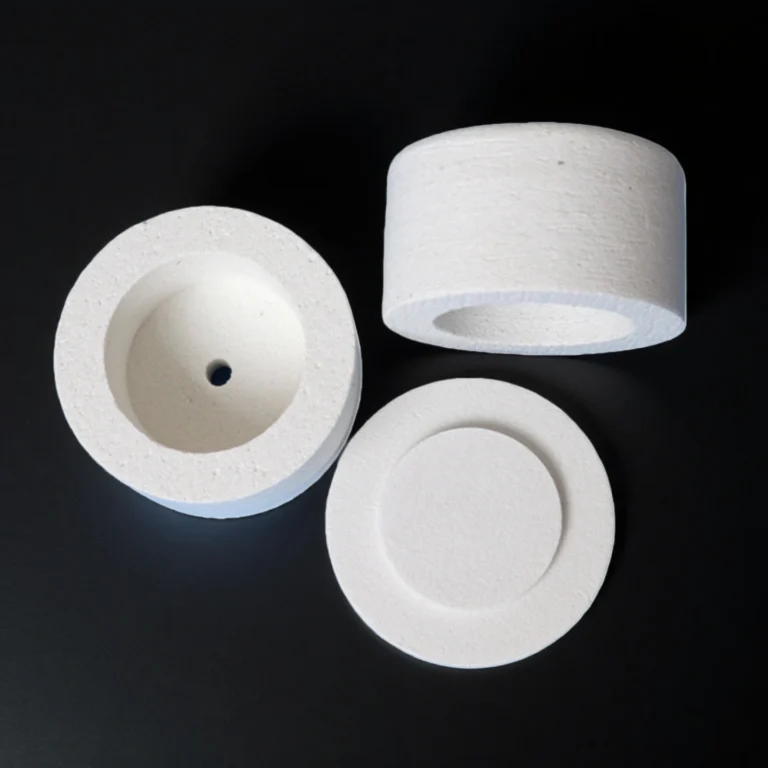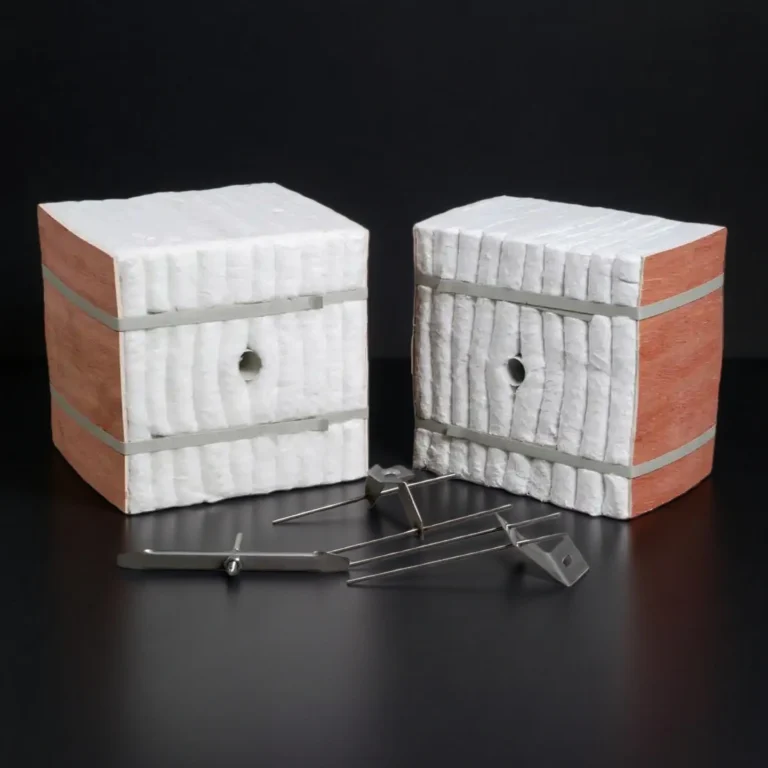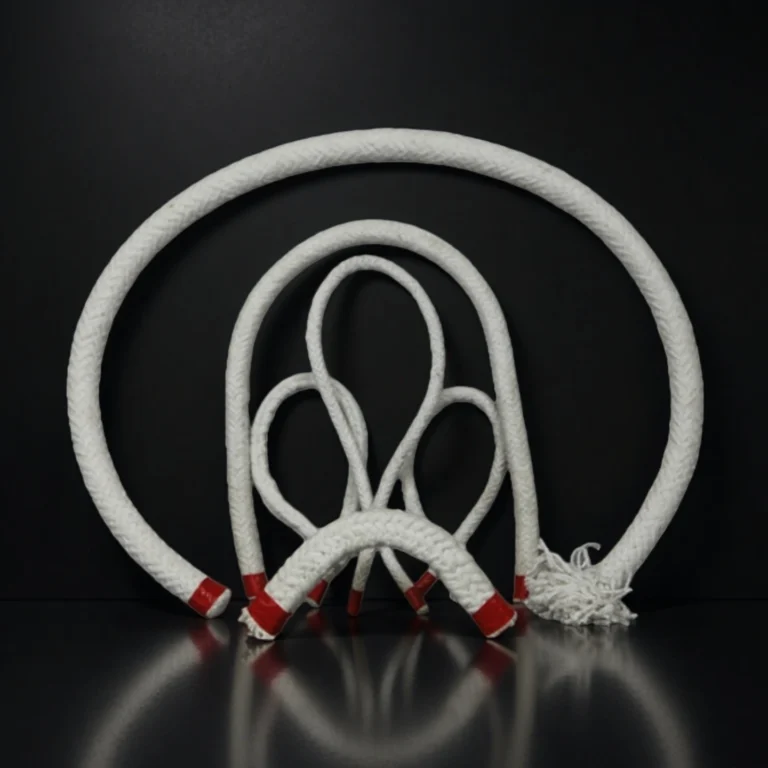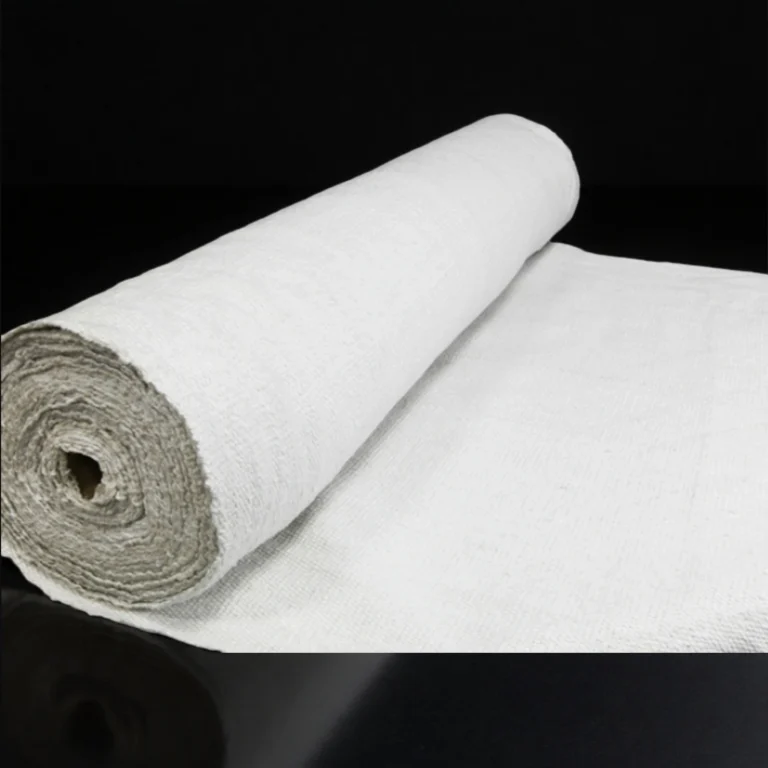
Boron Nitride Fiber Paper & Felt for High-Temperature Non-Wetting Insulation

Boron nitride fiber paper/felt provides non-wetting separation and electrical insulation for high-temperature assemblies, available as sheets or rolls in common gauges (0.3–3.0 mm) or as custom die-cut gaskets to drawing—with controlled thickness/density and clean edges for windows, doors, baffles, and tooling spacers.

Catalogue No. AT-BNNT-001
Material Boron nitride
Electrical Resistivity >10⁶ Ω·cm
Fiber Diameter 0.3–5.0 mm
Dimensions/Sizes Download PDF
24H Standard Dispatch
Small Batch Support OEM
Factory Direct
Expert Engineering Support

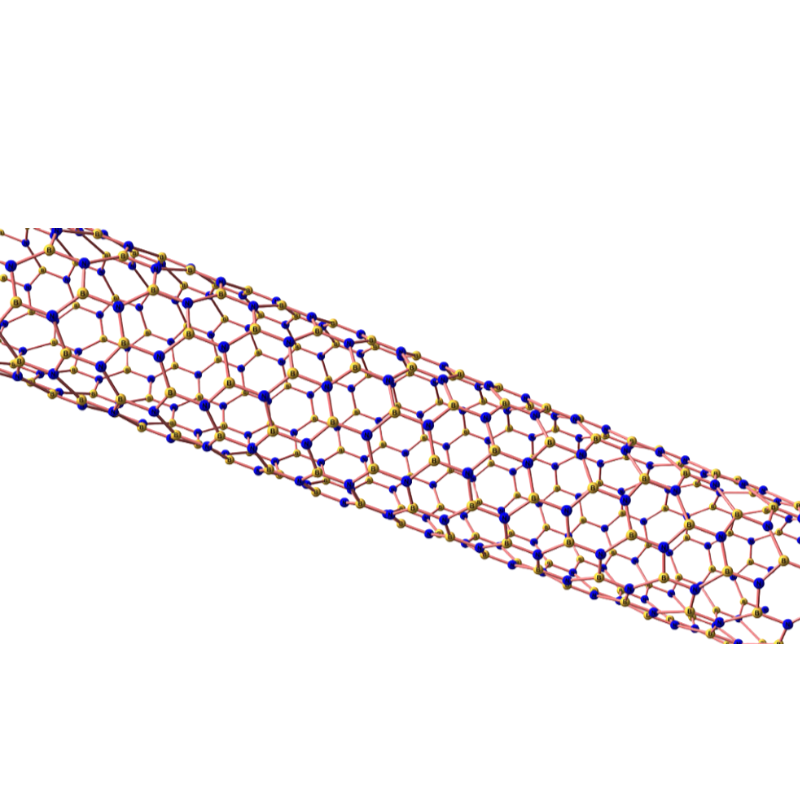
Boron nitride fiber is a high-temperature insulating material made from fine BN filaments bonded into flexible sheets or felts. It combines excellent electrical insulation, non-wetting behavior to molten metals, and chemical inertness under vacuum or inert atmospheres.
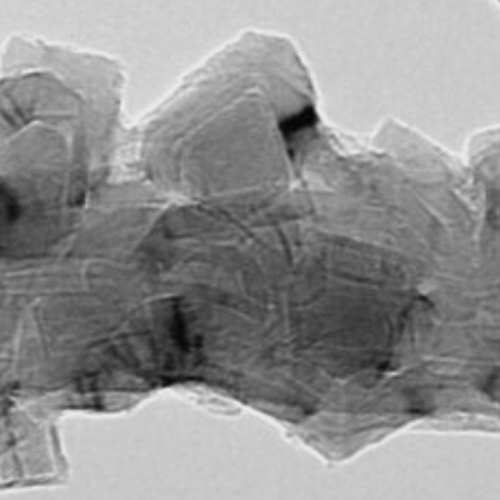
Structurally, BN fiber consists of hexagonal boron nitride microcrystals forming an interlocked fiber network. This gives it a unique balance of softness, thermal stability, and mechanical integrity. It remains stable up to 900–1000 °C in air and even higher (>1800 °C) under nitrogen, argon, or vacuum.

Boron Nitride Fiber Benefits

  • High Purity Material: Manufactured from ≥99% BN powder, ensuring consistent thermal and electrical performance.
  • Thermal Resistance: Operates reliably up to 1800°C in inert or vacuum environments.
  • Electrical Insulation: Ideal for applications requiring high dielectric strength and low conductivity.
  • Chemically Inert: Resistant to most acids, alkalis, and molten metals.
  • Structural Reinforcement: Enhances mechanical strength in ceramic matrix composites (CMCs).

Boron Nitride Fiber properties

Performance Parameter
Appearance White powder
Main Composition Boron Nitride Nanotubes > 90%
Impurities Hexagonal Boron Nitride (free floating) < 10%, Boron element < 1%
Number of Walls 1-3
Nanotube Width (Diameter) 60nm
Nanotube Length 20 μm
Barb Microcrystal (Hexagonal Boron Nitride Barb) a=60nm, c=80nm (microcrystal size)
Density 2.1 g/cm³
Stability in Air >900℃
Melting Point 2973℃
Decomposition Melting Point >4000℃
Young's Modulus / Tensile Strength 1.3TPa / 33GPa
Thermal Conductivity 2400W/m·K
Resistivity ρ > 109 Ω·cm
Band Gap >5.5eV
Surface Roughness Ra ~ 7.8nm
Thermal Neutron Absorption Cross-section B11=767b (B10=~3800b), N=1.9b


Boron Nitride Fiber Specifications

Boron Nitride Fiber
Item No. Diameter(mm) Length(mm) Purity Weight
AT-BNNT-001 60nm 20um 99 1g
AT-BNNT-002 0.5-1um 1-10um 99 1g
AT-BNNT-003 0.3-3um 5-10um 99 1g
AT-BNNT-004 0.3-3um 10-20um 99 1g


Boron Nitride Nanotube Fiber Packaging

  • sealed clean pouch; foam-slot carriers prevent edge compression.
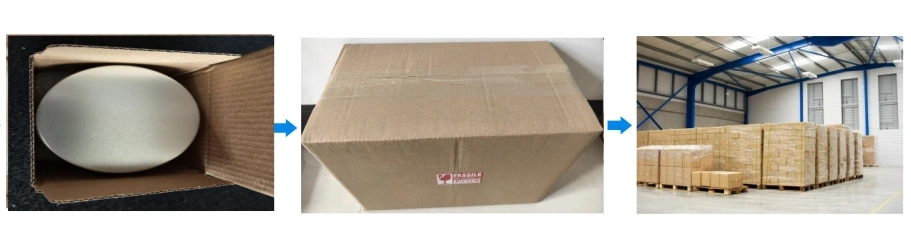
Boron Nitride Nanotubes Fiber Packaging

Boron Nitride Fiber Applications

  • Industrial Thermal Processing (Vacuum/Sintering/Brazing)

    ✅Key Advantages

    1. Dimensional stability in vacuum: Precise and predictable thickness helps maintain tight seal gaps at furnace doors, windows, and baffles, ensuring uniform heat distribution and minimizing gas leakage.
    2. Low outgassing and clean processing: BN fiber paper/felt emits minimal volatiles, supporting stable base pressures (<10⁻⁵ mbar) and preventing contamination of heating elements, thermocouples, and optical ports.
    3. Electrical insulation at high temperature: Provides a consistent dielectric barrier (~10–20 kV/mm) between heaters, graphite fixtures, and metallic supports, ensuring electrical safety and preventing arcing during high-current operations.

    ✅ Problem Solved

    A brazing furnace manufacturer replaced conventional aluminosilicate fiber paper with 0.5 mm BN fiber gaskets for its vacuum door seals. As a result, fixture readjustment time decreased by 30%, base pressure recovery improved from 3.0×10⁻⁴ to 1.5×10⁻⁵ mbar, and leak-test failures dropped significantly over two service cycles due to stable thickness, reduced particle shedding, and improved sealing uniformity.

  • Non-Wetting Separation for Aluminum/Magnesium Casting

    ✅Key Advantages

    1. Non-wetting and corrosion resistance: BN fiber’s low surface energy prevents adhesion of molten Al/Mg, extending component life and simplifying post-run cleaning.
    2. Custom-fit liners and gaskets: Cut-to-shape sheets fit casting troughs, weirs, and baffles precisely, maintaining flow consistency while avoiding metal accumulation and blockages.
    3. Thermal shock resistance: Maintains structure during rapid heating or cooling cycles (up to 900–1000 °C in air, >1800 °C in inert gas), supporting continuous casting and die-change operations.

    ✅ Problem Solved

    An aluminum foundry integrated 1–3 mm BN fiber liners in its launder and filter chamber. After installation, metal adhesion decreased visibly, cleaning intervals were extended from every 2 days to every 5–6 days, and downtime dropped by over 40%, improving total throughput and labor efficiency without altering the alloy chemistry.

  • Electronics & Power Device Tooling

    ✅Key Advantages

    1. High dielectric reliability: Stable insulation under elevated temperature and voltage prevents shorting between powered fixtures and conductive components.
    2. Low particle generation: Compacted BN fiber surfaces minimize dust, supporting cleanroom integration for semiconductor and display manufacturing.
    3. Thermal buffering and uniformity: Tunable density allows controlled heat flow between heating elements and sensitive substrates, reducing hot spots and improving repeatability.

    ✅ Problem Solved

    A tooling integrator replaced mica sheets with 0.8 mm pressed BN fiber insulation pads in high-power bonding jigs. The change improved electrical isolation margins by >25%, stabilized temperature uniformity within ±2 °C, and extended pad replacement cycles from 2 weeks to 6 weeks due to superior structural retention and surface integrity.

Boron Nitride Fiber Usage Instructions

  • Installation

    1. Verify thickness and density at 3–5 measurement points before assembly to ensure gauge uniformity.
    2. Orient any pressed or compacted face consistently toward the specified direction (e.g., release side toward molten metal).
    3. For die-cut gasket sets, follow station labels or numbered positions to maintain sealing order and prevent mismatch.
    4. Perform a dry-fit check before final heating or fastening; adjust alignment to avoid local stress or overlap.
    5. Avoid excessive compression at bolts or clamps—BN fiber performs best with light to moderate seating pressure (typically ≤ 0.3 MPa).

  • Operation

    1. Match the BN grade to the operating atmosphere:
    a. Air use ≤ 900–1000 °C
    b. Vacuum/inert gases ≤ 1800 °C
    2. Allow gradual heating and cooling to minimize thermal shock.
    3. When used with molten aluminum or magnesium, ensure contact occurs only on the release side to maintain non-wetting performance.
    4. For electrical insulation applications, verify clearance vs. voltage rating (10–20 kV/mm typical) and confirm grounding integrity.
    5. Avoid direct contact with reactive vapors (halogens, steam, or alkali oxides) that may degrade fiber bonding.

  • Storage

    1. Keep all sheets and die-cut parts flat, sealed, and clearly labeled by thickness and grade.
    2. Store in a dry, temperature-controlled area (≤40% RH), away from abrasive materials or direct sunlight.
    3. For long-term storage, place interleaf sheets or plastic liners between layers to prevent fiber abrasion or compression deformation.

  • Cleaning & Handling

    1. Use low-lint wipes or vacuum cleaning to remove surface dust; never blow with compressed air.
    2. Handle using clean gloves to prevent oil contamination.
    3. Do not rub or flex edges; the material should be lifted, not dragged, during transfer.
    4. If a sheet becomes frayed, delaminated, or contaminated, replace it rather than attempting repair to maintain process cleanliness.

  • Common Mistakes & Fixes

    1. Over-clamping causes edge denting
    → Use torque control, flat washers, or soft spacers to distribute pressure evenly.

    2. Random orientation of faces
    → Mark the release face before cutting and ensure all parts are installed with consistent orientation to avoid wetting or uneven sealing.

    3. Using thin gauge for large unsupported spans
    → Increase thickness or integrate graphite/oxide fiber backing plates for stability.

    4. Improper heating rate
    → Ramp temperature gradually (≤5 °C/min) to prevent microcrack formation or fiber lift-off.

    5. Contamination from handling tools
    → Dedicate clean stainless or ceramic tools for cutting and installation to avoid residue transfer.

Boron Nitride Nanotubes Fiber FAQ

  1. Q: What is boron nitride fiber paper used for?
    A: Boron nitride fiber paper is mainly used for non-wetting separation and electrical insulation in vacuum furnaces, metal casting, and electronics tooling, providing a clean, low-outgassing barrier at high temperature.
  2. Q: How does boron nitride fiber differ from alumina or mica insulation paper?
    A: Unlike alumina or mica, BN fiber is non-wetting to aluminum and magnesium, offers higher dielectric strength (~10–20 kV/mm), and generates less dust under thermal cycling—making it ideal for clean or reactive environments.
  3. Q: Can boron nitride fiber be used in direct contact with molten aluminum or magnesium?
    A: Yes. BN fiber’s low surface energy and chemical inertness prevent metal adhesion and corrosion. It’s widely used as liners, spacers, and gaskets in Al/Mg casting lines.
  4. Q: Can boron nitride fiber sheets be custom-cut or laminated?
    A: Absolutely. ADCERAX offers custom die-cut BN fiber gaskets (±0.1 mm tolerance), BN-to-graphite laminates, and pressed-face or backed versions for enhanced strength and surface cleanliness.
  5. Q: Does boron nitride fiber generate particles or dust?
    A: Pressed or compacted grades have very low particle release. For ultra-clean environments, specify pressed surface finish or vacuum-packaged sheets to minimize fiber shedding.
  6. Q: What information is required to quote custom BN fiber parts?
    A: Provide thickness, density grade, working atmosphere, and CAD drawing (DXF/DWG/PDF) with any surface finish or lamination requests. Typical drawing reviews are completed within 48 hours for quotation.

Boron Nitride Fiber Reviews

  • ⭐️⭐️⭐️⭐️⭐️
    We integrated boron nitride fiber paper into our vacuum brazing fixtures. The uniform thickness and low outgassing significantly improved sealing stability during high-vacuum runs.
    --  David H., Senior Process Engineer, ThermoVac Systems Inc.
  • ⭐️⭐️⭐️⭐️⭐️
    Our maintenance team switched to BN fiber felt liners for magnesium casting channels. The non-wetting surface cut cleaning time by half and eliminated residue sticking on the trough walls.
    -- Laura P., Production Manager, AlloyPro Foundry
  • ⭐️⭐️⭐️⭐️⭐️
    We ordered custom-cut boron nitride fiber gaskets for our furnace doors. ADCERAX delivered precise dimensions and consistent quality, perfectly matching our drawing tolerances.
    -- Michael R., Procurement Lead, HeatTreat Engineering Ltd.
  • ⭐️⭐️⭐️⭐️⭐️
    Our R&D lab tested several insulation materials, and the boron nitride fiber paper from ADCERAX showed the best dimensional stability and clean performance during repeated 1000 °C furnace cycles.
    -- Elena M., Materials Scientist, NovaTech Laboratories
customize size

Customize Boron Nitride Fiber

  • Thickness & tolerance: 0.3–5.0 mm (up to 10 mm by request), typical ±0.1 mm control; thinner gauges can achieve tighter calibration.
  • Density range: 0.20–0.60 g/cm³ to adjust stiffness, compressibility, and insulation efficiency.
  • Formats: Flat sheets (≤1000 × 1200 mm) or rolls (width ≤ 600 mm); nest layouts optimized for material yield and assembly efficiency.
  • Profiles: OD/ID cuts and complex shapes from DXF/DWG/PDF drawings with optional bridge tabs and locator marks.
  • Edge options: Chamfers, slots, holes, fillets, or beveled edges for clean alignment and tight sealing.
  • Surface finish: Pressed or compacted face to reduce particle shedding; release-side orientation for non-wetting surfaces; adhesive or graphite backing optional.
  • Lamination & assembly: BN-to-graphite, BN-to-oxide fiber board, or multi-layer BN stacks with alignment tabs for repeatable installation.

Related Products

ADCERAX - Your Trusted Advanced Ceramics Manufacturing Partner

Direct factory manufacturing with comprehensive ceramic materials expertise and global supply capabilities

Direct Factory Manufacturing

China-based ceramic materials production facility with state-of-the-art equipment

Engineering Team

Experienced professionals in advanced ceramics applications and custom design

Quality Control

Strict quality control standards for technical ceramics manufacturing and quality management

Global Supply Chain

Serving customers worldwide with technical ceramics and rapid response

24/7 Technical Support

Round-the-clock support for ceramic components inquiries and technical assistance

500+ Satisfied Customers

Trusted by global customers for advanced ceramic materials and precision components

Get in touch with us

Our team will be happy to respond to you in less than 24 hours.

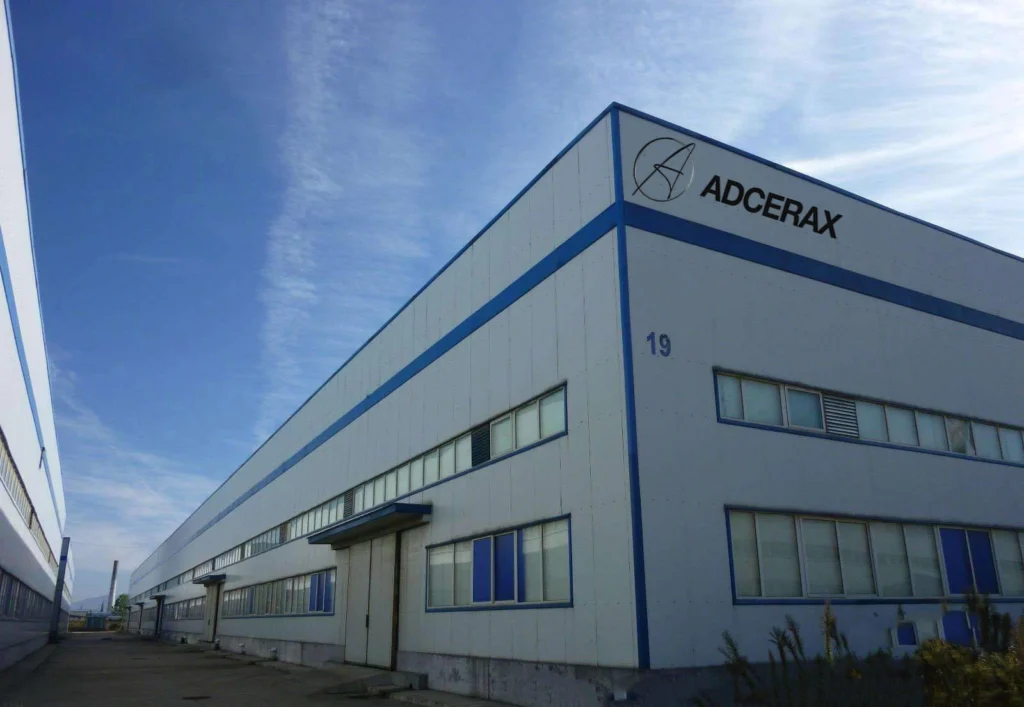
Adcerax's factory

Quick Quotation

*Our team will answer your inquiries within 24 hours.

*Your information will be kept strictly confidential.

Ready to Solve Your Engineering Challenge?

Partner with ADCERAX for reliable, high-performance advanced ceramic solutions. Our engineers are ready to discuss your project.

E-mail

info@adcerax.com

Phone

+(86) 0731-74427743 | WhatsApp: +(86) 19311583352

Response Time

Within 24 hours

Quick Quote

The more details you provide, the faster we can quote.

*We respond within 24 hours. All inquiries are confidential.

Download Catalog

Get Your Custom Sulution

The more details you provide, the faster we can respond.

customize size

*We respond within 24 hours. All inquiries are confidential.

Download Catalog