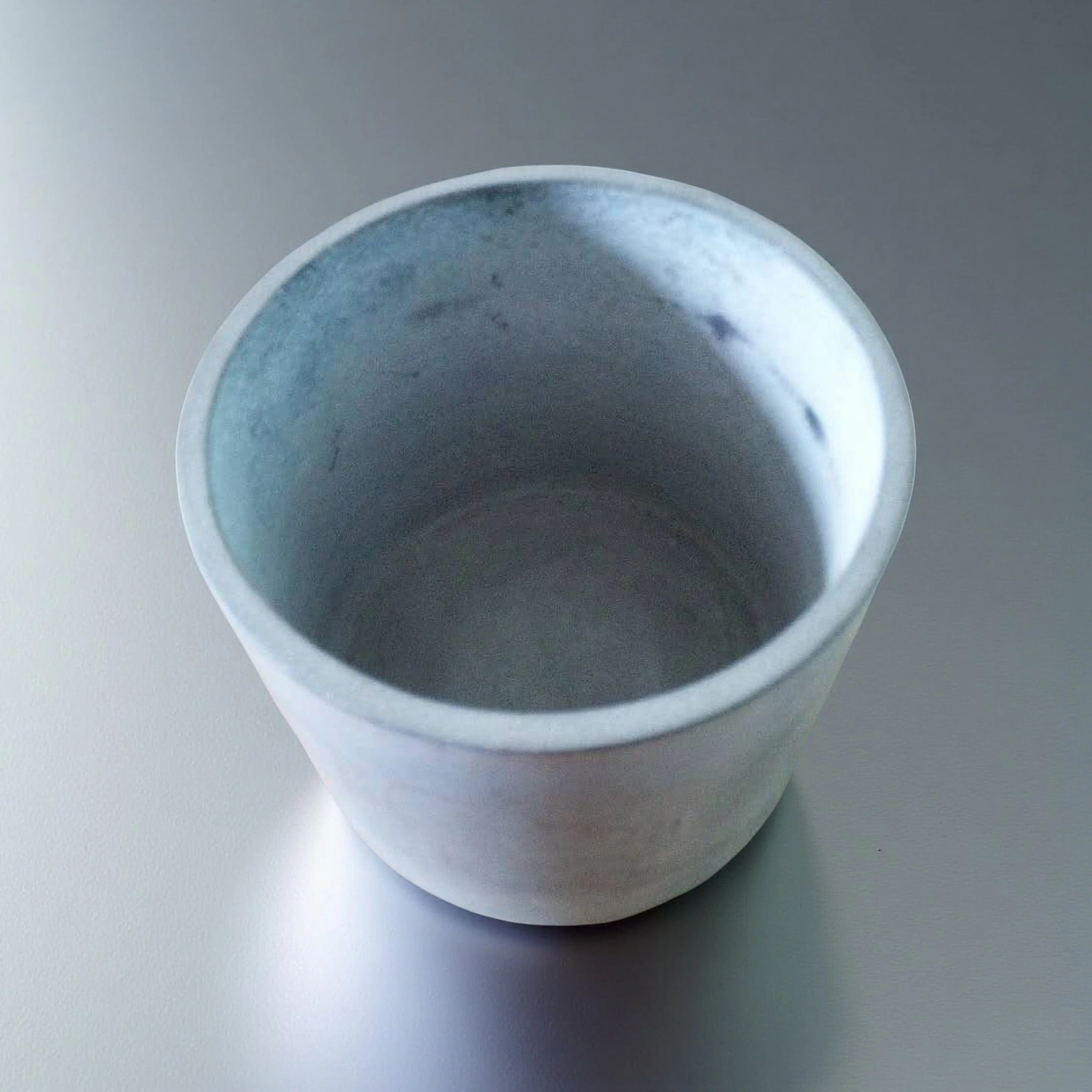
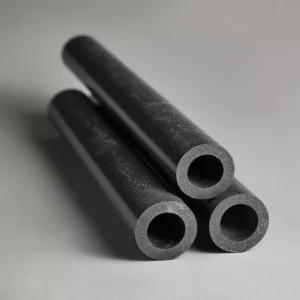
What Is a Cylindrical NBSiC Crucible?
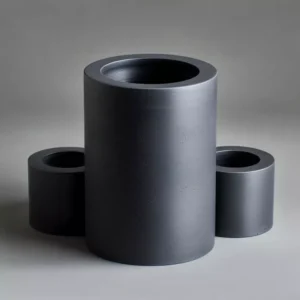
A cylindrical NBSiC crucible is a high-temperature ceramic container made from nitride bonded silicon carbide. The material combines silicon carbide with a silicon nitride bonding phase, helping the crucible resist thermal shock, maintain shape stability and transfer heat efficiently during melting, sintering and material testing processes.
Compared with many oxide ceramic crucibles, NBSiC is often selected when the application involves repeated heating cycles, larger thermal gradients, abrasive charge materials or demanding furnace environments. The cylindrical geometry also helps reduce corner-related stress concentration and supports more uniform heat exposure in suitable furnace setups.
Why Use Nitride Bonded Silicon Carbide for Crucibles?
Nitride bonded silicon carbide is used when a crucible needs a balance of thermal shock resistance, high-temperature strength, heat-transfer efficiency and chemical stability. For buyers, the key question is not only the maximum temperature, but whether the crucible can tolerate the actual heating rate, cooling rate, atmosphere, melt chemistry and loading method.
| Selection Factor |
Why It Matters |
What ADCERAX Reviews |
| Thermal Shock Resistance |
Repeated heating and cooling may crack unsuitable ceramic materials. |
Heating rate, cooling method and furnace cycle. |
| Heat Transfer |
Efficient heat transfer helps improve temperature consistency during processing. |
Crucible wall thickness, charge volume and furnace design. |
| Chemical Compatibility |
Molten metals, fluxes, glass compositions and powders may react differently with ceramic materials. |
Processed material, additives and atmosphere. |
| Mechanical Stability |
Large or heavily loaded crucibles need enough wall thickness and bottom strength. |
Load weight, handling method and support structure. |
| Custom Geometry |
Diameter, height and bottom design affect loading, heating and installation. |
Drawing, sample or target furnace space. |
Performance Factors for NBSiC Crucible Selection
When selecting a cylindrical NBSiC crucible, buyers should evaluate more than the maximum temperature rating. Thermal cycle, furnace atmosphere, charge material, wall thickness and support method all affect whether nitride bonded silicon carbide is suitable for the process.
Thermal Shock Resistance
Repeated heating and cooling can create stress in the crucible wall. For processes with fast temperature changes, first-use preheating, controlled heating rate and stable cooling method should be reviewed before use.
Heat Transfer Stability
NBSiC provides stable heat response for melting, sintering and high-temperature material testing. Wall thickness, charge volume and furnace layout should be considered together because they directly affect heating speed and temperature distribution.
Mechanical Strength Under Load
Heavy loading, uneven support or improper handling may create bottom or side-wall stress. The filling level, load weight and support contact area should be confirmed, especially for repeated furnace cycles or larger crucible sizes.
Chemical Compatibility
Molten metals, fluxes, glass compositions and ceramic powders may interact differently with ceramic surfaces. Before use, ADCERAX recommends confirming melt chemistry, additives, slag condition and furnace atmosphere to reduce material mismatch risk.
Technical Specifications of Cylindrical Nitride Bonded Silicon Carbide Crucible
The following parameters help buyers evaluate whether a cylindrical NBSiC crucible is suitable for their furnace process. Final selection should be reviewed together with the working temperature, atmosphere, material being processed, loading method and thermal cycle
| Parameter |
Current Page Value |
Selection Meaning |
| Density |
≥ 3.10 g/cm³ |
Higher density usually supports lower open porosity and better structural stability. |
| Flexural Strength |
≥ 500 MPa |
Helps the crucible resist bending stress during handling and thermal loading. |
| Thermal Conductivity |
≥ 120 W/m·K at 25°C |
Supports faster heat transfer and more responsive temperature distribution. |
| Thermal Expansion |
≤ 4.5 × 10⁻⁶/°C |
Lower expansion helps reduce stress during heating and cooling. |
| Porosity |
≤ 3% |
Lower porosity helps reduce penetration risk and improves surface stability. |
| Max Operating Temperature |
1600°C |
Must be confirmed with atmosphere, cycle time and processed material. |
| Surface Finish |
Smooth, machined |
Helps improve handling, cleaning and seating stability. |
| Chemical Resistance |
Acid and alkali resistant |
Actual compatibility depends on chemical composition and process temperature. |
Dimensions of Cylindrical Nitride Bonded Silicon Carbide Crucible
Packaging of Cylindrical Nitride Bonded Silicon Carbide Crucible
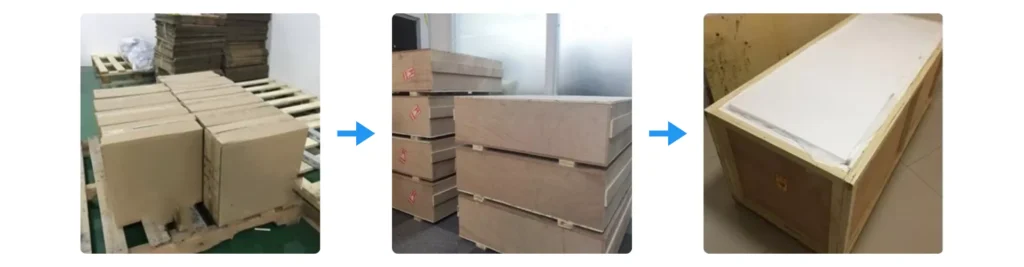
The Cylindrical Silicon Nitride Bonded Silicon Carbide Crucibles are carefully packed to ensure safe transportation and delivery. Each crucible is first securely placed in a sturdy cardboard box, followed by additional protection with a wooden crate for added safety. This method minimizes the risk of damage during shipping and guarantees that the product arrives in excellent condition.
Application Fit for High-Temperature Processing
Cylindrical NBSiC crucibles are selected for furnace processes where ordinary ceramic containers may crack, deform or wear too quickly under repeated heating, thermal shock or abrasive charge materials. Their value is not only high-temperature resistance, but also the ability to maintain stable geometry and heat-transfer behavior during demanding melting, sintering and testing cycles.
Metal Melting and Alloy Preparation
In metal melting and alloy preparation, NBSiC crucibles are useful when the process requires fast heat response, good thermal shock resistance and stronger handling stability than many conventional ceramic crucibles. They are commonly considered for non-ferrous metal trials, alloy development and small-to-medium furnace batches where repeated charging, holding and cooling cycles are involved.
Before selection, ADCERAX reviews the molten material, flux, peak temperature, holding time, filling level and contamination requirement. This helps confirm whether nitride bonded silicon carbide is suitable for the specific melt environment instead of simply selecting by temperature rating alone.
Glass Processing and Specialty Melts
For glass processing and specialty melt applications, the cylindrical shape supports easier charge loading and more balanced radial heating in many furnace setups. NBSiC can be considered when the process involves high working temperature, viscous melt behavior or repeated heating cycles that may damage weaker crucible materials.
Because glass composition and additives can vary significantly, material compatibility should be reviewed before use. ADCERAX can help evaluate crucible size, wall thickness, cleaning method and expected contact conditions based on the customer’s process information.
Ceramic Sintering and Powder Calcination
In ceramic sintering, powder calcination and high-temperature material treatment, NBSiC crucibles provide a stable container option for processes that require thermal shock resistance, mechanical strength and controlled heat transfer. They are suitable for applications where the crucible must hold its shape through repeated furnace cycles and support consistent thermal exposure of the charge material.
For powder-based processes, ADCERAX recommends confirming powder chemistry, loading depth, atmosphere, shrinkage behavior and support method. These details help reduce risks such as cracking, surface reaction, uneven heating or bottom stress during the furnace cycle.
Laboratory and Pilot-Scale Furnace Trials
For laboratory and pilot-scale furnace trials, standard cylindrical NBSiC crucibles can be used for preliminary process evaluation, while custom dimensions can be produced when the furnace chamber, sample volume or loading method requires a non-standard design. This is especially useful for R&D teams and production engineers who need stable ceramic containers before moving to larger batch testing.
ADCERAX supports drawing-based customization for outer diameter, inner diameter, height, wall thickness and bottom geometry. If the application is new or the working condition is severe, our team can review the process conditions before quotation to help the customer choose a more practical crucible design.
Handling and Use Guide for Cylindrical NBSiC Crucibles
Proper handling, heating, loading and cleaning are important for maintaining the performance of cylindrical NBSiC crucibles in high-temperature melting, glass processing, ceramic sintering and material testing. Although nitride bonded silicon carbide offers good thermal shock resistance and structural stability, incorrect operation may still cause cracking, edge damage or premature failure.
-
Pre-Use Inspection and Handling
1. Inspect the crucible before use and check for visible cracks, chipped edges, impact marks or abnormal surface damage.
2. Handle the crucible carefully during loading, transport and installation to avoid mechanical shock.
3. Use clean gloves or suitable handling tools to reduce contamination from oil, moisture or abrasive particles.
4. Make sure the crucible is properly supported, especially when it is used with heavy charge materials or repeated furnace cycles.
-
Heating and Temperature Control
1. Follow a controlled heating process, especially during the first use or when the crucible is exposed to large temperature differences.
2. The current product page states a maximum operating temperature of 1600°C, but actual use should be confirmed according to furnace atmosphere, holding time, load and heating cycle.
3. Avoid sudden temperature changes caused by rapid heating, direct flame impact, cold material charging or forced cooling.
4. For demanding thermal cycles, preheating the crucible and charge material can help reduce thermal shock risk.
-
Loading and Furnace Support
1. Do not overload the crucible beyond the practical filling level required for the process.
2. Distribute the charge material evenly to avoid local stress on the side wall or bottom area.
3. Use compatible furnace supports or setters to keep the crucible stable and prevent point loading at the bottom.
4. Avoid direct impact from tools, ingots, powders or solid charge materials during loading.
-
Cleaning and Maintenance
1. Allow the crucible to cool under controlled conditions before cleaning or handling.
2. Remove residual material carefully without using aggressive mechanical impact that may damage the surface.
3. Avoid harsh chemical cleaning unless compatibility has been confirmed for the specific residue and ceramic surface.
4. Keep the crucible dry and protected during storage to reduce contamination, moisture exposure and edge damage.
-
Application Review Before Reuse or Replacement
If cracking, surface reaction, heavy residue build-up or abnormal wear occurs, the operating condition should be reviewed before reordering the same design. ADCERAX can evaluate the working temperature, atmosphere, processed material, heating cycle, support method and current failure mode to help confirm whether the crucible size, wall thickness or material choice should be adjusted.
Engineering Factors Before Quotation
To recommend a suitable NBSiC crucible, ADCERAX reviews the operating conditions before quotation. This helps reduce the risk of material mismatch, cracking, excessive wear or premature failure during high-temperature use.
- Working temperature: peak temperature, continuous temperature and heating rate.
- Furnace atmosphere: air, inert gas, reducing atmosphere or special process gas.
- Processed material: metal, glass, ceramic powder, flux, slag or chemical compound.
- Loading condition: charge weight, filling level, support method and handling process.
- Geometry requirement: outer diameter, inner diameter, height, wall thickness and bottom shape.
- Surface requirement: machined surface, smoother contact area or easier-cleaning finish.
- Custom tolerance: dimensional control should be confirmed according to drawing and application need.