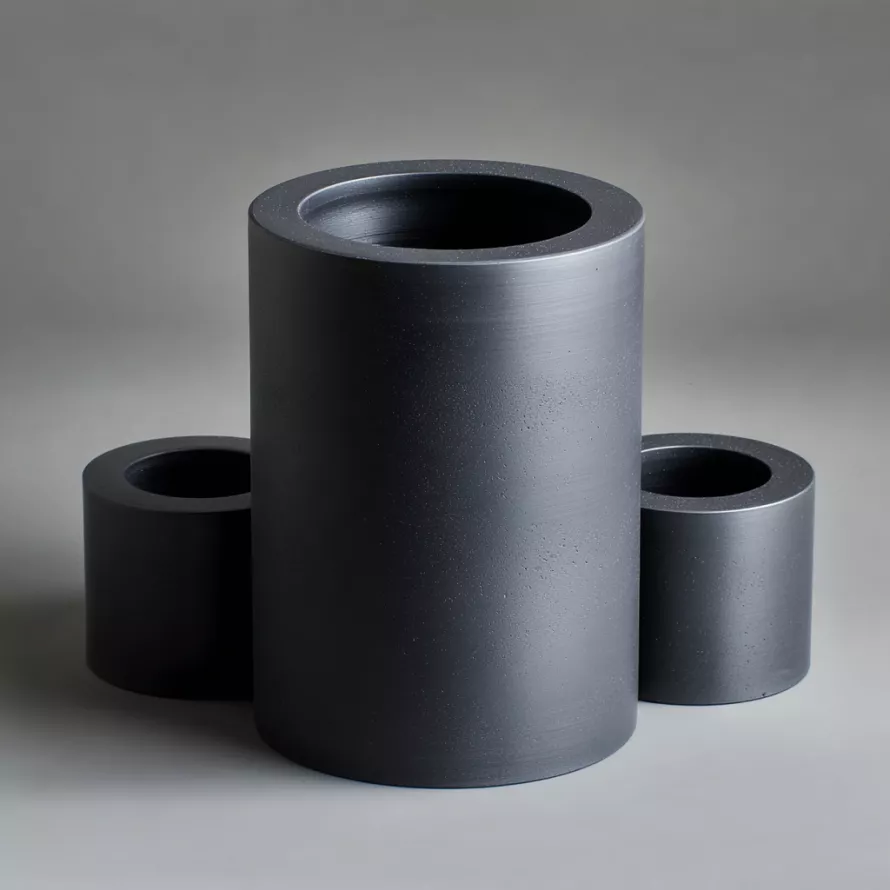
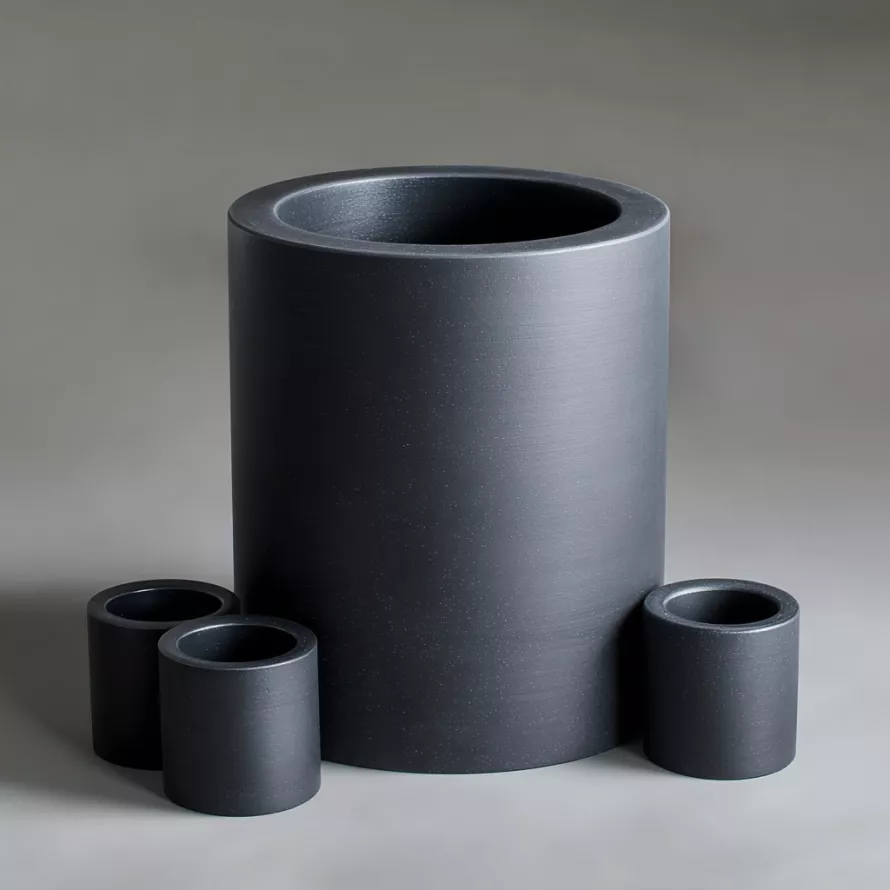
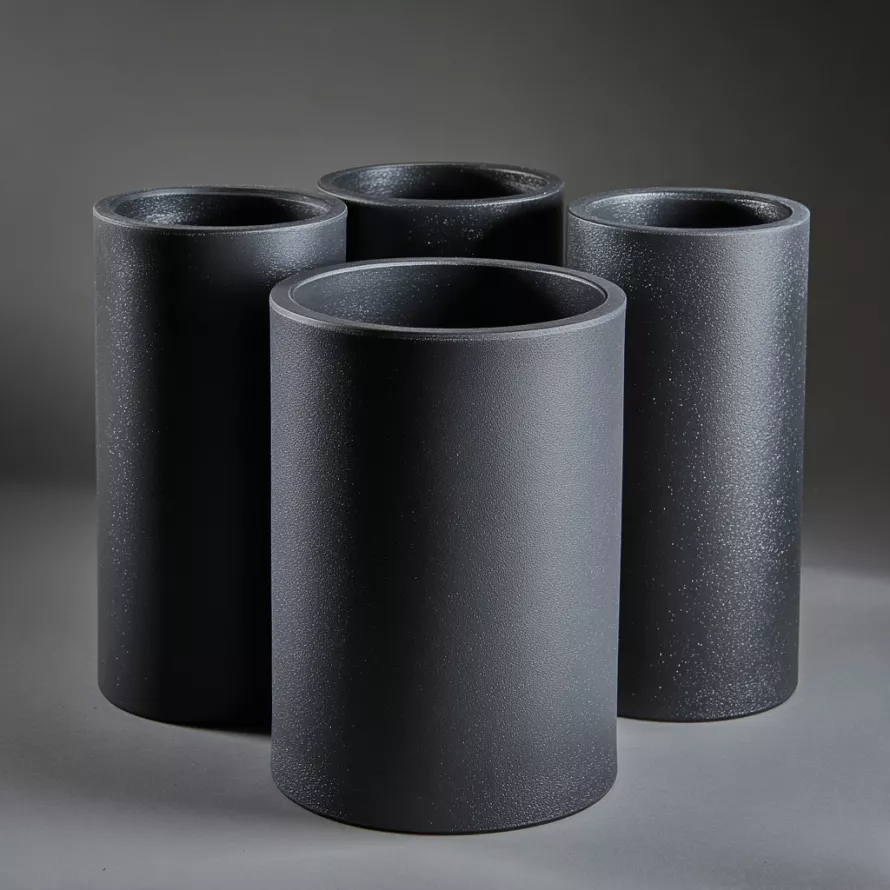
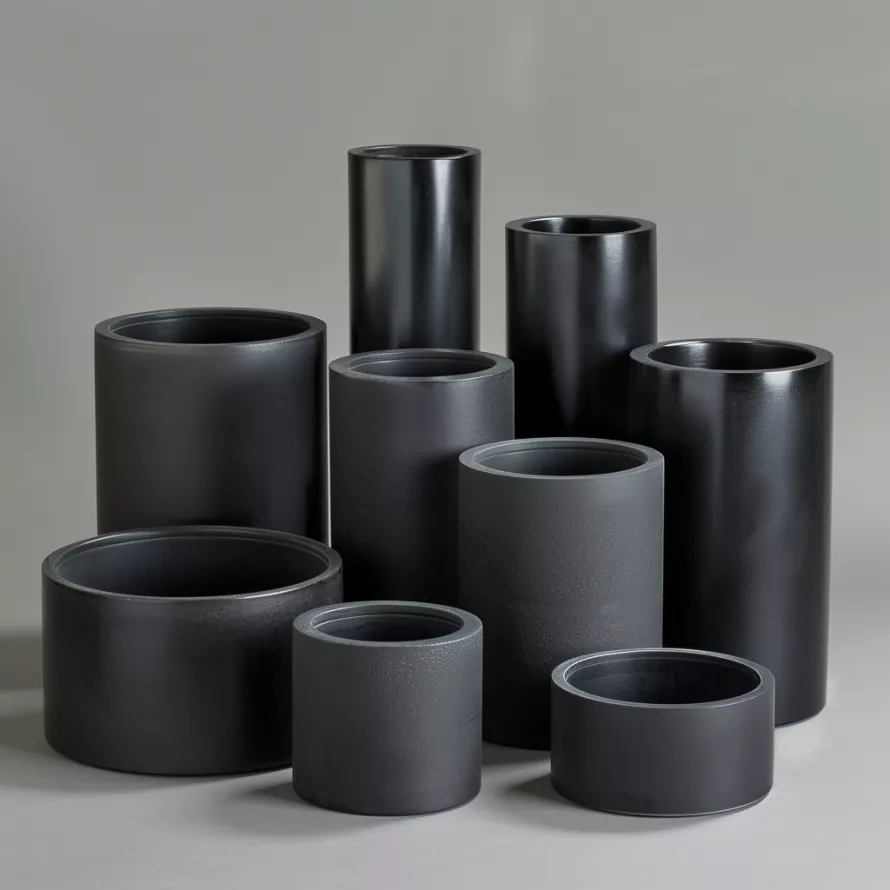
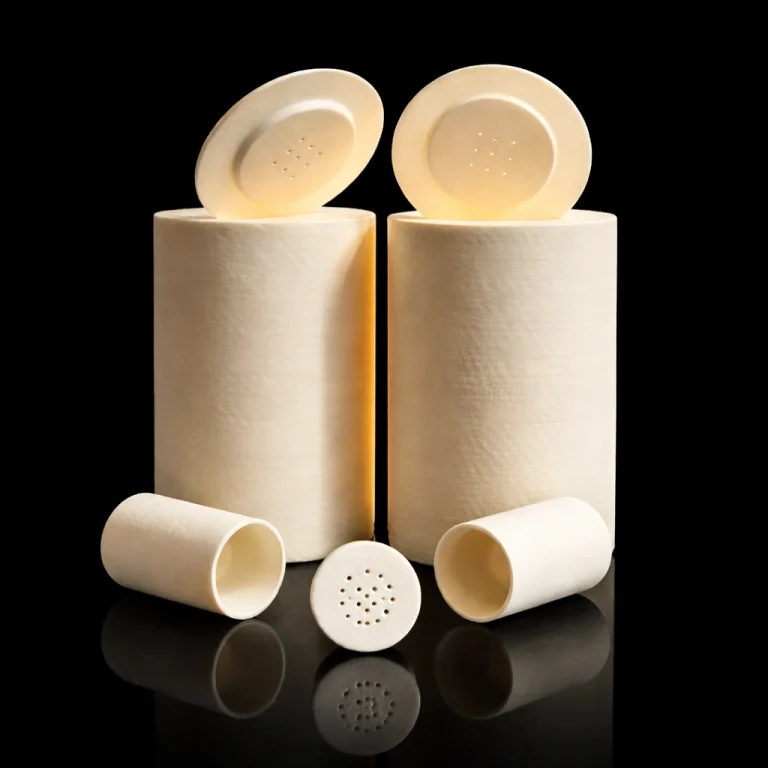
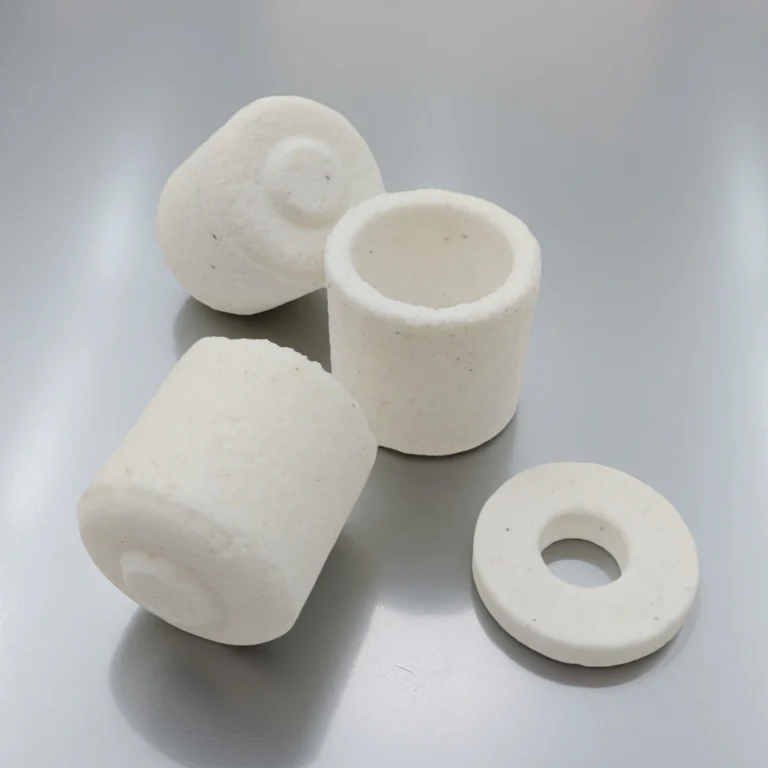
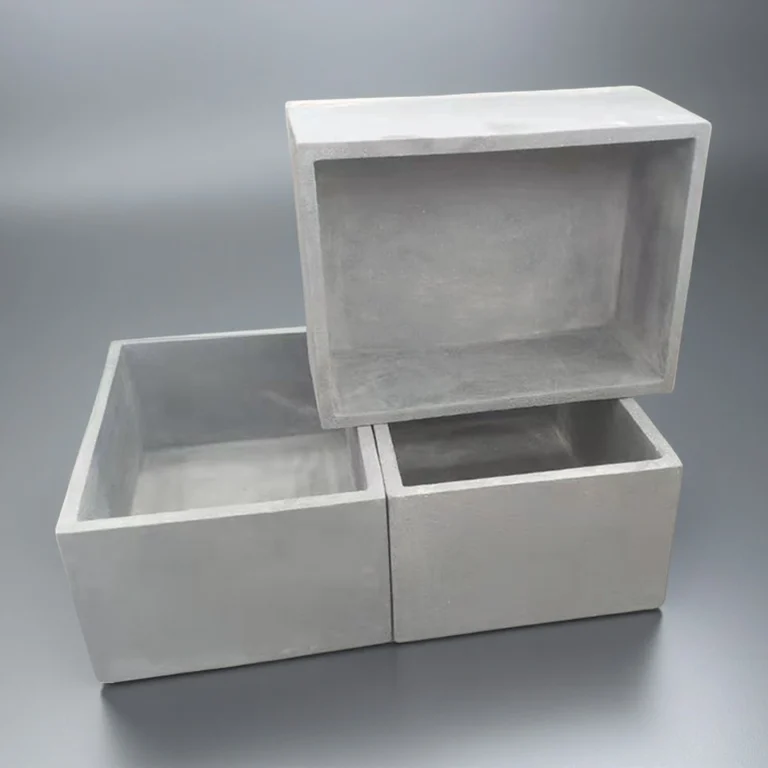
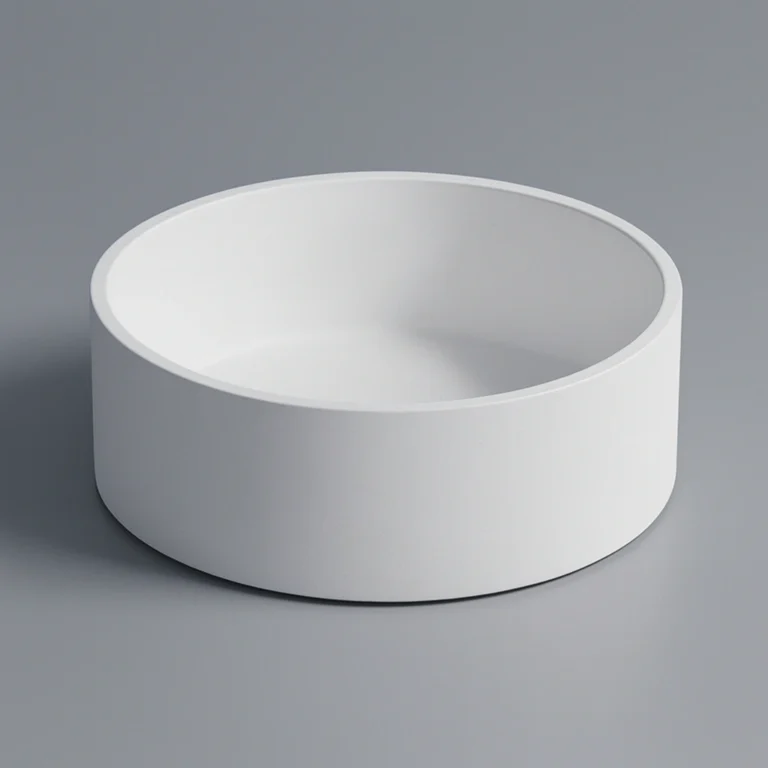
ADCERAX® Cylindrical Silicon Carbide Crucible is engineered to deliver stable thermal performance in high-temperature industrial processes, enabling consistent heating conditions for metal melting, battery material calcination, and ceramic powder treatment. Its dense SiC microstructure maintains strength under repeated thermal cycling, supporting uniform heat transfer and reducing process variability across continuous production lines. These characteristics allow engineering teams to achieve predictable material behavior during melting or sintering workflows, improving operational efficiency and product consistency in demanding industrial environments.
High-Performance Characteristics of the Cylindrical Silicon Carbide Crucible
-
High-Temperature Structural Integrity
The crucible maintains flexural strength of 250–380 MPa across RBSiC and SSiC systems, supporting heavy charge loads during melting and calcination.
The material preserves compressive strength above 1000 MPa, preventing deformation under vertical furnace stacking or automated handling.
-
Thermal Efficiency and Temperature Stability
The SiC matrix delivers thermal conductivity of 45–74 W/m·K, enabling rapid temperature equalization within industrial furnaces.
Low thermal expansion coefficients of 4.1–4.5×10⁻⁶/K reduce dimensional shifts during heating, maintaining interface stability with furnace hardware.
-
Chemical Inertness and Clean Processing Behavior
SSiC compositions with 99% SiC purity exhibit strong resistance to molten aluminum, copper, and specialty alloys, minimizing contamination risks during metal melting.
The crucible maintains stability in acidic and alkaline environments across pH 2–12, supporting lithium battery material calcination and chemical analysis workflows.
Technical Specifications of Cylindrical Silicon Carbide Crucible
ADCERAX® The Cylindrical Silicon Carbide Crucible demonstrates stable mechanical and thermal behavior across high-temperature industrial environments, enabling reliable performance during melting, calcination, and powder synthesis operations. Its SiC microstructure maintains strength during rapid thermal cycling while preserving low porosity and chemical inertness against molten metals and reactive atmospheres.
| Property |
Specification |
| Material System |
RBSiC (80% SiC, 20% free Si) / SSiC (≥99% SiC) |
| Maximum Operating Temperature |
≤1380°C (RBSiC) / ≤1600°C (SSiC) |
| Bulk Density |
3.02 g/cm³ (RBSiC) / 3.10 g/cm³ (SSiC) |
| Open Porosity |
<0.1% |
| Flexural Strength (20°C) |
250 MPa (RBSiC) / 380 MPa (SSiC) |
| Flexural Strength (1200°C) |
280 MPa (RBSiC) / 400 MPa (SSiC) |
| Compressive Strength |
1000–2200 MPa |
| Elastic Modulus |
330 GPa (RBSiC) / 420 GPa (SSiC) |
| Thermal Conductivity |
45 W/m·K (RBSiC) / 74 W/m·K (SSiC) |
| Thermal Expansion Coefficient |
4.1–4.5 ×10⁻⁶/K |
| Hardness |
2600–2800 kg/mm² |
| Chemical Stability Range |
pH 2–12 |
| Oxidation Stability |
<1% microstructural oxidation after 50 cycles (1000°C → RT) |
Dimensions of Cylindrical Silicon Carbide Crucible

Secure Packaging for Cylindrical Silicon Carbide Crucible
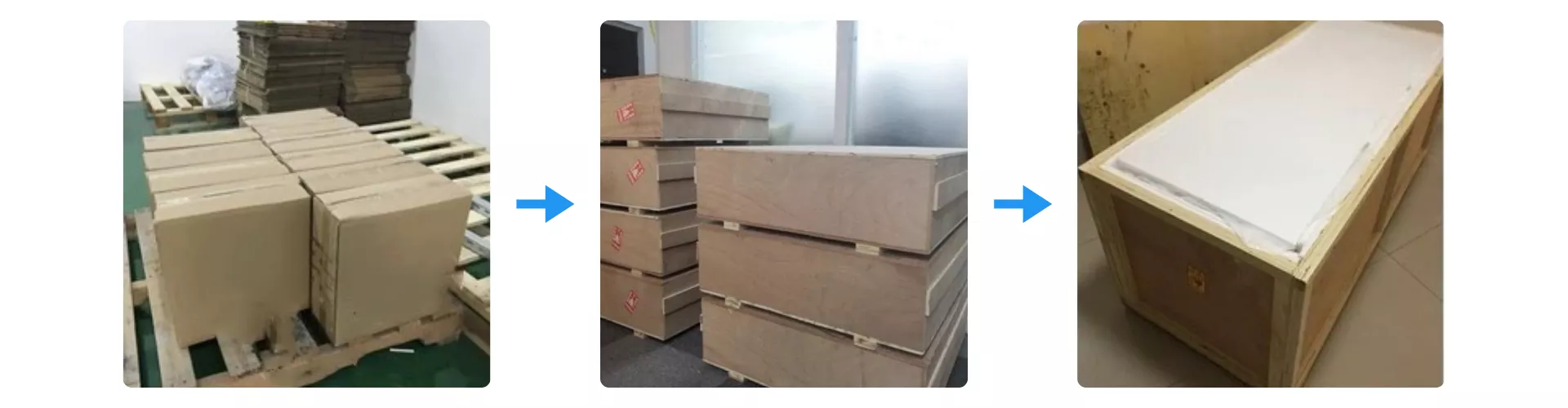
Cylindrical Silicon Carbide Crucible is packed through a reinforced multi-layer process designed to protect the ceramic body during long-distance international transport. Each unit is first cushioned in carton compartments, then consolidated into shock-absorbing plywood cases with fixed corner blocks to prevent movement. The final export crate is sealed and lined internally to minimize vibration, ensuring stable delivery to industrial facilities worldwide.
Solving Application Challenges with ADCERAX® Cylindrical Silicon Carbide Crucible
High-temperature industrial workflows often confront thermal instability, contamination risks, and component failures during rapid cycling or long dwell periods. The ADCERAX® Cylindrical Silicon Carbide Crucible addresses these engineering challenges by delivering consistent mechanical strength, predictable thermal conduction, and chemical durability across melting, calcination, and powder-processing environments. Its performance characteristics enable production lines to minimize downtime, avoid yield losses, and maintain stable furnace conditions in industries where thermal reliability directly influences output quality.
-
Cylindrical Silicon Carbide Crucible in Lithium Cathode Material Calcination
✅Key Advantages
1. Stable High-Cycle Thermal Geometry
The crucible maintains structural stability across repeated 250–350°C thermal transitions, preventing distortion during long calcination schedules. This stability preserves furnace temperature uniformity, minimizing precursor phase deviation during 800–1000°C calcination ramps.
2. High Thermal Conductivity for Phase Accuracy
With a conductivity range of 45–74 W/m·K, the SiC matrix distributes heat uniformly across the cylindrical wall. This uniformity reduces temperature gradients that commonly cause material phase inconsistency in NCM and LFP cathode synthesis.
3. Oxidation-Resistant SiC Surface
Microstructural oxidation remains below 1% after 50 heating cycles at 1000°C, maintaining inert surface conditions under oxidizing atmospheres. This prevents interaction with oxygen-sensitive precursors, supporting consistent cathode material purity.
✅ ️Problem Solved
Lithium cathode production lines frequently experience furnace non-uniformity and vessel deformation during extended high-temperature cycling, resulting in inconsistent precursor crystallinity and repeated yield variation. An NCM precursor developer reported that alumina vessels distorted after multiple ramp-dwell cycles, creating noticeable temperature offsets across furnace zones. After switching to the ADCERAX® Cylindrical Silicon Carbide Crucible, the uniform heat-flow profile and stable geometry reduced temperature deviation to within a narrow band, allowing more consistent phase evolution. This improvement enabled engineers to maintain continuous calcination schedules with fewer interruptions and more predictable batch-to-batch performance.
-
Cylindrical Silicon Carbide Crucible in Non-Ferrous Metal Melting (Al, Cu, Mg)
✅Key Advantages
1. Corrosion Stability Against Molten Alloys
The ≥99% SiC composition resists chemical attack from molten aluminum, copper, and magnesium under both neutral and oxidative atmospheres. This stability eliminates metal–crucible reactions that often disrupt alloy composition and melt cleanliness.
2. High Load Strength Under Thermal Cycling
Flexural strength values of 250–380 MPa allow the crucible to maintain rigidity under heavy charge loads and rapid charge-to-melt transitions. This prevents structural collapse during sudden furnace ramping common in non-ferrous melting workflows.
3. Low-Porosity Melt Protection
A porosity level below 0.1% minimizes alloy infiltration and prevents wall degradation during prolonged molten metal exposure. This protects both melt purity and crucible service life during frequent furnace starts and stops.
✅ ️Problem Solved
Non-ferrous melting operations often face recurring interruptions caused by crucible oxidation, melt contamination, and cracking during fast heat-up phases. An aluminum alloy facility reported frequent failures with graphite and alumina vessels, leading to inconsistent melt behavior and repeated furnace cleaning. Introducing the ADCERAX® Cylindrical Silicon Carbide Crucible provided a chemically inert, mechanically stable structure capable of maintaining wall integrity under aggressive thermal fluctuations. The resulting improvement in melt stability allowed the plant to sustain longer melting campaigns with fewer vessel changes and more consistent alloy output.
-
Cylindrical Silicon Carbide Crucible in Advanced Ceramic & Glass Powder Sintering
✅Key Advantages
1. Non-Shedding SSiC Surface for Purity
The 99% SiC sintered microstructure maintains a stable, non-flaking surface throughout long high-temperature dwells above 1200°C. This prevents particulate contamination that can alter grain morphology in fine ceramic and optical powder systems.
2. High Modulus for Shape Retention
An elastic modulus of 330–420 GPa preserves cavity geometry during extended sintering periods, preventing deformation that can compromise powder densification distribution. Stable geometry supports more consistent particle packing and firing behavior.
3. Reliable Thermal Shock Resistance
ΔT tolerance of up to 350°C enables the crucible to endure rapid temperature transitions during multi-step firing programs. This thermal robustness prevents cracking that would otherwise disrupt sintering continuity or cause powder loss.
✅ ️Problem Solved
Producers of zirconia, alumina, and optical-grade glass powders frequently struggle with contamination caused by degraded crucible surfaces and geometry changes during high-temperature dwell periods. A ceramic powder manufacturer reported fluctuations in fired density due to vessel deformation and particulate shedding from conventional crucibles. Switching to the ADCERAX® Cylindrical Silicon Carbide Crucible eliminated surface instability and provided consistent heat transfer across firing cycles. This stability improved powder uniformity and reduced the incidence of density deviation across production batches, supporting more reliable downstream forming or milling processes.
Operational Guidance for Using the ADCERAX® Cylindrical Silicon Carbide Crucible
The Cylindrical Silicon Carbide Crucible requires controlled handling and disciplined furnace practices to maintain structural stability and predictable thermal behavior across repeated high-temperature cycles. This guidance module outlines the key considerations that engineering teams should follow during preparation, loading, operation, and post-processing to ensure consistent melting, calcination, or sintering performance in demanding industrial environments.
-
Pre-Operation Preparation Requirements
1. Surface and Integrity Check
The crucible should be inspected for micro-cracks, edge chipping, or glaze disruptions before each cycle. Minor defects may expand under rapid heating, increasing the chance of deformation. Ensuring a defect-free surface improves thermal uniformity and cycle lifespan.
2. Controlled Pre-Drying Procedure
Any absorbed moisture must be removed through gradual heating to prevent internal steam pressure. Sudden evaporation can induce localized stress within the SiC matrix. A slow temperature ramp protects dimensional stability and prevents premature failure.
3. Furnace Compatibility Confirmation
The crucible must be matched with furnace support fixtures to avoid point loading. Poor fixture alignment can introduce bending stress at elevated temperatures. Stable seating minimizes distortion risk during extended high-temperature exposure.
-
Loading and Charging Best Practices
1. Balanced Material Distribution
The charge should be placed evenly to avoid asymmetric weight concentration. Uneven loading may distort the thermal gradient inside the crucible. Uniform distribution supports consistent heating and predictable process behavior.
2. Avoiding Abrasive Contact During Loading
Sharp-edged materials should be added carefully to prevent gouging of the inner wall. Surface abrasions can develop into stress initiation points. Maintaining a smooth internal surface reduces contamination and structural fatigue.
3. Charge Level Control
Material should not exceed the recommended fill height to prevent overflow during melt expansion. Excessive loading amplifies pressure against the upper wall region. Controlled fill height allows stable thermal expansion and safe operation.
-
Safe Heating and Operating Conditions
1. Gradual Heat Ramp Strategy
Heating should follow a progressive temperature curve to limit thermal shock. Abrupt changes can exceed the crucible’s ΔT tolerance threshold. A controlled ramp maintains microstructural cohesion during repeated cycles.
2. Atmosphere Compatibility Awareness
Different furnace atmospheres influence oxidation behavior and thermal load. Operators should verify suitability under air, nitrogen, or controlled oxygen conditions. Matching the atmosphere to SiC performance characteristics extends operational longevity.
3. Avoiding Direct Flame or Localized Hot Spots
Concentrated heat sources can cause uneven expansion and wall stress. The crucible should be positioned to ensure symmetrical heating exposure. Balanced thermal distribution reduces risk of geometry distortion.
-
Post-Operation Handling and Maintenance
1. Staged Cooling Procedure
The crucible must cool gradually inside the furnace to avoid exceeding negative ΔT shock limits. Flash cooling may trigger surface cracking. Stepwise cooldown preserves strength for long-duration service.
2. Residue Removal Without Aggressive Tools
Deposits should be removed using non-abrasive methods to protect the SiC surface. Hard scraping may weaken the protective layer. Preserving the interior finish safeguards purity in subsequent processing cycles.
3. Storage and Environment Control
Crucibles should be stored in dry locations away from corrosive vapors to prevent moisture or chemical uptake. Long-term exposure affects mass balance and heating consistency. Controlled storage conditions help maintain predictable performance.