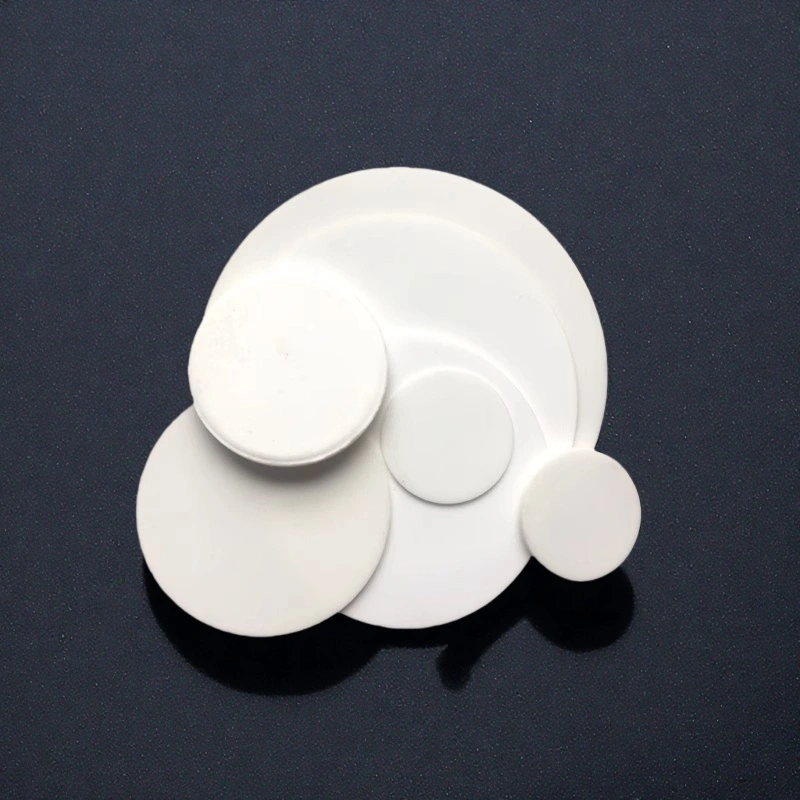
Hexagonal Boron Nitride (H BN) Sheets for High-Temperature Electrical & Thermal Insulation

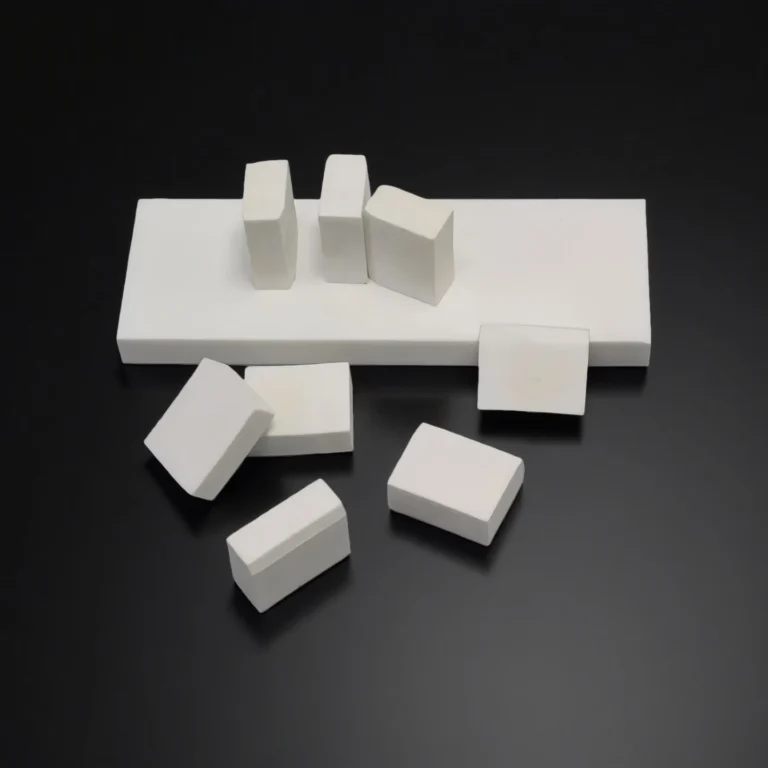
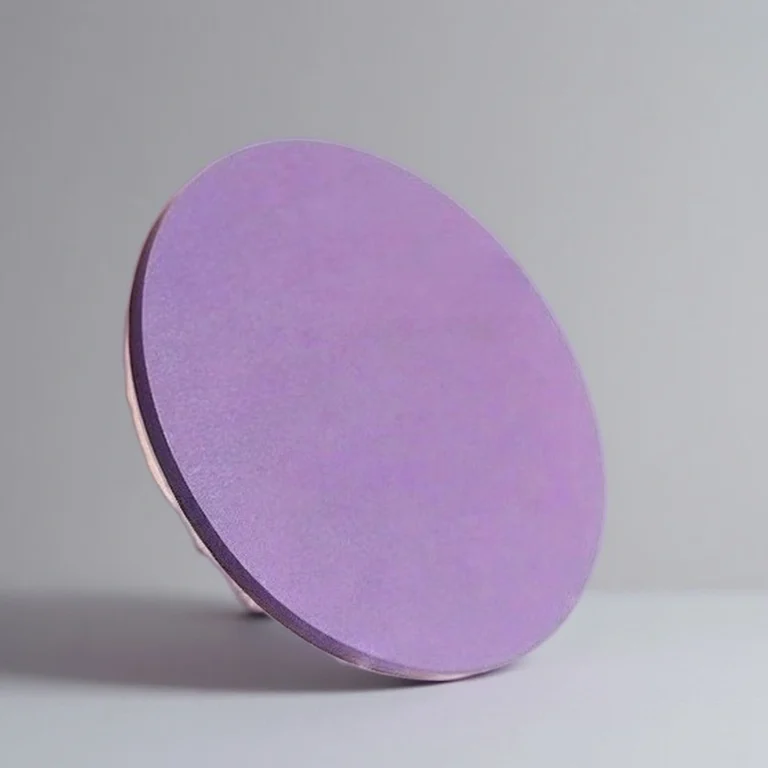
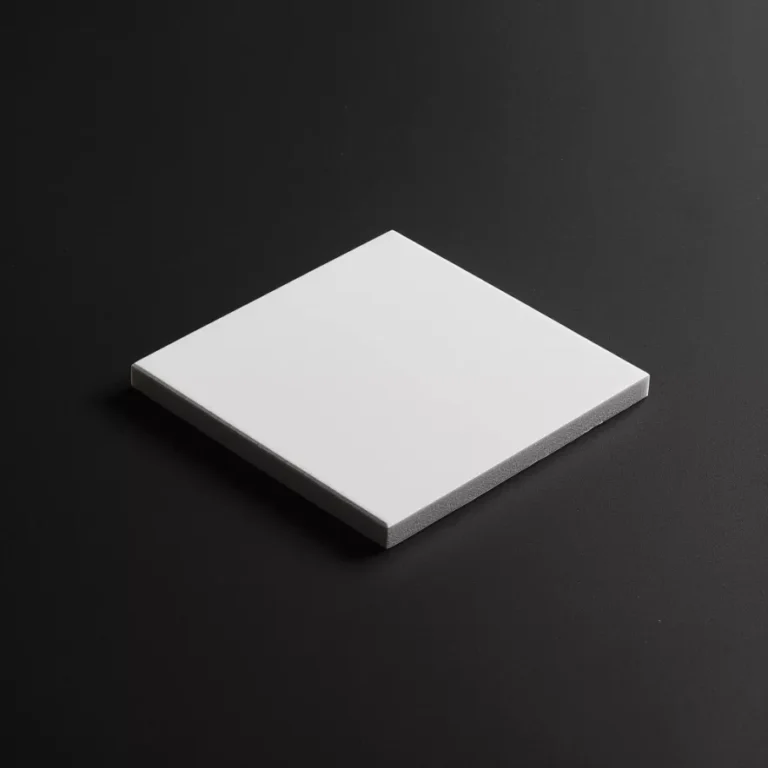
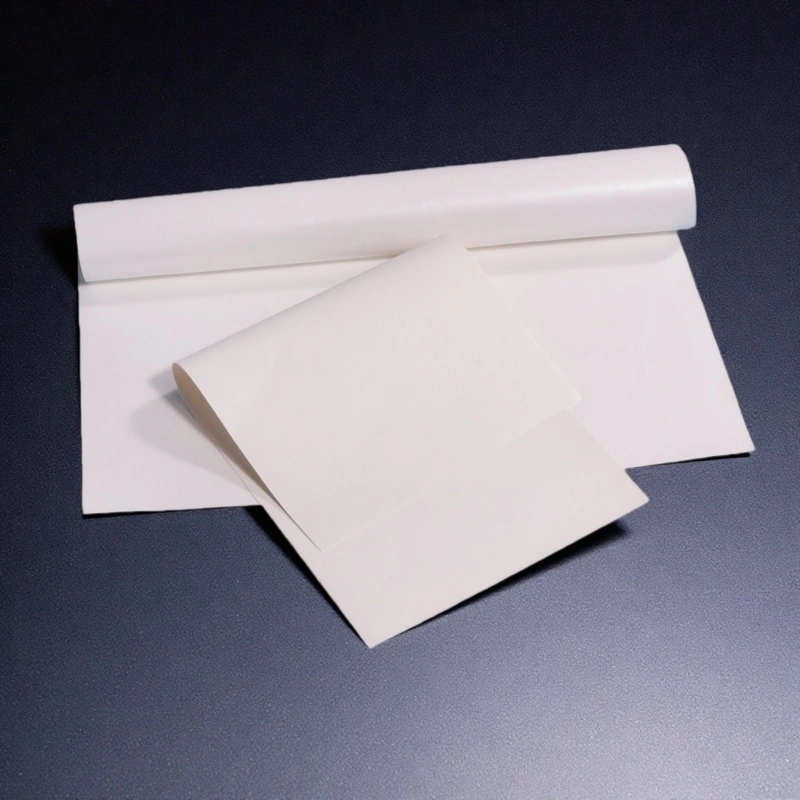
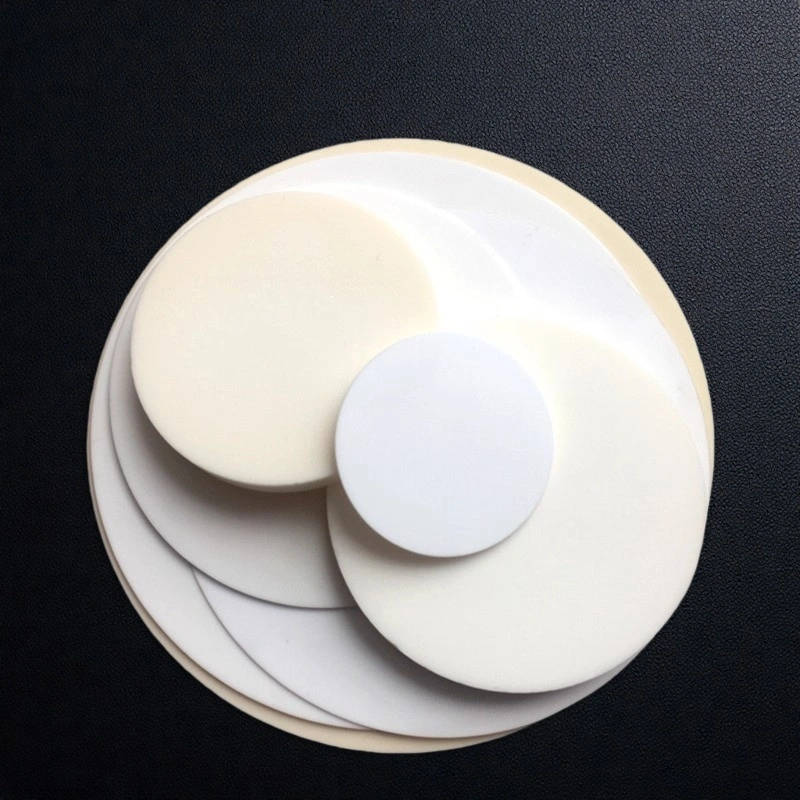
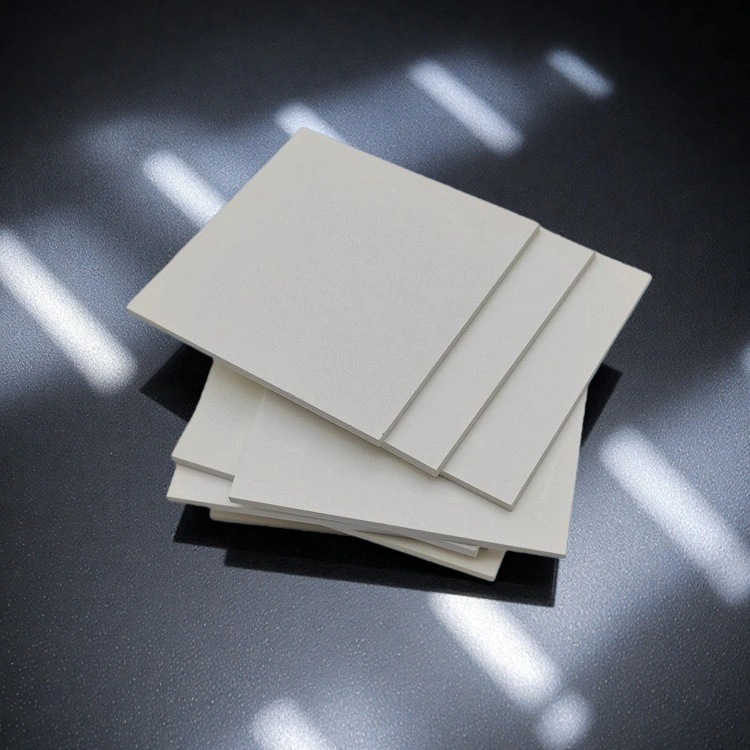
ADCERAX provides h BN sheets cut and machined to customer dimensions for use as high-temperature electrical insulation, thermal management plates and non-wetting contact surfaces in vacuum and thermal processing equipment.

Catalogue No. AT-HBN-BC001
Material Boron Nitride
Maximum use temperature ~800–1000°C in air
up to ~2000°C in inert atmosphere
Thermal conductivity ~30–70 W/m·K
Dielectric strength approx. 80–95 kV/mm
24H Standard Dispatch
Small Batch Support OEM
Factory Direct
Expert Engineering Support

A hexagonal boron nitride sheets are hot-pressed hexagonal boron nitride plate supplied as machinable ceramic sheets for high-temperature, electrically insulating and thermally conductive applications. In oxidizing atmospheres, dense h-BN remains stable up to around 800–1000°C, and in inert gas or vacuum it can be used near 2000°C, which makes it a practical choice for vacuum furnaces, thermal processing equipment and high-voltage systems where metals or polymers cannot survive.


H-BN Sheets Benefits

  • Anisotropic Thermal Management
    In-plane thermal conductivity is significantly higher than through-thickness, enabling efficient lateral heat spreading while keeping the backside thermally insulated.

  • High Purity and Low Outgassing
    CVD-deposited pyrolytic boron nitride contains no binders or glassy phases, which helps maintain low contamination and stable vacuum levels in high-vacuum and UHV equipment.

  • High-Temperature Stability in Vacuum
    PBN plates maintain mechanical integrity and electrical insulation at temperatures up to around 2000 °C in vacuum or inert gas, which is suitable for many high-temperature heater assemblies and shields.

  • Electrical Insulation with Good Dielectric Properties
    Pyrolytic boron nitride combines high volume resistivity with low dielectric loss, allowing PBN plates to function as electrical insulators close to hot zones and power elements.

  • Predictable Machining and Surface Quality
    PBN plates can be machined to tight dimensional tolerances and controlled surface roughness, allowing close fit to graphite, metal or ceramic assemblies in heater modules and fixtures.


Hexagonal Boron Nitride Sheet Properties

Property Unit Pyrolytic Boron Nitride Hot Pressed Boron Nitride
Purity 99.99% 99.50%
Density g/cm3 2.15-2.19 1.96-2
Hardness HV0.5 651 62
Volume resistivity Ohm*cm 2*1014 1.2*1014
Dielectric strength kV/mm 55 76
Maximum working temperature 1000 (air), 2300 (vacuum) 900 (air), 1850 (vacuum)
Bending strength MPa 173 (A direction) 310
Thermal conductivity W/m*K 60 (A direction) 55
Tensile strength MPa 112 (A direction) 110
Thermal expansion coefficient /℃ 6*10-7 1.8*10-6
Compressive strength MPa 154 (A direction) 120


H BN Sheets Specifications

H-BN Sheet
Item No. Diameter(mm) Height (mm)
AT-HBN-BC001 Customize


Hexagonal Boron Nitride Sheet Packaging

  • Each sheet is sealed in anti-static polyethene bags
  • Foam-padded inner box to prevent edge chipping
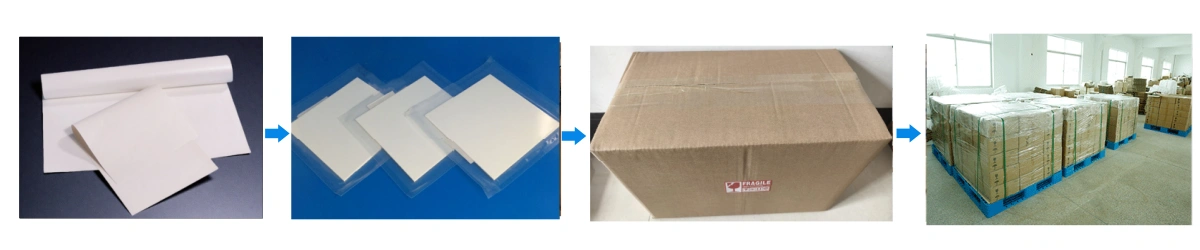
Hexagonal Boron Nitride Sheet Packaging

Hexagonal Boron Nitride Sheet Applications

  • h BN Sheets in Vacuum Furnaces and Brazing Systems

    ✅Key Advantages

    1. High-temperature electrical insulation – h BN sheets withstand around 800–1000°C in vacuum furnaces exposed to residual oxygen, while in inert hot zones they can operate close to 2000°C.
    2. Stable thermal barrier and heat spreader – thermal conductivity in the 30–70 W/m·K range supports efficient heat transfer while limiting local hot spots in fixtures and walls.
    3. Machined plates for complex fixtures – h BN sheets can be machined into door liners, support plates and mask plates that match brazing fixtures and component geometries.

    ✅ Problem Solved

    A vacuum brazing furnace manufacturer replacing mica or fiber-based insulation with h BN sheets in the hot zone reported that fixtures maintained dimensional stability through more than 200 heating cycles without visible cracking, while previous materials needed partial replacement after 50–80 cycles. The higher thermal conductivity also reduced heating and cooling gradients, contributing to more uniform brazed joints and a lower scrap rate on multi-part loads.

  • h BN Sheets in Non-Ferrous Metal Melting and Casting

    ✅Key Advantages

    1. Non-wetting interface with molten aluminum and magnesium – h BN offers low wettability with several non-ferrous melts, reducing build-up on chutes and contact plates.
    2. Dimensional stability at casting temperatures – stable properties above 700–800°C allow h BN sheets to work near typical aluminum and magnesium melt temperatures.
    3. Electrical and thermal separation – when combined with heaters or sensors near the melt, h BN sheets insulate electrical components while still allowing heat transfer.

    ✅ Problem Solved

    In a gravity casting line for aluminum components, replacing steel backing plates with h BN sheets between the mold and heater block helped reduce sticking of solidified metal on contact surfaces. After the change, the foundry recorded fewer forced cleaning shutdowns and reported that plate replacement intervals increased from roughly three months to more than six months, with lower labour time spent on manual scraping and surface reconditioning.

  • h BN Sheets in High-Voltage Power Supplies and Plasma Systems

    ✅Key Advantages

    1. High dielectric strength at elevated temperature – h BN insulation grades show dielectric breakdown strength close to 80–95 kV/mm, enabling compact insulation paths in power supplies and plasma sources.
    2. Low dielectric constant and low loss – relative permittivity around 4–5 and low loss tangent help limit RF and high-frequency losses in certain designs.
    3. Thermal management of hot components – thermal conductivity significantly above that of many polymer insulators supports stable component temperatures and improved service life.

    ✅ Problem Solved

    A plasma power supply builder used h BN sheets as insulating heat spreaders under high-voltage components mounted in a compact enclosure. After switching from conventional polymer laminates to BN ceramic sheets, internal hot-spot temperatures dropped by around 10–15°C at similar load, and the number of insulation-related failures during burn-in decreased over several hundred units shipped, according to the internal qualification report.

Usage Guide — h BN Sheets Installation and Handling

  • Installation

    Verify that the specified thickness, flatness and hole pattern match the mating metal or ceramic parts before installation.
    Mount h BN sheets on flat, clean surfaces, using designed clamping areas to avoid high local stress near edges and holes.
    When clamping with metal fasteners, use washers or pads where possible to distribute stress and reduce chipping.

  • Operation

    Use h BN sheets within the agreed temperature window for the chosen grade and furnace atmosphere.
    In oxidizing air, avoid continuous operation near the upper stability limit; in inert or vacuum service, respect furnace and material limits defined in the datasheet.
    Avoid rapid temperature shocks that exceed the thermal shock capability of the sheet, especially for thick plates.

  • Storage

    Store h BN sheets in dry, clean indoor conditions, away from strong alkaline chemicals and molten alkali salts that can attack BN.
    Keep sheets in their protective packaging until just before machining or installation to reduce accidental chipping.

  • Cleaning

    For dry contamination, use soft brushes or non-metallic scrapers; avoid hammering or impact tools on edges.
    For molten metal residues, allow parts to cool completely and use gentle mechanical cleaning; do not apply aggressive alkaline or fluoride-containing cleaners that can attack BN.

  • Typical misuse points and how to avoid them

    1. Over-tightening bolts through h BN sheets
    Problem: Cracks forming from bolt holes after a few cycles.
    Solution: Use torque-limited tightening, larger washers and, if needed, design additional support faces to spread load.

    2. Thermal shock from rapid quenching
    Problem: Edge chipping or plate fracture when moving directly from high temperature into cold air.
    Solution: Introduce controlled cooling ramps and avoid forced air or liquid quenching directly onto h BN sheets.

    3. Using the wrong grade for oxidizing atmospheres
    Problem: Progressive surface oxidation in air above the recommended temperature, resulting in powdering surfaces.
    Solution: Confirm grade suitability and limit time at high temperature in air; for long-term high-temperature use, prefer inert gas or vacuum conditions.

Hexagonal Boron Nitride Sheet FAQ

  1. Q: What are h BN sheets used for in industrial equipment?
    A: h BN sheets are used as high-temperature electrical insulation, thermal management plates and non-wetting contact surfaces in vacuum furnaces, thermal processing systems, non-ferrous metal equipment and high-voltage power or plasma systems
  2. Q: How hot can h BN sheets operate?
    A: Typical hot-pressed h BN sheets can operate up to around 800–1000°C in oxidizing air and can approach about 2000°C in inert or vacuum atmospheres, depending on grade and design.
  3. Q: Are h BN sheets electrically insulating?
    A: Yes, hexagonal boron nitride sheets are strong electrical insulators with high volume resistivity and dielectric strength, which allows them to separate high-voltage parts while still conducting heat away from components.
  4. Q: What is the difference between h BN sheets and PBN sheets?
    A: h BN sheets are usually hot-pressed bulk ceramics that are machinable and available in relatively thick plates, while PBN sheets are pyrolytic boron nitride deposited in thin, dense layers with extremely high purity for ultra-high vacuum and semiconductor applications.
  5. Q: Can hexagonal boron nitride sheets replace alumina or mica plates?
    A: In many high-temperature and vacuum applications, h BN sheets can replace alumina or mica plates where higher thermal conductivity, better machinability or non-wetting behaviour with molten metals is needed; final selection depends on temperature, atmosphere and mechanical loads.

Hexagonal Boron Nitride Sheet Reviews

  • ⭐️⭐️⭐️⭐️⭐️
    We switched several furnace fixtures to machined h BN sheets from ADCERAX. The plates fit our existing frames without redesign, and after more than one year of production the insulation surfaces have stayed stable through repeated cycles.
    David K. – Engineering Manager, Thermal Systems OEM (Germany)
  • ⭐️⭐️⭐️⭐️⭐️
    Using boron nitride ceramic sheets as contact plates around the launder has reduced cleaning time between casting campaigns. Pricing from this supplier is reasonable for a high-temperature material, and batch-to-batch consistency has been good.
    Maria S. – Operations Director, Aluminum Casting Plant (Spain)
  • ⭐️⭐️⭐️⭐️⭐️
    We use thin h BN sheets as insulating heat spreaders in a high-voltage module test stand. The combination of thermal conductivity and insulation allowed us to simplify the design and keep device temperatures within the target window.
    Kenji T. – R&D Engineer, Power Electronics Company (Japan)
  • ⭐️⭐️⭐️⭐️⭐️
    For repair projects we often need small quantities of custom-shaped BN plates. ADCERAX has been able to machine h BN sheets according to our sketches and supply them in low volumes, which helps us keep lead times under control for our customers.
    Robert L. – Owner, Vacuum Furnace Service Company (USA)
customize size

Customize H BN Sheets

ADCERAX supplies h BN sheets as both stock plates and fully machined components so that engineering teams can match their drawings, furnace envelopes and fixture concepts. What you can specify for h BN sheets:

  • Overall length and width of h BN sheets, including rectangular and custom outline profiles

  • Thickness range (for example 0.5–3 mm for thin sheets, 5–30 mm for structural plates, subject to grade and pressing size)

  • Grade or density class of boron nitride (e.g. high-purity insulation grade, higher-strength structural grade)

  • Flatness requirements and thickness tolerances suitable for multi-layer stacks or sealing surfaces

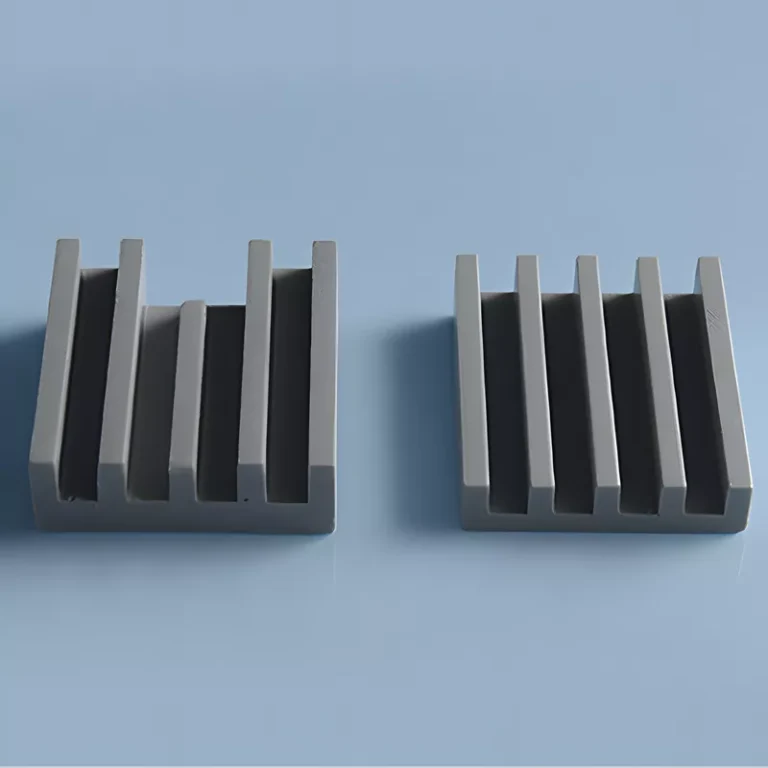
  • Machined features such as round and slotted holes, countersinks, counterbores, grooves, pockets, shoulders and alignment slots

  • Edge details including chamfers, radii and step edges to fit into channels or grooves

  • Surface finish options on one or both sides (as-pressed, fine machined, lapped or lightly polished where grade permits)

  • Orientation of sheet relative to pressing direction in cases where anisotropic properties are important

  • Matching sets of h BN sheets with silicon nitride, alumina or other advanced ceramic components for complete high-temperature assemblies

Related Products

ADCERAX - Your Trusted Advanced Ceramics Manufacturing Partner

Direct factory manufacturing with comprehensive ceramic materials expertise and global supply capabilities

Direct Factory Manufacturing

China-based ceramic materials production facility with state-of-the-art equipment

Engineering Team

Experienced professionals in advanced ceramics applications and custom design

Quality Control

Strict quality control standards for technical ceramics manufacturing and quality management

Global Supply Chain

Serving customers worldwide with technical ceramics and rapid response

24/7 Technical Support

Round-the-clock support for ceramic components inquiries and technical assistance

500+ Satisfied Customers

Trusted by global customers for advanced ceramic materials and precision components

Get in touch with us

Our team will be happy to respond to you in less than 24 hours.

Adcerax's factory

Quick Quotation

*Our team will answer your inquiries within 24 hours.

*Your information will be kept strictly confidential.

Ready to Solve Your Engineering Challenge?

Partner with ADCERAX for reliable, high-performance advanced ceramic solutions. Our engineers are ready to discuss your project.

E-mail

info@adcerax.com

Phone

+(86) 0731-74427743 | WhatsApp: +(86) 19311583352

Response Time

Within 24 hours

Quick Quote

The more details you provide, the faster we can quote.

*We respond within 24 hours. All inquiries are confidential.

Download Catalog

Get Your Custom Sulution

The more details you provide, the faster we can respond.

customize size

*We respond within 24 hours. All inquiries are confidential.

Download Catalog